
畜牧业

Search documents
草原美味“鲜”达万家 “智慧畜牧+特色文旅”铺就牧民致富路
Yang Shi Wang· 2025-12-14 07:20
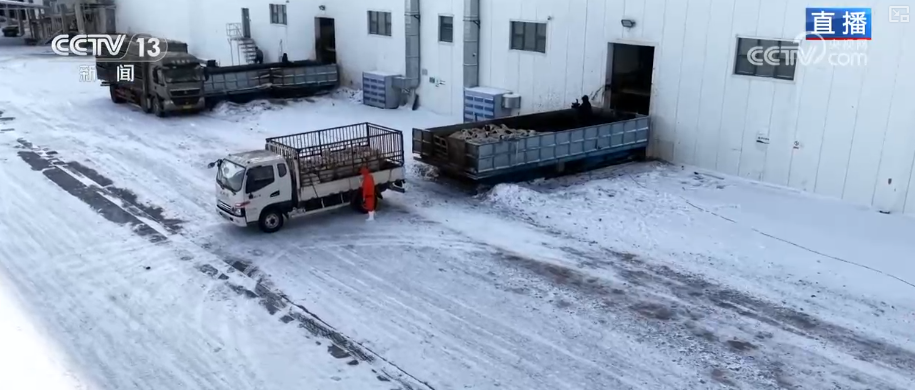
Core Viewpoint - The article highlights the significant role of the Xilin Gol League in meat production, particularly focusing on the processing and marketing of Xilin Gol sheep, which are known for their high-quality meat and nutritional value, contributing to the overall agricultural output of China [1][18]. Group 1: Meat Production and Processing - Xilin Gol League has a busy meat sheep processing industry, with the sheep's slaughter season lasting from summer to the end of the year [3]. - The local sheep breeds, such as Ujumqin and Sunite sheep, are raised on natural grasslands, resulting in high-quality meat with rich flavor and nutritional content [5]. - The processing facility implements strict quality control measures, including thorough inspections and sampling to ensure food safety [7]. - After slaughter, the sheep carcasses undergo a 12-24 hour aging process in a controlled environment to enhance flavor, followed by high-standard processing in a temperature-controlled facility [9][12]. - The industry has transformed, producing over 170 different products from a single sheep, increasing the added value by approximately 20% [10][12]. Group 2: Technological Advancements in Livestock Management - The traditional herding methods have evolved, with farmers now using mobile technology for livestock management, significantly reducing labor burdens [20]. - Smart monitoring systems and devices, such as intelligent collars for cattle, provide real-time data on livestock health and activity, aiding in precision farming [24]. - The establishment of national-level breeding farms has improved the genetic quality of sheep, with a self-sufficiency rate of 99% for core breeding stock [26]. Group 3: Economic Impact and Tourism - The transformation in the livestock industry has not only enhanced meat and dairy product supply but also boosted the local tourism industry [26]. - The early tea culture in Xilin Gol has become a popular attraction, with restaurants serving a variety of meat and dairy products, drawing significant tourist traffic [30]. - The production of cheese products has surged, with over 2,500 tons produced since 2025, generating sales exceeding 150 million yuan, benefiting local herders [34].

以“动”制“冻”!直击寒潮下的农作物“保卫战”
Yang Shi Xin Wen· 2025-12-14 02:47
Group 1: Impact on Agriculture - The recent cold wave and snowfall have led to a significant drop in temperatures across northern regions, affecting crop management and winter wheat growth [1][3] - In Hebei's Xingtai, farmers are being guided to enhance the cold resistance of winter wheat through targeted fertilization and management practices, covering approximately 120,000 acres [3] - Experts from the Ministry of Agriculture suggest that the cold weather can benefit wheat growth by improving soil moisture and killing pests, although they warn of potential risks like freezing temperatures after snowfall [7] Group 2: Livestock Management - The cold wave has also impacted livestock farming, prompting local agricultural centers to provide specific strategies for poultry and livestock management to ensure their safety during winter [8][10] - In Shandong, technical staff are advising poultry farmers to maintain optimal temperatures in chicken coops and manage ventilation to protect around 1.2 million egg-laying hens [10] - In Inner Mongolia and Gansu, livestock farmers are being instructed on shelter reinforcement and disease prevention to ensure the safety of their herds during extreme weather [12][14] Group 3: Vegetable Supply Stability - The cold weather has not hindered the production of broccoli in Zhejiang's Taizhou, which is a major production and processing hub, with an annual output nearing 100,000 tons [15][21] - The local supply chain for broccoli includes comprehensive support from seed supply to post-harvest logistics, ensuring quality and market readiness despite adverse weather conditions [17][19] - The dual focus on domestic and international markets for broccoli helps secure farmers' incomes, with exports reaching markets like Singapore and South Korea [21]

签约31个项目总投资超62亿元 第五届诏商大会在福建诏安举行
Zhong Guo Xin Wen Wang· 2025-12-13 16:41
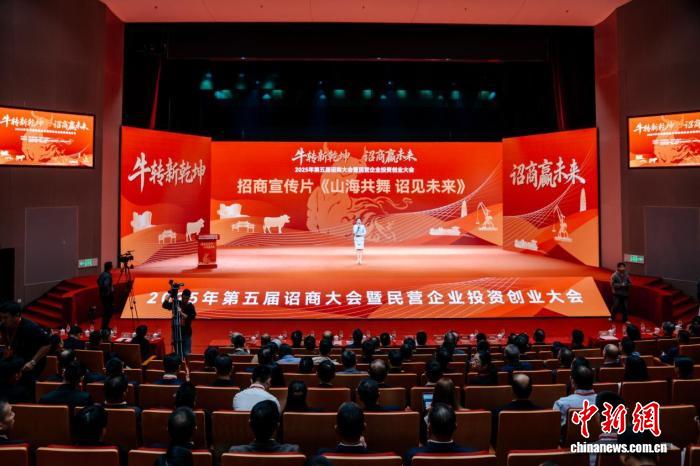
中新网福建诏安12月13日电 (叶艺琳林玲彭莉芳)12月12日下午,以"牛转新乾坤诏商赢未来"为主题的 2025年第五届诏商大会暨民营企业投资创业大会在福建省漳州市诏安县举行。海内外诏商精英、各界嘉 宾齐聚一堂,共叙乡情、共话商机。 大会现场集中签约项目31个,总投资达62.3亿元,涵盖工业、现代农业、商贸服务、文旅等多个领域, 为诏安高质量接续发展注入源源不断的澎湃动能。 据诏安县人民政府县长远洋介绍,作为福建"南大门",诏安区位优势显著,对内深度融入粤港澳大湾 区,对外紧密拓展与东盟国家经贸合作,是广受客商青睐的投资沃土。近年来,诏安通过抢抓中菲"两 国双园"、闽粤经济合作核心区等战略机遇,全力建设"两优三新"产业体系,形成特色种养、食品加工 等优势产业,新材料新能源、海洋经济等新兴产业蓬勃兴起。 2021年,诏安举办首届诏商大会。五年间,广大诏商踊跃响应"诏商回归"工程号召,推动诏商大厦、诏 商回归产业园、诏盛循环经济产业园等一大批优质项目落地,掀起项目回归、资金回流、智力回援的热 潮。对此,诏安县委、县政府也不断优化营商环境,打出政策组合拳。完善招商服务体系,全力推 进"妈妈式"政务服务,坚持每月召开 ...
生猪周报:反套或低多远月-20251213
Wu Kuang Qi Huo· 2025-12-13 13:00
反套或低多远月 生猪周报 2025/12/13 028-86133280 wangja@wkqh.cn 从业资格号:F0273729 交易咨询号:Z0002942 王 俊 (农产品组) CONTENTS 目录 01 周度评估及策略推荐 04 需求端 02 期现市场 05 成本和利润 03 供应端 06 库存端 01 周度评估及策略推荐 周度评估及策略推荐 ◆ 现货端:上周国内猪价先跌后涨,周内受降温降雪影响,市场备货有所增加,屠宰量稳步增多,上游顺势出栏,交易均重略微下滑,肥标价差 小幅抬高;具体看,河南均价周涨0.1元至11.48元/公斤,周内最低11.22元/公斤,四川均价周涨0.76元至12.06元/公斤,周内最低11.5元/公 斤,广东均价周涨0.24元至12.16元/公斤;散户和集团场供应陆续增加,但在腌腊等需求放量的带动下,整体走货顺畅,预期未来猪价以仍微 涨走势为主。 ◆ 供应端:10月官方母猪存栏为3990万头,环比回落1.1%,仍比正常母猪保有量多2.3%,去年以来母猪产能的持续增加,或导致今年及明年上半 年供应基调维持偏空;不过,当前政策端强制去产能的预期较强,或在今年亏损有限的背景下改善 ...
出栏策略大分化!东北从容华北慌,根源是啥?
Xin Lang Cai Jing· 2025-12-13 10:17
来源:市场资讯 (来源:猪兜) 据中国畜牧业协会近日对全国主要产销区的动态观察,一个值得玩味的现象正在年末市场中清晰呈现: 华北地区的许多养殖户正在加快出栏节奏,而东北的大型养殖集团却普遍按部就班,维持着既定的稳定 出栏计划。 这一"北稳南忙"的策略分化,并非简单的区域差异,其背后是不同养殖主体在当前市场周 期下,基于截然不同的资金实力、风险承受能力和对后市判断所作出的生存选择。 一、东北求稳,华北求变 而对于华北地区广大的中小散户来说,他们的养殖业更像一叶扁舟,需要对市场风浪做出更及时的反 应。他们没有雄厚的资金储备来长期承受亏损,饲料成本、贷款利息都是每天要面对的现实压力。因 此,他们的决策更直接地围绕着"算眼前账":当猪价跌至成本线以下,对未来又缺乏信心时,为了避免 更大亏损,"清栏"减量、回笼资金就成了一个现实甚至必要的选择。反之,当看到一点涨价苗头,或期 盼腌腊季等传统需求来临,他们也敢于"压栏"一搏。这种"忙清栏"或"忙压栏",本质上是他们在市场波 动中为保卫自身生计而进行的积极调整。 三、博弈中寻找新平衡 近一个多月来的市场数据清晰地勾勒出这种分化。在东北地区,生猪出栏节奏显示出较强的稳定性。根 ...

法国多地遭遇新一轮牛疙瘩皮肤病疫情
Zhong Guo Xin Wen Wang· 2025-12-13 02:11
Core Viewpoint - France is facing a new outbreak of bovine lumpy skin disease, which could lead to the death of approximately 1.5 million cattle if not effectively controlled, posing a severe threat to the livestock industry [1] Summary by Relevant Sections Disease Impact - As of December 9, over 100 cases of the disease have been reported across 8 provinces in France [1] - The disease is highly contagious among cattle and can cause skin lesions, reduced milk production, and even death, but it is not transmissible to humans [1] Government Response - The French government is implementing measures such as mass culling and expanding vaccination efforts to contain the outbreak [1] - In the Ariege province, a farm was ordered to cull over 200 cattle after a single confirmed case to prevent further spread [1] Current Situation - The French Ministry of Agriculture has reported handling 108 outbreak points, with approximately 3,000 cattle culled, representing about 0.02% of the total cattle population [1] - The French Prime Minister has described the outbreak as a "serious crisis" [1] Farmer Reactions - Some farmers in affected regions have expressed dissatisfaction with the mass culling regulations and have protested in several locations in southwestern France [1]
浙江:进一步加强生猪及生猪产品调运管理
Mei Ri Jing Ji Xin Wen· 2025-12-13 01:56
Core Viewpoint - The Zhejiang Provincial Department of Agriculture and Rural Affairs has issued a notice to strengthen the management of the transportation of live pigs and pig products, with specific regulations on inter-regional transport and importation of pigs and pig products from outside the province [1] Group 1: Transportation Regulations - For slaughter pigs transported across major regions, a "point-to-point" transport method will be implemented, with transport distances generally limited to within 1,000 kilometers, subject to adjustments based on the risk of major animal diseases [1] - The notice allows pig farming enterprises outside the province that hold a "Breeding Livestock Production and Operation License" to transport breeding pigs and piglets (weighing under 30 kilograms and intended for feeding) into Zhejiang [1] Group 2: Importation Requirements - Imported pig products from outside the province must undergo quarantine and quality inspection, and are required to be registered and reported through designated channels before being transported into Zhejiang [1] - The new regulations will take effect on January 10, 2026 [1]
片区建设成为山东“十四五”乡村振兴最鲜明标识
Da Zhong Ri Bao· 2025-12-13 01:28
Core Viewpoint - The article highlights the significant progress and strategies implemented in Shandong Province during the "14th Five-Year Plan" period to promote rural revitalization through area-based construction, emphasizing the importance of agricultural modernization and improving farmers' living standards [2][3][5]. Group 1: Area-Based Construction - Shandong has initiated the construction of 2,070 rural revitalization areas, covering over 18,000 administrative villages, as part of its strategy to enhance rural development [2]. - The approach focuses on leveraging strong villages as leading examples, integrating resources, and optimizing public services to achieve coordinated progress in five areas of revitalization [2]. Group 2: Agricultural Production - Shandong's total grain production is expected to remain above 110 billion jin annually during the "14th Five-Year Plan," with significant contributions to national food security [3]. - The province has established a "1+4" agricultural production system, resulting in an increase of 5.268 billion jin in grain production, equivalent to the annual output of a major grain-producing city [3]. Group 3: Industrial Revitalization - The province is focusing on enhancing the entire agricultural industry chain, with notable projects like the production of pomegranates and shrimp, generating annual outputs exceeding 5 billion and 10 billion yuan, respectively [4]. - Shandong has cultivated 10 national-level advantageous agricultural industry clusters and 122 national-level strong agricultural towns, with over 11,621 large-scale agricultural processing enterprises [4]. Group 4: Agricultural Modernization - Shandong is prioritizing agricultural technology modernization, achieving a seed coverage rate of over 98% and a comprehensive mechanization rate of 91% for major crops, both exceeding national averages [4]. - The contribution rate of agricultural technology progress in Shandong is 67.4%, placing the province in the top tier nationally [4]. Group 5: Improving Farmers' Living Standards - The average annual growth rate of rural residents' disposable income in Shandong is 7.7% during the "14th Five-Year Plan" [5]. - Infrastructure improvements include a rural road network of 266,000 kilometers, with high rates of sanitation and water supply services, significantly enhancing the quality of life for rural residents [5].
以“成本”之精 牧原股份锻造穿越周期韧性
Zhong Guo Zheng Quan Bao· 2025-12-12 20:24
● 本报记者杨梓岩 11月下旬,牧原股份(002714)赴港上市迎来关键进展,中国证监会已对其出具境外发行上市备案通知 书,标志着其国际化战略迈出实质性一步。 在行业周期波动趋缓、竞争步入成本决胜的新阶段,牧原股份凭借持续下降的养殖成本与稳健增长的业 绩,展现出穿越周期的强大韧性。牧原股份董事会秘书秦军日前在接受中国证券报记者专访时表示,公 司正通过持续研发投入与降本增效,推动可持续发展,期待通过自身业务发展以及对行业技术、产业链 的贡献,助力行业高质量发展。 全球化价值重塑 对于牧原股份而言,此次赴港上市是公司面向长远全球化发展的重要战略落子。秦军明确表示,发行H 股主要是为未来五到十年的国际化拓展铺路。 根据备案通知书,牧原股份拟发行不超过5.46亿股境外上市普通股,于香港联交所主板上市。募集资金 将主要用于拓展全球商业版图及研发投入。 港股上市被视为牧原全球化战略的关键助推器。秦军指出,上市过程本身有助于公司开拓海外业务,两 者相辅相成。 近年来,牧原的出海步伐明显加快:2024年在越南设立子公司,并与当地农业企业BAF达成战略合作; 今年8月,与正大集团签署全球战略合作协议;9月末,进一步与BAF计划 ...

以“成本”之精牧原股份锻造穿越周期韧性
Zhong Guo Zheng Quan Bao· 2025-12-12 20:17
● 本报记者 杨梓岩 11月下旬,牧原股份赴港上市迎来关键进展,中国证监会已对其出具境外发行上市备案通知书,标志着 其国际化战略迈出实质性一步。 在行业周期波动趋缓、竞争步入成本决胜的新阶段,牧原股份凭借持续下降的养殖成本与稳健增长的业 绩,展现出穿越周期的强大韧性。牧原股份董事会秘书秦军日前在接受中国证券报记者专访时表示,公 司正通过持续研发投入与降本增效,推动可持续发展,期待通过自身业务发展以及对行业技术、产业链 的贡献,助力行业高质量发展。 全球化价值重塑 对于牧原股份而言,此次赴港上市是公司面向长远全球化发展的重要战略落子。秦军明确表示,发行H 股主要是为未来五到十年的国际化拓展铺路。 根据备案通知书,牧原股份拟发行不超过5.46亿股境外上市普通股,于香港联交所主板上市。募集资金 将主要用于拓展全球商业版图及研发投入。 港股上市被视为牧原全球化战略的关键助推器。秦军指出,上市过程本身有助于公司开拓海外业务,两 者相辅相成。 财务结构的优化是公司近期另一大亮点。随着大规模资本开支阶段结束,牧原现金流状况显著改善。秦 向"10元时代"迈进 如果说国际化布局着眼于未来增长空间,那么持续深化的成本控制能力则是 ...