
先进材料

Search documents
四川新型工业化的三个“度”
Si Chuan Ri Bao· 2025-11-20 00:33
Core Insights - Sichuan province is focusing on modern industrialization as a key strategy to strengthen its real economy, with an emphasis on new industrialization as the main engine for growth [6][11]. Speed - Since the 14th Five-Year Plan, Sichuan's industrial output value has grown at an average annual rate of 6.6%, with the total industrial output value increasing from 1.34 trillion yuan to 1.79 trillion yuan, ranking seventh in the country [11]. - The largest single industrial project in the province, a new 8.6-generation AMOLED production line by BOE Technology Group, is progressing rapidly, having been completed in just 183 days [8][9]. - Sichuan has implemented over 15,000 manufacturing projects, driving manufacturing investment to exceed 2 trillion yuan [10]. Strength - The automotive manufacturing sector in Sichuan has seen significant growth, with a 626% year-on-year increase in new energy vehicle production, reaching 146,900 units in the first three quarters of the year [12]. - The province is home to 17 key industrial chains, with a focus on enhancing production capabilities, particularly in new energy vehicles and lithium-ion batteries, which have seen production increases of 170% and 55% respectively [12][13]. - Sichuan produces nearly half of the world's high-end flexible screens and is a major player in various manufacturing sectors, including nuclear power and steel equipment [13]. Precision - Sichuan's industrial enterprises have increased R&D investment and intensity by 50% and 41% respectively during the 14th Five-Year Plan period, with a profit margin of 7.3%, ranking first among major economic provinces [17]. - The province has five advanced manufacturing clusters recognized globally, covering sectors such as electronic information and energy equipment, ranking fourth in the country [16]. - The revival of the once-dormant pump and valve industry in Zigong is a testament to targeted industrial policies, with the total output value of the industry cluster projected to reach 13.637 billion yuan by 2024 [18].


国企招人,提供岗位超2000个 新兴产业成“强磁场”
Si Chuan Ri Bao· 2025-11-17 00:20
Core Points - The "Qihang Tianfu State-owned Enterprises 2025 Campus Recruitment Fair" was held at the University of Electronic Science and Technology of China, organized by the provincial state-owned assets supervision and administration commission, the education department, and the human resources and social security department [1] - A total of 225 state-owned enterprises participated, offering over 2,000 job positions across various sectors including energy, transportation, construction, healthcare, cultural tourism, advanced materials, electronic information, equipment manufacturing, and modern agriculture [1] - The event featured an innovative smart job-seeking area with self-service job application terminals and an AI job matching system, providing students with precise and efficient digital job-seeking services [1] - There was significant interest in booths related to emerging industries such as electronic information, artificial intelligence, and biomedicine, with frequent interactions regarding cutting-edge technologies and innovative application scenarios [1] Additional Information - The online recruitment for this state-owned enterprise job fair will continue until the end of November [2]
巴渝大地,人才与城市双向奔赴
Ren Min Ri Bao· 2025-11-13 22:10
Core Viewpoint - The article emphasizes the strategic importance of education, technology, and talent in building a modern socialist country, highlighting Chongqing's efforts to attract and cultivate talent through various innovative policies and initiatives [5][6][10]. Talent Attraction and Development - Chongqing has implemented policies to attract top talent, including project co-investment and talent rewards, leading to a significant increase in the number of high-level professionals [6][7]. - The city has seen a rise in youth talent, with 712,000 young individuals attracted to work and innovate in Chongqing since 2024 [6]. - The number of high-skilled workers has increased to 1.795 million, a 72% growth compared to the end of the 13th Five-Year Plan [7]. Innovation and Research Platforms - Chongqing has established multiple high-level research platforms, including eight leading research laboratories, which have attracted 691 researchers, including seven academicians [10]. - The city has doubled the number of innovation bases to 1,297 since the end of the 13th Five-Year Plan, enhancing its research and development capabilities [10][11]. Educational Support - The city has focused on building high-level universities and research institutes, adding 66 new master's and doctoral degree programs, and producing 1.85 million graduates during the 14th Five-Year Plan [11]. - The number of high-tech enterprises has reached 9,123, a 2.1 times increase since 2020, indicating a robust environment for innovation and talent acquisition [11]. Entrepreneurial Ecosystem - Chongqing has developed a talent innovation and entrepreneurship service mechanism, providing comprehensive support for startups, which has led to the establishment of 524 incubated companies [14]. - The city has introduced a digital platform, "Yucaihui," to streamline talent services, reducing review times by over 30 days and facilitating the introduction of over 20,000 talents in key industries [14]. International Collaboration - Chongqing has strengthened international cooperation by hosting various technology exchange conferences and establishing partnerships with institutions like Nanyang Technological University [8][9]. - The city has initiated a pilot program for recognizing foreign high-level talent, enhancing its appeal to international professionals [8].
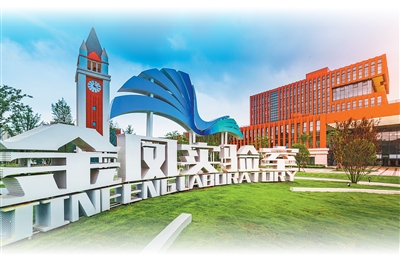
重庆加快打造西部人才中心和创新高地 巴渝大地,人才与城市双向奔赴
Ren Min Ri Bao· 2025-11-13 22:05
Core Viewpoint - The article emphasizes the importance of education, technology, and talent as foundational and strategic supports for building a modern socialist country, highlighting the need for innovation-driven development and talent cultivation in Chongqing [1]. Group 1: Talent Attraction and Development - Chongqing has implemented various strategies to attract and cultivate strategic technology innovation talents, focusing on industries such as intelligent connected vehicles and advanced materials [2]. - The city has seen a significant increase in youth talent retention, with 712,000 young people choosing to stay in Chongqing for employment and entrepreneurship since 2024 [3]. - The number of high-skilled workers in Chongqing has risen to 1.795 million, a 72% increase compared to the end of the 13th Five-Year Plan [3]. Group 2: Open Environment for Talent - Chongqing has established a welcoming environment for international talent, hosting various international conferences and building partnerships with institutions like Nanyang Technological University [4]. - The city has initiated measures to facilitate the lives of foreign talents, including the recognition of foreign professional qualifications and the establishment of a dual offshore innovation and entrepreneurship mechanism [4]. Group 3: Innovation Platforms - Chongqing has developed high-level research platforms, including eight leading research laboratories, to support talent in the life sciences sector [6]. - The number of innovation bases in Chongqing has doubled compared to the end of the 13th Five-Year Plan, reaching 1,297 [6][7]. Group 4: Entrepreneurial Support - The city has created a one-stop service for entrepreneurial teams through talent innovation and entrepreneurship service ports, facilitating the establishment of companies like Guangdong Light Quantum [8][9]. - Chongqing has implemented a dual-channel evaluation system for high-level talents, recognizing over 120,000 new talents [9]. Group 5: Digital and Policy Support - The "Yucaihui" application has been developed to streamline talent services, reducing review times by over 30 days and integrating 73 services into a single platform [10]. - Chongqing aims to continue optimizing its talent ecosystem with a focus on openness and flexibility, enhancing opportunities for both domestic and international talents [10].
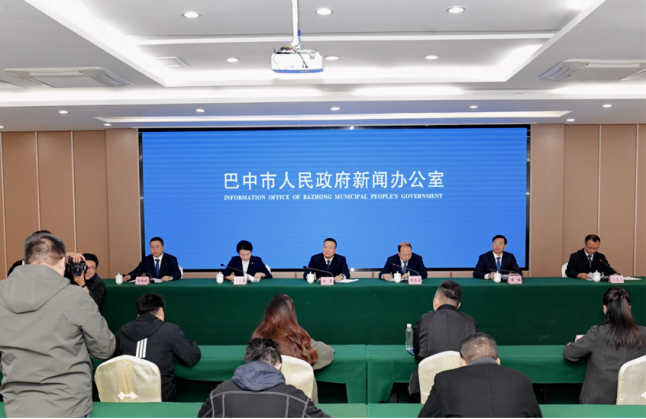
四川巴中:全国革命老区振兴发展示范市建设迈出新步伐
Zhong Guo Fa Zhan Wang· 2025-11-13 04:17
Core Insights - The article highlights the significant achievements of Bazhong City during the "14th Five-Year Plan" period, emphasizing the city's commitment to high-quality development and the implementation of the "One City, Four Districts, Three Areas" development strategy [1][3]. Economic Development - Bazhong's GDP growth rate improved from 15th among 20 revolutionary old districts in 2020 to 2nd in 2024, with the city achieving its best position in nearly a decade [4]. - The local public budget revenue has seen a continuous growth rate for 17 months, while the industrial added value has maintained double-digit growth for 18 months, placing Bazhong in the top tier of provincial rankings [4]. Industrial Development - The city has established a modern industrial system categorized as "5+2+3," focusing on ecological industry and advanced manufacturing [6]. - Key industries include advanced materials, low-altitude economy, and clean energy projects, with significant investments in wind, solar, and hydropower [6]. Urban-Rural Integration - Bazhong has promoted urban-rural integration, enhancing the quality of life in both urban and rural areas, and has seen a 4.34 percentage point increase in urbanization rate since 2020 [8]. - The city has successfully integrated into the "two-hour economic circle" of Chengdu and Chongqing, improving transportation links significantly [8]. Reform and Innovation - The city has implemented measures to create a business-friendly environment, including the introduction of local regulations to optimize services for enterprises [9][10]. - Bazhong has initiated a systematic assessment of various resources to enhance their value and promote economic development [10]. Environmental Sustainability - Bazhong has made strides in ecological development, becoming the first prefecture-level city in Sichuan to establish a national ecological civilization demonstration zone [12]. - The city has developed a GEP accounting system, achieving an ecological system production value of 2,586.36 billion yuan in 2023 [12]. Social Welfare - The city has focused on improving the quality of life for its residents, allocating over 70% of new financial resources to social welfare projects [13]. - Initiatives in education and healthcare have been prioritized, including the establishment of a cloud-based education platform and improved access to medical services [13][14].
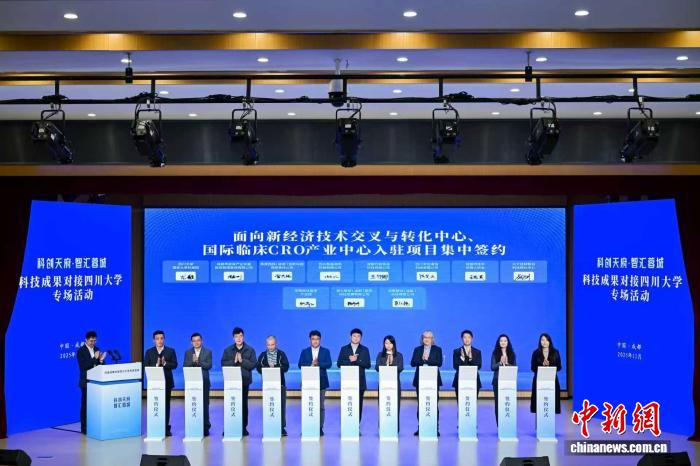
“科创天府·智汇蓉城”科技成果对接四川大学专场活动举行
Zhong Guo Xin Wen Wang· 2025-11-12 17:29
Core Insights - The event "Sci-tech Innovation Tianfu · Wisdom Gathering in Rongcheng" was held in Chengdu, showcasing over 470 technology achievements from Sichuan University and facilitating 14 project signings, aimed at enhancing the transformation of scientific and technological achievements [1][2]. Group 1: Technology Transfer Mechanism - Chengdu has established an integrated technology transfer service platform, focusing on connecting technology companies with innovations, products with markets, and startups with funding, having conducted over 300 matching events in the past year [2]. - The event serves as a practical implementation of this mechanism, promoting over 400 industry-university-research collaborations across key sectors such as artificial intelligence and biomedicine [2]. Group 2: Talent and Resource Integration - The "Chengdu Talent and Technology Innovation Service Center" was inaugurated to consolidate resources for evaluating and transforming innovation and entrepreneurship achievements [3]. - A new economic technology intersection and transformation center was launched, focusing on areas like artificial intelligence and healthcare, aimed at bridging the gap between laboratories and market applications [3]. Group 3: Project Signings and Collaborations - A total of 14 projects were signed during the event, focusing on high-precision industries and collaborations between Sichuan University and various enterprises, including a partnership with Zhejiang Qiangnao Technology Co., Ltd. on brain-machine interface technology [3][4]. - Collaborations were also established between Sichuan University research teams and companies in Chengdu, Meishan, and Mianyang, promoting five high-quality projects in fields such as biomedicine and advanced materials [4].
从121.9到126:上海重点产业国际竞争力指数六年间持续提升
Xin Hua Cai Jing· 2025-11-10 07:29
Core Insights - The "2024-2025 Shanghai Key Industries International Competitiveness Index Report" indicates that Shanghai's key industries competitiveness index increased from 121.9 in 2019 to 126 in 2024, reflecting a cumulative growth of 4.1 over six years, transitioning from "speed chasing" to "quality leading" in strategy [1][2]. Industry Analysis - The report highlights that in 2024, industries such as new energy vehicles, biomedicine, integrated circuits, and shipbuilding and marine engineering are the primary contributors to the competitiveness index, forming the "first tier" of Shanghai's key industries [2]. - Advanced materials, artificial intelligence, and civil aviation are identified as "frontier fields" in a critical phase of technological accumulation and market expansion, expected to become new growth points for Shanghai's industrial competitiveness [2]. - Traditional industries like petrochemicals and steel are undergoing transformation and upgrading, with a reduction in output value but still maintaining large scale, potentially reshaping competitive advantages through integration with emerging industries [2]. Sector-Specific Insights - The competitiveness of the new energy vehicle industry reflects Shanghai's early advantages in green and low-carbon transformation, with recommendations to deepen smart factory construction and supply chain collaboration to enhance industrial efficiency [2]. - The integrated circuit sector has seen the largest competitiveness increase in both international and domestic markets, attributed to its comprehensive industry chain layout and large-scale production of high-end equipment, with a call for continued investment in cutting-edge fields to overcome key technological bottlenecks [2][3]. Strategic Recommendations - The report suggests that global industrial competition has shifted from relying on scale, cost, and single-point technological advantages to focusing on rule systems, technological innovation, green compliance, digital operations, and regional collaboration [3]. - It emphasizes the need for Shanghai's industrial policies to transition from "factor aggregation" to "system capability," forming a systemic competitiveness structure centered on technology, institutions, and ecology [3].
报告:全球区域化趋势已基本形成,长三角这项能力需加强
Di Yi Cai Jing· 2025-11-10 02:12
Group 1 - The report highlights a significant trend towards supply chain decentralization and nearshoring, indicating a shift towards regionalization and sectoralization in the global market [1] - Six major changes in the industrial environment are identified, including the return of supply chains in core areas like semiconductors, advancements in industrial robotics, and the deep integration of artificial intelligence across various applications [1] - The report indicates that Shanghai's industrial international competitiveness is at a critical stage of structural upgrade, with gradual optimization effects but a need for further momentum to achieve systemic upgrades [1] Group 2 - Shanghai and the Yangtze River Delta are experiencing the fastest improvement in industrial efficiency, with both international and domestic market performance being crucial pillars supporting international competitiveness [2] - Key industries tracked in 2024 include new energy vehicles, traditional industries, biomedicine, and integrated circuits, with significant growth in shipbuilding and offshore engineering [2] - The export structure is undergoing profound changes, with future industrial development expected to focus on intelligence, sustainability, and integration [2]
发挥新型举国体制优势 更大力度激发企业创新活力
Zheng Quan Shi Bao· 2025-11-09 22:57
Core Viewpoint - Technological innovation is essential for developing new productive forces and is a key element in the current global competition among major powers. The recent strategic deployment in the 14th Five-Year Plan emphasizes accelerating high-level technological self-reliance and innovation [1]. Group 1: Technological Innovation and National Strategy - The 14th Five-Year Plan suggests enhancing original innovation and tackling key core technologies through a new type of national system, focusing on critical areas such as integrated circuits and advanced materials [1][2]. - Experts believe that the new national system can integrate resources across the country, addressing the challenges faced in key technology sectors [2]. Group 2: Financial Support and Innovation Ecosystem - The plan emphasizes the need for a diversified financial service system that aligns with the lifecycle financing needs of technology enterprises, enhancing support for major national technology tasks and small to medium-sized tech firms [3]. - There is a call for financial institutions to develop specialized credit products for technology service organizations, aiming to lower financing thresholds and enhance support for innovation [4]. Group 3: Encouraging Corporate R&D - The plan proposes increasing the tax deduction ratio for corporate R&D expenses and enhancing government procurement of innovative products to stimulate corporate innovation [5]. - Since 2017, the R&D expense deduction ratio has been progressively increased, with certain sectors now eligible for a 120% deduction, directly reducing R&D costs for companies [5]. - Government procurement has significantly supported small and medium enterprises, with contracts exceeding 2.5 trillion yuan in 2023, accounting for 74.4% of total government procurement [5]. Group 4: Resource Integration and Standardization - The plan advocates for the integration of innovation resources, supporting leading enterprises and research institutions in forming innovation alliances to tackle technological challenges and share patents [6]. - It also emphasizes the establishment of industry standards, with the Ministry of Industry and Information Technology leading efforts to create a standardized technical committee to enhance market access for compliant enterprises [6].
从进博会看跨国企业新动向:七成外企看好中国经济,在华并购显著增加
Di Yi Cai Jing Zi Xun· 2025-11-07 08:44
Group 1 - The eighth China International Import Expo (CIIE) opened in Shanghai, attracting numerous multinational companies to participate and emphasizing the need for these companies to integrate into China's high-quality development process [1] - Key themes at the expo included digital consumption and green low-carbon initiatives, reflecting the underlying logic of China's high-quality development [1] - Multinational companies are increasingly confident in aligning their core strengths with China's long-term goals in digital transformation, sustainable development, and health [1] Group 2 - According to KPMG's "2025 Outlook for Multinational Companies in China" report, nearly 70% of surveyed multinational companies have more confidence in China's economic growth compared to global economic expectations [2] - North American companies are the most optimistic about growth in China, while Japanese companies are more conservative due to lower localization and intense competition from local firms [2] - There has been a significant increase in merger and acquisition activities by multinational companies in China over the past six months, with many planning to maintain or increase investments [2] Group 3 - Multinational companies face challenges such as intensified local competition, upgraded compliance requirements, and accelerated technological iterations [3] - Supply chain management costs have risen significantly due to global disruptions, and companies must adapt to China's integrated digital ecosystem regarding data privacy compliance and logistics [3] - Over 90% of companies plan to increase digital investment, with 58% already using AI tools in their operations [3]