铁路运输业

Search documents
制造业PMI低于荣枯线 国常会部署贴息政策促消费
Di Yi Cai Jing· 2025-07-31 13:51
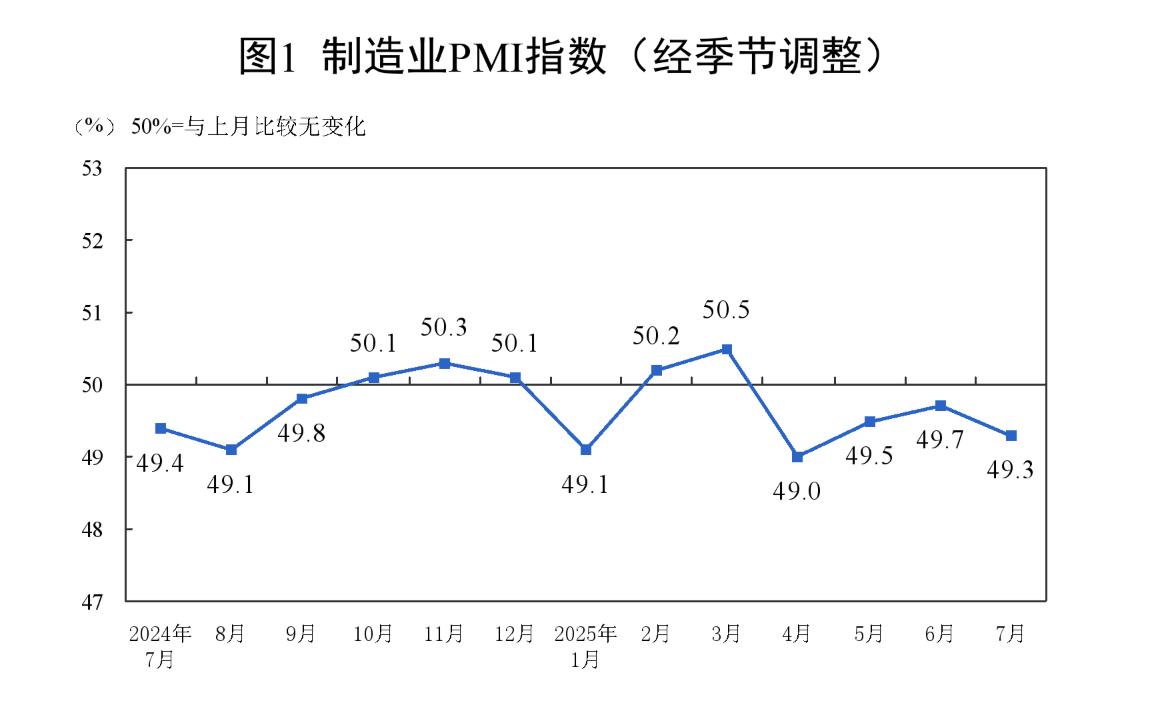
Economic Overview - The Central Political Bureau emphasized the need to enhance macroeconomic policy effectiveness and stimulate internal economic growth [1] - The State Council reiterated the implementation of personal consumption loan interest subsidy policies to better stimulate consumption potential [1][7] Manufacturing Sector - The manufacturing Purchasing Managers' Index (PMI) for July was reported at 49.3%, a decrease of 0.4 percentage points from the previous month, marking the fourth consecutive month below the growth threshold [1][4] - The new orders index for manufacturing fell to 49.4%, down 0.8 percentage points, indicating a contraction in market demand [6] - Despite the decline in demand, the production index remained at 50.5%, indicating continued expansion in manufacturing activities [6] Price Trends - The manufacturing raw material purchase price index rose to 51.5%, an increase of 3.1 percentage points, indicating a recovery in raw material prices [6] - The ex-factory price index increased to 48.3%, up 2.1 percentage points, marking the second-highest point this year [6] Business Confidence - The production and business activity expectation index rose to 52.6%, reflecting increased confidence among manufacturing enterprises regarding market development [8] - Large enterprises maintained a PMI of 50.3%, while medium-sized enterprises improved to 49.5%, indicating a mixed outlook across different enterprise sizes [8] Non-Manufacturing Sector - The non-manufacturing business activity index was reported at 50.1%, a decrease of 0.4 percentage points, but still within the expansion range [10] - The construction business activity index fell to 50.6%, influenced by seasonal weather conditions, while infrastructure-related activities continued to show robust growth [10] Consumer Behavior - The summer consumption effect began to show, with retail and postal service indices rising above 50%, indicating strong consumer spending intentions [11] - However, the accommodation and catering sectors remained below 50%, suggesting that summer consumption has not yet significantly impacted these areas [11][12] Policy Implications - The Central Political Bureau's meeting highlighted the importance of releasing internal demand potential and implementing consumption-boosting actions [12] - The focus on service consumption is expected to play a crucial role in meeting public needs and driving consumption industry upgrades [12]

制造业PMI低于荣枯线,国常会部署贴息政策促消费
Di Yi Cai Jing· 2025-07-31 13:22
Economic Policy and Measures - The State Council emphasizes the need to anchor annual development goals and enhance the effectiveness of macroeconomic policies, focusing on stimulating internal economic momentum [1][4] - Implementation of personal consumption loan interest subsidy policies and service industry loan interest subsidy policies aims to better stimulate consumption potential [1][7] Manufacturing Sector Performance - In July, the manufacturing Purchasing Managers' Index (PMI) was 49.3%, a decrease of 0.4 percentage points from the previous month, remaining below the expansion threshold for four consecutive months [1][4] - The new orders index for manufacturing was 49.4%, down 0.8 percentage points, indicating a contraction in market demand [6] - Despite weak demand, manufacturing production activities expanded, with a production index of 50.5%, although it decreased by 0.5 percentage points from the previous month [6][9] Price Trends - The manufacturing raw material purchase price index rose to 51.5%, an increase of 3.1 percentage points, indicating a recovery in raw material prices [6] - The ex-factory price index for manufactured goods was 48.3%, up 2.1 percentage points, marking the second-highest point this year [6] Business Confidence and Expectations - The production and business activity expectation index for July was 52.6%, reflecting an increase in confidence among manufacturing enterprises regarding market development [8] - Large enterprises maintained a PMI of 50.3%, while medium-sized enterprises improved to 49.5%, indicating a mixed outlook across different enterprise sizes [8] Non-Manufacturing Sector Insights - The non-manufacturing business activity index was 50.1%, a decrease of 0.4 percentage points, but still within the expansion range [10] - The construction industry index was 50.6%, indicating a slowdown in construction activities due to seasonal weather impacts [10] Consumer Behavior and Seasonal Trends - Summer consumption effects began to show, with retail and postal service indices rising above 50%, indicating strong consumer spending intentions [11] - However, the accommodation and catering sectors remained below 50%, suggesting that summer spending was more focused on outdoor and entertainment activities rather than dining [13] Future Economic Outlook - The Central Political Bureau meeting highlighted the need to effectively release internal demand potential and implement actions to boost consumption [14] - The focus on service consumption is expected to play a crucial role in meeting public needs and driving consumption industry upgrades [14]
制造业PMI季节性回落至49.3%,下阶段走势如何
第一财经· 2025-07-31 06:06
Economic Overview - The manufacturing PMI for July is reported at 49.3%, a decrease of 0.4 percentage points from the previous month, indicating a slight contraction in manufacturing activity [1] - The non-manufacturing business activity index stands at 50.1%, also down by 0.4 percentage points, but still indicates expansion [1] - The comprehensive PMI output index is at 50.2%, down 0.5 percentage points, remaining above the critical point, suggesting overall expansion in business activities [1] Manufacturing Sector Analysis - The new orders index for manufacturing is at 49.4%, down 0.8 percentage points, indicating a contraction in market demand [6] - The new export orders index is at 47.1%, a decrease of 0.6 percentage points, reflecting weakened demand [6] - Despite the decline in demand, the production index is at 50.5%, indicating continued expansion in manufacturing activities for the third consecutive month [6] Price Trends - The raw materials purchase price index for manufacturing is at 51.5%, up 3.1 percentage points, indicating a recovery in raw material prices [7] - The ex-factory price index is at 48.3%, an increase of 2.1 percentage points, marking the second-highest point this year [7] - Price stability in the manufacturing sector is primarily driven by the basic raw materials industry, with significant increases in both purchase and ex-factory price indices [7] Business Expectations - The production and business activity expectation index is at 52.6%, up 0.6 percentage points, indicating increased confidence among manufacturing enterprises [8] - Large enterprises maintain a PMI of 50.3%, while medium and small enterprises show PMIs of 49.5% and 46.4%, respectively, indicating varying levels of economic health across different enterprise sizes [8] Non-Manufacturing Sector Insights - The non-manufacturing business activity index is at 50.1%, down 0.4 percentage points, but still indicates expansion [13] - The construction sector's business activity index is at 50.6%, down 2.2 percentage points, reflecting a slowdown due to seasonal weather impacts [13] - Summer consumption shows positive trends, with retail and postal service indices rising above 50%, indicating strong consumer spending [15] Future Outlook - The construction sector is expected to rebound post-rainy season, with infrastructure activities projected to grow steadily [14] - Continued implementation of macroeconomic policies aimed at boosting demand is anticipated to support economic recovery in the second half of the year [9][16]

反内卷改善企业预期!7月份PMI数据出炉
券商中国· 2025-07-31 05:59
Core Viewpoint - The manufacturing PMI for July is 49.3%, a decrease of 0.4 percentage points from the previous month, primarily influenced by seasonal production slowdowns and adverse weather conditions [1][3]. Group 1: Economic Recovery and Manufacturing Performance - The foundation for economic recovery remains solid, with the equipment manufacturing and high-tech manufacturing PMIs continuing to expand, indicating ongoing structural optimization [2][3]. - Large enterprises are maintaining stable expansion, acting as a "ballast" for the economy [2][3]. - The rebound in the major raw material purchasing price index, which rose above the critical point for the first time since March, reflects improved market conditions in certain industries [4]. Group 2: Impact of Anti-Competition Measures - The anti-competition measures have positively influenced corporate expectations, as indicated by rising indices for purchasing prices, output prices, employment, supplier delivery times, and production activity expectations [4][5]. - The purchasing price index for major raw materials increased to 51.5%, while the output price index rose to 48.3%, showing significant recovery in specific sectors like petroleum and black metal processing [4]. Group 3: Consumer Activity and Seasonal Trends - The non-manufacturing business activity index for July is 50.1%, reflecting a slight decline but showing initial signs of summer consumption boosting economic activity [6][7]. - Retail activity is on the rise, with the retail business activity index surpassing the critical point, and new order indices showing significant increases [7]. - Travel and leisure activities are also gaining momentum, with indices for railway and air transport exceeding 60%, indicating strong consumer willingness to travel [7][8]. Group 4: Future Outlook - The summer consumption boost is expected to continue into August, supported by ongoing macroeconomic policies aimed at expanding domestic demand [8].
反内卷改善企业预期!短期因素造成制造业PMI环比微降
证券时报· 2025-07-31 05:47
Core Viewpoint - The manufacturing PMI for July is reported at 49.3%, a decrease of 0.4 percentage points from the previous month, primarily influenced by seasonal production slowdowns and adverse weather conditions [1][5][6]. Group 1: Manufacturing Sector Analysis - The manufacturing PMI reflects a contraction, but the underlying economic recovery remains solid, with equipment manufacturing and high-tech manufacturing PMIs continuing to expand [3][7]. - Large enterprises are maintaining stable expansion, acting as a stabilizing force in the economy [3][7]. - The rebound in the major raw material purchasing price index indicates a positive shift in business expectations due to anti-involution measures [10][12]. Group 2: Non-Manufacturing Sector Insights - The non-manufacturing business activity index stands at 50.1%, showing a slight decline but remaining above the critical point, indicating ongoing activity in the sector [2][14]. - Summer consumption is beginning to show positive effects, with significant increases in retail and travel activities, although the accommodation and catering sectors remain below the critical point [14][15][16]. Group 3: Future Economic Outlook - The implementation of policies aimed at expanding domestic demand is expected to support stable economic growth and quality improvement in the second half of the year [8][17]. - Analysts predict that the positive impact of summer consumption will continue into August, contributing to a gradual increase in investment and consumption activities [16][17].

反内卷改善企业预期!短期因素造成制造业PMI环比微降
Zheng Quan Shi Bao· 2025-07-31 05:45
Core Points - The manufacturing PMI for July is reported at 49.3%, a decrease of 0.4 percentage points from the previous month, primarily influenced by seasonal production slowdowns and adverse weather conditions [1][3] - The non-manufacturing business activity index and the composite PMI output index are at 50.1% and 50.2%, respectively, both showing a decline but remaining above the critical point [1][3] - Economic recovery fundamentals remain solid, with the equipment manufacturing and high-tech manufacturing PMIs continuing to expand, indicating ongoing structural optimization [1][3] Manufacturing Sector - The manufacturing PMI's decline is attributed to traditional production off-seasons and extreme weather events, leading to a weaker demand side [2][3] - Despite the overall PMI decline, production activities in manufacturing are still expanding, particularly in the equipment and high-tech sectors, which are crucial for economic growth [3][5] Price Indices - Among the 13 sub-indices of the manufacturing PMI, the purchasing price index and the ex-factory price index have risen, indicating improved market conditions in certain sectors [5] - The main raw material purchasing price index has risen to 51.5%, marking the first increase above the critical point since March, suggesting a potential recovery in material costs [5] Non-Manufacturing Sector - The non-manufacturing business activity index is at 50.1%, reflecting a slight decline, but summer consumption is beginning to show positive effects in retail, travel, and entertainment sectors [7][9] - Retail activity is increasing, with the retail business activity index rising above the critical point, indicating strong consumer purchasing intentions [8] Future Outlook - The implementation of policies aimed at expanding domestic demand, such as "two new" and "two heavy" initiatives, is expected to support stable economic expansion and quality improvement in the second half of the year [1][9] - The positive impact of summer consumption is anticipated to continue into August, contributing to economic recovery [9]
制造业PMI季节性回落至49.3%,下阶段走势如何
Di Yi Cai Jing Zi Xun· 2025-07-31 03:29
Economic Overview - The manufacturing Purchasing Managers' Index (PMI) for July is reported at 49.3%, a decrease of 0.4 percentage points from the previous month, indicating a slight contraction in manufacturing activity [1] - The non-manufacturing business activity index stands at 50.1%, also down by 0.4 percentage points, reflecting a slowdown in growth [1] - The composite PMI output index is at 50.2%, down 0.5 percentage points, but still above the critical point, suggesting overall expansion in business activities [1] Manufacturing Sector Insights - The new orders index for manufacturing is at 49.4%, a decline of 0.8 percentage points, indicating a tightening in market demand [3] - The new export orders index is reported at 47.1%, down 0.6 percentage points, further highlighting weak demand [3] - Despite the demand weakness, the production index remains at 50.5%, indicating continued expansion in manufacturing activities for the third consecutive month [3] - The raw material purchase price index has risen to 51.5%, an increase of 3.1 percentage points, suggesting a recovery in raw material prices [3] Price Trends - The ex-factory price index for manufactured goods is at 48.3%, up 2.1 percentage points, marking the second-highest point this year [3] - The basic raw materials sector is driving the stabilization and recovery of market prices, with the purchase price index rising over 7 percentage points to 52% [4] Business Confidence and Expectations - The production and business activity expectation index is at 52.6%, an increase of 0.6 percentage points, indicating improved confidence among manufacturing enterprises [4] - Large enterprises maintain a PMI of 50.3%, while medium-sized enterprises show improvement with a PMI of 49.5%, and small enterprises have a PMI of 46.4%, indicating varying levels of economic health across different company sizes [4] Non-Manufacturing Sector Performance - The non-manufacturing business activity index is at 50.1%, reflecting a slowdown but still within the expansion range [8] - The construction sector's business activity index is at 50.6%, down 2.2 percentage points, indicating a slowdown due to seasonal weather impacts [8] - Consumer spending during the summer shows positive trends, with retail and postal service indices rising above 50% and 60%, respectively, indicating strong consumer purchasing intentions [9] Future Outlook - The construction sector is expected to rebound post-rainy season, with infrastructure activities projected to continue steady growth [8][9] - The overall economic foundation remains solid, with expectations for continued stable expansion and quality improvement in the second half of the year, supported by ongoing macroeconomic policies [5]
中铁高新工业等申请传力机构以及轨道系统专利,可有效提升道岔尖轨跟端传力特性
Jin Rong Jie· 2025-07-26 02:56
Group 1 - The State Intellectual Property Office of China has published a patent application by China Railway High-tech Industry Co., Ltd. and China National Railway Group Co., Ltd. for a "Power Transmission Mechanism and Track System" [1] - The patent aims to improve the structural stability and power transmission characteristics of railway switch points, featuring a compact design with high structural strength and adaptability [1] - The patent application was filed on May 2025, with the publication number CN120367089A [1] Group 2 - China Railway High-tech Industry Co., Ltd. was established in 1999, located in Beijing, with a registered capital of 222,155.1588 million RMB [2] - The company has invested in 28 enterprises, participated in 5,000 bidding projects, and holds 707 patents along with 21 trademark registrations [2] - China National Railway Group Co., Ltd. was founded in 2013, also based in Beijing, with a registered capital of 173,950,000 million RMB [2] - This company has invested in 36 enterprises, engaged in 5,000 bidding projects, and possesses 5,000 patents and 805 trademark registrations [2]

新华财经晚报:《海南自由贸易港跨境资产管理试点业务实施细则》发布
Xin Hua Cai Jing· 2025-07-21 10:39
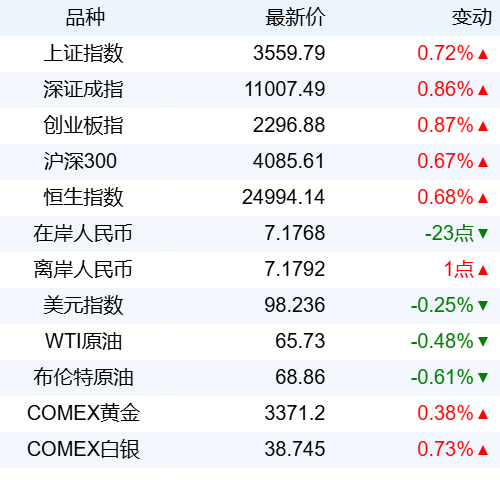
Domestic News - The People's Bank of China and other departments have jointly issued the "Implementation Rules for Cross-Border Asset Management Pilot Business in Hainan Free Trade Port," which supports foreign investors in investing in financial products issued by financial institutions in Hainan Free Trade Port, including wealth management products, private asset management products, publicly raised securities investment funds, and insurance asset management products [1] - The latest Loan Prime Rate (LPR) published by the National Interbank Funding Center shows that the 1-year LPR remains at 3.0% and the LPR for 5 years and above is at 3.5%, both unchanged for two consecutive months [1] - The Ministry of Commerce expressed strong dissatisfaction and resolute opposition to the European Union's decision to include certain Chinese enterprises and financial institutions in the sanctions list during the 18th round of sanctions against Russia, emphasizing that such actions violate the spirit of consensus between China and the EU [2] Economic Data and Trends - In June, China's total electricity consumption reached 867 billion kWh, a year-on-year increase of 5.4%. The first industry consumed 13.3 billion kWh (up 4.9%), the second industry consumed 548.8 billion kWh (up 3.2%), and the third industry consumed 175.8 billion kWh (up 9.0%). Residential electricity consumption was 129.1 billion kWh, increasing by 10.8% [3] - As of June, China's internet user base reached 1.123 billion, with an internet penetration rate of 79.7%, indicating a growing number of groups sharing the benefits of digital development [3] - The "Eight Vertical and Eight Horizontal" high-speed rail network has been completed and put into operation at 81.5%, with a total operating mileage of 48,000 kilometers, covering 97% of cities with populations over 500,000 [3] International News - Japan's Prime Minister expressed commitment to advancing trade negotiations with the U.S. to protect national interests, with the Japanese Minister of Economic Revitalization traveling to the U.S. for the eighth round of talks [5] - The average house price index in the UK decreased by 1.2% month-on-month in July, marking the largest single-month decline for the same period in previous years, attributed to an increase in buyer choices [5] Market Overview - The Shanghai Composite Index closed at 3559.79, up 0.72%, while the Shenzhen Component Index rose by 0.86% to 11007.49. The ChiNext Index increased by 0.87% to 2296.88 [5] - The onshore RMB was quoted at 7.1768, down 23 points, while the offshore RMB was at 7.1792, up 1 point. The U.S. dollar index decreased by 0.25% to 98.236 [5]
透过多维数据感受中国活力 经济高质量发展“枝繁叶茂”
Yang Shi Wang· 2025-07-20 01:48
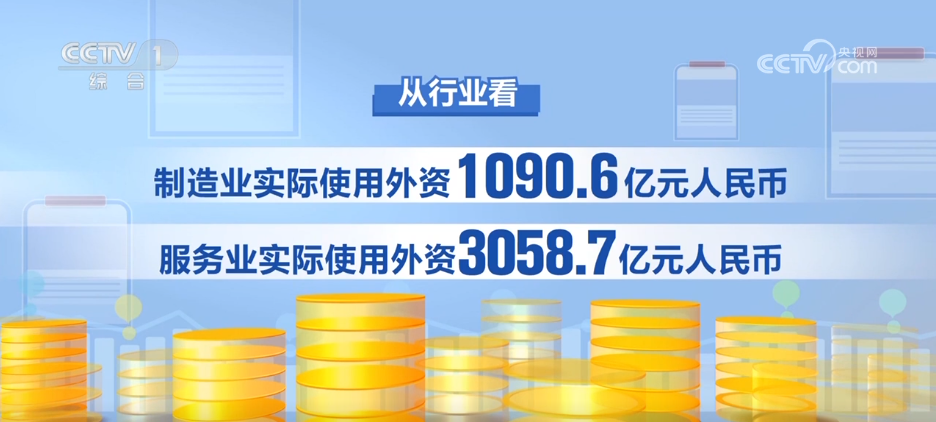
Group 1 - The core viewpoint of the articles highlights the growth in foreign investment in China, with 30,014 new foreign-invested enterprises established in the first half of the year, representing an 11.7% year-on-year increase, and actual foreign capital utilized amounting to 423.23 billion RMB [1] - In terms of industry, the manufacturing sector attracted 109.06 billion RMB, while the service sector received 305.87 billion RMB in actual foreign investment. High-tech industries saw actual foreign investment of 127.87 billion RMB, with significant growth in e-commerce services (127.1%), chemical pharmaceuticals (53%), aerospace equipment (36.2%), and medical instruments (17.7%) [3] - The ASEAN region's actual investment in China increased by 8.8%, while investments from Switzerland, Japan, the UK, Germany, and South Korea grew by 68.6%, 59.1%, 37.6%, 6.3%, and 2.7% respectively [5] Group 2 - New policies have been introduced by seven departments, including the National Development and Reform Commission, to encourage foreign-invested enterprises to reinvest domestically [6] - The new measures include strengthening project service guarantees, optimizing land resource allocation, simplifying processes for establishing new reinvestment enterprises, facilitating foreign exchange fund usage, and creating a project database for foreign investment reinvestment [8] - The National Development and Reform Commission plans to develop a new version of the "Encouraging Foreign Investment Industry Catalog" to guide foreign investment towards advanced manufacturing, modern services, high-tech, energy conservation, and environmental protection sectors, particularly in central and northeastern regions [10]