
电子制造

Search documents
全球数据中心投资或超石油,日韩股市周五大幅收跌 | 财经日日评
吴晓波频道· 2025-11-22 01:44
Fiscal Policy and Economic Growth - In the first ten months of the year, the broad fiscal expenditure growth rate slowed to 5.2%, while revenue growth was approximately 0.2%, leading to a deficit of about 8.6 trillion yuan, a year-on-year increase of 21% [2] - The fiscal expenditure needs to increase significantly in November and December to meet the annual budget targets, with a required year-on-year growth of 12.9% for general public budget expenditure and 40.3% for government fund expenditure [2] - The main areas of fiscal expenditure growth include social security, employment, education, and technology, which are crucial for stabilizing the domestic economy [2] Employment and Economic Challenges in the U.S. - The U.S. non-farm payrolls increased by 119,000 in September, significantly exceeding expectations, but the unemployment rate rose to 4.4%, the highest since October 2021 [4] - The job market is shifting from low hiring and low layoffs to low hiring and high layoffs, indicating a more fragile employment situation [5] - Despite the strong job growth in certain sectors, overall hiring demand remains weak, contributing to a higher unemployment rate [5] Global Investment Trends - Global investment in data centers is projected to exceed that in the oil sector, with an expected investment of $580 billion in data centers by 2025, compared to $540 billion in oil [6] - The growth in AI technology is anticipated to drive significant increases in data center electricity consumption, with a doubling of usage expected by 2030 [6] - The trend towards large-scale data center construction is seen as a response to the growing demand for AI applications, despite concerns about potential market bubbles [6][7] ByteDance Valuation and Market Position - ByteDance's valuation has surged to $480 billion following a recent share auction, making it the second most valuable startup globally, just behind OpenAI [8] - The company has a clear revenue model and is not in a rush to go public, focusing instead on maintaining its growth and managing shareholder expectations [8][9] - Regulatory pressures, particularly regarding TikTok in the U.S., pose significant risks to ByteDance's valuation and market stability [9] NetEase Financial Performance - NetEase reported a total revenue of 28.4 billion yuan for Q3 2025, reflecting an 8.2% year-on-year growth, with net profit remaining stable [10] - The company's performance is characterized by a focus on existing game updates rather than new game launches, leading to a relatively stable revenue stream [10][11] - The limited growth in other business segments, such as Youdao and NetEase Cloud Music, has contributed to a lackluster overall performance [10] OpenAI and Foxconn Collaboration - OpenAI has partnered with Foxconn to advance the design and manufacturing of AI infrastructure hardware in the U.S., although no procurement commitments have been made yet [12] - This collaboration is part of a broader strategy to expand AI capabilities and reduce reliance on consumer electronics [12] - The partnership highlights the challenges of establishing a mature AI supply chain in the U.S., which may impact project execution [12] Market Trends and Investor Sentiment - Asian markets, particularly Japan and South Korea, experienced significant declines, influenced by global market sentiments and concerns over AI sector valuations [13][14] - The A-share market also faced downward pressure, with widespread declines across sectors, particularly in energy and new energy industries [15][16] - Investor sentiment has shifted towards skepticism regarding the AI industry, leading to increased selling pressure on tech stocks [16]


长盈精密:公司目前在越南、墨西哥有生产基地,匈牙利工厂正在筹建中
Mei Ri Jing Ji Xin Wen· 2025-11-22 01:26
Core Viewpoint - The company is actively involved in the humanoid robot business, supplying over 400 product models, all of which are self-manufactured [1] Group 1: Manufacturing and Production - The company exclusively produces products for humanoid robot clients in-house [1] - Current production bases are located in Vietnam and Mexico, with a factory in Hungary under construction [1]

芯智链(上海)科技有限公司成立 注册资本50万人民币
Sou Hu Cai Jing· 2025-11-21 21:29
Core Viewpoint - Recently, a new company named Chip Intelligence Chain (Shanghai) Technology Co., Ltd. was established, focusing on various technology and environmental services [1] Company Overview - The legal representative of the company is Ren Haihua, with a registered capital of 500,000 RMB [1] - The company's business scope includes technology services, development, consulting, and transfer, as well as industrial engineering design services [1] Industry Focus - The company is involved in manufacturing and sales of environmental protection equipment, including flue gas desulfurization and denitrification equipment [1] - It also engages in the production and sale of ecological environmental materials and industrial robots [1] - Additional activities include the manufacturing and sales of gas and liquid separation and purification equipment, as well as electronic measuring instruments [1]
都想来中国!制造业巨头纷纷倒戈,印度被抛弃,美媒:反转了?
Sou Hu Cai Jing· 2025-11-21 17:32
全球供应链,说白了就是谁家更靠谱谁就赢。过去几年,大家都盯着印度和越南这些地方,以为能接棒中国当制造业新宠儿。结果呢?风向变了快,尤其是 今年特朗普上台后一通关税操作,把印度搞得措手不及。制造业大佬们开始琢磨,中国的基础设施稳,市场大,技术也跟得上,还是得回来多投点。 印度从2014年就开始推"印度制造"计划,目标是到2025年制造业占GDP的25%。当时不少企业觉得机会来了,劳动力便宜,人口红利大。苹果的供应商富士 康从2019年起就在印度建厂,组装手机啥的。三星也在越南和印度砸钱,生产电子产品。 2020年疫情一闹,供应链多元化成了热门词,印度和越南确实捞到不少好处。印度电子出口从2019年的50亿美元蹿到2023年的150亿美元,越南纺织电子也 涨势凶猛。政府还搞生产挂钩激励,补贴电子企业,富士康2022年扩产,雇了好几万人。 越南靠自由贸易协定,拉来耐克阿迪达斯这些品牌。企业们图啥?避开中美贸易摩擦的风险呗。2018年后,关税一层层加,逼得公司分散产能。中国份额降 了,其他地方补上。到2024年初,印度外资流入制造业高峰,越南也稳住8%的占比。印度街头卖的本地组装手机多了,越南年轻人进城打工,经济有点 ...
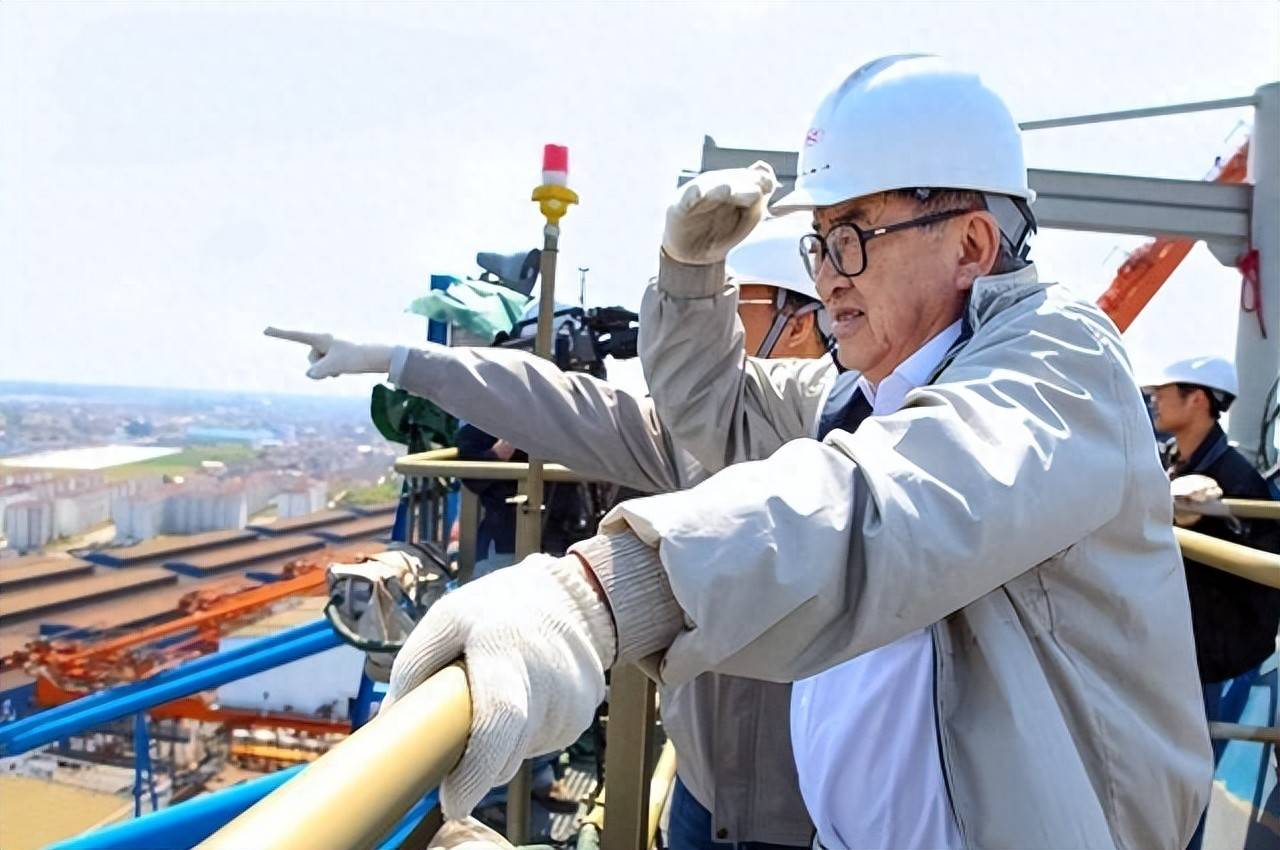
OpenAI牵手富士康
2 1 Shi Ji Jing Ji Bao Dao· 2025-11-21 15:23
Core Insights - OpenAI has officially announced a strategic partnership with Foxconn to collaborate on the design and manufacturing of next-generation AI infrastructure hardware [1][3] - The agreement is a joint research framework rather than a simple outsourcing contract, allowing OpenAI to share insights on emerging hardware needs in the AI industry [1][3] - Foxconn will manufacture key hardware in its U.S. factories based on OpenAI's design references, enhancing the local AI supply chain [3][4] Partnership Details - The collaboration focuses on three main areas: parallel development of multiple generations of AI data center cabinets, optimization of server cabinet architecture for U.S. production, and manufacturing critical components like cables and cooling systems in the U.S. [3][4] - OpenAI will have priority evaluation rights for Foxconn's products, giving it greater control over hardware selection [3] Industry Context - This partnership is part of OpenAI's broader strategy to gain autonomy over its computing infrastructure, moving from a reliance on cloud service providers to building its own data centers [6] - OpenAI's recent hiring of Intel's former CTO signals its commitment to integrating hardware capabilities [6] Investment and Capacity Plans - OpenAI's "Stargate" initiative aims for a total investment of $500 billion over four years, with a current planned energy capacity of 5GW [6] - Recent agreements with various chip suppliers indicate OpenAI's strategy to diversify its supply chain and reduce dependency on single sources [6][7] Financial Commitments - OpenAI has secured significant contracts for computing power, including a $119 billion deal with CoreWeave, which has since increased to $224 billion [7] - A $380 billion agreement with Amazon AWS will provide OpenAI with advanced NVIDIA GPU chips over the next seven years [7] - OpenAI's total planned energy capacity from chip agreements has reached 26GW, raising concerns about the sustainability of its rapid capital expenditures [8] Market Position and Valuation - OpenAI's valuation has reached $500 billion following a recent capital restructuring, with projected annual revenues of $20 billion by year-end and potential growth to hundreds of billions by 2030 [8]

深科技:公司经营正常
Zheng Quan Ri Bao Zhi Sheng· 2025-11-21 15:18
证券日报网讯 深科技11月21日在互动平台回答投资者提问时表示,公司经营正常。公司高度重视自身 价值提升和股东价值回报,持续做好生产经营工作,通过实际业绩回馈股东,切实保障中小投资者的权 益。 (编辑 楚丽君) ...

OpenAI牵手富士康
21世纪经济报道· 2025-11-21 15:15
Core Insights - OpenAI has officially announced a strategic partnership with Foxconn to collaborate on the design and manufacturing of next-generation AI infrastructure hardware [1][2] - The partnership is characterized as a joint R&D framework agreement rather than a simple outsourcing contract, allowing OpenAI to share insights on emerging hardware needs in the AI industry [1][2] - The collaboration aims to enhance and simplify the domestic AI supply chain in the U.S., optimizing server cabinet architecture for production across multiple locations [2] Partnership Details - The collaboration includes three main components: parallel development of multiple generations of AI data center cabinets, optimization of the U.S. AI supply chain, and manufacturing of key data center components in the U.S. [2] - OpenAI will have priority evaluation rights for Foxconn's products, granting it greater control over server hardware selection [2] - Foxconn, as a major AI server manufacturer, will gain insights into the growing computational power demands of large AI companies [2] Strategic Shift - OpenAI is transitioning from a reliance on cloud service providers to a more asset-heavy model by building its own data centers [4] - This shift is reflected in personnel changes, such as the hiring of Intel's former CTO to design and build computational infrastructure for OpenAI [5] - The "Stargate" AI infrastructure project, initiated with Oracle and SoftBank, has a preliminary investment of $100 billion, with plans to expand to $500 billion over four years [5] Energy and Computational Needs - OpenAI's energy and computational demands are increasing, with a recent agreement to add 4.5 GW of data center capacity [5] - The total planned energy consumption for the "Stargate" project is projected to reach 5 GW, with over 2 million chips expected to be deployed [5] - OpenAI has signed multiple chip supply agreements to diversify its supplier strategy and reduce reliance on single sources [5] Financial Commitments - OpenAI has entered a $38 billion AI computing supply agreement with Amazon AWS, which will provide advanced NVIDIA GPU chips over the next seven years [6] - OpenAI is also forming deep partnerships with chip manufacturers, including a strategic collaboration with NVIDIA involving up to $100 billion in investments [6] - The total energy consumption from OpenAI's signed chip supply orders has reached 26 GW, raising concerns about the sustainability of such capital expenditures [6] Market Concerns - Analysts have noted potential "circular deals" between OpenAI and chip manufacturers, which could inflate valuations and create market bubbles [7] - There are concerns regarding OpenAI's ability to generate sufficient profits to justify its rapid spending, with a projected annual revenue of $20 billion by year-end and potential growth to hundreds of billions by 2030 [7]
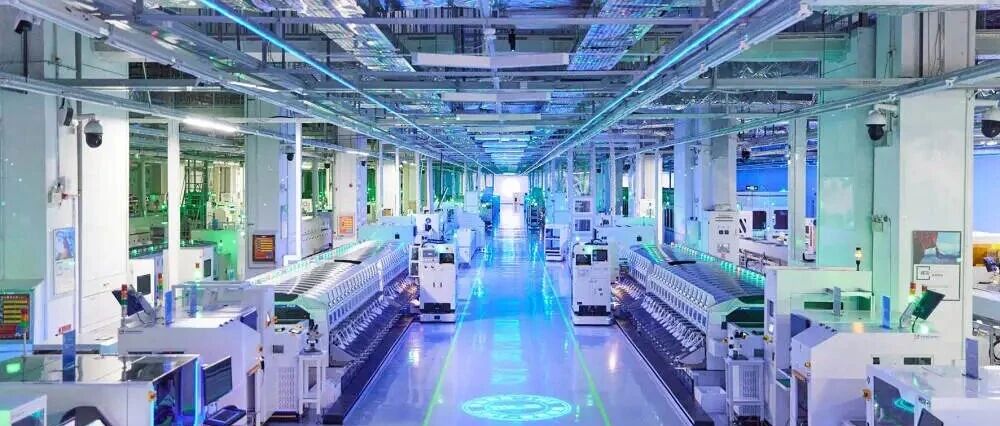
英力股份:拟购买佛山智强100%股权
Ge Long Hui· 2025-11-21 13:10
Core Viewpoint - The company, Yingli Co., Ltd. (300956.SZ), is expanding its presence in the AI smart terminal hardware module supply chain by acquiring 100% of the shares of Foshan Zhiqiang Optoelectronics Co., Ltd., a supplier of PC display module structural components for a North American brand [1] Group 1: Acquisition Details - The acquisition agreement was signed on November 21, 2025, between the company, its wholly-owned subsidiary Anhui Zhiqiang Precision Technology Co., Ltd., Zhibin International Co., Ltd., and the target company [1] - The company plans to use 66.497 million yuan of its own or raised funds to acquire the 100% equity of the target company [1] - Upon completion of the transaction, the target company will become a wholly-owned subsidiary and will be included in the company's consolidated financial statements [1] Group 2: Target Company Overview - Foshan Zhiqiang specializes in the production and manufacturing of display backlight modules and LCD display module structural components [1] - The target company has been a supplier for a North American brand since 2008, providing key components such as backplates and spring parts for backlight modules [1] - The company has maintained a stable cooperative relationship with the North American brand through continuous supply of critical backplate components during product iterations [1]
印度跌倒,越南吃饱!特朗普扶一踩一?
Sou Hu Cai Jing· 2025-11-21 12:53
Core Viewpoint - The article discusses the contrasting economic outcomes for India and Vietnam due to U.S. tariff policies, highlighting Vietnam's unexpected economic growth while India struggles under the same conditions [1][15]. Group 1: Economic Performance - Vietnam's GDP growth for Q3 reached 8.23%, a significant increase compared to the previous 5-7% range over the past decade [3]. - The manufacturing sector in Vietnam is thriving, with production value growth exceeding 10% in Q3 2025, a rare occurrence amid global manufacturing downturns [6]. Group 2: Export Dynamics - Vietnam's exports to the U.S. have surged, particularly in clothing, furniture, and electronics, positioning the country as a key supplier for American consumers [4][5]. - The U.S. tariff agreement inadvertently provided Vietnam with exemptions for critical products, allowing its GDP engine to remain intact and leading to a surge in exports [8]. Group 3: Foreign Investment - Foreign Direct Investment (FDI) in Vietnam has seen a 45% increase in committed amounts for 2025, with major companies like Samsung and Apple expanding their operations [7]. Group 4: Risks and Dependencies - Vietnam's economy is heavily reliant on the U.S., with 30% of its exports directed there, making it vulnerable to changes in U.S. policies [11]. - The manufacturing sector's reliance on foreign investment is high, with 74% of exports coming from foreign entities, raising concerns about sustainability if major companies withdraw [12]. - Domestic demand in Vietnam is weak, with retail growth projected to be below 3% in 2025, indicating a reliance on external factors for economic stability [13].

OpenAI“硬”转身:联手富士康,锁定AI基建主动权
2 1 Shi Ji Jing Ji Bao Dao· 2025-11-21 12:29
Core Insights - OpenAI has entered a strategic partnership with Foxconn to collaborate on the design and manufacturing of next-generation AI infrastructure hardware, marking a shift from a reliance on cloud service providers to a more asset-heavy model [1][3] - The partnership includes three main components: parallel development of multiple generations of AI data center cabinets, optimization of the domestic AI supply chain in the U.S., and manufacturing key components of AI data centers in U.S. factories [1][2] - OpenAI has gained priority evaluation rights for Foxconn's products, enhancing its control over server hardware selection [2] Strategic Shift - OpenAI is transitioning from a light-asset model dependent on cloud services to a heavy-asset model involving self-built data centers, as indicated by recent personnel changes and strategic initiatives [3] - The "Stargate" AI infrastructure project, initiated with Oracle and SoftBank, has an initial investment of $100 billion, with plans to expand to $500 billion over four years [3] - OpenAI's energy and computing demands are increasing, with a recent agreement to add 4.5 GW of data center capacity, bringing the total planned energy consumption for the "Stargate" project to 5 GW [3] Chip Supply Agreements - OpenAI has signed multiple chip supply agreements, including a $119 billion contract with CoreWeave, which has since been increased to $224 billion [4] - A $38 billion AI computing supply agreement with Amazon AWS will provide OpenAI with advanced NVIDIA GPU chips and millions of CPU chips over the next seven years [5] - OpenAI is diversifying its supplier strategy by establishing deep partnerships with chip manufacturers, including a significant collaboration with NVIDIA and AMD, with total planned energy consumption from these agreements reaching 26 GW [5] Market Concerns - Analysts have raised concerns about potential "circular deals" between OpenAI and chip manufacturers, which could inflate valuations and create market bubbles [6] - OpenAI's rapid spending has led to skepticism regarding its ability to generate sufficient profits to justify these investments, despite CEO Sam Altman's projection of achieving an annual revenue of $20 billion by year-end and several hundred billion by 2030 [6] - OpenAI's latest valuation stands at $500 billion following a capital restructuring [6]