茶饮

Search documents
国泰海通 · 晨报0808|化妆品
国泰海通证券研究· 2025-08-07 14:15
Core Viewpoint - The article emphasizes the transformation in the new consumption era, particularly in the beauty and personal care sectors, driven by product innovation and emotional value consumption, contrasting with the previous era dominated by traffic dividends [2][3]. Group 1: New Consumption Trends - The new consumption wave is characterized by structural product innovation rather than traffic-driven growth, with a focus on emotional value and unique product offerings to meet evolving consumer demands [2][4]. - The beauty sector is experiencing continuous iteration of collagen components, while daily chemical products are upgrading in functionality and emotional appeal, exemplified by products like Zhenjia fragrance laundry detergent and Cold Acid Spirit toothpaste [2][4]. Group 2: Channel and Media Evolution - New channels and media are accelerating product innovation and market penetration, with platforms like Douyin facilitating product testing and brand exposure [3][4]. - Retail formats such as membership stores and warehouse supermarkets are playing a crucial role in product development and consumer engagement, helping brands refine their offerings before broader market launches [3]. Group 3: Opportunities in Traditional Industries - There is a notable trend of product innovation within traditional industries such as daily chemicals, personal care, health products, beauty, snacks, and more, as companies adapt to new consumer needs and market dynamics [4]. - Established brands are facing challenges in responding to rapid market changes, providing opportunities for new brands to leverage insights for product differentiation and market share growth [4].

联合3万社区站点6万商家回收奶茶杯,美团为环保用户赠送“秋天第一杯奶茶”
Jing Ji Guan Cha Wang· 2025-08-07 12:35
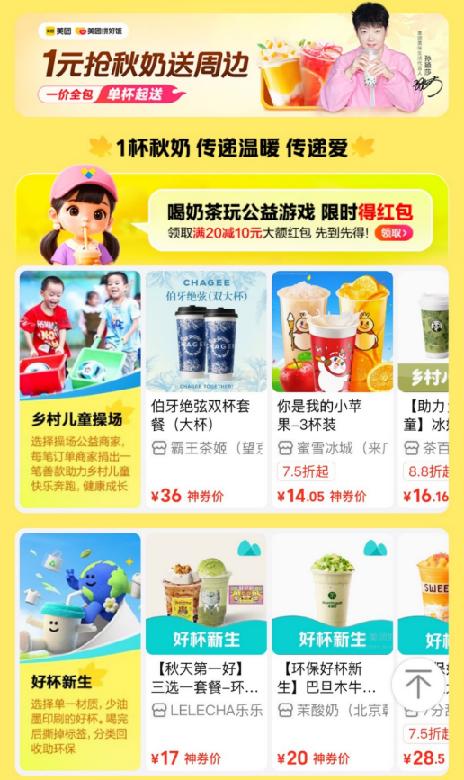
Core Insights - The article discusses Meituan's initiative to promote environmental awareness through a "First Cup of Milk Tea" campaign, encouraging consumers to participate in recycling activities and support sustainable consumption practices [1][5]. Group 1: Campaign Overview - On August 7, Meituan launched the "First Cup of Milk Tea" campaign in collaboration with 15 leading tea brands and 60,000 merchants, focusing on a public welfare initiative for environmental protection [1]. - The campaign includes an online section for eco-friendly milk tea products, interactive games, and offline recycling of milk tea cups, aiming to foster a healthy and environmentally conscious consumption mindset [1][5]. Group 2: Consumer Engagement - Consumers can participate in online games and receive rewards such as eco-friendly shopping bags and discount vouchers for returning milk tea cups [3]. - Since August 1, over 50,000 consumers have signed up for the public welfare initiative, indicating strong engagement [3]. Group 3: Social Impact - Meituan has also established a product donation program for rural children's playgrounds, where each purchase from a designated section contributes to funding playgrounds in underdeveloped areas [3]. - Currently, 3,739 playgrounds have been built, benefiting 508,000 rural children [3]. Group 4: Industry Trends - The new beverage and coffee sectors are rapidly growing, with projections indicating that the market size for new-style tea drinks and coffee will exceed 300 billion RMB in 2024 [5]. - Meituan's efforts to promote recycling and sustainability align with the increasing consumer awareness of environmental issues related to single-use plastic packaging in the beverage industry [5]. Group 5: Previous Initiatives - Meituan's commitment to environmental sustainability is not new; it initiated the "Qingshan Plan" in 2017, focusing on reducing plastic waste and promoting recycling [5]. - The Qingshan Plan has engaged 500 million users and over one million merchants, highlighting the company's long-term dedication to low-carbon and sustainable development [5].

“秋天的第一杯奶茶”带动消费热潮,奶茶店频现爆单
Bei Ke Cai Jing· 2025-08-07 11:59
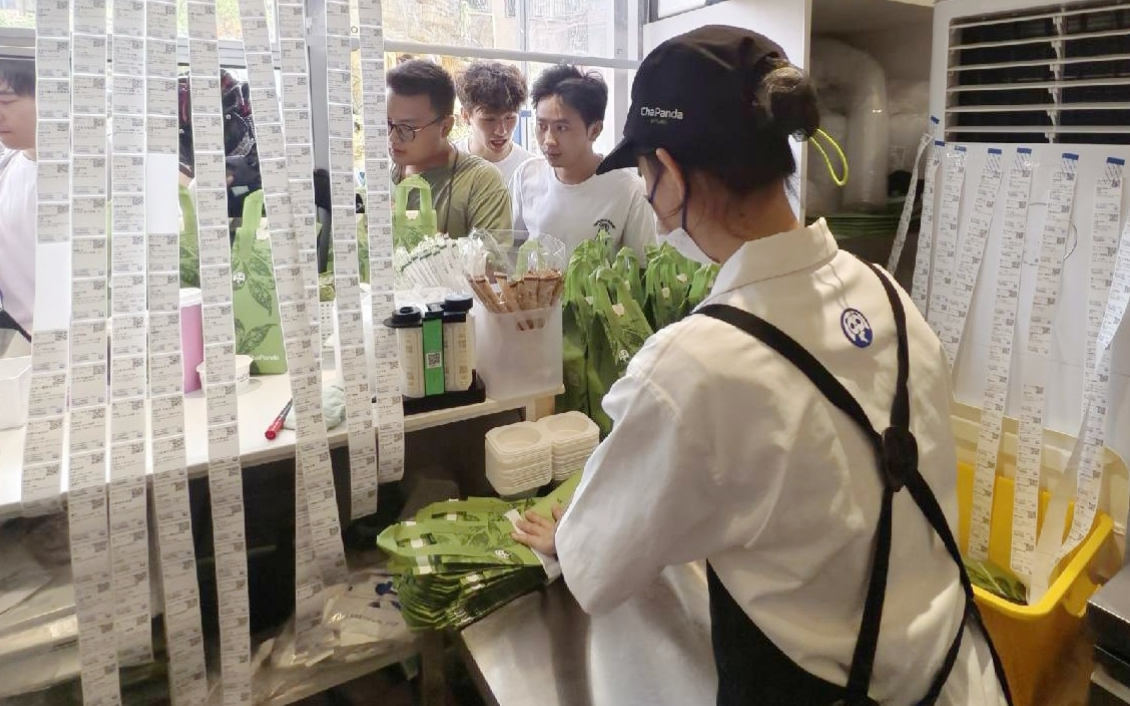
Core Insights - The phenomenon of "the first cup of milk tea in autumn" has become a significant event in the milk tea industry, akin to "Double Eleven" for e-commerce, reflecting the continuous release of consumer spending potential [2][3] Industry Overview - On August 7, 2023, various milk tea brands experienced a surge in demand, with some stores reporting over 1,000 cups waiting to be served [1][2] - The event has led to a concentrated release of consumer demand, with many brands experiencing record sales and order volumes [2][4] Company Performance - Sweetlala reported that their online sales reached a historical peak, with a single platform performance increase exceeding 500%, and over 40% of their city stores seeing sales growth over 300% [3] - Cha Bai Dao indicated that their product sales and revenue increased by over 340% compared to the previous period, with some stores seeing sales growth exceeding 500% [4] - Nai Xue's Tea also reported a 500% increase in online sales, with many stores having over 300 cups waiting to be served [4] - Yi He Tang launched new products and saw a 258% increase in revenue on the same day, with sales surpassing 240 million cups by 3 PM [4]


从立秋限定到更长周期:2025年“秋天第一杯奶茶”生变
经济观察报· 2025-08-07 11:30
Core Viewpoint - The "Autumn Milk" event, initially a one-day promotion on the first day of autumn, has evolved into a 10-day marketing campaign, reflecting the competitive landscape of the takeaway industry and the need for brands to prepare well in advance [1][8]. Supply Chain Changes - The preparation for the "Autumn Milk" event began two weeks prior to the peak sales day, with brands like Sweet Lala and Yihe Hall initiating stock orders and inventory checks well in advance [4]. - Brands are standardizing their product offerings, focusing on high-selling items like "Qingfeng Meihua" and "Yiteng Quanfufu," while reducing reliance on perishable fresh fruit products [5]. - Digital systems are being adopted to better forecast demand and manage inventory, with brands like Ningji using historical data to guide stocking decisions [6]. Marketing Cycle Changes - The marketing cycle for "Autumn Milk" has expanded from a single day to a 10-day promotional period, allowing brands to engage in various marketing activities each day [8][9]. - The event has become a significant annual promotion akin to "Double 11," with brands leveraging social media and influencer partnerships to drive sales [8]. - The extended period allows for better operational management, reducing pressure on the peak day and enhancing customer decision-making [9]. Strategic Changes - Historically, brands employed a strong pricing strategy during "Autumn Milk," but this year, many are increasing discounts and promotional efforts to boost sales [11]. - Companies are focusing on long-term customer retention strategies, with brands like Ningji and Yihe Hall implementing dual-track approaches to attract new customers while nurturing existing ones [12]. - The goal is to transition public traffic from delivery platforms to private channels, enhancing customer loyalty and profitability [12].
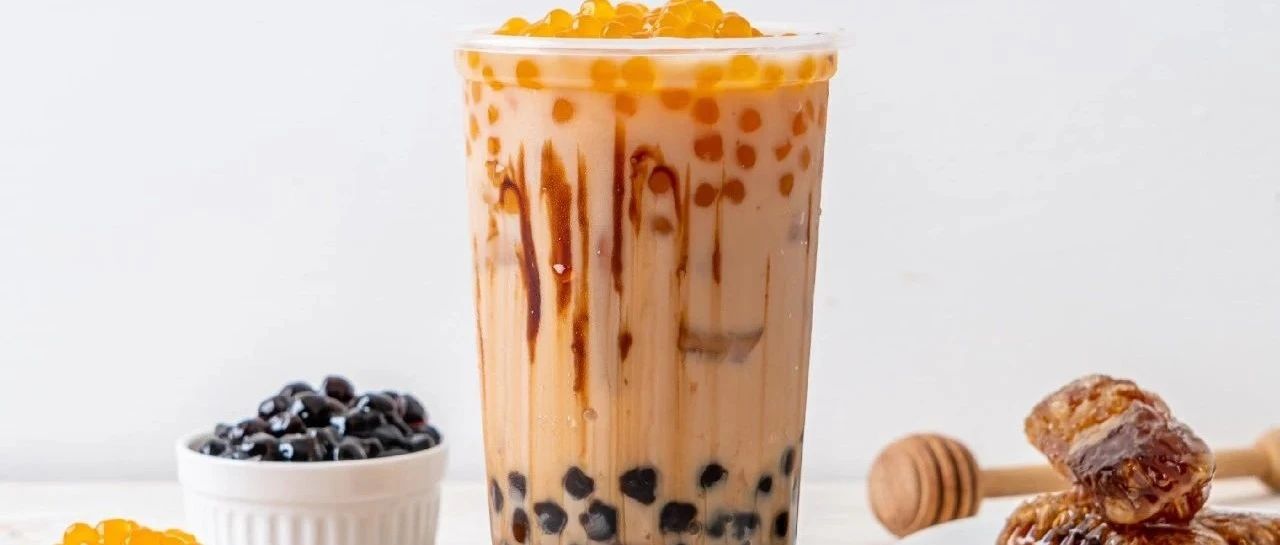
从网络热梗到百亿生意,复盘“秋天的第一杯奶茶”
3 6 Ke· 2025-08-07 10:47
Core Insights - The phenomenon of "the first cup of milk tea in autumn" has evolved into a significant cultural and marketing event in China, transcending its initial status as a social media trend [3][4][26] - The event has become a national consumption symbol, reflecting the desire for ritual and emotional connection among consumers [26] Group 1: Evolution of the Event - The rise of "the first cup of milk tea in autumn" has gone through three stages: spontaneous user engagement, brand follow-up, and proactive industry planning [4][11] - In 2020, the trend began with a viral social media post, leading to significant engagement and sales growth for various milk tea brands, with some reporting sales increases of 300-400% [7][11] - By 2021, brands shifted from passive participation to actively leading the conversation, with marketing campaigns starting earlier and becoming more strategic [8][10] Group 2: Marketing Strategies - Since 2022, the event has transformed into a standardized marketing ritual, with brands treating it as a key promotional node similar to traditional festivals [11][12] - Brands have increasingly focused on product innovation and collaborations with popular IPs to enhance engagement and sales, with significant sales spikes reported during the event [12][13] - In 2024, over 200,000 beverage stores participated, selling more than 53 million cups of milk tea, marking a 34% year-on-year increase [13] Group 3: Consumer Engagement - The event has successfully symbolized emotional connections, allowing consumers to express care and affection through the act of purchasing milk tea [15][16] - Low participation costs and simple engagement methods have contributed to the widespread adoption of the event, making it accessible to a broad audience [21][22] - The phenomenon encourages user-generated content (UGC), emphasizing the importance of authentic consumer engagement over traditional brand-driven marketing [22] Group 4: Implications for Brands - Brands are encouraged to create emotional significance around their products, transforming ordinary purchases into meaningful rituals [15][26] - The integration of products with specific seasonal contexts enhances consumer motivation and justifies purchasing behavior [23][24] - The success of this event highlights the need for brands to find unique emotional connections with consumers, establishing their products as essential elements in significant life moments [26]
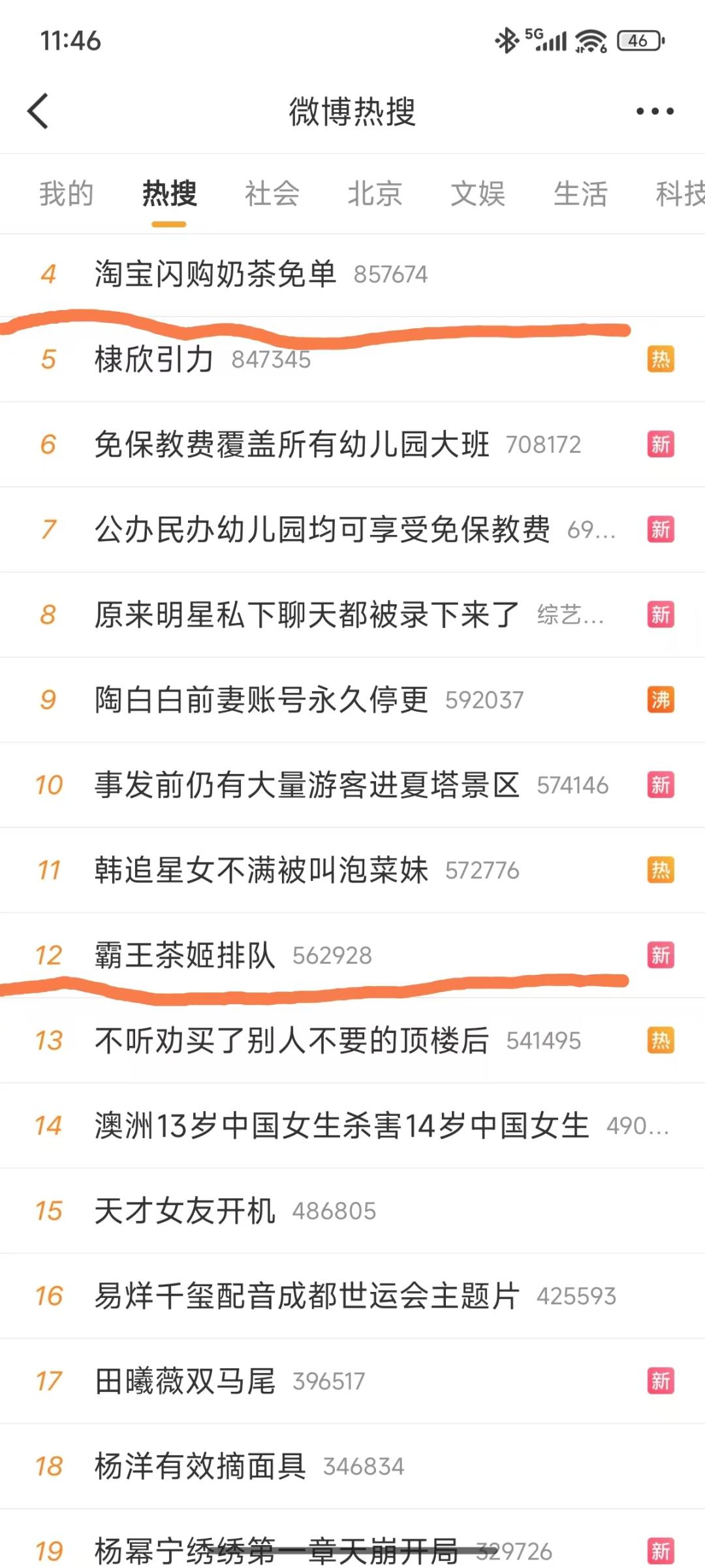
奈雪的茶立秋今日外卖销量增幅500%
Cai Jing Wang· 2025-08-07 10:40
Group 1 - The topic "First Cup of Milk Tea in Autumn" led to a surge in sales for multiple milk tea brands, with Nayuki's Tea experiencing a 500% increase in delivery sales on August 5, and many stores reporting over 300 cups in waiting orders [1] - Nayuki's Tea has continued its color marketing strategy this year, featuring the "66 Blueberry and Mulberry Yogurt Shake" as a key product, with all product packaging and visual logos changed to purple [2] - The newly launched "66 Blueberry and Mulberry Yogurt Shake" achieved sales of over 500,000 cups within just three days of its debut [2]
大厂造节:外卖平台争夺“秋天第一杯奶茶”
Guo Ji Jin Rong Bao· 2025-08-07 10:20
Core Viewpoint - The "First Cup of Milk Tea in Autumn" event has become a significant marketing initiative in the takeaway and milk tea industry, akin to "Double 11" for e-commerce, with increased competition among platforms this year [1][2]. Group 1: Event Overview - The "First Cup of Milk Tea in Autumn" event, initiated in 2020, has evolved into a staple marketing moment for the takeaway industry, with major platforms vying for market share [1]. - This year, over 200,000 beverage stores participated in the event, with more than 53 million drinks sold on the day of the event [4]. Group 2: Platform Strategies - Meituan adopted a "new" strategy by collaborating with over 100 tea brands for new product launches, with at least 250,000 stores involved in the event [2]. - Taobao Shanguo engaged in extensive pre-event marketing, featuring celebrity endorsements and distributing free drink vouchers to attract consumers [4][5]. - JD.com differentiated its approach by promoting "the first bite of fried chicken" instead of milk tea, showcasing a unique marketing strategy [5]. Group 3: Product Launches - Various brands launched new products during the event, including notable items like the "Sunshine Green Grape Ice Milk" from Cha Bai Dao and "Jasmine Green Milk" from Mi Xue Ice City, which quickly became top sellers [2][4]. - The event has led to significant sales for new products, with Mi Xue Ice City achieving over 100 million yuan in transaction value on the event day [4]. Group 4: Industry Trends - The event has consistently driven consumer engagement and sales in the beverage sector, becoming a key trend for tea brands to launch new products [3]. - The competition among platforms has intensified, prompting commitments from Meituan, JD.com, and Ele.me to regulate promotional activities and avoid irrational competition [6].
从立秋限定到更长周期:2025年“秋天第一杯奶茶”生变
Jing Ji Guan Cha Wang· 2025-08-07 10:05
Core Insights - The article discusses the evolution of the "Autumn Milk Tea" marketing event, which has transformed from a single-day promotion into a 10-day campaign, reflecting the competitive landscape of the takeaway beverage industry [2][8]. Industry Changes - The "Autumn Milk Tea" event, initially a one-day affair on August 7, has been extended to a 10-day promotional period from August 1 to August 10, allowing brands to implement various marketing strategies throughout the duration [8]. - Brands are increasingly standardizing their product offerings for the event, focusing on high-demand items to optimize inventory management and reduce waste [4][6]. - The tea beverage industry has established more mature replenishment mechanisms and emergency response systems, allowing for efficient stock management during peak sales periods [6]. Marketing Strategies - The event has evolved into a multi-platform promotion, akin to a "Double 11" for the tea beverage sector, with brands leveraging collaborations and influencer marketing to attract consumers [7][8]. - Brands are adopting a dual strategy, using external platforms to attract new customers while simultaneously nurturing existing ones through private channels [12][14]. - Increased promotional efforts, including discounts and subsidies, are being utilized this year to drive higher sales volumes, reflecting a shift from previous years where brands relied on emotional value rather than price reductions [11][12]. Operational Adjustments - Brands are implementing digital systems to better forecast demand and manage inventory, with some companies suggesting a 30% increase in stock based on historical sales data [5][6]. - The extended promotional period has allowed brands to alleviate operational pressure on peak days, enhancing overall efficiency and customer experience [8][10]. Consumer Engagement - The "Autumn Milk Tea" event has become a cultural phenomenon, with consumers viewing it as a ritualistic consumption experience, further driving engagement and sales [10][11]. - Brands are focusing on converting public traffic from promotional events into private customer relationships, aiming to build a loyal customer base through targeted marketing efforts [13][14].
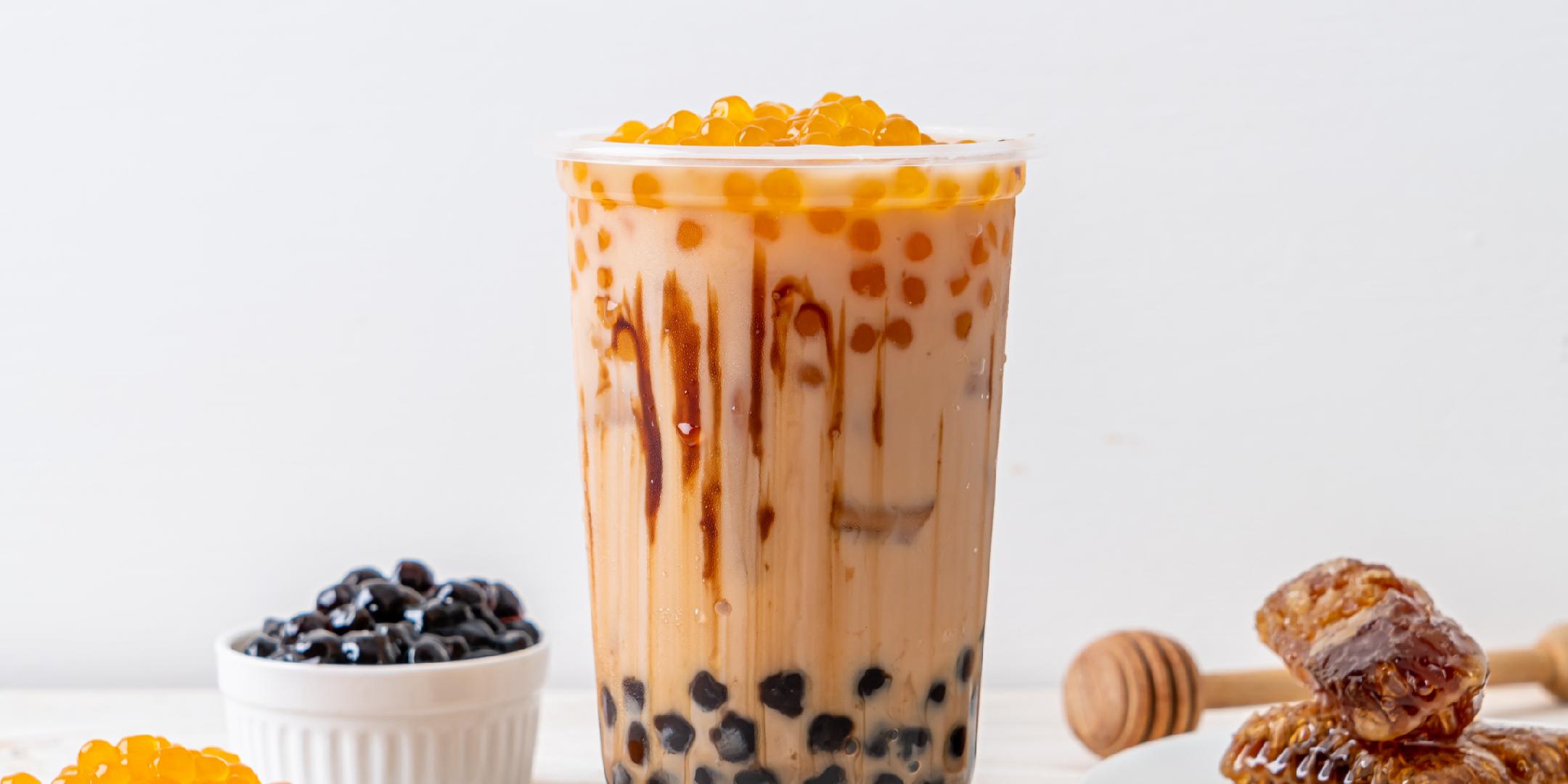
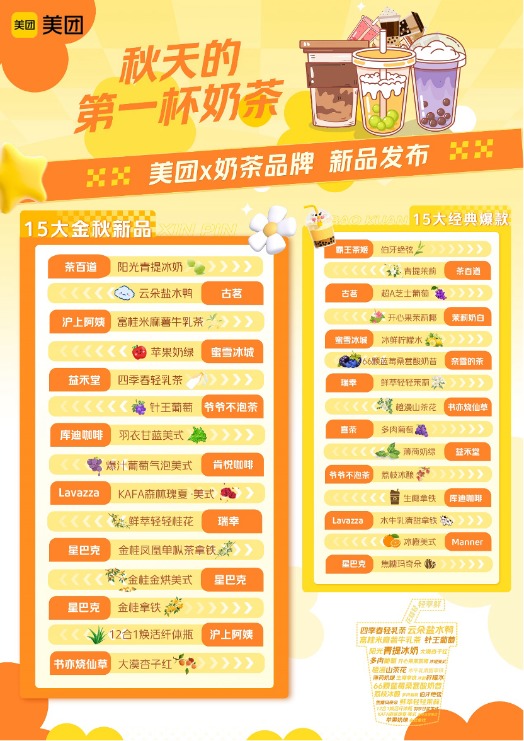
今年“秋天第一杯奶茶” 美团联合100家品牌请消费者尝“新”
Zheng Quan Ri Bao· 2025-08-07 09:40
Core Insights - The article highlights the significance of the "First Cup of Milk Tea in Autumn" marketing event, which has become a staple in the food delivery industry since 2020, with over 100 tea brands participating this year [3][4]. Industry Trends - The event is expected to see participation from at least 250,000 beverage stores across China, showcasing new products and popular items [1][3]. - Major brands like Starbucks, Luckin Coffee, and others are launching new products through Meituan, indicating a trend of collaboration between delivery platforms and beverage brands [3][4]. Consumer Engagement - The "First Cup of Milk Tea in Autumn" has successfully engaged young consumers for five consecutive years, driving beverage consumption and brand visibility [4][5]. - Meituan's strategy includes leveraging consumer trends and data analytics to assist brands in product development and market launch, enhancing customer feedback and engagement [5]. Market Impact - The collaboration with Meituan has led to increased sales and brand recognition for domestic tea and coffee brands, while international brands are deepening their presence in the Chinese market [5]. - The agricultural supply chain, particularly in regions like Yunnan and Sichuan, is benefiting from the growth of the tea and coffee industries, leading to improved income for local farmers [5].
价格暴涨80%,一天一个价的柠檬咋成了水果刺客?
东京烘焙职业人· 2025-08-07 08:33
Core Viewpoint - The article discusses the significant price increase of lemons in China, driven by supply-demand imbalances due to adverse weather conditions affecting production, both domestically and globally [3][11][13]. Group 1: Price Increase and Market Dynamics - In July, the national wholesale average price of lemons surged by 80.67% year-on-year, reaching 14.08 yuan per kilogram, with prices in Sichuan's Anju area rising from 3-4 yuan per jin to 8-10 yuan per jin, marking a three-year high [3][11]. - The price surge has impacted tea beverage businesses, with costs for lemon water skyrocketing, leading to situations where some businesses effectively offer it for free to customers due to high costs and discounts [5][16]. - The supply of lemons is heavily reliant on last year's inventory, as adverse weather conditions led to a 40% decrease in the fruit-bearing rate and a 52% reduction in production this year [11][12]. Group 2: Global and Domestic Production Challenges - Global lemon production has also faced challenges, with Turkey halting lemon exports due to frost damage, and other regions like South Africa and Argentina experiencing reduced harvests due to severe weather [13][14]. - Anju, which supplies 70% of China's lemons, has been particularly affected by extreme weather, compounding the supply issues [8][11]. Group 3: Future Market Outlook - The domestic demand for lemons is expected to continue increasing, with projections indicating that the market size for the lemon industry in China will reach 580 billion yuan by 2025, growing by 70 billion yuan from 2024, with a year-on-year growth rate of 13.7% [15]. - The price of lemons is unlikely to return to normal levels this year, as ongoing extreme heat conditions are expected to further impact production [18][19].