
钢铁

Search documents
伦铝、伦铜期货价格直线跳水!关税,传来重大变数!
Xin Lang Cai Jing· 2026-02-13 12:19
Core Viewpoint - The Trump administration is planning to reduce certain steel and aluminum tariffs, which has led to a significant drop in the prices of aluminum and copper futures, reflecting market reactions to the potential policy changes [1][4][12]. Group 1: Tariff Adjustments - Reports indicate that the Trump administration is reviewing the list of products affected by tariffs and may exempt certain items, ceasing the expansion of the tariff list [4][16]. - The tariffs on steel and aluminum, which were as high as 50%, have been criticized for increasing consumer costs, contradicting the administration's claim that foreign companies would bear the burden [6][18]. - The overall tariff levels in the U.S. have reached their highest since World War II, prompting the administration to reconsider its approach due to rising voter dissatisfaction with living costs [4][16]. Group 2: Consumer Impact - Economic analyses show that approximately 90% of the costs from the tariffs have been borne by U.S. consumers and businesses, challenging the narrative that foreign entities are responsible for these costs [7][18]. - Recent polls reveal that over 70% of American adults view the current economic situation as only fair or poor, with about 52% believing that Trump's economic policies have worsened conditions [4][16]. Group 3: Political Repercussions - The tariff policies have sparked political backlash, with some Republican lawmakers joining Democrats in opposing tariffs on Canada, indicating a significant challenge to Trump's trade policies as midterm elections approach [19]. - Concerns about the impact of tariffs on small businesses and consumers are growing among voters, influencing the political landscape as elections draw near [19]. Group 4: Complexity of Tariff System - The current tariff system has been described as overly complex and difficult to enforce, with businesses facing unexpected tax bills due to the intricate and overlapping trade regulations [8][20]. - The lobbying mechanism that allows companies to request tariffs on competitors' imports has led to an expanding list of taxed household goods, complicating enforcement further [20].


报道称特朗普将撤销部分钢铁、铝制品关税后,在美上市的钢铁和铝生产商股价下跌 。
Xin Lang Cai Jing· 2026-02-13 12:13
Core Viewpoint - The announcement of former President Trump's plan to revoke certain tariffs on steel and aluminum products has led to a decline in stock prices for publicly traded steel and aluminum manufacturers in the U.S. [1] Group 1: Industry Impact - The decision to remove tariffs is expected to affect the pricing dynamics within the steel and aluminum industry, potentially leading to increased competition from foreign producers [1] - The stock market reaction indicates a negative sentiment among investors regarding the future profitability of U.S. steel and aluminum companies following the tariff changes [1] Group 2: Company Reactions - Publicly listed steel and aluminum producers have experienced a drop in their stock prices as a direct response to the tariff revocation announcement [1]
华菱钢铁(000932.SZ):累计回购0.8109%公司股份
Ge Long Hui A P P· 2026-02-13 11:25
格隆汇2月13日丨华菱钢铁(000932.SZ)公布,截至2026年2月13日,公司通过股份回购专用证券账户以 集中竞价交易方式累计回购公司股份5602.33万股,占公司目前总股本的0.8109%,其中最高成交价为 5.61元/股,最低成交价为4.41元/股,成交总金额为2.79亿元(不含交易费用)。鉴于本次回购股份的回 购期限已届满,公司本次回购股份计划实施完毕,实施情况符合既定的《回购报告书》的要求。 ...

华菱钢铁:累计回购约5602万股
Mei Ri Jing Ji Xin Wen· 2026-02-13 11:18
每经头条(nbdtoutiao)——上市公司净利从暴增9倍到突然预亏超2亿元,董事长为何自掏5000万元补 窟窿?50亿元信托理财也去向成谜,股民直呼看不懂 每经AI快讯,华菱钢铁2月13日晚间发布公告称,截至2026年2月13日,公司通过股份回购专用证券账 户以集中竞价交易方式累计回购公司股份约5602万股,占公司目前总股本的0.8109%,其中最高成交价 为5.61元/股,最低成交价为4.41元/股,成交总金额约为2.79亿元。 (记者 王晓波) ...
柳钢股份:2026年预计投入37.22亿元用于固定资产投资
Jin Rong Jie· 2026-02-13 10:58
Core Viewpoint - The company plans to invest a total of 3.722 billion yuan in fixed assets for the year 2026, with a focus on various projects in iron and steel production [1] Investment Plan Summary - The new projects will require an investment of 510 million yuan, focusing on technological upgrades in iron and steel production [1] - Ongoing projects will see an investment of 2.829 billion yuan, which includes renovations of the sintering plant and iron-making facilities [1] - There are five reserve projects with a total planned investment of 5.487 billion yuan, with an expected investment of 383 million yuan in 2026, primarily directed towards the Guangxi steel expansion and quality improvement project [1] - The implementation of this investment plan may face risks related to adjustments and budget overruns [1]

热轧卷板市场周报:市场情绪低迷,热卷期价震荡偏弱-20260213
Rui Da Qi Huo· 2026-02-13 09:12
瑞达期货研究院 「2026.2.13」 热轧卷板市场周报 市场情绪低迷 热卷期价震荡偏弱 添加客服 研究员:蔡跃辉 期货从业资格号F0251444 期货投资咨询从业证书号Z0013101 取 更 多 资 讯 业务咨询 关 注 我 们 获 目录 1、周度要点小结 2、期现市场 3、产业情况 「周度要点小结1」 行情回顾 3 来源:瑞达期货研究院 1. 价格:截至2月13日收盘,热卷主力合约期价为3222(-29),杭州涟钢热卷现货价格为3270(-10)。(单位: 元/吨/周) 2. 产量:热卷产量下调。307.76(-1.4),(同比-21.17)。(单位:万吨) 3. 需求:表观需求下滑。本期表需296.19(-9.35),(同比-26.69)。(单位:万吨) 4. 库存:厂库+社库增加。总库存370.77(+11.57),(同比-58.88)。(单位:万吨) 5. 盈利率:钢厂盈利率38.53%,环比上周减少0.86个百分点,同比去年减少12.12个百分点。 「 周度要点小结2」 行情展望 维持在78%附近;春节假期到来,表观需求继续下滑,库存增幅扩大。同时,成本端支撑减弱。观点参考,HC2605合约考虑 ...
湖南国企改革板块2月13日跌1.45%,华菱钢铁领跌,主力资金净流出6.73亿元
Sou Hu Cai Jing· 2026-02-13 09:10
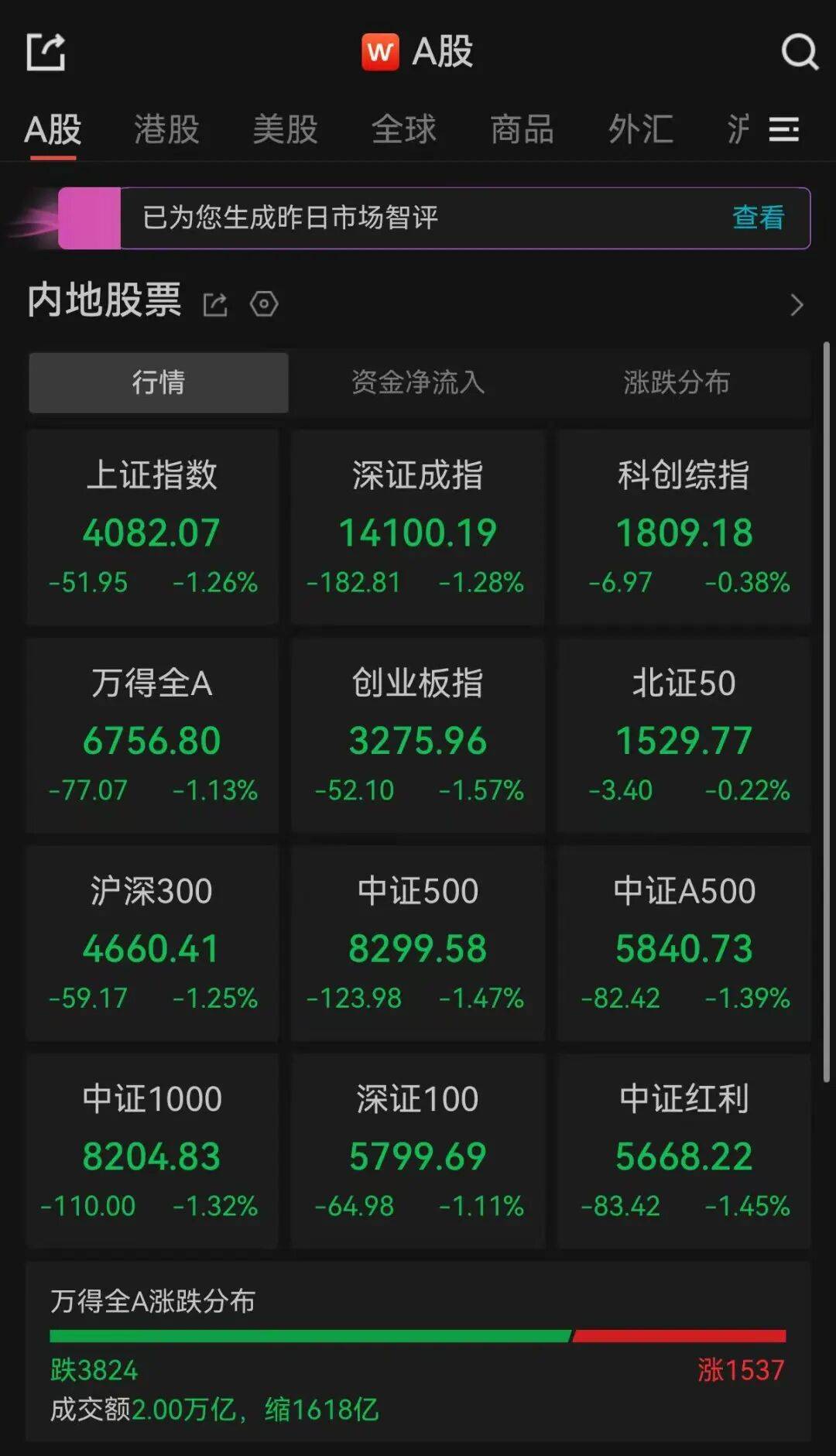
Group 1 - The core viewpoint of the article indicates that the Hunan state-owned enterprise reform sector experienced a decline of 1.45% on February 13, with Hualing Steel leading the drop [1] - The Shanghai Composite Index closed at 4082.07, down 1.26%, while the Shenzhen Component Index closed at 14100.19, down 1.28% [1] - The main capital flow in the Hunan state-owned enterprise reform sector showed a net outflow of 670 million yuan, while retail investors contributed a net inflow of 421 million yuan [1] Group 2 - The article provides a detailed breakdown of the capital flow within the Hunan state-owned enterprise reform sector, highlighting a net inflow of 251 million yuan from speculative funds [1] - The overall performance of the Hunan state-owned enterprise reform sector is reflected in the individual stock movements, with specific stocks experiencing varying degrees of gains and losses [1]

钢材&铁矿石日报:产业矛盾累积,钢矿偏弱运行-20260213
Bao Cheng Qi Huo· 2026-02-13 08:55
1. Report Industry Investment Rating - No information provided regarding the report industry investment rating 2. Core Views - **螺纹钢**: The main contract price fluctuated and recorded a daily increase of 0.13%. The pre - holiday situation of weak supply and demand remained unchanged. The fundamental contradictions of rebar continued to accumulate, inventory increased significantly, and steel prices continued to be under pressure. The positive factors were policy expectations and cost support. It was expected to continue the weak bottom - seeking trend. Attention should be paid to the inventory accumulation during the holiday and the resumption rhythm of short - process steel mills after the holiday [5]. - **热轧卷板**: The main contract price fluctuated and recorded a daily decline of 0%. The supply pressure of hot - rolled coils did not subside, while demand continued to weaken seasonally. The fundamentals were weak, and prices continued to be under pressure. The positive factor was the post - holiday policy expectation. It was expected to continue the weak and volatile operation. Attention should be paid to the inventory accumulation during the holiday and the demand recovery after the holiday [5]. - **铁矿石**: The main contract price declined weakly, recording a daily decline of 2.36%. Currently, iron ore demand improved, while supply contracted in the short term. The fundamentals of ore changed, but the sustainability of the improvement was questionable. Under the weak reality, ore prices continued to decline under pressure. Attention should be paid to the inventory accumulation of finished products during the holiday and the shipping situation of mines [5]. 3. Summary by Directory 3.1 Industry Dynamics - **Real Estate**: In January, the month - on - month decline in the sales prices of new commercial residential buildings in first - tier cities was 0.3%, the same as last month; the decline in second - tier cities was 0.3%, narrowing by 0.1 percentage points; the decline in third - tier cities was 0.4%, the same as last month. The month - on - month decline in second - hand residential sales prices in first - tier cities was 0.5%, narrowing by 0.4 percentage points; the declines in second - and third - tier cities were 0.5% and 0.6% respectively, narrowing by 0.2 and 0.1 percentage points [7]. - **Shipbuilding**: Hengli Shipbuilding (Dalian) Co., Ltd., a subsidiary of Guangdong Songfa Ceramics Co., Ltd., signed contracts for 17 ships, with a contract value of approximately 1.6 - 1.8 billion US dollars (about 11.041 - 12.421 billion RMB) [8]. - **Steel**: Fujian Province announced the list of restricted smelting equipment of steel enterprises subject to differential electricity prices in 2026 [9]. 3.2 Spot Market - **Steel Products**: The national average prices of rebar (HRB400E, 20mm) and hot - rolled coils (4.75mm) were 3,304 yuan and 3,279 yuan respectively. The price of Tangshan billets was 2,900 yuan, and the price of Zhangjiagang heavy scrap was 2,160 yuan. The spread between hot - rolled coils and rebar was 50 yuan, and the spread between rebar and scrap was 1,030 yuan [10]. - **Iron Ore**: The price of PB powder at Shandong ports was 746 yuan, and the price of Tangshan iron concentrate was 767 yuan. The sea freight from Australia and Brazil was 8.81 yuan and 23.39 yuan respectively. The SGX swap price was 100.05, and the iron ore price index (61% FE, CFR) was 99.60 [10]. 3.3 Futures Market | Variety | Closing Price | Change (%) | Volume | Open Interest | | --- | --- | --- | --- | --- | | Rebar | 3,055 | 0.13 | 555,957 | 1,942,442 | | Hot - Rolled Coils | 3,222 | 0.00 | 277,887 | 1,482,223 | | Iron Ore | 746.0 | - 2.36 | 239,453 | 494,550 | [12] 3.4 Related Charts - **Steel Inventory**: The report presented the weekly changes and total inventory (steel mills + social inventory) of rebar and hot - rolled coils [14][15][20]. - **Iron Ore Inventory**: It showed the inventory of 45 ports, 247 steel mills, and domestic mines, including inventory and its seasonal changes and month - on - month changes [24][25][26]. - **Steel Mill Production**: The report included the blast furnace operating rate, capacity utilization rate, profitability ratio of 247 steel mills, and the operating rate and profitability of 94 independent electric - arc furnace steel mills [29][31][33]. 3.5 Market Outlook - **螺纹钢**: Supply and demand continued to weaken, inventory increased significantly, and short - process steel mills significantly reduced production. The weekly output of rebar decreased by 22.52 tons. Demand was also weak, and the high - frequency demand index was at the lowest level in the same lunar calendar period in recent years. It was expected to continue the weak bottom - seeking trend [37]. - **热轧卷板**: Supply and demand continued to weaken seasonally, inventory increased, and the weekly output of hot - rolled coils decreased by 1.40 tons. Demand continued to weaken, and the weekly apparent consumption decreased by 9.35 tons. It was expected to continue the weak and volatile operation [38]. - **铁矿石**: The supply - demand pattern changed. Steel mills resumed production before the holiday, and ore terminal consumption continued to rise. However, steel mill profitability was poor, and the increase in ore demand was limited. Overseas supply contracted in the short term, but the sustainability was weak. Ore prices continued to decline under pressure [39].
蛇年最后一个交易日:沪指失守4100点,超3800只个股下跌,三大指数集体飘绿
Sou Hu Cai Jing· 2026-02-13 08:02
Market Performance - On the last trading day of the Year of the Snake, the three major indices opened lower and subsequently declined, each falling over 1%. The Shanghai Composite Index dropped by 1.26%, closing below 4100 points, while the Shenzhen Component Index fell by 1.28% and the ChiNext Index decreased by 1.57% [1][2]. Yearly Overview - Throughout the Year of the Snake (from February 5, 2025, to February 13, 2026), all three major indices recorded gains. The Shanghai Composite Index increased by over 25%, the Shenzhen Component Index rose by nearly 39%, and the ChiNext Index surged by over 58% [4]. - The total trading volume for the year reached 20 trillion, with over 3800 stocks experiencing declines [4]. Sector Performance - In terms of sector performance, the non-ferrous metals and oil & gas sectors saw the largest declines, while shipping, steel, and building materials also faced downturns. Conversely, sectors such as commercial aerospace, robotics, and memory storage showed resilience and performed well [4].
全体注意!节前跳水,军工逆势飘红,后市锚定这两条主线
Sou Hu Cai Jing· 2026-02-13 07:50
Core Viewpoint - The A-share and Hong Kong stock markets experienced significant declines ahead of the Chinese New Year, with a prevailing risk-averse sentiment overshadowing expectations for a "red envelope market" [1]. Market Performance - A-shares saw all three major indices drop, with declines exceeding 1.2%, while the STAR 50 Index showed resilience with a smaller drop of 0.72, indicating underlying support in the tech growth sector [2]. - The total trading volume in both markets was 19,827 billion yuan, reflecting a decrease of 1,591 billion yuan, driven by a cautious "holding cash for the New Year" mentality [3]. - The Hong Kong market faced more severe adjustments, with the Hang Seng Index closing at 26,535.93 points, down 1.84%, influenced by a significant drop in U.S. stocks, particularly the Nasdaq [4]. Sector Performance - The market exhibited a stark divide, with the defense and military sector rising while cyclical and new energy sectors faced heavy losses [5]. - In A-shares, the comprehensive sector rose by 2.06%, and the defense and military sector increased by 0.65%, making it one of the few sectors in the green. Conversely, cyclical and new energy sectors saw significant declines, with non-ferrous metals down 3.36%, construction materials down 3.10%, and oil and petrochemicals down 3.09% [6]. Drivers of Sector Movements - The military sector's rise was supported by two main factors: improved U.S.-China relations and ongoing domestic policy support for low-altitude economy and aerospace, which bolstered investor sentiment [7]. - The downturn in cyclical and new energy sectors was attributed to a sharp decline in international commodity prices, with silver dropping over 11% and gold also experiencing significant losses, leading to a sell-off in risk assets [8]. Market Outlook - The market is expected to continue a pattern of consolidation, with A-shares showing resilience due to policy support and liquidity. Key opportunities remain in the tech sector, particularly in AI computing, semiconductors, and robotics, as well as in military and low-altitude economy sectors driven by clear policy direction [11]. - However, cyclical sectors are likely to remain under pressure until there are signs of improvement in PPI and real estate policies, while the performance of Hong Kong tech stocks will depend on the stabilization of U.S. tech stocks [12][13].