乳制品

Search documents
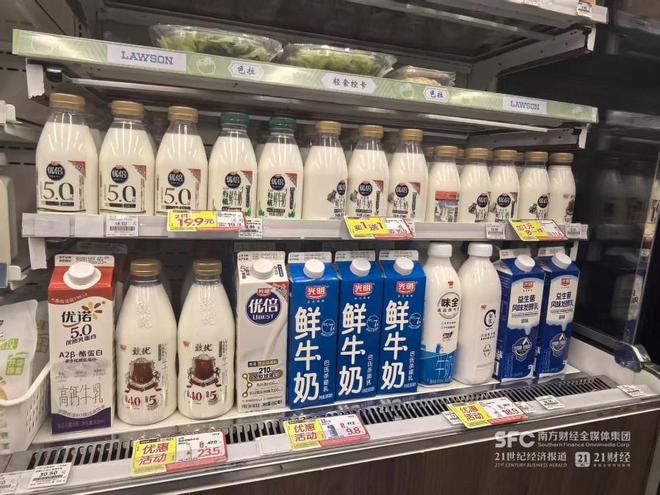
光明乳业,如何夺回沪外市场?
2 1 Shi Ji Jing Ji Bao Dao· 2025-12-05 13:39
Core Viewpoint - The company, Bright Dairy, is confident in expanding its national presence despite facing challenges in external markets and a competitive landscape in Shanghai [1][19]. Group 1: Acquisition and Expansion Strategy - Bright Dairy plans to acquire a 40% stake in Huzhou Fuxin's subsidiary, Xiaoxiniu, for 500 million yuan, making it a wholly-owned subsidiary [1]. - Xiaoxiniu specializes in dairy product R&D, production, and sales, primarily in the northwest region, and has established a mature channel system in Qinghai and surrounding cities [1]. - The acquisition aims to leverage Bright Dairy's resources to enhance sales in eastern and southern China, while also utilizing Xiaoxiniu's excess capacity for production in the western region [1]. Group 2: Financial Performance and Market Challenges - In Q3, Bright Dairy's revenue grew by 1.04% year-on-year to 5.759 billion yuan, but external revenue declined by 7.63% to 2.407 billion yuan [7]. - The liquid milk segment saw an 8.44% decline in revenue, contributing to the overall sales drop in external markets [7]. - The dairy market is experiencing a contraction, with a 16.8% year-on-year decline in sales across all channels, and a 21.3% drop in offline sales [9]. Group 3: Competitive Landscape - Bright Dairy's sales in Shanghai increased by 2.58% to 1.71 billion yuan, indicating a stable performance in its home market despite intense competition [3]. - Competitors like New Dairy and Meiji are gaining market share in Shanghai, highlighting the competitive pressures Bright Dairy faces [3][4]. - The company is actively enhancing its product offerings and marketing strategies to maintain its market position in Shanghai [4]. Group 4: Operational Adjustments and Future Outlook - Bright Dairy is making operational adjustments, including the sale of its North Island factory for 170 million USD to stabilize cash flow [17]. - The company aims to optimize its production processes and expand its market penetration through new product lines and marketing strategies [13]. - Despite challenges, Bright Dairy's willingness to expand during market fluctuations reflects its confidence in future growth [19].

光明乳业,如何夺回沪外市场?丨消费一线
2 1 Shi Ji Jing Ji Bao Dao· 2025-12-05 13:21
Core Viewpoint - The company, Bright Dairy, is confident in its national expansion strategy, as evidenced by its recent acquisition of a 40% stake in Huzhou Fuxin's Xiaoxiniu for 500 million yuan, aiming to enhance its market presence in the northwest region of China [1]. Group 1: Acquisition and Expansion Strategy - Bright Dairy plans to acquire a 40% stake in Xiaoxiniu, which will become a wholly-owned subsidiary post-transaction [1]. - Xiaoxiniu specializes in dairy product R&D, production, and sales, primarily in the northwest region, and has established a mature channel system in Qinghai and surrounding cities [1]. - The acquisition is part of Bright Dairy's strategy to leverage Xiaoxiniu's existing channels to sell high-end products and enhance production capacity in the western region [1]. Group 2: Market Performance and Challenges - In Q3, Bright Dairy's revenue from external markets declined by 7.63% to 2.407 billion yuan, while total revenue grew by 1.04% to 5.759 billion yuan [9]. - The company reported a net loss of 130 million yuan in Q3, with a cumulative net loss of 164 million yuan for the same period in 2024 [11]. - The overall dairy market is experiencing a contraction, with a 16.8% year-on-year decline in sales across all channels in September [10]. Group 3: Competitive Landscape - Bright Dairy has managed to maintain a 2.58% year-on-year sales growth in its home market of Shanghai, reaching 1.71 billion yuan in Q3 [3]. - The competitive environment in Shanghai is intense, with brands like New Dairy's Weipin gaining significant market share [5]. - Bright Dairy is actively working to stabilize its market position in Shanghai through product innovation and enhanced channel strategies [6]. Group 4: Future Outlook and Strategic Adjustments - The company aims to optimize its national presence while solidifying its position in Shanghai and the East China region [14]. - Bright Dairy is implementing various strategies to enhance cash flow, including the planned sale of its subsidiary New Light's North Island factory for 170 million USD [18]. - The company acknowledges the need for effective management of Xiaoxiniu to ensure successful integration and performance [21].

1.81万亿!沪市公司前11月分红总额同比增加2%
Zhong Guo Jing Ying Bao· 2025-12-05 12:34
上交所数据显示,1—11月,沪市上市公司已合计实施分红派发总额1.81万亿元,同比增加2%。 其中,193家沪市公司2025年分红落地金额超过10亿元,28家公司年内实际派现金额超100亿元,工商银 行、中国移动、建设银行的派现金额超1000亿元。 增速方面,中远海控、三一重工、宝丰能源等118家公司全年分红金额同比增长超过100%。科创板公司 回报力度增加,164家公司派发现金分红金额同比增长。 截至12月5日,沪市公司已有510家上市公司公布中期(一季报、半年报、三季报)分红方案,共宣告中 期分红计划总额6441亿元,较2024年同期数5828亿元增加11%。其中,中国石油、贵州茅台、伊利股份 等65家公司中期分红金额超10亿元。 510家公司中,有320家系连续两年进行中期分红,占比超六成。玲珑轮胎等7家公司已连续两年的半年 报、三季报均实现分红,如吉比特今年两期分红金额合计超9亿元,超去年中期分红水平。 以11月末的收盘价计算,沪市公司整体股息率为2.25%;28家公司股息率超过2.5%,思维列控、南山铝 业等11家公司股息率超过4%。 沪市已经形成了一大批稳定高分红群体,以近三年数据看,沪市342家 ...
中国飞鹤(06186)12月5日斥资1230万港元回购300万股
智通财经网· 2025-12-05 10:30
Core Viewpoint - China Feihe (06186) announced a share buyback plan, committing to repurchase 3 million shares for a total cost of HKD 12.3 million, scheduled for December 5, 2025 [1] Group 1 - The company plans to repurchase shares as part of its capital management strategy [1] - The total amount allocated for the buyback is HKD 12.3 million [1] - The number of shares to be repurchased is 3 million [1]
牛奶加面包,一鸣食品“另类”生意经跑通了吗?
市值风云· 2025-12-05 10:04
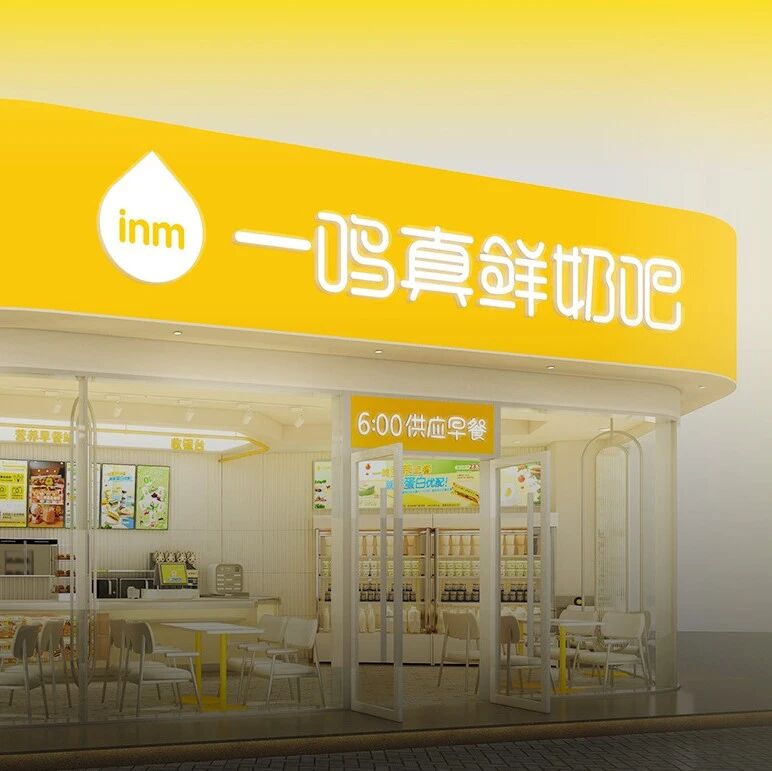
Core Viewpoint - The article highlights the unique business model of Yiming Foods in the competitive dairy industry, focusing on its "Yiming Fresh Milk Bar" chain that combines fresh dairy products with baked goods to create a high-frequency consumption scenario for breakfast and light meals [3]. Financial Performance - In the first three quarters of 2025, the company achieved total revenue of 2.15 billion, a year-on-year increase of 4.3% [4]. - The net profit attributable to shareholders reached 46.41 million, reflecting a year-on-year growth of 25.7%, indicating strong profit quality due to minimal non-recurring items [6]. - The third quarter showed significant growth, with revenue reaching 740 million, up 8.5% year-on-year, and net profit of 14.19 million, a 35.9% increase [8]. Business Segments - The dairy segment remains the company's cornerstone, generating 660 million in revenue in the first half of 2025, with a gross margin of 31.7%, up 1.5 percentage points from the previous year [9]. - The bakery segment generated 430 million in revenue, with a gross margin of 29.6%, down 1.6 percentage points year-on-year [9]. Cash Flow and Cost Management - The net cash flow from operating activities reached 350 million in the first three quarters of 2025, a 16.9% increase, indicating strong sales collection capabilities [12]. - Management expenses decreased by 18.3% year-on-year, contributing to a profit growth rate that outpaced revenue growth [16]. Business Model and Strategy - Yiming Foods operates a "central factory + chain store" model, utilizing cold chain logistics for daily deliveries to stores, which minimizes the need for on-site production [21]. - The company has established three production bases and a logistics system that combines self-operated and third-party services to ensure fresh delivery [23]. - The store network consists of 1,864 outlets, with a focus on franchise operations, and a strategic shift towards upgrading existing stores in mature markets while expanding into new regions [23]. Growth Opportunities - The company is expanding its B2B channels, targeting schools and corporate clients to stabilize retail fluctuations and improve capacity utilization [24]. - Product innovation is a priority, with developments in functional dairy products and health-oriented baked goods to meet consumer demand for healthier options [24]. - Digital transformation initiatives are underway, focusing on smart manufacturing and retail data systems to enhance operational efficiency [24].

蒙牛乳业(02319.HK)12月5日耗资293.2万港元回购20万股
Ge Long Hui· 2025-12-05 09:52
格隆汇12月5日丨蒙牛乳业(02319.HK)发布公告,2025年12月5日耗资293.2万港元回购20万股,回购价 格每股14.65-14.67港元。 ...

蒙牛乳业(02319)12月5日斥资293.19万港元回购20万股
智通财经网· 2025-12-05 09:48
智通财经APP讯,蒙牛乳业(02319)发布公告,于2025年12月5日,该公司斥资293.19万港元回购20万 股。 ...
天润乳业(600419.SH):获得政府补助685.04万元
Ge Long Hui A P P· 2025-12-05 08:05
格隆汇12月5日丨天润乳业(600419.SH)公布,公司之控股子公司新疆天润生物科技股份有限公司收到政 府补助685.04万元,为与收益相关的政府补助,占公司2024年度经审计归属于上市公司股东的净利润的 15.69%。 ...

天润乳业:控股子公司获得政府补助685.04万元
Zheng Quan Shi Bao Wang· 2025-12-05 08:05
人民财讯12月5日电,天润乳业(600419)12月5日公告,近日,公司控股子公司新疆天润生物科技股份有 限公司收到政府补助685.04万元,为与收益相关的政府补助,占公司2024年度经审计归属于上市公司股 东的净利润的15.69%。预计将增加公司2025年度归属于上市公司股东的净利润685.04万元。 转自:证券时报 ...
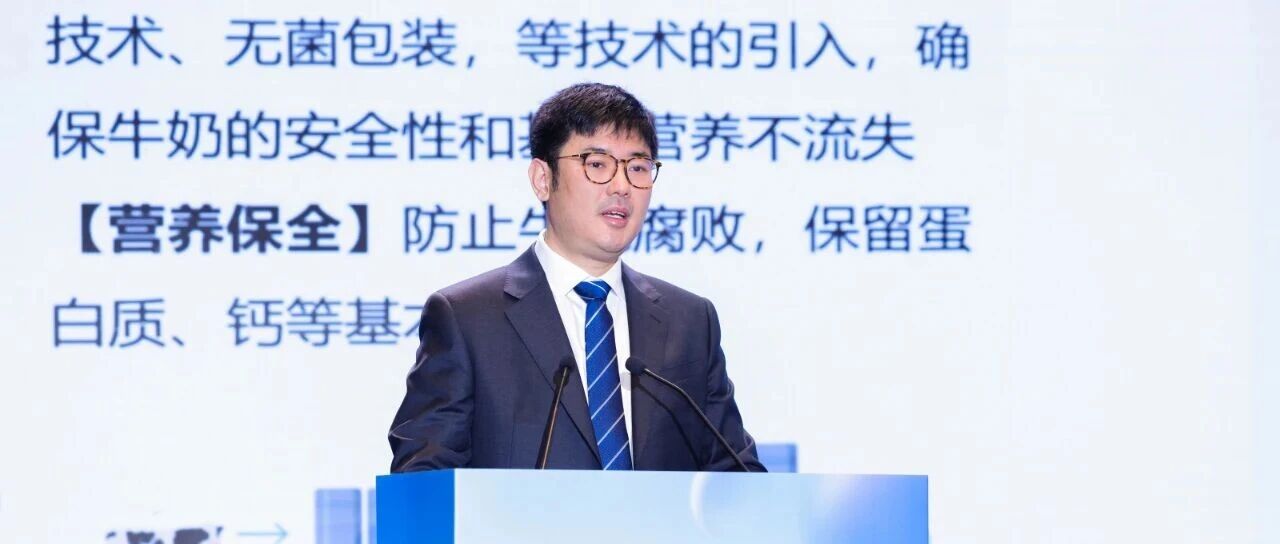
冯罡:深加工与奶酪创新引领产业进入“黄金十年”
新华网财经· 2025-12-05 01:57
Core Viewpoint - The article discusses the technological revolution in the Chinese dairy industry, emphasizing the importance of deep processing and product innovation to enhance the value of dairy products, particularly cheese, in response to consumer demand and market trends [3][4]. Group 1: Dairy Industry Trends - The deep processing of dairy products is a global trend and a necessary choice for the future development of the Chinese dairy industry [3]. - The cheese market in China is entering a "golden decade" due to rising consumer spending and GDP growth, but faces challenges such as consumer awareness and acceptance of flavors [3][4]. Group 2: Innovation Areas in Dairy Processing - The current focus of dairy deep processing is on three main innovation areas: 1. Separation and purification of components like proteins, fats, and lactose to extract high-value ingredients such as lactoferrin for infant formula [3]. 2. Raw material modification to convert proteins into functional peptides to meet diverse health needs [3]. 3. Efficient delivery methods using encapsulation technologies to enhance the stability and absorption of probiotics and calcium [3]. Group 3: Overcoming Market Challenges - To address challenges in the cheese market, the company has conducted overseas research and introduced advanced cheese technology, adapting it with local ingredients to create high-quality cheese products that cater to Chinese tastes [4]. - The continuous growth of fresh milk production capacity necessitates transforming this capacity into new industrial momentum through deep processing, which can enhance product value and promote the comprehensive utilization of high-value components like whey protein and lactoferrin [4].