电动汽车

Search documents
阿维塔加入中央广播电视总台“品牌强国工程”
Zhong Guo Qi Che Bao Wang· 2025-10-09 06:44
Core Insights - Avita has officially joined the "Brand Strong Nation Project" as a high-end brand under the new central enterprise, marking a significant recognition of its brand strength at the national level [1][3] - The partnership with CCTV will enhance Avita's global brand influence by leveraging the media's integrated communication advantages [3] Group 1: Brand Recognition and Market Performance - Avita has achieved over 10,000 units in sales for seven consecutive months, demonstrating robust market performance and comprehensive market competitiveness [3] - The company has passed stringent selection criteria set by CCTV, showcasing its strategic layout and solid system capabilities [3] Group 2: Strategic Goals and Global Expansion - Under the guidance of "Avita Strategy 2.0," the company plans to launch a total of 17 new models by 2030 and expand into over 80 countries with more than 700 distribution channels [3] - Avita aims to accelerate its transition into a leading global luxury smart electric vehicle brand by enhancing its products, technology, services, and globalization efforts [3]


同时打赢“澳铁矿石”和“美大豆”两场贸易战,中国准备掀桌子?
Sou Hu Cai Jing· 2025-10-09 05:03
Group 1: Iron Ore Market Dynamics - BHP's insistence on signing long-term contracts at $109.5 per ton, despite spot iron ore prices dropping to $80 per ton, reflects a monopolistic mindset and disregard for Chinese market demands [1][3] - 90% of BHP's iron ore exports go to China, indicating that a halt in Chinese purchases would severely impact BHP and Australia's fiscal revenue [3] - The commencement of production at Guinea's Simandou iron ore mine is leading to a global oversupply, reducing China's reliance on Australian iron ore [3] Group 2: Soybean Trade Shifts - China has not purchased U.S. soybeans for five consecutive months, shifting its sourcing to Brazil, Argentina, Russia, Ethiopia, and Tanzania [5] - As the largest soybean consumer, China's market power influences global agricultural production, affecting U.S. farmers who are struggling due to the trade war [5] Group 3: Breakthroughs in Battery Technology - China has achieved significant advancements in solid-state battery technology, which could revolutionize the global electric vehicle industry by replacing traditional lithium-ion batteries [6] - The cost control capabilities of Chinese companies in bringing this cutting-edge technology to the mass market are noteworthy [6] Group 4: China's Economic Ascendancy - The developments in iron ore, soybeans, and battery technology indicate that China is gaining dominance in the global economy, with increased market power and negotiation leverage [8] - The current global economic landscape is shifting, challenging the post-World War II U.S. hegemony, with China positioned at the center of this transformation [10]

是“神操作”还是“小打闹”?华尔街热议特斯拉(TSLA.US)廉价版Model3/Y
Zhi Tong Cai Jing· 2025-10-09 03:45
Core Viewpoint - Tesla's recent price adjustments for the "simplified" Model 3 and Model Y have drawn attention, although the new prices still exceed the promised $30,000 threshold for the mass market, indicating increased pressure on automakers due to the expiration of electric vehicle tax credits [1][2] Group 1: Price Adjustments - The price of Model Y has been reduced by 11% to $40,000, while Model 3's price has decreased from $39,000 to $37,000 [1] - Analysts believe these pricing changes enhance the likelihood of Tesla achieving its 16% delivery growth target by 2026 [1] Group 2: Competitive Landscape - The new pricing may pressure competing models priced between $30,000 and $35,000, such as Nissan Leaf, Hyundai Ioniq 5, and Ford Mustang Mach-E [1] - Analysts emphasize that the challenge for competitors like Hyundai, Ford, and Nissan lies not in pricing but in software capabilities, as Tesla's advantages in full self-driving technology and onboard computing continue to grow [1] Group 3: Market Reactions - Some analysts view Tesla's price cuts as a necessary step to stimulate demand post-tax credit expiration, but express disappointment over the limited price reduction of only $5,000 [1][2] - Tesla's stock rose by 1.29%, with a current market capitalization of $1.46 trillion, surpassing the combined market values of Toyota, Honda, General Motors, Ford, Nissan, and Stellantis [2]

小摩发布Q4消费板块六大做空标的:西南航空(LUV.US)、Rivian(RIVN.US)等上榜
Zhi Tong Cai Jing· 2025-10-09 00:28
Core Insights - Morgan Stanley's report highlights a divergence in the performance of the consumer sector within the S&P 500, with non-essential consumer goods up 5.06% and essential goods down 0.55% in the year-to-date [1] Group 1: Non-Essential Consumer Goods - Southwest Airlines (LUV.US) has seen a year-to-date decline of 3.7% and is rated "Underweight" by Morgan Stanley, with a Seeking Alpha quant rating of 2.91, due to overly aggressive Q4 earnings guidance and the highest valuation among analysts' coverage, projecting a P/E ratio of 13x by 2026 [1] - Rivian Automotive (RIVN.US) has experienced a slight year-to-date drop of 0.3% and is also rated "Underweight" with a quant score of 2.70, facing potential demand issues as federal EV tax credits expire in 2025 and changes in compliance penalties threaten its business model [2] - Krispy Kreme (DNUT.US) has seen a significant stock decline of 65.5%, rated "Underweight" with a quant score of 1.11, primarily due to a high-leverage balance sheet affecting U.S. business recovery and uncertainty in international asset restructuring [3] - Shake Shack (SHAK.US) has dropped 28.4% and is rated "Underweight" with a quant score of 2.86, as its high pricing strategy limits expansion potential, necessitating a balance between high ingredient costs and customer frequency [3] Group 2: Essential Consumer Goods - Brown-Forman (BF.B.US) has faced a year-to-date decline of 26.7% and is rated "Underweight" with a quant score of 1.78, as its core brand Jack Daniel's whiskey continues to lose market share amid structural pressures on global alcohol consumption, despite its stock trading at a 20% premium to peers [2] - Beyond Meat (BYND.US) has seen a drastic stock drop of 42%, rated "Underweight" with a quant score of 1.13, as its market share in plant-based meat continues to shrink, leading to ongoing losses and a deteriorating balance sheet [2]





26万的“穷鬼版”特斯拉,只剩毛坯房
汽车商业评论· 2025-10-08 23:08
Core Viewpoint - Tesla's recent launch of the Model 3 and Model Y standard versions, priced at $36,990 and $39,990 respectively, is seen as a strategic move to penetrate the mass market, but it raises questions about whether this is a genuine effort to offer affordable electric vehicles or a compromise due to growth anxieties and strategic shifts [3][5][12]. Pricing and Market Position - The new pricing strategy, while appearing to offer lower costs, does not meet the previously anticipated target of under $30,000, leading to disappointment among analysts and consumers [12][14]. - The actual cost for consumers may be higher than expected due to the expiration of tax incentives, making the new models less attractive compared to older versions [12][13]. Product Features and Adjustments - The standard versions retain core features such as the design and basic Autopilot, but significant functionalities have been removed, particularly in the autonomous driving capabilities [6][8][10]. - Key features like the Autosteer function have been eliminated, reverting the driving experience to a more traditional level, which may affect consumer perception of the brand [8][10]. Market Competition - Tesla faces increasing competition from other manufacturers offering similar or better specifications at competitive prices, particularly in the critical sub-$30,000 market segment [14][18]. - The competitive landscape includes models like the Nissan Leaf and Chevrolet Equinox, which provide comparable range and pricing, challenging Tesla's market position [14]. Strategic Implications - The introduction of these standard models may reflect a shift in Tesla's strategy from innovation-driven growth to a more pragmatic approach focused on cost control and market share [18]. - This transition could indicate a broader trend within the electric vehicle industry, where even leading companies must adapt to market realities and consumer expectations [18].
特斯拉(TSLA.US)低价Model Y进军欧洲“血战红海”,十余款低价竞品严阵以待
Zhi Tong Cai Jing· 2025-10-08 13:21
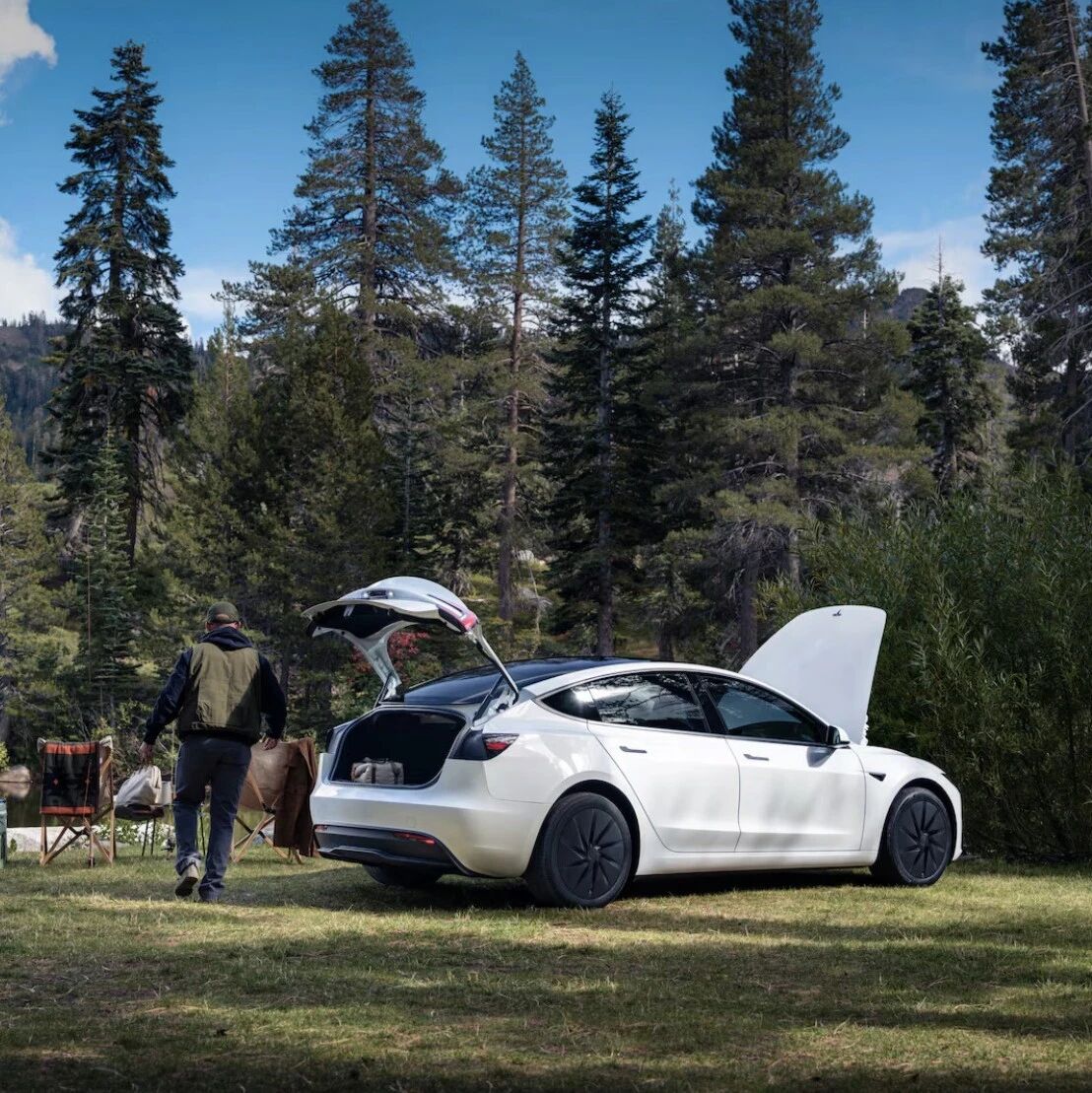
Core Insights - Tesla has launched lower-priced versions of its Model Y and Model 3, priced at $39,990 and $36,990 respectively, to penetrate the competitive European market [1] - The European market is saturated with over ten electric vehicle models priced below $30,000, posing a significant challenge for Tesla [1] - Tesla's market share in Europe has nearly halved to approximately 1.5% due to outdated product lines and negative consumer sentiment towards Elon Musk [2] Group 1: Market Competition - The competition in the European electric vehicle market has intensified, with many local and Chinese brands offering lower-priced alternatives [1][4] - Analysts predict that over 25 new electric vehicle models will be launched in Europe next year, further increasing competition [6] - Tesla's lower-priced Model Y may help maintain sales levels in Europe, but it is unlikely to single-handedly open up the market [6] Group 2: Market Dynamics - In the U.S. market, Tesla's lower-priced Model Y is competitively priced against models from Hyundai, GM, and Volkswagen, but the expiration of a $7,500 tax credit may lead to a contraction in demand [2] - Tesla's global delivery volume is expected to decline for the first time in 2024, with a projected 10% drop this year [2] - In China, Tesla's new low-priced models are still priced higher than local competitors like BYD and Wuling, which dominate the market [3]

明起,全部切换!北交所,重大变革!
证券时报· 2025-10-08 08:50
Macro News - The price of spot gold in London reached a historic high of $4000 for the first time on October 8 [2] - The U.S. Senate failed to pass a funding bill proposed by the Democrats, leading to a continued government shutdown [3][7] - The People's Bank of China reported that gold reserves reached 7.406 million ounces by the end of September, marking the 11th consecutive month of increases [13] - China's foreign exchange reserves stood at $333.87 billion at the end of September, reflecting a 0.5% increase from the previous month [14] Company News - Tesla launched a new version of the Model Y priced at $39,990, making it more affordable to counter the impact of the cancellation of U.S. electric vehicle subsidies. This new model is approximately 11% cheaper than the previous base version [4][19] - Cambrian Technology announced a private placement price of 1195.02 yuan per share, raising a total of 3.985 billion yuan for projects related to large model chip platforms and software platforms [20] Regulatory Updates - The State Council of China issued a notice to implement domestic product standards in government procurement, effective January 1, 2026. This policy aims to create a unified and competitive government procurement market, providing a 20% price evaluation preference for domestic products [6] - The China Securities Regulatory Commission (CSRC) held a meeting to discuss the "14th Five-Year" capital market planning, emphasizing the need for high-quality implementation of capital market reforms [15] - The CSRC proposed a draft to significantly increase the reward standards for whistleblowers reporting securities and futures violations, raising the reward amount from 1% to 3% of the penalties collected [16] Market Developments - The Beijing Stock Exchange will switch to new securities codes for all existing stocks starting October 9, 2025, with the new code being 920. This change is part of a broader initiative to enhance the trading environment [18] - Qualified foreign investors will be allowed to participate in ETF options trading on the Shanghai and Shenzhen stock exchanges, with the trading purpose limited to hedging [17] Investment Strategies - Goldman Sachs raised its gold price forecast for December 2026 to $4900 per ounce, up from a previous estimate of $4300, anticipating continued net purchases of gold by central banks in emerging markets [21]

被中国打痛了?两大王牌产品“大出血”,西班牙首相计划下周访华
Sou Hu Cai Jing· 2025-10-08 07:24
Core Points - Spain's initial strong support for EU tariffs on China has shifted towards seeking cooperation, particularly in the electric vehicle sector, due to economic repercussions from China's countermeasures [1][10] - The Spanish Prime Minister's upcoming visit to China aims to discuss bilateral trade and strengthen economic ties amidst EU-China trade tensions [3][9] - Spain's proactive approach to attract Chinese electric vehicle manufacturers reflects a broader trend among EU countries to engage with China despite initial opposition [6][8] Group 1: Spain's Changing Stance - Spain's government has softened its hardline stance on tariffs against China, now focusing on collaboration in the electric vehicle industry [1][10] - The visit of the Andalusian regional government leader to China highlights Spain's efforts to promote local investment from Chinese car manufacturers [8] - Spain's shift indicates a recognition of the negative effects of trade protectionism and the growing importance of China in global trade [10] Group 2: Economic Implications - The EU's anti-subsidy investigation into Chinese electric vehicles has led to significant tensions, prompting Spain to reconsider its position due to potential impacts on its own exports [5][9] - Spain's agricultural sectors, particularly pork and brandy, are at risk due to China's retaliatory measures, emphasizing the importance of maintaining access to the Chinese market [9][10] - The potential loss of the Chinese market could severely impact Spain's economy, as other countries are also vying for market share [10] Group 3: Future Cooperation - The evolving relationship between Spain and China may lead to expanded cooperation in various sectors, including electric vehicles, agriculture, and technology [12] - Spain's government aims to resolve trade disputes through dialogue, indicating a desire for a more collaborative approach moving forward [9][12]

加拿大对中国电动车加税后,不到一周时间,中方对加发起双反调查
Sou Hu Cai Jing· 2025-10-08 05:56
Core Viewpoint - Canada has announced a 100% tariff on electric vehicles from China and a 25% tariff on Chinese steel and aluminum products, raising questions about the rationale behind these actions [1][3][5] Group 1: Trade Policies and Implications - The tariffs imposed by Canada are seen as discriminatory and violate the 1994 GATT agreement, as there is no substantial evidence that Chinese products have harmed the Canadian market [3][5] - The concept of "trade diversion" mentioned by Canada appears to be overstretched and used to justify its actions, which seem to align closely with U.S. policies against China [5][7] - The close cooperation between Canada and the U.S. may provide Canada with some support, but it raises concerns about whether the U.S. will uphold its commitments when interests conflict [7] Group 2: Impact on Chinese Electric Vehicles - Chinese electric vehicles have gained significant market share due to their high cost-performance ratio and superior performance, posing a challenge to European brands that are increasing in price [9][21] - The new tariffs will likely increase the prices of Chinese electric vehicles, potentially reducing their competitiveness in the market, although consumer willingness to pay higher prices remains uncertain [9][11] - China is actively working to adjust its supply chain to lower costs, but this is a long-term challenge that may be hindered by Canada's tariff policies [11][20] Group 3: China's Response - China plans to counteract Canada's tariffs through the WTO dispute resolution mechanism and has initiated anti-discrimination investigations against Canada [13][18] - The measures taken by China are compliant with international rules and aim to protect its interests against what is perceived as an unfounded attack by Canada [20] - The rapid growth of Chinese electric vehicles in the global market is a testament to their development, despite facing jealousy and pushback from other countries [21][23] Group 4: Global Supply Chain Considerations - Canada's tariff policy is expected to have negative implications not only for China but also for the stability of the global supply chain [23] - The attempt to suppress China's technological progress and market share through tariffs is viewed as counterproductive in an increasingly interconnected global economy [23]
中国发起反制后,加拿大不让步,并放出话来,要扩大对华关税范畴
Sou Hu Cai Jing· 2025-10-08 05:01
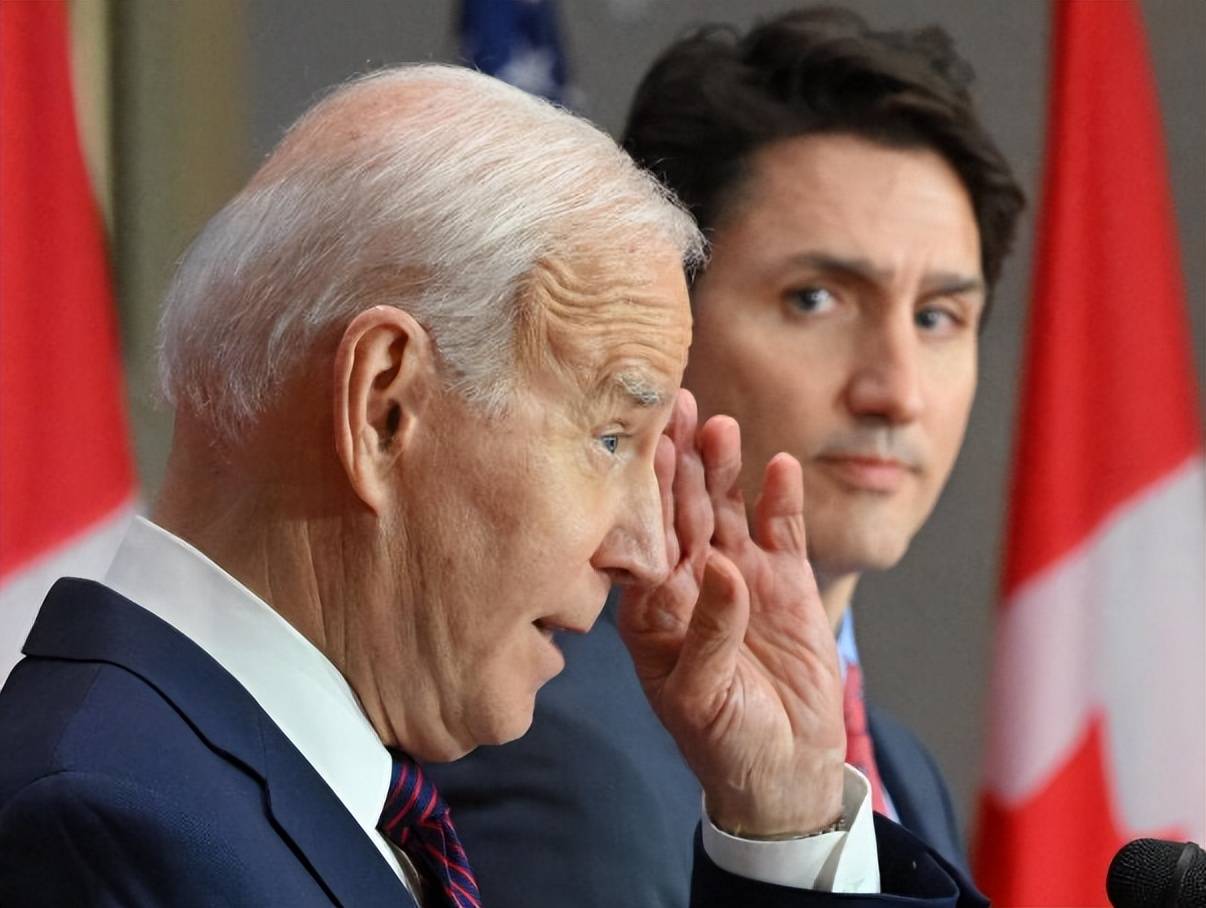
Core Viewpoint - Canada has decided to impose tariffs on Chinese electric vehicles without conducting a thorough investigation, leading to strong opposition from China, which threatens retaliatory measures if Canada continues its actions [1][4]. Group 1: Tariff Decisions - Canada is implementing tariffs on Chinese electric vehicles, which are reportedly more stringent than those of the US and EU [1]. - The decision lacks sufficient evidence and is seen as unfounded, especially since Chinese electric vehicles hold a minimal market share in Canada [4]. - In addition to electric vehicles, Canada plans to impose a 25% tariff on Chinese steel and aluminum products [4]. Group 2: China's Response - China has initiated multiple countermeasures, including anti-dumping investigations on Canadian canola and chemical products, citing abnormal pricing in the Chinese market [6]. - A request for dispute resolution has been submitted to the World Trade Organization (WTO) to protect Chinese enterprises' interests [6]. - China has launched a global anti-discrimination investigation, accusing Canada of politicizing trade issues to align with US policies [6]. Group 3: International Reactions - Some countries, such as Norway, have expressed disapproval of the tariffs on Chinese electric vehicles, advocating for resolution through the WTO rather than unilateral sanctions [9]. - The global demand for Chinese electric vehicles remains strong, and there is no indication of overcapacity in the industry [9].