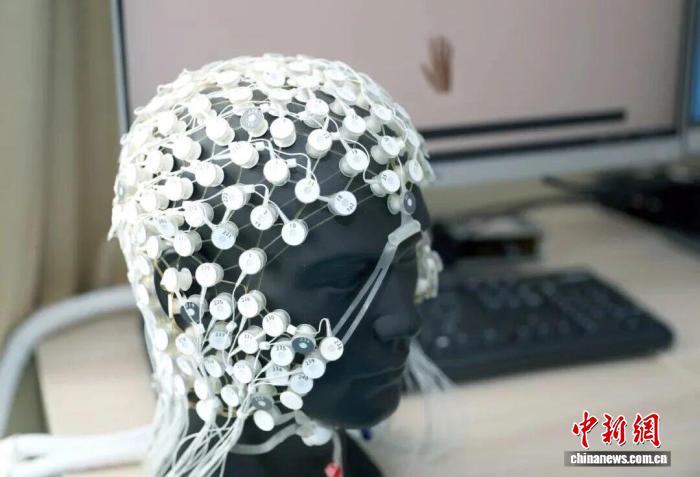
脑机接口

Search documents
未来产业的现在进行时
Ren Min Ri Bao· 2025-11-20 01:05
Quantum Technology - China has established the world's largest quantum communication network, comprising 8 core sites and 159 access stations [4] - The third-generation superconducting quantum computer "Benyuan Wukong" is set to officially operate in January 2024, with over 80% domestic components [9] - "Benyuan Wukong" has been accessed over 37 million times by users from 163 countries, completing 740,000 quantum computing tasks across various fields [11] Biological Manufacturing - Biological manufacturing combines traditional fermentation and synthetic biology, opening new industrial spaces [12] - China holds over 70% of global biological fermentation capacity, leading in the production of amino acids and organic acids [12] - Challenges include the need for core strains and key enzymes, as well as the development of a robust biological information database [13] Nuclear Fusion Energy - Controlled nuclear fusion, known as "artificial sun," is advancing with significant breakthroughs in technology [14][15] - The "China Circulation No. 3" has achieved record ion and electron temperatures of 120 million and 160 million degrees Celsius, respectively [15] - By 2027, "China Circulation No. 3" is expected to conduct burning plasma experiments, moving towards commercial fusion power generation by mid-century [15] Brain-Computer Interface - Brain-computer interface technology is expanding into various fields, including medical rehabilitation and consumer electronics [17][18] - The industry is supported by a collaborative ecosystem involving research, industry, and policy frameworks [18] - Key focus areas include core technology development, innovation ecosystem enhancement, and ethical regulatory frameworks [18] Humanoid Robotics - Humanoid robots are evolving rapidly, with advancements in joint modules and motion control [19][20] - The Shenzhen area is developing a "embodied intelligence port," fostering a complete industrial chain from R&D to application [20] - The local government has introduced action plans to promote technological innovation and industry development in humanoid robotics [20] 6G Technology - 6G technology aims to enhance connectivity and integrate various technologies, supporting the development of a smart society [21][22] - It is expected to achieve 10 to 100 times the speed and reliability of 5G, covering all domains of connectivity [21] - China is advancing in 6G research and aims for commercial implementation by 2030 [22]

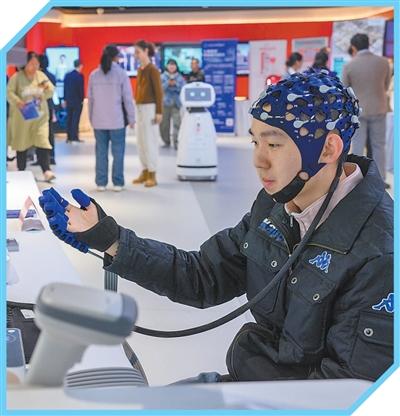
未来产业的现在进行时(经济聚焦)
Ren Min Ri Bao· 2025-11-19 22:20
Core Insights - The article discusses the development of future industries in China, focusing on quantum technology, biomanufacturing, nuclear fusion energy, brain-computer interfaces, and embodied intelligence as key growth areas for high-quality development [10][15][18]. Quantum Technology - The "Quantum Avenue" in Hefei is home to numerous tech companies, creating a complete ecosystem for quantum computing, communication, and measurement [11]. - The third-generation superconducting quantum computer "Benyuan Wukong" is set to officially operate in January 2024, with over 80% of its components domestically produced [11]. - "Benyuan Wukong" has been accessed over 37 million times by users from 163 countries, completing 740,000 quantum computing tasks across various fields [12]. Biomanufacturing - Biomanufacturing combines traditional fermentation and synthetic biology, enabling customized production of medical products and sustainable materials [13]. - China holds a significant advantage in biomanufacturing, accounting for over 70% of global fermentation capacity and leading in the production of amino acids and organic acids [13]. - Challenges include the need for core strains and key enzymes, which require improved biological information databases and design tools [14]. Nuclear Fusion Energy - China is making significant strides in nuclear fusion research, with the "China Circulation No. 3" achieving record temperatures of 120 million degrees Celsius for ions and 160 million degrees Celsius for electrons [16]. - The establishment of the first International Atomic Energy Agency fusion research and training center in China marks a shift from participant to key player in global fusion energy development [16]. Brain-Computer Interfaces - Brain-computer interface technology is rapidly expanding into various fields, particularly in healthcare for rehabilitation and assistive technologies [18]. - China is developing a robust ecosystem for brain-computer interfaces, with significant advancements in clinical applications and policy support aimed at creating a competitive industry by 2030 [19]. Embodied Intelligence - The development of humanoid robots is advancing, with companies focusing on high-performance hardware and software to enhance capabilities in various applications [20]. - Shenzhen is emerging as a hub for embodied intelligence, with a complete industrial chain supporting technology development and market application [21]. 6G Technology - 6G technology aims to integrate communication, sensing, advanced computing, and AI, significantly enhancing connectivity and supporting the digital transformation of society and industries [22]. - China is leading in 6G research and is expected to achieve commercial deployment by 2030, with ongoing efforts in technology validation and ecosystem development [23].
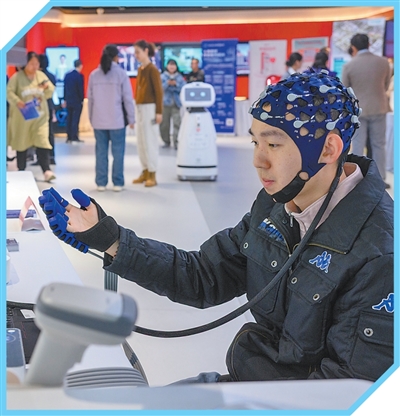
马斯克放话:人类20年内或实现“数字永生”,是科技狂想还是未来已来?
Sou Hu Cai Jing· 2025-11-19 10:43
Core Insights - Elon Musk predicts that humanity may achieve "digital immortality" within 20 years through Neuralink's technology, which involves creating a "snapshot" of consciousness and uploading it to Tesla's humanoid robot, Optimus [1] - The concept of digital immortality integrates advanced technologies from Neuralink and Optimus, emphasizing that this form of immortality is not a perfect copy of the original self [1] Technical Pathway Analysis - The process of achieving digital immortality involves several key technological challenges, starting with breakthroughs in brain-computer interface (BCI) signal acquisition [3] - Current Neuralink devices can capture signals through 256 channels, but to fully simulate the human brain, this needs to increase to a million channels, necessitating revolutionary advancements in electrode materials [3] - Consciousness modeling is categorized into four progressive levels, with current digital immortality products only reaching Level 1, while true consciousness uploading requires advancements to Level 3 or 4 [5] Clinical Breakthroughs - Brain-computer interfaces have shown significant value in medical applications, exemplified by a clinical study in China that enabled a paralyzed patient to control a robotic arm using thought [6] Global BCI Competition - The race for brain-computer interface technology is primarily led by the US and China, with implications for future industry leadership [8] - In the US, Neuralink is at the forefront, planning to achieve multi-region implants by 2027 and increase signal channels to 25,000 by 2028, supported by innovations in flexible electrode materials and AI algorithms [9] - In China, government policies are driving BCI development, with significant breakthroughs from companies like Brain Tiger Technology and collaborations with academic institutions [10] Industry Ecosystem Development - The global BCI industry is projected to generate economic value between $70 billion and $200 billion over the next 10 to 20 years, prompting increased investment and strategic planning [11] - The industry is evolving with a focus on high-end medical devices, consumer applications, and supporting technologies, fostering a comprehensive technological ecosystem [21] Ethical and Philosophical Challenges - Digital immortality faces significant technical bottlenecks, including limitations in signal acquisition precision and hardware compatibility, as well as challenges in consciousness modeling [12] - Ethical dilemmas arise regarding identity, social equity, data security, and the fundamental nature of consciousness, questioning whether a digital copy can truly represent the original self [14][15] Future Outlook - Despite the challenges, BCI technology is making strides in medical rehabilitation, enhancing patient quality of life and treatment efficacy [18][19] - The diversification of technological approaches is evident, with innovations in human-machine collaboration and materials science paving the way for new applications [20] - Ethical guidelines are being established alongside technological advancements to ensure responsible development and implementation of BCI technologies [22]
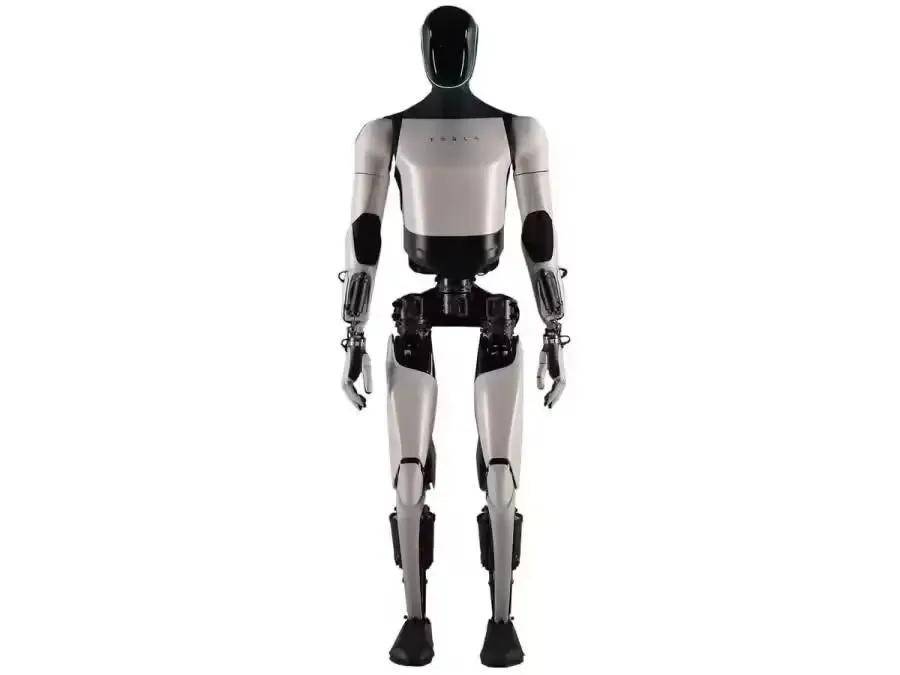
机器人里的“你”还是你吗?马斯克:借助脑机接口技术,20年内人类意识有望上传至机器人实现数字永生【附脑机接口行业前景分析】
Qian Zhan Wang· 2025-11-19 10:35
Core Insights - Brain-computer interface (BCI) technology is seen as a revolutionary field that could enable paralyzed individuals to walk again, restore vision for the visually impaired, and treat various neurological diseases, offering hope to many patients [2][6] - Elon Musk predicts that within 20 years, Neuralink's technology could allow humans to create a "snapshot" of their minds and upload it to Tesla's humanoid robot, Optimus, potentially achieving a form of digital immortality [2] - The global BCI industry is rapidly developing, with major countries implementing policies to seize leadership in this emerging technology [3][6] Industry Development - The U.S. has introduced the "Neural Engineering System Design Program," Japan has launched the "Brain/Heart Function Utilization Technology Promotion Strategy," and the EU has initiated the "Human Brain Project" [3] - China is also prioritizing BCI development, with a national policy aiming for key technological breakthroughs by 2027 and the cultivation of 2-3 global leading companies by 2030 [6] - The BCI industry in China has established a comprehensive supply chain, with the medical field currently accounting for 56% of downstream applications [6][8] Clinical Progress - Clinical advancements are evident, with Shanghai Huashan Hospital completing its first BCI implantation surgery, and several products from Aipeng Medical already generating sales [8] - China has conducted 30 clinical trials for BCIs, surpassing Neuralink's 7 trials, indicating a competitive edge in clinical applications [8] Market Potential - The BCI technology is expected to create a trillion-dollar market, driving growth across materials, chips, and medical devices, and becoming a significant new productive force [8] - The global BCI market is projected to reach $7.63 billion by 2029, although predictions vary due to ethical and social acceptance challenges [9]


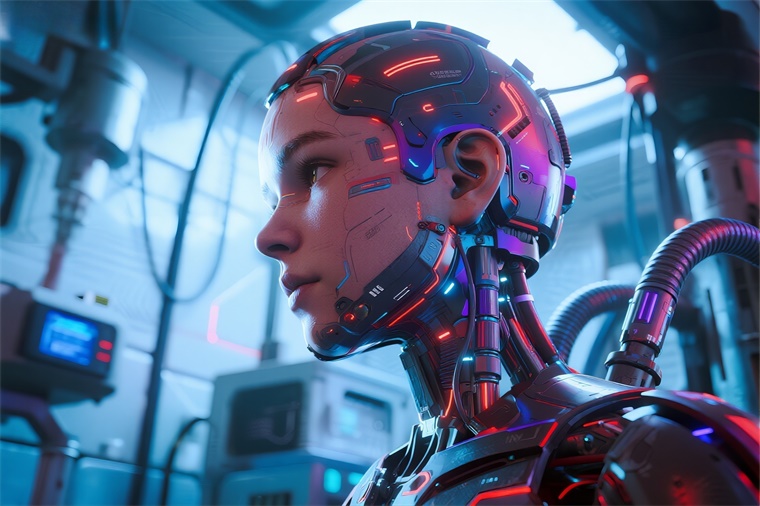
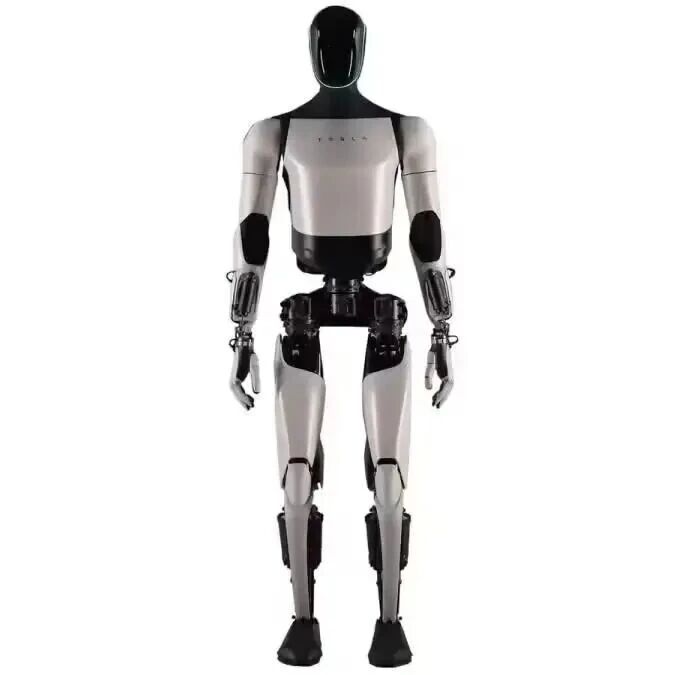
马斯克放话:人类20年内或实现“数字永生”,是科技狂想还是未来已来?
机器人大讲堂· 2025-11-19 09:06
Core Viewpoint - Elon Musk predicts that humanity may achieve "digital immortality" within 20 years through the technologies of his companies Neuralink and Tesla's humanoid robot Optimus, which involves creating a "snapshot" of consciousness and uploading it to a robotic platform [1]. Technical Path Analysis - The process of achieving digital immortality involves several key stages, starting with breakthroughs in brain-computer interface (BCI) signal acquisition, which currently has a maximum of 256 channels but needs to reach millions to fully simulate the human brain [3][6]. - Consciousness modeling is categorized into four progressive levels, with current products only achieving Level 1, while true consciousness uploading requires advancements to Level 3 or 4 [6][8]. - Clinical trials have shown significant progress, such as a 72-year-old patient controlling a robotic arm through thought, laying the groundwork for more complex consciousness signal acquisition [7]. Global BCI Competition - The global race for BCI technology is primarily led by the US and China, focusing on technological leadership and future industrial dominance [9]. - In the US, Neuralink has made strides in allowing patients to control devices with their thoughts and has a roadmap to enhance its technology significantly by 2028 [10]. - China is also advancing rapidly, with government policies supporting BCI development and companies achieving breakthroughs in high-throughput flexible BCIs [11][12]. Industry Ecosystem Development - The global BCI industry is projected to generate economic value between $70 billion and $200 billion over the next 10 to 20 years, prompting increased investment and strategic planning [13]. - As technology matures, the BCI ecosystem is forming, with investments focusing on high-end medical devices, consumer applications, and supporting technologies [23]. Ethical and Technical Challenges - Significant technical challenges remain, including the precision of signal acquisition and hardware compatibility, which hinder the full simulation of brain activity [14]. - Ethical dilemmas arise regarding identity, social equity, and data security, particularly concerning the implications of consciousness uploading and potential societal divides [16][17]. Future Outlook - BCI technology is already making strides in medical rehabilitation, improving patient quality of life and treatment outcomes [20]. - The diversification of technical routes is evident, with innovations combining biological signals and AI to enhance applications in various fields [21]. - Ethical standards are being developed alongside technological advancements to ensure responsible innovation and address potential societal impacts [24].
拟投资上市公司体外项目 高德红外实控人黄立计划减持不超3%公司股份
Jing Ji Guan Cha Wang· 2025-11-19 03:10
Group 1 - The actual controller and chairman of Gaode Infrared, Huang Li, plans to reduce his shareholding by up to 128,122,083 shares, accounting for no more than 3.00% of the company's total share capital, due to funding needs for other innovative industries [2] - Gaode Infrared's main business includes infrared focal plane detector chips, infrared thermal imaging systems, and traditional non-lethal ammunition, among others [2] - For the first three quarters of 2025, Gaode Infrared achieved a revenue of 3.068 billion yuan, representing a year-on-year growth of 69.27%, and a net profit attributable to shareholders of 582 million yuan [2] Group 2 - Puzhou Technology, established in 2015, is a high-tech company based in Wuhan, specializing in the research, production, sales, operation, and low-altitude data operation of drones [3] - Zhonghua Brain Machine, also based in Wuhan, focuses on the development of a hardware and software platform for brain-computer interface systems, with a complete research and production system [3] - Recently, Zhonghua Brain Machine announced the successful completion of the first clinical implantation of a domestically developed brain-computer interface chip in collaboration with Huazhong University of Science and Technology [3]


从秋招新风向看产业新变化
Yang Shi Xin Wen Ke Hu Duan· 2025-11-19 01:06
Group 1 - The brain-computer interface (BCI) market in China is rapidly expanding, with a significant increase in recruitment for BCI algorithms, software development, and system applications expected to double from this year to next [1] - The demand for talent in emerging industries is a reflection of China's ongoing industrial structure optimization and transformation [1][3] - During the "14th Five-Year Plan" period, notable achievements in technological innovation and industry integration have been observed, with job openings in new materials increasing by 66.7% and in optoelectronics by 54.2% in the third quarter of this year [3] Group 2 - Over 9,600 recruitment events have been held nationwide since September, offering over 4.13 million job positions, with a focus on matching talent with job opportunities in advanced manufacturing and artificial intelligence [5] - The integration of education and industry, along with cross-regional cooperation, is crucial for cultivating talent that meets market demands, exemplified by Yiwu's collaboration with Heilongjiang to establish an international trade industry college [5] - The scale of college graduates in China continues to exceed 10 million, emphasizing the importance of aligning personal career paths with national strategic needs for optimal career development [7] Group 3 - The "15th Five-Year Plan" aims to create a dynamic environment where talents are fully utilized, encouraging youth to engage in China's modernization efforts [8]

热评丨从秋招新风向看产业新变化
Yang Shi Xin Wen Ke Hu Duan· 2025-11-19 00:56
"今年到明年,我们在脑机接口算法、脑机接口软件开发以及系统应用开发这几个方向的招聘人数要翻倍。"秋招期间,天津一家科技公司负责人这样透露。 作为国家重点发展的未来产业, 我国脑机接口市场规模发展迅猛。因其技术需求覆盖生物医学、神经科学、计算机、电子工程等多个学科,带动了多专业 背景毕业生就业。 就业现状与产业发展息息相关。新兴产业人才"走俏"的背后,是我国产业结构持续优化与转型升级的生动体现。 近年来,我国高校毕业生规模持续超千万。对每位毕业生而言,在秋招中选择一个有前景、能深耕的行业,无疑是职业生涯的良好起步。将个人发展方向与 国家战略需求对齐,不仅是实现个人职业价值的"最优解",更是驱动企业创新、服务国家发展的强大内生动力。 正如"十五五"规划所指出,要"形成人尽其才、才尽其用、万众一心、勠力进取的生动局面"。我们期待更多青年以奋斗之姿,投身于中国式现代化的浪潮, 共赴一个更加澎湃的时代。 (文丨孙诗乔 编辑丨赵静) [ 责编:张璋 ] "十四五"时期,我国在科技创新与产业融合方面成就显著。新兴产业加速发展,带动相关领域人才需求快速增长。今年第三季度,新材料行业岗位数量同比 增长66.7%,光电子行业招聘 ...
熵基科技(301330.SZ):脑机业务预计于2026年3月推出原型机
Ge Long Hui· 2025-11-18 08:21
Core Viewpoint - The company focuses on brain-machine interface technology with applications in education, healthcare, and elderly care, utilizing AI-driven multimodal data fusion technology for product development [1] Group 1: Business Focus - The company is developing products in three main areas: analysis and diagnosis, detection-assisted rehabilitation, and treatment [1] - In the field of smart education, the company integrates brain-machine interface technology with interactive games to enhance students' concentration [1] Group 2: Product Development Timeline - The brain-machine business is expected to launch a prototype by March 2026 [1] Group 3: Strategic Partnerships - The company has formed a strategic partnership with NeuroSky, a leader in non-invasive brain-machine interface technology, to establish a joint venture [1] - The collaboration aims to create an innovative framework combining "chip + emotion cloud + industrial ecosystem" to accelerate the global strategic layout of brain-machine interface technology [1]

聚焦脑机接口 山西密集落地临床应用与研究平台
Zhong Guo Xin Wen Wang· 2025-11-18 07:08
Core Insights - The establishment of multiple brain-computer interface (BCI) clinical research centers in Shanxi marks a significant acceleration in the research and application of BCI technology in the region [1] - BCI technology is gaining global attention as a new form of human-computer interaction, aiming to create a connection between the brain and external devices for collaborative interaction between biological and machine intelligence [1] Group 1: Clinical Applications - Shanxi Provincial People's Hospital successfully utilized BCI technology in a surgery for a patient with a high-grade glioma, allowing for real-time monitoring and mapping of brain function, which led to maximal safe tumor removal while preserving motor function [2] - Similar successful surgeries were reported at Shanxi Medical University First Hospital, where a domestic BCI system was used to provide a visual brain function map during surgery for a rare deep brain tumor, resulting in complete tumor removal without damaging neural function [5] Group 2: Neurological Treatment Innovations - The combination of BCI and neural modulation offers new hope for patients with difficult neurological conditions, such as a patient suffering from obsessive-compulsive disorder who underwent deep brain stimulation, leading to significant improvement in her condition [6][8] - A new generation of intelligent, perceivable brain pacemakers has been implanted in patients with consciousness disorders, enabling two-way communication with the brain by both sending and receiving signals [8] Group 3: Interdisciplinary Collaboration - Shanxi is exploring the integration of BCI with traditional Chinese medicine, particularly acupuncture, to enhance rehabilitation outcomes for patients with motor impairments [9] - The development of BCI technology relies on interdisciplinary collaboration, with Shanxi medical institutions actively partnering with universities and research institutes to foster innovation [9] - Challenges such as implant rejection and signal instability in clinical applications are being addressed through the establishment of industry standards and collaborative efforts between capital and policy [9]