医美

Search documents
商贸零售行业周报:美团拟收购叮咚买菜,打造即时零售供应链优势
KAIYUAN SECURITIES· 2026-02-08 10:25
Investment Rating - The industry investment rating is "Positive" (maintained) [1] Core Views - The report highlights Meituan's acquisition of Dingdong Maicai for approximately $717 million, aiming to enhance its instant retail supply chain efficiency. Dingdong Maicai has achieved profitability for 12 consecutive quarters and operates over 1,000 front warehouses in China, with a monthly purchasing user base exceeding 7 million [4][24][27] - The report emphasizes the importance of supply chain efficiency and product quality in the competitive landscape of the instant retail industry, suggesting that the focus will shift towards these aspects post-acquisition [27] Summary by Sections Industry Dynamics - Meituan's acquisition of Dingdong Maicai is expected to create synergies in supply chain, regional layout, and warehouse scale, enhancing operational efficiency in the East China region [24][27] - Dingdong Maicai's established direct sourcing and self-operated production capabilities are anticipated to be preserved and amplified within Meituan's platform [27] Investment Themes - Investment Theme 1: Focus on high-end and fashionable gold jewelry brands, recommending companies like Laopuhuangjin and Chaohongji, which are expected to benefit from the emotional consumption trend [6][29] - Investment Theme 2: Emphasize retail companies adapting to trends and AI-enabled cross-border e-commerce leaders, with recommendations for Yonghui Supermarket and Aiyingshi [6][29] - Investment Theme 3: Highlight domestic beauty brands that cater to emotional value and innovative safe ingredients, recommending brands like Maogeping and Pola [6][29] - Investment Theme 4: Focus on differentiated medical beauty product manufacturers and leading chain medical beauty institutions, recommending Meilitiantian Medical Health and Aimeike [6][29] Market Performance - The retail and social service indices reported a slight decline of 0.34% and a slight increase of 0.02% respectively during the week of February 2 to February 6, 2026 [14][15] - The brand cosmetics sector showed the highest weekly increase of 4.99%, while the watch and jewelry sector led with a year-to-date increase of 16.56% [16][19] Company Highlights - Laopuhuangjin reported a significant revenue increase of 250.9% in FY2025H1, driven by brand expansion and customer base growth [31][32] - Chaohongji is expected to achieve a net profit growth of 125% to 175% in 2025, supported by differentiated product strength and multi-channel marketing [31][32] - Meilitiantian Medical Health anticipates a net profit increase of at least 34% in 2025, driven by both internal growth and acquisitions [39][40]




商贸零售行业周报:美团拟收购叮咚买菜,打造即时零售供应链优势-20260208
KAIYUAN SECURITIES· 2026-02-08 08:43
Investment Rating - The industry investment rating is "Positive" (maintained) [1] Core Insights - Meituan announced the acquisition of Dingdong Maicai for approximately $717 million, aiming to enhance its instant retail supply chain efficiency [4][24] - Dingdong Maicai has achieved profitability for 12 consecutive quarters and operates over 1,000 front warehouses, with a monthly purchasing user base exceeding 7 million [4][24] - The acquisition is expected to create synergies in supply chain, regional layout, and warehouse scale, enhancing Meituan's capabilities in the fresh produce sector [4][27] Industry Overview - The retail and social service indices reported a slight decline of 0.34% and a marginal increase of 0.02% respectively during the week of February 2 to February 6, 2026 [14][15] - The brand cosmetics sector showed the highest weekly growth of 4.99%, while the watch and jewelry sector led with a year-to-date increase of 16.56% [16][19] Investment Themes - Investment Theme 1: Focus on high-end and fashionable gold jewelry brands, recommending companies like Laopuhuangjin and Chaohongji, which are expected to benefit from market trends [6][29] - Investment Theme 2: Emphasize retail companies adapting to consumer trends and AI-enabled cross-border e-commerce leaders, with recommendations for Yonghui Supermarket and Aiyingshi [6][29] - Investment Theme 3: Highlight domestic beauty brands that cater to emotional value and innovative safe ingredients, recommending brands like Maogeping and Proya [6][30] - Investment Theme 4: Target differentiated medical beauty product manufacturers and leading chain medical beauty institutions, recommending Meilitiantian Medical Health and Aimeike [6][30] Company-Specific Insights - Laopuhuangjin is expected to achieve a revenue of 12.35 billion yuan in H1 2025, with a net profit increase of 285.8% [31] - Chaohongji anticipates a net profit growth of 125% to 175% in 2025, driven by differentiated product strength and brand expansion [31] - Meilitiantian Medical Health forecasts a net profit growth of at least 34% in 2025, supported by its dual growth strategy [39][40]
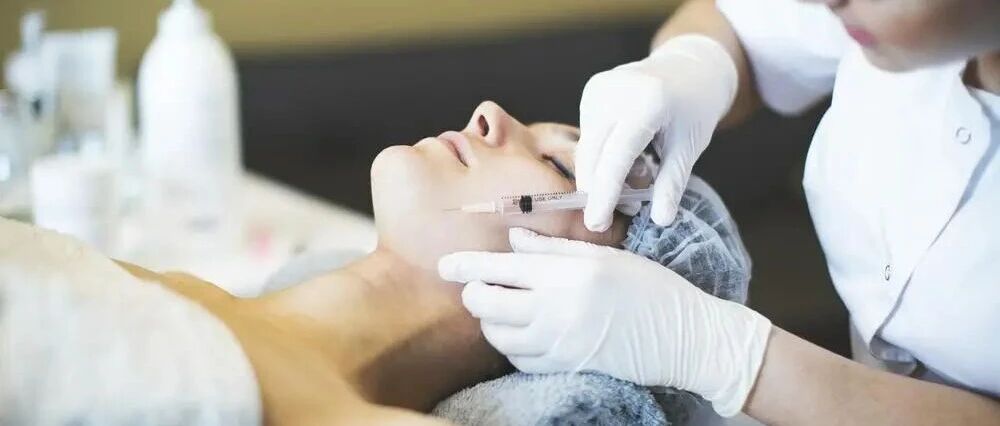
医美,变身“新年货”
财联社· 2026-02-08 06:13
Core Viewpoint - The medical beauty industry is experiencing a significant surge in consumer demand, with a shift towards light medical beauty projects over traditional surgical options, indicating a structural change in the market dynamics [1][12][18]. Group 1: Market Trends - The medical beauty market has entered a "full load operation" state earlier than previous years, with increased consumer traffic and extended operating hours in various institutions [1][5][10]. - The peak consumer flow for medical beauty services has started earlier this year, with a notable increase in appointment volumes compared to previous years [5][7]. - New Oxygen Group reported a 14% month-on-month increase in consumption in January, with a staggering 235% increase compared to the same period last year [7][10]. Group 2: Consumer Behavior - Consumers are increasingly favoring light medical beauty projects such as photon rejuvenation and botulinum toxin injections, which dominate the pre-holiday consumption landscape [12][13]. - The decision-making process for consumers has become more precise, with a focus on safety, effectiveness, and recovery time, leading to a preference for less invasive procedures [12][14]. - There is a noticeable trend towards combined treatment plans, where consumers seek to address multiple concerns in a single session, reflecting a more mature understanding of medical beauty options [14][20]. Group 3: Demographic Insights - The consumer base for medical beauty services is diversifying, with different age groups focusing on varying aspects such as anti-aging for middle-aged individuals and contour adjustments for younger consumers [15][17]. - The demand from returning populations during the holiday season has further amplified local market activity, indicating a broader acceptance of medical beauty services across demographics [10][11]. Group 4: Industry Supply Changes - Public hospitals are increasingly establishing medical beauty departments, driven by changes in payment structures and the need for new revenue streams [18][19]. - The entry of platform companies into the offline space is reshaping the competitive landscape, emphasizing the importance of safety, professionalism, and long-term service capabilities [19][20]. - Equipment manufacturers are also adapting to market demands, with new technologies being introduced to enhance service offerings and meet consumer expectations [19][20].

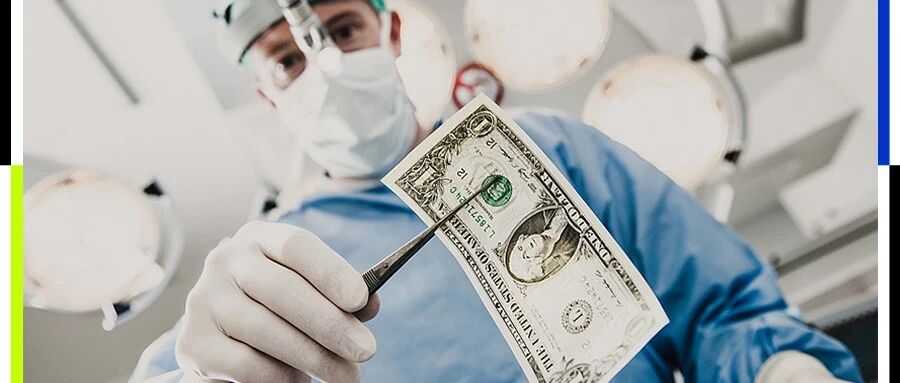
医美的钱都被谁赚了?
36氪· 2026-02-07 10:17
Core Viewpoint - New Oxygen is regaining pricing power in the medical beauty industry, which may lead to improved profitability despite previous challenges [4][5][8]. Group 1: Industry Dynamics - The medical beauty industry has seen a significant price war, with New Oxygen introducing competitively priced products like the "Miracle Youth 1.0" at 4,999 yuan, compared to the market price of 18,800 yuan for similar products [12][13]. - The industry is characterized by a fragmented pricing structure, where the same product can have vastly different prices across various platforms and institutions, indicating a loss of control by upstream manufacturers [15][16]. - New Oxygen's strategy includes a focus on "transparent medical beauty," aiming to make treatments affordable for a broader audience, including those with lower incomes [18][24]. Group 2: Cost Structure and Profitability - The cost structure of medical beauty products reveals that marketing costs can account for 30% to over 50% of expenses, while supply chain costs range from 20% to 30% [24][27]. - New Oxygen has managed to reduce its marketing costs to below 10% by leveraging community engagement and avoiding traditional sales models [28]. - Despite efforts to optimize costs, the overall profit margins in the industry remain low, with many downstream institutions operating at a loss [38][44]. Group 3: Company Performance and Strategy - New Oxygen has expanded its offline business with the launch of "New Oxygen Youth Clinics," aiming to increase its market presence and improve procurement power through large-scale purchases [41][49]. - The company has faced declining net profits, with figures showing a loss of 5.87 million yuan in 2025, highlighting the challenges in transitioning from an online to an offline model [44][48]. - The introduction of the "Miracle Youth" series has positively impacted New Oxygen's stock price, which rose significantly after the launch of the second version [50]. Group 4: Market Outlook - The market for micro-sphere regeneration products, including those offered by New Oxygen, is projected to reach 10.77 billion yuan by 2028, indicating substantial growth potential in this segment [51]. - The increasing approval of medical device registrations is expected to further dilute the pricing power of manufacturers, impacting overall industry profitability [33][37].
斐缦生物发布全新自研可控自组装技术平台
Ren Min Wang· 2026-02-06 10:22
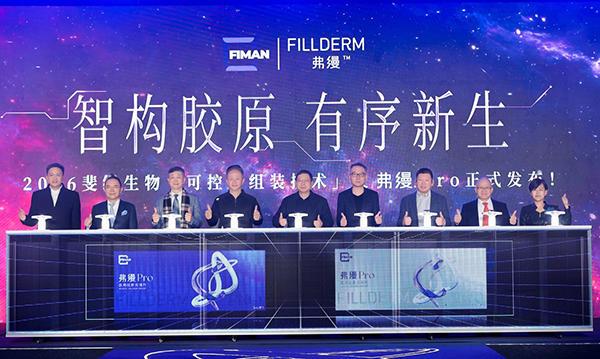
2月4日,"智构胶原·有序新生"2026斐缦生物"可控自组装技术"生态发布会在长春举办,汇聚近200位来 自全国的医美专家、行业领袖和媒体,共同见证了这一中国胶原的高光时刻。斐缦生物凭借全新自研的 可控自组装技术平台,打造针对皮肤全层次抗衰的创新解决方案——4.0智构胶原系列。 斐缦生物董事总经理陈欣伟表示:"胶原产品的远期安全性关系到消费者长久的安心与信赖。因此,斐 缦始终坚守品质、长期疗效与安全性的底线,致力于打造'大国品质'胶原,以极致的全程质量管理体 系,重新定义抗衰安全与胶原活性的新高度。从本质来讲,我们的驱动力就是满足求美者对精准抗衰、 安全有效的不断升级。今天发布的斐缦独家自研的可控自组装技术平台即是胶原突破性的精准进化力, 让自组装过程被设计、可控制,从分子级的调控精准读懂每一寸皮肤。" 斐缦生物董事总经理陈欣伟现场分享 技术赋能:斐缦独家可控自组装技术,做皮肤微观层面的"分子建筑师" 复旦大学生物医学工程与技术创新学院青年研究员、博士生导师,上海皮肤健康概念验证中心执行主任 马彦云博士围绕弗缦活性胶原的结构特征、作用机制及多场景应用价值,阐述了系统性的研究结论与实 践验证成果。如今,斐缦胶原 ...
北交所新消费产业研究系列(六):从悦人到悦己,解码美丽消费赛道的增长逻辑
Hua Yuan Zheng Quan· 2026-02-06 09:11
Group 1: Medical Aesthetics Industry - The Chinese medical aesthetics market is expected to reach nearly 370 billion by 2025, with a high growth outlook for the recombinant collagen segment [2][35] - The trend of younger consumers in medical aesthetics is evident, with light medical aesthetics gradually becoming mainstream, accounting for 52% of the market in 2022 [7][12] - Approximately 50.90% of users choose medical aesthetics because "becoming beautiful can make oneself happier," indicating a strong emotional value associated with beauty [4][8] Group 2: Beauty Industry - The retail sales of cosmetics in China are projected to grow at a CAGR of about 9% from 2016 to 2024, with domestic brands expected to maintain growth momentum [2][3] - The Chinese cosmetics market is entering a phase of high-quality development, with trends leaning towards scientific beauty and Eastern philosophies [3][19] - The market for cosmetic raw materials is expected to grow from 1147.80 billion in 2019 to 1603.90 billion by 2024, with a CAGR of 6.9% [2][3] Group 3: Related Companies on the Beijing Stock Exchange - Companies such as Jinbo Biological, which leads in recombinant human collagen medical devices, and Bawei Co., which provides ODM services for domestic and international cosmetic brands, are expected to benefit from the ongoing beauty consumption boom [2][3] - The market for functional skincare products is also seeing new entrants, with companies like Jinbo Biological expanding into this segment [2][3] - The beauty industry is experiencing a transformation driven by technological innovations, including synthetic biology and the application of new materials [2][3]
网红禁止直播带货药品保健品
21世纪经济报道· 2026-02-06 08:08
Core Viewpoint - The implementation of the "Live E-commerce Supervision Management Measures" marks a significant regulatory shift, particularly affecting the promotion of "three products and one device" (drugs, health foods, special medical purpose formula foods, and medical devices) through influencers, which may lead to a substantial restriction on their marketing channels [4][6]. Regulatory Changes - The new regulation defines individuals with influence who promote products in live e-commerce as commercial advertisers, thus requiring them to comply with advertising laws [5]. - The regulation aims to address the rampant issues of false advertising in the live e-commerce sector, particularly concerning health-related products, which have seen a high incidence of misleading promotions [8]. Industry Impact - The new rules are expected to fundamentally change marketing strategies in industries such as pharmaceuticals and health products, moving from a focus on traffic-driven sales to compliance-driven, trust-based marketing [11]. - Companies like Shouxiangu have successfully utilized influencer marketing, achieving significant viewership and sales, but will now need to adapt to the new compliance landscape [11]. Compliance Strategies - Companies are advised to establish a "three-layer firewall" for advertising content compliance and to innovate marketing channels that align with regulatory expectations [12]. - Legal experts suggest that businesses should prioritize compliance in their promotional strategies, including using brand self-broadcasting instead of influencer endorsements to mitigate risks [12]. Future Trends - The industry is expected to shift from broad marketing tactics to more precise trust-building efforts, emphasizing transparency and compliance in promotional activities [12].

医药生物行业双周报(2026、1、23-2026、2、5)-20260206
Dongguan Securities· 2026-02-06 05:14
Investment Rating - The report maintains a "Market Perform" rating for the pharmaceutical and biotechnology industry, indicating that the industry index is expected to perform within ±10% of the market index over the next six months [28][37]. Core Insights - The SW pharmaceutical and biotechnology industry underperformed the CSI 300 index, declining by 1.91% from January 23 to February 5, 2026, which is approximately 0.74 percentage points lower than the index [12]. - Most sub-sectors within the industry recorded negative returns during the same period, with offline pharmacies and vaccine sectors showing the best performance, increasing by 3.01% and 0.12% respectively, while other sectors like biological products and chemical preparations saw declines of 3.28% and 3.27% [13]. - Approximately 34% of stocks in the industry recorded positive returns, while 66% experienced negative returns during the reporting period [14]. - The overall price-to-earnings (PE) ratio for the SW pharmaceutical and biotechnology industry was approximately 51.00 times as of February 5, 2026, indicating a decrease in industry valuation [18]. Summary by Sections 1. Market Review - The SW pharmaceutical and biotechnology industry underperformed the CSI 300 index, with a decline of 1.91% from January 23 to February 5, 2026 [12]. - Most sub-sectors recorded negative returns, with offline pharmacies and vaccines performing relatively well [13]. - About 34% of stocks in the industry had positive returns, with significant variations in individual stock performance [14]. - The industry valuation has decreased, with a PE ratio of approximately 51.00 times [18]. 2. Industry News - The 11th batch of national procurement results is set to be implemented in February, with notifications already released by 17 provinces [26]. - The National Medical Insurance Administration has issued a notice to accelerate the cultivation and opening of application scenarios in the medical insurance field [25]. 3. Company Announcements - Jianyou Co., Ltd. announced that its subsidiary received FDA approval for its product, sodium selenite injection [27]. 4. Industry Outlook - The report suggests a focus on investment opportunities in the brain-computer interface sector as part of the 14th Five-Year Plan, with ongoing policy support [28]. - Recommended sectors for investment include medical devices, pharmaceutical commerce, aesthetic medicine, scientific services, hospital and diagnostic services, traditional Chinese medicine, innovative drugs, biological products, and CXO services [29].



A股收评:沪指跌0.64%,创业板指跌超1.5%,大金融、大消费板块逆势走高,有色金属及光伏产业股走低
Jin Rong Jie· 2026-02-05 07:14
Core Viewpoint - The A-share market experienced a decline in early trading, but major financial sectors such as banks and brokerages provided support, leading to a mixed performance across various sectors, with significant activity in consumer and emerging concepts [1] Market Performance - The three major A-share indices closed lower, with the Shanghai Composite Index down 26.29 points (0.64%) at 4075.92, the Shenzhen Component down 203.56 points (1.44%) at 13952.71, and the ChiNext Index down 51.24 points (1.55%) at 3260.28 [1] - Total market turnover reached 2.19 trillion yuan, with over 3700 stocks declining [1] Sector Highlights - Major financial sectors, including banks and brokerages, showed strong performance, with Xiamen Bank hitting a ceiling price, marking a new high since June 2021, and Chongqing Bank rising over 7% [1] - Consumer sectors, including media, tourism, food and beverage, retail, and healthcare, saw collective gains, with stocks like Haixin Food and Anji Food hitting ceiling prices [1] - New consumption concepts such as the "grain economy" and "pet economy" also experienced upward momentum, reflecting positive market expectations for consumer recovery [1] - AI application concepts rebounded, with stocks in AI animation, marketing, and media rising, including companies like Qunxing Toys and Yaowang Technology hitting ceiling prices [1] - Real estate concepts continued to strengthen, with multiple stocks like Jingtou Development and Huangting International hitting ceiling prices, adding vibrancy to the market [1] Declines in Specific Sectors - The non-ferrous metals, gold, and silver sectors faced significant declines, with stocks like Silver Nonferrous and Hunan Silver hitting their lower limits [2] - The photovoltaic industry chain, including space photovoltaic and equipment, saw a sell-off, with stocks like Junda Co. and Shuangliang Energy hitting their lower limits [2] - The power equipment sector also declined, with companies like Zhongheng Electric and Keshida hitting their lower limits [2] - The semiconductor and storage chip sectors continued to retreat, with stocks like Juguang Technology and Changfei Optical Fiber experiencing significant declines [2] Insights from Analysts - Dongfang Securities noted that the recent rebound after a significant drop indicates a stronger expectation for market stability, suggesting a potential shift towards a "slow bull" market [7] - Tianfeng Securities highlighted that this year's "Spring Festival excitement" may be more sustained due to policy expectations and trends in household investment towards equity assets, with consumer demand expected to release earlier than in previous years [8] - CITIC Securities identified low-orbit communication satellite chains as a key investment hotspot in the commercial aerospace industry, anticipating a transition from technology validation to large-scale industrialization around 2026 [8]

她们在朋友圈“发疯”:高净值女性的“追星”消费升级
Xin Lang Cai Jing· 2026-02-05 06:54
Core Insights - The high-net-worth female social circle in first-tier cities in China is undergoing a significant transformation, moving from a restrained "quiet luxury" to a more vibrant and expressive culture driven by pop concerts and celebrity fandom [1][3][13] Group 1: Consumer Behavior - High-net-worth women are engaging in extravagant spending not just for tickets but for a sense of vitality and youthfulness, reflecting a deep psychological need for self-expression and liberation [3][4] - These women, often decision-makers in their professional lives and caretakers at home, are seeking experiences that allow them to break free from their structured lives, leading to a surge in unconventional consumer behavior [5][6] Group 2: Economic Impact - The spending patterns of these women extend beyond ticket purchases, influencing various sectors such as travel, hospitality, and luxury goods, creating a "super leverage" effect on local economies during concert tours [6][8] - The demand for high-end services, including luxury accommodations and fine dining, is significantly boosted by their concert attendance, marking a shift in tourism dynamics towards high-value experiences [6][8] Group 3: Social Dynamics - Concerts are becoming new social venues, replacing traditional settings like golf courses for networking and relationship building, with shared experiences fostering deeper emotional connections [9][11] - The phenomenon of fandom is also serving as a bridge in family dynamics, particularly for mothers navigating relationships with their teenage children, as shared interests in pop culture help dissolve generational gaps [11][12] Group 4: Market Opportunities - The beauty and fashion industries are capitalizing on this trend, with brands targeting these women through collaborations with popular idols, as purchases are not just about products but also about the psychological affirmation of youth and vitality [8][10] - Companies that can resonate with this demographic's desire for excitement and engagement are positioned to capture significant market share, as these women represent a lucrative consumer base [13]