动力电池

Search documents
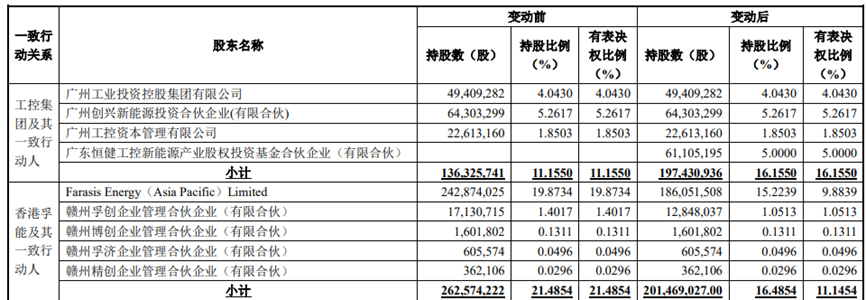
宁德时代首个科技日聚焦:12C铁锂快充、自生成负极与“双核”架构
高工锂电· 2025-04-21 10:34
宁德时代 还 强调,第二代神行电池在全温域、全 SOC (剩余电量)区间均能提供强劲动力,即 使在亏电状态下仍具备 830kW 的输出功率;在零下 10℃ 低温亏电的严苛环境下,依然能满足百 公里加速的动力需求。 为实现上述性能,该电池采用了多项技术革新。 其中 正极应用了碳包覆纳米超导技术。负极则改进为超晶石墨,通过精准设计石墨表面的亚埃米级 传导颗粒,大幅提升锂离子嵌入速度并降低电阻。 摘要 动力电池从"参数推动"进入"需求引领"时代。 今日, 宁德时代在其首次科技日上,发布了一系列旨在巩固其行业领导地位的新型电池产品与技 术。 发布重点包括第二代神行超充电池、 " 钠新 " 钠离子电池系列、自生成负极技术, 以及整合了以 上创新的 全新的 " 双核 " 电池架构。 二代神行:兼顾 800 公里续航与 12C 超充 宁德时代 首先推出 第二代神行超充电池 。 基于磷酸铁锂化学体系 , 二代神行 电池可提供 800 公里续航里程, 同时 支持高达 12C 的峰值充电倍率,对应 1.3MW 的充电功率,实现 5 分钟补 能 520 公里。 这一性能指标超过了比亚迪于 3 月初发布的第二代刀片电池,后者宣称支持 ...

宁德时代首个科技日聚焦:12C铁锂快充、自生成负极与“双核”架构
高工锂电· 2025-04-21 10:34
Core Viewpoint - The article emphasizes that the development of power batteries has transitioned from being driven by parameters to being led by demand, marking a new era in the industry [19]. Group 1: New Battery Products and Technologies - CATL launched several new battery products and technologies at its first Technology Day, including the second-generation Shensheng supercharging battery, "Sodium New" sodium-ion battery series, self-generating negative electrode technology, and a new "Dual-Core" battery architecture [2][19]. - The second-generation Shensheng supercharging battery offers a range of 800 kilometers and supports a peak charging rate of 12C, allowing for a 520-kilometer charge in just 5 minutes [3][5]. - The sodium-ion battery series has an energy density of 175Wh/kg and can operate in extreme temperatures from -40°C to 70°C, maintaining 90% usable capacity at -40°C [9]. Group 2: Technical Innovations - The second-generation Shensheng battery incorporates several technological innovations, including carbon-coated nano-superconducting technology for the positive electrode and ultra-crystalline graphite for the negative electrode, significantly enhancing lithium-ion insertion speed and reducing resistance [6][7]. - The self-generating negative electrode technology improves ion conduction speed by two orders of magnitude and reduces active ion consumption rate by nearly 90%, enhancing battery storage performance by 300% [11][12]. Group 3: Dual-Core Architecture - The "Dual-Core" architecture integrates different chemical systems within a single battery system, featuring a main energy zone for daily or fast charging needs and an extended energy zone utilizing self-generating negative electrode technology for high energy density and long range [13][14]. - This architecture includes five core functional features aimed at enhancing system performance, reliability, and safety, such as independent energy units and thermal management capabilities [15][16][17]. Group 4: Market Implications and Future Prospects - The multi-core technology signifies a shift in the power battery development landscape, moving towards deep customization without compromising on range, low-temperature performance, lifespan, safety, or fast charging [19]. - The application of multi-core technology is expected to accelerate the industrialization of new energy solutions across various sectors, including electric buses, heavy trucks, aircraft, ships, and commercial energy storage [20].

56岁创业,曹德旺妹妹冲出一个200亿IPO
Hu Xiu· 2025-04-21 05:23
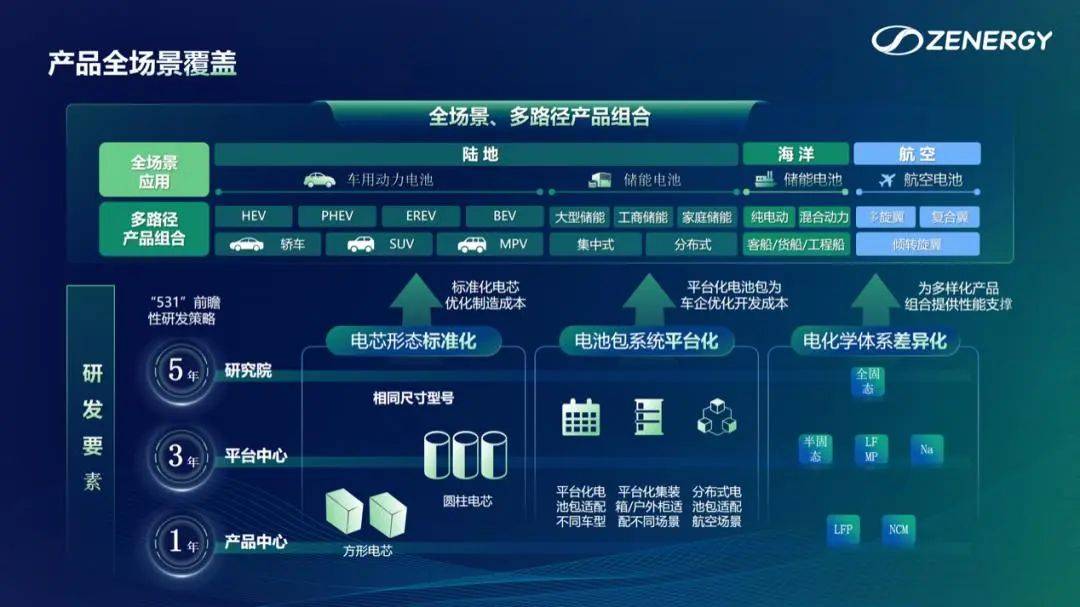
Core Viewpoint - The article highlights the rapid growth and strategic maneuvers of Zhengli New Energy, a lithium-ion battery manufacturer, under the leadership of its founder, Cao Fang, who has leveraged her extensive experience in the automotive supply chain to position the company as a significant player in the industry [2][8][13]. Group 1: Company Overview - Zhengli New Energy successfully listed on the Hong Kong Stock Exchange on April 14, with a first-day increase of 1.45%, achieving a total market capitalization of HKD 210.5 billion [2]. - The company has quickly risen to become one of China's top ten power battery manufacturers, ranking ninth, competing with industry giants like CATL and BYD [8][64]. - Under Cao Fang's leadership, Zhengli New Energy has diversified its product offerings to include various types of vehicle batteries, covering BEV, HEV, PHEV, and EREV, and has established relationships with notable clients such as FAW Hongqi and GAC Trumpchi [38][39]. Group 2: Leadership and Strategy - Cao Fang, aged 67, is recognized for her strategic decision-making and management experience, which have been pivotal in the company's rapid market acceptance and growth [4][13]. - After retiring from Fuyao Glass, where she spent 27 years, Cao Fang founded Zhengli New Energy, demonstrating her commitment to the electric vehicle sector [7][21]. - The company has successfully integrated the technological advantages of Tafel New Energy and the supply chain strengths of Fuyao Group, which has been praised as a "textbook-level capital maneuver" [30][31]. Group 3: Financial Performance - Zhengli New Energy's revenue has shown significant growth, with figures of CNY 1.499 billion, CNY 3.290 billion, CNY 4.162 billion, and CNY 5.130 billion from 2021 to 2024, respectively, with the company expected to achieve profitability in 2024 [40]. - The company has also made substantial investments in research and development, with R&D expenditures as a percentage of revenue at 14.7%, 10.0%, and 10.2% over the past three years, leading to over 3,600 patent applications [46][47]. Group 4: Challenges and Adaptations - Zhengli New Energy faced significant challenges due to over-reliance on a single major client, WM Motor, which accounted for 55.2% of its revenue in 2021 and 2022, but the company's fortunes changed when WM Motor filed for restructuring in 2023 [52][53]. - The company's battery sales plummeted from 2.9 GWh in 2022 to 1.5 GWh in 2023, leading to a loss exceeding CNY 1 billion due to the WM Motor incident [54][56]. - In response, Cao Fang has focused on diversifying the client base, reducing the revenue contribution from the largest client to 26%, below the industry average [63]. Group 5: Competitive Positioning - Zhengli New Energy has demonstrated remarkable growth, ranking second in the power battery sector and first in lithium iron phosphate battery growth, according to Frost & Sullivan [65]. - The company adopts a customized approach to battery solutions, akin to a "private kitchen" model, contrasting with larger competitors that offer standardized products [68]. - Cao Fang's strategy emphasizes not just battery production but also comprehensive service from design to after-sales support, enhancing the company's competitive edge in the rapidly evolving energy sector [67][72].

“史上最严电池安全令”或引发产业第四次大洗牌|独家
24潮· 2025-04-20 15:34
Core Viewpoint - The newly released national standard for electric vehicle batteries (GB38031-2025) is considered the strictest safety regulation in history, requiring compliance that may increase battery system costs by 15%-20%, posing significant challenges for second and third-tier battery manufacturers [1][2]. Group 1: Market Dynamics - In 2024, the Chinese electric vehicle market saw 55 battery companies supplying vehicles, with CATL and BYD dominating 69.82% of the market share, while the top 10 companies held 96% of the market [1]. - The financial health of leading battery companies is starkly contrasted, with CATL's net worth at 2471.31 billion, accounting for 95.63% of the total net worth of major players [2][3]. Group 2: Financial Performance - CATL's net worth increased by 24.07% year-on-year, while other companies like EVE Energy and Xinwanda saw declines of 11.47% and 20.93%, respectively [3]. - The financial struggles of companies like Zhongxin Innovation and Guoxuan High-Tech, with net worths of -18.05 billion and -67.5 billion, highlight the intense competition and financial pressure in the industry [3]. Group 3: Historical Context and Future Outlook - Historical patterns indicate that significant policy changes have previously led to a major shakeout in the battery industry, with predictions suggesting that 30% of production capacity may face shutdowns before the 2027 compliance deadline [3][4]. - The industry has experienced severe overcapacity issues, with a notable decline in the number of battery companies from approximately 150 in 2015 to around 100 by 2017 due to stringent regulations [4][5]. Group 4: Strategic Responses - Companies are urged to prioritize financial health to survive the current competitive landscape, with a focus on technological innovation and global market expansion as potential strategies for overcoming challenges [6].
“史上最严电池安全令”或引发产业第四次大洗牌|独家
24潮· 2025-04-20 15:34
这并不是危言耸听。 根据4月15日消息,工业和信息化部组织制定的强制性国家标准——《电动汽车用动力蓄电池安 全要求》 (GB38031-2025) (以下简称 "新国标") 正式发布,将于2026年7月1日起施行。 新国标首次提出因内短路发生热失控后不起火不爆炸的要求,被称为 "史上最严电池安全令"。 据市场消息,如果为满足上述安全要求,"合规电池系统成本将增加15%-20%,二线电池企业改 造成本超5亿元。" (消息来源:海报新闻) 这对很多二三线电池企业来说,近乎是一条很难逾越的生命线。 要知道,即便是二线电池龙头企业中创新航2024年综合毛利率也不过15.89%,年创造净利润5.91 亿元;而诸如瑞浦兰钧这样的强势黑马2024年甚至巨亏11.63亿元,刚刚登陆港交所的正力新能24 年仅盈利0.91亿元。产业竞争残酷程度可见一斑。 根据中国汽车动力电池产业创新联盟数据:2024年1-12月,我国新能源汽车市场共计55家动力电 池企业实现装车配套,但仅宁德时代与比亚迪两大巨头就占据了69.82%的市场份额,第3-10名企 业则占据26.19%市场份额,前10名占据着96%的市场份额。 此外,24潮产业研究院 ...
新能源汽车更加安全的重要标志
董扬汽车视点· 2025-04-20 09:31
近日, 工业和信息化部正式发布电动汽车用动力电池的新安全标准。 新国标的主旨是提出了更严 格的安全标准,并且增加了新的测试方法。 这是我国新能源汽车产业和动力电池产业,在安全方面取 得新的重大技术进步的标志。 一、经过多年的技术创新和应用验证,我国在新能源汽车和动力电池的安全方面取得重大的技术进 步 。两年前,中国汽车动力电池产业创新联盟在调研中就发现, 电池企业和整车企业在安全性方面取 得多项技术进步并成功应用。 在电芯本征安全、电芯间隔热和电池包温控、个别电芯热失控后的热电 分离、电池包优化结构设计防止热扩散等方面取得重大进展,并且在新产品中成功应用。 主流动力电 池企业和整车企业都表示,今后的新产品可以做到"只冒烟不着火",就是在这次新国标中体现的不起火 不爆炸。 当时动力电池产业创新联盟就向政府主管部门提出建议,可制定更加严格和具体的安全管控 标准。 这次新国标颁布实施,就是行业技术进步的具体体现,是水到渠成。 视点 二、新国标颁布实施,是我国政府对于新能源汽车的安全管理取得重大进展的标志,引领了世界标 准法规的建设。 一项 重大的科学技术发明 ,到可以市场化应用,再到技术发展成熟,形成新的标准法 规 ...
要求不起火、不爆炸,“最严”动力电池新国标影响力几何
Jing Ji Guan Cha Bao· 2025-04-19 03:21
Core Viewpoint - The new national standard GB38031-2025 for electric vehicle power batteries, described as the "strictest ever," aims to address long-standing safety issues in the industry, particularly concerning battery fires and explosions [2][3][4]. Summary by Sections New National Standard Implementation - The new standard will be implemented in phases, with new model approvals required to comply by July 1, 2026, and existing approved models by July 1, 2027, allowing approximately one year for companies to upgrade their technologies [2]. Safety Testing Requirements - The new standard includes seven individual tests and 17 battery pack or system tests, focusing on three main areas: revised thermal diffusion testing, new bottom impact testing, and new safety testing after fast charging cycles [4][5]. - The thermal diffusion test now requires batteries to not catch fire or explode, with additional specifications for temperature and observation conditions [4]. - The bottom impact test assesses the battery's protective capabilities against impacts, requiring no leakage or fire after being struck [4]. - Fast charging safety tests require batteries to undergo external short circuit tests after 300 fast charge cycles, with a maximum charging time of 15 minutes from 20% to 80% state of charge (SOC) [5]. Industry Response and Challenges - Industry experts indicate that the new standard signals a shift from "development priority" to "quality priority," emphasizing long-term stability and public safety over mere production capacity [6]. - Some industry insiders express concerns that many companies may struggle to meet the new standards due to a lack of core technology, funding issues, and the need for significant production line upgrades [7][8]. - The new standard is expected to drive technological advancements across the industry, pushing companies to improve their battery materials and structures [6][10]. Market Dynamics - The number of battery companies in the market has increased, but the proportion of battery production used in vehicles has decreased, indicating an oversupply issue in the industry [10]. - Major battery manufacturers like CATL and BYD are reportedly already meeting or exceeding the new standards, while some smaller companies may face challenges [11][12]. Future Implications - While many companies are optimistic about meeting the new standards, experts caution that compliance does not guarantee the complete elimination of fire risks, as real-world conditions may exceed standard testing scenarios [12].
电池江湖的“硅谷悖论”:宁德时代为何越成功越焦虑?
3 6 Ke· 2025-04-17 10:28
在全球能源结构向低碳化转型的战略机遇期,动力电池产业正经历技术迭代与产能扩张的双重变革。 在全球动力电池领域,宁德时代以令人目眩的速度完成了从行业新秀到万亿帝国的蜕变。据市场研究机构SNE Research发布的2024年全球动力电池装车量 数据显示,2024年全球市场电动汽车(含纯电、插电混动、油电混动)用动力电池装机量约为894.4GWh,同比增长27.2%。其中,宁德时代排名第一,全 球市占率达到37.9%,同比提高1.1个百分点。 然而,在产业光环背后,这家头部企业也面临着多重考验,其发展模式折射出整个新能源产业链的深层矛盾。 行业龙头,但同行追赶凶猛 宁德时代的市场份额与行业话语权,建立在新能源汽车市场高速增长的红利之上。当行业增速慢慢回落时,竞争逻辑已从"共同做大蛋糕"转向"零和博 弈"。国内市场诸侯割据、海外市场壁垒高筑,这座看似稳固的帝国城墙,正在被多重力量侵蚀。 一方面,宁德时代虽然在全球动力电池市场保持领先,但其他动力电池厂商也在积极追赶。比如,比亚迪等头部厂商通过技术迭代与产能扩建,不断扩大 自身的市场份额;中创新航、国轩高科等第二梯队企业通过细分领域差异化竞争开疆拓土,这也导致了导致宁 ...
吉林40亿元动力电池项目落地
起点锂电· 2025-04-17 10:19
中嶒能源持续在吉林布局! 4月15日,从 湖南中嶒能源有限公司(以下简称:中嶒能源)官方平台获悉,其位于 吉林省公主岭市的年产5GWh钛锂高能动力电池项目正 式开工 。同时, 中嶒能源再与 公主岭经济开发区 签署电池项目补充协议。 根据协议, 中嶒能源在原项目上,计划新增建设年产3GWh钛锂高能动力电池生产项目, 在原投资25.2亿元基础上增加投资15亿元, 总投 资达40.2亿元。 待全部建设完成, 中嶒能源 公主岭项目动力电池总产能将达到8 GWh , 建成满产后年产值预计73.44亿元,实现年税收6.7亿元,可提供 就业岗位800个。 此外,双方还就纯电重卡物流基地项目达成合作共识并签订战略合作协议。 资料显示,湖南中嶒能源有限公司专注于新能源电池与储能领域,是一家集新型电池材料及电芯开发与应用、储能系统方案的定制与应用、分 布式能源应用于一体的创新型科技企业。致力于将自主研发的电池技术应用在纯电重卡及船舶、数码设备、标准化充换电站、分布式绿电站和 储能站,构建新型纯电零碳物流体系。 2024年4月28日,中嶒能源在长沙正式发布"中嶒一号"钛锂高能动力电池产品。据悉,该电池是一款新型三元锂离子电池,能量 ...
三元软包电池龙头孚能科技正式易主国资控股股东,业绩能否扭亏?
Guo Ji Jin Rong Bao· 2025-04-17 08:36
Core Viewpoint - The significant change in the controlling stake of Funeng Technology (孚能科技) has occurred, with Guangzhou Industrial Investment Holding Group becoming the new controlling shareholder, indicating a shift towards state-owned enterprise support for the company [1][5]. Shareholder Changes - Funeng Technology's share transfer agreement has been completed, resulting in Guangzhou Industrial Investment Holding Group and its affiliates holding a total of 172 million shares, accounting for 14.1550% of the company's total equity [2]. - The transfer involved a total of 61.105 million shares, representing a 5% stake, from Hong Kong Funeng and its affiliates to Guangzhou Industrial Investment Holding Group and its affiliates [2]. Company Background - Founded in 2009 in Ganzhou, Funeng Technology is a leading manufacturer of soft-pack power and energy storage batteries in China, recognized as one of the first companies to achieve mass production of ternary soft-pack power batteries [4]. - The company has faced significant financial challenges since its IPO in 2020, accumulating losses of 4 billion yuan over four years, with a current stock price around 12.4 yuan per share [4][8]. Financial Performance - Funeng Technology's revenue increased from 3.5 billion yuan in 2021 to 16.436 billion yuan in 2023, but net profits have consistently declined, with losses of 9.53 billion yuan in 2021, 9.27 billion yuan in 2022, and 18.68 billion yuan in 2023 [8]. - In the first three quarters of 2024, the company reported revenue of 9.212 billion yuan, a year-on-year decrease of 17.98%, while net losses narrowed to 304 million yuan, a year-on-year increase of 80.57% [8]. Future Prospects - With the entry of state-owned capital, there is potential for Funeng Technology to revitalize its operations, particularly in solid-state battery research and development, which may receive new funding support [9]. - The collaboration with Guangzhou Industrial Investment Holding Group could enhance synergies across the electric vehicle supply chain, potentially facilitating Funeng Technology's international expansion [9].