
计算机

Search documents
十大机构看后市:大多数产业主线没有明显过热迹象,行情仍有空间,依然可以加仓,科技仍是牛市主线
Xin Lang Cai Jing· 2026-01-11 07:43
Group 1 - The major indices have shown significant increases, with the Shanghai Composite Index rising by 3.82%, the Shenzhen Component by 4.40%, and the ChiNext by 3.89% [1][16] - Most industry main lines are not showing obvious overheating signs and remain in a position where accumulation is possible [2][17] - The A-share ROE is expected to rise for the first time in five years after 14 consecutive quarters of decline, which is a prerequisite for stabilizing valuations [2][17] Group 2 - The spring market is characterized by a lack of major downside risks, with only short-term adjustments expected after sufficient market performance [3][18] - The market is likely to continue its upward trend, with a focus on technology as the main line of the bull market [5][20] - The current market structure shows a significant increase in trading volume, indicating sustained market activity [29] Group 3 - The upcoming policy catalysts, including the review of the 14th Five-Year Plan and potential improvements in Sino-US trade relations, are expected to stabilize market expectations [4][19] - The market is experiencing a "rotation + broad rise" state, with small-cap growth indices performing particularly well [7][22] - Investors are advised to focus on sectors such as AI applications, traditional consumption benefiting from policy support, and undervalued real estate [21][24] Group 4 - The short-term market may continue its upward trend, with significant inflows into sectors like robotics and commercial aerospace [8][24] - The commercial aerospace sector has shown strong capital inflows, although it is currently at a historically high trading density [8][25] - The overall market sentiment is improving, supported by macroeconomic factors and policy measures [28][29]
中国上市公司“第一大省”:拥有889家,总市值超过浙江+江苏
Sou Hu Cai Jing· 2026-01-11 06:08
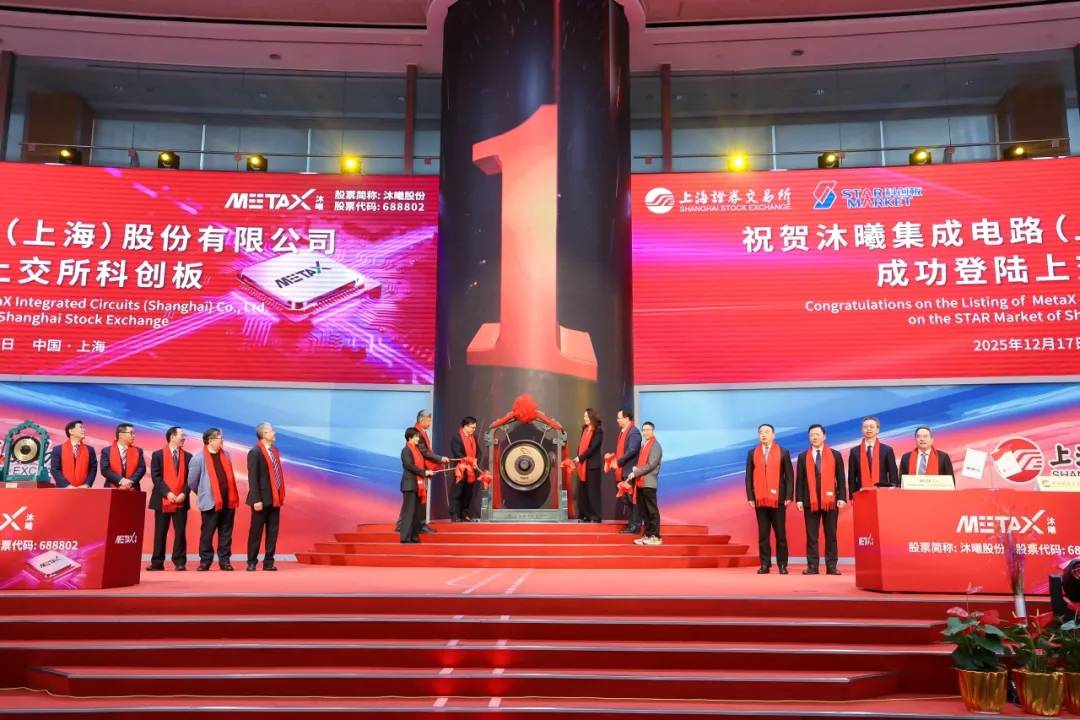
Group 1 - The capital market serves as a "barometer" for China's economy, with listed companies acting as the "locomotive" for economic development. By the end of 2025, there will be 5,469 listed companies in China, with a total market capitalization of 123 trillion yuan. In 2025, 116 new companies are expected to be listed, representing a 16% increase compared to 2024, raising a total of 131.77 billion yuan, primarily in sectors like computer, communication, and electronic equipment manufacturing [1] Group 2 - Shanghai ranks fifth with 452 listed companies, adding 8 new companies last year. Notably, the company Muxi Co., which specializes in high-performance GPU chips, has sold over 25,000 units by the end of March 2025 [3] - Beijing holds the fourth position with 481 listed companies and a total market capitalization of 30.6 trillion yuan, the highest in the country. It has 48 companies with a market value exceeding 100 billion yuan, primarily consisting of state-owned enterprises and large tech and financial firms [3] Group 3 - Jiangsu ranks third with 721 listed companies and a total market capitalization of 8.95 trillion yuan. It added 29 new companies last year, the highest in the country, with a focus on manufacturing and strategic emerging industries [5] - Suzhou has become the leading city for new listings, with 12 new companies, supported by a robust industrial ecosystem and a systematic service mechanism for companies preparing to go public [5] Group 4 - Zhejiang is in second place with 731 listed companies and a total market capitalization of 9.18 trillion yuan. The capital city, Hangzhou, has 231 listed companies, followed by Ningbo with 124 [5] - By the end of last year, Zhejiang had 10 companies with a market value exceeding 100 billion yuan, with four located in Hangzhou [6] Group 5 - Guangdong remains the top province with 889 listed companies and a total market capitalization of 19.32 trillion yuan, reflecting a 29% year-on-year growth. It added 21 new companies last year, including notable firms like Marco Polo and Stone Innovation [8] - Guangdong has 30 companies with a market value exceeding 100 billion yuan, with Industrial Fulian leading at 1.2322 trillion yuan [8] Group 6 - The distribution of listed companies across various exchanges shows Guangdong leading with 32 on the Beijing Stock Exchange, 92 on the Shanghai Stock Exchange's Sci-Tech Innovation Board, and 324 on the Shenzhen Stock Exchange's Growth Enterprise Market [9] - Jiangsu follows with 56 on the Beijing Stock Exchange and 222 on the Shanghai Stock Exchange's main board [9]

中泰证券:开年市场新高后或如何演绎?
Zhi Tong Cai Jing· 2026-01-11 05:50
Core Viewpoint - The market is expected to continue its upward trend in the short term, with opportunities for investors to strategically position themselves before the Chinese New Year [1][2]. Market Performance - The A-share market has shown strong upward momentum, with major indices like the Wind All A, CSI 300, and CSI 2000 rising by 5.11%, 2.79%, and 6.54% respectively this week [2]. - The Shanghai Composite Index has risen by 3.82%, surpassing 4100 points and achieving a 16-day consecutive increase, marking a significant trend [2]. - Daily trading volume has increased, with the average daily turnover reaching 2.85 trillion yuan, and a single-day turnover exceeding 3 trillion yuan, indicating a strong influx of new capital [2]. Sector Analysis - The robotics sector has seen continuous net inflows, indicating it remains a key focus area for investment [1]. - The commercial aerospace sector is also experiencing strong capital inflows, but its trading density is at historical highs, suggesting a shift from a primary upward phase to a "theme diffusion" phase [1][3]. - Other sectors such as controllable nuclear fusion, sports and consumer services, and non-ferrous metals are showing signs of sustained capital inflows, making them potential structural investment opportunities [1]. Industry Highlights - The technology sector has been a strong market driver, with significant gains in media (13.11%), computer (8.50%), and electronics (7.74%) industries [3]. - The defense and military industry has surged by 13.63%, influenced by geopolitical events and the ongoing development of commercial aerospace [3]. - Non-ferrous metals have also risen by 8.56%, supported by strong demand and strategic reserves [3]. Future Outlook - The upward trend in indices is likely to continue as long as trading volume remains robust, with average daily turnover increasing by 51.63% compared to the previous month [4]. - The market is expected to focus on technology sectors and resource demand, with a potential shift towards less crowded segments within technology [4]. - The growth of northbound and leveraged funds is providing strong momentum for the market, with margin financing balances steadily breaking previous highs [4].

——金融工程市场跟踪周报20260111:春季躁动仍可期-20260111
EBSCN· 2026-01-11 04:48
- The report discusses a volume-timing model that has issued buy signals for major broad-based indices, indicating a positive market sentiment[1][2][22] - The volume-timing model is constructed by analyzing the volume indicators of major broad-based indices and their ETFs, which have shown an increase in trading volume, suggesting a bullish market outlook[1][2][22] - The specific construction process of the volume-timing model involves tracking the trading volume of major indices and ETFs, and when the volume increases significantly, the model issues a buy signal[1][2][22] - The evaluation of the volume-timing model indicates that it is effective in capturing market sentiment and providing timely buy signals[1][2][22] - The report also introduces a sentiment indicator based on the proportion of rising stocks within the CSI 300 index, which helps gauge market sentiment by tracking the number of stocks with positive returns over a specified period[23][24] - The construction process of this sentiment indicator involves calculating the proportion of CSI 300 index constituent stocks with positive returns over a given period, and using this proportion to assess market sentiment[23][24] - The evaluation of this sentiment indicator suggests that it is useful for quickly capturing market upturns, although it may miss out on gains during prolonged bullish phases and has limitations in predicting market downturns[23][24] - Another sentiment indicator discussed in the report is the moving average sentiment indicator, which uses the eight moving averages of the CSI 300 index to determine market trends[30][31] - The construction process of the moving average sentiment indicator involves calculating the eight moving averages (8, 13, 21, 34, 55, 89, 144, 233) of the CSI 300 index closing prices, and assigning values based on the number of moving averages the current price exceeds[30][31] - The evaluation of the moving average sentiment indicator indicates that it provides a clearer understanding of the market trends and is effective in identifying bullish phases[30][31] - The report includes backtesting results for the volume-timing model, showing that the model has consistently issued buy signals for major indices such as the Shanghai Composite Index, SSE 50, CSI 300, CSI 500, CSI 1000, and the ChiNext Index[23] - The sentiment indicator based on the proportion of rising stocks within the CSI 300 index has shown that the proportion of rising stocks is around 74%, indicating a positive market sentiment[24] - The moving average sentiment indicator shows that the CSI 300 index is currently in a bullish phase, as the short-term moving average is above the long-term moving average[30][31]




美式疯狂——一场康波萧条末期的标准现象级困局
鲁明量化全视角· 2026-01-11 02:21
Group 1 - The market experienced a comprehensive rise in the first week of the new year, with the CSI 300 index increasing by 2.79%, the Shanghai Composite Index by 3.82%, and the CSI 500 index by 7.92% [2] - The A-share market restarted a bullish trend after three months of consolidation, with significant capital inflow observed on January 5, marking a key resistance level breakthrough [4] - The fundamental economic indicators show a continued rebound in domestic prices, aligning with previous predictions of a mid-term price rebound trend that has now lasted for four months [3] Group 2 - The macroeconomic environment remains challenging, with the U.S. unemployment rate slightly decreasing to 4.4%, but the overall economic growth is not sustainable, indicating a potential shift towards a classic Kondratiev wave depression scenario [3] - The market's technical characteristics during the recent consolidation period have shown significant differences from the past decade, leading to higher frequency adjustments in positions [4] - The investment strategy suggests maintaining a high position in small and mid-cap stocks, as the market sentiment has shifted favorably since January 5, indicating a preference for this market segment [4]

上证指数站上4100点,后市有哪些机会
21世纪经济报道· 2026-01-10 13:36
记者丨 庞华玮 编辑丨张星 1月9日,上证指数时隔10年再度突破4100点,全市场成交量突破3万亿元,达3.15万亿元。 截至收盘,上证指数上涨0.92%,报4120.43点;深成指涨1.15%,创业板指涨0.77%。 总体来看,机构对后市普遍较乐观,但认为短期需防市场波动,给出的策略大多倾向于均衡配 置。 1月9日,A股市场表现强劲,三大指数集体上涨,上证指数收盘报4120.43点,为2015年7月底 以来首次站上4100点。 全市场超3900只个股上涨,其中110家公司涨停,连续2日超百股涨停。 全市场成交额达3.15万亿元,上一次突破3万亿元大关已是2025年9月18日,历史第五次突破3 万亿,当天市场情绪活跃。 2026年开年以来A股表现活跃。上证指数在2026年第一周(1月5日~1月9日)累计上涨 3.82%,完成了从3900点到4100点的跨越。 这一周A股量价齐升。前四天,全市场成交额连续超过2.5万亿元,周五则直接飙升至3.15万亿 元。 4 1 0 0点背后 1月9日A股涨幅居前的申万一级行业主要集中在传媒、国防军工、计算机、有色金属,受到AI 应用落地预期、商业航天政策催化等影响以上行业表 ...

AH股市场周度观察(1月第1周)-20260110
ZHONGTAI SECURITIES· 2026-01-10 13:10
Group 1: A-Share Market - The A-share market showed strong performance this week, with significant increases in trading activity. The CSI 500, CSI 1000, and CSI 2000 indices rose by 7.92%, 7.03%, and 6.54% respectively, indicating a strong performance of small-cap stocks [3][7] - The market's upward trend was driven by increased risk appetite, with technology innovation sectors such as brain-computer interfaces, commercial aerospace, and AI applications becoming the main focus. Industries like electronics, computers, and defense received substantial capital inflows [5][7] - The average daily trading volume reached 2.85 trillion, a significant increase of 35.68% compared to the previous period [3][7] - The outlook for the A-share market remains positive, with expectations of continued upward momentum in the short term, particularly in the first quarter, driven by macroeconomic improvements and favorable policies [8] Group 2: Hong Kong Market - The Hong Kong market exhibited a weaker overall performance this week, with major indices such as the Hang Seng China Enterprises Index, Hang Seng Technology Index, and Hang Seng Index declining by 1.31%, 0.86%, and 0.41% respectively [9] - Despite the overall decline, there was structural differentiation within the market, with the healthcare sector leading gains at 10.06%, while telecommunications, information technology, and energy sectors underperformed [9] - The geopolitical situation, particularly U.S.-China relations, has influenced market sentiment, with recent announcements regarding increased U.S. defense spending impacting risk appetite [9] - Future expectations for the Hong Kong market suggest a potential recovery in the technology sector, influenced by the rising sentiment in the A-share technology sector and domestic economic recovery [9]
华金证券:春季行情主升时行业如何轮动?
Zhi Tong Cai Jing· 2026-01-10 11:27
Core Viewpoint - The current spring market is expected to favor technology growth and certain cyclical industries, with commercial aerospace and brain-computer interfaces emerging as key investment themes for the season [1][5]. Group 1: Spring Market Trends - The main phase of the spring market may witness a rebound, with industries benefiting from positive policies and trends likely to perform strongly [2]. - Historical data indicates that during the main phase of the spring market, sectors with low valuation sentiment and significant inflows of financing tend to experience a rebound [2]. - Industries such as communication, social services, and beauty care have shown strong performance during previous spring market phases due to favorable policies and industry trends [2]. Group 2: Technology and Cyclical Industries - Technology growth sectors like media, computing, and pharmaceuticals are expected to rebound in the upcoming spring market due to low valuations and sentiment [3]. - Supportive policies for technology growth and cyclical industries are likely to continue, with initiatives in commercial aerospace and artificial intelligence being implemented [3]. - The upward trend in industries related to commercial aerospace and artificial intelligence is anticipated to persist in the short term [3]. Group 3: Economic and Liquidity Outlook - The economy is expected to continue its weak recovery, with profit growth likely to rebound, as indicated by the rising PPI year-on-year growth [4]. - Macro liquidity is projected to further loosen, with potential interest rate cuts from the Federal Reserve and domestic central banks [4]. - Risk appetite in the market may continue to improve due to the implementation of positive policies and limited overseas risks [4]. Group 4: Investment Strategy - The focus should remain on technology growth and cyclical growth sectors, as theme indices typically outperform primary industry indices during the main phase of the spring market [5]. - Commercial aerospace and brain-computer interfaces are highlighted as key investment themes, with the space economy projected to reach $1.8 trillion by 2035 [5]. - Industries such as military (commercial aerospace), new energy (nuclear fusion, energy storage), media (AI applications, gaming), and computing (AI applications, brain-computer interfaces) are recommended for low-cost allocation [5].
春季行情主升时行业如何轮动?
Huajin Securities· 2026-01-10 11:19
Group 1: Market Trends - The spring market's main rising phase may see a rebound in growth sectors, particularly those with low valuation sentiment and significant future financing inflows[1] - Historical data shows that during the main rising phases, the Shanghai Composite Index has increased by approximately 4% to 22%, averaging around 19 trading days[10] - Key sectors that performed well during previous main rising phases include media, electronics, and non-ferrous metals, which experienced substantial financing inflows[1] Group 2: Sector Performance - In the current spring market, technology growth sectors such as media, computing, and pharmaceuticals are expected to rebound due to low valuations and sentiment[2] - Financing inflows since December 17, 2025, have been significant in sectors like electronics, non-ferrous metals, and defense, driven by ongoing industry trends[18] - The main rising phase typically sees theme indices outperforming primary industry indices, with notable gains in sectors like integrated circuits and digital marketing[42] Group 3: Economic Indicators - Short-term economic recovery remains weak, with CPI growth recorded at 0.8% and PPI at -1.9%, indicating a gradual improvement in industrial profitability[23] - The short-term liquidity environment is expected to loosen further, with potential interest rate cuts from the Federal Reserve and domestic central bank actions[31] - Risk appetite is likely to increase due to positive policy implementations and limited overseas risks, such as the anticipated Fed rate cut[38]
可转债周报(2026年1月5日至2026年1月9日):本周表现亮眼-20260110
EBSCN· 2026-01-10 11:09
Group 1: Report Industry Investment Rating - No information provided Group 2: Core View of the Report - The convertible bond market and the equity market both rose this week. On January 9, 2026, the CSI Convertible Bond Index closed at 513.79 points, reaching a new high since 2016, indicating a strong performance in the convertible bond market. Under the current supply - demand pattern of convertible bonds, the driving effect of the underlying stocks is expected to be strong, and there may still be room for valuation growth. It is recommended to carefully select bonds, comprehensively consider convertible bond terms and the situation of underlying stocks, and focus on industries catalyzed by policies and industries with high prosperity [1][4] Group 3: Summary by Relevant Catalogs 1. Market行情 - From January 5 to January 9, 2026 (5 trading days), the CSI Convertible Bond Index rose by +4.45% (last week's change was - 0.27%), and the CSI All - Share Index changed by +5.04% (last week's change was - 0.32%). Since 2026, the CSI Convertible Bond Index has risen by +4.45%, and the CSI All - Share Index has risen by +5.04% [1] - By bond rating, high - rated bonds (AAA), medium - high - rated bonds (AA+), medium - rated bonds (AA), medium - low - rated bonds (AA -), and low - rated bonds (AA - and below) rose by +1.37%, +2.50%, +5.16%, +4.83%, and +4.10% respectively this week, with medium - rated bonds having the highest increase [1] - By convertible bond size, large - scale convertible bonds (bond balance > 2 billion yuan), medium - large - scale convertible bonds (balance between 1.5 and 2 billion yuan), medium - scale convertible bonds (balance between 1 and 1.5 billion yuan), small - medium - scale convertible bonds (balance between 0.5 and 1 billion yuan), and small - scale convertible bonds (balance < 0.5 billion yuan) rose by +1.79%, +4.62%, +5.06%, +4.21%, and +4.74% respectively this week, with medium - scale convertible bonds having the highest increase [2] - By conversion parity, ultra - high - parity bonds (conversion value > 130 yuan), high - parity bonds (conversion value between 120 and 130 yuan), medium - high - parity bonds (conversion value between 110 and 120 yuan), medium - parity bonds (conversion value between 100 and 110 yuan), medium - low - parity bonds (conversion value between 90 and 100 yuan), low - parity bonds (conversion value between 80 and 90 yuan), and ultra - low - parity bonds (conversion value < 80 yuan) rose by +4.79%, +2.78%, +1.21%, +0.39%, +2.86%, - 3.27%, and +3.01% respectively this week, with ultra - high - parity bonds having the highest increase [2] 2. Current Convertible Bond Valuation Level - As of January 9, 2026, there were 398 outstanding convertible bonds (399 at the end of last week), with a balance of 551.501 billion yuan (552.981 billion yuan at the end of last week) [3] - The average convertible bond price was 137.03 yuan (132.33 yuan at the end of last week), and the percentile was 100.00% (from the beginning of 2023 to January 9, 2026) [3] - The average convertible bond parity was 104.54 yuan (101.92 yuan at the end of last week), and the percentile was 93.01% [3] - The average convertible bond conversion premium rate was 32.80% (31.52% at the end of last week), and the percentile was 43.15% [3] 3. Convertible Bond Increase Situation - The top 15 convertible bonds in terms of increase this week are listed, including details such as convertible bond abbreviation, underlying stock abbreviation, industry, latest closing price, convertible bond increase rate, and underlying stock increase rate. For example, Seli Convertible Bond had a convertible bond increase of 43.10% and an underlying stock increase of 35.43% [20]