外卖

Search documents
京东,重大发布!盘前股价直拉
证券时报· 2025-08-14 12:48
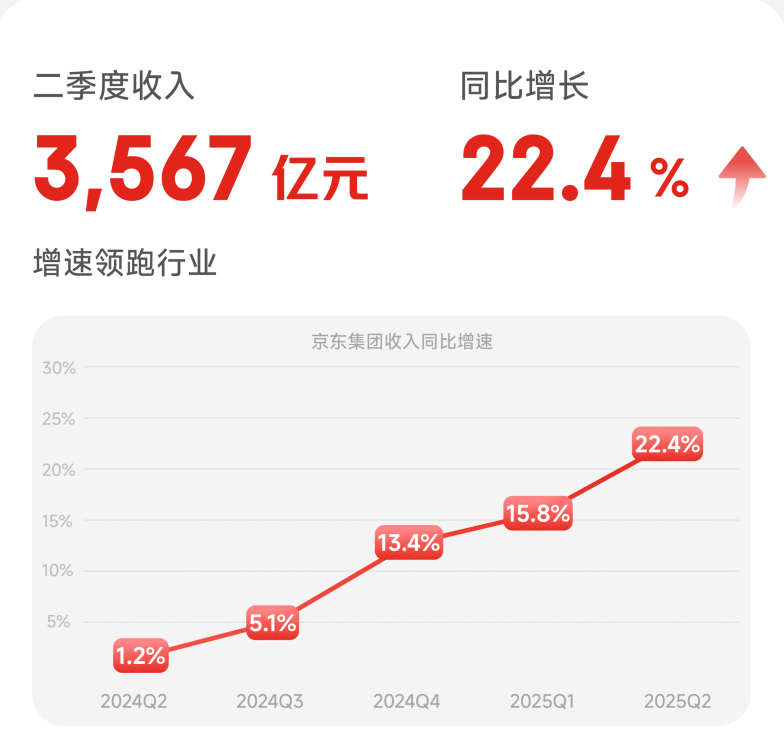
Core Viewpoint - JD Group reported strong Q2 2025 earnings with revenue of 356.7 billion RMB (approximately 49.8 billion USD), a year-on-year growth of 22.4%, exceeding market expectations and setting a record for growth rate in nearly three years [1] Financial Performance - JD's retail revenue grew by 20.6% year-on-year, with an operating profit margin of 4.5%, the highest for any promotional quarter in the company's history [1] - The number of active users and shopping frequency increased by over 40% year-on-year, marking the seventh consecutive quarter of double-digit growth in active users [1] Business Expansion - JD's "618" shopping festival saw over 2.2 billion orders, with active users on the JD app reaching a historical high [5] - The number of JD's 3C digital stores exceeded 3,000, and the company opened 24 JD MALL locations, enhancing its offline presence [5] - JD's logistics capabilities were expanded with the launch of the overseas express brand JoyExpress in Saudi Arabia [7] New Initiatives - JD introduced the "Hundred Billion Thousand Products New Growth Plan," aiming to bring in 1,000 overseas brands over the next three years [6] - The company launched the "Seven Fresh Kitchen" brand, which aims to support partner merchants and has seen high order volumes and customer retention rates [10] Workforce and Social Responsibility - JD's workforce reached approximately 900,000 employees, with plans to recruit 35,000 new positions in 2026 [11][13] - The company has made significant efforts in social responsibility, including providing employment opportunities for over 4,000 disabled individuals [13]


京东收入增速创三年新高,许冉:外卖初期战略目标达成
Zhong Guo Ji Jin Bao· 2025-08-14 12:38
Core Insights - JD Group's revenue for Q2 2025 reached 356.7 billion RMB (approximately 49.8 billion USD), marking a year-on-year growth of 22.4%, the highest growth rate in nearly three years [1][3] - The core retail business of JD Group continues to accelerate, with retail revenue growing by 20.6% year-on-year, and the operating profit margin reaching 4.5%, the highest for any promotional quarter in the company's history [3] Revenue Growth - In Q2, the daily essentials category saw a revenue increase of 16.4%, with the supermarket category maintaining double-digit growth for six consecutive quarters [3] - Service revenue grew by 29.1%, while JD's food delivery business experienced a significant revenue increase of 199% year-on-year [3] User Engagement - The number of active users and shopping frequency both exceeded 40% year-on-year growth, with active user numbers achieving double-digit growth for seven consecutive quarters [3] - The increase in user traffic, active users, and purchase frequency is attributed to the sustained development of JD's core retail business and new businesses like food delivery [3] Future Outlook - The CEO expressed confidence that the core retail business will remain the foundation of JD's operations, with plans to continue expanding into new growth areas [4] - JD's food delivery business achieved a daily order volume exceeding 25 million, with plans to establish 10,000 "Seven Fresh Kitchen" locations nationwide within three years [4] Employment and Social Responsibility - As of June 30, 2025, JD's workforce totaled approximately 900,000, with over 4,000 disabled individuals employed [5] - JD is launching 35,000 positions for its 2026 campus recruitment and has initiated a "Top Young Technical Talent Program" to attract global tech talent [5]

刘强东没想到?自己主导的这场外卖大战,最终成就了老对手阿里
Sou Hu Cai Jing· 2025-08-14 12:28
Core Viewpoint - The fierce competition between major e-commerce players JD.com and Alibaba has intensified as both companies seek to capture low-cost traffic through aggressive subsidies in the food delivery market [1][11][19]. Group 1: Market Dynamics - JD.com and Alibaba are both venturing into the food delivery sector, with JD's daily active users increasing from 100 million to 150 million within six months of launching its "Flash Purchase" service [7][13]. - Alibaba's integration of Ele.me and Taobao has led to its food delivery orders surpassing JD's by five times, highlighting the competitive advantage of established platforms [3][11]. - The food delivery market has seen a significant increase in order volume, with peak daily orders rising from 100 million to 250 million due to the competition among JD, Meituan, and Alibaba [19]. Group 2: Strategic Moves - JD.com initiated its foray into food delivery in February 2025, with a focus on using this service to drive traffic to its e-commerce platform [11][25]. - The competition has led to substantial financial investments, with hundreds of billions spent in a short period, raising concerns about the sustainability of such aggressive strategies [19][21]. - JD's entry into food delivery aims to leverage high-frequency user traffic to overcome its existing growth challenges in e-commerce [15][27]. Group 3: Challenges and Opportunities - JD.com faces operational challenges in its food delivery service, including high merchant entry barriers and complaints from delivery personnel regarding management issues [7][15]. - The integration of food delivery and e-commerce is complex, requiring backend data interoperability and algorithm adjustments to enhance user experience [17][25]. - The competition may ultimately benefit consumers through lower prices, but concerns remain about service quality amidst the aggressive pricing strategies [27].


京东618外卖日单量破2500万单,全职骑手超15万人
Xin Lang Ke Ji· 2025-08-14 11:43
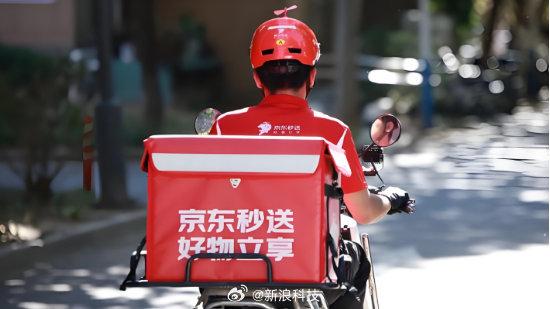
Core Insights - JD's takeaway business continues to grow healthily, with daily order volume surpassing 25 million during the 618 shopping festival [1] - The number of full-time delivery riders has exceeded 150,000 as of the end of Q2 2025 [1] - JD's takeaway service is integrated within its overall ecosystem, enhancing synergy across user, fulfillment, and supply sides for long-term efficiency and growth [1] Business Developments - Over 1.5 million quality merchants have joined JD's takeaway platform [1] - In July 2025, JD launched "Seven Fresh Kitchen," which collaborates with partners to develop signature dishes, aiming to innovate the supply chain model in the food delivery market [1] - The initiative seeks to drive high-quality development in the industry through supply chain innovation [1]
京东集团-SW二季度取得收入3567亿元 同比增加22.4% 持续布局新增长领域
Zhi Tong Cai Jing· 2025-08-14 11:32
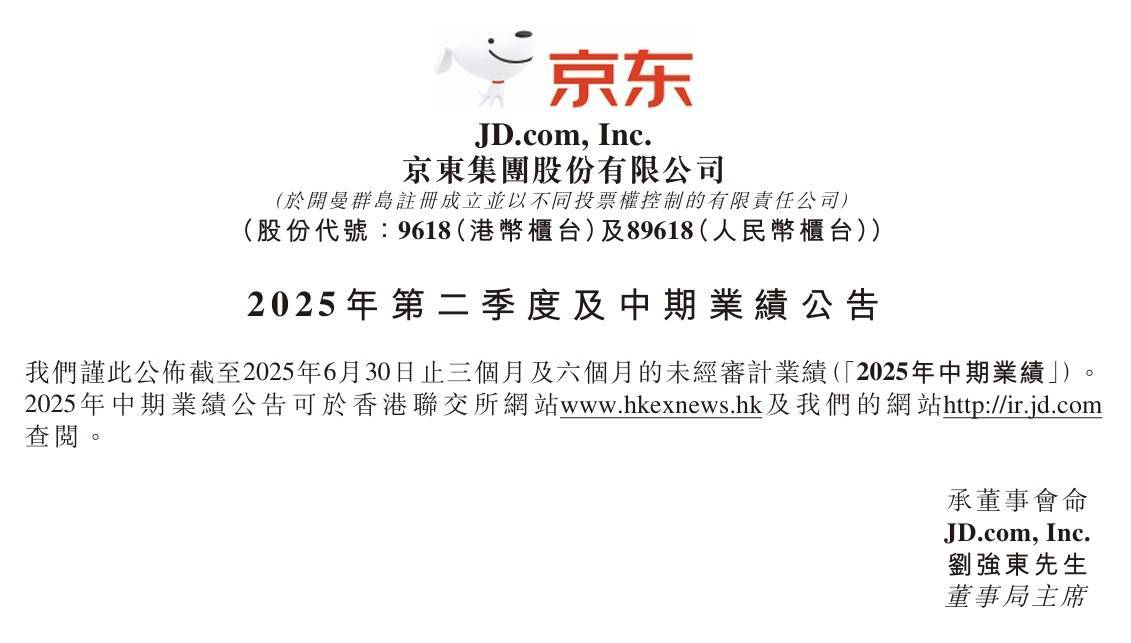
Core Insights - JD Group reported a revenue of 356.7 billion RMB for Q2 2025, a year-on-year increase of 22.4%, with a net profit of 6.2 billion RMB [1] - For the first half of 2025, the company achieved a revenue of 657.742 billion RMB, up 19.28% year-on-year, and a net profit of 17.068 billion RMB [1] - The CEO highlighted significant growth in user traffic, active users, and purchase frequency, driven by the core retail business and new ventures like food delivery [1] - The CFO emphasized the company's supply chain strength and commitment to high-quality user experience, with retail gross margin increasing for 13 consecutive quarters [1] Retail Business Performance - JD Retail revenue grew by 20.6% year-on-year in Q2, with an operating profit margin reaching 4.5%, the highest for any promotional quarter in the company's history [1] - The company is focusing on user experience, cost efficiency, and long-term strategic planning to ensure sustainable growth in core retail and new business areas [1] New Business Developments - During the 618 shopping festival, JD Supermarket launched various customized products to enhance consumer shopping experiences and help brands avoid homogenization [1] - JD MALL opened new stores in multiple cities, totaling 24 by the end of June 2025, offering a digital and immersive shopping experience [2] - The "Zhi Lang" intelligent warehousing system has been deployed nationwide, significantly improving operational efficiency in warehouses [2] Food Delivery Growth - JD's food delivery service saw daily order volumes exceed 25 million during the 618 period, with over 1.5 million quality merchants onboard and a full-time rider count surpassing 150,000 [3] - The food delivery service is integrated within JD's ecosystem, enhancing overall operational efficiency and growth [3] - JD launched "Seven Fresh Kitchen" to innovate the supply chain model in the food delivery market, aiming for high-quality industry development [3]
外卖大战风向变了:内卷式竞争,没有出路
3 6 Ke· 2025-08-14 10:40
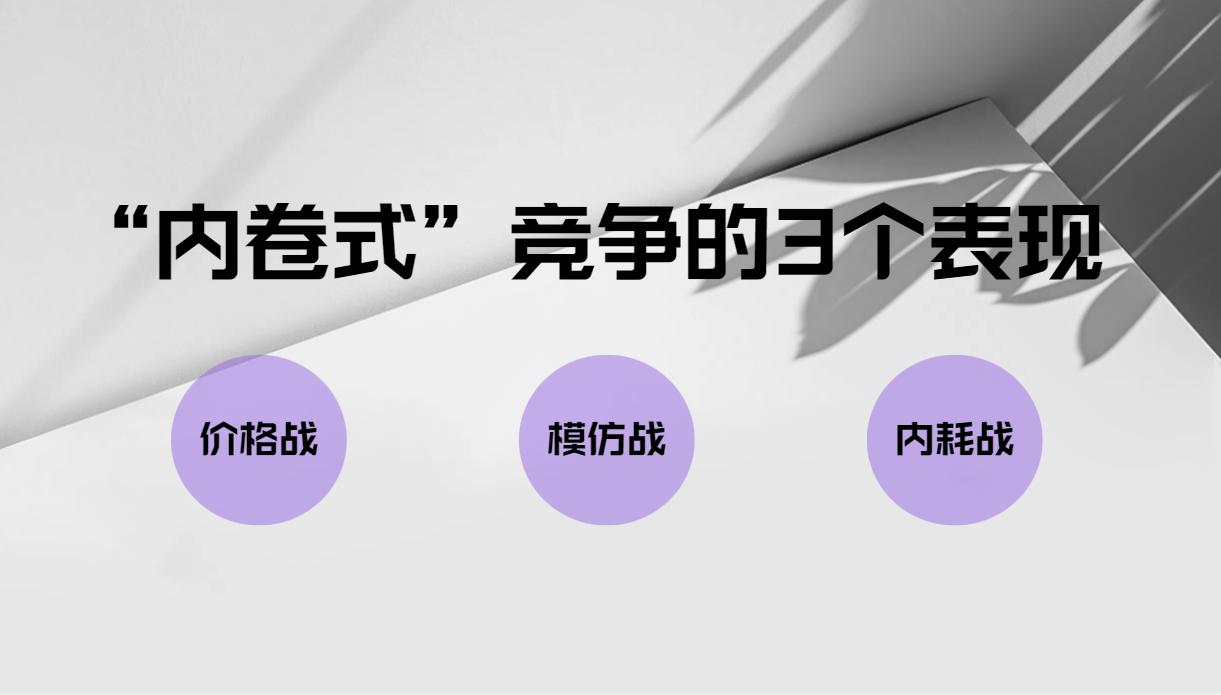
Core Viewpoint - The ongoing competition in the food delivery industry is shifting from aggressive subsidy wars to a more rational approach, as major players like JD.com, Meituan, and Ele.me express their intention to resist "involutionary" competition [1][2][3]. Group 1: Characteristics of Involutionary Competition - Involutionary competition is characterized by chaotic expansion and zero-sum games among companies vying for limited market share [8]. - Three typical manifestations of involutionary competition include: 1. Price Wars: When prices are driven down to unsustainable levels, leading to losses across the industry [9]. 2. Imitation Wars: Companies blindly follow trends without maintaining their unique offerings, resulting in homogenized products [10]. 3. Internal Strife: Companies focus on undermining competitors rather than expanding the market, often through unethical practices [12][13]. Group 2: Strategies to Avoid Involutionary Competition - Companies should focus on creating value rather than competing on price, ensuring customers perceive their offerings as worth the price [16][20]. - Differentiation is essential for competitive advantage, allowing companies to avoid resource-draining competition by offering unique value propositions [21][24]. - Transitioning from zero-sum games to win-win relationships is crucial, as illustrated by the example of Ford and General Motors, where mutual support can lead to overall industry health [25][30].
京东二季度收入3567亿元,增速22.4%创近三年新高!外卖日单量突破2500万单,骑手超15万人!CEO许冉:核心零售业务将始终是基石
Sou Hu Cai Jing· 2025-08-14 10:37
Core Insights - JD Group reported a second-quarter revenue of 356.7 billion yuan, a year-on-year increase of 22.4%, exceeding market expectations and setting a record for growth in nearly three years [1] - The net profit attributable to ordinary shareholders was 6.2 billion yuan, down from 12.6 billion yuan in the same period last year [1] Revenue Growth - Most product categories experienced accelerated growth, with daily necessities revenue increasing by 16.4% year-on-year, and the supermarket category maintaining double-digit growth for six consecutive quarters [3] - Service revenue saw a significant year-on-year increase of 29.1% [3] - JD's new business, driven by food delivery, achieved a remarkable year-on-year revenue growth of 199% [3] User Engagement - The number of active users and shopping frequency both grew by over 40% year-on-year, marking the seventh consecutive quarter of double-digit growth in active users [3] - JD's retail revenue grew by 20.6% year-on-year, with an operating profit margin of 4.5%, the highest recorded for any promotional quarter in the company's history [3] Strategic Developments - JD Supermarket launched various customized products during the 618 shopping festival, enhancing consumer shopping experiences and helping brands avoid homogenization and price competition [3] - JD MALL opened new stores in multiple cities, with a total of 24 stores by the end of June 2025, offering a digital and immersive shopping experience [4] Logistics and Technology - JD Logistics' self-developed intelligent warehousing solution, "ZhiLang," has been scaled nationwide, significantly improving warehouse operational efficiency [4] - The system integrates various robotic technologies and can achieve high-density storage and rapid order picking [4] Food Delivery Expansion - JD's food delivery service continued to grow healthily, with daily order volume surpassing 25 million during the 618 period and over 1.5 million quality merchants onboarded [5] - The total number of full-time delivery riders exceeded 150,000 by the end of the second quarter [5] - JD launched "Seven Fresh Kitchen," innovating the supply chain model in the food delivery market [5]
淘宝闪购像做双11一样做「秋奶」,外卖行业正在变天
36氪· 2025-08-14 10:22
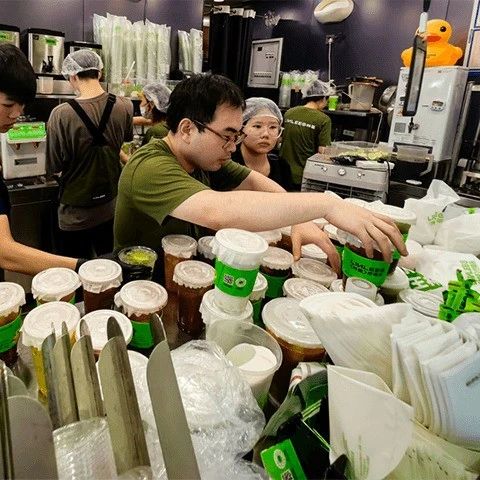
Core Insights - The article discusses the unprecedented success of the "Autumn Milk" promotion initiated by Meituan, which saw Taobao Flash Sales surpass Meituan in order volume for the first time during this event [4][5][6] - The promotion period lasted from August 7 to August 10, coinciding with several marketing events, leading to a significant increase in order volume and competition in the food delivery sector [4][6][7] Summary by Sections - **Promotion Overview** - The "Autumn Milk" promotion set a new record with over 100 million orders on Taobao Flash Sales, marking a significant milestone in the food delivery industry [5][6] - The event was strategically timed with traditional seasonal promotions and aimed to test peak order volumes and enhance team capabilities [6][7] - **Market Dynamics** - The competition between Taobao Flash Sales and Meituan has intensified, with market share shifting from a long-standing 70:30 split between Meituan and Ele.me to a more competitive 50:40:10 ratio with the entry of JD.com into the food delivery space [7] - The promotional strategies included extensive marketing efforts, such as live streaming, offline advertising, and significant subsidies, leading to a longer promotional cycle of 10 days [7][9] - **Brand Performance** - Leading tea brands experienced exponential growth during the "Autumn Milk" promotion, with some reporting over 1000% year-on-year growth in GMV [11] - Brands like Yihe Tang prepared extensively for the event, resulting in a substantial increase in order volume and customer engagement [9][10] - **Operational Changes** - The promotion led to increased operational costs for brands due to extended hours and higher staffing needs, although overall profit margins decreased, total profits increased [11] - Taobao Flash Sales focused primarily on food categories during the promotion, with only 10% of subsidies allocated to non-food items, indicating a strategic focus on maximizing efficiency in food delivery [13] - **Future Strategies** - Taobao Flash Sales aims to enhance its non-food supply chain by increasing the density of convenience stores and flash warehouses, particularly in underserved markets [15][16] - The platform is also exploring innovative fulfillment strategies for various product categories, including self-pickup options for larger items to reduce shipping costs [16][19] - **Market Expansion** - The article highlights the significant growth in lower-tier markets, with brands like Yihe Tang expanding their presence and achieving impressive order growth in these regions [19] - The competitive landscape is likened to the early days of Pinduoduo challenging Taobao, with new players leveraging subsidies to capture market share and reshape supply chains [19]

22.4%!京东集团2025年Q2收入同比增速再创近三年新高
Guan Cha Zhe Wang· 2025-08-14 10:08
二季度,京东集团收入为3,567亿元人民币(约498亿美元),同比增长22.4%,远超市场预期,再次刷 新近三年来同比增速的纪录。 二季度,京东集团绝大多数品类实现加速增长,带电等核心品类优势愈发巩固。日百品类收入同比加速 增长了16.4%,其中商超品类连续6个季度保持收入同比双位数增长。服务收入同比加速增长了29.1%。 京东外卖带动新业务的收入同比大幅增长了199%。 二季度,得益于核心零售业务和外卖等新业务的发展势头,京东集团的季度活跃用户数和购物频次均实 现超过40%的同比增长,季度活跃用户数实现了连续7个季度的同比双位数增长。 "二季度,京东平台的用户流量、季度活跃用户数以及用户购买频次等均取得显著增长,这主要得益于 核心京东零售业务和外卖等新业务的持续发展势头,"京东集团首席执行官许冉女士表示。"本季度,京 东零售收入同比增长20.6%,表现强劲,经营利润率达到4.5%,创下公司历史上所有大促季度的最高纪 录。同期,京东外卖业务也取得健康发展,不仅在订单量增长、商家数量扩大、全职骑手招聘等方面稳 步推进,更重要的是与京东零售以及其他现有业务形成有效协同,成功达成我们的初期战略目标。展望 未来,随着 ...

外卖平台砸钱补贴为获客拉新 中小商家不参加则流量减少?
Sou Hu Cai Jing· 2025-08-14 08:52
Core Viewpoint - The competition in the tea and coffee delivery market has intensified due to aggressive subsidies from platforms, leading to concerns about "involutionary" competition characterized by low prices and low quality [3][5][6] Group 1: Involutionary Competition - Involutionary competition is defined as "low-price, low-quality competition," where businesses are forced to lower product quality to compete [5][6] - This phenomenon is prevalent in platform economies, where platforms influence market dynamics, compelling merchants to engage in price wars [6][12] - The ideal competitive progression in an industry should move from price competition to differentiation and ultimately to innovation, but involutionary competition traps businesses at the price level [5][6] Group 2: Market Dynamics and Consumer Behavior - The current focus of competition is on the instant retail market, which aligns with the preferences of younger consumers who favor immediate satisfaction [7][10] - Platforms are using substantial subsidies as a marketing strategy to attract users, effectively reallocating funds from traditional advertising to consumer discounts [9][10] - The surge in orders due to subsidies can overwhelm merchants, leading to operational challenges and potential declines in product quality [11][12] Group 3: Impact on Merchants - Merchants face a dilemma between maintaining quality and meeting increased demand driven by subsidies, which can lead to a cycle of low prices and low quality [11][12] - Small and niche businesses are particularly vulnerable to the competitive pressures created by platform subsidies, as they may not have the resources to participate effectively [12][14] - The initial focus of subsidies on larger brands can disadvantage smaller merchants, even when subsidies are made available to all [13][14] Group 4: Recommendations for Platforms - Platforms should focus on creating long-term value for both merchants and consumers rather than relying solely on price competition [15][16] - Effective use of data analytics to assist merchants in inventory management and demand forecasting can provide more substantial benefits than mere financial incentives [16] - Regulatory approaches should be nuanced, avoiding blanket restrictions while addressing specific issues faced by smaller merchants [17][18][19]