
扫地机器人

Search documents
“空中焦虑”从天空杀向客厅!无人机“围城”吃紧,大疆“地面”增多线战事
Hua Xia Shi Bao· 2025-08-07 06:51
Core Viewpoint - DJI has officially entered the vacuum cleaner market with the launch of its first cleaning robot, priced starting at 4699 yuan, which aligns with industry expectations. The success of this product will depend on its market performance and consumer reception [1][2]. Group 1: Market Entry and Product Details - DJI's new product is a sweeping and mopping robot, not just a vacuum cleaner, reflecting current consumer preferences for multifunctional cleaning devices [2]. - The pricing strategy positions DJI's product in the high-end segment, consistent with its brand image [2]. - The company has been developing this product since 2020, indicating a long research and development cycle of over five years [5]. Group 2: Competitive Landscape - The global smart vacuum cleaner market saw shipments of 5.096 million units in Q1 2025, with a year-on-year growth of 11.9%. The top five manufacturers hold a combined market share of 63.4% [4]. - DJI's main competitors in the vacuum cleaner market include domestic brands such as Roborock, Ecovacs, and others, alongside iRobot [5]. - The vacuum cleaner market in China is characterized as a "red ocean," with intense competition and price wars among leading brands [5]. Group 3: Strategic Rationale - DJI's expansion into the vacuum cleaner market is part of a broader strategy to diversify its business and mitigate risks associated with the drone industry, which faces regulatory challenges and market saturation [1][8]. - The company aims to leverage its technological advantages from the drone sector, such as SLAM path planning and multi-sensor obstacle avoidance, to enhance the performance of its vacuum cleaner [7]. - The entry into this market is seen as a natural extension of DJI's capabilities, aiming to meet evolving consumer demands for smarter and more efficient home cleaning solutions [6][7]. Group 4: Industry Trends and Future Outlook - The demand for vacuum cleaners is expected to grow, with the global market maintaining double-digit growth rates and a low penetration rate in China, indicating significant potential for expansion [6]. - Despite the potential, experts caution that the adoption of cleaning appliances in China may not reach the same levels as other household appliances due to their non-essential nature [6]. - DJI's strategic moves reflect a response to increasing competition in the drone market, particularly from new entrants like Yingshi Innovation, which has also announced plans to enter the drone sector [11][12].


“上天”的大疆 这次“下地”
Shang Hai Zheng Quan Bao· 2025-08-06 14:58
Core Viewpoint - DJI is expanding its business into the high-end vacuum cleaner market with the launch of the DJI ROMO series, priced between 4699 yuan and 6799 yuan, targeting the market segment above 4000 yuan [1][3]. Company Expansion - DJI has previously ventured into outdoor power supplies and panoramic cameras, and now aims to leverage its existing drone user base to penetrate the vacuum cleaner market [1][3]. - The company claims that its expertise in drone technology, particularly in sensors, navigation algorithms, and artificial intelligence, provides a unique advantage in developing vacuum cleaners [4][9]. Product Features - The DJI ROMO vacuum cleaner features advanced technology such as dual fisheye visual sensors and three solid-state LiDARs, enabling efficient path planning and autonomous operation [4][6]. - It utilizes a self-developed 9-blade metal motor and optimized airflow design to achieve a suction power of 25000Pa, along with a flexible dual mechanical arm system for enhanced cleaning capabilities [6]. Industry Landscape - The vacuum cleaner industry is characterized by high concentration and low penetration rates, with the top five brands accounting for over 60% of the market share, and over 90% in the domestic market [7]. - Despite the high concentration, the penetration rate of cleaning appliances remains below 10%, indicating significant market potential [9]. Market Growth - The vacuum cleaner market is expected to see a retail revenue increase of 41.1% to 19.36 billion yuan and a retail volume growth of 31.7% to 6.036 million units in 2024, driven by low penetration rates and "trade-in" policies [7]. - The competition in the market is intensifying, with brands competing across various price ranges and focusing on technology, supply chain management, and marketing capabilities [8]. Strategic Positioning - DJI's established brand and technology in navigation and positioning may facilitate its entry into the vacuum cleaner market, as consumers are likely to trust its capabilities [9]. - The company aims to enhance the intelligence of cleaning appliances, addressing consumer expectations and improving the overall home cleaning experience [9].
两大超级独角兽,互攻腹地
3 6 Ke· 2025-08-06 07:55
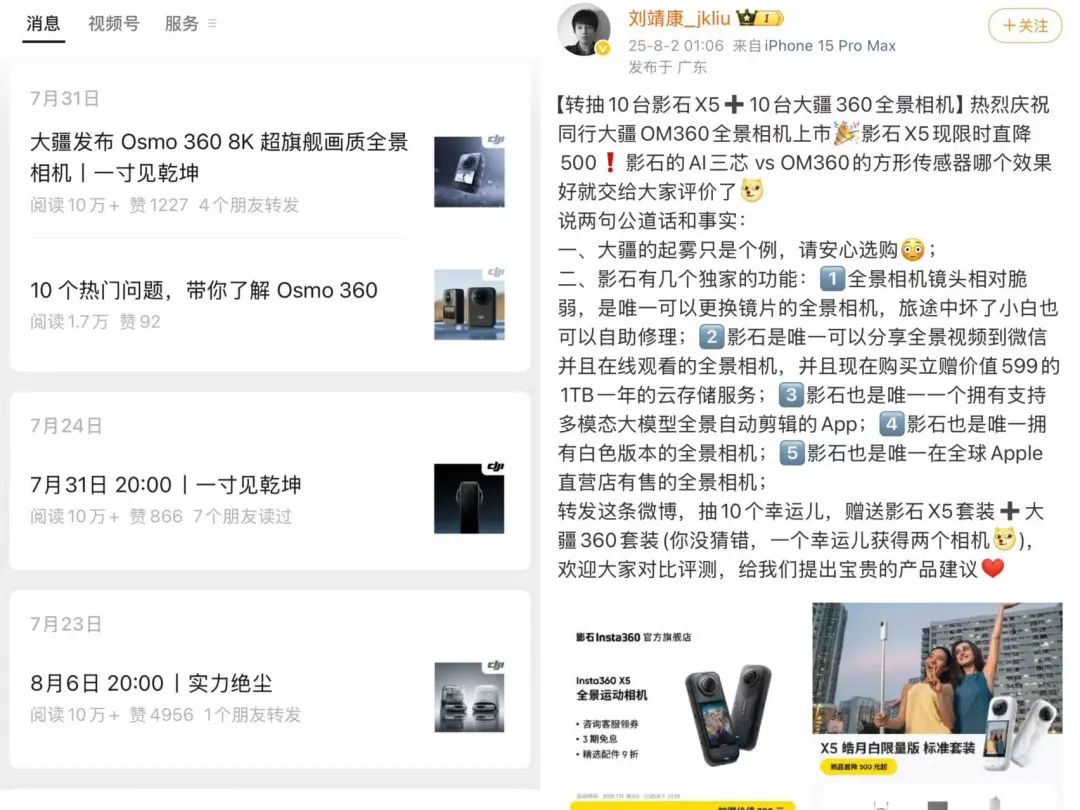
Core Viewpoint - The competitive landscape between Insta360 and DJI is intensifying, with both companies launching new products aimed at each other's market segments, particularly in the panoramic camera and drone sectors [1][4][11]. Group 1: Product Launches and Market Moves - Insta360 announced its "影翎Antigravity" panoramic drone brand on July 28, aiming to redefine the flying experience and challenge DJI's dominance in the drone market [1]. - DJI responded by launching its new 8K flagship panoramic camera, Osmo 360, just days later, indicating a direct competition in the panoramic photography space [1][11]. - The launch of Osmo 360 is seen as a strategic move to counter Insta360's entry into the drone market, highlighting the aggressive nature of both companies [1][11]. Group 2: Competitive Strategies - Insta360's founder, Liu Jingkang, publicly acknowledged DJI's new product while promoting a discount on Insta360's X5 camera, showcasing a proactive marketing strategy [3]. - Liu revealed that the decision to enter the drone market was made five years ago, anticipating DJI's potential response in the panoramic camera sector [4][29]. - Both companies are leveraging their respective strengths, with DJI's established market presence and Insta360's innovative approach to panoramic imaging [8][12]. Group 3: Market Share and Financial Performance - According to data, DJI's market share in the global action camera market increased from 15.9% to 32.1%, while Insta360's share decreased from 26.9% to 18.1% [10]. - As of 2023, Insta360 held the largest share in the global panoramic camera market for six consecutive years, with projections indicating a near 70% share by 2025 [12][13]. - Insta360's revenue for the previous year was reported at 5.574 billion yuan, with 80% of sales coming from overseas markets, highlighting its international reach [14]. Group 4: Industry Trends and Future Outlook - The global aerial drone market is projected to grow significantly, from $1.92 billion in 2017 to an estimated $12.2 billion by 2030, indicating a lucrative opportunity for both companies [32]. - The competitive dynamics between Insta360 and DJI reflect broader trends in the tech industry, where companies are increasingly diversifying their product lines to capture new market segments [35][36]. - The ongoing rivalry is expected to drive innovation and market expansion, with both companies aiming to enhance their product offerings and meet evolving consumer demands [28][40].
家电2025H2策略:价值稳舵,新消费破浪
2025-08-05 03:20
Summary of Key Points from the Conference Call Industry Overview - The home appliance industry is characterized by an oligopolistic structure, with leading companies benefiting from significant economies of scale and having substantial growth potential in overseas markets, indicating long-term investment value, particularly in cash returns [1][3] Core Insights and Arguments - The white goods sector showed weak performance in the first half of the year due to tariffs and the diminishing effects of the old-for-new policy, while the air conditioning segment performed relatively well [1][4] - The black goods sector benefited from Mini LED technology upgrades and a more favorable competitive landscape, leading to increased profit elasticity [1][4] - Investment strategies for the second half of the year should focus on high dividend yields and high ROE, with leading companies like Midea, Haier, and Gree offering dividend yields of approximately 4%, 7-8%, and 5% respectively, providing valuation support [1][6] - The competitive landscape in the white goods sector is concentrated on models priced below 2,700 yuan, with Midea initiating a price war against Xiaomi, which is adopting a defensive strategy to increase market share in the 4,000-4,500 yuan price range [1][7] - Export chain companies need to be aware of the expected differences in overseas tariffs, with Southeast Asia's production capacity performing better than expected and China's production capacity recovering well [1][10] Additional Important Insights - The competition in the black goods sector has improved, with Chinese panel manufacturers reducing costs through technology upgrades, allowing companies like Hisense and TCL to capture market share overseas [1][14] - The white goods sector's competition is expected to remain intense, particularly in the low-end market, while leading companies are leveraging brand extension and high-end product profits to mitigate impacts from low-end market pressures [1][7] - The national subsidy policy is expected to continue in the second half of 2025, but its marginal effects may weaken, particularly in certain regions where specific products may not qualify for subsidies [1][8] - The Mini LED television market is experiencing increased penetration due to declining electronic module costs and government subsidy policies narrowing the price gap between high-end and low-end products [1][18] - New consumer trends in the home appliance industry are emerging, focusing on low penetration, high explosive growth, and high scarcity, with brands like Beiding showing significant growth in the small appliance segment [1][20] - The robotic vacuum cleaner sector is currently in a phase of improving competitive dynamics, with companies like Ecovacs and Roborock showing promising profit trends [1][21] - Future investment strategies in the home appliance industry should prioritize robust assets, improving competitive landscapes, and new consumer trends, particularly in high-dividend white goods, black goods, and innovative small appliance brands [1][22]




新消费布局时机预判
2025-08-05 03:16
Summary of Key Points from Conference Call Records Industry Overview - **New Consumption Sector**: The adjustment period for the new consumption sector has ended, with reasonable valuations. Focus on high-growth areas such as food and beverages, cosmetics, and companies like Ruichen and Jingbo Bio. The liquor industry is expected to present investment opportunities in September and October, particularly in flexible stocks like Fenjiu [1][5]. Core Insights and Arguments - **New Consumption Performance**: The new consumption sector began to rise in January, with a notable performance in Q1. After a period of adjustment, negative expectations have been largely reflected in the market. A good investment opportunity is anticipated before November, driven by data from the Double Eleven shopping festival [2]. - **Valuation Levels**: Mainstream companies in the new consumption sector are currently valued around 1x PEG, which is lower than previous years. The electronic cigarette industry is highlighted as a key focus area, with recommendations for stocks like Smoore and British American Tobacco [3]. - **Investment Directions**: Future investments in new consumption will focus on sectors with high growth certainty, such as food and beverages, and cosmetics. Companies like Baolong Chuangyuan are expected to accelerate performance in Q3 due to low base effects from the previous year [4]. Additional Important Insights - **Trends in Social Retail**: Three clear trends have emerged: affordable consumption, emotional value, and service consumption. High-end brands with affordable pricing are gaining traction, and second-hand trading platforms are expected to grow significantly [6][8]. - **Household Appliances**: The household appliance sector is facing diminishing returns from national subsidies. Leading companies like Midea and Haier are maintaining growth through overseas expansion, while second-tier brands are under pressure [10][11]. - **Robotics Industry**: The competition in the robotic vacuum cleaner industry is easing, with companies like Ecovacs and Roborock showing strong overseas expansion. Both companies are expected to continue their growth trajectory [13]. - **Pet Industry**: The domestic pet brand market is rising, with companies like Zhongchong and Guai Bao Pet being noteworthy. The pet exhibition in Shanghai highlighted the growth of local brands [15]. - **Agricultural Sector**: High temperatures and drought are negatively impacting corn and soybean yields, leading to a favorable outlook for agricultural prices. Companies like Chenguang Biological and Suqian Agricultural Development are recommended [17]. - **Long-term Investment Potential**: Companies with strong safety margins and investment potential include those in the electronic cigarette industry and domestic pet brands. The paper and metal packaging industries are also highlighted for their growth prospects [18]. Conclusion The conference call provided a comprehensive overview of various sectors, emphasizing the new consumption sector's recovery, the importance of valuation levels, and emerging trends in social retail and household appliances. Key investment opportunities were identified across multiple industries, indicating a favorable outlook for certain companies and sectors in the near future.
海通证券晨报-20250801
Haitong Securities· 2025-08-01 03:34
Core Insights - The aviation industry showed a significant reduction in losses in Q2 2025, with domestic supply maintaining low growth and demand recovering steadily [5][31][32] - The REIT sector experienced a market correction, influenced by a shift in investor risk appetite and macroeconomic asset rotation, with fundamental pricing power being less impactful [3][4] Aviation Industry Summary - Q2 2025 saw the introduction of 107 new aircraft, with a net increase of only 52, leading to an estimated ASK growth of 6.7% year-on-year [31] - Domestic demand remained stable, with a 3.9% increase in passenger flow and a 4% decrease in domestic oil-inclusive ticket prices [31][32] - The industry achieved a record high passenger load factor, increasing by 1.9 percentage points year-on-year, with Q2 2025 expected to show a significant reduction in losses for major airlines [31][32] - The summer travel season faced unexpected weakness in business travel demand, while leisure travel remained strong, indicating a potential recovery in business travel in the future [32][33] REIT Sector Summary - The REIT sector's performance in Q2 2025 continued to align with expected trends, although the overall market experienced a downturn following the release of quarterly reports [3][4] - The differentiation among REIT sectors was less pronounced in Q2 compared to Q1, with stable sectors like affordable housing and municipal projects leading the decline [3] - The current REIT market correction coincides with a shift in investor risk preferences, with the fundamental performance of underlying assets having a diminished impact on pricing [3][4] Industry Trends and Recommendations - The aviation sector is expected to benefit from a long-term recovery in demand, with a recommendation to adopt a contrarian investment approach in the sector [33] - The REIT market is anticipated to remain influenced by its debt-like characteristics, with a focus on macroeconomic asset rotation and the impact of new policies on investor sentiment [4]
国泰海通|家电:大疆入局扫地机赛道,加速清洁品类教育
国泰海通证券研究· 2025-07-31 12:39
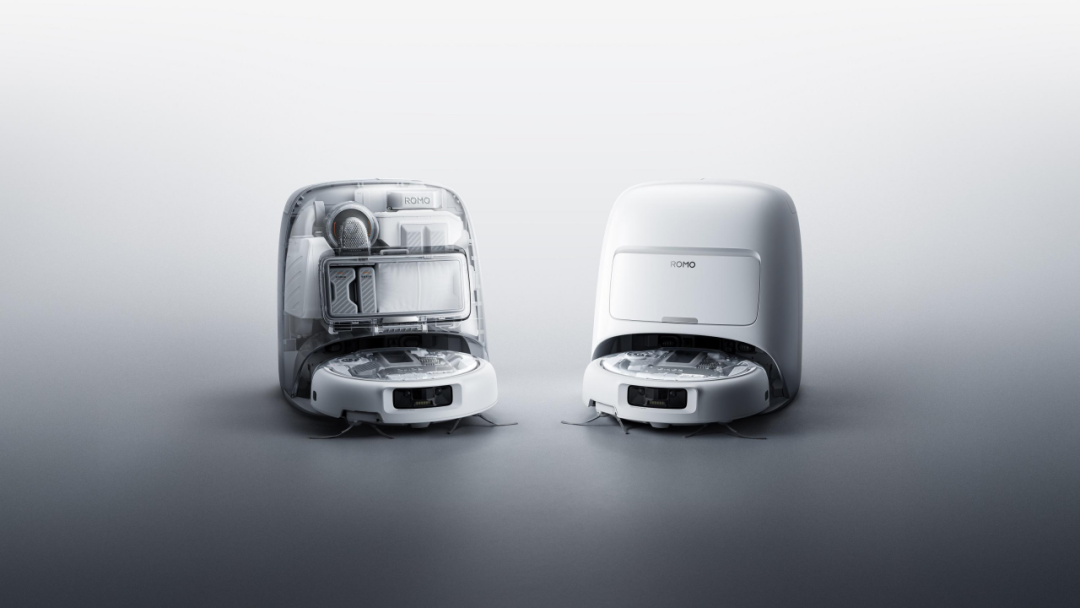
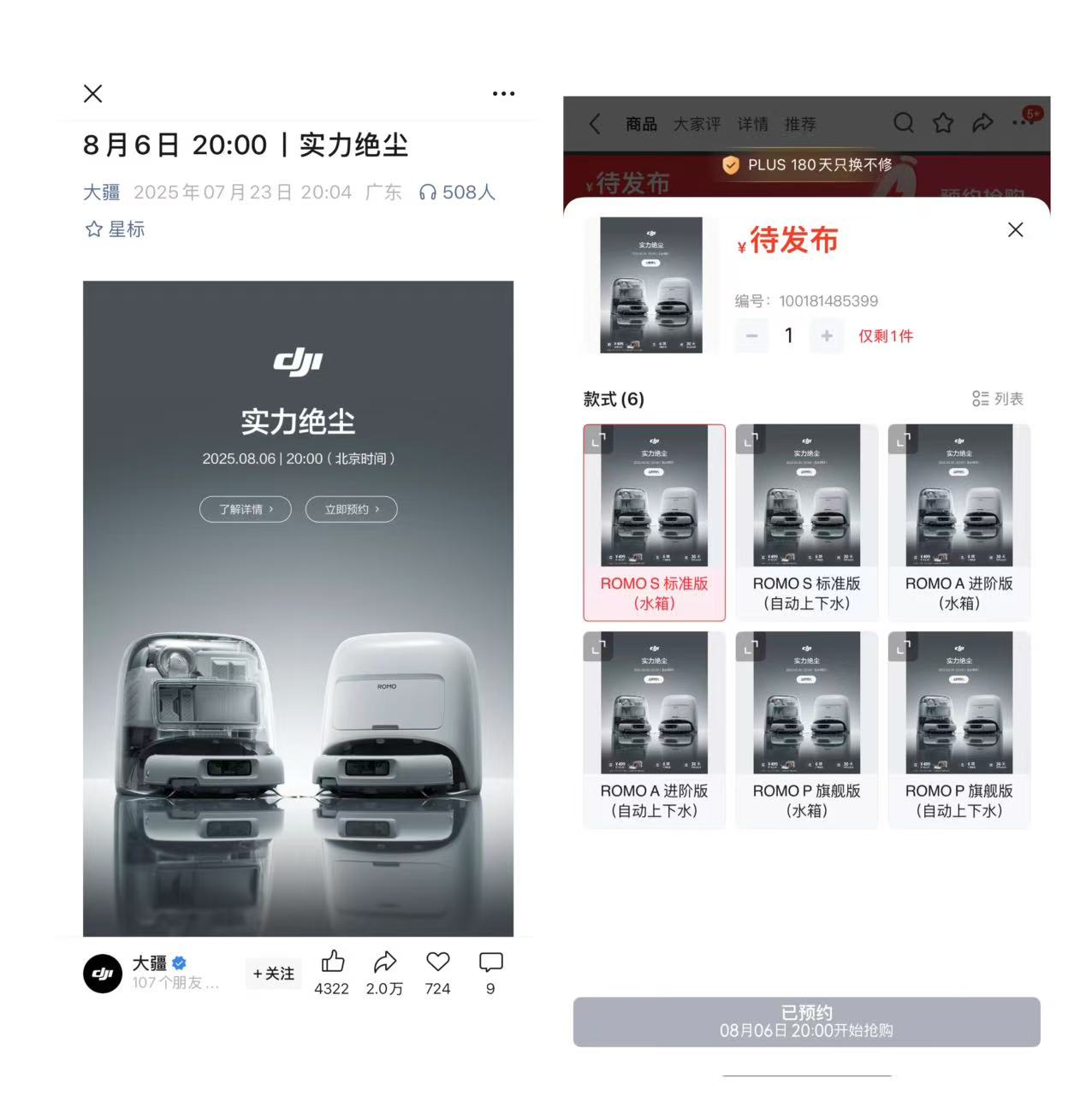
Group 1 - DJI is entering the vacuum cleaner market with the launch of its first robot vacuum product, branded as "ROMO," expected on August 6. The product will have two types of transparent and white shells, and three models: S standard version, A advanced version, and P flagship version. As of July 29, over 27,000 units have been pre-ordered on JD.com [1] - DJI's overseas revenue accounted for 80% of its total revenue of 50 billion yuan in 2023. The company has established a multi-channel sales model, including partnerships with major retailers like Best Buy and MediaMarkt, and has showcased its drones in over 500 Apple retail stores globally. This entry into the vacuum cleaner market is expected to enhance global exposure and recognition of the product category [2] - Related OEM companies are likely to benefit from DJI's entry into the vacuum cleaner market [3]

石头扫地机二次上市虽不性感,但贵在商业确定性较强
晚点LatePost· 2025-07-27 04:17
Core Viewpoint - The article discusses the growth logic and investment value of listed companies in the context of the sweeping robot industry, highlighting the competitive landscape and the potential for domestic brands to capture overseas market growth [4][11]. Industry Overview - The global sweeping robot market is projected to reach a GMV of $9.3 billion and sales of 20.6 million units in 2024, with year-on-year growth rates of 19% and 11% respectively [5]. - The average price of sweeping robots is expected to rise from $422 in 2023 to $451 in 2024, indicating a trend of simultaneous volume and price growth in the industry [5]. Market Dynamics - The consumer base for sweeping robots has not significantly expanded, but there is a structural change in the types of products being consumed, with high-end models gaining market share [7]. - In China, the penetration rate of high-end models priced above 3000 yuan exceeds 80%, while the overseas market's penetration is less than half of that, suggesting substantial growth potential in international markets [7][9]. Competitive Landscape - Major players in the overseas market include Roborock, Ecovacs, and Dreame, with Roborock and Ecovacs having a first-mover advantage [12]. - Roborock's overseas business accounted for 54% of its revenue in 2024, significantly higher than Ecovacs at 43% [12][13]. Financial Performance - In 2024, Roborock achieved global sales of 3.45 million units, generating a GMV of $2.18 billion, representing 16.7% and 23.4% of the global market share respectively [16]. - Roborock's profit structure is more favorable compared to Ecovacs, with a gross margin of 50.4% and a net margin of 16.6% in 2024, while Ecovacs reported 46.5% and 4.9% respectively [15]. Strategic Adjustments - Roborock is implementing a "retreat to advance" strategy by adjusting its distribution channels, which may temporarily lower profit margins but aims to enhance market control and expand market share [21][22]. - The company is also focusing on direct engagement with distributors, which is expected to improve profitability in the long run [21]. Future Outlook - The ability of domestic brands to effectively capture overseas market share will be crucial for their future growth and valuation [11]. - The competitive dynamics between Roborock and Dreame are intensifying, particularly as Dreame seeks to establish a stronger presence in Western Europe [17][19].

大疆也要 “入地”?跨界扫地机器人,新品呼之欲出
Guo Ji Jin Rong Bao· 2025-07-25 05:35
Group 1 - Insta360 has officially launched its drone business strategy, planning to introduce two major product brands: its own brand and a third-party collaboration [1] - DJI, a major player in the drone market with over 70% market share, is entering the robotic vacuum cleaner market, indicating a diversification of its product offerings [1][3] - DJI has been developing its robotic vacuum cleaner since 2020, with reports suggesting it has been in research for four years, aiming to price it competitively with high-end models [3] Group 2 - The global robotic vacuum cleaner market is projected to reach 20.6 million units in sales by 2024, reflecting an 11.2% compound annual growth rate from 2022 [4] - The market size is expected to expand from $7.8 billion to $9.31 billion, marking a significant growth of 19.4% [4] - In China, the robotic vacuum cleaner market is anticipated to ship 5.389 million units in 2024, with a year-on-year growth of 6.7%, driven by government subsidy policies [4]

如何看待扫地机下半年竞争格局:经营回归,产品决胜
ZHESHANG SECURITIES· 2025-07-20 07:22
Investment Rating - The industry investment rating is optimistic [2] Core Viewpoints - The focus is on operational quality, with companies emphasizing price increases that benefit competition and improve net profit margins [3][5] - The price increase by Chasing Mii has been significant, with a 20% increase observed after the 618 sales event, prompting other leading companies like Stone and Yunji to follow suit with increases of 4% and 8% respectively [5][17] - The trend of floor washing robots is emerging as a significant innovation in the domestic market, with expectations for new iterations from various companies in the second half of the year [11][16] - Investment suggestions include focusing on Stone Technology for its strong product capabilities and high R&D investment, and on Ecovacs for its leading product layout in floor washing robots and enhanced overseas reputation [5][39] Summary by Sections Domestic Market - Attention is drawn to product innovation and the sustainability of price increases among leading companies [6] - The sales share of floor washing robots has increased from 1% in Q3 2024 to 29% during the 618 sales event in 2025, indicating a growing trend [16] Price Increase Impact - Chasing Mii's price increase reflects a stronger profit demand, with a notable increase in average price to nearly 5000 yuan, while other companies have started to follow suit [22][27] - The analysis indicates that a price increase of over 6% by Chasing Mii could lead to a sequential profit increase despite potential sales volume declines [27] Overseas Market - Stone's Prime Day promotional discounts have been reduced, yet the company continues to show strong growth, particularly in the European market where it maintains a leading market share [28][32] - The competitive advantage in the overseas market is attributed to strong product performance, with Stone's high-end products leading in both performance and pricing [36]
