电子电器

Search documents
赋能产业高质量发展 绵阳创新服务 服务科技创新
Si Chuan Ri Bao· 2025-07-08 06:37
Group 1 - Mianyang has 20 national-level defense research institutes and 264 provincial and national innovation platforms, with 29 academicians and over 86,000 high-level talents introduced in the past three years [1][2] - The city has established 41 municipal academician (expert) workstations through collaboration with 12 academicians and over 110 high-level experts since 2012 [3][2] - Mianyang is focusing on technology innovation to empower high-quality industrial development, exemplified by the world's smallest linear vibration motor produced by Anhe Precision Electronics [1][2] Group 2 - The "enterprise proposes, government sets, and collaboration solves" research mechanism has been established in Youxian District, leading to breakthroughs such as the nitrogen zirconium sensor and the first proton therapy device [2][3] - A public platform for pilot testing services has been launched, significantly reducing the time for precision parts sample production from one month to three days [4][5] - Mianyang is constructing a comprehensive support system for pilot testing, including a 100 million yuan pilot fund and a 50 million yuan "first investment, then equity" special fund [5][6] Group 3 - The city is focusing on integrating technology innovation into industrial development, with the establishment of several innovation centers and laboratories aimed at resource sharing and deep collaboration [7][8] - Southwest University of Science and Technology has projects selected for the "enterprise finds technology" initiative, focusing on wind turbine blade protection in extreme environments [8]
碳足迹背景数据库为什么重要?
Zhong Guo Huan Jing Bao· 2025-06-29 23:14
Core Viewpoint - The construction of a unified and standardized carbon footprint background database is crucial for the development of China's product carbon footprint management system and for enhancing international competitiveness in carbon data standards [1][4]. Group 1: Current Status of Carbon Footprint Background Database - China is placing significant emphasis on the establishment of carbon footprint background databases, as highlighted in the State Council's work plan for building a dual control system for carbon emissions [1]. - Despite some progress, the construction and application of carbon footprint background databases in China are still in the early stages, facing various misconceptions and bottlenecks [2][3]. Group 2: Challenges in Database Construction - There is a weak understanding of the database among market participants, leading to confusion between different types of databases and insufficient emphasis on real data quality control [2][3]. - The quality of data is inconsistent, with issues such as redundant and low-level construction, lack of unified standards, and transparency problems in existing databases [3]. - The promotion and application of carbon footprint background databases are inadequate, with limited recognition in international markets and a need for improved standards [3]. Group 3: Recommendations for Improvement - It is recommended to enhance planning and design for the national carbon footprint background database, ensuring a unified structure and avoiding redundant construction [4][5]. - Emphasis should be placed on research and development, fostering talent in carbon footprint data development, and utilizing digital technologies for better data accessibility and traceability [5][6]. - Expanding application scenarios through public awareness campaigns and competitions can help improve the market space for quality background databases [6][7]. Group 4: International Cooperation - Strengthening international collaboration is essential, including technical exchanges with global lifecycle data development organizations and promoting mutual recognition of carbon footprint data standards [7].
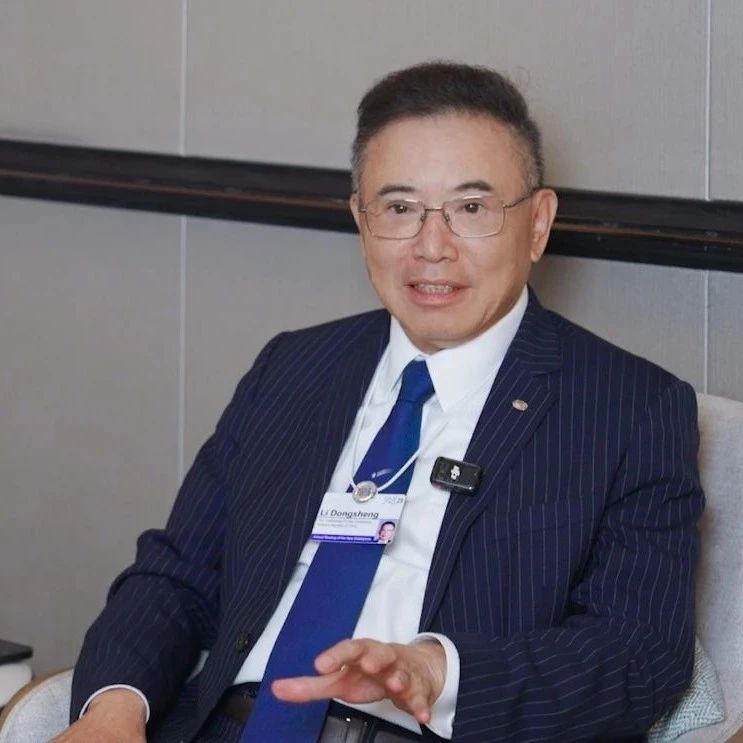
【财经面对面】TCL李东生谈打造更有韧性的供应链:全球化即本土化或许是答案
Zhong Guo Jin Rong Xin Xi Wang· 2025-06-27 12:18
Group 1 - The World Economic Forum's 16th Annual Meeting of New Champions was held in Tianjin from June 24-26, focusing on the theme of "Entrepreneurial Spirit in the New Era" [1] - Companies are encouraged to reassess their development strategies, balancing efficiency with fairness and building local industrial capabilities to benefit local economies [1] - Innovation, particularly in AI and robotics, is crucial for maintaining competitiveness and sustainable development in businesses [1] Group 2 - TCL is investing heavily in key technologies such as edge intelligence, AI, and digital twins to enhance its digital capabilities [2] - The company has implemented AI smart detection systems in its LCD panel production, improving product yield and increasing production efficiency by 70% [2] - TCL has established five global operation centers outside of China to adapt its globalization strategy, resulting in an average annual revenue growth of over 17% in overseas markets over the past five years [2] Group 3 - Climate change is a core topic at the forum, with TCL being a pioneer in this area, having received the first carbon label certificate for electrical products in China in 2021 [3] - TCL has invested over 20 billion yuan in its northern headquarters in Tianjin, with business operations extending into various fields, including photovoltaic renewable energy [3]

TCL李东生:企业全球化发展,一定要扎根当地
凤凰网财经· 2025-06-26 10:22
Core Viewpoint - The globalization strategy of Chinese enterprises is essential despite the challenges posed by de-globalization, emphasizing the need for local integration and collaboration with local partners to drive economic development [1][3][5]. Group 1: Globalization Strategy - Chinese enterprises must adapt to local markets by establishing production bases abroad, transitioning from "global sales" to "global operations" [1][6]. - TCL's approach includes building local supply chains and fostering local industrial capabilities, which is seen as a model for successful globalization [4][5][6]. Group 2: Local Integration - The establishment of factories in countries like Mexico, Poland, and Vietnam allows for deeper integration into local economies, creating jobs and tax revenue while developing local industrial capabilities [5][6]. - Local partnerships are crucial for enhancing competitiveness and creating value within the local context [6][9]. Group 3: Innovation and Creativity - The success of companies like Pop Mart in international markets demonstrates the creative potential of Chinese enterprises in the fashion and innovation sectors [1][5]. - There is an expectation for more Chinese companies to emerge in the global market with innovative and fashionable products [1][5]. Group 4: Economic Balance - The need for a balanced approach to globalization is highlighted, where efficiency and fairness in resource allocation are considered [7][9]. - The historical context of globalization and its impact on economic growth is acknowledged, with a call for more equitable development across different regions [8][9].

华为的IPD,为什么你学不会?
3 6 Ke· 2025-06-26 02:30
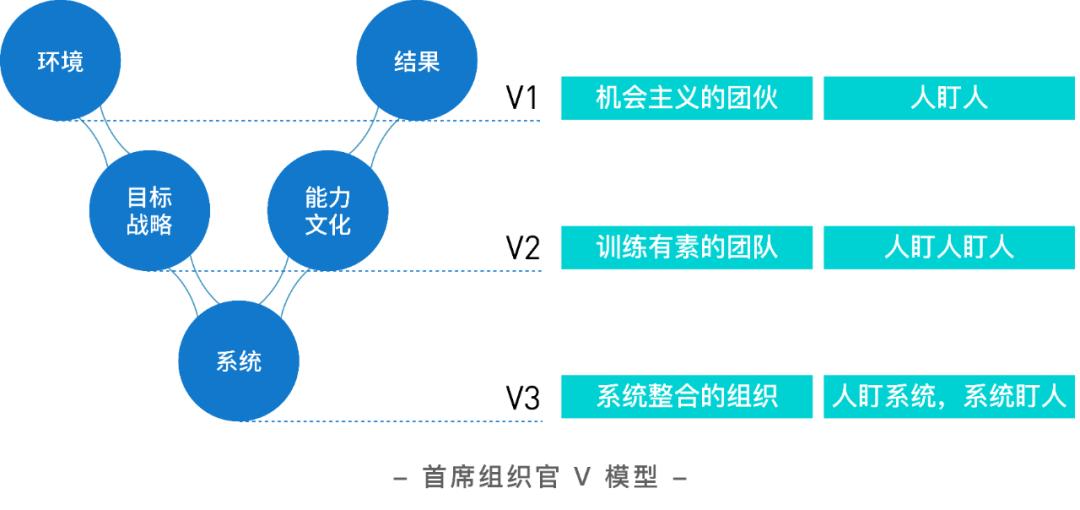
Core Insights - The article discusses the challenges faced by many domestic private enterprises in China when attempting to adopt Huawei's Integrated Product Development (IPD) methodology, often resulting in short-lived enthusiasm and eventual abandonment of the initiative [1][2][15]. Group 1: Understanding IPD - IPD, originally developed by IBM and later refined by Huawei, is not merely a project management tool but a comprehensive system governance capability that shifts product development from reliance on individuals to a structured system [3][6][8]. - The core value of IPD lies in its ability to facilitate efficient collaboration and decision-making across large, cross-functional organizations throughout the product lifecycle [6][8]. Group 2: Transition from Individual to System Governance - The transition from "people management" to "system governance" is essential for modern enterprises to scale effectively, moving through stages from opportunistic teams to well-trained groups and finally to system-integrated organizations [4][6]. - Effective implementation of IPD requires a shift from command-and-control management to role-based collaborative governance, where responsibilities and collaboration rules are clearly defined [7][8]. Group 3: Professionalism and Commitment - Successful IPD implementation necessitates a foundation of professionalism, where each role within the process is filled by individuals with the appropriate expertise [9][10]. - High levels of discipline and commitment are required for IPD processes, as the system cannot rely solely on enthusiasm or goodwill [11][22]. Group 4: Cultural and Structural Considerations - The effective operation of IPD is heavily dependent on a culture of universalism and low power distance, which allows for equitable treatment and decision-making based on data rather than personal relationships [13][14]. - Without these cultural elements, the implementation of IPD may result in superficial adherence to processes while underlying "people management" practices persist [14][20]. Group 5: Long-term Commitment and Leadership Involvement - Many companies underestimate the complexity and long-term commitment required for successful IPD adoption, often expecting quick results from minimal investment [15][16]. - Leadership must actively participate in the IPD process rather than merely delegating it to others, as seen in Huawei's approach where top executives were deeply involved in the initiative [17][18][22]. Group 6: Conclusion and Readiness Assessment - Companies must assess their readiness for adopting IPD, recognizing that it is not a simple replication of Huawei's practices but a fundamental shift in governance and operational capabilities [21][22][23].
河南省鹤壁市山城区:积极搭建交流平台 连续开展7次产销对接活动
Zhong Guo Jing Ji Wang· 2025-06-25 07:37
Group 1 - The automotive electronics and electrical enterprises held a production and sales docking event on January 22, with 20 electronic and electrical companies participating [1] - An environmental performance improvement docking event took place on April 1, with over 40 company representatives discussing development [1] - Since the beginning of this year, the Shancheng District of Hebi City, Henan Province, has organized seven production and sales docking events, covering industries such as electronics, equipment manufacturing, and labor protection products [2] Group 2 - The production line equipment docking event on June 12 involved 33 companies seeking new cooperation opportunities [2] - More than 50 companies reached cooperation intentions, involving amounts exceeding millions [2] - The event facilitated over 40 companies to reach cooperation intentions, involving amounts exceeding tens of millions [2] Group 3 - The docking events have helped companies enhance their visibility and influence, as well as expand their sales markets [3] - The activities have broadened sales channels for companies and reduced procurement costs [3] - Future activities will be based on company needs, collecting feedback to continuously promote production and sales docking events [3]
“中国(深圳)——越南贸易与投资对接大会”在深圳前海举办
Yang Shi Wang· 2025-06-21 00:31
Group 1 - The "China (Shenzhen) - Vietnam Trade and Investment Matching Conference" was successfully held in Shenzhen, focusing on the cooperation needs between domestic enterprises and Vietnam's growing economy [1] - The event was co-hosted by the Belt and Road Environmental Technology Exchange and Transfer Center (Shenzhen), the Asian International Enterprise Alliance, and Qianhai Chuhai E Station Tong, attracting representatives and industry experts from both countries [1] - The conference facilitated multiple channels for practical cooperation, resulting in several important cooperation intentions and significant outcomes [1] Group 2 - The Belt and Road Environmental Technology Exchange and Transfer Center (Shenzhen) is the first national-level entity platform in China serving the green Belt and Road initiative, co-established by the Ministry of Ecology and Environment and the Shenzhen Municipal Government [1] - The center's representative highlighted the strong economic complementarity and high industrial chain coordination between China and Vietnam, indicating a promising outlook for bilateral trade and investment under the RCEP framework [1] - The Asian International Enterprise Alliance aims to break down barriers for overseas expansion and empower global layouts, serving as a bridge and cornerstone for Chinese and Vietnamese enterprises [2] Group 3 - Experts analyzed opportunities and policy environments in the Vietnamese market, providing suggestions for future development and cooperation potential [2] - Six leading Vietnamese companies conducted specialized roadshows to present cooperation needs across various sectors, including new energy equipment, electronics, smart logistics parks, high-tech research and development, and human resources [2] - The conference featured four negotiation zones to facilitate precise matching, resulting in two significant strategic agreements and several companies finalizing plans for visits to Vietnam [2]
市场监管总局今年将对164种产品开展国家监督抽查
news flash· 2025-06-21 00:09
Core Viewpoint - The State Administration for Market Regulation (SAMR) will conduct national quality supervision and random inspections on 164 types of products in 2025, focusing on ensuring product safety and quality across various sectors [1] Group 1: Inspection Scope and Methodology - SAMR will employ a dual-random approach to select enterprises for inspection and match them with sampling inspection institutions [1] - A total of over 16,000 batches of samples will be collected from production, circulation, and online sales, covering eight key areas including electronics, agricultural materials, construction materials, and food-related products [1] Group 2: Focus Areas for 2025 - Children's products will remain a key focus for inspections this year [1] - The inspection intensity for products sold through live streaming and online sales will significantly increase, with the number of batches inspected rising by 70% compared to 2024 [1] - The inspection batches for products such as power banks and electric bicycles will also see a substantial increase [1] Group 3: Emerging Industries - To support the rapid development of emerging industries, electric vehicle charging stations, power batteries, drones, and photovoltaic components will be included in the inspection scope [1]
中国辽宁—日本经贸合作说明会在东京举行
Xin Hua Wang· 2025-06-19 11:38
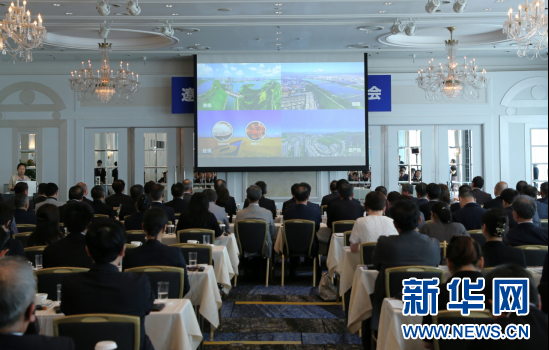
Group 1 - The China Liaoning-Japan Economic Cooperation Conference was held in Tokyo to promote comprehensive cooperation in trade, investment, technology, and cultural tourism between Liaoning and Japan [1][2] - Liaoning Province has emphasized the importance of its relationship with Japan, highlighting successful investments from major Japanese companies such as Panasonic, Mitsubishi, and Canon [1][2] - The conference aimed to enhance understanding and cooperation, leveraging Liaoning's geographical advantages and favorable policies to strengthen Sino-Japanese economic ties [1][2] Group 2 - The Japan-China Economic Association has been dedicated to promoting economic exchanges since its establishment in 1972, maintaining a solid cooperative foundation with Liaoning Province [2] - The association has established an office in Shenyang in 2006 and participates in the annual China Liaoning International Investment and Trade Fair to create more business opportunities [2] - The Director of Liaoning's Commerce Department introduced the province's development status, key industries, foreign enterprise services, and cooperation potential with Japan during the conference [3]
广东以空前力度示好日企;高岛屋百货逆势加大在华投资
Sou Hu Cai Jing· 2025-06-15 12:05
Group 1: Japan-China Economic Relations - Guangdong Province and CITIC Group hosted a significant event titled "Japanese Enterprises Guangdong Tour," attended by key officials, emphasizing investment opportunities in new sectors like robotics and AI [3] - The event facilitated specialized meetings across five industries, resulting in 68 projects, with 27 signed on-site, totaling 1,034.64 million RMB [3] - Guangdong is a major hub for Japanese investment, with 3,155 Japanese enterprises established since the reform era, totaling 17 billion USD in actual investment [3] Group 2: Foreign Investment Trends - Foreign investment in China has been declining, making cooperation with Japan and the EU increasingly vital for Guangdong [4] - From January to April, Guangdong's actual foreign investment grew by 8.9%, with Japanese investment increasing by over 40% [4] - Guangdong's strategy to attract Japanese investment is seen as a crucial approach to mitigate economic challenges [4] Group 3: Panasonic's Challenges and Strategies - Panasonic's revenue in China declined by 0.95%, with its market share in core categories like air conditioning dropping below 1% [5] - The company plans to innovate by launching a "Living Space" strategy targeting the second-hand housing renovation market, aiming for a threefold increase in business scale by 2025 [5] - The renovation market presents significant opportunities despite challenges in adapting Japanese aesthetics to practical Chinese needs [5] Group 4: Retail Sector Dynamics - The Chinese department store industry is facing a wave of closures, yet the Shanghai Takashimaya department store is investing 100 million RMB for transformation [6] - Takashimaya has adapted to the Chinese market by balancing Japanese commercial characteristics with local preferences, achieving notable success [6][7] - The store has become the first in Changning District to implement an "immediate refund" tax policy, significantly increasing its refund amounts [7] Group 5: Komatsu's Market Position - Komatsu forecasts a 27% profit decline this fiscal year, attributing part of this to competition from Chinese firms offering lower prices and excess capacity [7][8] - The company acknowledges its strengths in durability and reliability but faces challenges from Chinese manufacturers who provide competitive performance at lower costs [8] - The US-China trade dispute has added an estimated 20 billion JPY (approximately 140 million USD) in tariff burdens for Komatsu [8]