汽车

Search documents
特朗普遭背刺,向全球宣布一件与中国有关大事,中方:日本没资格
Sou Hu Cai Jing· 2026-02-22 15:37
Group 1: U.S. Trade Policy and Economic Impact - The U.S. Supreme Court ruled on February 20 that tariffs imposed by the President under the Emergency Economic Powers Act exceeded his authority, with a 6-3 vote against these measures, necessitating a shift in trade strategy from the White House [1] - Following the ruling, the White House signed a new executive order to impose additional tariffs on global imports, referencing the Trade Act of 1974, with initial rates later mentioned at higher levels to maintain trade balance [1] - The U.S. Department of Commerce reported that economic growth for Q4 2025 was below previous expectations, with significant job losses in manufacturing, indicating pressure from trade policy adjustments and rising corporate costs [3] Group 2: Japan's Defense and Economic Strategy - Japan's government approved a record-high defense budget for FY2026, focusing on missile development and modernization of military capabilities to address regional security challenges [3][6] - As part of a trade agreement, Japan committed to injecting substantial funds into strategic industries in the U.S. by 2029, with initial projects selected in energy infrastructure and critical minerals [5] - The agreement was a result of negotiations where Japan agreed to lower automotive tariffs in exchange for investment opportunities, although Japan now faces risks of tariff reinstatement following the U.S. court ruling [5] Group 3: U.S.-China Agricultural Trade Relations - The White House announced a state visit to China from March 31 to April 2, aimed at discussing agricultural trade cooperation, particularly for U.S. exports like soybeans and corn, in response to domestic agricultural product inventory issues [3][5] - The visit is expected to focus on collaboration opportunities to avoid escalating trade tensions, emphasizing dialogue to resolve differences and promote mutually beneficial trade [5]

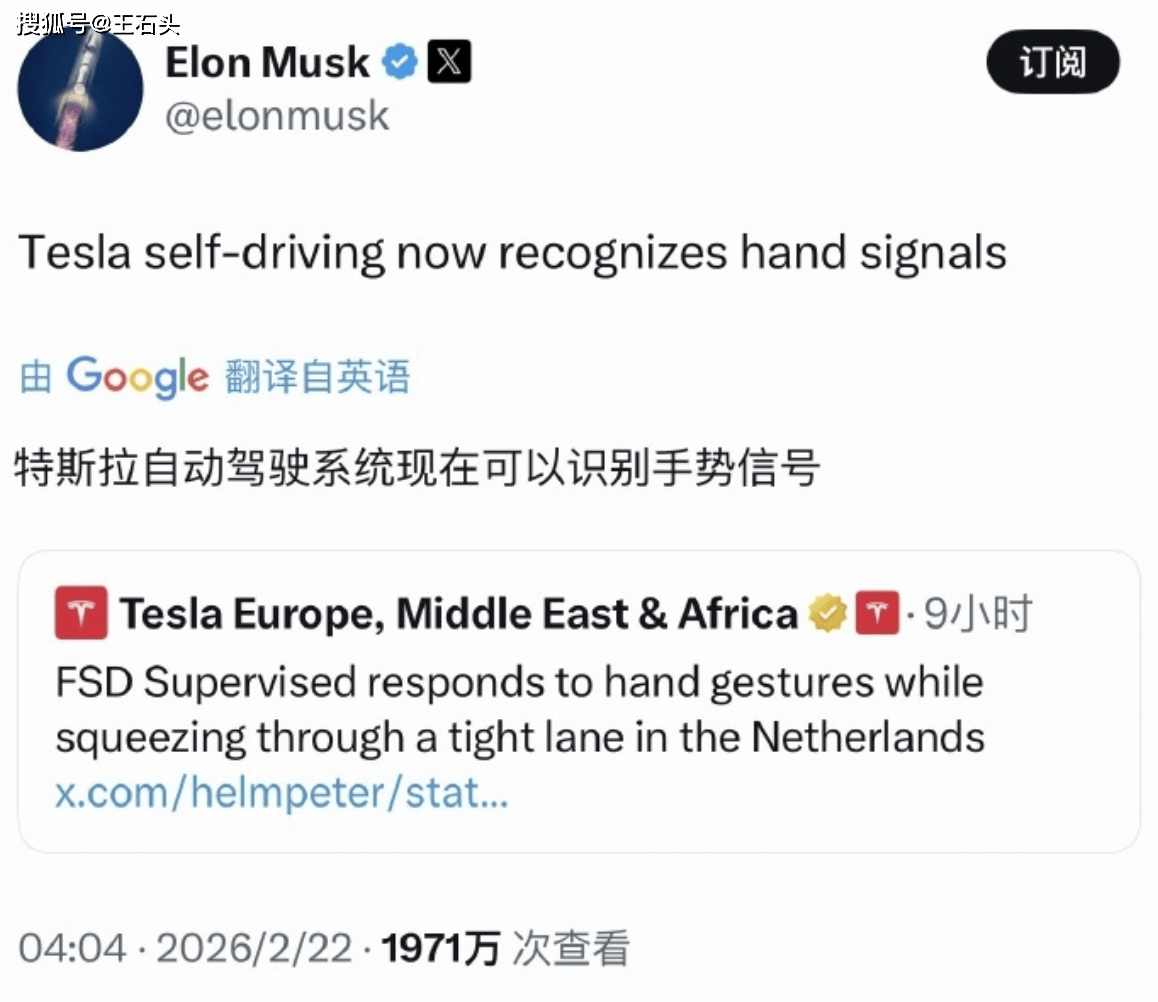
马斯克没吹牛!特斯拉能识别手势信号了,但国内还要继续等!
Sou Hu Cai Jing· 2026-02-22 15:28
Core Viewpoint - Tesla's recent advancements in its Full Self-Driving (FSD) system, particularly the ability to recognize hand gestures, represent a significant milestone in autonomous driving technology [3][6]. Group 1: Technological Advancements - Tesla's FSD system can now interpret human gestures, allowing it to navigate complex driving situations, such as narrow streets with parked cars [3][6]. - The latest FSD version, FSD v14.2, utilizes an end-to-end artificial neural network, enhancing the vehicle's ability to perceive and understand its environment [6][7]. - The FSD system has accumulated over 80 billion miles of driving data, resulting in a significant safety improvement, with major collisions occurring every 5.3 million miles compared to the average of 0.66 million miles for human drivers [9]. Group 2: Market Implications - Elon Musk has indicated that as FSD capabilities improve, the subscription fee of $99 per month may increase, suggesting a potential for higher revenue streams [12]. - Tesla is actively working on adapting its FSD technology for the Chinese market, with plans for a local training center to better understand local traffic conditions and regulations [14][16]. - The anticipation of FSD's full capabilities in China indicates a strategic move to enhance Tesla's market position in a key region [16].

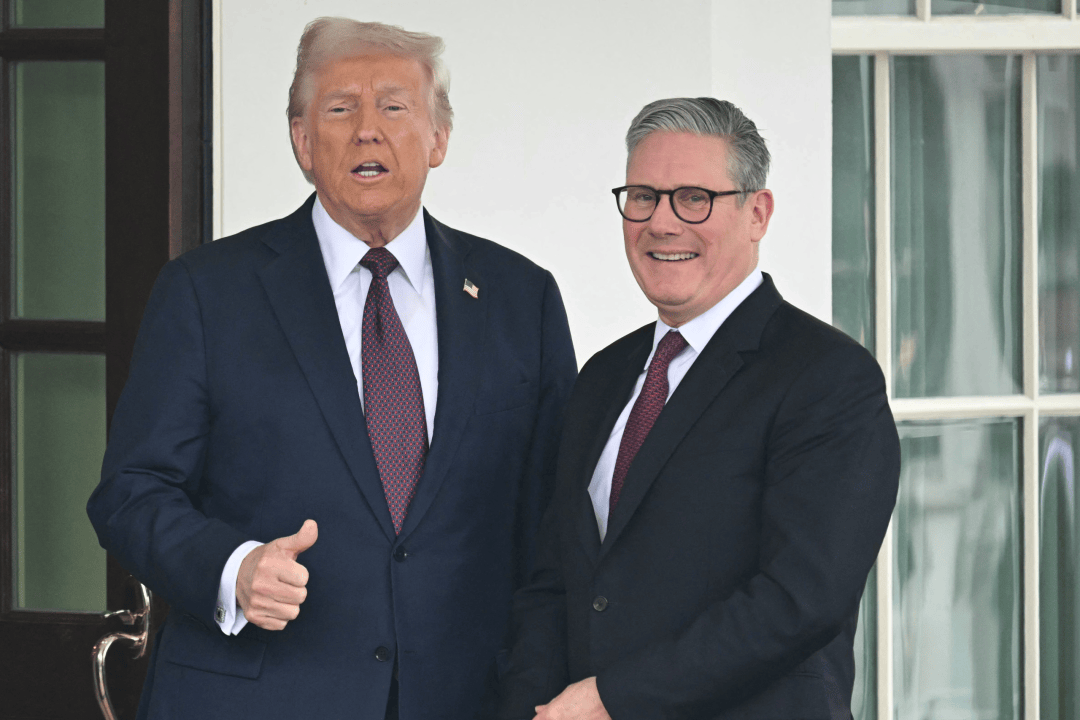
美国对英国加征15%关税!安德鲁和曼德尔森或涉叛国指控!查尔斯早就收到举报信...
Sou Hu Cai Jing· 2026-02-22 13:44
Group 1 - The United States will impose a 15% tariff on British goods, escalating tensions in UK-US trade relations [2][3] - The new tariff will increase the tax rate on British exports to the US from 10% to 15%, significantly raising prices for British goods in the US market [5][7] - Approximately 40,000 UK exporting companies will be affected by this new tax policy [7] Group 2 - The new tariff policy is set to last for 150 days, after which it requires approval from the US Congress to continue [5] - The UK government plans to communicate with the US to understand the specific impacts of the new tariff and aims to maintain trade relations [9] - The US may initiate new trade investigations against the UK, focusing on areas such as industrial overcapacity, forced labor, drug pricing, and digital service taxes [9]
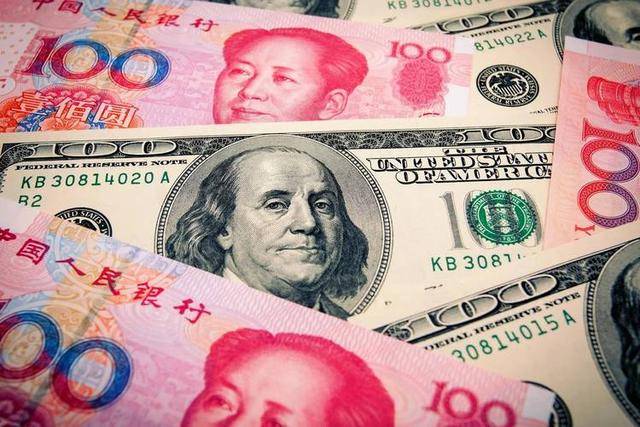
人民币美元罕见同步贬值!这场货币战比关税更狠,普通人面临啥?
Sou Hu Cai Jing· 2026-02-22 13:44
Group 1 - The article discusses the impact of tariffs and currency devaluation on global trade dynamics, particularly focusing on the U.S.-China relationship and its implications for exports and consumer prices [1][3][5] - The Chinese central bank has allowed a slight depreciation of the yuan against the dollar to maintain export competitiveness, with a target exchange rate around 7.5 [3][5] - The devaluation of the yuan has made Chinese goods cheaper for European buyers, enhancing price competitiveness across various sectors, including clothing and electronics [5][7] Group 2 - The article highlights that currency devaluation affects all imports, leading to increased production costs for companies reliant on dollar-denominated raw materials, which ultimately raises consumer prices [7][9] - The ongoing currency war has broader implications, with ordinary consumers facing higher costs for imported goods, such as food and electronics, while export-oriented companies may benefit from preserved profit margins [11][13] - The article notes that the trade negotiations in 2025 show some progress, with a potential easing of tariffs and a positive outlook for foreign investment in the Chinese stock market [15][16]
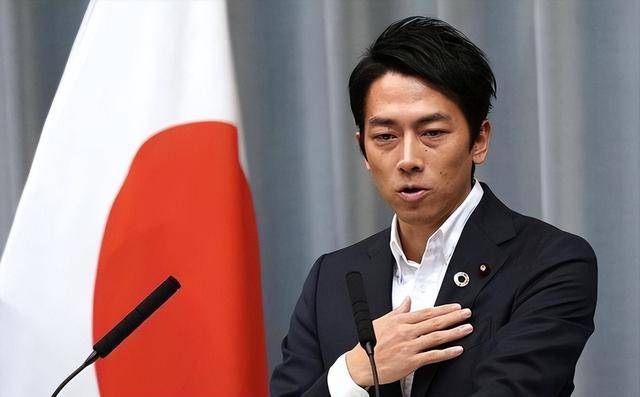
日本执政党议员:日本不会寻求与美国重新谈判贸易协定
Ge Long Hui· 2026-02-22 13:05
Core Viewpoint - The U.S. tariffs increase to 15% has been criticized by a senior member of Japan's ruling party, who emphasized the need for careful discussions regarding any potential renegotiation of trade agreements, particularly concerning automobile tariffs [1] Group 1: U.S. Tariffs Impact - The increase in U.S. tariffs to 15% has been described as "a mess" by former Japanese Defense Minister Tomomi Inada [1] - Inada highlighted that the key issue in last year's trade negotiations was the reduction of automobile tariffs, which are not affected by the recent Supreme Court ruling [1] Group 2: Japan's Trade Negotiation Stance - Inada denied the possibility of Japan seeking to renegotiate trade agreements in light of the new tariffs [1] - Any potential renegotiation would require "thorough and cautious discussions" to avoid negative impacts on automobile tariffs [1]
撕毁协议的机会来了?日媒:“日本不敢”
Xin Lang Cai Jing· 2026-02-22 12:25
Core Viewpoint - The U.S. Supreme Court ruled against the "reciprocal tariffs" imposed by the Trump administration, but Japan is hesitant to terminate the investment agreement with the U.S. despite the ruling [1][4]. Group 1: Legal and Economic Context - The U.S. Supreme Court's decision on February 20 invalidated the 15% reciprocal tariffs on Japanese goods, which were part of Trump's trade policy [1][4]. - Following the ruling, the U.S. government is expected to impose temporary tariffs ranging from 10% to 15% as a substitute measure [1][4]. Group 2: Japan's Response and Strategy - Japan aims to adhere to the investment agreement reached in July, which involves a total investment of $550 billion, to avoid aggravating the U.S. [1][3]. - Despite the invalidation of the reciprocal tariff mechanism, Japan feels compelled to maintain the agreement due to potential repercussions, such as the U.S. imposing a 100% tariff on Japanese automobiles if Japan shows any signs of reconsidering the investment deal [2][5]. Group 3: Historical Context of Tariffs - The Trump administration initially announced a 24% reciprocal tariff on Japanese goods in April, with 14% of that tariff being postponed [1][4]. - The U.S. had previously threatened to increase tariffs to 25% before both countries settled on a 15% tariff on Japanese products [1][4].
美国最高法院关税裁决影响如何?
Xin Lang Cai Jing· 2026-02-22 10:43
Core Viewpoint - The U.S. Supreme Court ruled that most tariffs implemented by Donald Trump since his return to the White House are illegal, undermining a key pillar of his economic plan [1] Group 1: Tariff Changes - The Supreme Court's ruling effectively cancels the "reciprocal" tariffs that applied to nearly all products entering the U.S. [4] - The average actual tariff rate on imported products is expected to decrease from 16.8% to approximately 9.5% [5] - Companies that have paid these tariffs can apply for refunds, although the exact amount is uncertain; economists estimate that the revenue from these tariffs could be around $130 billion to $140 billion by 2025 [5][6] Group 2: New Tariff Implementation - President Trump signed an executive order to impose a new global tariff of 10% starting February 24, lasting for 150 days [2][8] - The new tariff applies to countries that have already signed trade agreements with the U.S., with previous rates being 15% for the EU and Japan, and 18% for India [7] Group 3: Negotiation and Legislative Implications - The Supreme Court's decision may weaken the U.S. government's ability to negotiate trade agreements, as the ability to reduce tariffs is a key negotiation tool [7] - The executive order is based on the Trade Act of 1974, which allows the president to correct trade imbalances but is temporary and requires Congressional approval for long-term implementation [8][9] - A potential solution for the government is to pass legislation granting the authority to reimpose tariffs, but this may be challenging due to upcoming midterm elections and some Republican opposition to Trump's tariff strategy [10]
任正非最难学的地方是什么?对长期利益和短期利益进行分辨、取舍
Sou Hu Cai Jing· 2026-02-22 09:04
Core Insights - The article emphasizes the importance of strategic foresight in business, highlighting that successful companies balance short-term profits with long-term goals [1][4] - Huawei is presented as a case study of a company that effectively integrates strategic thinking into its operations, particularly in its entry into the automotive industry [1][2] Group 1: Strategic Decision-Making - Companies must have a clear understanding of their strategic direction and the balance between immediate financial gains and future growth [1][4] - Effective strategic decisions are based on thorough analysis rather than impulsive actions, especially for larger enterprises where mistakes can lead to significant waste [1][2] - The ability to adapt and maintain a long-term vision is crucial for companies to avoid becoming obsolete in competitive markets [3][4] Group 2: Research and Development - The article underscores the necessity of R&D investment for maintaining competitiveness, particularly in high-tech industries [2][3] - Companies that previously relied on resource integration are now recognizing the importance of R&D, influenced by Huawei's approach [2][3] - Huawei's strategy in the automotive sector includes making its technology accessible to partners, thereby establishing a competitive edge without disrupting market rules [2][3] Group 3: Market Positioning - Companies should focus not only on sales figures but also on their market share and positioning within the industry [4] - The article warns against short-sightedness, using the example of the once-popular PHS (Personal Handy-phone System) to illustrate the risks of neglecting long-term strategy [4] - Strategic leaders must navigate the complexities of balancing short-term and long-term interests, which requires a nuanced understanding of market dynamics [4][5]
男子参加“王婆说媒”,自称公职人员,家里有宾利、保时捷、奥迪,房子很多!工作单位回应:情况不符,已对其批评教育
Mei Ri Jing Ji Xin Wen· 2026-02-22 08:26
Core Viewpoint - A public matchmaking event in Lianyungang, Jiangsu, sparked controversy when a male participant claimed to work for the local government and boasted about his wealth, leading to widespread criticism online [1][4]. Group 1: Event Details - The matchmaking event was organized by "Wang Po" from Kaifeng, Henan, where participants introduced themselves on stage, attracting a dense audience [2]. - A male participant, dressed in yellow, claimed to be 36 years old and employed at the Lianyungang Municipal Government, specifically in the Administrative Affairs Management Bureau, while also mentioning his wealth [2]. Group 2: Public Reaction - The video of the event went viral, prompting many netizens to question the legitimacy of a civil servant having a side business and the display of wealth [4]. - Comments included skepticism about the participant's claims and the appropriateness of his behavior during the event [4]. Group 3: Official Response - The Lianyungang Municipal Government confirmed that the individual is indeed an employee but clarified that he is actually 40 years old, not 36, and owns two cars, one being a second-hand Audi A7 worth 148,000 yuan [5]. - The government stated that they have taken the matter seriously and have conducted an investigation, resulting in a formal reprimand for the individual involved [5]. Group 4: Event Organization - The event required participants to sign a single status agreement and take responsibility for their statements made on stage, although the organizers did not verify personal asset claims [6]. - The event format, initiated by "Wang Po," gained popularity for its humorous style and authentic matchmaking atmosphere, leading to similar events being held in various locations [6].

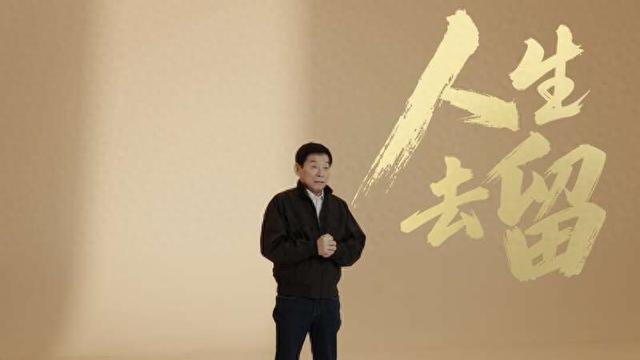
聚焦青年发展话题,长城汽车《人生去留》短片折射汽车行业发展新需求
Zhong Guo Qing Nian Bao· 2026-02-22 08:02
2月22日, 业内人士分析指出,将"态度短片"与"招聘启事"并置,长城汽车的意图颇为清晰:在理解年轻人选择困 境的基础上,为他们的选择提供实际的支撑。这种"先共情、后行动"的逻辑,折射出企业人才观的变 化。 长城汽车发布《人生去留》短片,聚焦青年发展话题。长城汽车供图 在汽车行业加速变革的当下,人才的竞争已从单纯的薪酬福利比拼,延伸到对企业价值观、成长空间与 人文关怀的综合考量。对于正在经历电动化、智能化转型的各大车企而言,如何吸引、留住并激发年轻 人才的创造力,直接关系到企业的创新能力和长期竞争力。 在这样的背景下,长城汽车试图在品牌与用户、企业与员工之间建立更深层的情感连接。这种"长期主 义"的沟通方式,或将向外界传递出更有温度的企业形象。 来源:中国青年报客户端 中国青年报客户端讯(中青报·中青网记者 张真齐)2月22日,长城汽车发布了一则题为《人生去留》的 短片。与多数车企在营销节点主打产品、技术或品牌形象不同,这部短片将镜头对准了一个看似与汽车 无关的话题——年轻人在去"远方"与留"家乡"之间的抉择。 记者注意到,短片以第一人称独白展开,呈现如今不少年轻人在人生路口的两难处境:是去远方闯荡未 知的天 ...