咖啡

Search documents
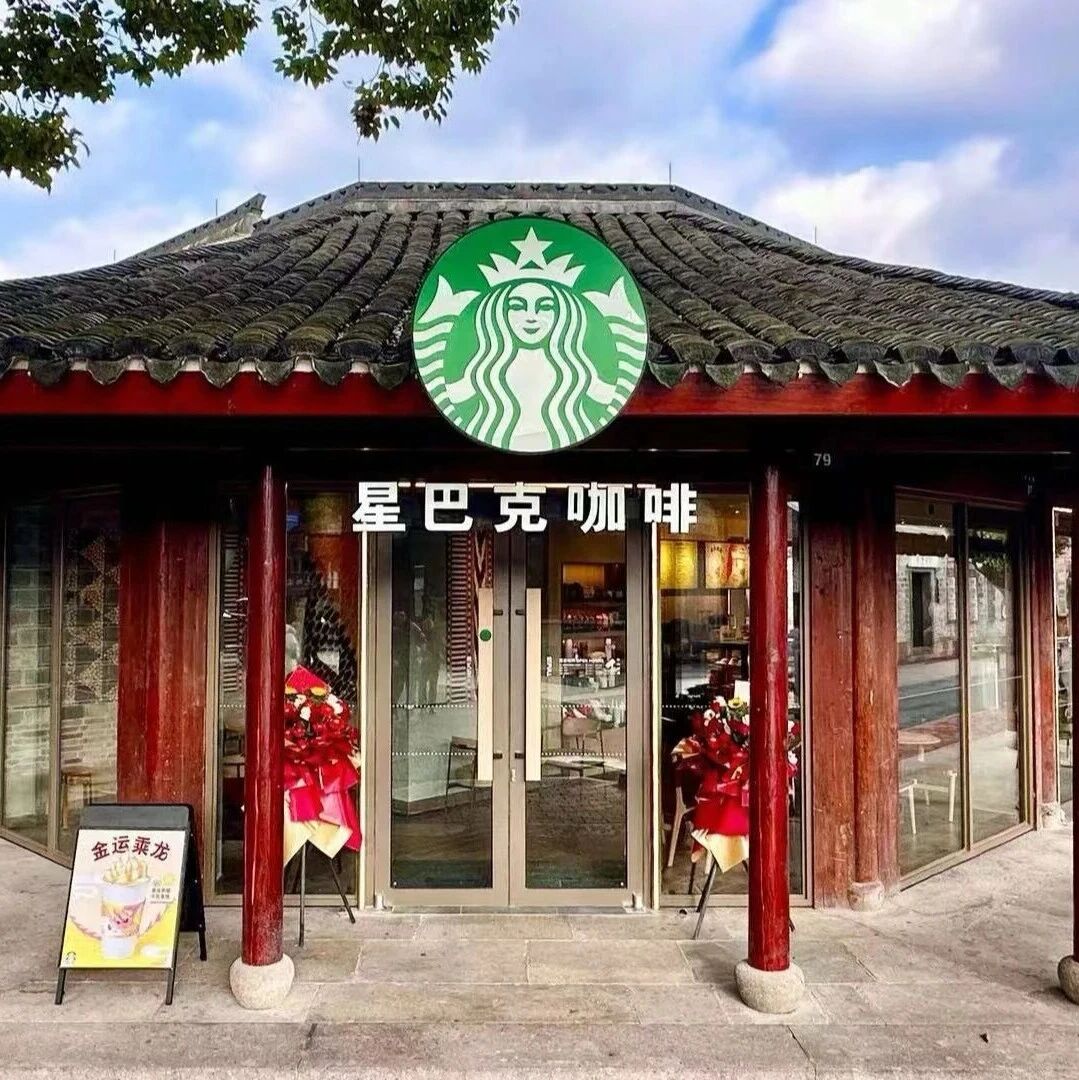
星巴克未来半年至少在香港开4间新店
Ge Long Hui A P P· 2026-01-30 01:36
Core Viewpoint - Starbucks is focusing on a measured expansion strategy in Hong Kong, with plans to open at least 4 new stores in the next six months, emphasizing locations in commercial, office, and tourist areas [1] Group 1: Store Expansion - Starbucks currently operates 165 stores in Hong Kong and plans to open at least 4 more in the next six months [1] - The company is not pursuing an aggressive expansion strategy, instead prioritizing strategic locations [1] Group 2: Market Conditions - There is a slight recovery in consumer spending among Hong Kong residents, contributing to a moderate increase in foot traffic and sales for Starbucks [1] - The overall economic recovery in Hong Kong is positively impacting the company's performance [1] Group 3: Competitive Landscape - Starbucks differentiates itself from competitors like Luckin Coffee, focusing on brand positioning rather than engaging in price wars [1] - The company aims to collaborate with other brands to expand the overall coffee market rather than compete solely on price [1]

湖南口岸首次进口卢旺达咖啡豆
Xin Lang Cai Jing· 2026-01-29 18:46
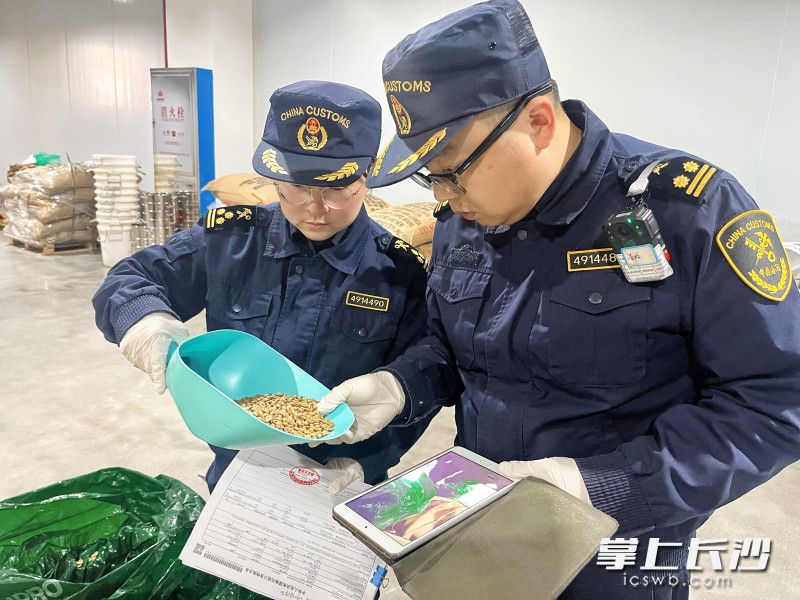
Core Insights - A batch of 2.4 tons of raw coffee beans from Rwanda has successfully cleared customs at Changsha Airport, benefiting from China's zero-tariff policy for products from least developed countries, resulting in a tax reduction of over 12,000 yuan for the importing company [1][3] - This import marks the first arrival of Rwandan coffee beans at the Hunan (Changsha) Coffee Industrial Park, indicating a significant step in expanding direct sourcing channels from Africa and enhancing the coffee supply chain in Hunan [3] - Rwandan coffee is recognized for its unique fruity aroma and high quality, with export revenues projected to reach nearly 150 million USD by 2025, setting a historical record [3] Industry Developments - The imported coffee beans will undergo roasting and further processing at the Hunan (Changsha) Coffee Industrial Park before being released into the domestic market [3] - The Changsha Huanghua Airport Customs has implemented measures to improve customs efficiency for coffee imports, including real-time flight tracking and expedited inspection processes [3] - The importing company plans to leverage the stable cargo routes between China and Africa to continuously increase the scale of Rwandan coffee bean imports, thereby enriching the domestic coffee market supply [3]

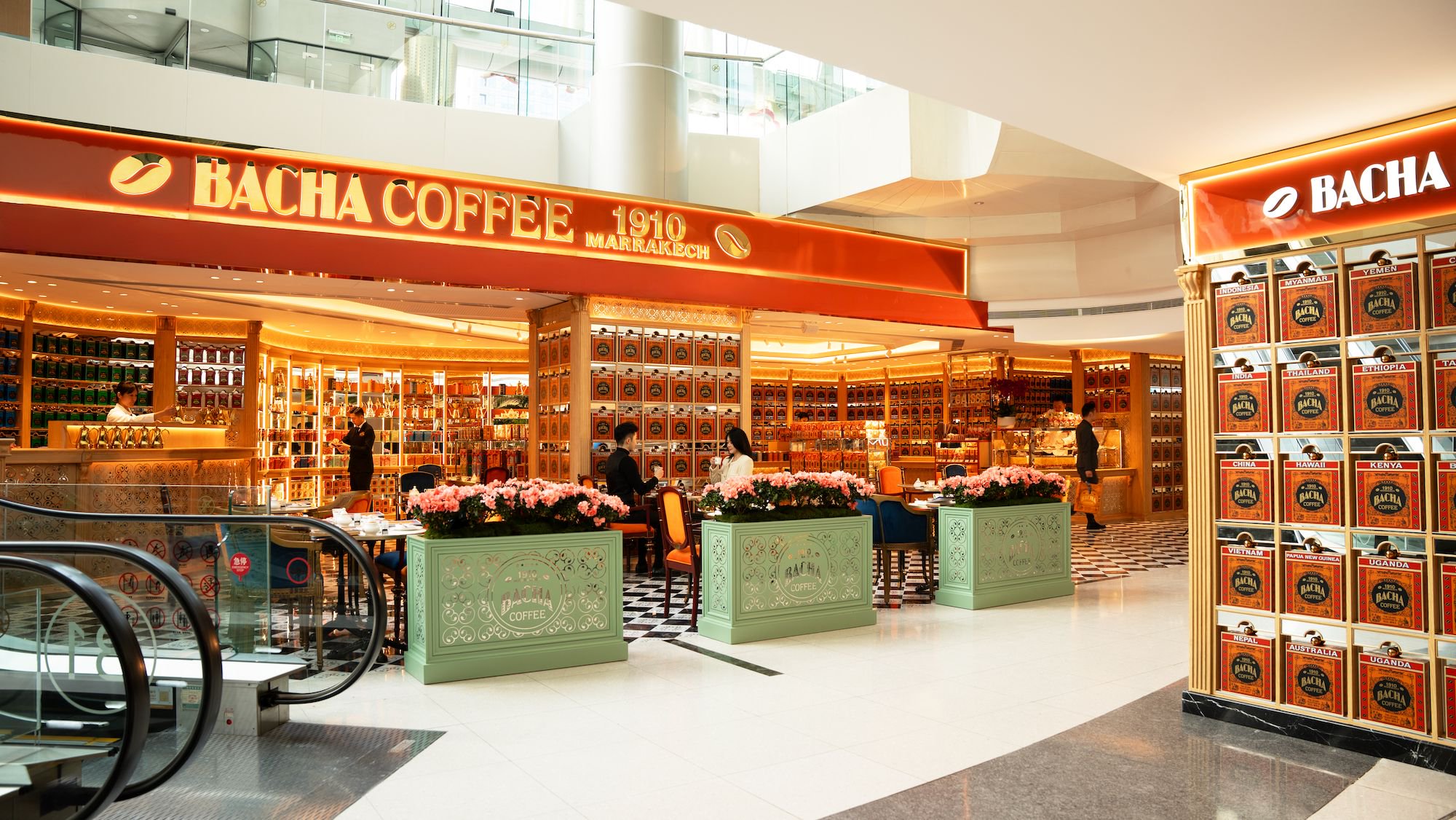
Bacha Coffee夿萐咖啡中国内地首店入驻北京国贸商城,打造非凡味蕾盛宴
Xin Lang Cai Jing· 2026-01-29 13:36
文 | 酷乐志 1月28日, 源自摩洛哥的传奇咖啡品牌Bacha Coffee夿萐咖啡中国内地首店——北京国贸商城旗舰店盛大开业。门店坐落于核心繁华商圈国贸商城内,占地面 积达210平方米,呈现夿萐咖啡标志性的咖啡精品馆、咖啡精品店与外带服务概念,打造咖啡体验空间。 夿萐咖啡始于1910年摩洛哥马拉喀什宏伟的达夿萐宫殿之中。在那个咖啡文化的黄金时代,来自世界各地的名流雅士时常齐聚于此,围绕着一壶壶阿拉比卡 咖啡畅谈交流。"夿萐咖啡自1910年便开启其传奇篇章,于每一杯精心烘酿中沉淀百年底蕴。"V3 Gourmet 集团总裁兼首席执行官塔哈·布科迪表示,"夿萐咖 啡北京国贸商城旗舰店致力点亮宾客关于远方的想象,正如咖啡的迷人香气从感官上唤起我们对探索世界的期许。门店融汇现代理念与传统精髓,,打造别 具一格的质感体验,既致敬过往,也开创未来。其中,我们精心挑选的超过200种100%阿拉比卡精品咖啡豆正是这里的绝对主角。" 夿萐咖啡北京新店惊喜亮相,解锁多重奢享体验 精品咖啡店区域甄选来自全球35个知名咖啡产区优质的100%阿拉比卡精品咖啡豆,品类涵盖单品咖啡、精致混合咖啡、精致风味咖啡及天然二氧化碳低因 咖啡。经 ...
星巴克一季度中国市场营收增长11%,年初将完成与博裕资本的交易
第一财经· 2026-01-29 13:31
Core Viewpoint - Starbucks reported a revenue of $9.9 billion for Q1 of fiscal year 2026, marking a 6% year-over-year increase, but net profit decreased to $293 million from $781 million in the same period last year [3][4]. Group 1: Financial Performance - The global same-store sales increased by 4%, with North America and the U.S. markets also seeing a 4% growth [3]. - In the Chinese market, revenue grew by 11% to $823.4 million, with same-store sales increasing by 7% driven by a 5% increase in transaction volume and a 2% increase in average ticket size [5]. - Starbucks anticipates that certain macroeconomic pressures, including tariffs and rising coffee bean costs, will ease in the second half of the fiscal year [4]. Group 2: Market Expansion and Strategy - Starbucks is actively expanding into lower-tier cities, having entered 13 new county-level cities, bringing the total to 8,011 stores across 1,103 county-level cities, a 4% year-over-year increase [5]. - A significant adjustment in the Chinese business was announced, with a joint venture established with Boyu Capital, which will acquire up to 60% of the retail business, while Starbucks retains 40% ownership and continues to hold brand and intellectual property rights [5][6]. - The partnership with Boyu Capital is expected to lead to reduced depreciation and amortization, as well as lower store operating costs, with completion anticipated in early 2026 [6]. Group 3: Competitive Landscape - Despite the partnership, Starbucks faces intense competition in the Chinese market, particularly from Luckin Coffee, which has surpassed Starbucks in store count and revenue [6]. - Analysts express optimism regarding the joint venture, predicting accelerated store openings, more precise local operations, and improved supply chain integrity as key benefits [6].
2026年苏超赞助商公布,小微企业可花5万元上桌
2 1 Shi Ji Jing Ji Bao Dao· 2026-01-29 10:31
Core Insights - The 2026 Jiangsu Provincial Urban Football League (referred to as "Su Super") is set to continue the momentum generated by its inaugural season in 2025, with a strong lineup of sponsors and heightened public interest [1][2] Sponsorship and Financial Aspects - The 2026 season has attracted 24 sponsors, including notable companies such as Jiangsu Bank, Suhao Holding Group, Heineken, Adidas, and Ant Financial, showcasing a robust sponsorship portfolio [1][2] - The total sponsorship amount for the 2026 season was previously reported to exceed 202 million yuan, although this figure is still subject to confirmation due to pending agreements [2] Audience Engagement and Popularity - The inaugural season of Su Super saw significant audience engagement, with a total attendance of 2.43 million across 85 matches, averaging 28,000 spectators per match, and online viewership reaching 2.2 billion [4] - The league has generated a cultural phenomenon, with various social media trends and memes emerging from the matches, indicating a strong community connection and engagement [4][5] Socioeconomic Context - The success of Su Super is attributed to the unique competitive spirit among the 13 cities in Jiangsu, each with its own economic strengths and cultural pride, creating a vibrant local rivalry [5][6] - The league's rapid growth in sponsorship from 6 to nearly 40 partners within a year reflects the effective governance and responsiveness of local authorities to capitalize on this sporting event [5] Changes and Innovations for the New Season - The 2026 season will introduce a new competition format, including a two-leg knockout stage in the playoffs, increasing the total number of matches to 91 [8] - The league will also expand its sponsorship model to include small and micro enterprises, allowing them to participate as official sponsors, thereby enhancing community involvement [9] Broader Implications and Future Prospects - The success of Su Super has inspired other regions to launch similar sports events, but experts suggest that replicating its success requires a deep understanding of local cultural and social dynamics [10]



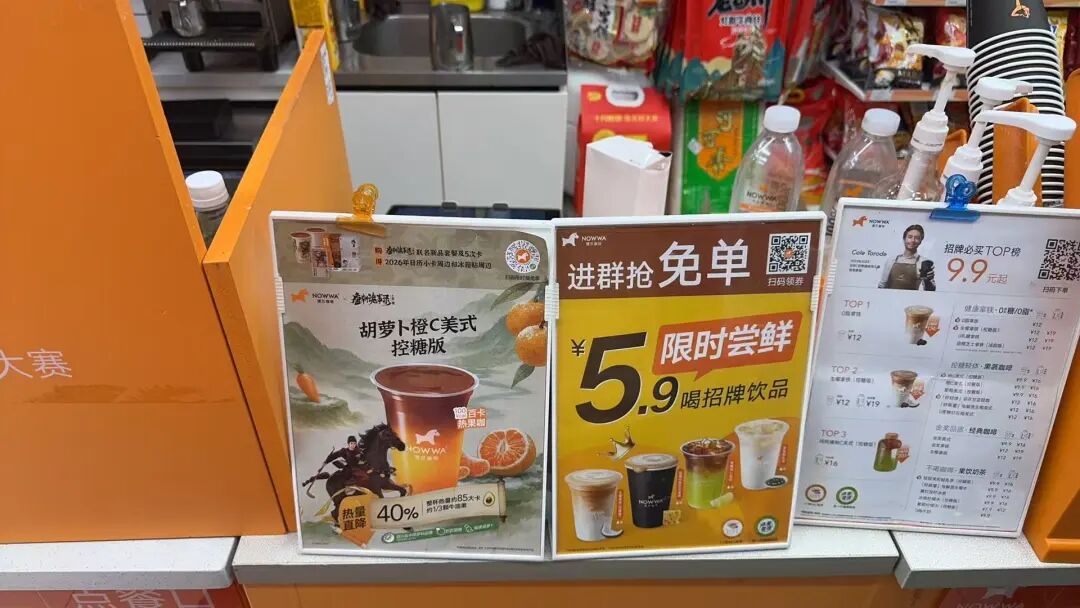
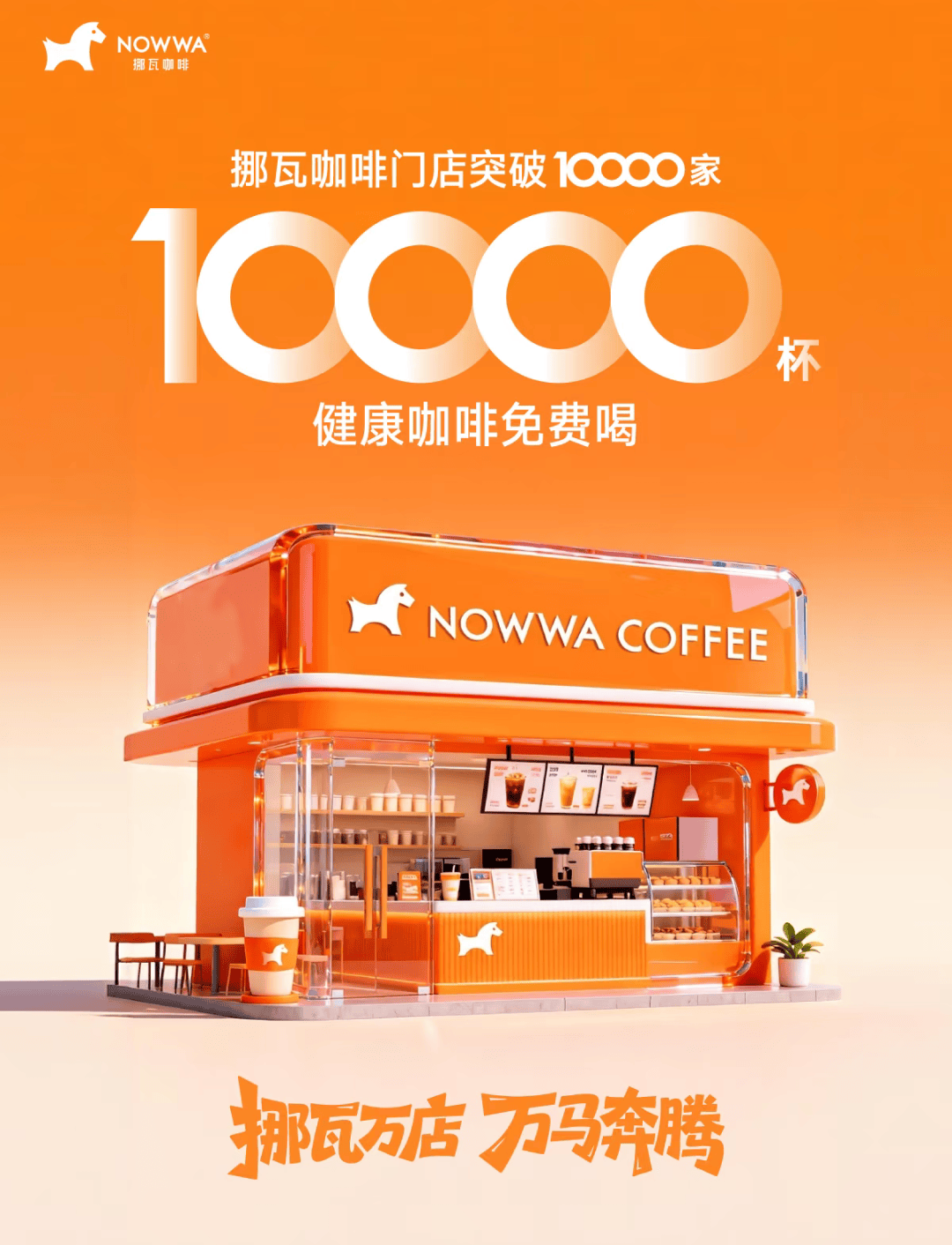
挪瓦咖啡宣布完成数亿元C轮融资,多家明星投资机构同时押注
Sou Hu Cai Jing· 2026-01-29 05:15
Core Insights - NOWWA Coffee completed a multi-billion C round financing on January 26, attracting several investment institutions, marking the largest financing in China's catering industry over the past year [1][3] - The investment reflects strong confidence in NOWWA Coffee's core competitiveness and future growth potential, with a unique and sustainable growth path in both Chinese and global markets [1] Company Overview - NOWWA Coffee, established in June 2019, has rapidly expanded, with a goal of over 10,000 global stores by October 2025, covering more than 300 cities including Macau [5] - The brand positions itself as a health-focused coffee provider, offering products that are "0 sugar, low fat, and low calorie," aligning with consumer health trends [5][6] Growth and Expansion - In the past year, NOWWA Coffee achieved rapid growth, with a peak monthly store opening rate of 1,800, expanding its presence in over 300 cities and entering overseas markets such as Australia and Southeast Asia [2] - Following the C round financing, the company plans to invest in product research and development, brand building, digital operations, and supply chain upgrades to accelerate its global expansion [3] Market Position - NOWWA Coffee has become one of the top three coffee brands in terms of domestic store count, capitalizing on the trend of "milk tea-ification" in the coffee industry [5][6] - The company has established a comprehensive supply chain with its own coffee production and raw material supply system, including a roasting factory set to commence operations in 2025 [1]
“深耕中国市场的决心从未改变”(见证·中国机遇)
Ren Min Ri Bao· 2026-01-29 01:21
Core Viewpoint - Charoen Pokphand Group (CP Group) has evolved from a small seed business in Thailand to one of the largest multinational enterprises in China, significantly contributing to the country's economic development and benefiting from the opportunities presented by China's reform and opening-up policy [9][10][12]. Group 1: Company History and Development - CP Group was founded in 1921 by a young entrepreneur, who started a seed business in Bangkok, laying the foundation for its future expansion into China [10][11]. - The company made its first investment in China in 1979, establishing a modern feed factory in Shenzhen, marking the beginning of its significant presence in the Chinese market [11][12]. - By 2024, CP Group has established over 670 enterprises in China, employing more than 80,000 people across various sectors, with a total revenue of 208 billion RMB [12][19]. Group 2: Investment Strategy and Market Position - CP Group has consistently increased its investment in China, adapting to market changes and focusing on high-quality development opportunities [12][19]. - The company operates in over ten sectors, including agriculture, food production, retail, pharmaceuticals, and industrial sectors, making it the largest foreign investor in China [12][19]. - CP Group's business philosophy emphasizes mutual benefits for the country, the people, and the enterprise, which has guided its operations in China [12]. Group 3: Innovation and Product Development - CP Group has embraced technological advancements in its operations, such as using smart robots for poultry farming, which allows one person to manage 168,000 chickens [13]. - The company has diversified its product offerings to meet the growing demand for healthy and varied agricultural products, including specialized egg products [13][14]. - CP Group is exploring new business models, such as industrial tourism, to enhance consumer engagement and adapt to the evolving economic landscape [13][14]. Group 4: Cultural and Economic Integration - The establishment of the Xinglong Coffee Cultural Park reflects CP Group's commitment to integrating local culture with its business operations, promoting tourism and cultural heritage [16][17]. - The park features a blend of traditional coffee processing techniques and modern technology, aiming to create an immersive experience for visitors [17]. - CP Group's coffee products have begun to export internationally, leveraging China's free trade policies to expand its market reach [18]. Group 5: Future Outlook - CP Group plans to accelerate its digital transformation and invest in new technologies over the next decade, focusing on hard technology, robotics, and smart manufacturing [18][19]. - The company remains optimistic about China's long-term development prospects and aims to contribute to the country's high-quality economic growth and social progress [19].

近60亿,星巴克中国第一财季营收增长11%
3 6 Ke· 2026-01-29 00:37
Core Insights - Starbucks reported a strong performance in Q1 of FY2026, with net revenue in China reaching $823.4 million (approximately 5.7 billion RMB), marking an 11% year-over-year increase, and same-store sales growing by 7% [1][4][21] - The CEO highlighted the exceptional performance in the Chinese market and the strategic partnership with Boyu Capital, following the announcement of a 60% stake sale in its China operations [1][9][21] - Following the positive quarterly results and the long-awaited FY2026 guidance, Starbucks' stock price rose by 7.6% in after-hours trading [1][21] Financial Performance - For Q1 FY2026, Starbucks' global consolidated net revenue increased by 6% to $9.9 billion (approximately 68.8 billion RMB), with GAAP earnings per share at $0.26 and non-GAAP earnings per share at $0.56 [21] - The company added 128 new stores, bringing the total to 41,118, with 52% being company-operated and 48% franchised [21] - Same-store sales in the U.S. grew by 4%, marking the first increase in two years, driven by a rebound in customer traffic [25][27] International Business - Internationally, same-store sales grew by 5%, with significant contributions from self-operated markets like China, Japan, and the UK [6][21] - The company plans to continue cautious and rhythmic store expansion, with a net addition of 79 international stores in Q1 [8] Strategic Partnership - Starbucks has formed a joint venture with Boyu Capital to operate its retail business in China, with Boyu holding up to 60% equity [9][11] - The partnership aims to enhance Starbucks' presence in lower-tier cities in China, where significant growth opportunities exist [15][14] Future Outlook - Starbucks anticipates global and U.S. same-store sales growth of 3% or more for FY2026, with a similar growth rate for consolidated net revenue [23] - The company expects to add approximately 600 to 650 new stores globally in FY2026 [23] Customer Experience Initiatives - Starbucks continues to enhance the "third space" experience, focusing on creating a unique environment for customers [17] - Recent collaborations with various groups aim to improve member value and experience, including joint membership programs and special events [19]
万店咖啡获融资,但超大消费别被K线骗了
Sou Hu Cai Jing· 2026-01-28 10:40
Group 1 - A domestic coffee brand, established for less than 7 years, has recently completed a C round financing of several hundred million yuan and surpassed 10,000 global stores, backed by prominent investors like Junlian Capital and GSR Ventures [1] - The rapid expansion to 10,000 stores is seen as a milestone, but it also presents challenges such as low brand recognition and difficulties in maintaining product quality [1] - The investment landscape often shows a pattern where popular sectors attract capital, yet the actual performance can be volatile, leading to investors either selling too early or holding onto losing positions [1] Group 2 - Market fluctuations can mislead investors, causing them to either hold on too long or sell prematurely, resulting in missed opportunities or losses [2] - An example highlights that despite a stock's overall upward trend, it can experience significant adjustments, which can confuse investors [2] - The "institutional inventory" metric reflects the activity level of institutional funds, indicating that even during price declines, institutional participation can remain strong, suggesting underlying trading momentum [5] Group 3 - The disappearance of "institutional inventory" during a price adjustment signals a lack of active participation from institutional investors, which can lead to deeper price corrections [5][10] - Relying solely on personal experience or intuition in trading can be detrimental; instead, monitoring "institutional inventory" provides a more reliable signal of market dynamics [9] - Quantitative data analysis can reveal patterns in institutional trading behavior, allowing investors to see beyond misleading price movements and understand the true market activity [10] Group 4 - The core value of quantitative data is to replace subjective judgments with objective metrics, helping investors develop a probability-based mindset [11] - The recent financing of the coffee brand illustrates how capital interest reflects broader market judgments about the sector and business model [11] - Utilizing quantitative tools can enable investors to quickly grasp market realities without being swayed by price fluctuations, focusing on key indicators for better decision-making [11]
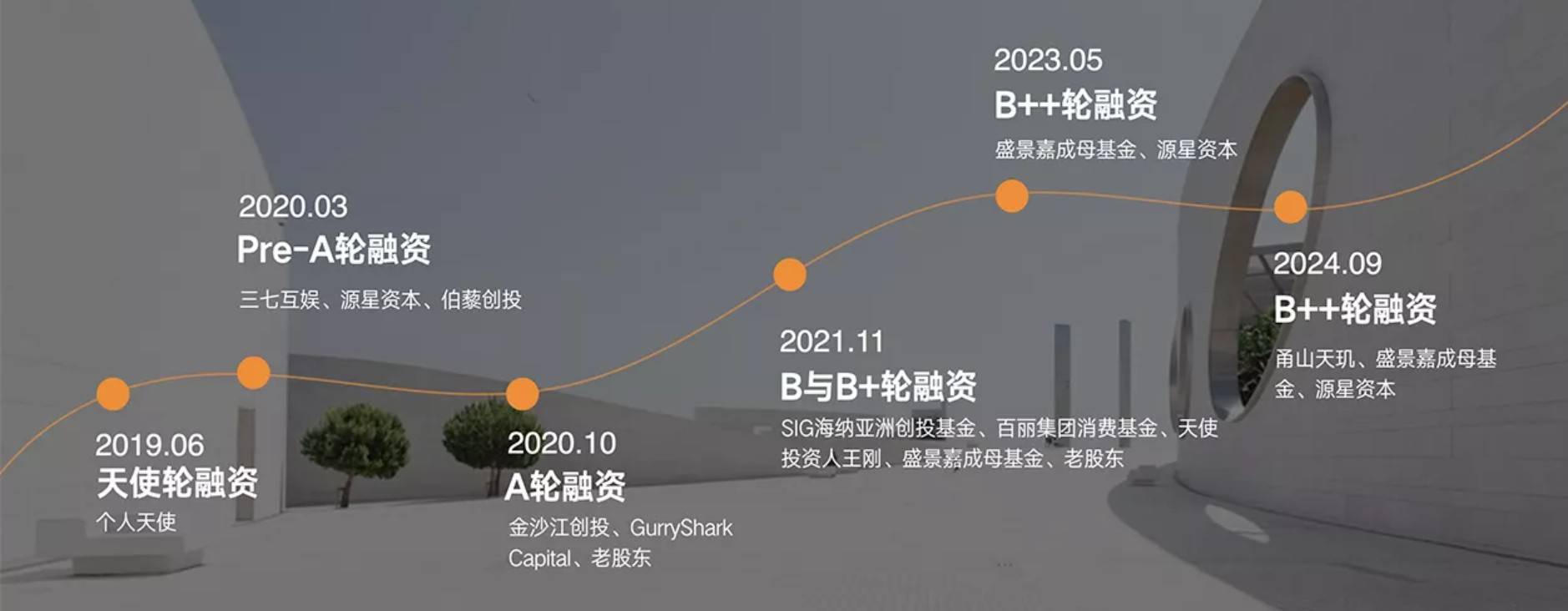
国内第四个万店咖啡品牌,融资了
3 6 Ke· 2026-01-28 02:44
Group 1 - NOWWA Coffee has completed a C round financing of several hundred million yuan, attracting multiple investment institutions including Junlian Capital and Shengwang Fund [1] - The company has completed seven rounds of financing since its establishment, with notable investors such as Sanqi Interactive Entertainment and SIG Asia Investment [1] - As of December last year, NOWWA Coffee announced that it had surpassed 10,000 stores, becoming the fourth coffee brand in China to join the "10,000-store club" [1] Group 2 - NOWWA Coffee primarily operates through a "store-in-store" model, partnering with convenience stores like Meiyijia to set up joint counters [2] - The company adopted a light-asset operation strategy from the beginning, allowing for rapid national market expansion [4] - In 2024, NOWWA Coffee refocused on the "store-in-store" model and accelerated expansion through franchise partnerships, which was a key turning point for its growth [4] Group 3 - As of January 20, NOWWA Coffee had 7,693 stores, with a significant increase in store openings, including 1,800 in a single month [5][6] - The company has a high franchise ratio, with over 80% of its stores being franchises, and aims to build a diverse store ecosystem based on market demand [5] - Analysts note that the "store-in-store" model allows NOWWA Coffee to leverage existing traffic and resources from convenience stores, reducing operational costs [5] Group 4 - The coffee market in China is becoming increasingly competitive, with brands like Luckin Coffee and Kudi also reaching significant store counts [6] - The profitability of coffee brands is challenged by the volatility of raw material prices, making it harder to achieve margins compared to other beverage sectors like tea [7] - Analysts predict that by 2028, the Chinese coffee market will enter a phase of brand consolidation, with key factors for sustainable development including brand effect, scale effect, and supply chain completeness [8]