外卖

Search documents
“逃离”外卖大战的商家
Hu Xiu· 2025-08-04 02:39
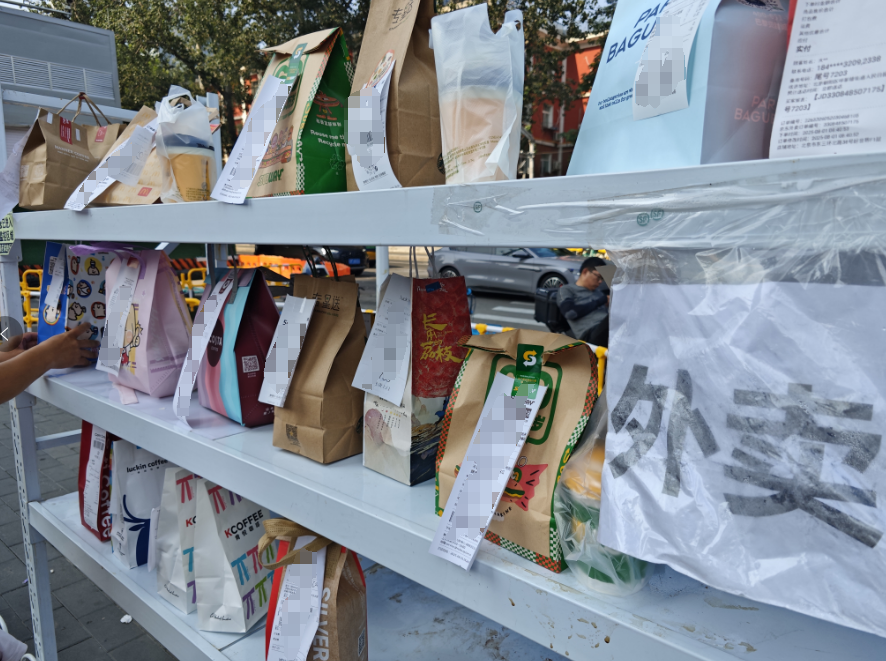
动辄千万量级的订单、百亿级真金白银的投入,一度将这个行业推向低价争夺战的怪圈。直到7月18日,市场监管总局约谈饿了么、美团、京东三家平台 企业。8月1日,三家平台同一天发布声明,表示将规范补贴行为、反对恶性竞争、共同维护行业生态。 持续三个多月的外卖大战,终于有了些缓和的迹象。 然而,在平台尚未彻底"刹车"之前,被裹挟其中的商家,早已疲惫不堪。 从南京到广州,从寿司店到糖水铺,再到街角的柠檬茶门店,从个体商家到品牌连锁,这场看似热闹的"外卖狂欢"背后,是一笔越来越难算的账:一边是 订单暴涨、忙不过来,另一边是在补贴分摊之下的利润下滑。有人被迫涨价,有人关闭线上渠道,有人放弃堂食大店重新租小档口All in外卖…… 本文试图回到这场战争中的"个体",从商家的讲述出发,通过真实账单、应对方法和犹豫挣扎,记录这场大战带来的冲击。 两难的商家,困在补贴里 "加入外卖大战,会死得慢一点。不加入,死得快。"不少餐饮商家在聊起外卖大战时,都这样感慨。 江苏的茶饮商家王渝,几个月前就察觉出异常。他在南京加盟了一家品牌茶饮,为了提高收入,顺带着自营了一家烘焙店。年后堂食基本每天都有五六十 单,但到了四月底,线上订单开始激增,堂 ...



最怕打“外卖大战”的,正是市占率七成的美团
商业洞察· 2025-08-04 02:34
这场疯狂的游戏,终于玩到头了。 侃见财经 . 看见不一样的财经! 8月1日,美团、饿了么、京东三大外卖平台,在同一天集体发文抵制恶性竞争,旨在促进餐 饮服务行业规范健康持续发展。 以下文章来源于侃见财经 ,作者侃见财经 作者: 侃见财经 来源:侃见财经 ---------------------------------- 谁最不想打"外卖大战"? 从这一系列信号可以看出, 面对这场来势汹汹的"外卖大战",美团似乎不想打,也不想战线被无 限期延长。 其实,从美团的角度出发,可以非常清晰地了解到, "外卖大战"越激烈美团的市场地位越危险, 美团承受的冲击也会越大。 近日,美团在上海召开外卖行业高质量发展恳谈会。 在恳谈会上,多家全国连锁品牌、上海本地餐饮及个体商户表达了担忧:被迫参与价格战、外卖 客单价下滑7到10元、到手收入减少15%、补贴一停顾客可能减少消费等等。某头部茶饮品牌外 卖业务负责人说,这种非理性补贴带来"虚假繁荣"。 这场恳谈会释放了诸多信号: 其一是,美团是这场恳谈会的发起者,会上的主流论调一定程度代表了美团的态度。 其二是,恳谈会的主题是,价格战的负面影响巨大,餐饮商户损失惨重,虽然这未必符合 ...

由比“谁烧钱更狠”转向“谁做得更好”
Jing Ji Wang· 2025-08-04 01:29
Core Viewpoint - The recent "0 yuan purchase" phenomenon in the food delivery market has led to significant waste and unsustainable competition, prompting major platforms to halt irrational promotional activities [1][2][5]. Group 1: Market Dynamics - Major food delivery platforms like Meituan, Ele.me, and JD.com have collectively decided to stop "0 yuan purchase" and other irrational subsidies, emphasizing the need for sustainable pricing strategies [2][5]. - The recent competition among these platforms has been characterized as "involutionary," where businesses are forced to bear the costs of subsidies, leading to increased commission rates and unsustainable practices [7][11]. Group 2: Regulatory Environment - The Central Political Bureau's meeting on July 30 highlighted the need for optimizing market competition and regulating disorderly competition, signaling a shift towards more responsible business practices [6][11]. - The draft amendment to the Price Law of the People's Republic of China aims to curb below-cost selling practices, indicating a tightening regulatory framework for the industry [10]. Group 3: Consumer Behavior and Impact - Consumers have been taking advantage of low prices, leading to excessive ordering and food waste, with reports of businesses discarding unsold products after closing [7][8]. - Experts suggest that consumers attracted by low prices are not loyal, and once subsidies are removed, they quickly switch to other options, highlighting the fragility of this business model [8][11]. Group 4: Market Reactions - Following the announcements from the platforms, stock prices for Meituan, Alibaba, and JD.com saw increases, reflecting market optimism for a return to rational competition [11].

“反内卷”破局 中国经济从“价格红海”向“价值蓝海”跨越
Yang Guang Wang· 2025-08-04 01:01
Core Viewpoint - The article discusses the ongoing "anti-involution" movement in various industries, emphasizing the need to shift from price wars to value-based competition, driven by recent government policies aimed at regulating low-price competition and promoting quality improvement [1][2]. Group 1: Government Policies - The Central Financial Committee's sixth meeting highlighted the need to govern low-price disorderly competition legally and to guide companies towards enhancing product quality [1]. - Recent government meetings have provided clearer arrangements for addressing "involution," indicating a top-down approach to economic governance [1]. - The draft amendment to the pricing law includes provisions related to "anti-involution," addressing issues like low-price dumping and price collusion to establish a high-level pricing governance mechanism [1]. Group 2: Industry Response - Various industries, including automotive, photovoltaic, cement, steel, pharmaceuticals, finance, catering, e-commerce, and food delivery, are calling for "anti-involution," indicating a collective need to escape the constraints of low-price competition [2]. - The shift from "price for volume" to "quality enhancement" is seen as essential for industries as China moves towards high-quality economic development [2]. - Companies are encouraged to adopt long-term development strategies, with leading firms urged to take the initiative in resisting vicious competition and fostering a healthier market environment [2].
人民日报刊评:公平竞争,做大外卖“蛋糕”
news flash· 2025-08-04 00:59
Core Viewpoint - The three major food delivery platforms in China have called for the regulation of industry competition to correct market failures and establish a fair competitive environment for all business entities [1] Industry Summary - The article emphasizes that disorderly competition is detrimental to both industry health and the platforms themselves, advocating for a return to rational competition to create greater value [1] - It highlights that irrational competition leads to a lose-lose situation, while rational competition can enhance total factor productivity, benefiting consumers and ensuring companies can innovate [1] - Regulatory bodies are encouraged to guide platforms away from price wars towards improving internal capabilities and creating new value through innovation and service upgrades [1] Market Potential - With a population of over 1.4 billion, the Chinese market is large enough to accommodate fair competition among multiple platforms [1] - The article suggests that platforms should leverage their strengths and collaborate to expand the market, creating a better ecosystem for consumers, merchants, and delivery personnel [1]
理想回应「碰撞测试」:其卷入舆论争议属无心之举;吉利智驾大整合:极氪整体并入千里科技;TikTok 合并核心产品与信任安全团队
雷峰网· 2025-08-04 00:48
Key Points - DJI's first panoramic camera, Osmo 360, has reported fogging issues, which the company attributes to user error in humid conditions, stating that the fogging is an isolated incident [4][5] - Li Auto responded to public backlash regarding a crash test involving its i8 model, clarifying that the test was not intended to compare with other brands and that it does not compete directly with Dongfeng Liuzhou [7][8] - Gree Electric Appliances has denied allegations of financial misconduct involving its executives, stating that the claims are false and have been reported to the police [10] - Zunpai Technology was fined for stealing Huawei's chip technology, with 14 former employees sentenced and a total fine of 13.5 million yuan imposed [10][11] - Silicon-based Intelligence has addressed rumors of layoffs, asserting that it has a stable research and sales team and plans to expand its workforce significantly by 2026 [12][13] - Geely has restructured its intelligent driving teams, integrating the Zeekr team into Qianli Technology, indicating a strategic shift towards a unified technology platform [15][16] - Neta Auto has resumed full operations, with 47 potential investors expressing interest in funding its restructuring efforts, despite significant debts [17] - Faraday Future has denied allegations of copying Great Wall Motors, emphasizing its collaborative development approach [18] - Major Chinese food delivery platforms, including Meituan and JD, have collectively called for an end to cutthroat competition in the industry, promising to regulate subsidy practices [19] - IM Motors has introduced a new range-extended electric vehicle system, claiming significant improvements in efficiency and range [20][21] - Apple reported a 10% increase in total revenue, with a notable 4% growth in revenue from the Greater China region, attributed partly to government subsidies [30][31] - TikTok has merged its core product and trust safety teams to better address uncertainties in the U.S. market [33] - Intel is undergoing significant leadership changes in its wafer foundry business, with three senior executives set to retire [34][35] - Shein reported over $10 billion in revenue for Q1 2025, benefiting from a rush of consumer purchases before new tariffs take effect [36] - Tim Cook has officially become the longest-serving CEO in Apple's history, surpassing Steve Jobs [37]




外卖补贴大战“停火”,行业回归理性竞争
Zheng Quan Shi Bao· 2025-08-03 23:21
Core Viewpoint - The recent commitments from major food delivery platforms to regulate promotional activities and resist unfair competition signal a shift towards rational competition in the industry after a period of intense subsidy wars [1][2]. Group 1: Industry Dynamics - The food delivery industry has become an essential part of daily life, providing convenience for consumers and new sales channels for businesses [1]. - Recent aggressive subsidy practices, such as "0 yuan purchase," have harmed not only merchants' interests but also consumer experience, rider rights, and the long-term development of the industry [1]. - While large-scale subsidies can temporarily stimulate consumption and increase online orders, the negative effects of extreme subsidies are becoming apparent [1]. Group 2: Regulatory Actions - In response to the situation, regulatory authorities took action by meeting with major platforms like Ele.me, Meituan, and JD.com, urging them to comply with laws and regulations and to rationally participate in competition [2]. - The collective commitment from these platforms to resist malicious competition is seen as a positive signal for industry development [2]. - Each platform has expressed intentions to adhere to legal standards, eliminate unfair competition, and create transparent subsidy mechanisms to support merchants [2]. Group 3: Future Outlook - The healthy development of the food delivery industry is crucial for driving consumption and promoting employment [3]. - With the platforms' collective resistance to malicious competition, the industry is expected to enter a new phase of development [3]. - Establishing a fair and mutually beneficial industry ecosystem is essential for stimulating market vitality, fostering continuous innovation, and creating value for consumers, merchants, and riders [3].
公平竞争,做大外卖“蛋糕”(经济时评)
Ren Min Ri Bao· 2025-08-03 21:46
Group 1 - The core viewpoint emphasizes the need for regulating low-price disorderly competition to correct market failures and establish a fair competitive environment for various business entities in a unified national market [1][2] - Major food delivery platforms, including Meituan, Ele.me, and JD.com, have collectively called for the standardization of industry competition, pledging to adhere to relevant laws and eliminate unfair competition practices [1][2] - The recent surge in promotional activities like "0 yuan purchase" and "1 cent grab" reflects the intense competition among platforms for user traffic and market share in the local life service sector [1][2] Group 2 - Disorderly competition is detrimental not only to the healthy development of the industry but also to the platforms themselves, potentially distorting market consumption structures and impacting normal business operations [2] - Rational competition is essential for creating greater value, as irrational competition leads to a lose-lose situation, while rational competition can enhance overall productivity and benefit both consumers and businesses [2] - The newly revised Anti-Unfair Competition Law will take effect on October 15, explicitly prohibiting platform operators from forcing or indirectly forcing merchants to sell products below cost, thereby disrupting market order [3]
外卖补贴大战“停火” 行业回归理性竞争
Zheng Quan Shi Bao· 2025-08-03 18:42
Core Viewpoint - The recent commitments from major food delivery platforms to regulate promotional activities and resist unfair competition signal a shift towards rational competition in the industry after a period of intense subsidy wars [1][2]. Group 1: Industry Dynamics - The food delivery industry has become an essential part of daily life, providing convenience for consumers and new sales channels for businesses [1]. - Recent aggressive subsidy practices, such as "0 yuan purchase," have harmed not only merchants' interests but also consumer experience, rider rights, and the long-term development of the industry [1]. - While large-scale subsidies can temporarily stimulate consumption and increase online orders, the negative consequences of extreme subsidies are becoming evident [1]. Group 2: Regulatory Actions - In response to the situation, regulatory authorities took action by meeting with major platforms like Ele.me, Meituan, and JD.com, urging them to comply with laws and regulations and to rationally participate in competition [2]. - The collective commitment from these platforms to resist malicious competition is seen as a positive signal for industry development [2]. - Each platform has expressed intentions to eliminate unfair competition and avoid irrational promotional activities, emphasizing the need for a transparent subsidy mechanism [2]. Group 3: Future Outlook - The healthy development of the food delivery industry is crucial for driving consumption and promoting employment [3]. - With the platforms collectively resisting malicious competition, the industry is expected to enter a new phase of development [3]. - Establishing a fair competition and mutually beneficial industry ecosystem is essential for stimulating market vitality and fostering continuous innovation, ultimately creating more value for consumers, merchants, and riders [3].
下周会不会很刺激?
表舅是养基大户· 2025-08-03 13:34
Group 1 - The U.S. non-farm employment data released on Friday showed a significant downward revision, with July's new jobs dropping to 73,000, the lowest in nine months, and a total downward revision of 258,000 for May and June combined, leaving an average of only 35,000 new jobs per month over the past three months, marking a record low since the pandemic began [8][10] - The market's interpretation of the data suggests that the low response rate to surveys by the Labor Statistics Bureau is a major factor in the downward revision, with the response rate dropping below 60%, indicating that nearly half of the initial data is based on model estimates rather than actual responses [11][12] - The Federal Reserve's probability of a rate cut in September has risen to 90%, influencing investment decisions, with a focus on structural opportunities rather than broad market movements [12] Group 2 - Two key overseas dates are highlighted: August 7, when new tariffs are set to take effect, and August 12, which is the original deadline for the U.S.-China trade pause, now extended by three months, indicating potential market volatility and risk aversion leading up to these dates [13][14] - The second batch of floating management fee funds is set to launch next week, with 12 funds approved, indicating a potential turning point for public fund liabilities and a shift in market dynamics [16][17] - The fee structure for the new floating management fee products is designed to incentivize fund managers to achieve both absolute and relative returns, creating a performance-based reward system [20][22] Group 3 - Controversy surrounds the announcements from Yangtze Power and China Shenhua regarding significant investments, with concerns that these actions may negatively impact profits and cash flow for minority shareholders [25][26] - The ongoing competition in the food delivery market appears to be cooling, as major players like Meituan and Ele.me have issued statements against "zero-yuan purchases," reflecting a shift in strategy [30] - Shanghai has initiated a trial operation for autonomous driving, raising concerns about the impact on employment in the manufacturing sector, as automation continues to reduce labor demand [32]