餐饮服务

Search documents
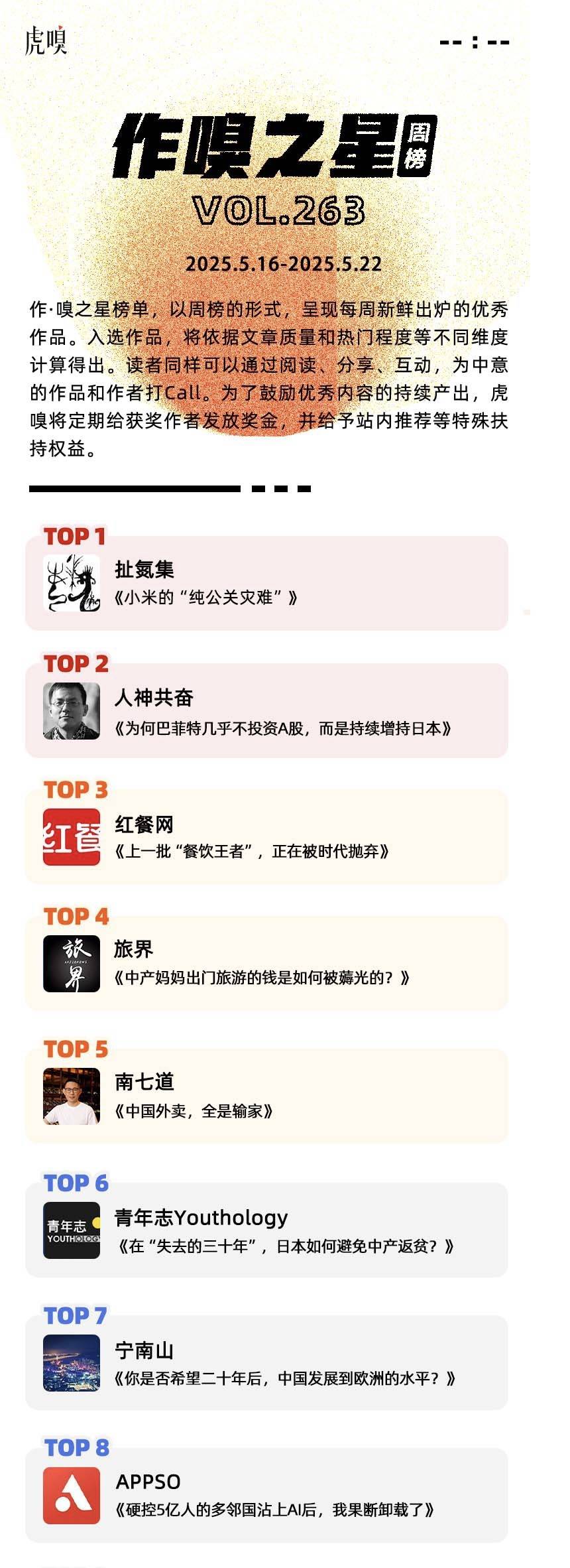
虎嗅【作·嗅之星】周榜第263期
Hu Xiu· 2025-05-26 07:04
Core Insights - The article presents the weekly ranking of outstanding works in the "作·嗅之星" list, highlighting the top articles from May 16 to May 22, 2025 [1][3] Ranking Summary - TOP 1: "Xiaomi's 'Pure Public Relations Disaster'" by Che Nian Ji [4] - TOP 2: "Why Buffett Almost Never Invests in A-shares but Continues to Increase Holdings in Japan" by Ren Shen Gong Fen [5] - TOP 3: "The Last Batch of 'Restaurant Kings' is Being Abandoned by the Times" by Hong Can Wang [6] - TOP 4: "How Middle-Class Moms' Travel Money is Being Siphoned Off" by Lv Jie [7] - TOP 5: "Chinese Takeout, All Losers" by Nan Qi Dao [3] - TOP 6: "How Japan Avoided Middle-Class Poverty in the 'Lost Thirty Years'" by Qing Nian Zhi Youthology [3] - TOP 7: "Do You Hope China Will Develop to the Level of Europe in Twenty Years?" by Ning Nan Shan [3] - TOP 8: "After AI, I Decisively Uninstalled Duolingo, Which Controls 500 Million People" by APPSO [3] Selection Criteria - The selected works are based on various dimensions such as article quality and popularity. Readers can also support their favorite works and authors through reading, sharing, and interaction [9]

据估算,北京控烟10年减少超5万急性心梗、超42万慢阻肺住院
Xin Jing Bao· 2025-05-26 04:36
《北京市控制吸烟条例》自2015年实施以来已过去10年。今日,北京市卫健委通报了北京市内吸烟率、 戒烟率、二手烟暴露情况等调查数据。 中国科学院&北京疾控研究团队分析评估认为,控烟举措的实施降低了急性心梗、慢阻肺等住院风险, 且儿童哮喘住院率也立即下降。 餐饮是目前违法吸烟的重灾区之一。发布会中,北京市餐饮行业协会负责人表示,倡议餐厅不设任何吸 烟区,并培训员工劝阻顾客吸烟、配合相关部门监督执法。 15岁以上烟民中,28.3%处于戒烟状态 北京市卫生健康委爱卫处处长汤伟民介绍,自2014年起,北京市每2-3年开展一次全市性成人烟草流行 调查。去年年底至今年上半年,北京启动开展了第六次成人烟草调查,本次调查针对15岁以上人群,覆 盖全市16个区50个街乡100个村(居)委会的10640个家庭户,完成调查10215人。 调查显示,北京市15岁以上成人吸烟率稳步下降。2025年,北京市15岁及以上成人吸烟率为19.2%,较 2023年的19.9%下降0.7个百分点。自《北京市控制吸烟条例》实施以来,累计下降4.2个百分点。其 中,男性和女性吸烟率分别为34.5%和3.3%。45-64岁人群吸烟率最高,为22.9%, ...
炒菜机器人席卷餐饮,预制菜迎来终结者?
投中网· 2025-05-26 03:13
Core Viewpoint - The article discusses the increasing penetration of cooking robots in the B-end restaurant sector, highlighting their potential to revolutionize the industry by reducing labor costs and improving efficiency [4][12][15]. Group 1: Market Adoption - Cooking robots are being adopted by various restaurant chains, with companies like Xiaocaiyuan planning to deploy 3,000 units at a cost of 1.5 billion yuan, averaging five units per store [4][5]. - The rental model for cooking robots is gaining traction among small and medium-sized restaurants, with monthly rental prices ranging from 1,000 to 2,500 yuan, allowing them to reduce labor costs [6][9]. - The market price for cooking robots varies, with units priced between 30,000 to 50,000 yuan, and some high-end models reaching 120,000 yuan [7][9]. Group 2: Cost Efficiency - By using cooking robots, restaurants can save approximately 6,000 yuan per year per unit compared to hiring a chef, with the potential for significant overall savings when multiple units are deployed [9][10]. - The demand for cooking robots is driven by rising costs in rent, labor, and raw materials, prompting restaurants to seek cost-effective solutions [12][14]. Group 3: Consumer Perception and Challenges - The "freshly cooked" concept is becoming popular as restaurants move away from pre-prepared meals, with cooking robots positioned as a selling point [12][13]. - Despite the advantages, cooking robots face challenges in replicating the nuanced flavors and techniques of traditional chefs, particularly in dine-in settings [13][16]. - The article notes that while cooking robots can streamline operations, they still require human oversight for certain tasks, indicating that full automation is not yet achievable [12][16]. Group 4: Future Directions - The evolution of cooking robots is focused on becoming more intelligent and capable of performing complex cooking tasks, which could further reduce costs and improve efficiency for restaurants [16][17]. - Companies are investing in advanced technology to enhance the precision and capabilities of cooking robots, aiming to replicate the skills of human chefs more effectively [17].

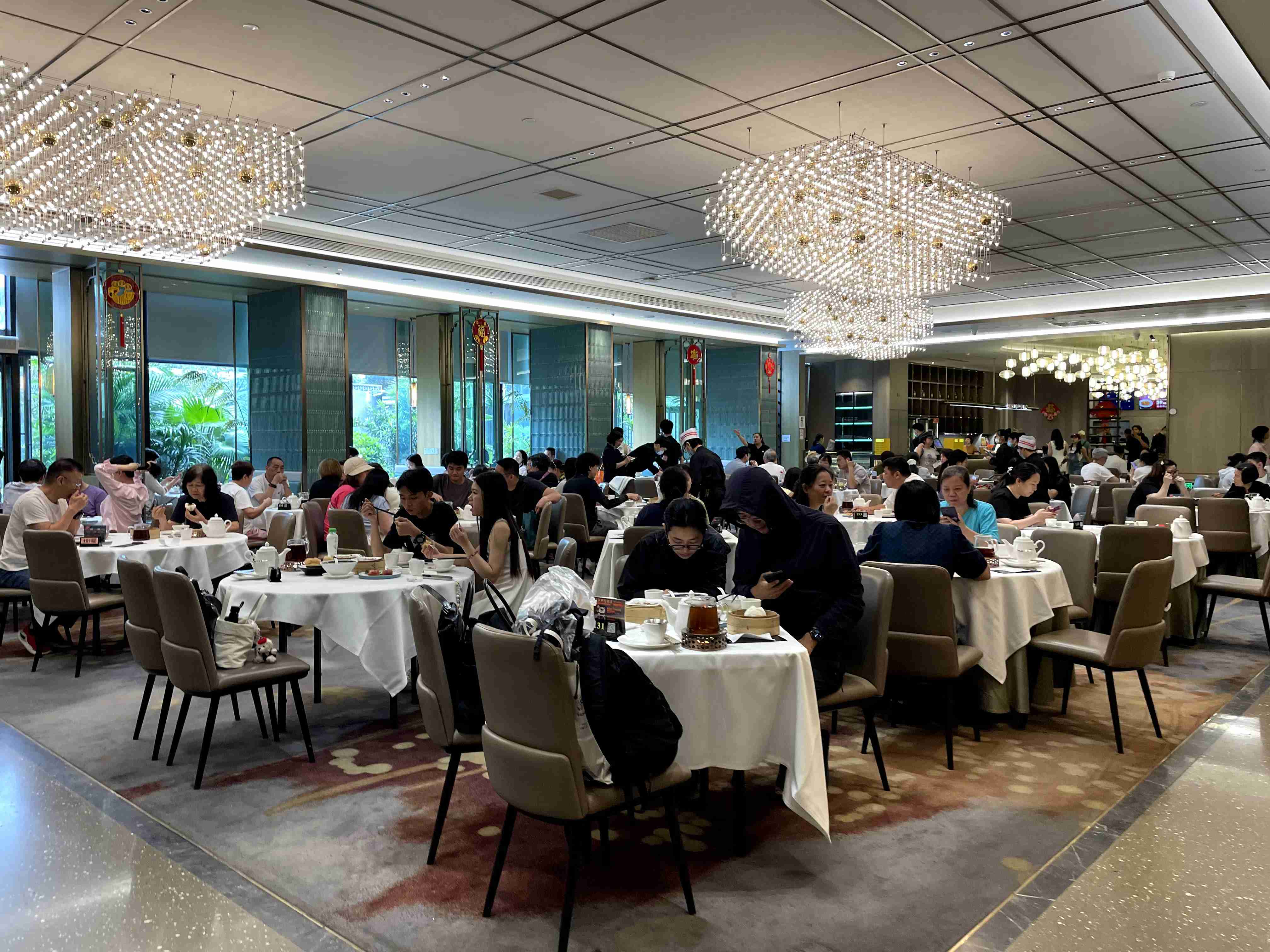
广州拟立法保护早茶文化 约定俗成的“茶位费”该不该收?
Yang Shi Wang· 2025-05-24 17:07
Group 1 - Guangzhou is planning to establish regulations for the preservation and inheritance of its unique morning tea culture, which is a significant aspect of Cantonese culture [1] - A survey is being conducted to gather public opinions on various issues related to morning tea, including the controversial "tea seat fee" [1] - Acceptance of the "tea seat fee" varies between local and non-local customers, with a notable difference in practices between Guangzhou and Beijing locations of the same tea brand [1] Group 2 - The core issue surrounding the "tea seat fee" is the consumers' right to know and choose, emphasizing the need for transparency in pricing and service options [2] - Recommendations include clear pricing, detailed menus for tea services, and a variety of options for consumers to enhance their experience [2] - The legislative focus is not solely on whether to charge the "tea seat fee," but rather on improving service quality and consumer experience within the cultural context of morning tea [2]
炒菜机器人席卷餐饮,预制菜迎来终结者?
3 6 Ke· 2025-05-23 12:22
Core Insights - The market for cooking robots is rapidly expanding in the B2B sector, particularly among restaurant chains and smaller dining establishments, despite limited consumer interest in the C-end market [1][2][11] - Companies like Xiaocaiyuan are investing significantly in cooking robots, with plans to deploy around 3000 units across their 600+ stores, indicating an average of 5 robots per store [1][10] - The rental model for cooking robots is gaining traction, allowing smaller restaurants to reduce labor costs, with monthly rental prices ranging from 1000 to 2500 yuan [1][2][5] B2B Market Penetration - Cooking robots are primarily being utilized in satellite kitchens for takeout services, with some startups fully replacing chefs with these machines [2][7] - The average cost of a cooking robot ranges from 30,000 to 50,000 yuan, with some high-end models priced at 120,000 yuan [2][5] - The use of cooking robots can significantly reduce labor costs, with potential savings of up to 60,000 yuan annually per unit compared to hiring a chef [5][10] Industry Trends - The demand for cooking robots is driven by rising operational costs in the restaurant industry, including rent and labor, prompting businesses to seek cost-effective solutions [7][9] - The trend of "freshly cooked" meals is becoming popular, as restaurants move away from pre-prepared dishes, with cooking robots positioned as a solution to meet this demand [8][12] - The technology behind cooking robots is evolving, with a focus on enhancing their capabilities to replicate chef techniques and improve efficiency in food preparation [12][13] Investment and Growth - Significant investments are being made in cooking robot companies, with backing from major firms like Tencent and JD.com [6][10] - Companies are exploring new revenue models, such as rental agreements for cooking robots, which can generate substantial income for businesses like Bawan [10][12] - The market for cooking robots is expected to grow as more restaurants adopt these technologies to streamline operations and reduce costs [11][13]

突袭餐厅“随机查”,加装美食“安全锁”!
Zhong Guo Shi Pin Wang· 2025-05-23 03:45
Core Viewpoint - The random inspection of popular takeout restaurants in Chongyi County aims to enhance food safety management in online dining services, ensuring consumer safety in food consumption [1][2]. Group 1: Inspection Activities - The Chongyi County Market Supervision Administration conducted a random inspection from May 20 to May 21, focusing on the top 30 takeout restaurants based on sales volume [1]. - Seven high-sales restaurants were randomly selected for comprehensive inspections, covering various types of food establishments such as beverage shops, fast food outlets, and fried chicken restaurants [2]. Group 2: Inspection Focus - The inspections emphasized checking the restaurants' licenses, food processing environments, source of raw materials, health management of staff, and compliance of disposable dining utensils with standards [2]. - Inspectors also examined the cleanliness of kitchen facilities, food storage conditions, and the standardization of food processing procedures [2]. Group 3: Findings and Actions - Most inspected restaurants demonstrated good overall food safety conditions, with basic food safety management systems in place [3]. - Some restaurants had issues such as incomplete purchase inspection records, expired health certificates for staff, and inadequate anti-food waste promotion [3]. - Immediate corrective actions were taken against the identified issues, with operators being urged to comply with food safety laws and regulations [3]. Group 4: Future Plans and Consumer Guidance - The Chongyi County Market Supervision Administration plans to increase regulatory efforts, innovate inspection methods, and conduct random checks regularly to ensure a safe dining environment for consumers [3]. - Consumers are advised to check food safety records and business licenses on takeout platforms when selecting restaurants, promoting a well-regulated dining market [3].
“周杰伦概念股”大涨超26%
Zhong Guo Ji Jin Bao· 2025-05-22 16:13
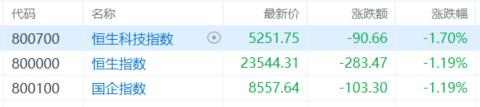
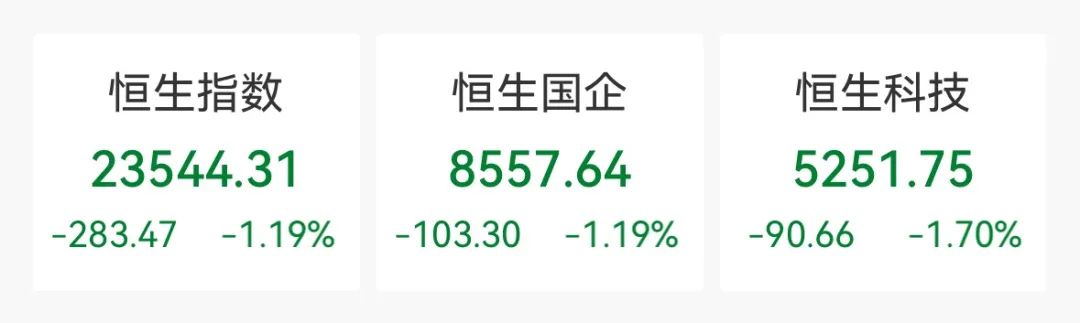
Market Overview - The Hong Kong stock market opened lower and closed down, with the Hang Seng Index falling by 1.19% to 23,544.31 points, the Hang Seng Tech Index down 1.7% to 5,251.75 points, and the Hang Seng China Enterprises Index down 1.19% to 8,557.64 points [1]. Sector Performance - Major technology stocks mostly declined, with Baidu Group dropping over 4%, Xiaomi Group down over 2%, and Meitu Inc. falling over 6%. Apple-related stocks also saw declines, with Dongjiang Holdings down 4%, BYD Electronics down over 3%, and Sunny Optical Technology down nearly 2% [3]. - The restaurant sector was weak, with Tehai International dropping over 10%, and the film industry also faced declines, with Alibaba Pictures down over 5% [3]. - Conversely, gold prices increased, leading to a rise in gold stocks, with Tongguan Gold up over 9% and Laopu Gold up over 6% [3]. Notable Stock Movements - "Jay Chou concept stock" Giant Star Legend surged over 26% to 6.3 HKD, with a latest market capitalization of 5.4 billion HKD [5]. - The recent launch of "Travel Diary 3" by Giant Star Legend has generated significant online buzz, with the company leveraging its star IP assets to drive revenue and new retail business development [7]. - XPeng Motors saw a nearly 6% increase to 82.05 HKD, with a total market capitalization of 156.2 billion HKD [8]. - XPeng Motors reported Q1 2025 revenue of 15.81 billion CNY, a 141.5% year-on-year increase, exceeding market expectations. The adjusted net loss narrowed by 69.8% to 430 million CNY. The company anticipates Q2 revenue between 17.5 billion to 18.7 billion CNY, a year-on-year growth of 115.7% to 130.5%, and expects vehicle deliveries of 102,000 to 108,000 units, a year-on-year increase of 237.7% to 257.5% [10].
从便民工程到支柱业务 眉州东坡把早餐做成会呼吸的城市配套
Bei Jing Shang Bao· 2025-05-22 12:06
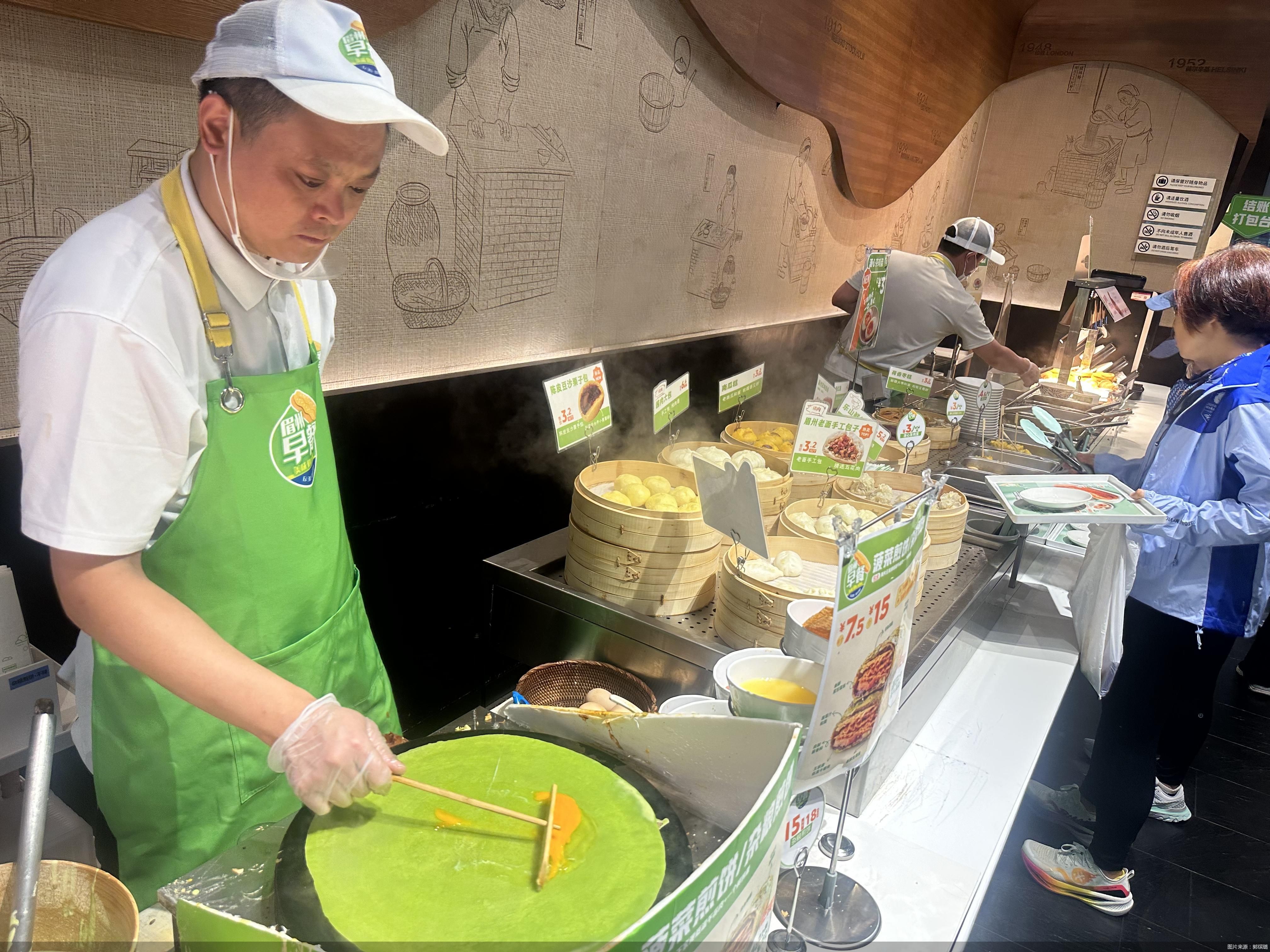
Core Viewpoint - Meizhou Dongpo has transformed its breakfast business over two decades, becoming a significant player in Beijing's breakfast market and exemplifying the spirit of innovation and progress in the private restaurant sector [1][3][4]. Company Development - Meizhou Dongpo began its breakfast operations in 1999, filling a gap in the market and providing convenient dining options for residents [3]. - In 2009, the breakfast project was included in the "Beijing Breakfast Demonstration Project," recognizing its quality and assigning it a role in industry development [3]. - The company has continuously updated its breakfast offerings, with a notable breakthrough in 2018 when it introduced self-service breakfast options, catering to diverse consumer needs [4]. Market Strategy - Meizhou Dongpo has adapted its sales strategies in response to market changes, such as offering half portions of popular items like freshly fried sesame oil sticks, which led to nearly doubling customer traffic despite a decrease in average transaction value [4]. - The company emphasizes product innovation, focusing on hygiene, service quality, and consumer feedback to enhance its offerings [7]. Consumer Focus - The company has launched new products targeting younger consumers, including coffee and croissants, and has adjusted portion sizes to accommodate varying appetites [7]. - Meizhou Dongpo operates 22 breakfast outlets in Beijing, with half located in Chaoyang District, contributing approximately 25% to the company's overall revenue [7]. Government Support - The growth of Meizhou Dongpo has been supported by local government initiatives aimed at stimulating consumption and enhancing the business environment, including the issuance of consumer vouchers and digital currency incentives [8]. - The company has received substantial support from the Chaoyang District government for new store openings and renovations, reflecting a collaborative effort to boost the local economy [8]. Future Outlook - By 2025, Meizhou Dongpo aims to fully implement its Breakfast 6.0 ecosystem, creating a diverse product matrix that blends traditional and innovative flavors, positioning itself as a key player in Beijing's breakfast market [8].
广州拟为早茶立法,茶位费、预制菜等存争议
Di Yi Cai Jing· 2025-05-22 10:47
Group 1 - The Guangzhou Municipal People's Congress has included the "Guangzhou Early Tea Inheritance and Protection Regulations" in its 2025 legislative work plan, which has sparked widespread discussion [1] - A survey titled "Guangzhou Early Tea Inheritance Protection Questionnaire" has been released to gather public opinions on various topics related to early tea, including "tea seat fees," "pre-made dishes," and "designated smoking areas" [1] - The survey aims to collect data for legislative analysis and is designed by the Legal Work Committee of the Guangzhou Municipal People's Congress [1] Group 2 - Attitudes towards the tea seat fee vary, with many tea houses in Guangzhou charging fees based on tea type and seating location, ranging from a few yuan to over ten yuan per person [2] - The tea seat fee is viewed as a "basic service fee" or "entrance fee," which compensates for the cost of tea, utensils, and seating, particularly in the context of the low average spending in early tea culture [2] - Older consumers are generally more accepting of the tea seat fee, while younger consumers are more sensitive to its pricing and may choose other dining options if the cost is perceived as high [2] Group 3 - The questionnaire includes a question on whether respondents agree with the practice of charging tea seat fees, aiming to gauge public sentiment on this pricing model [3] - Some tourists express willingness to pay the tea seat fee but find it expensive when combined with the cost of tea and snacks, which can range from tens to hundreds of yuan [3] - Properly setting the tea seat fee can be a legitimate pricing strategy as long as it is transparently communicated and does not replace minimum consumption requirements [3] Group 4 - Traditional tea houses in Guangzhou often maintain a model of handwritten orders and freshly made dishes, while chain brands may innovate with pre-made or semi-finished products to improve efficiency [4] - Customers generally prefer freshly made dim sum for better taste, although some tea houses manage the timing of pre-made dishes to ensure quality [4] - The early tea industry is rapidly evolving towards standardization and chain operations, with many businesses adopting central kitchen systems to address rising labor costs and improve service efficiency [8] Group 5 - Some tea houses impose dining time limits to manage customer flow, with discounts offered during different time slots to balance traffic [9] - Consumers are generally accepting of time limits as long as they are communicated upfront, reflecting a balance between customer experience and operational efficiency [9] - From a legal perspective, restaurants can set reasonable dining time limits as long as they are clearly communicated before customers are seated, which is common in high-turnover dining environments [12]
港股收评:三大指数齐挫!影视股、餐饮股低迷,黄金股逆势上涨
Ge Long Hui· 2025-05-22 08:45
Group 1: Technology Sector - Major technology stocks experienced a collective decline, with Baidu Group falling over 4%, Bilibili and Alibaba dropping more than 3%, and other companies like Kuaishou, Xiaomi, and NetEase also seeing declines of over 2% [1][2] - Specific stock performance includes Baidu Group at 82.65, down 4.01%, Bilibili at 140.30, down 3.90%, and Alibaba at 119.10, down 3.25% [3] Group 2: Film and Entertainment Sector - The film sector saw a downturn, with Alibaba Pictures dropping over 5%, and other companies like Emperor Culture, Lingmeng Film, and Maoyan Entertainment also declining [4] - Alibaba Pictures is currently priced at 0.71, down 5.33%, while Emperor Culture is at 0.039, down 4.88% [4] Group 3: Restaurant Sector - The restaurant sector is struggling, highlighted by Tehai International's drop of over 10%, with other companies like Haidilao and Yum China also experiencing declines [7] - Tehai International's stock is priced at 15.68, down 10.30% [8] Group 4: Gold Sector - In contrast, gold stocks rose, with Tongguan Gold increasing over 9%, supported by a strong gold price that reached $3340 per ounce [9] - Specific stock performance includes Tongguan Gold at 1.60, up 9.59%, and Lingbao Gold at 10.04, up 4.37% [9] Group 5: Banking Sector - Banking stocks were active, with Shengjing Bank rising by 3%, and other banks like Postal Savings Bank and Citic Bank also seeing gains [10] - Shengjing Bank is priced at 1.03, up 3.00%, while Postal Savings Bank is at 5.16, up 1.98% [11] Group 6: Automotive Sector - Xiaopeng Motors reported a significant increase in revenue, with Q1 revenue of 15.81 billion, up 141.5% year-on-year, and a projected Q2 revenue of 17.5 billion to 18.7 billion [16] - Xiaopeng Motors' stock is currently at 82.05, with a market cap of 156.186 billion [12] Group 7: Biopharmaceutical Sector - Genscript Biotech saw a rise of over 10% after announcing a strategic partnership with Taohuan Science to enhance antibody discovery solutions [20] - Genscript Biotech's stock is priced at 11.76, with a market cap of 256.03 billion [17] Group 8: Market Outlook - Ping An Securities suggests focusing on undervalued sectors such as technology, innovative pharmaceuticals, and consumer sectors due to the low-risk interest rates in mainland China [21]