
家电

Search documents
2026年大类资产配置展望:守正出奇,于结构分化中掘金
CMS· 2026-01-06 12:46
- The report discusses the construction of a "ROIC Model" for interest rate predictions. The model calculates the implied ROIC of the bond market and compares it with the equity market's ROIC to estimate the interest rate midpoint. The formula used is: $ ROIC = (Risk-free rate + Equity risk premium) × Equity proportion + (Risk-free rate + Credit risk premium) × Debt proportion $ Here, the risk-free rate is represented by the 30-year government bond yield, and the credit risk premium is derived from AAA corporate bond spreads. The model uses data from A-share listed companies (excluding financials) and large-scale industrial enterprises to calculate ROIC values. The results show a long-term downward trend in both equity and bond market ROICs, with equity ROIC consistently higher by an average of 50 basis points over the past decade[51][52][56] - The "Multi-cycle Interest Rate Timing Strategy" is introduced, which employs kernel regression algorithms to identify support and resistance levels in interest rate trends. This strategy is applied to 5-year, 10-year, and 30-year government bond yields. The annualized returns for the strategy are 2.19%, 2.48%, and 3.26%, respectively, with maximum drawdowns of 0.72%, 0.97%, and 1.71%. The strategy demonstrates stable performance, with probabilities of achieving positive absolute and excess returns close to 100% since 2008[75][77][81] - A "Pure Bond CARRY Strategy" is also highlighted, which leverages dynamic leverage to enhance returns. The strategy allocates 140% to bonds when borrowing costs (R007) are below the 80th percentile of historical levels and 100% otherwise. Over the past decade, the strategy has delivered an annualized return of 5.56%, with a return-to-drawdown ratio of 0.92. In 2023-2025, the strategy achieved annual returns of 7.21%, 7.39%, and 2.25%, respectively, with excess returns of 84 basis points, 121 basis points, and 21 basis points[83][84][88] - The "Momentum and Fundamental Composite Factor" is used for sector rotation strategies. This factor combines "Net Profit Growth Rate (QoQ)" and "ROA TTM Growth Rate (QoQ)" to rank industries. Historical backtests from 2008 to 2025 show strong performance, with an average annualized return of 18.60% and an excess return of 8.49% over the benchmark. In 2025, industries such as electronics, computers, media, defense, non-ferrous metals, and new energy equipment ranked high in both valuation and fundamental improvement metrics, making them recommended sectors for Q1 2026[45][46][47] - The "PB-ROE Framework" is applied to identify undervalued industries. By comparing the PB and ROE levels of various sectors as of December 31, 2025, industries like non-bank financials, home appliances, agriculture, basic chemicals, and light manufacturing are identified as having relatively low PB but high ROE expectations. These sectors are considered undervalued and are recommended for investment in 2026[48][49][50]
持续激发绿色消费潜力 多部门详解新举措
Xin Hua Wang· 2026-01-06 12:45
Core Viewpoint - The Ministry of Commerce and nine other departments have issued a notice to implement a green consumption promotion action plan, outlining 20 measures across seven areas to systematically arrange green consumption work during the 14th Five-Year Plan period [1] Group 1: Green Consumption Initiatives - The promotion of green consumption is a key strategy for achieving green low-carbon development, enhancing consumption, and accelerating the comprehensive green transformation of the economy and society [1] - By the end of 2025, the total number of certifications for agricultural products in China is expected to exceed 88,000, with standardized production areas for green food reaching 20.5 million acres [2] - The "old-for-new" policy for consumer goods is seen as a significant opportunity to promote green consumption, with plans to replace 18.3 million cars and 192 million home appliances by 2025, where nearly 60% of the cars will be new energy vehicles [3] Group 2: Economic Impact and Supply Chain - Green consumption is identified as a critical force for economic structural transformation and the cultivation of new growth points, with significant reductions in logistics costs and carbon emissions through the implementation of green supply chains [4] - The standardization rate of pallets has reached 37.8%, with an estimated saving of 250 million disposable pallets, equivalent to protecting 50 million trees and reducing carbon emissions by over 2 million tons [4] - The use of environmentally friendly alternatives has increased by 26.31% in the first half of 2025, reflecting positive outcomes in reducing single-use plastic products [4] Group 3: Waste Management and Circular Economy - The construction of "waste-free cities" is being promoted, aiming to transform waste materials from a societal burden into urban resources, with plans to support around 200 cities in this initiative during the 14th Five-Year Plan period [5] - Efforts will be made to enhance the construction of sorting centers for waste disposal, encouraging local governments to provide policy support for these developments [5] Group 4: Multi-Stakeholder Participation - Promoting green consumption requires the participation of multiple stakeholders, including government, enterprises, and consumers, to form a collaborative effort [6] - The government plans to update national standards and support domestic participation in international standardization activities in the green sector [6] - There will be a focus on enforcing regulations against violations in the areas of green products, energy efficiency labeling, and food waste [6]
以旧换新惠及消费者4.94亿人次
Mei Ri Jing Ji Xin Wen· 2026-01-06 12:42
Core Viewpoint - The Chinese government is promoting green consumption as a key strategy for achieving high-quality economic and social development during the 14th Five-Year Plan period, aiming to enhance consumer awareness and reduce carbon emissions through various initiatives [1][5]. Group 1: Green Consumption Initiatives - The Ministry of Commerce, along with nine other departments, has issued a notice to implement green consumption actions, outlining 20 measures across seven areas to promote green consumption throughout the supply chain [3][4]. - The government plans to replace 18.3 million old cars with new ones, with nearly 60% being electric vehicles, and to replace 192 million home appliances, with 90% meeting high energy efficiency standards, generating a sales boost of 3.92 trillion yuan and benefiting 494 million consumers [1][6]. Group 2: Challenges and Solutions - Despite the growth in green product supply and innovative consumption models, challenges remain, including inconsistent standards for green products and a lack of consumer awareness [3][4]. - The government aims to enhance the green consumption environment by promoting energy-saving devices, optimizing the use of green electricity, and encouraging community-based green consumption activities [4][8]. Group 3: Green Supply Chain Development - The government is focusing on building a green supply chain and promoting digital consumption to enhance the efficiency of resource use and reduce costs [6][7]. - The standardization rate of pallets has reached 37.8%, with an estimated saving of 250 million disposable pallets, equivalent to protecting 50 million trees and reducing carbon emissions by over 2 million tons [7]. Group 4: Promotion of Green Lifestyle - The Ministry of Commerce is actively promoting green lifestyles through various events and initiatives, encouraging consumers to adopt sustainable habits in their daily lives [8]. - The government has established a regulatory framework to reduce single-use plastic products and promote alternatives, fostering a culture of green consumption [8].

以旧换新惠及4.94亿人次,绿色消费迎来重要机遇
2 1 Shi Ji Jing Ji Bao Dao· 2026-01-06 12:20
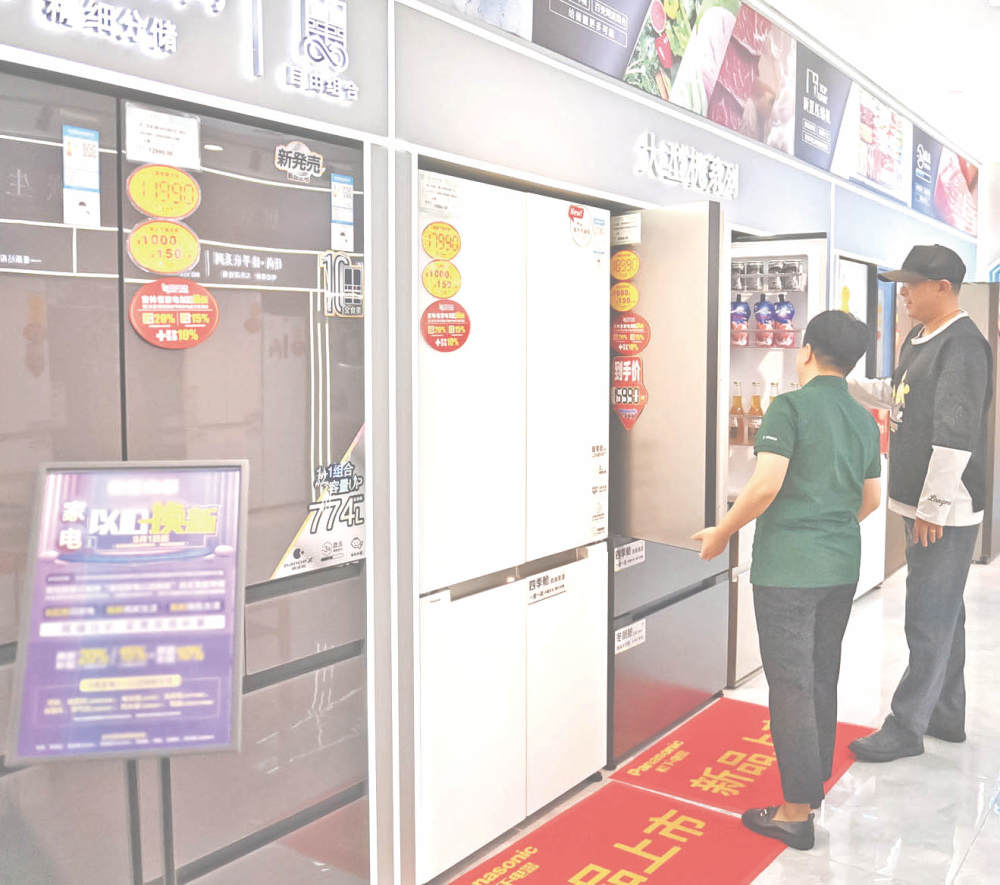
21世纪经济报道记者张旭 北京报道 近日,商务部等9部门联合出台《关于实施绿色消费推进行动的通知》(以下简称《通知》),对"十五 五"时期绿色消费工作作出安排。 1月6日,国务院新闻办举行新闻发布会介绍推进绿色消费有关情况新闻发布会有关情况。商务部副部长盛秋平在发布会表示,2024至2025年, 我国实现汽车以旧换新1830万辆,其中新能源汽车占比近60%。实现家电以旧换新1.92亿台,其中1级能效(水效)占比达到了90%以上,以旧 换新政策带动消费品销售额3.92万亿元,惠及消费者4.94亿人次。 盛秋平介绍,商务部把落实大规模消费品以旧换新政策作为推动绿色消费的重要机遇,在政策设计上对高能效的绿色家电、绿色家居、绿色建 材和新能源汽车等予以补贴,进一步激发绿色消费需求,畅通绿色消费循环。 2024年至2025年,全国报废汽车回收1767.3万辆,年均增速45.8%;二手汽车交易3968.6万辆;规范拆解废旧家电及手机约5300万台,年均增 速约12%。 (资料图) 盛秋平表示,新能源汽车、绿色智能家电等绿色商品消费增长带动绿色消费市场规模稳步扩大,绿色产品供给更加丰富,绿色消费的模式不断 创新,绿色消费的 ...

在韩国感受“中国风”
Xin Lang Cai Jing· 2026-01-06 12:15
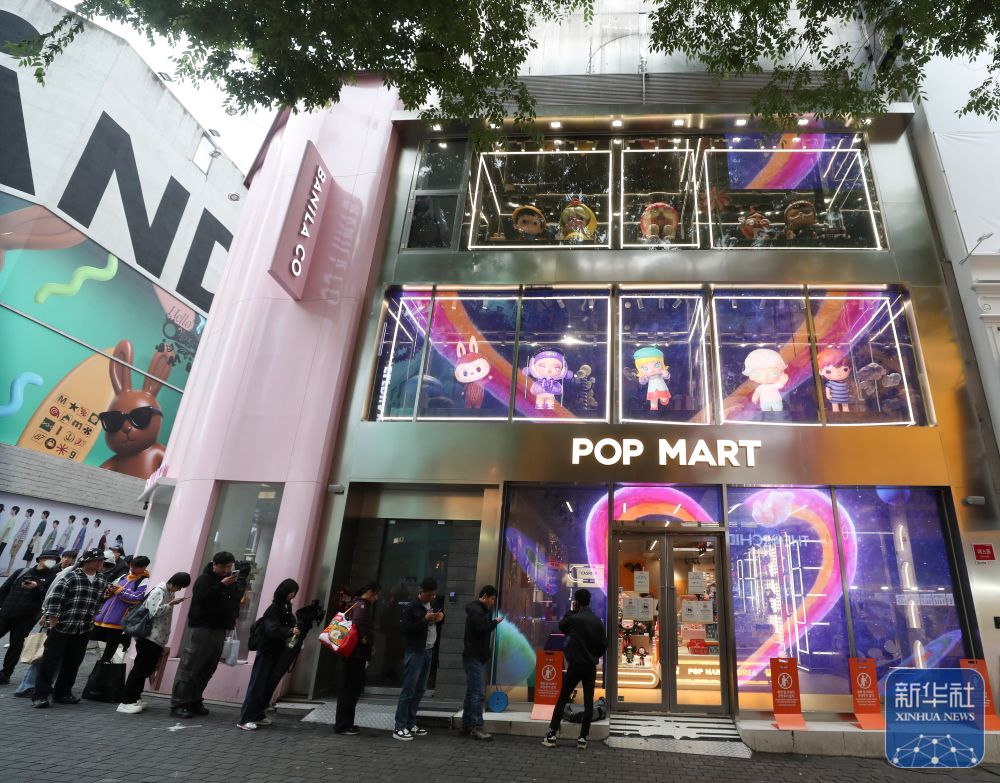
Group 1 - The integration of "Chinese style" into Korean society is evident through various elements such as cultural centers, giant pandas, and new tea drinks [1][2][5] - Chinese brands are gaining visibility in South Korea, with consumers engaging with products like tea drinks and robotic vacuum cleaners [2][3] - The "Korea-China Friendship Forest" serves as a cultural symbol, showcasing historical figures and promoting bilateral relations [7][8] Group 2 - Cultural exchange events, such as the "Hello Beijing" tourism promotion, highlight the growing interest in Chinese culture within South Korea [10] - The presence of Chinese cultural institutions, like the Korea-China Cultural Center, indicates a strengthening of cultural ties [11]
推动绿色消费成为新增长点,九部门联合打造全链条激励体系
Xin Jing Bao· 2026-01-06 12:10
Core Viewpoint - The recent notification from the Ministry of Commerce and nine other departments emphasizes the importance of green consumption as a key driver for low-carbon practices, new consumption momentum, and industrial upgrades [1] Group 1: Green Consumption Initiatives - The Ministry of Commerce is leveraging large-scale consumer goods replacement programs to promote green consumption, with a target of 18.3 million vehicles replaced from 2024 to 2025, nearly 60% of which will be new energy vehicles [2] - The policy is expected to generate sales of 3.92 trillion yuan in consumer goods, benefiting nearly 500 million consumers and effectively promoting the growth of green and smart product consumption [2] - The initiative includes subsidies for high-efficiency green appliances, green home products, and new energy vehicles to stimulate demand and facilitate a circular economy [2] Group 2: Specific Measures for Green Consumption - The notification outlines 20 specific measures across seven major areas to address challenges in green consumption, including inconsistent product standards and inadequate incentive mechanisms [3] - Measures include expanding the supply of green agricultural products and appliances, enhancing service consumption's green content, and establishing a universal green consumption points system [3] - The initiative aims to strengthen recycling systems and reduce single-use plastic products, promoting a more sustainable consumption environment [3] Group 3: Resource Recycling and Utilization - The Ministry of Commerce will support the establishment of high-value recycling projects for renewable resources, focusing on optimizing sorting center construction to improve efficiency and reduce waste [4][5] - Local governments are encouraged to provide policy support for the construction and renovation of sorting centers, enhancing the recycling network's quality [5] Group 4: Standards and Regulations - The State Administration for Market Regulation has published 40 national standards for green product evaluation and 66 standards for energy and water efficiency, supporting the implementation of the consumer goods replacement policy [6] - The administration has also intensified enforcement actions against violations related to energy and water efficiency labeling, ensuring market order and consumer rights [6][7] Group 5: Waste Management and Urban Development - The Ministry of Ecology and Environment is promoting "waste-free city" initiatives, aiming to transform waste into resources and enhance recycling capabilities [8] - As of now, 113 cities have initiated "waste-free" construction, with plans to expand this to around 200 cities during the 14th Five-Year Plan period [9] Group 6: Seasonal Consumption Promotion - The Ministry of Agriculture and Rural Affairs is launching initiatives for the New Year and Spring Festival, including the release of a directory of local specialty products to guide consumers towards green and quality products [10][11] - Activities will include themed consumption events and promoting healthy eating habits, aiming to meet the diverse and high-quality consumption needs of urban and rural residents during the festive season [11]
如何提高消费“含绿量”?多部门解读
Zheng Quan Shi Bao· 2026-01-06 11:49
Core Viewpoint - The Ministry of Commerce and nine other departments have jointly issued a notice to implement green consumption promotion actions, proposing 20 specific measures across various sectors, including agricultural products, home appliances, and hospitality, while also clarifying financial support policies to optimize the green consumption environment [1]. Group 1: Green Consumption Policies - The promotion of green consumption is a key measure for implementing low-carbon development, enhancing consumption, and accelerating the green transformation of the economy and society [2]. - The Ministry of Commerce has identified the old-for-new policy as a significant driver for green consumption, providing subsidies for high-efficiency green appliances, home furnishings, and new energy vehicles [2]. - The target for 2024-2025 includes replacing 18.3 million cars, with nearly 60% being new energy vehicles, and achieving 192 million old appliances replaced, contributing to a sales increase of 3.92 trillion yuan and benefiting 494 million consumers [2]. Group 2: Green Supply Chain and Recycling - The Ministry of Commerce is promoting green supply chain construction, improving recycling systems, and fostering green circulation enterprises to enhance green consumption [3]. - The notice emphasizes the need to enrich the supply of quality green products, including green agricultural products and energy-efficient appliances, to support consumer choices [4]. - The market regulatory authority has issued nearly 40,000 effective certification certificates for 122 types of products, indicating low resource consumption and pollution, thus enhancing market efficiency [4]. Group 3: Future Initiatives - The market regulatory authority plans to accelerate the update of national standards and support participation in international standardization activities in the green sector [5]. - Efforts will be made to strengthen the enforcement of laws against violations in green product labeling and food waste [5]. - The construction of a high-value recycling system for renewable resources is deemed essential for promoting green consumption and enhancing resource recycling levels [6]. Group 4: Resource Recovery and Utilization - The Ministry of Commerce has outlined 11 tasks to improve the recycling system for old appliances and furniture, designating 32 pilot cities and 78 enterprises to establish a comprehensive recycling network [6]. - The focus will be on supporting the construction of sorting centers to improve efficiency and reduce waste in the recycling process [7]. - The goal is to achieve a total recycling volume of approximately 380 million tons by 2025, contributing to the development of a green circular economy [6].
如何提高消费“含绿量”?多部门解读
证券时报· 2026-01-06 11:47
Core Viewpoint - The article discusses the implementation of green consumption initiatives by the Ministry of Commerce and nine other departments, highlighting 20 specific measures across various sectors to promote sustainable consumption and support policies [1][4]. Group 1: Green Consumption Policies - The initiative aims to enhance the green consumption incentive mechanism, focusing on areas such as agricultural products, home appliances, and hospitality [1]. - The "old-for-new" policy is emphasized as a key strategy to increase green consumption, with targets set for replacing 18.3 million cars, of which nearly 60% will be new energy vehicles, and 192 million home appliances, with 90% being of the highest energy efficiency [4][5]. Group 2: Market Development and Support - The article notes that the green consumption initiative is aligned with the trend of consumption upgrades and aims to create new growth points in the economy, contributing to carbon reduction and high-quality development during the 14th Five-Year Plan period [4]. - The Ministry of Commerce has collaborated with other departments to provide subsidies for high-efficiency green appliances and vehicles, stimulating demand and facilitating a circular economy [4]. Group 3: Quality Assurance and Certification - The article highlights the importance of quality certification in promoting green products, with nearly 40,000 effective certification certificates issued for 122 types of consumer-related products, ensuring lower resource consumption and pollution [7]. - China has become the world's third-largest organic consumption market, with over 32,000 certification certificates issued for organic products, supporting agricultural green development and enhancing the quality of life for consumers [6][7]. Group 4: Future Directions - Future efforts will focus on updating national standards, enhancing energy and water efficiency labeling systems, and promoting green dining services to reduce food waste [8]. - The establishment of a high-value recycling system for renewable resources is deemed essential for promoting sustainable consumption and improving resource utilization [10][11].
大厂涨薪的面子和里子
3 6 Ke· 2026-01-06 11:37
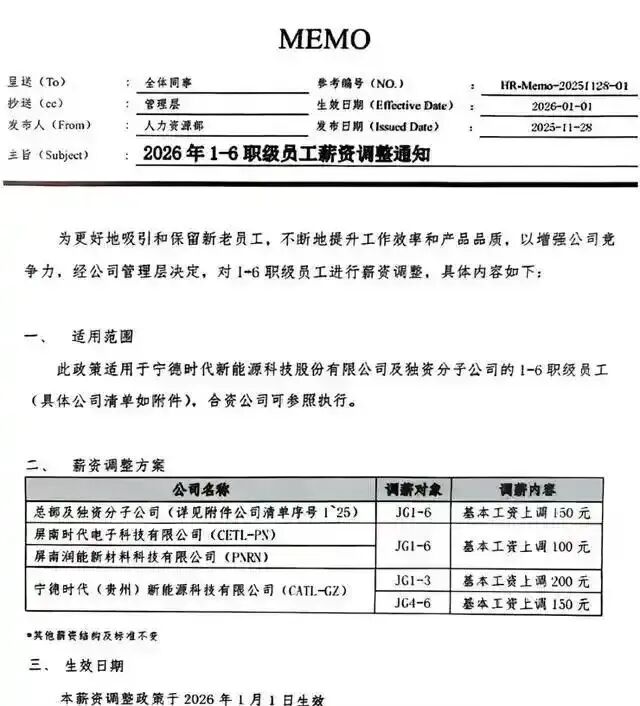
Core Viewpoint - The article discusses the recent trend of salary increases and enhanced benefits across various companies, highlighting the motivations behind these adjustments and the reactions from employees and the public [1][11]. Group 1: Salary Adjustments - Ningde Times will implement a basic salary increase of 150 RMB for levels 1-6 employees starting January 1, 2026, with specific increases of 100 RMB for certain subsidiaries and 200 RMB for others [3][6]. - ByteDance announced a 35% increase in bonus investment for the 2025 performance evaluation cycle and a 1.5 times increase in salary adjustment investment compared to the previous cycle [7][8]. - JD.com stated that 92% of its employees will receive full or excess year-end bonuses, with specific multipliers for performance ratings leading to potential bonuses of up to 24 months' salary [10][11]. Group 2: Employee Reactions - Employees at various companies, including ByteDance and Ningde Times, expressed skepticism about the actual impact of salary increases, emphasizing the need to wait for performance evaluations to understand the real benefits [2][3]. - Some employees view the salary adjustments as insufficient, with comments on social media reflecting mixed feelings about the increases being perceived as "insulting" or "better than nothing" [7][15]. - The public reaction to salary increases often overshadows the employees' more pragmatic concerns about the actual financial benefits and the context of these adjustments [2][11]. Group 3: Company Strategies - The salary increases are seen as a response to competitive pressures and the need to retain talent in a challenging market, with companies like ByteDance emphasizing the importance of maintaining competitive compensation [11][14]. - JD.com is expanding its business into new areas, necessitating a focus on attracting and retaining talent through enhanced compensation and benefits [14][15]. - Companies are navigating the balance between public perception and actual employee satisfaction, with marketing efforts often intertwined with salary announcements to shape a favorable image [15][16].


以旧换新政策带动消费品销售额3.92万亿元
Zhong Guo Xin Wen Wang· 2026-01-06 11:19
Group 1 - The core viewpoint is that China's "old-for-new" policy is expected to drive consumer goods sales of 3.92 trillion RMB from 2024 to 2025, benefiting 494 million consumers [1] - The policy aims to replace 18.3 million old cars, with nearly 60% being new energy vehicles, and to replace 192 million home appliances, with over 90% being of first-level energy efficiency [1] - The initiative is part of a broader strategy to promote green consumption, with an expected annual growth rate of 45.8% in scrapped vehicle recycling, and 3.968 million used cars traded [1] Group 2 - The construction of green malls, restaurants, and catering services is being promoted in retail, dining, and accommodation sectors, encouraging energy-saving renovations and the use of low-carbon products [2] - As of now, there are 1,161 green malls and 3,500 green restaurants cultivated nationwide [2]