
基金业

Search documents
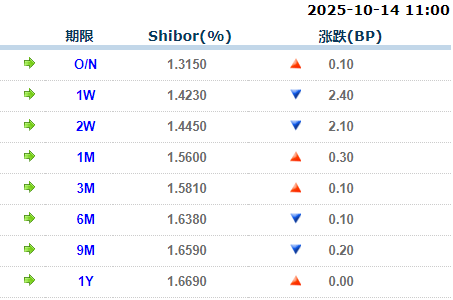
货币市场日报:10月14日
Xin Hua Cai Jing· 2025-10-14 14:37
Core Points - The People's Bank of China conducted a 910 billion yuan reverse repurchase operation with a rate of 1.40%, maintaining the previous level, resulting in a net injection of 910 billion yuan into the market [1][12] - The Shanghai Interbank Offered Rate (Shibor) showed slight fluctuations, with the 7-day and 14-day rates declining [1][2] - The overall funding environment is described as balanced and slightly loose, with various rates for overnight and term deposits showing a downward trend [9][10] Summary by Category Monetary Policy - The People's Bank of China is set to conduct a 600 billion yuan buyout reverse repurchase operation on October 15, 2025, with a term of 6 months [12] Interest Rates - The overnight Shibor increased by 0.10 basis points to 1.3150%, while the 7-day Shibor decreased by 2.40 basis points to 1.4230%, and the 14-day Shibor decreased by 2.10 basis points to 1.4450% [1][2] - In the interbank pledged repo market, most rates showed slight declines, with the weighted average rates for overnight and 7-day repos at 1.3141% and 1.4314%, respectively [4] Market Sentiment - The funding market is characterized by a generally loose atmosphere, with overnight rates for deposits showing a downward trend, indicating a preference for liquidity among banks [9] - The issuance of interbank certificates of deposit reached 261.89 billion yuan on October 14, with trading sentiment described as moderate [10]

博深股份:接受大成基金调研
Mei Ri Jing Ji Xin Wen· 2025-10-14 09:25
Group 1 - The core point of the article is that 博深股份 (BoShen Co., Ltd.) will hold a research meeting with 大成基金 (Da Cheng Fund) on October 14, 2025, where the company's board secretary will participate and address investor questions [1] - For the first half of 2025, the revenue composition of 博深股份 is as follows: the coated abrasive industry accounts for 52.32%, the hardware tools industry accounts for 24.48%, the rail transit equipment components industry accounts for 21.17%, and the leasing industry accounts for 2.03% [1] - As of the time of reporting, 博深股份 has a market capitalization of 3.8 billion yuan [2]

2025 年理财真别想着赌一把!稳稳的才好,一家人的好日子得靠它守着
Sou Hu Cai Jing· 2025-10-13 09:34
Core Insights - The narrative illustrates the financial struggles of an individual facing mounting expenses for education and healthcare, leading to risky investment decisions in the stock market [2][3] - The story highlights the transition from high-risk stock trading to more stable and reliable investment strategies, emphasizing the importance of financial security over speculative gains [4][6] Investment Behavior - Initially, the individual was drawn to stock trading after hearing about significant returns from a colleague, leading to a substantial investment of 320,000 yuan [2] - The initial success in stock trading resulted in a profit of 27,000 yuan in the first month, which created a false sense of security [3] - A sudden market downturn caused by the Federal Reserve's interest rate cut led to significant losses, prompting a family crisis over the mismanagement of funds [3][4] Financial Strategy Shift - Following advice from a neighbor, the individual shifted to a more conservative investment approach, focusing on diversified and low-risk financial products [4][5] - The new strategy included splitting remaining funds into different categories: 30,000 yuan for daily expenses in a high-yield savings account, 100,000 yuan in government bonds for education expenses, and 50,000 yuan in short-term bond funds [4] - The individual also discovered a short-term investment opportunity with a brokerage offering a 4.5% annualized return, which was seen as a favorable option [5] Market Trends - The narrative reflects a broader trend in the financial market where individuals are moving away from high-risk investments towards safer, more stable options, as evidenced by the growth of bank wealth management products and public funds [4][6] - The emphasis on financial prudence and the avoidance of high-risk products is underscored by the character's realization that financial security is paramount for managing family expenses [6] Conclusion - The story concludes with a sense of stability and peace of mind achieved through careful financial planning and investment, contrasting the earlier thrill of speculative trading [6]

金价,猛拉!多家银行紧急提示——
Sou Hu Cai Jing· 2025-10-13 06:26
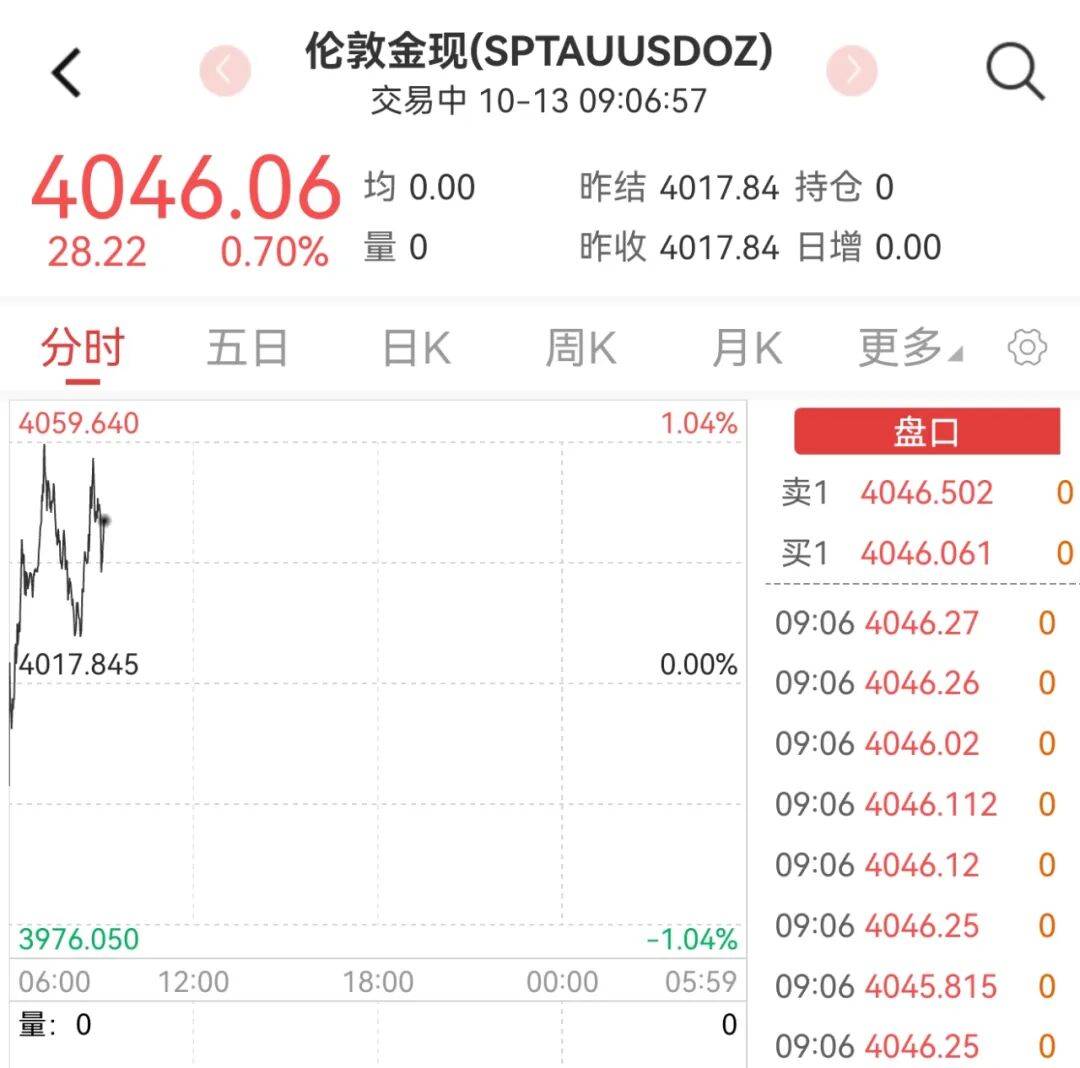
Group 1 - Gold prices surged on October 13, with spot gold reaching a high of $4060 per ounce and COMEX gold exceeding $4070 per ounce [1] - As of the report, spot gold was priced at $4046.06 per ounce, while COMEX gold was at $4066.1 per ounce [1] - The London gold price on October 10 was reported at $4017.845 per ounce, reflecting a year-to-date increase of 53.11% [5] Group 2 - The recent volatility in precious metals markets has seen both gold and silver prices hitting record highs, with silver prices increasing by 73.53% year-to-date [5][6] - Analysts from CITIC Futures indicated that the upward trend in precious metals is supported by the onset of a Federal Reserve rate cut cycle and liquidity easing [6] - Key factors to monitor include the U.S. government's "shutdown" developments and the release of non-farm payroll and inflation data [6] Group 3 - Major banks, including China Construction Bank and Industrial and Commercial Bank of China, have issued risk warnings regarding the increased volatility in precious metals prices [8][10] - These banks recommend that clients manage their positions carefully and stay informed about market changes to mitigate risks [8][10] - The adjustments in risk ratings for various asset management products by banks reflect the overall market volatility and aim to guide investors in making informed decisions [11][12]
金价暴涨背后的真相,不只是美国在搞事情,而是这3股力量正在改写历史
Sou Hu Cai Jing· 2025-10-12 22:12
Core Viewpoint - The international gold price has surged dramatically, breaking the $4000 per ounce mark, driven by various geopolitical and economic factors, leading to significant investment returns for investors [1][3][5]. Price Movement - Gold futures on the New York Mercantile Exchange reached a historic high of $4081 per ounce, while London spot gold peaked at $4049.64 per ounce. As of October 10, COMEX gold prices were fluctuating around $3981 [3]. - The price of spot gold rose from $2623.68 per ounce at the beginning of the year to $3984.595 per ounce by October 7, marking a 52% increase. Notably, the jump from $3500 to $4000 occurred in just 35 days, setting a record for the fastest value increase [3]. Economic and Political Influences - The U.S. government shutdown has contributed to the gold price surge, as investors seek safe-haven assets amid uncertainty regarding economic data releases [5]. - The return of former President Trump has heightened global market uncertainty, particularly with his imposition of tariffs on steel and aluminum, which escalated trade tensions [5]. - The depreciation of the U.S. dollar, with the dollar index dropping 9.2% since January 20, has prompted a shift of funds from dollar assets to gold [5]. Global Central Bank Activity - Central banks worldwide have increased gold purchases, with China's official gold reserves reaching 74.06 million ounces by the end of September, marking an increase for 11 consecutive months [9]. - Global central bank gold purchases are expected to reach 900 tons in 2025, double the average from 2016 to 2021, indicating a strong demand for gold as a reserve asset [9]. Market Dynamics - A rare phenomenon has emerged where gold and U.S. stock markets have risen simultaneously, challenging traditional market behavior [11]. - The increase in gold prices has also led to a rise in silver prices, with silver surpassing $50 per ounce for the first time since 2011 [13]. Future Outlook - There is a divergence in market sentiment regarding future gold prices, with some analysts warning of potential corrections while others remain bullish, predicting prices could reach $4200 or even $5000 [15][17]. - The ongoing trend of de-dollarization and the reshaping of the global monetary order are expected to provide continued support for gold prices in the medium to long term [17][20].
聪明人已悄悄将50%存款转移至这四样,原因很现实
Sou Hu Cai Jing· 2025-10-10 08:17
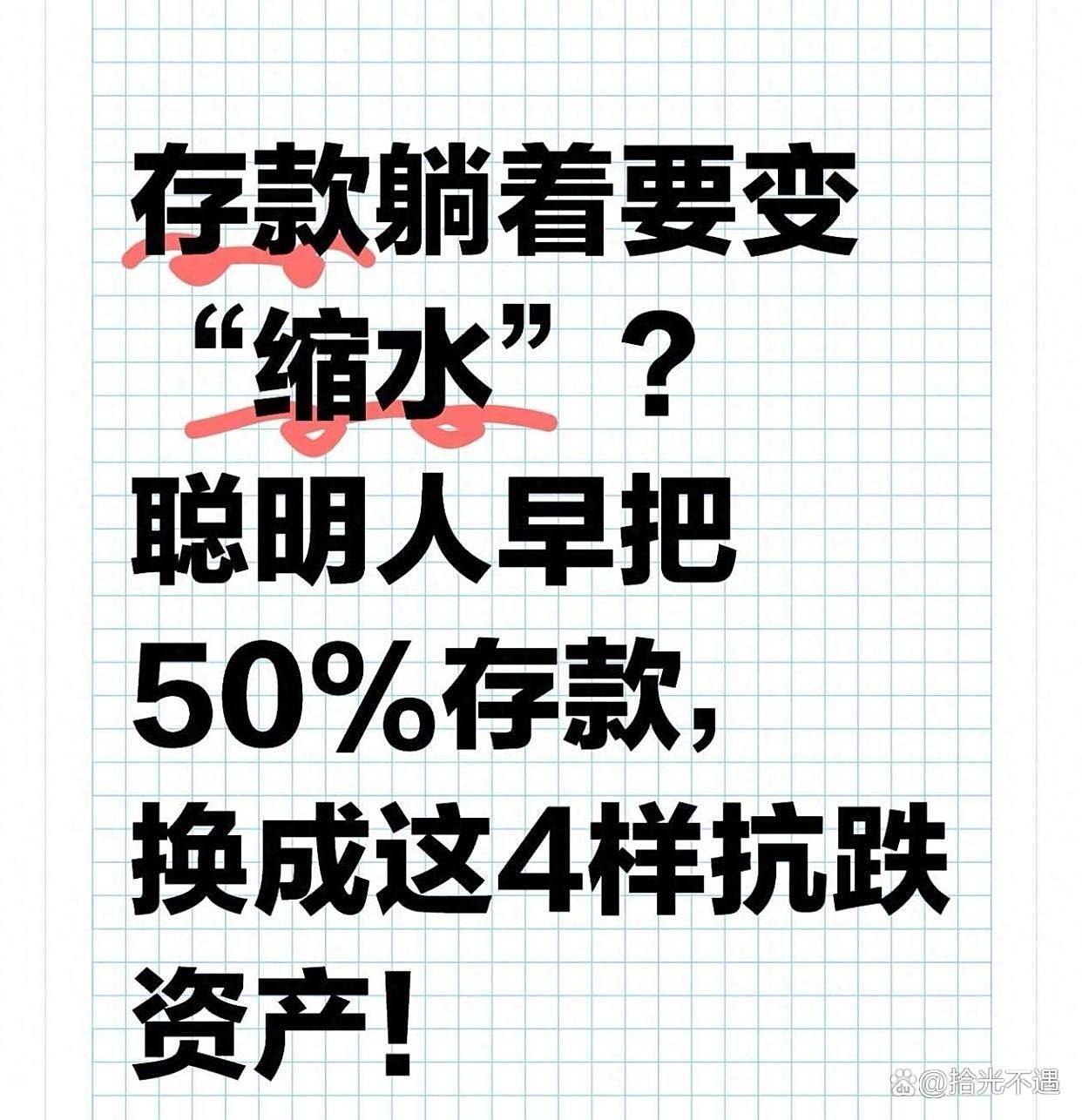
Core Insights - Individuals are increasingly reallocating approximately 50% of their deposits into safer investment options to combat low interest rates and inflation concerns [1][7] Group 1: Investment Options - **Savings Bonds**: Many individuals are investing in "savings bonds" issued by the Ministry of Finance, which are considered very safe and offer higher interest rates than regular savings accounts [3][4] - **Fixed Deposits and Large Time Deposits**: Shifting funds to reputable banks' fixed deposits or large time deposits provides higher interest rates and government insurance for deposits up to 500,000 [5] - **Index Funds and Gold ETFs**: A portion of savings is being allocated to broad-based index funds and gold ETFs, which are seen as low-risk investments that can help hedge against inflation [6][7] Group 2: Market Trends - **Demand for Savings Bonds**: In 2024, the Ministry of Finance plans to issue over 500 billion in savings bonds, indicating strong demand, particularly among older demographics [4] - **Interest Rate Adjustments**: The central bank's push for interest rate marketization has led to increased fixed deposit rates, making them more attractive compared to traditional savings accounts [5] - **Inflation Hedge**: The average return on gold ETFs has exceeded 10% in 2024, highlighting their role as a protective asset against inflation [6][7]
美联储放大招!鹰派官员集体喊话:通胀没凉透,降息别太急
Sou Hu Cai Jing· 2025-10-10 03:06
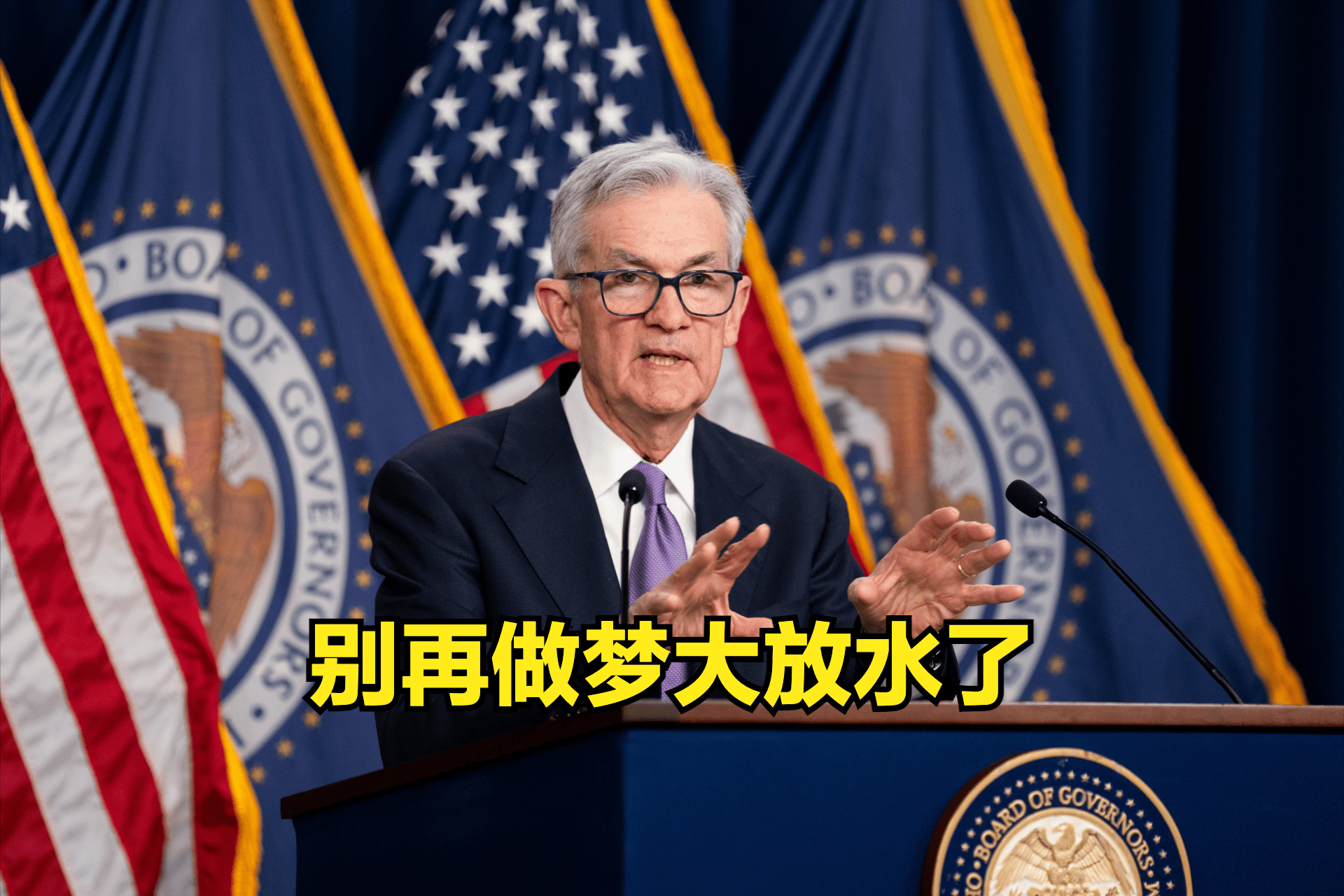
Core Viewpoint - The recent statements from Federal Reserve officials indicate a shift away from expectations of interest rate cuts, emphasizing the need to control inflation rather than stimulate the economy, which could lead to a re-evaluation of investment strategies in gold and Bitcoin [1][3][26]. Group 1: Federal Reserve Officials' Statements - Cleveland Fed President Mester warns against loosening policies too quickly, stating that current inflation remains above the 2% target, and hasty rate cuts could undermine previous inflation control efforts [5]. - Atlanta Fed President Bostic dismisses the need for rate cuts this year, predicting core inflation to rise to 3.1% by year-end and unemployment to reach 4.5% [5]. - Fed Vice Chair Jefferson acknowledges the dilemma of rising inflation risks while recognizing employment risks, suggesting a cautious approach to policy adjustments [7]. Group 2: Market Reactions - Following the Fed's hawkish comments, gold prices fell sharply, with New York futures dropping from $4,012 to $3,926, marking the largest single-day decline in two weeks [11]. - Bitcoin also experienced a significant drop, falling from $116,000 to $112,800, as institutional buying paused amid reduced expectations for rate cuts [13]. - The S&P 500 index declined by 1.1%, and the yield on 10-year U.S. Treasury bonds rose to 4.3%, indicating a shift of funds from riskier assets to safer investments [15]. Group 3: Adjusted Market Predictions - Institutions have revised their rate cut expectations, with Deutsche Bank's previous forecast of three cuts in Q4 being overturned [16]. - Invesco has lowered its forecast to two cuts by year-end, while ICBC International warns that excessive easing could damage policy credibility, suggesting a gradual rate cut approach [18]. - This shift implies a significant reduction in the previously anticipated "easy money" environment that supported gold and Bitcoin prices [19]. Group 4: Investment Strategy Adjustments - The Fed's stance suggests a transition from betting on rate cuts to closely monitoring economic data [21]. - Investors are advised to focus on key indicators such as the upcoming Fed meeting on October 28 and weekly jobless claims to gauge employment pressures [23]. - A recommended asset allocation includes maintaining 10% in gold (primarily physical) and reducing Bitcoin exposure to 3% of discretionary funds, while avoiding leveraged contracts [23]. Group 5: Long-term Value Perspective - Despite the Fed's cautious approach, the fundamental logic for gold and Bitcoin remains intact, as long as M2 money supply continues to grow and currency devaluation persists [26]. - The previous "rapid growth model" for assets is expected to shift to a "volatile upward trend," emphasizing the importance of long-term holding strategies over short-term speculation [30].
邻居张大爷转投股票基金,两个月亏了 8 千:高收益藏着坑
Sou Hu Cai Jing· 2025-10-03 13:05
Core Insights - The article highlights the risks associated with high-yield investment products, particularly for elderly investors who may lack financial literacy and are susceptible to aggressive marketing tactics [2][6]. Group 1: Investment Experience - An elderly investor, referred to as Zhang, initially experienced gains from a high-risk fund but quickly faced significant losses, illustrating the volatility of such investments [3][4]. - Zhang's experience reflects a broader trend where many elderly individuals are misled into high-risk investments without fully understanding the associated risks [6]. Group 2: Marketing and Sales Practices - The marketing tactics employed by financial institutions often include misleading presentations of past performance, which can create a false sense of security for potential investors [3][4]. - There is a noted lack of transparency in risk assessments, with some financial advisors manipulating client profiles to qualify them for riskier products [4]. Group 3: Financial Education and Awareness - The article emphasizes the need for improved financial education, particularly for older adults, to help them recognize and avoid high-risk investment schemes [6]. - Recommendations for avoiding financial scams include verifying the qualifications of financial advisors, understanding risk levels, and being cautious of promises of high returns [6]. Group 4: Regulatory and Institutional Response - The financial institution involved faced complaints regarding inadequate risk disclosure, highlighting a gap in regulatory oversight and the need for better consumer protection measures [5][6]. - The article suggests that financial institutions are beginning to shift their focus towards educating consumers about financial fraud, indicating a potential change in industry practices [7].

人民银行:截至8月末银行间债券市场的法人机构成员共3984家
Bei Jing Shang Bao· 2025-09-30 12:08
Core Insights - The People's Bank of China released the financial market operation report for August 2025, highlighting the status of the interbank bond market [1] Group 1: Market Participants - As of the end of August, there are 3,984 institutional members in the interbank bond market, all of which are financial institutions [1] - The top 50 investors in corporate credit bonds hold 53.0% of the total bond holdings, primarily consisting of public funds (asset management), large state-owned commercial banks (proprietary trading), and insurance financial institutions (asset management) [1] - The top 200 investors account for 83.9% of the total bond holdings [1] Group 2: Bondholder Statistics - The maximum, minimum, average, and median number of bondholders for a single corporate credit bond are 114, 1, 12, and 12, respectively [1] - Bonds with fewer than 20 holders make up 88.8% of the total number of credit bonds [1] Group 3: Trading Activity - In August, the top 50 investors in corporate credit bonds accounted for 60.8% of the trading volume, mainly concentrated among securities companies (proprietary trading), fund companies (asset management), and bank wealth management subsidiaries (asset management) [1] - The top 200 investors represent 91.1% of the trading volume [1]
「特稿」国际现货黄金价格涨破每盎司3800美元
Xin Hua She· 2025-09-29 10:48
Core Viewpoint - International spot gold prices have surpassed $3,800 per ounce for the first time, reaching a historical high of $3,819.81 per ounce, driven by a weaker dollar and expectations of further interest rate cuts by the Federal Reserve [1] Group 1: Gold Market Dynamics - The largest gold-backed exchange-traded fund (ETF), SPDR Gold Trust, reported an increase in holdings from 996.85 tons to 1,005.72 tons, a rise of 0.89% as of September 26 [1] - Gold prices have increased by 45% this year, supported by central bank demand and the Fed's resumption of interest rate cuts, with expectations for gold prices to rise for the third consecutive quarter [1] Group 2: Economic Influences - The weakening of the dollar and the anticipated meeting between Congressional leaders and President Trump regarding government funding are contributing factors to the rise in gold prices [1] - Current market expectations indicate a 90% probability of a rate cut by the Fed in October and a 65% probability in December, which is influencing gold's appeal as a hedge against economic uncertainty [1] Group 3: Institutional Perspectives - Analysts from Barclays Bank suggest that gold prices appear reasonable compared to the dollar and U.S. Treasury bonds, indicating a potential premium associated with the Fed's perceived loss of independence [1] - Major financial institutions, including Goldman Sachs and Deutsche Bank, expect the upward trend in gold prices to continue [1]