
资产保值

Search documents
美伊战火持续,资产缩水太狠!黄金到底能不能保值?
商业洞察· 2026-03-07 09:22
Core Viewpoint - The ongoing conflict between the US and Iran has resulted in significant casualties and has led to a broader economic impact, including a sharp decline in household savings and asset values globally [1][2][3]. Group 1: Historical Context of War and Investment - Historical analysis shows that stock markets in victorious countries during the 20th century had an average annual real return of 6.5%, while those in less fortunate countries still achieved a return of 4.2% [8]. - During the 1940s, many countries experienced low or negative stock returns, particularly in nations that were defeated and occupied, leading to a complete erasure of previous gains [8][9]. - The stock market's purchasing power declined by 12% globally during World War I, with Germany's market plummeting by 66% [9]. Group 2: Investment Strategies During Turbulent Times - Diversification is crucial; there is no such thing as a "forever hold" stock, as no company can maintain a competitive edge indefinitely [11]. - Historical data indicates that long-term stock holdings can yield returns exceeding inflation rates, especially in stable countries [11]. - The principle of mean reversion suggests that no asset class can consistently deliver supernormal returns, and high returns attract excessive capital, which can hinder performance [12]. Group 3: Asset Classes and Their Performance - Gold and jewelry can protect a portion of wealth during crises, but they must be kept accessible and secure, as traditional banking systems may fail [14]. - Fixed income investments generally underperform compared to stocks, especially in wartime scenarios where inflation severely impacts bond values [15]. - In unfortunate countries, fixed income investments can lead to significant losses, as evidenced by the German bond market post-World War I, where investors lost over 92% of their capital [15]. Group 4: Wealth Preservation and Global Diversification - Wealthy individuals should remain vigilant and consider transferring a portion of their assets abroad to mitigate risks associated with domestic instability [17]. - Historical lessons emphasize the necessity of diversifying currency holdings to maintain purchasing power amid potential crises [17]. - The trend of affluent individuals investing abroad, such as in New Zealand or major cities like London and New York, reflects a strategy to safeguard wealth against local uncertainties [17].


全球囤黄金!美国8133吨,俄罗斯2350吨,中国又是多少吨?
Sou Hu Cai Jing· 2026-02-22 08:54
Group 1 - The United States holds 8,133 tons of gold, accounting for over a quarter of the world's official gold reserves, primarily stored in Fort Knox, Kentucky [1] - Gold constitutes nearly 70% of the U.S. foreign exchange reserves, providing a safeguard for the dollar's credibility despite ongoing debt crises [1] Group 2 - Russia's official gold reserves stand at 2,350 tons, significantly increased from a few hundred tons at the time of the Soviet Union's collapse, with a consistent annual accumulation of gold over the past decade [3] - The necessity for Russia to accumulate gold stems from its awkward position in the global economic system, particularly outside the dollar framework, as a means to avoid dependency [3] - Recent military expenditures and declining oil prices have forced Russia to draw from its gold reserves, indicating that even substantial reserves cannot withstand continuous depletion [3] Group 3 - China's gold reserves are approximately 2,303.5 tons, ranking sixth globally, which is relatively low compared to its massive foreign exchange reserves of $3.4 trillion [5] - The Chinese central bank has been steadily increasing gold holdings since March 2025, reflecting a cautious and gradual approach to gold accumulation [5] - China's financial strategy differs from other nations, as it relies on U.S. Treasury holdings while incrementally increasing gold reserves to hedge against potential dollar risks [5] Group 4 - A significant shift occurred in early 2026 when gold surpassed U.S. Treasury bonds as the world's largest reserve asset for central banks, marking the first time in 30 years [7] - This change is driven by a growing recognition of the potential risks associated with the dollar, prompting central banks to purchase over 1,100 tons of gold in 2025 alone [7] - The rising demand for gold has implications for wealth preservation, investment strategies, and the choice of hedging tools, with gold being viewed as a stable asset rather than a quick profit generator [7]
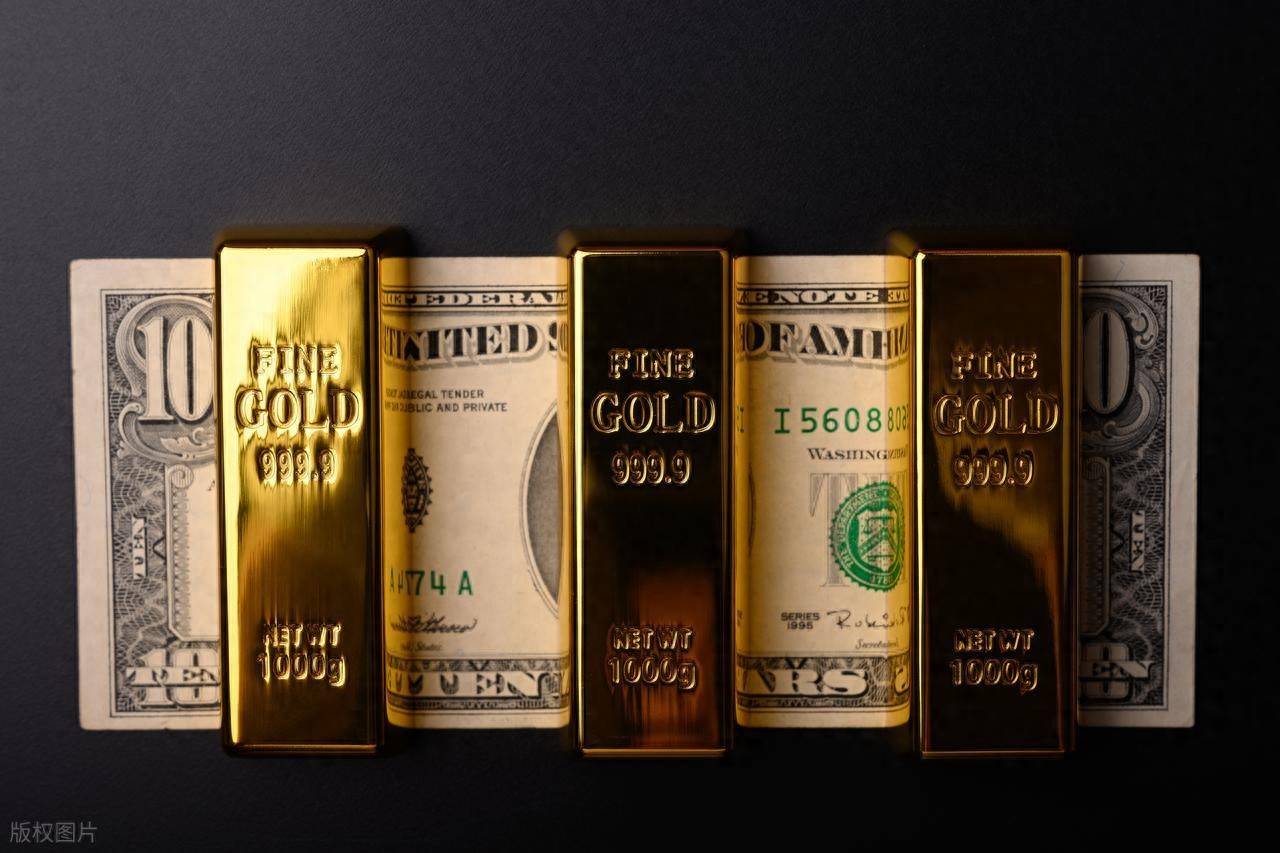
帮主快评:房子跌87万,黄金涨112万,这场“资产对决”有答案了
Sou Hu Cai Jing· 2026-02-16 01:36
Group 1 - The core point of the article highlights a real-life example of asset hedging, where homeowners in Hangzhou profited from a combination of real estate and gold appreciation, despite the property value declining significantly [1][2] - The article raises a question about which asset, gold or real estate, will retain more value by 2026, indicating a shift in investment logic [3][6] - Gold is viewed as a "ultimate insurance" against geopolitical risks, inflation, and dollar instability, supported by central banks' increasing gold reserves [5][6] Group 2 - Real estate is characterized by stability, providing rental cash flow and benefiting from urban development, with rental yields in major cities rising to 2.39% [6][7] - The article suggests three actionable recommendations: avoid chasing high gold prices, focus on core urban real estate, and consider holding both assets for better risk management [8][9]

在北上广深有多套房的人,为什么不卖一套实现财务自由?原因有3个
Sou Hu Cai Jing· 2026-02-16 00:46
Group 1 - The domestic real estate market is experiencing a significant downturn, with both prices and transaction volumes declining sharply across major cities [1][3] - The average national housing price has dropped from 11,000 yuan per square meter in Q1 2021 to 9,500 yuan in the same period this year, indicating a widespread market contraction [1] - In March, the transaction volume of new residential properties in 30 key cities fell by 47% year-on-year, reflecting a severe reduction in market activity despite developers offering discounts and local governments relaxing regulations [1] Group 2 - In contrast to the overall market, first-tier cities like Beijing, Shanghai, Guangzhou, and Shenzhen maintain high property prices, with average prices ranging from 60,000 to 70,000 yuan per square meter, and some core areas exceeding 100,000 yuan [3][5] - Many residents in these cities earn an average monthly income of only 5,000 to 6,000 yuan, making homeownership increasingly unattainable for the majority [3] - Homeowners in first-tier cities are reluctant to sell their properties due to expectations of future price appreciation, the desire to retain access to superior job opportunities and resources, and the preference for rental income over liquidating assets [5][6]

GTC泽汇:美政策预期致金银震荡
Xin Lang Cai Jing· 2026-02-09 14:58
Core Viewpoint - The precious metals market is showing signs of stabilization and recovery after experiencing significant volatility, with gold maintaining strong support around the $5,000 mark despite recent profit-taking and reduced safe-haven demand [1][2]. Market Performance - Spot gold reached a high of $5,046.79 per ounce, reflecting a rise of approximately 0.7%, indicating a reassessment of the value of metal assets by market participants after short-term panic subsides [1][2]. - Silver rebounded from a low near $60 per ounce, showing an active performance with a gain of 3.3%, priced at $80.5330 per ounce, while platinum experienced a decline of 2.3% to $2,068.45 per ounce, highlighting differences in liquidity demand among various metal types [2][3]. Economic Indicators - The focus of the global market has shifted to the upcoming non-farm payroll data and CPI inflation indicators, which will directly influence the Federal Reserve's future interest rate path, especially given the complexities introduced by the nomination of Kevin Warsh as Fed Chair [3]. - The potential policy stance of Warsh briefly boosted the dollar and triggered profit-taking in the precious metals market, but such expectation-driven volatility may provide more cost-effective entry points for long-term holders [3]. Year-to-Date Trends - Year-to-date, gold and silver have recorded gains of 15% and 5% respectively, although there has been a pullback from February's historical highs, the overall upward trend remains intact [4]. - Precious metals continue to hold a solid position as core tools for inflation hedging and asset preservation amid intertwined policy uncertainties and macroeconomic fluctuations, with investors advised to be cautious of the dollar's short-term price pressures [4].

黄金买卖实操宝典:选对渠道抓准时机,稳健布局资产保值之路
Sou Hu Cai Jing· 2026-01-29 12:35
Core Viewpoint - Gold remains a crucial asset for investors due to its unique anti-inflation and safe-haven characteristics, especially in the context of rising interest rate expectations and geopolitical disturbances in 2026 [1] Group 1: Compliance and Security - The first step in gold trading is to select compliant and legal trading channels, which directly impacts the safety of investor funds and transaction fairness [3] - Main compliant channels include commercial banks, securities and fund platforms, and Hong Kong Gold Exchange member units, each catering to different investor needs [3] - Gold trading platforms like Jinsong Precious Metals, as an AA member of HKGX, provide reliable options with independent fund management and transparent transaction processes [3] Group 2: Matching Trading Products - Different gold trading products vary significantly in risk levels, trading rules, and capital requirements, necessitating investors to align their choices with their risk tolerance and investment goals [5] - Physical gold, account gold, gold ETFs, and gold derivatives each serve different investor profiles, from beginners to experienced traders [5][6] - New investors are advised to start with non-leveraged products like account gold or gold ETFs before exploring more complex options [6] Group 3: Understanding Price Influences - Gold prices are influenced by multiple factors, including macro monetary policy, geopolitical tensions, and central bank gold purchases, which can drive demand and price fluctuations [7] - The expectation of continued interest rate cuts by the Federal Reserve in 2026 is a significant factor supporting rising gold prices [7] - The relationship between the U.S. dollar index and gold prices is typically negative, with a stronger dollar leading to decreased demand for gold [7] Group 4: Practical Strategies and Common Pitfalls - Effective trading strategies and avoiding common mistakes are essential for successful gold trading [8] - Investors should adhere to the principle of using "idle money" for investments and maintain a reasonable allocation of 5%-15% of total assets in gold [8] - Timing the market is crucial, with different trading sessions exhibiting distinct volatility characteristics, necessitating careful planning and risk management [8][9] Group 5: Long-term Investment Philosophy - The essence of gold trading lies in achieving long-term stable value rather than seeking short-term profits, emphasizing the importance of compliance and risk management [10] - Platforms like Jinsong Precious Metals that prioritize compliance and investor service can support a stable investment journey [10] - A rational mindset and strategic approach are vital for investors to realize the value preservation and gradual asset appreciation that gold offers [10]

薛佳凝自曝2013年开始攒黄金,首次便入手2公斤,有男演员买了九公斤
Sou Hu Cai Jing· 2026-01-29 10:33
Core Viewpoint - The article highlights actress Xue Jiaying's investment strategy in gold, showcasing her foresight and financial acumen since 2013, which has garnered significant attention from the public [10]. Investment Strategy - Xue Jiaying began investing in gold in 2013 when the price was around 300 yuan per gram, purchasing two kilograms initially, indicating a substantial investment approach [1][7]. - A notable male actor, a friend of Xue, invested nine kilograms of gold at that time, demonstrating a trend among celebrities to invest in precious metals [1][7]. Market Insight - The current gold price has nearly doubled since 2013, reflecting the effectiveness of Xue's long-term investment strategy compared to others who opted for short-term gains [10]. - Xue Jiaying's choice to hold onto her gold investments rather than sell during price increases illustrates a more stable asset allocation strategy, contrasting with her friend's decision to cash out when prices rose above 400 yuan [10]. Financial Wisdom - The article emphasizes the wisdom of a "saving" rather than "speculating" mindset in today's volatile investment market, positioning gold as a traditional safe-haven asset that has proven its value over time [21]. - Xue Jiaying's approach to investing in gold is presented as a rational and strategic decision, highlighting the importance of financial planning and foresight beyond the celebrity image [21].

万柳老钱买安澜北京!2026年塔尖豪宅,3000万只是入场券?
Sou Hu Cai Jing· 2026-01-27 10:14
Core Insights - The article discusses the launch of the Zhonghai Anlan Beijing project, which combines French romantic aesthetics with traditional Chinese cultural elements, particularly in its design and landscaping [1][3][19] Design and Aesthetics - The project features a blend of French and Chinese architectural styles, with elements inspired by the Ritz Hotel in Paris and the Western-style buildings of the Old Summer Palace [3] - The design includes a sunken courtyard that replicates the "壶中天地" from the Summer Palace, creating a serene and elegant atmosphere [5] - The clubhouse, named "那居," spans approximately 2800 square meters and includes various high-end amenities such as a library, wine cellar, and private dining areas, catering to diverse lifestyle needs [7][10] Market Dynamics - The project has seen a surge in interest, particularly from affluent clients in the Wanliu area, who are looking to upgrade their living conditions while remaining within the same geographic region [26][28] - The Wanliu area has demonstrated strong property value retention, with a total transaction amount of 5.211 billion yuan in 2025, despite a 22.9% decline from historical highs [31] - The demand for the Anlan Beijing project is driven by the financial gains from the stock market, as many clients are converting their stock profits into real estate investments [40][48] Client Profile - The target clientele consists of high-net-worth individuals from the Wanliu area, including tech entrepreneurs and financial professionals, who value both cultural heritage and modern luxury [40][41] - The project addresses the needs of these clients by offering modern amenities while preserving the cultural significance of the location, thus appealing to their aesthetic preferences [45] Sales Strategy - The success of the project is attributed to the effective collaboration with high-end real estate agencies that have established relationships with potential buyers in the Wanliu area [46][47] - The marketing approach has shifted to a more inclusive strategy, lowering financial barriers for potential buyers and enhancing accessibility to the project [46]

金、银、铜集体大涨 背后原因解析
Sou Hu Cai Jing· 2026-01-27 02:46
Group 1 - Gold prices have recently surged, breaking the $5000/oz mark and reaching $5100/oz, driven by a loss of confidence in the US dollar due to high national debt and expanding fiscal deficits [1][4] - Geopolitical risks have increased the appeal of gold as a safe-haven asset, with market expectations of potential interest rate cuts by the Federal Reserve further fueling demand for gold [4][6] - Silver has experienced an even more significant price increase than gold, supported by both financial demand as a safe haven and strong industrial demand from sectors like photovoltaics, electric vehicles, and AI data centers [6][9] Group 2 - Copper prices are rising due to robust industrial demand, particularly from new infrastructure projects related to renewable energy, charging stations, and grid upgrades, making copper essential for these developments [9][12] - The investment threshold for copper is lower than that for gold and silver, attracting more retail investors to consider copper as an investment option [9][12] - The recent price increases in gold, silver, and copper are attributed to a combination of global economic dynamics and industry trends, suggesting that investors should approach the market cautiously and consider precious metals as part of a diversified asset allocation strategy [12][13]
金、银、铜集体大涨,背后原因解析
Yang Shi Xin Wen· 2026-01-27 02:34
Group 1: Gold Market - Gold prices have recently surged, breaking the $5,000 per ounce mark and reaching a new high of $5,100 per ounce, driven by a loss of confidence in the US dollar due to high national debt and fiscal deficits [1][4] - The appeal of gold as a safe haven has increased amid ongoing global geopolitical risks, with market expectations of potential interest rate cuts by the Federal Reserve further fueling demand for gold as a means of asset preservation [4] Group 2: Silver Market - Silver prices have surpassed $100 per ounce, doubling from historical highs, with its price increase being more pronounced than that of gold [2][6] - The rise in silver is supported by both its financial attributes as a safe haven and strong industrial demand from sectors such as photovoltaics, electric vehicles, and AI data centers, making it a dual-purpose asset [6] Group 3: Copper Market - Copper prices have also seen significant increases, primarily driven by robust industrial demand linked to new infrastructure projects such as renewable energy, charging stations, and grid upgrades [7] - The lower investment threshold for copper compared to gold and silver has attracted interest from retail investors, contributing to its rising popularity [7] Group 4: Investment Considerations - Current market conditions suggest that while gold, silver, and copper have all experienced substantial price increases, entering the market at this stage carries higher risks, particularly for those considering leveraged investments [8] - Gold is recommended for long-term asset preservation for those with disposable income, while silver is more suitable for high-risk investors seeking short-term gains; copper is better suited for knowledgeable professionals due to storage challenges for retail investors [8]
