数码

Search documents
新一轮“国补”落地 多地积极部署
Jing Ji Wang· 2026-01-09 02:17
Group 1 - The 2026 national subsidy program has officially commenced with the first batch of 62.5 billion yuan allocated to support the replacement of consumer goods and enhance equipment upgrades [2][3] - The new subsidy policy has optimized and upgraded aspects such as subsidy scope, methods, and regulatory mechanisms compared to previous years [2][3] - Local governments are rapidly responding with supporting policies, and industries are actively implementing these measures, accelerating the release of policy dividends [2][4] Group 2 - Consumers can receive a subsidy of 15% for purchasing certain digital products and home appliances, with specific caps on the maximum subsidy amount per item [3] - In the automotive sector, consumers can receive subsidies of up to 20,000 yuan for trading in old vehicles for new energy cars, and up to 15,000 yuan for trading in old fuel vehicles for smaller fuel cars [3] - The policy aims to stimulate demand in the digital and smart product markets, with new categories like smart glasses included in the subsidy scope [6] Group 3 - The implementation of the subsidy program has led to significant increases in sales, with notable growth in consumer electronics and automotive sales during the New Year holiday [7] - The policy has effectively mitigated consumer hesitation in certain sectors, demonstrating a strong impact on market activity [7] - The 2026 subsidy program is designed to enhance local autonomy in implementing subsidies, allowing for flexibility and adaptability to local conditions [7][8] Group 4 - The program is expected to boost both short-term consumption and long-term economic growth, contributing to the optimization of industrial structure and improvement of the consumption ecosystem [8] - Continuous implementation and refinement of supporting measures are anticipated to further activate domestic demand potential, providing sustained momentum for high-quality development [8]
补贴2300万元拉动消费1.6亿元
Xin Lang Cai Jing· 2026-01-09 00:10
Group 1 - The Guangxi government is implementing a series of consumer stimulus policies, including a trade-in program for home appliances and digital products, to boost consumption demand [1] - As of January 8, 2026, six cities in Guangxi have launched the trade-in subsidy activities, issuing a total of 40,000 subsidies and providing 23 million yuan in national subsidies, which has directly driven sales of related products to 160 million yuan [1] - From January 9, all cities in Guangxi will follow suit, with maximum subsidies of 1,500 yuan for home appliances and 500 yuan for digital products, benefiting more consumers [1] Group 2 - In the retail sector, Guangxi's above-limit retail industry saw a year-on-year growth of over 8% from January to November 2025, indicating a continuous release of upgraded consumption demand [1] - Retail sales of communication equipment, home appliances, and furniture in above-limit units increased by 45.9%, 30.2%, and 8.9% year-on-year, respectively [1] - The retail sales of wearable smart devices and smartphones in above-limit units surged by 209.4% and 53.5% year-on-year, reflecting a strong trend in smart consumption [1] Group 3 - During the Spring Festival consumption season, various activities such as live-streaming sales and the China (Guangxi) - ASEAN online New Year goods festival will take place, enhancing consumer engagement [2] - Cultural events and sports competitions are expected to boost the restaurant and accommodation industries, enriching the cultural life of the public [2] - Guangxi is actively applying for a prize-winning invoice pilot program, which may add an element of surprise to everyday shopping for consumers in the future [2]
2026版“国补”,三类人最省钱
Xin Lang Cai Jing· 2026-01-08 23:24
Core Viewpoint - The newly revised national subsidy policy for 2026 aims to enhance consumer safety and promote green transformation in the home appliance industry, with a total of 625 billion yuan allocated for subsidies to encourage the replacement of old products with new ones [3][5]. Group 1: Subsidy Implementation and Scope - The 2026 subsidy program includes support for various sectors such as automobiles, home appliances, digital products, and smart devices, with specific categories like refrigerators, washing machines, televisions, air conditioners, computers, and water heaters eligible for subsidies [7][8]. - Consumers purchasing energy-efficient home appliances will receive a subsidy of 15% of the product price, capped at 1,500 yuan per item, with a limit of one item per category per consumer [7][8]. - The subsidy for digital and smart products, including smartphones, tablets, smartwatches, and smart glasses, is also set at 15% of the product price, with a maximum subsidy of 500 yuan per item for products priced under 6,000 yuan [7][8]. Group 2: Market Impact and Consumer Behavior - The launch of the subsidy policy has invigorated the consumer market, with significant sales recorded during the New Year holiday, including 26.86 million yuan in home appliance sales and nearly 10 million yuan in communication equipment sales in Henan province [5][6]. - Despite the increase in vehicle purchase tax for new energy vehicles, the overall market did not experience a decline in consumer interest due to the offsetting effect of the subsidy program [5][6]. - The new policy is expected to benefit specific consumer groups, particularly those in rural areas, families seeking home modifications, and individuals planning to purchase new appliances or vehicles [10]. Group 3: Changes and Optimizations in the Subsidy Policy - The 2026 subsidy policy has optimized its scope, standards, and implementation mechanisms, focusing on high-efficiency products and including new categories like smart glasses [8][9]. - The policy emphasizes a unified implementation mechanism while allowing local adaptations, ensuring that the subsidy distribution is fair and effective across different regions [9]. - The subsidy program is designed to be more targeted, benefiting consumers who truly need assistance rather than promoting impulsive buying behaviors [10].

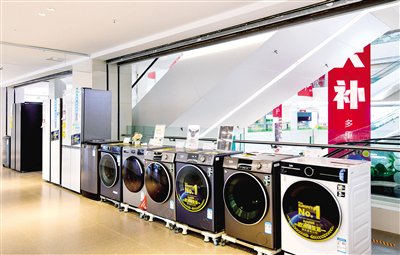
以旧换新相关商品销售额达3.92万亿元
Yang Shi Wang· 2026-01-08 12:38
Core Insights - The implementation of the old-for-new consumption policy in 2024 has resulted in a total sales volume of 3.92 trillion yuan, benefiting 494 million people [1] - The policy has significantly boosted the sales of various products, including over 18.3 million vehicles, more than 192 million home appliances, and approximately 91 million mobile and digital products [1] Group 1: Automotive Industry - In the old-for-new vehicle exchange, nearly 60% of the exchanged vehicles are new energy vehicles, leading to a doubling of sales in the domestic new energy passenger car market [2] - The average growth rate of scrapped vehicle recovery over the past two years has exceeded 45%, resulting in a reduction of carbon emissions by approximately 44 million tons [5] Group 2: Home Appliances - In the home appliance sector, over 90% of exchanged products are of first-level energy efficiency, indicating a strong shift towards energy-efficient products [3] - The presence of old-for-new home appliance stores in densely populated commercial areas has led to a more than 30% increase in consumer spending within a 1-kilometer radius [7] Group 3: Digital Products - Among mobile and digital products, mid-to-high-end models account for 72.5% of new purchases, reflecting a consumer preference for higher quality and advanced technology [3] Group 4: Economic Impact - The introduction of green, low-carbon, and smart new products is enhancing the quality of life for consumers while promoting a green economic transition [5] - Increased consumer engagement in physical stores for product experiences and subsidies is driving cross-scenario consumption in leisure, entertainment, and dining sectors [7]
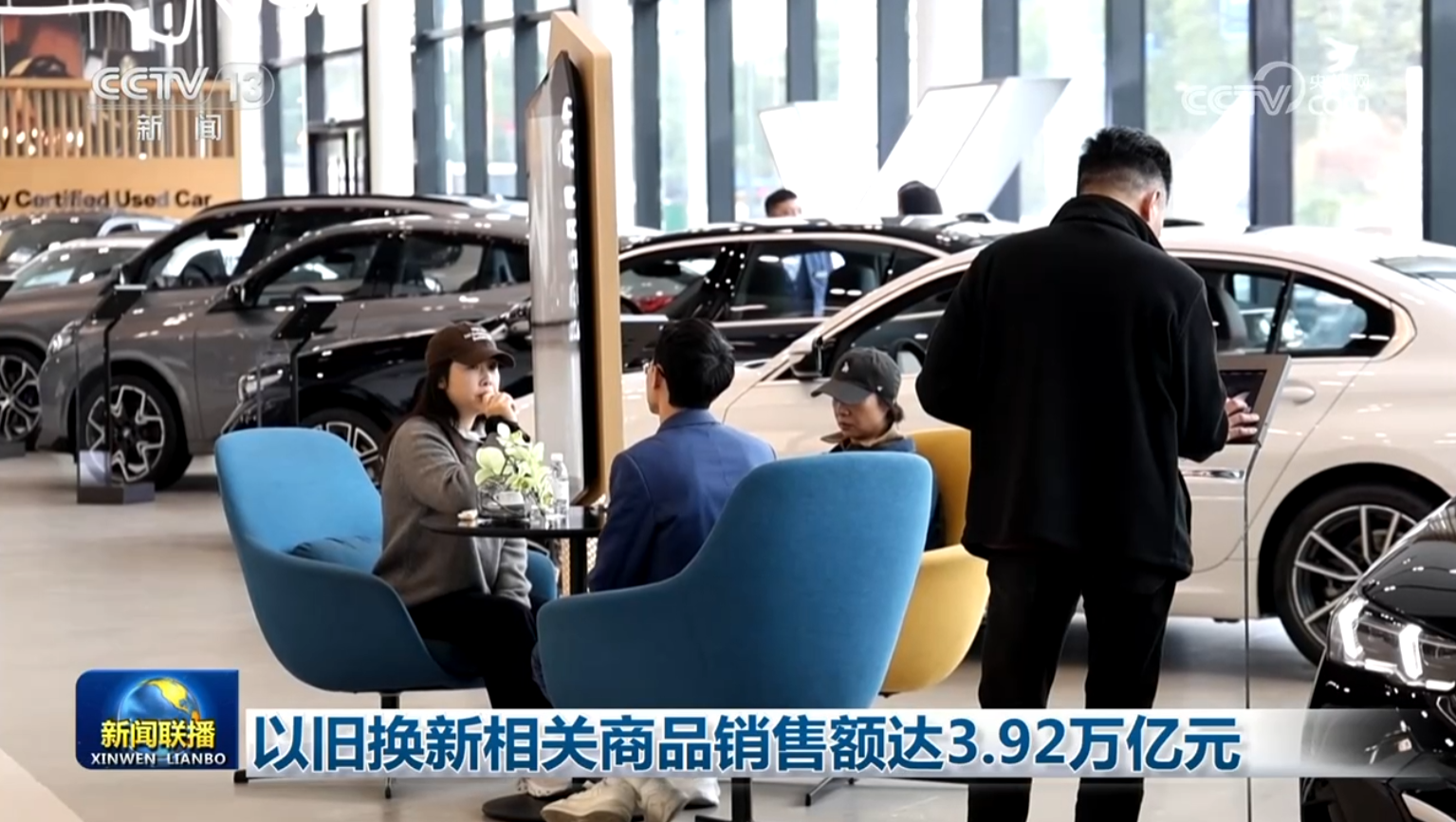
惠民“大礼包”点燃消费热情 “政府补贴+企业让利”吹动消费市场“一池春水”
Yang Shi Wang· 2026-01-08 06:12
Core Viewpoint - The new round of the "old-for-new" policy for home appliances and digital products has been implemented since January 1, stimulating consumer purchasing enthusiasm across various sectors [1] Group 1: Policy Implementation and Consumer Response - The "old-for-new" policy has led to increased sales activity in cities like Lianyungang, where consumers are taking advantage of government subsidies to purchase new appliances [1][3] - Retailers in Lianyungang have optimized their services to provide a one-stop solution for consumers, allowing them to settle payments after subsidies and facilitating the process of old product disposal and new product installation [3] Group 2: Subsidy Details and Product Coverage - In Sichuan, a unified "subsidy deduction" model is being used, offering a 15% subsidy on the sale price for products like smartphones and tablets, which has attracted consumer interest [5] - The subsidy program has expanded to include smart glasses, indicating a broader support range for digital and smart products [7] Group 3: Market Activation Strategies - In Lanzhou, a dual approach of government subsidies and corporate discounts is being employed to activate key consumer markets, including automobiles and home appliances [7] - The subsidy for home appliances in Lanzhou covers six categories of energy-efficient products, with a standard subsidy of 15% on the final sale price [9] Group 4: Automotive Sector Insights - The automotive "old-for-new" policy includes two categories: scrapping old vehicles for new energy vehicles with a maximum subsidy of 20,000 yuan, and replacing old vehicles with a maximum subsidy of 15,000 yuan [11] - Consumers are leveraging the "old-for-new" policy in automotive purchases, benefiting from multiple layers of subsidies to acquire new vehicles at reduced prices [11] Group 5: Policy Execution and Consumer Access - Lanzhou has established a joint review mechanism among business departments to ensure effective policy implementation, with an online platform facilitating the entire process of subsidy application, review, and payment [13]
新华鲜报|“新国补”落地首周!消费市场“焕新”
Xin Hua Wang· 2026-01-07 23:56
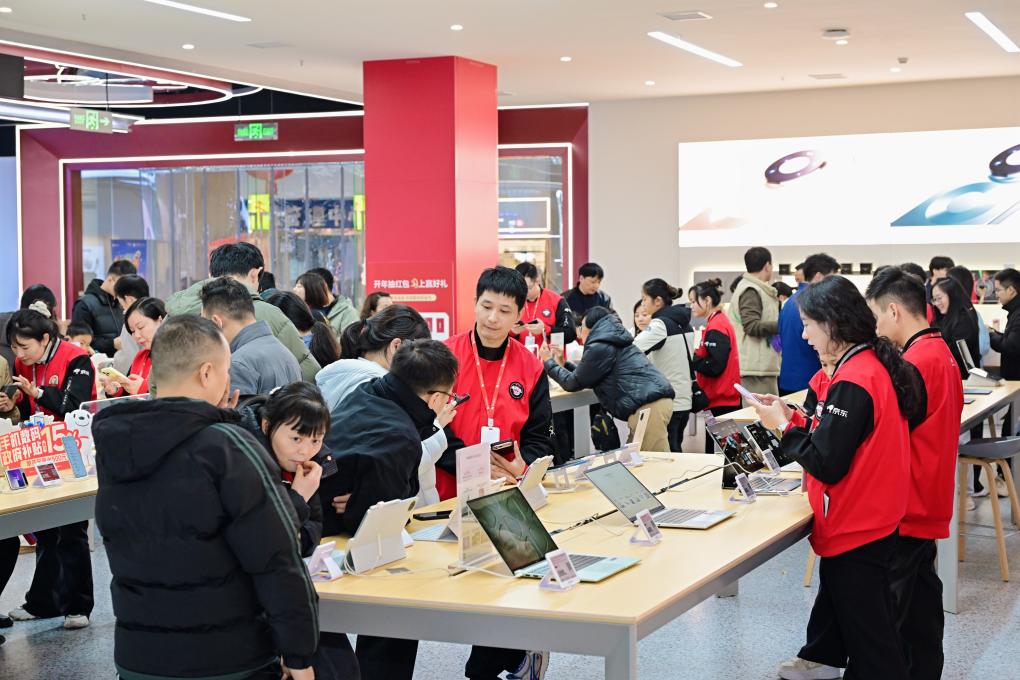
Group 1 - The "New National Subsidy" policy for replacing old consumer goods such as automobiles, home appliances, and digital products has been officially implemented, leading to a revitalization of the consumption market and enhancing both industrial upgrades and quality of life for citizens [1][2] - Major online and offline platforms, including JD.com and Suning, have fully adopted the national subsidy, offering additional promotions and services to facilitate consumer upgrades [2][3] - The new subsidy policy aligns with consumer demand and trends towards consumption upgrades, expanding support to include smart glasses and smart home products, with a focus on energy-efficient appliances [2][3] Group 2 - During the New Year holiday, consumer traffic in Suning's stores increased by 110% nationwide, with cities like Beijing, Chengdu, and Shanghai being the most active in utilizing the subsidy [3] - The first batch of 625 billion yuan in long-term special government bonds to support the old-for-new consumption plan has been allocated to local governments, contributing to a strong start for the consumption market [2][3] Group 3 - The automotive sector is also benefiting from the new subsidy, with the first application for the 2026 vehicle scrappage and replacement subsidy being submitted, allowing for higher subsidies based on the new car price [5][6] - The adjustment of the new energy vehicle purchase tax from exemption to a 50% reduction has led to varied consumer reactions, with some opting to wait while others proceed with purchases due to existing needs [5][6] - The overall automotive consumption structure is evolving, with the replacement rate exceeding 55%, indicating a strong market demand for upgrades [6] Group 4 - The launch of the "National Subsidy" coincided with the New Year, leading to immediate consumer engagement and participation in various promotional activities across cities [8] - The holiday season is critical for capturing consumer interest, prompting various regions to enhance subsidy accessibility and ensure effective implementation of the policy [8][9]
“新国补”落地首周!消费市场“焕新”
Sou Hu Cai Jing· 2026-01-07 15:34
Group 1 - The "New National Subsidy" policy for replacing old consumer goods officially launched at the beginning of the new year, aiming to enhance both industrial upgrades and the quality of life for citizens [1] - The policy includes subsidies for digital and smart products, expanding the scope to include smart glasses and smart home products, with a focus on energy-efficient appliances [2][3] - The first week of the policy saw significant consumer engagement, with a notable increase in foot traffic and sales across various platforms, indicating a strong market response [3][7] Group 2 - The automotive sector is benefiting from the new subsidy policy, which adjusts the old car replacement subsidy to be based on a percentage of the new car's price, encouraging consumers to purchase higher-value, environmentally friendly vehicles [4][6] - The adjustment of the new energy vehicle purchase tax from exemption to a 50% reduction has led to varied consumer reactions, with some opting to wait while others proceed with purchases due to existing needs [4][5] - The overall automotive market is showing signs of rational consumer behavior, with a significant portion of consumers prioritizing product features and brand service over mere price discounts [6] Group 3 - Various cities are actively promoting the subsidy program during the holiday season, launching multiple consumer engagement activities to maximize participation and ensure the effectiveness of the subsidies [7] - The focus on creating a seamless consumer experience through "policy + scenario + experience" initiatives is crucial for capturing the holiday shopping momentum [7] - The market's enthusiasm for the "New National Subsidy" reflects a broader trend towards high-quality development and the transition from "Made in China" to "Intelligent Manufacturing in China" [7]
新华鲜报丨“新国补”落地首周!消费市场“焕新”
Xin Hua Wang· 2026-01-07 15:11
Core Viewpoint - The implementation of the "New National Subsidy" policy for trade-in of consumer goods such as automobiles, home appliances, and digital products is expected to stimulate the consumption market and enhance the quality of life for citizens, driving both industrial upgrades and consumer demand [1][11]. Group 1: Consumer Goods Market - The "New National Subsidy" policy has led to a surge in consumer interest, with platforms like JD.com and Suning launching various promotional activities to facilitate trade-ins and provide additional benefits [2][10]. - The policy has expanded the scope of subsidies to include digital and smart products, aligning with consumer demand for upgraded technology and energy-efficient appliances [2][3]. - Sales data from Suning indicates a significant increase in foot traffic, with a 110% week-on-week rise in stores nationwide during the New Year holiday, particularly in major cities like Beijing and Shanghai [3][10]. Group 2: Automotive Market - The automotive trade-in subsidy has been adjusted to provide higher incentives based on the price of new vehicles, with a maximum subsidy of 20,000 yuan for scrapping old cars and 15,000 yuan for trade-ins [6][8]. - The adjustment in the new energy vehicle tax policy, from full exemption to a 50% reduction, has led to varied consumer reactions, with some opting to wait for better deals while others proceed with purchases due to existing needs [6][7]. - The overall vehicle replacement rate has surpassed 55%, indicating a strong demand for upgrading to greener and smarter vehicles, supported by the new subsidy structure [8]. Group 3: Market Dynamics and Consumer Behavior - The market is becoming more rational, with consumers increasingly prioritizing product features such as energy efficiency and smart technology over mere price discounts [7][8]. - The New Year holiday has been identified as a critical period for capturing consumer interest, with various cities launching promotional events to maximize the impact of the subsidy policy [10][11]. - Industry experts emphasize the importance of timely adjustments to subsidy categories and the need to combat fraudulent claims to ensure the effectiveness of the subsidy funds [10].


每两周一轮摇号!上海家电数码“国补”开抢
Guo Ji Jin Rong Bao· 2026-01-07 14:25
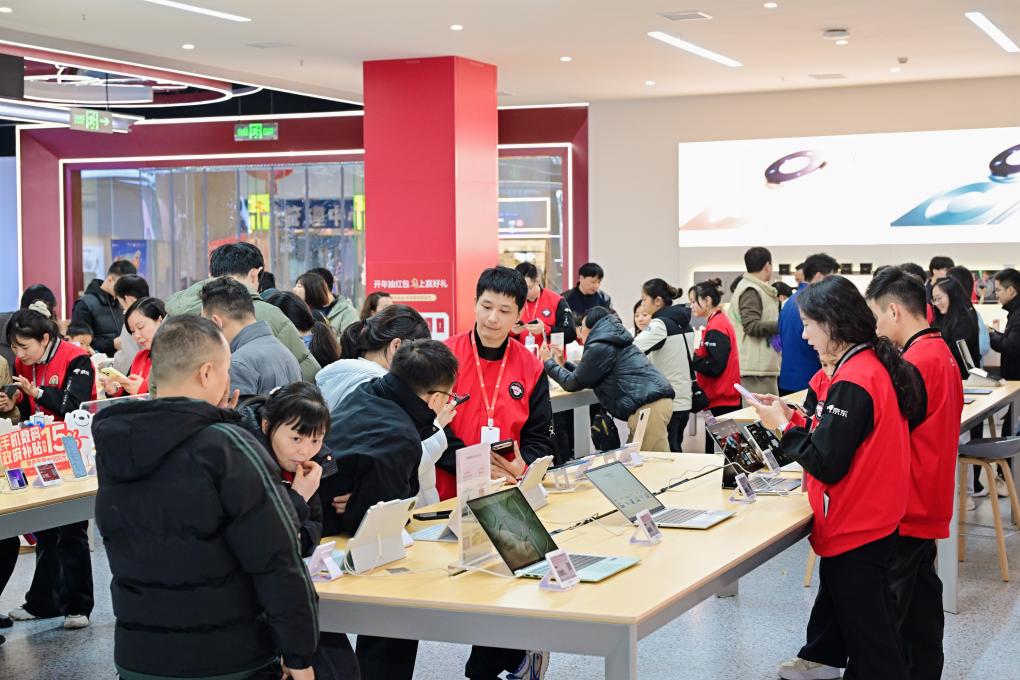
1月7日,2026年上海家电消费"国补"第一轮中签的"幸运儿"陆续诞生,线下门店迎来消费热潮。在 苏宁易购浦东第一店,顾客林先生选购了一台卡萨帝高端冰箱,率先受益于"以旧换新"国补政策。 记者从上海市商务委获悉,2026年开年,备受上海市民关注的新一轮家电以旧换新及数码产品购新 补贴活动,已于近日正式启动。 上海将按照"消费者报名、公证摇号、中签发券"的方式,开展家电以旧换新、数码和智能产品购新 补贴活动,原则上每两周开展一轮报名。第一轮报名时间为2026年1月1日8时至5日20时,发券时间为1 月7日12时至24时,核销时间为补贴资格券到账后14天。 记者了解到,包括京东在内的多个线上线下平台已全面承接国家补贴的落地实施,并纷纷推出配套 服务,为市民的"焕新"之路提供更多便利。 根据活动规则,市民购买指定的冰箱、洗衣机、电视、空调等6类家电产品,单件最高可获补贴 1500元;购买手机、平板、智能手表等4类数码产品,单件最高可获补贴500元。 "不止浦东门店,从今天中午开始,上海地区其余门店也已陆续开单。我们将借此机会,推动绿色 智能家电走进更多上海家庭,助力消费升级。"上海苏宁易购门店运营中心总经理闵旗表示 ...
去年上海以旧换新商品销售额超1212亿元,惠及近2200万人次
Xin Lang Cai Jing· 2026-01-07 13:27
Group 1 - The first batch of digital subsidies for home appliances in Shanghai was successfully distributed on January 7, 2026, benefiting over 21.95 million people with a total sales volume exceeding 121.23 billion yuan in 2025 [1][4] - Suning.com generated its first subsidy order on the same day, with a customer purchasing a high-end refrigerator at a discounted price after applying for subsidies, demonstrating the effectiveness of the subsidy program [3] - The subsidy policy covers various home appliances, encouraging the consumption of energy-efficient and smart products, while also enhancing the "trade-in" service system for consumers [3][4] Group 2 - In 2025, the trade-in program for home appliances and household goods involved 4.9 million units, contributing to a sales increase of 21.2 billion yuan, with 1.47 million participants specifically in home appliances [4] - The retail sales of consumer goods in Shanghai grew by 5% year-on-year from January to November 2025, surpassing the national average by 1 percentage point, with the trade-in program contributing 2.7 percentage points to this growth [2][4]