
运动服饰

Search documents
申万宏源证券晨会报告-20260122
Shenwan Hongyuan Securities· 2026-01-22 02:09
澳毛周期、无纺布制造可期 涨跌 (%) IKA ta 今日重点推荐 2026 年 01 月 22 日 纺织服装行业点评:2025 年报业绩前瞻,品牌服饰表现分化, 行业观点与投资分析意见: 展望 26 年内需有望逐步回暖,挖掘新消费高景气方向:①高性能户外:波 司登、安踏、滔搏、361 度,建议关注伯希和(已递交招股书)、李宁、特 步;②折扣零售:海澜之家(旗下京东奥莱);③个护清洁:诺邦股份、稳 健医疗、洁雅股份;④睡眠经济:罗莱生活、水星家纺。 全球关税博弈变量逐步落定,不改核心制造全球竞争力:①运动制造产业链: 申洲国际、华利集团、裕元集团、伟星股份、百隆东方;②澳毛涨价周期: 新澳股份;③卫材升级产业链:延江股份。 风险提示:消费恢复低于预期;行业竞争加剧;存货减值风险;原材料成 本上涨。 (详见正文) (联系人:王立平/朱本伦) 海外利率上行引发全球震荡,后续推演与影响 -- -- 全球资产配 置风险系列报告之二 上 周 以 美 日 为 代 表 的 发 达 国 家 长 端 利 率 再 度 上 行 (20260101~20260120,30 年日债利率上行 41bp,30 年美债利率上 行 7bp), ...
PUMA成为迈凯伦车队官方合作伙伴
Cai Jing Wang· 2026-01-22 01:40
Core Insights - PUMA and McLaren have officially announced a long-term global strategic partnership focused on event equipment development, co-branded product launches, and fan engagement activities [1] Group 1: Partnership Details - PUMA will provide professional racing gear for McLaren's entire racing lineup, including the McLaren F1 team, the Arrow McLaren IndyCar team, the F1 Academy Cup team, and the McLaren F1 esports team [1] - Starting in 2027, the partnership will extend to include the McLaren United AS World Endurance Championship team [1] Group 2: Co-branded Products - Two major series of co-branded products will be launched: a racing series featuring McLaren's iconic papaya orange color, replicating official race gear, and a lifestyle series that combines racing history elements with modern streetwear design [1] Group 3: Fan Engagement Activities - The partnership will connect global fans through immersive experiences, special projects, and exclusive product launches, with the first event set to kick off at the F1 Australian Grand Prix [1] - Both PUMA CEO Arthur Hoeld and McLaren CEO Zak Brown emphasized that this collaboration will leverage their resources and expertise in sports technology and racing to enhance the fan apparel matrix and deepen the connection between the brand and its fan base [1]
零工取代星巴克全职咖啡师?奈雪们早就尝试了丨消费参考
2 1 Shi Ji Jing Ji Bao Dao· 2026-01-22 01:34
Group 1 - Starbucks China is focusing on controlling labor costs by increasing the recruitment of part-time employees, with 61.7% of job postings for student part-time positions and 17.8% for social part-time positions [1] - The majority of full-time job postings are concentrated in lower-tier cities, with only Shenzhen and Shanghai having limited full-time positions [1] - The trend of hiring part-time workers is becoming common in the restaurant industry, as seen with Nayuki Tea, which has also shifted to a workforce primarily composed of part-time employees [2] Group 2 - The management structure at Starbucks is changing, with the implementation of a "multi-store community" model where one store manager oversees multiple locations, aimed at reducing costs [2] - The shift from full-time baristas to gig workers raises concerns about maintaining service quality, which is a core competitive advantage for Starbucks [2][3]
耐克大中华区CEO换人!营收连续五个季度下滑
Shen Zhen Shang Bao· 2026-01-21 15:31
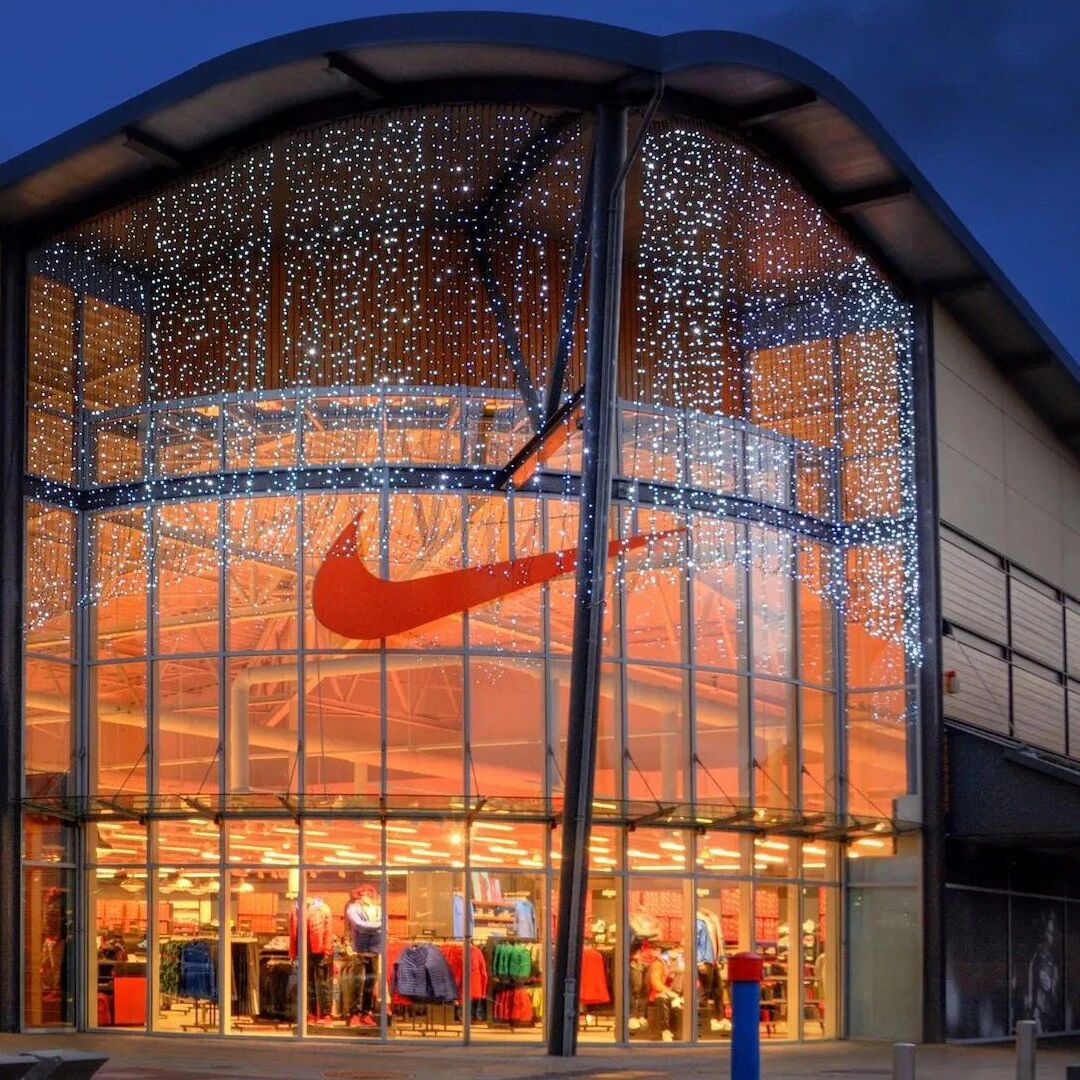
Core Viewpoint - Nike is undergoing significant management changes in its Greater China region, reflecting a strategic restructuring in response to declining performance in the market [1][2]. Group 1: Management Changes - Nike announced the appointment of Cathy Sparks as the new Vice President and General Manager for Greater China, succeeding Angela Dong, who will officially step down on March 31 [1]. - Angela Dong has been a key figure in Nike's local growth since joining in 2005, leading various brand initiatives that resonate with local sports culture [1]. - The management reshuffle comes less than a year and a half after Dong was promoted to Chairman and CEO of Greater China, indicating a potential shift in Nike's strategy for the region [1]. Group 2: Financial Performance - For the second quarter of fiscal year 2026, Nike reported total revenue of $12.427 billion, a slight increase of 1% year-over-year, but net profit fell significantly by 32% to $0.792 billion [2]. - The Greater China market faced the most severe challenges, with revenue dropping to $1.423 billion, a substantial decline of 17%, and EBIT (Earnings Before Interest and Taxes) plummeting by 49% [2]. - This marks the fifth consecutive quarter of year-over-year revenue decline for Nike in the Greater China region [2]. Group 3: Market Competition - In contrast to Nike's declining performance, domestic brands are gaining market share; Nike's market share in China decreased from 18.1% in 2021 to 16.2% in 2024 [3]. - Anta's market share increased from 9.8% to 10.5%, while Li Ning's share rose slightly from 9.3% to 9.4%, positioning them as the second and third largest brands, respectively [3]. - Adidas also saw a decline in market share from 15% to 8.7%, being surpassed by local brands [3]. Group 4: New Leadership Profile - Cathy Sparks, the new head of Nike China, has 25 years of experience with the company and has a background in retail, having started from a store position [3]. - Her experience in driving business transformation in the Asia-Pacific and Latin America regions may be seen as a strategic move by Nike to revitalize its approach in the Chinese market [3].


耐克大中华区换帅,接任者能否重振耐克业绩
第一财经· 2026-01-21 14:15
Core Viewpoint - Nike is undergoing a significant leadership change in its Greater China region, with Angela Dong stepping down and Cathy Sparks appointed as the new Vice President and General Manager, reflecting a strategic shift in response to recent performance challenges in the Chinese market [3][6]. Group 1: Leadership Transition - Angela Dong has been with Nike since 2005, rising through the ranks to become the first Chinese executive to lead Nike's global sub-brand, ACG, indicating the company's commitment to the Chinese market [3][4]. - The leadership change comes amid declining performance in the Greater China region, with Dong's departure seen as part of a broader restructuring within Nike's global leadership [4][5]. - Cathy Sparks, the new appointee, has 25 years of experience at Nike, but her lack of direct experience in the Chinese market raises concerns among some analysts [6]. Group 2: Financial Performance - Nike's financial results for the second quarter of fiscal year 2026 showed a revenue of $12.427 billion, a 1% year-over-year increase, but a significant decline in net profit by 32% to $792 million [5]. - The Greater China region experienced a dramatic revenue drop of 17% to $1.423 billion, with EBIT (Earnings Before Interest and Taxes) profit nearly halving, indicating severe market challenges [5]. - Following the announcement of leadership changes, Nike's stock price fell by 10.54%, resulting in a market value loss of approximately $10.229 billion (around 72 billion RMB) [5]. Group 3: Market Challenges and Opportunities - Analysts suggest that the leadership change may be necessary to break entrenched interests within the company and foster innovation to meet the rapidly evolving Chinese market [6]. - Despite concerns about the new leadership's understanding of local market dynamics, there is potential for internal reform and revitalization of Nike's approach to the Chinese consumer [6][7]. - The effectiveness of this leadership transition in revitalizing Nike's performance in China remains to be seen, as the company faces significant competition and market pressures [7].
大中华区营收连续六季度下滑 耐克押注直营零售老将
Jing Ji Guan Cha Wang· 2026-01-21 14:09
Core Viewpoint - Nike is undergoing significant leadership changes in its Greater China region due to ongoing revenue declines, with the appointment of Cathy Sparks as the new Vice President and General Manager to address these challenges [2][6]. Group 1: Revenue Decline - The Greater China region has experienced six consecutive quarters of revenue decline, with a 13% year-over-year drop in fiscal year 2025, resulting in revenues of $6.586 billion, making it Nike's worst-performing global market [2]. - In the second quarter of fiscal year 2026, revenues in the Greater China region fell by 17%, with a 49% year-over-year drop in earnings before interest and taxes [3]. Group 2: Inventory and Discount Issues - Nike is facing a vicious cycle of high inventory and discounting, with total inventory at $7.5 billion at the end of fiscal year 2025, while the overall gross margin decreased to 42.7%, down 1.9 percentage points [3]. - The frequent discount promotions are eroding brand profits, leading to a decline in direct-to-consumer (DTC) sales, with a 36% drop in digital business revenue and an 18% decline in direct sales [3]. Group 3: Market Competition and Brand Perception - Analysts suggest that Nike's product technology and quality are losing appeal in the competitive Chinese market, where local brands are gaining consumer preference [4]. - The shift in consumer preferences towards local culture and brands is impacting Nike's market position, as its digital marketing strategies are not as agile as those of local competitors [4]. Group 4: Leadership and Strategic Focus - Angela Dong, who has led the Greater China region since 2015, emphasized "fashion, digitalization, and localization" as key strategies, but the effectiveness of these strategies is now being questioned [5]. - Cathy Sparks' experience in DTC operations and her previous roles in various global markets are seen as crucial for addressing the current challenges in the Greater China region [6].

耐克大中华区换帅 董炜将卸任
Zheng Quan Ri Bao Wang· 2026-01-21 13:10
据官网介绍,董炜于2005年加入耐克,还曾担任耐克大中华区副总裁、首席财务官兼区域总经理,并担 任耐克大中国区副总裁兼首席财务官。另外,她还担任ACG品牌全球CEO。在加入耐克之前,曾在可 口可乐中国和宝洁公司担任管理职位。 随着董炜离任,耐克将在大中华市场迎来新将CathySparks。据了解,CathySparks拥有25年的耐克工作 经验,她从波特兰Niketown门店的零售岗位开启职业生涯,随后在全球多个市场担任重要领导职务。她 此前担任耐克亚太及拉美区(APLA)副总裁兼总经理,在推动业务转型与增长方面拥有卓越表现。 耐克认为,CathySparks对运动文化有着深刻洞察,将带领耐克大中华区团队继续深化与消费者的连 接。 本报讯(记者李静) 1月21日,耐克宣布,现任大中华区董事长兼CEO董炜(AngelaDong)女士将于3月31日正式卸任。同日, 耐克宣布任命CathySparks女士为新任耐克大中华区副总裁兼总经理。 ...
耐克大中华区CEO换人:利润缩水49%,外方“新帅”接任
Guan Cha Zhe Wang· 2026-01-21 12:14
Core Insights - Nike announced the resignation of Angela Dong, the current head of Greater China, effective March 31, with Cathy Sparks appointed as the new Vice President and General Manager for the region [1][2] Group 1: Leadership Changes - Angela Dong has been with Nike since 2005 and has held several key leadership positions in Greater China, contributing significantly to the brand's engagement in the region [1] - Cathy Sparks, who has 25 years of experience at Nike, previously served as Vice President and General Manager for the Asia Pacific and Latin America region, and is expected to deepen consumer connections in Greater China [2] - Other leadership changes include Crissy taking over as interim Vice President and General Manager for APLA, and César Garcia replacing Carl Grebert as Vice President and General Manager for EMEA [2] Group 2: Financial Performance - Nike's financial results for Q2 of fiscal year 2026 showed revenues of $12.427 billion, a 1% year-over-year increase, but a 32% decline in net profit to $792 million [3] - The Greater China region reported revenues of $1.423 billion, a 17% year-over-year decline, with a 49% drop in EBIT [3] - Nike's total inventory was $7.7 billion, down 3% year-over-year, indicating challenges in market performance [3] Group 3: Strategic Initiatives - Nike is undergoing organizational changes to enhance product innovation and market responsiveness, as part of its 'Win Now' strategy [3][4] - The company remains optimistic about the long-term potential of the Chinese market and is committed to optimizing operations to adapt to market changes [3]

lululemon在中国真正的竞争者,出现了
3 6 Ke· 2026-01-21 11:02
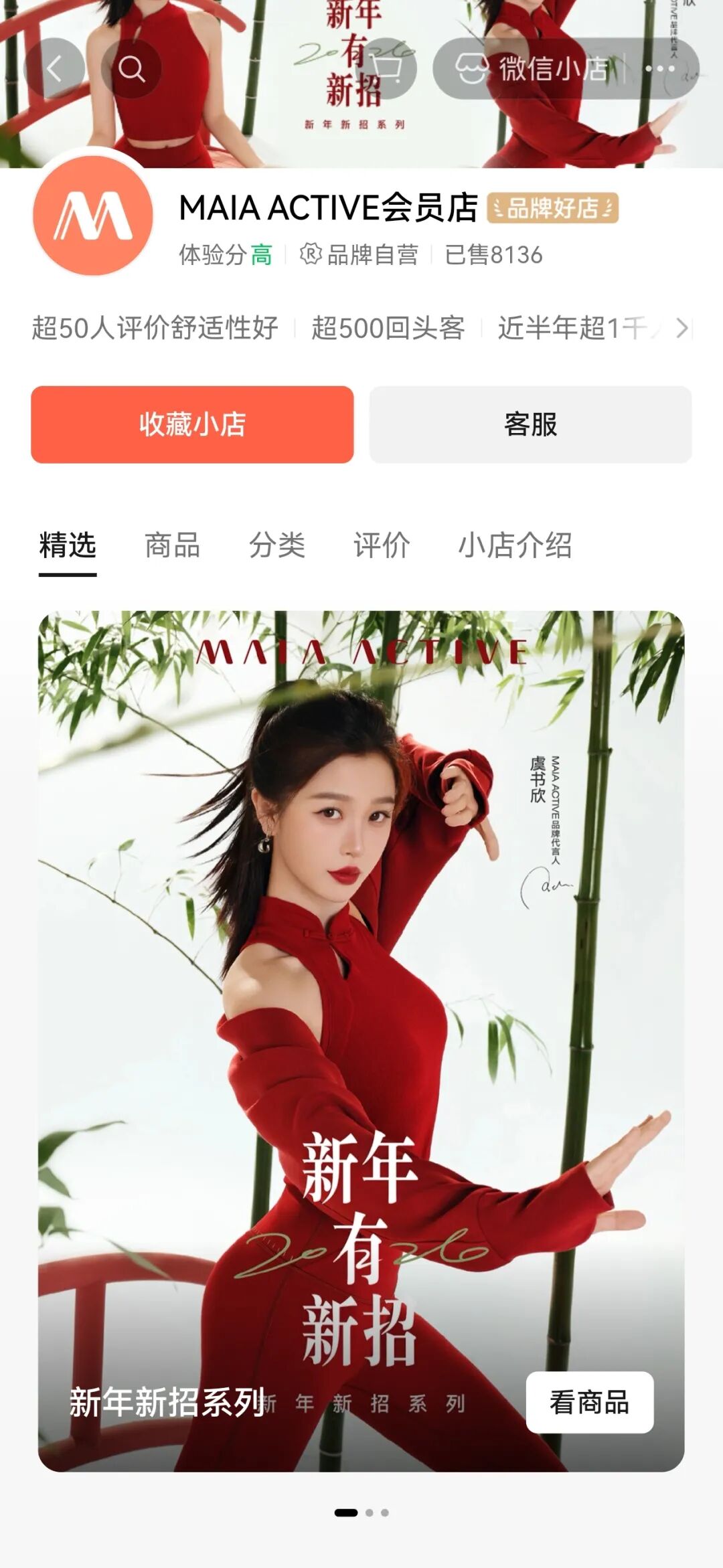
Core Insights - Lululemon is facing challenges with a decline in net revenue in the Americas market, which fell by 2% to $1.7 billion in Q3 FY2025, accounting for 68% of total revenue [1] - In contrast, Lululemon's performance in China remains strong, with net revenue increasing by 46% to $465 million in Q3 FY2025, and comparable sales rising by 24%, making China the company's second-largest market globally [1] - The competitive landscape in the high-end women's sportswear segment is intensifying, with local brands like Anta's MAIA ACTIVE and international players like Alo Yoga entering the market [2][11] Lululemon's Market Performance - The Americas market has shown a consistent decline, impacting overall revenue [1] - The Chinese market is a bright spot for Lululemon, showcasing significant growth and becoming a key area for future expansion [1] Competitive Landscape - Anta's MAIA ACTIVE is undergoing strategic changes, including a leadership shift aimed at strengthening its position in the women's yoga segment [1][3] - MAIA ACTIVE aims to become a leading brand in the yoga market within five years, with a pricing strategy that is significantly lower than Lululemon's [3][9] - Alo Yoga plans to enter the Chinese market with its first stores in Shanghai and Beijing in Q2 2026, indicating a growing interest from international brands in China's yoga market [1][12] Brand Positioning and Strategy - MAIA ACTIVE's pricing strategy ranges from 299 to 899 yuan, while Lululemon's yoga pants are priced between 850 and 1080 yuan, reflecting different market positioning [3][8] - Despite the competitive pressure, Lululemon maintains a strong brand presence and consumer loyalty, which are seen as significant barriers to entry for new competitors [10] Consumer Insights - There is a notable overlap in the target demographics of Lululemon and MAIA ACTIVE, with MAIA ACTIVE focusing on local adaptation and perceived value to attract Lululemon's edge users [9] - Alo Yoga's design may appeal to younger consumers but faces challenges in meeting the practical needs of the Chinese market, which prioritizes comfort and functionality [17][18] Future Outlook - The competition in the Chinese yoga apparel market is expected to intensify, with multiple brands vying for market share, indicating that the battle for dominance is just beginning [19]


——纺织服装行业2025年报业绩前瞻:品牌服饰表现分化,澳毛周期、无纺布制造可期
Shenwan Hongyuan Securities· 2026-01-21 10:45
Investment Rating - The textile and apparel industry is rated as "Neutral" for the upcoming period, indicating that the industry is expected to perform in line with the overall market [9]. Core Insights - The report highlights a divergence in performance within the textile and apparel sector, with high-end outdoor and niche sports brands showing strong potential despite an overall slowdown in demand [3]. - Domestic retail sales for clothing and textiles reached 1.52 trillion yuan in 2025, reflecting a year-on-year growth of 3.2%, with a notable slowdown in December due to warmer winter temperatures [3]. - Export figures for the textile and apparel sector showed a decline, with total exports amounting to 293.8 billion USD, down 2.6% year-on-year, indicating a shift in supply chain dynamics towards countries like Vietnam [3]. Summary by Sections Domestic Demand - Retail sales for clothing and textiles in China reached 1.52 trillion yuan in 2025, with growth rates of 6.3%, 3.5%, and 0.6% in October, November, and December respectively [3]. - The warmer winter led to a slowdown in winter clothing sales, impacting overall performance [3]. International Demand - Textile and apparel exports totaled 293.8 billion USD in 2025, with textiles at 142.6 billion USD (up 0.4%) and apparel at 151.2 billion USD (down 5.2%) [3]. - Vietnam's textile exports grew by 7.0%, indicating a shift in orders due to tariff policies affecting different production regions [3]. Brand Performance - High-end outdoor brands and niche sports brands are expected to maintain strong growth, while traditional brands like Anta and Li Ning are projected to see varied performance, with Anta's revenue expected to decline slightly [3]. - Women's apparel is facing challenges, but companies like Xinha and Ge Li Si are expected to show improvements in profitability due to prior adjustments [3]. Home Textiles - Companies like Luolai and Water Mercury are expected to perform steadily, while Fuanna is still in a destocking phase [3]. Non-woven Fabric Industry - The non-woven fabric sector is anticipated to benefit from quality upgrades and expanding demand, with companies like Nuo Bang and Yan Jiang expected to see significant revenue growth [3]. Textile Manufacturing - The report notes that the performance of the sports manufacturing chain is under pressure due to fluctuations in brand orders, but the Australian wool industry is expected to see a rebound in demand and pricing [3]. Investment Recommendations - The report suggests focusing on high-performance outdoor brands, discount retail, personal care, and sleep economy sectors for potential investment opportunities [3].


