锂离子电池制造

Search documents
瑞浦兰钧上半年营收94.91亿元,同比减亏90.5%
Ju Chao Zi Xun· 2025-08-12 02:36
Core Viewpoint - 瑞浦兰钧能源在2025年上半年实现了显著的收入和毛利增长,尽管仍然面临亏损,但亏损幅度大幅减少,显示出财务表现的改善 [2][3] Financial Performance - 2025年上半年,公司实现收入人民币94.91亿元,同比增长24.9% [3] - 毛利达到人民币8.29亿元,同比大幅增长177.8% [3] - 期内亏损为人民币6270.4万元,较去年同期的人民币6.58亿元显著减少90.5% [2][3] - 每股亏损为人民币0.03元,同比减少84.2% [3] Industry Context - 全球新能源汽车市场在"双碳"目标的推动下持续强劲增长,2025年上半年全球新能源汽车销量约为910万辆,同比增长28% [2] - 中国市场新能源汽车产销量分别达到696.8万辆和693.7万辆,同比分别增长41.4%和40.3% [2] Company Overview - 瑞浦兰钧能源主要从事动力电池和储能电池的设计、研发、生产及销售,产品广泛应用于新能源汽车领域 [4] - 主要产品包括磷酸铁锂材料及电芯、三元材料及电芯等 [4] Technological Advancements - 公司在技术研发方面持续投入,推出了高能量密度、高功率特性和长寿命的问顶54Ah电芯,成为行业标杆产品 [5] - 在混合动力电池、纯电动电池等领域取得显著进展,巩固了在新能源科技领域的领先地位 [5] International Expansion - 公司积极拓展国际市场,在北美、欧洲、东南亚等地区设立子公司,并与全球领先的储能和新能源车企建立深度合作关系 [5] - 计划在东南亚、欧洲和南美洲建立生产基地,以增强全球品牌影响力并分散地缘政治风险 [5] - 印尼电池制造基地的第一期规划产能为年产8GWh动力电池及储能电池及系统 [5]


7 月通胀点评:服务消费季节性走强
Bank of China Securities· 2025-08-11 14:46
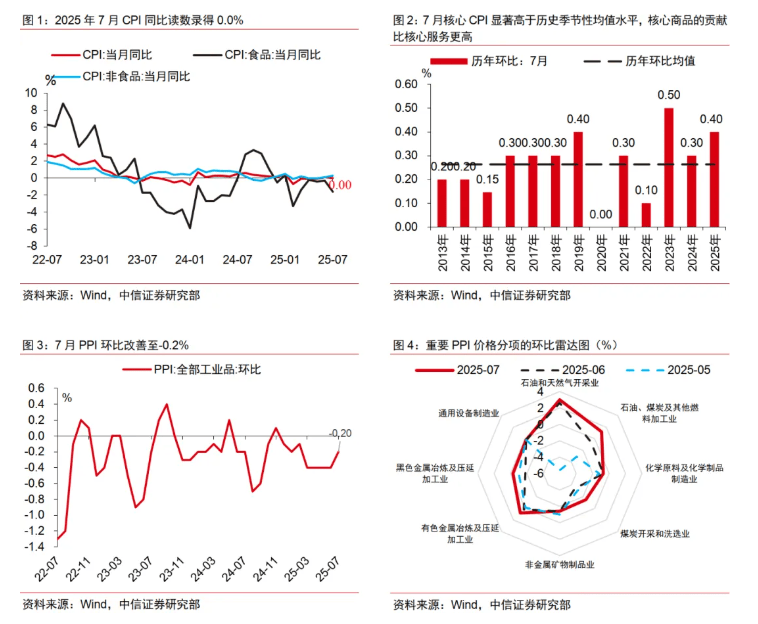
Inflation Overview - July CPI year-on-year growth slightly exceeded consensus expectations, while PPI year-on-year growth fell below expectations[1] - July CPI increased by 0.4% month-on-month, remaining flat year-on-year, with core CPI rising by 0.8%[2] - Service prices rose by 0.5% year-on-year, while consumer goods prices fell by 0.4%[2] CPI Analysis - Year-on-year growth in July was driven by other goods and services (8.0%), clothing (1.7%), and healthcare (0.5%), while food and tobacco prices fell by 0.8%[2] - Food prices contributed to a 0.29 percentage point decline in CPI year-on-year, with gold and platinum jewelry prices adding 0.22 percentage points to CPI growth[2] - Service prices accounted for approximately 0.26 percentage points of the month-on-month CPI increase, representing over 60% of the total CPI rise[6] PPI Insights - July PPI decreased by 0.2% month-on-month and 3.6% year-on-year, with the decline in production materials contributing significantly[15] - The month-on-month decline in PPI was the first narrowing since March, influenced by seasonal factors and international trade uncertainties[16] - The overall PPI decline was impacted by eight industries, which collectively contributed approximately 0.24 percentage points to the PPI decrease[16] Future Outlook - The second half of the year is expected to see a narrowing of the PPI year-on-year decline due to improved supply-demand relationships in certain industries[20] - Seasonal and policy factors may cause fluctuations in various price segments, particularly in food and durable goods[7] - Risks include potential global inflation resurgence and rapid economic downturns in Europe and the U.S.[30]
锐财经|七月份CPI环比上涨0.4% 物价数据透露哪些积极信号
Ren Min Ri Bao Hai Wai Ban· 2025-08-11 07:08
Group 1 - The Consumer Price Index (CPI) in July showed a month-on-month increase of 0.4%, indicating a shift from decline to growth, while the year-on-year change remained flat [1][2] - The core CPI, excluding food and energy, rose by 0.8% year-on-year, marking the highest increase since March 2024, with the growth rate expanding for three consecutive months [2][4] - The increase in CPI was primarily driven by rising prices in services and industrial consumer goods, with service prices up 0.6% month-on-month, contributing significantly to the overall CPI increase [2][3] Group 2 - The Producer Price Index (PPI) decreased by 0.2% month-on-month, but the decline was less than the previous month, indicating a potential improvement in supply-demand relationships in certain industries [3][4] - The year-on-year PPI fell by 3.6%, but macroeconomic policies and industry upgrades are contributing to positive price changes in some sectors [4][5] - The ongoing expansion of domestic demand and the implementation of consumption-boosting policies are expected to support price stability and gradual recovery in the second half of the year [5][6]
扩内需政策效应持续显现 中国核心CPI涨幅连续三个月扩大
Chang Jiang Shang Bao· 2025-08-11 00:06
Group 1 - The Consumer Price Index (CPI) in July 2025 increased by 0.4% month-on-month, reversing a 0.1% decline in June, indicating a positive trend in consumer prices driven by service and industrial goods [2][3] - Core CPI, excluding food and energy, rose by 0.8% year-on-year, marking the third consecutive month of growth, reflecting the ongoing effects of domestic demand expansion policies [2][3] - Service prices increased by 0.6% month-on-month, contributing approximately 0.26 percentage points to the overall CPI increase, with significant price hikes in travel-related services due to the summer vacation season [2][3] Group 2 - The Producer Price Index (PPI) decreased by 0.2% month-on-month in July 2025, but the decline was less than in previous months, indicating a narrowing of the downward trend for the first time since March [4][5] - Year-on-year, the PPI fell by 3.6%, with the average PPI for January to July 2025 down by 2.9% compared to the same period last year, marking 33 consecutive months of negative growth [4][5] - The improvement in PPI is attributed to seasonal factors and enhanced market competition in various industries, including coal, steel, and photovoltaic sectors, which have seen reduced price declines [4][5]
中金:提物价待需求端发力——2025年7月物价数据点评
中金点睛· 2025-08-10 23:55
Core Viewpoint - In July, the "anti-involution" policy led to a narrowing of the PPI month-on-month decline to -0.2%, while the CPI for industrial consumer goods improved, contributing to a third consecutive month of core CPI year-on-year recovery. However, the impact of supply-side capacity management on prices is more moderate compared to 2016, with PPI year-on-year decline remaining at a two-year low of -3.6% and CPI year-on-year turning flat [2][19]. Group 1: CPI Analysis - The CPI year-on-year remained flat at 0.0% in July, primarily dragged down by food items, while core CPI rose to 0.8% [4]. - Food prices decreased by 1.6% year-on-year, with the decline widening by 1.3 percentage points compared to the previous month, contributing a marginal drag of 0.30 percentage points to the overall CPI [8]. - Seasonal supply of fresh vegetables and fruits was abundant, leading to a significant year-on-year decline in their prices, with fresh vegetables down 7.6% and fresh fruits up 2.8% [8][11]. Group 2: PPI Analysis - The PPI month-on-month decline narrowed from -0.4% to -0.2% in July, but the year-on-year decline remained at -3.6%, indicating limited effectiveness of the "anti-involution" measures on price uplift [19]. - Key industries such as coal, steel, and cement have implemented capacity management measures, which have led to a reduction in the month-on-month price declines for these sectors [19]. - International factors continue to pressure export-related prices, while domestic oil and non-ferrous metal prices have seen increases due to external input factors [20]. Group 3: Market Outlook - The "anti-involution" measures have led to a faster increase in futures prices compared to spot prices, indicating market expectations are ahead of actual supply-side adjustments [24]. - Looking ahead, the diminishing drag from tailing factors may lead to improvements in PPI year-on-year in August and CPI year-on-year in the fourth quarter, but sustained inflation recovery will require stronger policy support and a focus on expanding domestic demand [24]. - The current supply-side price uplift is more challenging and softer compared to 2016, with a broader range of industries involved, including upstream raw materials and downstream sectors [24].

7月核心CPI同比上涨0.8% 涨幅连续3个月扩大
Zhong Guo Zheng Quan Bao· 2025-08-10 21:14
Core Insights - The expansion of domestic demand policies is showing positive effects, with the Consumer Price Index (CPI) rising by 0.4% month-on-month in July, reversing a 0.1% decline in June [1][2] - The Producer Price Index (PPI) decreased by 0.2% month-on-month in July, but the decline is narrowing compared to June, marking the first month of reduced decline since March [1][4] CPI Analysis - The month-on-month increase in CPI was primarily driven by rising prices in services and industrial consumer goods, with service prices up 0.6% and industrial consumer goods prices up 0.5% [2][3] - Key contributors to the service price increase included airfare (up 17.9%), tourism (up 9.1%), hotel accommodation (up 6.9%), and vehicle rental (up 4.4%) [2] - The core CPI, excluding food and energy, rose by 0.8% year-on-year, the highest since March 2024, indicating a continuous upward trend [2][5] PPI Analysis - The narrowing of the PPI decline is attributed to seasonal factors and uncertainties in the international trade environment, affecting prices in certain industries [4][6] - The construction sector faced demand slowdowns due to seasonal weather conditions, while the electricity sector saw reduced demand for coal due to increased hydropower generation [4] - The competitive market environment is improving, with significant reductions in price declines for coal, steel, photovoltaic, cement, and lithium battery industries [4][6] Industry Trends - The transformation and upgrading of traditional industries, along with the rapid growth of emerging industries, are contributing to a year-on-year price recovery in related sectors [5][6] - The implementation of consumption-boosting initiatives is driving healthy development in the consumer market, leading to price increases in sectors such as arts and crafts, sports equipment, and nutritional foods [6][7]
核心CPI温和回升 7月物价运行边际改善
Shang Hai Zheng Quan Bao· 2025-08-10 17:36
Group 1: CPI Analysis - In July, the CPI remained flat year-on-year, with a month-on-month increase of 0.4%, driven by rising service and industrial consumer goods prices [2][3] - The core CPI, excluding food and energy, rose by 0.8% year-on-year, marking the highest increase since March 2024, reflecting effective demand expansion and improved market supply-demand dynamics [3][6] - Food prices saw a year-on-year decline of 1.6%, primarily due to a high base from the previous year, with fresh vegetable prices dropping by 7.6% [2][3] Group 2: PPI Analysis - The PPI decreased by 3.6% year-on-year in July, with the decline remaining consistent with June, although some industries showed signs of price recovery [4][5] - The month-on-month PPI fell by 0.2%, but this marked the first narrowing of the decline since March, indicating improved market competition and price stabilization in certain sectors [5][6] - Industries such as coal mining, black metal smelting, and photovoltaic manufacturing experienced reduced price declines compared to June, contributing to a less negative PPI [5] Group 3: Future Outlook - Experts anticipate that proactive macroeconomic policies will continue to support demand recovery, leading to a stabilization of domestic prices [6] - New policies aimed at boosting consumption, such as support for childbirth and early education, are expected to further stimulate domestic demand and contribute to a gradual recovery in CPI [6] - The ongoing "anti-involution" measures are projected to elevate industrial product prices in August compared to July, with a significant reduction in year-on-year price bases expected to aid in this recovery [6]
反内卷显效 7月PPI环比降幅收窄
Mei Ri Jing Ji Xin Wen· 2025-08-10 14:08
Group 1: CPI Analysis - In July, the Consumer Price Index (CPI) increased by 0.4% month-on-month, reversing a previous decline of 0.1%, and remained flat year-on-year, with core CPI (excluding food and energy) rising by 0.8% year-on-year, marking a continuous expansion for three months [1][2] - Food prices decreased by 0.8% year-on-year, contributing to a decline of approximately 0.21 percentage points in CPI, while other categories such as transportation, education, and healthcare saw increases [2][3] - The performance of CPI in July was better than seasonal expectations, driven by rising prices in services and industrial consumer goods [2] Group 2: PPI Insights - The Producer Price Index (PPI) decreased by 0.2% month-on-month, but the decline was narrower than the previous month, marking the first contraction reduction since March [4] - The reduction in PPI was primarily observed in upstream industries, with significant improvements in coal, steel, and photovoltaic sectors, indicating a positive impact from anti-involution policies [4][5] - The anti-involution measures are beginning to show effects, leading to a stabilization and potential recovery in prices across various industries [4][5] Group 3: Economic Outlook - Short-term effects of anti-involution policies are expected to reshape supply-demand structures and enhance overall efficiency in the industrial chain, potentially leading to a reasonable price recovery [5] - The sustainability of price increases in the medium to long term remains uncertain, heavily dependent on policy execution and coordination across various sectors, including emerging industries like photovoltaics and electric vehicles [6] - The effectiveness of these policies in creating a virtuous cycle of improved corporate profitability and enhanced economic momentum hinges on the ability to stimulate domestic demand [6]

物价数据|为何反内卷政策下PPI改善低于市场预期?(2025年7月)
Sou Hu Cai Jing· 2025-08-10 09:29
Core Insights - The July PPI improved on a month-on-month basis but remained unchanged year-on-year at -3.6%, slightly below market expectations, indicating a disconnect in price transmission from upstream raw materials to downstream industries [1][2] - The "anti-involution" policy has led to significant price increases in key commodities such as coal, steel, and lithium, but these increases have not effectively translated into higher industrial product prices [2][3] - The ongoing "pig cycle misalignment" has resulted in CPI slightly exceeding market expectations, driven by unexpected price increases in core goods, energy, and other services [5][6] PPI Analysis - The month-on-month PPI improved due to rising commodity prices, but the year-on-year figure did not show improvement, highlighting weak downstream demand and limited pricing power for enterprises [1][3] - The analysis framework indicates that while upstream raw material prices have improved, the PPI for downstream industries has continued to decline, particularly in the export chain [4] - The dual impact of supply-side policies and demand-side pressures is evident, with the export chain facing significant downward pressure [4] CPI Insights - The CPI for July was reported at 0.0% year-on-year, slightly above the expected -0.1%, driven by durable goods benefiting from trade-in subsidies and rising energy prices [5][6] - The increase in CPI was significantly influenced by the price hikes in gold and platinum jewelry, contributing approximately 0.22 percentage points to the overall CPI [5] - Expectations for CPI improvement are projected for September, considering the ongoing misalignment in the pig cycle and slow recovery in consumer spending [6] Market Implications - The bond market may experience low volatility as CPI and PPI figures align closely with market expectations, with a focus on inflation recovery and potential demand-side policies [7] - The overall economic environment remains sensitive to both domestic policy effectiveness and international trade dynamics, which could influence future market performance [7]
PPI同比或开启第二轮回升周期——7月通胀数据点评
一瑜中的· 2025-08-09 14:56
Core Viewpoint - The article discusses the July inflation data, highlighting the unexpected performance of PPI and CPI, and suggests that PPI may have reached its bottom with potential for recovery in the coming months [3][6][11]. Group 1: PPI Analysis - PPI in July decreased by 3.6% year-on-year, which was below market expectations, primarily due to the impact of "anti-involution" policies and a lag in response to high-frequency price increases [3][11]. - The decline in PPI was influenced by seasonal factors and international trade uncertainties, which affected prices in several industries, leading to a 0.24 percentage point drag on PPI [5][34]. - The article anticipates that the PPI year-on-year decline cycle, which began in October 2021, may have ended, with a potential second recovery phase starting next month due to favorable low base effects from last year [6][16][18]. Group 2: CPI Insights - CPI showed a year-on-year growth of 0% in July, aligning with the five-year average, while core CPI increased by 0.8% [4][22]. - Key contributors to CPI included a seasonal increase in housing rental demand, with rents rising by 0.1%, and improvements in durable goods prices, particularly in transportation and household appliances [4][25]. - The core service prices rose approximately 1.1%, driven by increased travel and medical service costs during the summer season [4][27]. Group 3: Economic Indicators - The economic cycle indicator, "the difference in growth rates between corporate and household deposits," has been rising for six consecutive months, suggesting improved consumer sentiment and economic recovery, which may positively influence PPI [7][17]. - The article notes that while PPI may not turn positive this year, the ongoing "anti-involution" policies are expected to gradually improve market conditions and pricing [8][19]. Group 4: Price Trends and Market Dynamics - The proportion of CPI items experiencing price increases rose seasonally, indicating a recovery in price dynamics [38]. - The proportion of industries with rising PPI prices slightly increased, reflecting a gradual improvement in market conditions [39][42]. - The article emphasizes that the ongoing optimization of domestic market competition is contributing to a narrowing of price declines in several sectors, including coal, steel, and solar energy [5][35].