玩具

Search documents
黄仁勋称错失中国市场损失巨大;阿里百度共同参与国行苹果AI;小马智行Uber合作
Guan Cha Zhe Wang· 2025-05-07 00:47
Group 1: Nvidia and AI Market - Nvidia's CEO Jensen Huang stated that missing out on the Chinese AI market could result in a significant loss, with the market potentially reaching approximately $50 billion in the next two to three years [1] - The ability to sell products in China would generate revenue and tax income, creating numerous job opportunities in the United States [1] Group 2: Strategic Partnerships - Pony.ai and Uber announced a global strategic partnership, with Pony.ai's Robotaxi service set to integrate into the Uber platform in the second half of this year [2] - The collaboration will initially launch in the Middle East, with plans to expand to more international markets in the future [2] Group 3: Apple and AI Development - Apple's AI is expected to debut in the iOS 18.6 system in mainland China, supported by Alibaba and Baidu [3] - Baidu's Wenxin Yiyan model will serve as the core cloud intelligence engine for the Chinese version of Apple's AI, while Alibaba will provide a compliance review mechanism for AI-generated content [3] Group 4: Microsoft and Skype - Microsoft officially discontinued its Skype service on May 5, ending 22 years of operation, and recommended users transition to the free version of Microsoft Teams [4] Group 5: Google and Antitrust Issues - The U.S. Department of Justice is seeking to force Alphabet's Google to divest its advertising technology products due to illegal monopolistic practices [5] - The DOJ has called for the immediate sale of Google's AdX advertising exchange platform and a phased divestiture of its DFP advertising management service [5] Group 6: Toy Industry and Price Increases - Mattel, the manufacturer of Barbie dolls, announced a price increase of 42.9% due to the impact of recent U.S. tariff policies [6][7] - The company expects to incur a loss of $270 million this year as a result of these tariffs [7] Group 7: Robotics and Funding - Qianjue Robotics recently completed a multi-million financing round, with funds allocated for technology development and product iteration [8] - Zhongwei Semiconductor secured 5 million yuan in angel round financing, planning to raise tens of millions in Series A funding next year for solid-state battery materials [8]
于东来刘强东联手!项目年产值约25亿元;小杨哥时隔八个月露面,或将担任男一号;斯凯奇宣布退市;双星创始人控诉被家人抢公章丨邦早报
创业邦· 2025-05-07 00:00
Group 1 - Dousheng Shoe Industry is facing internal conflict, with allegations that the founder's son and daughter-in-law have seized control and restricted the founder's freedom [3][5] - Beijing SKP is set to sell a stake to Boyu Capital, which will acquire 42%-45% of the company through its affiliates [5][10] Group 2 - Skechers is being privatized by 3G Capital for approximately $9.4 billion, offering shareholders a choice between cash or a combination of cash and equity in the new private company [10][11] - Mark Zuckerberg's net worth has increased to $212 billion, making him the second richest person globally, surpassing Jeff Bezos [10][11] Group 3 - Apple is expected to launch an AI version in China with support from Baidu and Alibaba, integrating local compliance mechanisms [10][11] - Temu has ceased direct sales of Chinese products to the U.S., shifting to local sellers to avoid import fees [16][19] Group 4 - CATL is reportedly seeking a $1 billion loan to expand its factory in Indonesia, indicating growth in the electric vehicle battery sector [16][19] - Chery Automobile is planning an IPO in Hong Kong to raise approximately $1.5 billion, reflecting ongoing interest in the automotive market [16][19] Group 5 - The global XR headset screen shipment is projected to grow by 6% in 2025, with AR glasses expected to see a significant increase of 42% [19] - Global smartphone shipments are forecasted to grow by 0.5% in Q1 2025, reaching 296.8 million units, indicating a recovery trend in the smartphone market [19]


美国国内“乱象丛生”,中国订单在美急剧下降,特朗普还在硬撑
Sou Hu Cai Jing· 2025-05-06 09:41
Group 1 - Trump's tariff policy is driving up U.S. prices, raising inflation concerns and impacting market confidence, with a significant drop in agricultural exports such as soybeans and pork [1][3] - Container orders from China to the U.S. have decreased by approximately one-third since early April, indicating a potential decline in import volumes at major ports like Long Beach [1][3] - The consumer confidence index in the U.S. has fallen for four consecutive months, reflecting the negative impact of tariffs on consumer spending and leading companies like Procter & Gamble to lower profit forecasts [3][5] Group 2 - The U.S. toy industry is facing severe challenges, with prices for products like stuffed animals rising significantly due to tariffs, potentially leading to shortages during peak seasons like Christmas [5] - The pharmaceutical industry is at risk, with tariffs expected to increase import costs by approximately $51 billion annually, leading to a potential 12.9% rise in drug prices and threatening domestic production [5][7] - Retailers anticipate at least a 20% decline in imports if tariffs continue, with major retail executives warning of potential shortages and price surges in the market [7]
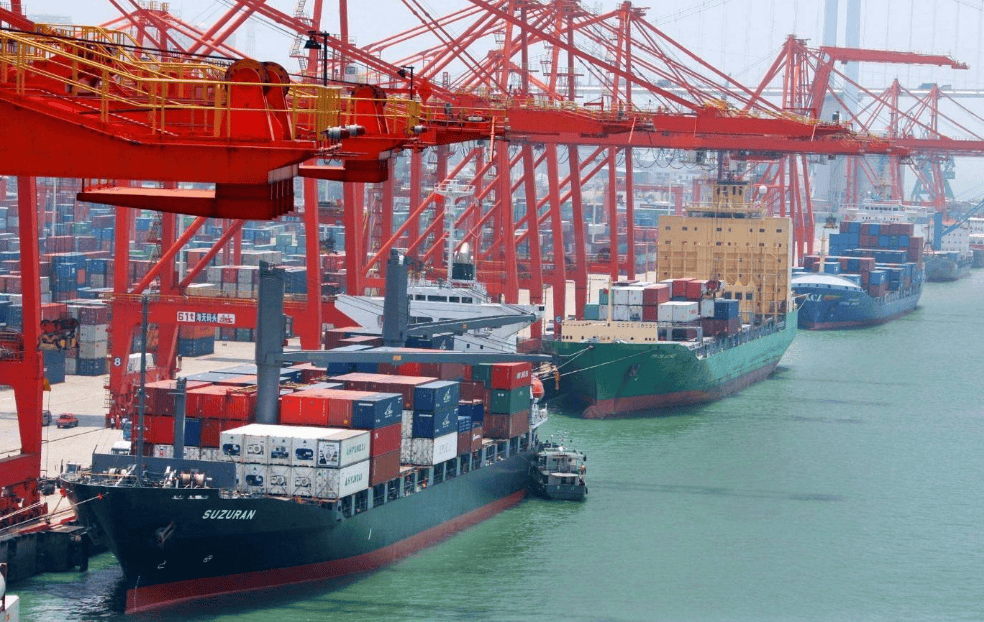
应对关税冲击,广东外贸在压力下成长
Nan Fang Du Shi Bao· 2025-05-06 08:03
Core Viewpoint - Guangdong is actively responding to the impact of U.S. tariffs by exploring new markets and enhancing competitiveness through internal improvements [1][2][3]. Group 1: Market Diversification - Many Guangdong foreign trade enterprises are seeking new markets to mitigate the impact of U.S. tariffs, with some companies abandoning the U.S. market altogether [1][2]. - For instance, a bamboo weaving company has shifted its focus to the European market, which aligns well with the natural attributes of its products [2]. - A furniture company reported that only 4% to 5% of its external sales came from U.S. orders, indicating a strong reliance on domestic sales [2]. Group 2: Internal Competitiveness - Companies are focusing on product quality to enhance market competitiveness, as high-quality products are less likely to be replaced [3]. - The toy industry exemplifies this, with approximately 80% of toys sold in the U.S. being manufactured in China, showcasing a robust supply chain that is difficult to replace [3]. Group 3: Supply Chain Adjustments - Many Guangdong enterprises are exploring overseas production bases and diversifying their supply chains to reduce tariff impacts [3]. - For example, Shenzhen's Zhouming Technology acquired a U.S. LED company to facilitate localized production and distribution, helping to avoid tariff issues [3]. - Some lighting companies are focusing on direct sales to consumers, allowing them to maintain pricing power even amidst tariff challenges [3]. Group 4: Resilience and Adaptation - The current tariff situation is viewed as a continuation of the unstable foreign trade environment that many companies have already adapted to due to previous trade wars [3]. - This adaptability has strengthened the resilience of Guangdong's foreign trade enterprises, positioning them for potential growth despite the challenges posed by tariffs [3].

芭比娃娃涨价42.9% 美玩具行业遭关税政策“重击”
news flash· 2025-05-06 07:22
智通财经5月6日电,据美国媒体当地时间5月5日报道,芭比娃娃制造商美国美泰玩具公司5日在收益报 告中表示,该公司将"在必要时"提高在美国销售的产品价格,以抵消关税政策导致的成本上升影响。美 泰公司称,关税将导致该公司今年损失2.7亿美元。美泰公司首席执行官伊农·克雷兹5日呼吁停止对玩具 产品征收关税。事实上,部分美泰公司的玩具价格已经上涨。美国泰尔西咨询集团的分析显示,4月中 旬,在美国出售的部分芭比娃娃价格一周内已经上涨了42.9%。美国玩具协会表示,在美国销售的所有 玩具,有80%由中国制造。美国政府近期的关税政策对美国玩具行业产生严重冲击。 (央视新闻) 芭比娃娃涨价42.9% 美玩具行业遭关税政策"重击" ...

潮玩产品毛利率可超60% 爆款IP带动国产潮玩火爆
Guang Zhou Ri Bao· 2025-05-06 02:58
Core Insights - The article highlights the rapid growth and transformation of the Chinese toy industry, particularly in the collectible toy segment, driven by innovative products and strong IP collaborations [1][2][3]. Group 1: Market Performance - Pop Mart's app has reached the top of the US App Store shopping chart, with long queues observed at its physical stores in cities like Chicago and London [1]. - Card game manufacturer Kayo achieved over 10 billion yuan in revenue for the first time last year, marking a 278% year-on-year increase [1][2]. - The toy industry is witnessing a shift from low-cost manufacturing to high-value branded products, with a significant increase in brand recognition among consumers [2][3]. Group 2: Financial Metrics - Pop Mart reported a gross margin of 66.8%, Kayo's gross margin was 67.3%, and Blokus achieved a gross margin of 52.6%, all significantly higher than the traditional toy industry average [3]. - By 2024, the export share of China's toy self-brands is expected to rise to 65%, indicating a trend towards brand evolution in the industry [3]. Group 3: Consumer Trends - The collectible toy market is heavily reliant on popular IPs, with consumers often favoring specific characters or brands, which drives demand and sales [4]. - For instance, Ultraman accounted for 48.9% of Blokus's total revenue last year, showcasing the importance of strong IPs in driving sales [4]. Group 4: IP Strategy - Companies are increasingly focusing on building a "matrix-style" IP strategy, aiming for exclusive partnerships and comprehensive IP management [5]. - Pop Mart has redefined traditional IP operations, positioning itself as both an IP company and a collaborator with leading IP firms [5]. Group 5: Industry Growth Projections - The Chinese collectible toy market is projected to reach a total value of 110.1 billion yuan by 2026, with an average annual growth rate exceeding 20% [6]. - The industry is attracting significant attention from both domestic and international investors, indicating a robust growth trajectory [6][7]. Group 6: Market Outlook - Analysts have raised target prices for Pop Mart, with Goldman Sachs increasing its target to 151 HKD, reflecting confidence in the company's growth potential [7]. - The collectible toy sector is seen as a driver of economic growth, with its innovative and interactive nature appealing to younger consumers [7].
MAT一季度调整后每股亏损0.03美元 维持2025年回购6亿美元股票的目标不变
news flash· 2025-05-05 20:10
MAT一季度调整后每股亏损0.03美元 维持2025年回购6亿美元股票的目标不变 智通财经5月6日电,美泰(MAT)一季度调整后每股亏损0.03美元,分析师预期亏损0.10美元;一季度 净销售8.266亿美元,分析师预期7.886亿美元。维持2025年回购6亿美元股票的目标不变。 ...
参展规模最大!广交会第三期汕企撬动外贸新机遇
Sou Hu Cai Jing· 2025-05-05 17:45
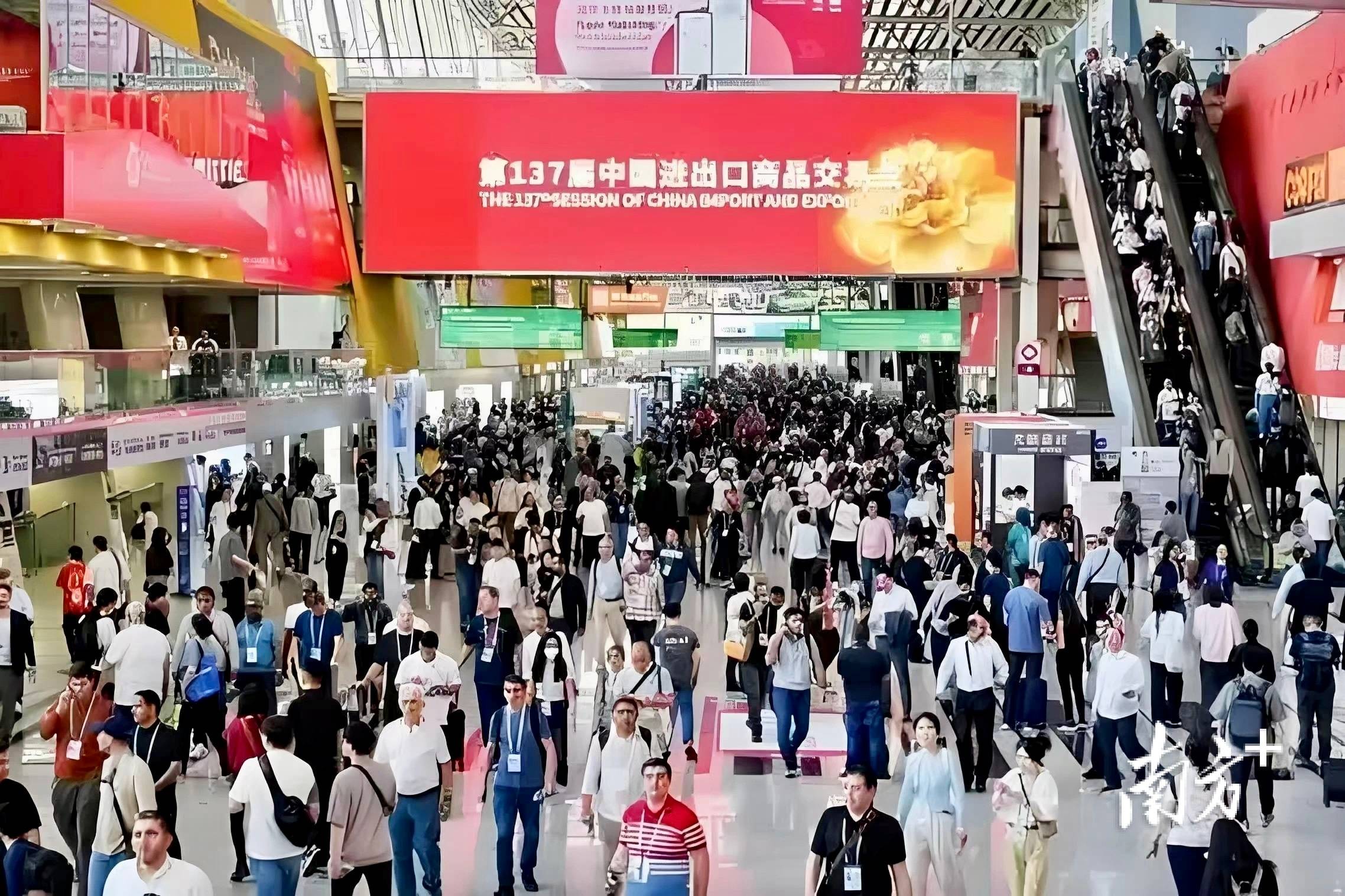
Core Insights - The 137th Canton Fair's third phase, themed "Better Life," is being held from May 1 to May 5 in Guangzhou, showcasing the largest participation from Shantou with 267 companies and 517 booths [1] - Shantou's toy and textile industries are prominently featured, demonstrating the strength of "Shantou manufacturing" to global buyers [1] Group 1: Company Strategies and Market Adaptation - Shantou's Sam Toys Industrial Co., Ltd. has prepared extensively for the fair, focusing on product development, customer engagement, and booth presentation, ensuring effective communication with potential clients [3] - The company has shifted its strategy post-pandemic to enhance offline presence while still relying on online sales, which previously accounted for 60-70% of their business [3] - Despite facing order pauses due to international circumstances, the company has received new orders from U.S. clients, indicating a balance of opportunities and challenges in the market [3] Group 2: Product Innovation and Market Trends - Shantou's Huada Toys Co., Ltd. showcased innovative products like realistic succulent building blocks, attracting more clients than expected, with several international buyers planning factory visits for further discussions [6] - Daya Plastic Toys Co., Ltd. highlighted the growing demand for smart and interactive toys, integrating traditional toys with modern technology to enhance consumer experience [6] - The fair serves as a vital platform for companies to display innovations and connect with international buyers, emphasizing the importance of product presentation in expanding market reach [6] Group 3: E-commerce and Consumer Insights - Qizhi Hua Apparel Co., Ltd. noted an increase in cross-border e-commerce clients, reflecting a shift in buyer demographics towards younger generations [8] - Cross-border e-commerce currently constitutes 30% of the company's business, allowing for timely feedback on consumer needs and product improvements [8] - The challenging foreign trade environment is driving companies to enhance their innovation capabilities, with a focus on continuous product development and adaptation to market demands [8]
广交会观察:中国传统产业创新发展 以优质产品收获订单
Zhong Guo Xin Wen Wang· 2025-05-05 16:00
Group 1: Export Performance - In 2024, China is expected to export 9.2 billion pairs of shoes, with a total export value of 333.57 billion RMB, maintaining its position as the largest exporter [1] - The shoe exhibition at the Canton Fair showcased various types of shoes, including leather shoes, sandals, and casual shoes, featuring unique designs and patterns [1] Group 2: Technological Advancements - Chinese shoe companies are leveraging digital transformation and technological breakthroughs to innovate shoe manufacturing processes [1] - Jiming Footwear Co., Ltd. has implemented smart production equipment and digital management systems, achieving a 30% increase in order delivery efficiency and maintaining a product qualification rate of over 98% [1] Group 3: Product Innovation in Toys - Chinese toy companies are innovating product designs, incorporating traditional cultural elements into their offerings, such as puzzle blocks that reflect Eastern architectural aesthetics [2] - Chengling Yongdao Trading Co., Ltd. has launched a series of Chinese-style educational building blocks that enhance children's hand-eye coordination while integrating ancient architectural beauty [2] Group 4: Rural Revitalization and Unique Products - The Canton Fair featured a special area for rural revitalization products, showcasing local specialties from poverty alleviation regions, such as honey wine from Xinjiang and ancient tree tea from Yunnan [2] - Linshu Qinglang Craft Co., Ltd. presented over 2,000 items, including willow baskets and fabric products, which received positive feedback from international buyers [2] Group 5: Food and Agriculture Sector - A total of 1,147 companies participated in the food and agriculture section of the Canton Fair, covering various categories including food, carpets, leather products, and pet supplies [2] - The attendance of buyers at this year's fair exceeded that of the previous year, with companies reporting an increase in buyer traffic and better-than-expected transaction intentions [2]
国泰海通 · 晨报0506|宏观、策略、海外策略、食饮、轻工
国泰海通证券研究· 2025-05-05 14:15
Group 1: Macroeconomic Insights - Domestic high-frequency indicators show a significant recovery in passenger transport excluding private cars, with water transport also rebounding notably. The number of flights indicates a surge in inbound and outbound travel during the May Day holiday [1] - Service consumption is outperforming goods consumption, as evidenced by the movie box office performance, which saw ticket prices rise while attendance declined. The lack of blockbuster films is a primary reason for this trend [1] - Infrastructure investment continues to recover, driving up prices of construction materials, while port data indicates a rebound in imports and exports [1] Group 2: Market Strategy - The Chinese A/H stock market is expected to rise further, with a bullish outlook maintained after the market's low point in early April. The Shanghai Composite Index approached 3300 points before the May Day holiday, and the Hang Seng Tech Index saw a single-day increase of 3.1% [3] - The adjustment in the stock market during March and April is viewed as a significant turning point, indicating reduced investor concerns about U.S.-China competition and a willingness to engage in the market [3] - The overall sentiment is optimistic, with internal policy signals suggesting a focus on domestic stability to counter external uncertainties, which may lead to a systematic decrease in risk premiums in the Chinese stock market [3] Group 3: Financial Performance - The overall net profit growth rate for the A-share market turned positive in Q1 2025, reaching +4.7%. Key trends include accelerated capital expenditure in the domestic AI industry and improvements in the TMT sector, particularly in electronics and communications [4] - Domestic demand policies have been strengthened to counter external uncertainties, leading to improvements in cyclical sectors such as non-ferrous metals and construction materials, driven by infrastructure demand [4] Group 4: Industry Comparisons - Emerging technology sectors are highlighted as a growth focus, with recommendations for investments in sectors such as internet, media, gaming, semiconductor, and healthcare. Financial sectors like brokerage, insurance, and banks are also recommended due to declining risk-free rates [5] - The report emphasizes the importance of domestic consumption and fixed asset investment, suggesting a focus on cyclical products and new consumption trends, including real estate, non-ferrous metals, chemicals, and cosmetics [5] Group 5: Food and Beverage Sector - The food and beverage sector is experiencing a slowdown, with revenue growth of +2% and net profit growth of +4% in 2024, indicating significant demand pressure. Q1 2025 shows a slight increase in revenue of +1% and a marginal net profit increase of +0.2% [11] - The high-end liquor market continues to show strong performance, while the mass market is experiencing a more pronounced divergence, with some segments like snacks showing growth potential due to easing base pressures [12][13] Group 6: Consumer Goods and New Trends - The furniture sector is seeing improved revenue growth due to government support and a strong housing market, while personal care products continue to perform well through innovation and channel integration [15] - The automotive sector is benefiting from increased trade-in incentives, leading to higher performance in Q1 2025, while smart glasses are experiencing explosive growth driven by AI integration [16]