对冲基金

Search documents
专访全球知名投资大佬:中国将在AI竞争中占据有利位置
21世纪经济报道· 2025-09-21 15:08
Core Viewpoint - The rapid development of artificial intelligence (AI) is transforming the economy and society, with 2024 marking the year of AI application and 2025 the year of intelligent agents. This shift will lead to a new economic paradigm where humans may become a minority in terms of intelligence compared to machines [1][4]. Group 1: AI and Economic Impact - AI is expected to contribute approximately 0.6% to 1% annual growth to GDP over the next decade, with some experts predicting even higher impacts due to unmeasured efficiencies [4][5]. - The productivity growth rate in the U.S. could rise to an average of 3% annually, driven by reduced reliance on human labor and advancements in AI technologies [5][6]. - The introduction of reasoning models like Deepseek and ChatGPT-5 is expected to enhance AI's capabilities, allowing for autonomous task completion without human intervention [5][6]. Group 2: Global AI Competition Factors - Key factors determining success in the global AI competition include talent, energy, technology, and legislation [8][9]. - China leads in talent availability, with a significant number of AI developers and scientists, many of whom are of Chinese descent [8]. - China also has a competitive edge in energy resources, which are crucial for AI development, while the U.S. faces challenges in this area [8][9]. Group 3: Future Economic Landscape - By 2050, the number of intelligent robots is projected to reach 4 billion, fundamentally altering the economic landscape and human roles within it [4]. - The competition among machines is expected to suppress inflation, leading to increased investment in non-scalable assets like luxury goods and collectibles [6]. - The current economic environment shows signs of a potential bubble, particularly in tech valuations, reminiscent of the internet bubble era [6]. Group 4: China's Economic Outlook - China's economic prospects are viewed positively, with expectations of a recovery from the real estate cycle and a shift towards urbanization driving growth [12][15]. - The valuation of Chinese tech companies is often lower than their Western counterparts, presenting attractive investment opportunities [15][16]. - The government is focused on stabilizing the economy, which is expected to create a favorable market environment for growth [15][16].


靠运气赚钱,凭实力持富
Hu Xiu· 2025-09-18 07:07
然而,"船长"的后代并没有继承或习得"守住财富"的头脑。在他去世后的短短70年里,这个曾经富可敌 国的家族,其财富便如夏日冰雪般迅速消融。 今天,我们再也找不到任何一位范德比尔特家族的后代,能够将自己的亿万身家追溯至那位传奇的"船 长" 。 "任何傻瓜都可能致富,但只有有头脑的人才能守住财富。" 这句充满江湖智慧的箴言,来自19世纪美国铁路和航运大亨、有"船长"之称的科尼利尔斯·范德比尔 特。他于1877年去世时,是当时世界上的首富。他留给长子比利一亿美元的巨额遗产,占其总财产的 95%。 范式家族的故事令人感慨,但并不惹人同情。实际上,如果范德比尔特的继承人只做一件最平平无奇的 事,即将财富投入一个多元化的美国公司股票组合,然后每年仅花费其中2%,那么今天,他的每一位 在世继承人仍将坐拥超过50亿美元的财富 。 范德比尔特家族的财富蒸发史,在规模上或许惊人,但在本质上却普通得令人警醒。它完美印证了我国 的那句古话,"富不过三代",也为近年来网上流传的一个梗提供了最深刻的注脚:"靠运气赚来的钱, 最后都会凭实力亏掉。" 今天向大家介绍一本新书,该书曾荣获《经济学人》年度最佳图书。它的中文版《消失的亿万富翁:更 ...
美国十大对冲基金富豪:一年狂赚200亿美元
Sou Hu Cai Jing· 2025-09-16 09:59
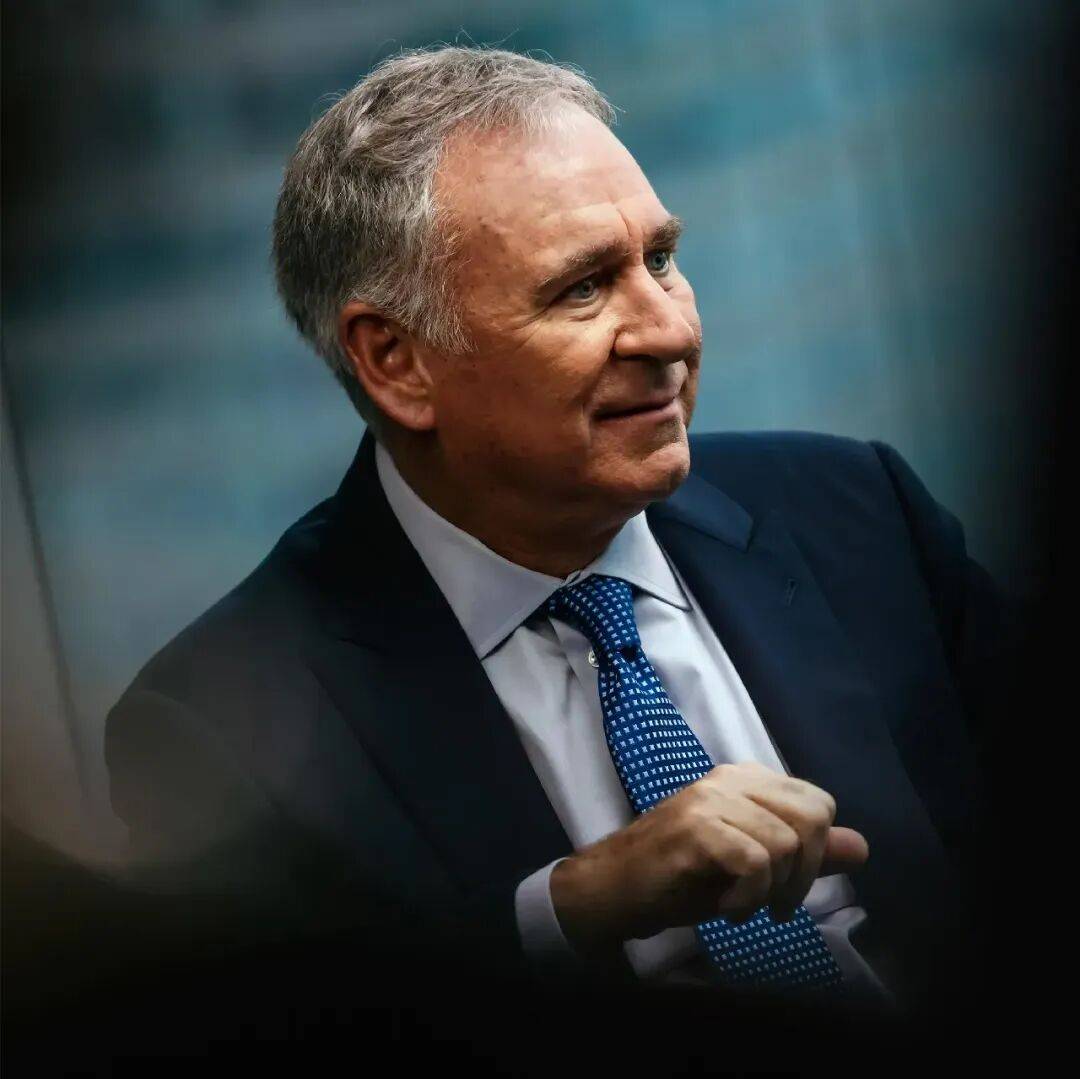
过去三年,股市一片繁荣,催生出众多大赢家。 竞争对手普遍表现乏善可陈,头部基金即便收取更高费用,也不会失去投资者。近年来,城堡投资、Millennium、Point72等公司均已实施或扩大了所谓 的"费用转嫁"机制,在收取2%管理费这一行业"标配"之外,将更多运营成本转嫁给了投资者。这些顶级公司拥有数千名员工,人力成本高昂,但亮眼业 绩证明这样的投入物有所值:1990年至2024年,城堡投资的旗舰基金Wellington扣除费用后的年化回报率达19.5%;Millennium自1989年成立以来,扣除费 用后的年化净回报率为14%,且仅在2008年出现过一次年度亏损。 多数头部基金基本不再接受新投资者,且习惯性地将利润返还给现有有限合伙人,以保持精益运营,维持业绩稳定性。但它们的成功催生了大量模仿者, 据Hedge Fund Research报道,今年二季度对冲基金净流入资金达250亿美元,创下11年来单季度资产净流入新高。 然而,新兴基金与技术领先的多策略基金之间的差距正不断扩大。据LCH Investments统计,2024年城堡投资、德劭(D.E. Shaw)、 Millennium三家公司 的净收益达 ...
一周亏损60亿!一场期货引发的破产“惨案”!
Sou Hu Cai Jing· 2025-09-14 09:41
Core Insights - The collapse of Amaranth hedge fund was primarily due to a massive bet on natural gas futures by star trader Brian Hunter, resulting in a loss of approximately $6 billion in a week, which was 65% of the fund's assets [1][5][6] Group 1: Fund Background and Strategy - Amaranth hedge fund was established in 2000 by Nickolas Maounis, initially focusing on bond arbitrage with stable performance [2] - From 2004 onwards, the fund shifted its strategy to invest heavily in the energy market, with total assets reaching $9.5 billion by August 2006, half of which was allocated to energy [2] - Brian Hunter was promoted to co-head of the energy department in 2005, showcasing exceptional trading skills that generated over $1 billion in profits for the fund that year [3] Group 2: Fatal Betting Strategy - In August 2006, Amaranth held natural gas contracts predicting a widening price spread between winter and summer contracts, with a spread of $2.6 per million BTU [4] - By September 20, the price of the contracts fell significantly, leading to substantial losses for the fund as the anticipated price spread narrowed to $0.6 [4] Group 3: Rapid Decline and Impact - On September 14, 2006, Amaranth reported a loss of $560 million, which accelerated into a series of extreme losses, culminating in a single-day loss of nearly $2 billion on September 15 [5] - By September 20, the fund was forced to sell its energy positions at a significant discount, resulting in investors losing two-thirds of their investments [6][7] Group 4: Regulatory and Risk Management Issues - Following the collapse, regulatory bodies filed lawsuits against Hunter and Amaranth for market manipulation, with fines totaling $259 million for the fund and $30 million for Hunter [9] - The failure of Amaranth highlighted critical risk management deficiencies, emphasizing the need for better oversight and risk assessment practices within hedge funds [10]
地缘政治风暴下 大宗商品波动率交易员成了“香饽饽”
智通财经网· 2025-09-12 13:04
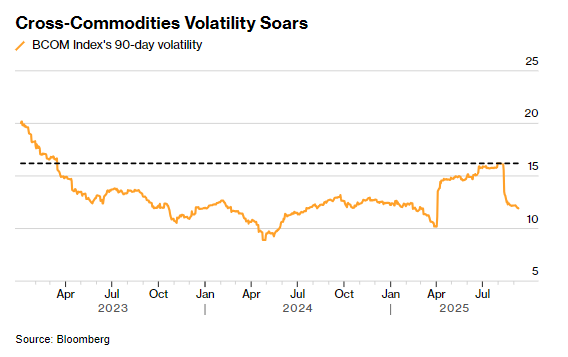
Core Insights - The demand for traders who can profit from commodity market volatility is increasing due to geopolitical tensions and trade wars affecting raw material prices [1][3] - Hedge funds and quantitative trading firms are actively recruiting traders skilled in volatility trading, with notable firms like Eisler Capital and Squarepoint Capital leading the charge [1][3] Group 1: Market Dynamics - Commodity prices have been highly volatile this year, influenced by U.S. tariffs on trade partners and conflicts in the Middle East, particularly between Israel and Iran [1] - A volatility index for commodities surged to its highest level since early 2023, reflecting the ongoing impacts of the Russia-Ukraine conflict [3] Group 2: Recruitment Trends - There is a significant increase in demand for cross-commodity volatility portfolio managers and traders compared to last year, driven by the turbulent market environment [3] - Experienced traders from major firms are transitioning to hedge funds, with notable moves including Greg Bugaj from Gunvor to Eisler Capital and Scott Harbert founding his own hedge fund [3][4] Group 3: Skills and Operations - Volatility traders focus on options to bet on the magnitude of future price fluctuations rather than the direction, relying heavily on pricing models and algorithms [4] - The demand for quantitative researchers with Python programming and machine learning skills has notably increased this year [5] Group 4: Blurring Lines Between Sectors - The distinction between hedge funds and physical trading companies is becoming less clear, as hedge funds like Balyasny Asset Management and Qube Research are entering physical gas trading [5] - Despite advanced trading models, many top oil trading departments reported a decline in second-quarter profits due to geopolitical shocks and unpredictable U.S. trade policies [5]
特朗普捅破天,华尔街敢怒不敢言?美国经济进入拐点,3年后暴雷
Sou Hu Cai Jing· 2025-09-07 14:24
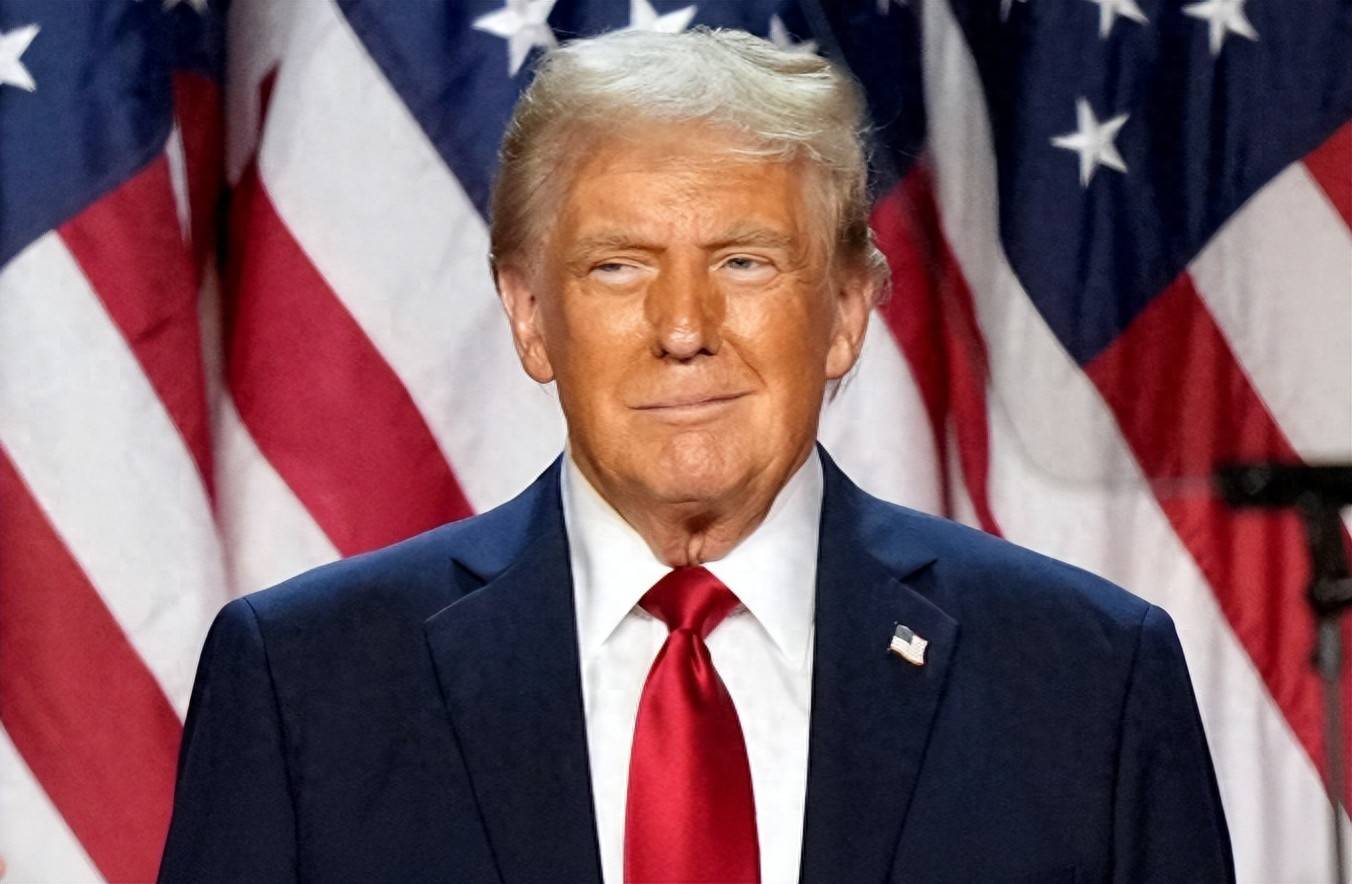
Economic Impact - The economic situation in the U.S. has deteriorated significantly since Trump's presidency, with rising inflation and a record trade deficit of $103.6 billion reported in July [13][20] - The Consumer Confidence Index dropped by 6 points in August, the lowest in four months, with 43% of respondents citing high prices as a major concern [13] - The "Big and Beautiful" Act is projected to leave 11.8 million Americans without medical assistance over the next decade, raising concerns among lawmakers [7][9] Political Climate - Wall Street experts are increasingly hesitant to voice their opinions due to political pressure, with many fearing repercussions from the Trump administration [5][11] - Dalio's comments about the U.S. moving towards authoritarianism resonate with some in the financial community, but few are willing to publicly agree [3][5] Fiscal Concerns - The U.S. government is facing a significant budget deficit, with a shortfall of $2 trillion last year, leading to daily borrowing of $5 billion [20][24] - The "Big and Beautiful" Act is expected to increase the deficit by an additional $3.3 trillion over the next decade [20][26] - Moody's has downgraded the U.S. credit rating three times this year, reflecting concerns over ongoing deficits [22] Investment Strategies - Dalio has advised clients to allocate 15% of their portfolios to gold or Bitcoin, indicating a lack of confidence in the U.S. dollar [24] - The current economic policies are seen as unsustainable, with rising interest payments consuming a significant portion of government spending [20][24] Future Outlook - Dalio warns of a potential "economic heart attack" in three years, likening it to the 2008 financial crisis but possibly on a larger scale [26][28] - The current low-interest environment and lack of demand for government bonds could exacerbate the situation, leaving the government with fewer options to respond [28]
赴美参加格林威治经济论坛,现场聆听达利欧、塔勒布洞见!
Hua Er Jie Jian Wen· 2025-09-05 07:43
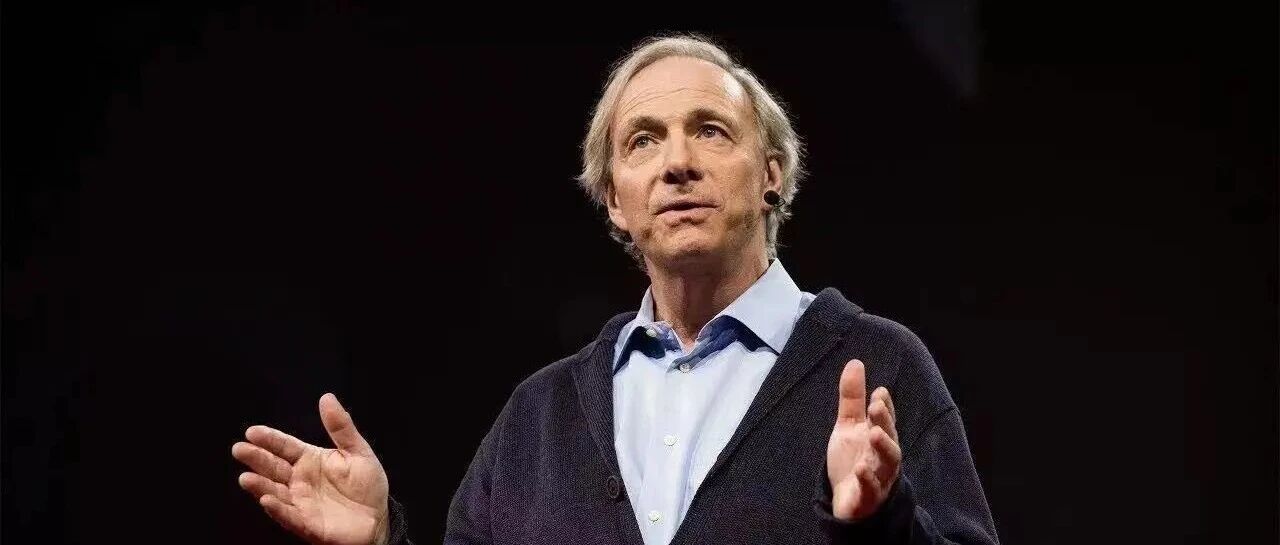
Core Insights - The Greenwich Economic Forum will take place from October 5 to 9, 2025, in Greenwich, Connecticut, attracting over 400 financial investment elites to discuss economic and capital market trends [1][2] - Notable speakers include Ray Dalio, Nassim Nicholas Taleb, and former U.S. Treasury Secretary Robert Rubin, representing major asset management firms that collectively manage hundreds of billions of dollars [1][2] Group 1 - The forum is hosted in Greenwich, known as the "hedge fund capital of the world," which is home to over 400 private equity and hedge fund companies, ranking third globally after New York and London [2] - Major hedge funds such as Bridgewater, Tudor Investment, and Point72 have their headquarters in close proximity to Greenwich, indicating the area's significance in the financial sector [2] Group 2 - Participants must hold a valid passport and U.S. visa, with a note on potential delays in visa processing [5] - Strong English proficiency is required as the forum will be conducted entirely in English without simultaneous translation [5]
达利欧家族办公室聘请摩根大通老将担任副CEO-美股-金融界
Jin Rong Jie· 2025-09-05 03:11
Core Insights - Dalio's family office has appointed Alma DeMetropolis, a senior executive from JPMorgan, as the new Vice CEO, indicating a significant addition to its management team [1] - DeMetropolis joined Dalio's family office in July after a 33-year tenure at JPMorgan, where she served as Managing Director and Market Manager for the New Jersey Private Bank [1] - Ray Dalio, the founder of Bridgewater Associates, has been gradually stepping back from the firm he founded in 1975, which has become the world's largest hedge fund, while expanding his family office [1] Company Overview - Dalio's family office, located in Westport, Connecticut, is responsible for managing his private investments and charitable donations, particularly in ocean exploration [1] - Since its establishment in 2003, Dalio Philanthropies has donated over $7 billion [1] - Ray Dalio's net worth is estimated at $16 billion, and he recently sold his remaining shares in Bridgewater and stepped down from the board, concluding a leadership transition plan that began over a decade ago [1]
A股不止情绪火热 还有庞大增量资金在路上! 桥水在华募资火热 直指中国股市
Zhi Tong Cai Jing· 2025-09-04 05:52
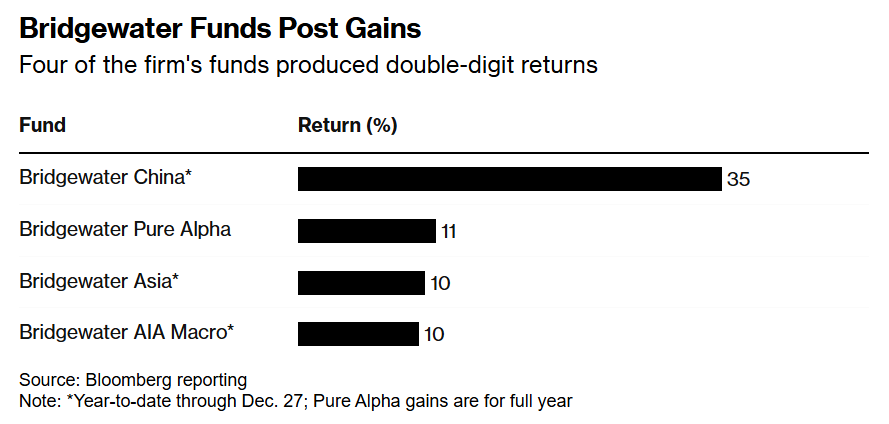
Group 1 - Bridgewater Associates, known as the "king of hedge funds," is experiencing significant demand in the Chinese market, with wealthy investors injecting billions into domestic private banks to gain access to its products [1][2][3] - The hedge fund's investment strategy combines Ray Dalio's risk parity approach with active management, achieving over 35% returns in 2024, significantly outperforming competitors [2][6] - Bridgewater's assets under management in China grew approximately 40% to over 55 billion RMB, highlighting its strong market position compared to other international hedge funds [2][3][6] Group 2 - The scarcity of Bridgewater's products has led to a situation where wealthy clients are often unable to purchase desired fund shares, likening the fund to the luxury brand Hermès in terms of exclusivity [3][6] - In contrast to Bridgewater's success, other major hedge funds like D.E. Shaw and Two Sigma have only managed assets between 5 billion to 10 billion RMB in China, indicating Bridgewater's unique position in the market [3][6] - Bridgewater's strong performance is attributed to its diversified investment across stocks, bonds, and commodities, with significant contributions from gold and active management strategies [7][9] Group 3 - The hedge fund's recent fundraising efforts targeted 2.5 billion RMB, with strong demand leading to oversubscription, particularly from institutions like China Merchants Bank [8] - The ongoing AI and innovative pharmaceutical trends are driving the Chinese stock market's growth, with Bridgewater's strategies aligning well with these market dynamics [9][10] - Morgan Stanley reports that hedge funds, including Bridgewater, are increasing their bullish bets on Chinese stocks, with expectations of continued policy support and low valuations compared to developed markets [10][11] Group 4 - The Shanghai-based fund platform of Bridgewater has seen its onshore asset scale rise to over 60 billion RMB, positioning it alongside major domestic quantitative hedge funds [7][8] - High-net-worth clients are facing increasing competition for Bridgewater's products, with limited allocations being offered even to those with substantial assets [7][8] - The overall market sentiment is positive, with expectations of further gains in the A-share market driven by liquidity improvements and a shift of funds from deposits to equities [11][14]
达利欧:特朗普正带领美国滑向1930年代,整个华尔街却因恐惧陷入沉默
华尔街见闻· 2025-09-02 10:29
Core Viewpoint - Ray Dalio warns that the current political and social climate in the U.S. resembles that of the 1930s, with Wall Street investors remaining silent due to fear of retaliation for criticizing presidential policies [1][3]. Group 1: Political and Economic Interventions - Dalio highlights Trump's intervention in the private sector, such as acquiring a 10% stake in Intel, as indicative of "strong authoritarian leadership" driven by a desire to control financial and economic situations [2][3]. - The increasing wealth gap, value gap, and erosion of trust are pushing the U.S. towards more extreme policies, weakening democratic institutions and leading to a rise in authoritarian leadership [3]. Group 2: Federal Reserve Independence - Dalio expresses concern over the independence of the Federal Reserve, stating that a politicized central bank will undermine confidence in its ability to protect the value of the currency [2][5]. - International investors are reportedly shifting from U.S. Treasury bonds to gold, reflecting concerns about the stability of the dollar system amid political pressures on the Federal Reserve [6]. Group 3: Debt Crisis Predictions - Dalio predicts that the U.S. will face a debt crisis in about three years, driven by a significant fiscal imbalance where annual spending is approximately $7 trillion against $5 trillion in revenue [7][8]. - Investors are questioning whether U.S. Treasury bonds remain a reliable store of wealth, as the demand for debt is unlikely to keep pace with supply [8].