快餐

Search documents
2025年零售圈十大收购事件发布
Tai Mei Ti A P P· 2026-01-06 13:14
Core Insights - The retail industry experienced a significant wave of mergers and acquisitions in 2025, indicating a major capital reshuffle within the sector [1][27] - Major companies are either divesting non-core assets to focus on their main businesses or acquiring new brands to expand their portfolios [1][27] - Private equity firms are playing a crucial role in driving brand transformation and expansion in the retail sector [1][27] Group 1: Major Mergers and Acquisitions - Alibaba divested its stake in Suning and Intime Retail, marking a strategic shift to optimize resource allocation [3][26] - Mars, Incorporated completed the acquisition of Kellanova for approximately $35.9 billion, creating a global snack empire [5][7] - KKR acquired an 85% stake in Vista International, which is linked to the domestic beverage brand Da Yao, enhancing its control over the Chinese soda market [9][10] Group 2: Strategic Adjustments and Performance - After KKR's acquisition, Gao Xin Retail reported a revenue of 71.55 billion yuan, with a net profit of 386 million yuan, marking a turnaround from previous losses [4] - The acquisition of Kellanova by Mars is one of the largest in the packaged food sector in the last decade, highlighting the trend of consolidation among food giants [7][8] - CPE Yuanfeng's acquisition of Burger King China aims to accelerate local expansion with a commitment to invest $350 million [16][17] Group 3: Industry Trends and Future Outlook - The retail sector is shifting from scale expansion to lean operations, focusing on supply chain and brand value [2][27] - The relationship between brands and capital is evolving from mere financial support to active operational involvement, indicating a search for sustainable growth [27] - The ongoing mergers and acquisitions signal a re-evaluation of the value of physical retail, with supply chain and product strength becoming central to competition [27]


从菲律宾走向华尔街,Jollibee寻求美国上市
Sou Hu Cai Jing· 2026-01-06 12:19
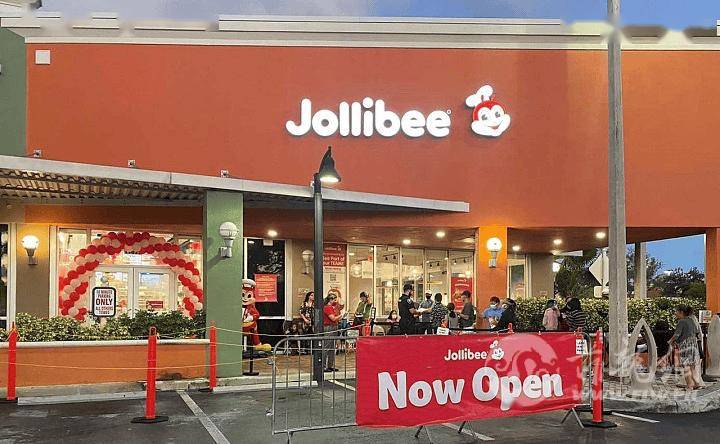
Core Viewpoint - Jollibee Foods Corp. is advancing preparations for an overseas listing in the U.S. by splitting its expanding business into two independent entities [1] Group 1: Business Strategy - Jollibee has engaged domestic and international advisory teams to facilitate the separation of its local and international operations [2] - The local business will continue trading on the Philippine Stock Exchange, while the newly formed "Jollibee Foods Corp. International" will consolidate all global operations and serve as a potential core platform for the U.S. listing [2] - The international business is built on a "light asset" operational model, providing significant expansion potential and aligning with the capital market ecosystem for global growth [2] Group 2: U.S. Market Expansion - Since opening its first North American store in Daly City, California in 1998, Jollibee has deepened its presence in the U.S., operating 81 stores across 15 states by August 2025, with California accounting for over 40% of these [2] - U.S. stores have achieved 50 consecutive months of same-store sales growth, with average annual sales exceeding $4.3 million per store, and some locations surpassing $9 million [2] - Jollibee launched a U.S. franchising plan in March 2025, opening its first franchise store in Queens, New York, and signing multi-store development agreements in markets like Sacramento and Dallas-Fort Worth, aiming to expand to 350 stores in North America and achieve $1 billion in revenue by 2028 [3] Group 3: Strategic Timeline - The major strategic adjustment is set to be implemented by the end of 2027, considering market conditions and regulatory requirements for the subsequent listing and business integration [5]
快乐蜂计划分拆国际业务并于明年底前在美国上市
Ge Long Hui A P P· 2026-01-06 09:04
Core Viewpoint - Jollibee Foods Corp plans to spin off its international business and aims to list it in the United States by the end of next year [1] Group 1: Business Structure and Strategy - The company has engaged international and local advisors to explore the structure of the spin-off and the U.S. listing [1] - The international operations will be transferred to a new entity named Jollibee Foods Corporation International, while the original Philippine business will continue to be listed locally [1] Group 2: Financial Performance - As of September last year, Jollibee operated a total of 10,304 stores, with 6,859 located overseas across more than 30 countries, including China, Canada, and Vietnam [1] - In the first three quarters of last year, the company reported approximately $3.8 billion in revenue, with the international business contributing about 43% [1]
麦当劳竞争对手快乐蜂计划将全球业务在美国上市
Xin Lang Cai Jing· 2026-01-06 08:29
Core Viewpoint - Jollibee Foods Corporation, the Philippine fast-food giant, plans to spin off its international business and aims for a U.S. stock market listing by the end of 2027 to accelerate its global expansion strategy. Following this announcement, the company's stock experienced its largest single-day increase in over five years [1][4]. Group 1: Business Strategy - The company has engaged both international and local advisory teams to facilitate the spin-off and U.S. listing process [1][4]. - The newly formed "Jollibee International Foods Corporation" will encompass all operations outside the Philippines, while the domestic business will remain listed on the Philippine Stock Exchange [1][4]. Group 2: Market Reaction - After a one-hour trading halt, Jollibee's stock surged by 11.56%, marking the largest increase since October 2020 [2][5]. - The spin-off is expected to provide clearer strategic positioning for each company and enhance the transparency of their respective equity value stories [2][5]. Group 3: Financial Performance - As of September this year, Jollibee operates a total of 10,304 stores globally, with 6,859 located overseas across more than 30 countries, including China, Canada, and Vietnam [3][6]. - For the period from January to September, the company reported total revenues of 224.2 billion Philippine pesos (approximately 3.8 billion USD), with international business contributing about 43% of this revenue [3][6]. - Since 2000, Jollibee has completed 27 cross-border transactions valued at approximately 1.1 billion USD to enhance its international market presence [3][6].
快乐蜂计划在2027年前分拆国际业务并在美国上市
Xin Lang Cai Jing· 2026-01-06 05:22
Core Viewpoint - Jollibee Foods Corporation plans to accelerate global growth by spinning off its international business and aims for a U.S. listing by the end of 2027 [1][2]. Group 1: Business Structure - The new entity, named Jollibee Foods Corporation International, will encompass all operations outside the Philippines, while the domestic business will remain a publicly listed company on the Philippine Stock Exchange [1][2]. - This restructuring is intended to clarify strategic focuses for each company, supporting their respective strategic ambitions and enhancing the clarity of each equity investment logic [1][2]. Group 2: Shareholder Impact - The transaction is expected to provide existing shareholders with shares in the international business equivalent to their current holdings [1][2]. Group 3: Operational Overview - Jollibee currently manages a portfolio of 19 brands, operating over 10,000 stores and cafes across 33 countries, including stakes in brands like The Coffee Bean and Tea Leaf [1][2].
田栩宁的流量,成了汉堡王的一堂中国课
Guan Cha Zhe Wang· 2026-01-05 13:37
随即,话题"汉堡王崩了"迅速冲上微博热搜,引发全网热议。汉堡王中国也立即道歉,表示"正在紧急修复"。 面对汹涌舆情,品牌一日之内两度致歉,并承诺将在天猫旗舰店补售礼盒。 然而,这场看似偶然的技术故障,实则暴露出汉堡王在中国市场深层次的结构性困境——营销激进与技术滞后的严重脱节,以及在全球快餐巨头光环之下, 数字化基建的惊人脆弱。 (文/刘媛媛 编辑/周远方) 1月4日,快餐连锁品牌汉堡王经历了一场不寻常的"数字风暴"。 上午10时许,因汉堡王品牌代言人、演员田栩宁的限量联名元旦礼盒上线,海量粉丝瞬间涌入,导致汉堡王官方小程序、APP及第三方接入端口全线瘫痪, 线上点餐系统完全停滞。 面对汹涌的舆情,汉堡王中国反应迅速。1月4日上午11时12分,其官方社交媒体账号首次发文致歉,表示"给大家带来不好的体验,我们深表歉意"。并将原 因归结为"瞬时访问量巨大,系统承载能力不足",透露"当前小程序/APP正在紧急修复"。 到了12时16分,品牌再次发布声明,针对未能成功购买礼盒的消费者表达了"万分歉意",并给出了解决方案:近期将在天猫官方旗舰店开放同款礼盒的预 订,具体时间和规则将尽快公布,请耐心等待。 粉丝热情"挤崩 ...

集体押注“现炒”,中式快餐烽烟四起
3 6 Ke· 2026-01-05 06:10
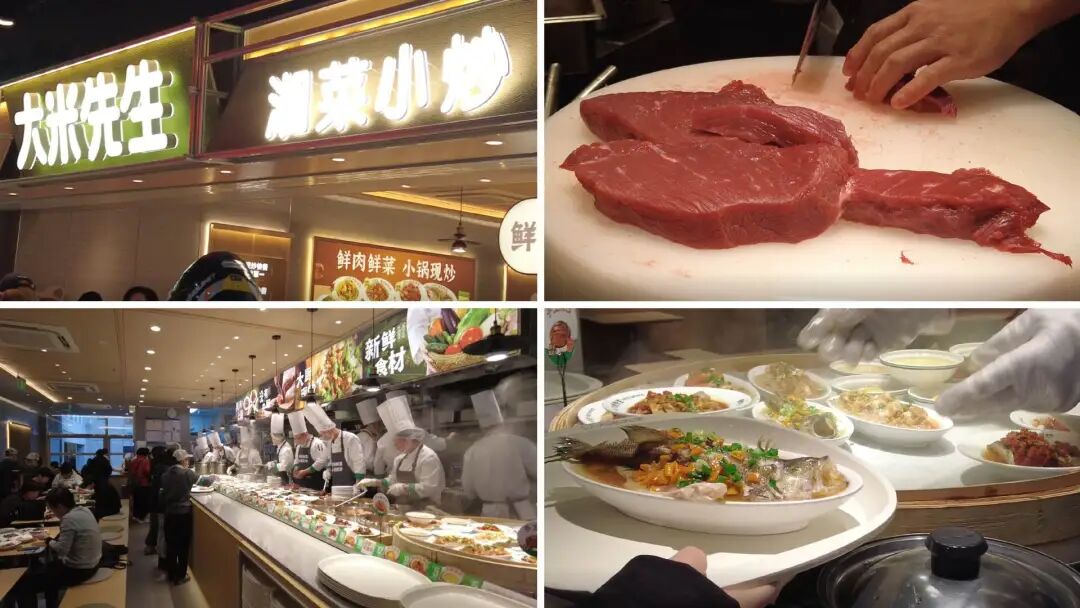
Core Viewpoint - The opening of the first store of "Mr. Rice" marks a significant entry into the competitive Beijing fast food market, emphasizing fresh and stir-fried dishes, which aligns with current consumer preferences for quality and freshness [1][3][5]. Group 1: Market Dynamics - The fast food market in Beijing is experiencing intense competition, with brands like "Mr. Rice" and "Country Base" vying for dominance, aiming to exceed 2000 stores nationwide by 2025 [3][5]. - The market is witnessing a shift from established brands to new entrants, with some local brands like "Red Kung Fu" shutting down all their stores due to failure [5][7]. - Data indicates a 58% year-on-year increase in the number of fast food stores being closed, with around 60% of these having operated for less than a year, highlighting the brutal market conditions [7]. Group 2: Trends in Fast Food - 2025 is identified as the year of the "stir-fry boom," with fresh and lively food becoming the core keywords in the restaurant industry, pushing brands to adopt fresh cooking methods as a standard [8][15]. - The demand for fresh stir-fried dishes is driving brands to upgrade their offerings, with significant increases in search growth for terms like "fresh" (135.3%) and "stir-fry" (71%) on popular platforms [15]. Group 3: Brand Strategies - "Country Base" has invested over 20 million yuan in developing a new model that emphasizes better, faster, and cheaper offerings, while also upgrading existing stores [9][17]. - Brands are focusing on enhancing customer experience through fresh cooking and transparent kitchen practices, which are becoming essential for consumer trust [15][19]. - The need for brands to balance operational costs with customer experience is critical, as seen in the failures of brands that raised prices post-upgrade, leading to a loss of customer base [18][20]. Group 4: Operational Challenges - The shift to fresh cooking methods requires significant investment in skilled labor and supply chain management, with "Country Base" reporting an increase in costs by approximately 46 million yuan in the first half of 2025 [17]. - Brands must navigate the complexities of maintaining quality and efficiency in food preparation while managing higher operational costs associated with fresh ingredients and skilled labor [22][23]. Group 5: Future Outlook - The fast food industry is expected to continue evolving towards fresh and stir-fried offerings, with brands needing to innovate and differentiate to survive in a competitive landscape [23][24]. - Successful brands will likely focus on supply chain integration, operational efficiency, and understanding consumer needs to thrive in the changing market [23].
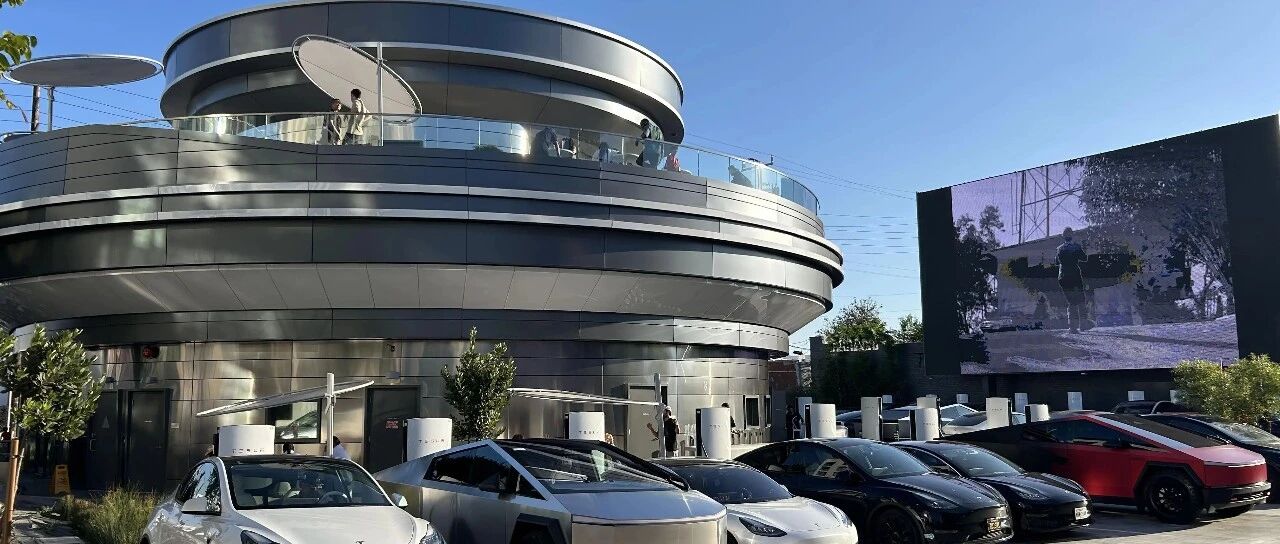
开业不到半年,特斯拉餐厅客流锐减、明星主厨离职|首席资讯日报
首席商业评论· 2026-01-05 05:04
Group 1 - Tesla's restaurant has seen a significant decline in customer traffic and has faced challenges within the food industry, leading to the removal of certain menu items and the departure of a celebrity chef [2] - Li Auto has been approved to register a debt financing tool worth 10 billion yuan, which will allow the company to issue various financial products over a two-year period [3] - Apple's recent gray testing of "Apple Intelligence and Siri" features for certain domestic devices indicates a potential expansion of its AI capabilities in the Chinese market [4] Group 2 - The zero-tariff policy for drugs and medical devices in Hainan Free Trade Port has been in effect for a year, resulting in tax reductions exceeding 60 million yuan and a total import value of approximately 460 million yuan [5] - TSMC is facing significant increases in operational costs for its U.S. factories, which may severely impact its profit margins despite the strategic move to mitigate geopolitical risks [6] - The Guangzhou cruise tourism sector has celebrated its tenth anniversary, with over 2 million passengers processed since its inception, highlighting its growth as a major international cruise hub [7] Group 3 - Burger King China has announced a compensation plan due to a system failure that affected the sale of a promotional package, indicating a focus on customer satisfaction [8] - Haidilao reported serving over 4.5 million customers during the New Year period, showcasing its popularity and strong customer demand [8] - In 2025, China's national railway system achieved a record passenger volume of 4.255 billion, marking a 4.2% year-on-year increase, while freight volume also saw a 2.1% increase [9] Group 4 - Fujian province's motorcycle exports surpassed 2 billion yuan for the first time, with a year-on-year growth of 15.4%, driven primarily by internal combustion motorcycles [10] - Meituan has had 3.25 million yuan worth of equity frozen, indicating potential financial or operational challenges within the company [11] - The construction of the fourth phase of the Jinghe Integrated project has commenced with a total investment of 35.5 billion yuan, aimed at expanding semiconductor manufacturing capabilities [12][13]
负债率6600%的肯德基也有人要?凯雷9.5亿接盘韩国肯德基!
Sou Hu Cai Jing· 2026-01-04 21:41
Core Viewpoint - Carlyle Group's acquisition of KFC in South Korea for 950 million RMB is a strategic move to enhance its presence in the Asian fast-food market, following its previous acquisition of KFC Japan just a year and a half earlier [1][3]. Group 1: Acquisition Details - Carlyle Group acquired South Korean KFC for 950 million RMB, a significant increase from its previous sale price of over 600 billion KRW two years ago, marking a threefold increase [3]. - The acquisition aligns with Carlyle's strategy of "control + transformation," which has previously yielded substantial returns, such as a 670% profit increase from its investment in McDonald's China over six years [3][5]. Group 2: Operational Strategy - Carlyle's operational strategy includes localizing menu offerings and enhancing customer engagement, resulting in a membership base of 460 million and a repurchase rate of 65% [5]. - The integration of KFC with Carlyle's existing coffee chain, Tous Les Jours, allows for cost reductions through shared supply chains and combined marketing efforts [7][9]. Group 3: Market Potential - The South Korean fast-food market is experiencing an annual growth rate of 8%, with KFC's profits projected to surge by 469% in 2024, indicating a favorable market environment for Carlyle's investment [7][11]. - Carlyle currently operates 1,470 KFC outlets across China, Japan, and South Korea, enabling economies of scale that can reduce procurement costs by 10%-15% [9]. Group 4: Challenges and Risks - Cultural differences between South Korea and Japan may pose integration challenges, as South Korea favors innovation while Japan emphasizes precision [11]. - The competitive landscape includes strong local brands like Mom's Touch and the potential impact of economic downturns and currency fluctuations on profitability [11][13]. Group 5: Investment Philosophy - Carlyle's approach contrasts with other capital players in the restaurant sector, focusing on full ownership and deep operational improvements rather than rapid expansion [13]. - The ongoing capital interest in the restaurant industry suggests that Carlyle's East Asian strategy could serve as a benchmark for future investments [13].
汉堡王的“联名魔咒”:一天两次道歉,一月两次翻车
新浪财经· 2026-01-04 10:46
Core Viewpoint - The recent system crash of Burger King in China, triggered by the launch of a new promotional product, highlights the brand's struggle to manage high traffic and its need to regain the attention of younger consumers through marketing collaborations [2][4][6]. Group 1: System Crash and Apologies - Burger King faced a system crash due to overwhelming traffic from fans trying to purchase the limited-edition 2026 spokesperson New Year's gift box, which was launched on January 4, with a total of 60,000 units available at a price of 69.9 yuan [4][6]. - The company issued two apologies, the first acknowledging the system's inability to handle the sudden influx of users and the second expressing regret for customers who could not purchase the gift box [3][6]. - The crash occurred shortly after the launch, with the app and mini-program becoming inaccessible within minutes, prompting the first apology at 11:12 AM [4][6]. Group 2: Marketing Challenges and Consumer Reactions - This incident is the second marketing-related controversy for Burger King in a month, following a previous issue with a SpongeBob-themed product that did not meet consumer expectations due to discrepancies between the advertised and actual product [7][9]. - Consumers expressed dissatisfaction with the quality of the products, leading to accusations of misleading advertising, particularly regarding the use of pineapple sauce instead of actual pineapple slices in the promotional items [9][14]. - Industry analysts suggest that Burger King's reliance on marketing collaborations to attract younger consumers is a temporary fix rather than a sustainable strategy, as the brand struggles to innovate and compete with rivals like McDonald's and KFC [15][17]. Group 3: Business Performance and Market Position - Burger King has been experiencing declining performance in China, with a significant reduction in store numbers, dropping from 1,474 at the end of 2024 to 1,339 by November 2025 [16]. - The company sold a majority stake to CPE Yuanfeng for $350 million, aiming to use the investment for store expansion, with plans to increase the number of locations to over 4,000 by 2035 [15][16]. - Analysts point out that Burger King's positioning is awkward, with high operating costs and a focus on first- and second-tier cities, limiting its reach in lower-tier markets where competitors are thriving [17].