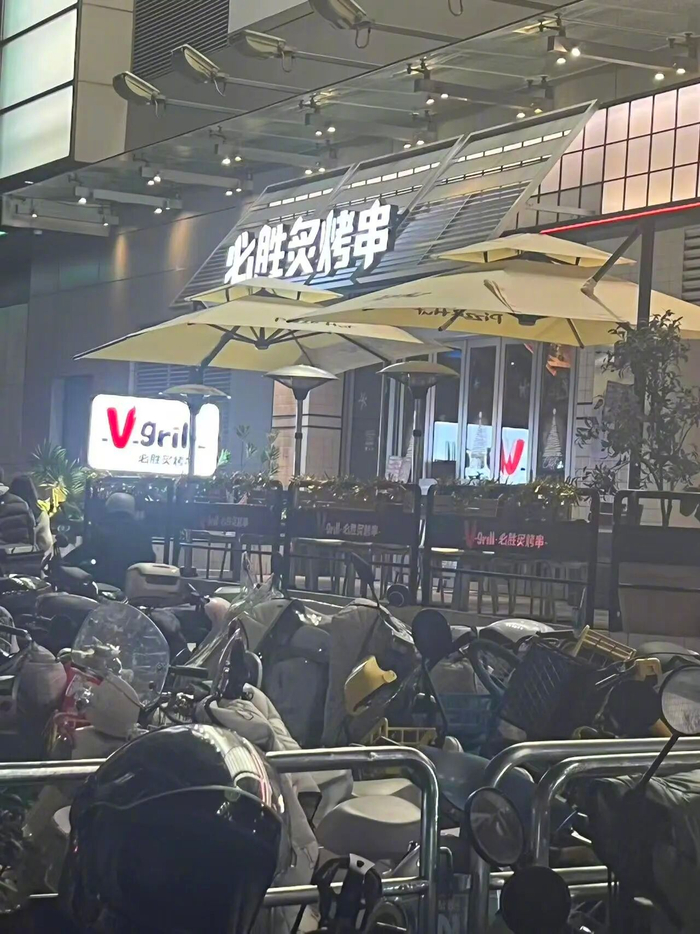
必胜汉堡

Search documents
必胜客狂开副牌,萨莉亚却赚不动了
3 6 Ke· 2026-01-19 03:11
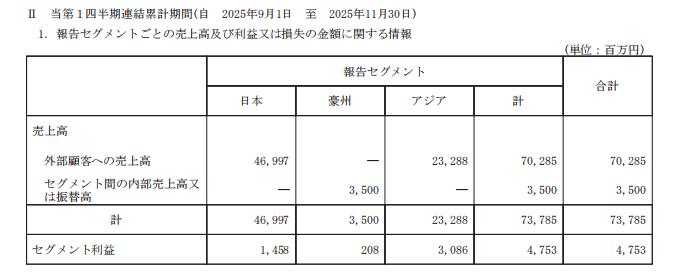
Core Insights - The company is facing a "revenue growth without profit growth" dilemma in the Chinese market, contrasting with strong performance in its domestic Japanese market [1][4]. Financial Performance - For the first quarter of fiscal year 2026 (September to November 2025), the company reported total sales of 70.2 billion yen, a 15% year-on-year increase, and operating profit rose by 19% to 4.6 billion yen [2]. - Adjusted net profit increased by 16% to 3 billion yen, marking the highest level for the same period in two years [2]. Segment Analysis - The Japanese market significantly contributed to overall performance, with sales exceeding 46.9 billion yen, a year-on-year increase of 18.9%, and operating profit reaching 1.4 billion yen, up 184.7% [3]. - In contrast, the Asian segment, primarily driven by China, reported sales of 23.3 billion yen, a 7.1% increase, but operating profit decreased by 6.1% to 3.1 billion yen [4]. Market Strategy and Challenges - The company has been expanding its store presence in China, with 709.61 billion yen in sales last fiscal year, accounting for 84.7% of the Asian market's performance [4]. - Despite opening new stores, the Asian segment's profitability has been declining, attributed to local consumption slowdowns and strategic challenges in major cities [4][6]. - The company has over 490 stores in major cities like Beijing, Shanghai, and Guangzhou, but profits in these areas have dropped significantly, with declines of 23.6%, 27.3%, and 20.3% respectively [6]. Industry Trends - The overall Western dining market in China is experiencing a slowdown, with a projected market size of 82 billion yuan in 2025, reflecting a growth rate of only 3.5%, which is half of what it was two years ago [7]. - Competitors like Pizza Hut are gaining momentum in the Chinese market through innovative store formats and lower pricing strategies, indicating a shift in consumer preferences [9].

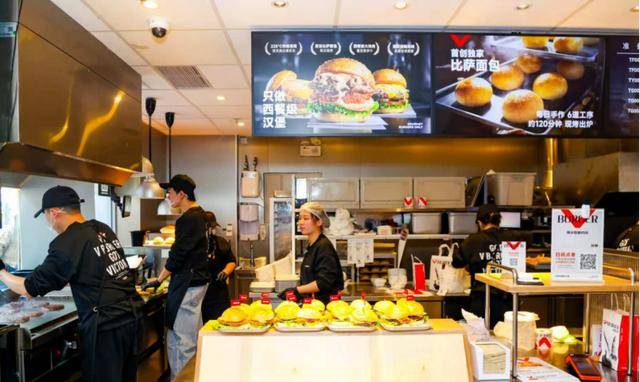
布局“一人食”赛道!必胜汉堡全国首店落地深圳
Sou Hu Cai Jing· 2026-01-14 10:37
Group 1 - The "one-person meal" model is gaining popularity in the restaurant industry, with the launch of Pizza Hut's new brand, "Pizza Burger," marking a significant entry into this market [1][3] - The "one-person meal" economy is projected to grow significantly, with an expected market size exceeding 1.8 trillion yuan by 2025, reflecting a compound annual growth rate of 15.3% [1] - Shenzhen, known for its vibrant innovation and entrepreneurial spirit, has seen a rising demand for "one-person meals," particularly among the younger demographic seeking efficient dining experiences [3] Group 2 - The introduction of Pizza Burger is a strategic move by Yum China to capitalize on the growing trend of "one-person meals," representing an important innovation and upgrade in their hamburger offerings [3] - The new Pizza Burger restaurant integrates into existing Pizza Hut locations, creating a comfortable dining space suitable for various consumer scenarios, including lunch for office workers and casual dining for students [3] - Industry experts suggest that restaurant companies entering the "one-person meal" segment can enhance efficiency and reduce costs through self-service and lightweight operations, leading to a consumption upgrade from basic to more refined dining experiences [3]

宜家中国将关闭7家门店;韩国版lululemon被收购;山姆499元羽绒服卖爆|品牌周报
36氪未来消费· 2026-01-11 12:26
Group 1: IKEA's Store Closures in China - IKEA China announced the closure of 7 stores by February 2, 2026, marking a rare event in its 20+ years in the Chinese market [3] - The closed stores are primarily large locations, including the Shanghai Baoshan store, which was once the largest IKEA in Asia, operating for over 12 years [3] - Post-closure, IKEA will have 34 physical locations, 3 proprietary digital channels, and 2 flagship e-commerce platforms in China [3] - The company plans to shift its strategy from "scale expansion" to "precise cultivation," focusing on Beijing and Shenzhen, with plans to open over 10 small stores in the next two years [3] - Recent sales declines in IKEA China are attributed to real estate adjustments, changing consumer psychology, and intense competition in the domestic furniture market [3][4] Group 2: Andar's Acquisition - Andar, a yoga apparel brand known as the "Korean version of Lululemon," was acquired by Bain Capital, with a transaction valuation of approximately 500 billion KRW (around 2.4 billion RMB) [5] - Founded in 2015, Andar has expanded its product line to include men's clothing and is priced more affordably compared to Lululemon, with expected sales of around 1 billion RMB in 2025 [5] - The acquisition reflects Bain's belief in Andar's potential for global expansion, as the brand has already entered markets in Japan, Australia, and Singapore [5][6] Group 3: Sam's Club's Success - Sam's Club recently sold out a down jacket priced at 499 RMB, with a filling weight of 400 grams, indicating strong consumer demand [7] - The jacket's popularity is attributed to a shift in consumer behavior towards functionality and simplicity in purchasing decisions [7] - In the past 12 months, Sam's Club has opened 8 new stores in China, marking its most aggressive expansion year [8] - Walmart China reported a net sales figure of 6.1 billion USD for the third quarter of 2026, a year-on-year increase of 21.8%, with Sam's Club continuing to show double-digit growth in transaction volume [8] Group 4: Nestlé's Recall Incident - Nestlé announced a precautionary recall of infant formula in 45 countries, including China, due to quality issues with a supplier's ingredient [9][10] - In China, 30 batches of products were recalled, affecting brands such as Nan and Wyeth, while other Nestlé products remain unaffected [10] - The recall has negatively impacted the stock price of supplier Jia Bi You, which has seen a cumulative decline of over 10% following the announcement [11] Group 5: Domino's Expansion in China - Domino's China reported a total of 1,315 stores by the end of 2025, with a net addition of 307 stores and expansion into 21 new cities [22] - The membership program "达人荟" reached 35.6 million members, a significant increase from 24.5 million the previous year [22] Group 6: Yuanqi Forest's Production Expansion - Yuanqi Forest's northern production base has begun trial production, with a daily capacity exceeding 1 million bottles [23] - The second phase of the project involves an investment of 560 million RMB and aims for a combined annual output value exceeding 1 billion RMB upon full production [23]

必胜客首开独立汉堡店
第一财经· 2026-01-06 12:15
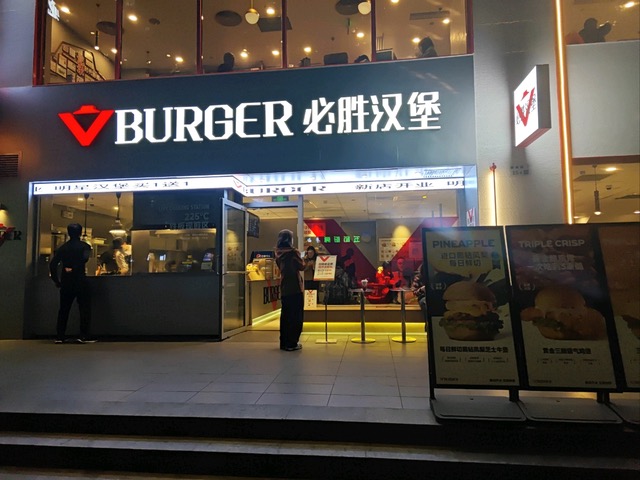
Core Viewpoint - Pizza Hut, under Yum China, has launched a new module called "Pizza Hut Burger," with two independent stores opened in Shenzhen, targeting the single-person dining market and offering freshly made burgers with a unique pizza bread base [3][4]. Group 1: Company Strategy - The new "Pizza Hut Burger" stores are positioned next to existing Pizza Hut locations, indicating a strategic expansion within the competitive fast-food market [3]. - The average customer spending at Pizza Hut Burger is approximately 34 yuan, which is lower than Pizza Hut's average of 50 yuan but slightly higher than KFC and McDonald's at 28 yuan [3]. - This is not the first time Pizza Hut has ventured into the burger market, having previously introduced a burger product line called "Pizza Burger" in April 2024 [3]. Group 2: Market Environment - The Western fast-food market in China reached a scale of 297.5 billion yuan in 2024, with a year-on-year growth of 11.0%, and the number of fast-food outlets increased by 6.6% to 325,000 by March 2025 [4]. - The hamburger segment within the fast-food market is becoming increasingly saturated, with major international brands like KFC and McDonald's each operating around 10,000 outlets, alongside domestic brands such as Wallace and Tastin [4]. Group 3: Challenges and Insights - Experts suggest that the business environment for Pizza Hut Burger may be challenging due to a combination of consumer downgrading and the pursuit of value-for-money options [5]. - The strategy of Yum China involves using a multi-brand approach to mitigate the sensitivity of a single brand to external fluctuations [5]. - Future success in the hamburger segment will require balancing efficiency and customer experience, with operational metrics needing to be finely tuned to maintain quick service while enhancing customer engagement through localized flavors and limited-time offerings [5].

必胜客首开独立汉堡店,但汉堡赛道竞争已白热化
Di Yi Cai Jing· 2026-01-06 10:30
Core Insights - The Western fast food market in China has entered a highly competitive phase, referred to as the "involution era" [1] - Pizza Hut, under Yum China, has launched a new module called "Pizza Hut Burger," with two independent stores opened in Shenzhen [1][3] - The market for Western fast food is projected to reach 297.5 billion yuan in 2024, with a year-on-year growth of 11.0% [3] Company Developments - Pizza Hut Burger targets the single-person dining segment, offering freshly made burgers with a unique pizza dough base [3] - The average customer spending at Pizza Hut Burger is approximately 34 yuan, which is lower than Pizza Hut's average of 50 yuan but slightly higher than KFC and McDonald's at 28 yuan [3] - This is not the first time Pizza Hut has ventured into the burger market, having previously introduced a burger product line called "Pizza Burger" in April 2024 [3] Market Context - The fast food market is becoming increasingly saturated, with major international brands like KFC and McDonald's each operating around 10,000 stores in China, alongside domestic brands like Wallace and Tastin [3] - The competitive landscape indicates that the business for Pizza Hut Burger may face challenges [3] Strategic Insights - Experts suggest that Pizza Hut Burger aims to capture a demographic transitioning from middle-class to lower-income consumers while maintaining a "Western dining illusion" [4] - The multi-brand strategy of Yum China is designed to reduce sensitivity to external market fluctuations [4] - Future success in the burger segment will depend on balancing operational efficiency with customer experience, including quick service times and innovative menu offerings [4]
试水两年,必胜客汉堡专门店开业!西式快餐巨头混战升级
东京烘焙职业人· 2026-01-06 08:33
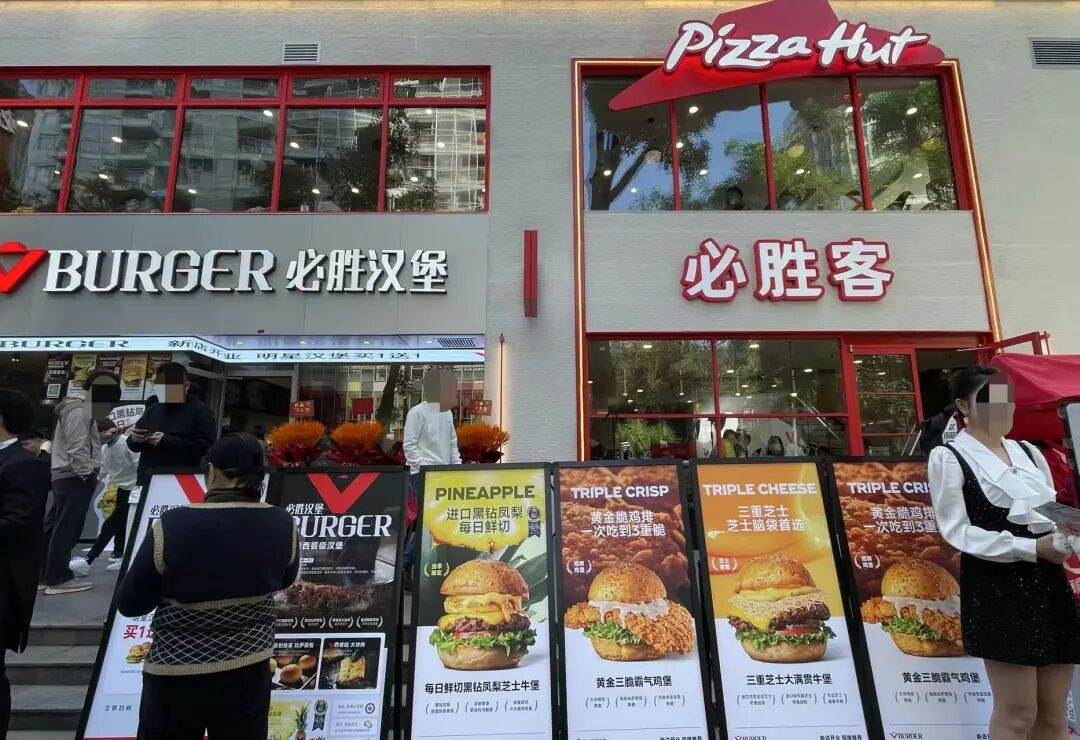
Core Viewpoint - The article discusses the launch of "Pizza Hut Burger," a new brand by Yum China, emphasizing its unique positioning in the competitive hamburger market with a focus on freshly made, high-quality burgers [4][15]. Group 1: Product Offering - "Pizza Hut Burger" features a menu with nearly 30 SKUs, including 10 types of burgers priced between 23 to 42 yuan, alongside 8 snacks and 9 beverages, catering to a refined single-person dining experience [12][14]. - The burgers are made with a unique pizza dough instead of traditional bread, and the ingredients are highlighted for their freshness and quality, such as using organic selenium-rich eggs and high-quality imported cheeses [8][11]. Group 2: Market Strategy - The brand aims to differentiate itself from competitors like KFC and McDonald's by offering a higher-end product with an average price point above 25 yuan per burger, compared to the 20-30 yuan range of its competitors [15][20]. - The launch of "Pizza Hut Burger" follows a successful trial of the "Pizza Burger" series, which began in December 2023, indicating a strategic move to establish a strong market presence [15][17]. Group 3: Competitive Landscape - The hamburger market is described as crowded, with significant competition from both international brands like KFC and McDonald's and domestic players such as Wallace and Tastin, making it a challenging environment for new entrants [18][20]. - Despite the competition, "Pizza Hut Burger" benefits from the extensive network of over 4,000 Pizza Hut locations across China, providing a robust operational and supply chain support [21].
试水两年,必胜客汉堡专门店开业,西式快餐巨头混战升级
Xin Lang Cai Jing· 2026-01-04 03:40
Core Viewpoint - Yum China is expanding its brand portfolio with the launch of "Pizza Hamburger," a new hamburger chain that emphasizes freshly made, high-quality burgers, aiming to differentiate itself in a competitive market [1][10]. Group 1: Product Offering - The "Pizza Hamburger" chain features hamburgers starting at 23 yuan, with an average consumer spending of over 40 yuan, comparable to Pizza Hut's pricing [1][7]. - The menu includes 10 types of hamburgers, 8 snacks, and 9 beverages, totaling nearly 30 SKUs, which is considered diverse for a hamburger specialty store [7][10]. - The hamburgers are made with unique ingredients, such as beef sauce made from sun-dried tomatoes and organic selenium-rich eggs, emphasizing freshness and quality [7][3]. Group 2: Store Concept and Design - The first two "Pizza Hamburger" locations are situated in key commercial areas of Shenzhen, designed to operate independently from Pizza Hut with separate kitchens and dining areas [2][10]. - The open kitchen concept allows customers to see the cooking process, enhancing the dining experience [5][3]. Group 3: Market Positioning and Strategy - The launch of "Pizza Hamburger" follows a successful trial of the "Pizza Burger" product line, which was introduced in late 2023 and received positive consumer feedback [11][12]. - The brand aims to target the single dining experience, contrasting with Pizza Hut's focus on group dining, and is positioned in a high-end segment of the market [10][12]. - The competitive landscape includes established players like KFC and McDonald's, as well as emerging brands like Wei's Hamburger, which poses significant challenges [12][14]. Group 4: Future Prospects - Yum China's extensive network of over 4,000 Pizza Hut locations provides a strong support system for the new brand, potentially allowing for rapid expansion if the initial model proves successful [14]. - The company is actively pursuing a strategy of launching specialized sub-brands to attract younger consumers, indicating a trend towards diversification in the restaurant industry [14].
客单价40元,必胜客试水汉堡店
Guo Ji Jin Rong Bao· 2025-12-31 14:35
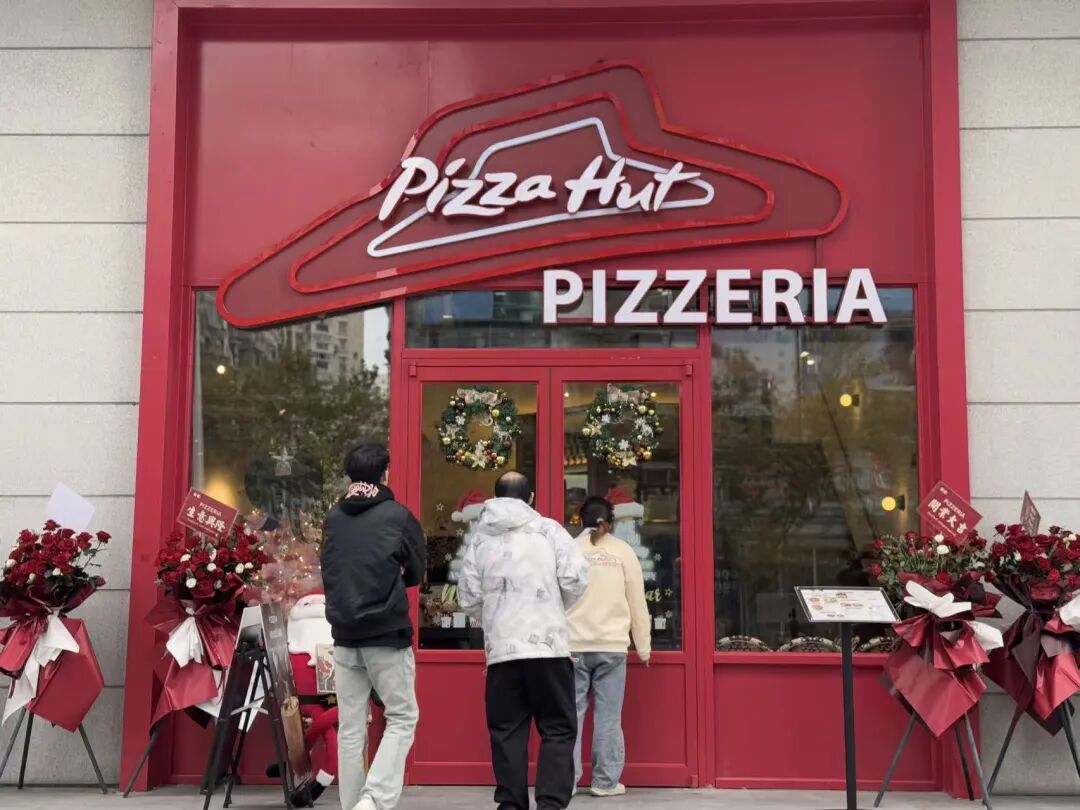
Core Insights - Pizza Hut is expanding its hamburger segment with the launch of "Pizza Hut Burger" in Shenzhen, marking a strategic move towards diversification in the fast-food market [1][3] Company Strategy - The introduction of "Pizza Hut Burger" aligns with the growing demand for single-serving meals, showcasing the brand's focus on innovation within the hamburger category [3] - The company plans to open over 600 new stores annually for the next three years, aiming to exceed 6,000 stores by 2028, with a goal to double operating profit by 2029 compared to 2024 [4] Market Position - The hamburger market is highly competitive, dominated by major players like McDonald's and KFC, while local brands such as Wallace and Tastin are also performing strongly [3] - The launch of "Pizza Hut Burger" indicates internal competition within Yum China, as both Pizza Hut and KFC operate under the same umbrella [3] Store Expansion - In the first nine months of 2025, Pizza Hut added 298 new stores, bringing the total to 4,022, with a significant increase in franchise stores expected to rise from 20%-30% to 40%-50% by 2028 [6] - The company is currently in a phase of "price for volume" adjustment, with a 4% year-on-year increase in system sales and a 1% increase in same-store sales for Q3 2025, despite a 13% decrease in average transaction value [6] Sales Performance - The reliance on delivery services is increasing, with a 27% year-on-year growth in delivery sales, accounting for 48% of total restaurant revenue, up from approximately 39% in 2024 [6]
必胜客推出全新子品牌切入超2100亿市场,这回是专卖汉堡的新店开业,还主打“现点现做”和“一人食”
3 6 Ke· 2025-12-31 03:23
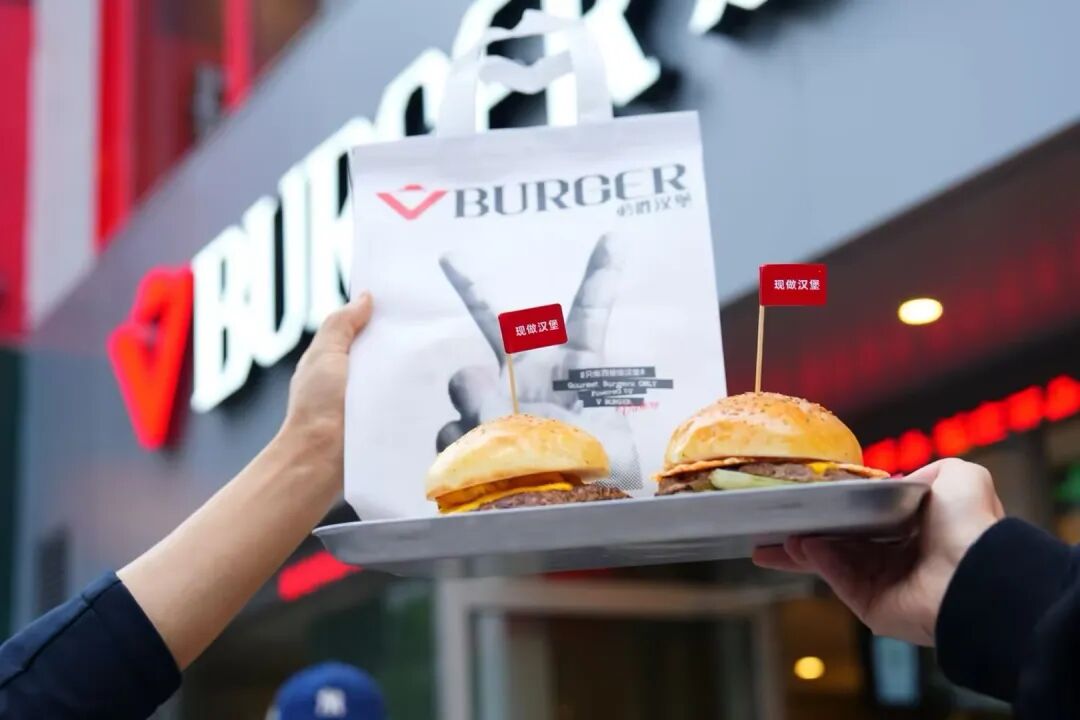
Core Insights - Yum China, which owns KFC and Pizza Hut, is expanding its brand portfolio with the launch of "Pizza Hut Burger," a new concept focusing on freshly made burgers priced around 40 yuan [1][5][7]. Brand Expansion - The new "Pizza Hut Burger" stores are located in Shenzhen, emphasizing a "made-to-order" approach with freshly baked pizza bread and large beef patties [3][5]. - The menu includes various burger options, with prices ranging from 23 to 35 yuan, and also offers sides like fried chicken and fries [3][5]. - This initiative follows Yum China's previous brand extensions, including KCOFFEE and KPRO, indicating a strategy to diversify its offerings [1][14]. Market Trends - The "one-person meal" market in China is rapidly growing, projected to reach 800 billion yuan by 2024, with burgers being a popular choice among consumers [7]. - The Western fast food market in China is expected to reach 297.5 billion yuan in 2024, with burgers holding the largest market share at 71% [9][11]. Competitive Landscape - The burger segment is highly competitive, with major players like KFC and McDonald's dominating the market, supported by strong supply chains and brand recognition [9][11]. - New entrants and local brands are also emerging, focusing on cost-effectiveness and unique offerings to capture market share [11][13]. Strategic Positioning - Yum China's strategy involves leveraging its existing supply chain and brand recognition to quickly establish "Pizza Hut Burger" in the market [13][16]. - The company aims to cover a broader range of consumer needs through a multi-brand approach, enhancing its market penetration and adaptability to consumer trends [16][18].
必胜客上海首推烤串夜宵,羊肉串6元歌手驻唱
Cai Jing Wang· 2025-12-30 04:41
Group 1 - Pizza Hut has launched a new concept called "Bisheng Grilled Skewers" in its Shanghai Danning store, operating from 5 PM to midnight, offering a separate menu for skewers and alcoholic beverages [1] - The skewer prices range from 3 to 19 yuan, with lamb skewers priced at 6 yuan each and grilled lamb chops at 19 yuan each, with an average consumer spending of around 70 yuan, comparable to mainstream barbecue brands [1] - The new concept includes live music to enhance the dining atmosphere, similar to strategies employed by other restaurant brands seeking growth through diversification [2] Group 2 - Pizza Hut has also opened its first hamburger specialty store, "Bisheng Hamburger," in Shenzhen, indicating a broader strategy of diversifying its offerings [2] - The seating capacity during the evening was noted to be low, with some patrons being bloggers visiting for promotional purposes, highlighting potential challenges in attracting a consistent customer base [2]