高等教育

Search documents
深圳再“闯”深水区:新一轮综合改革试点探路新机制|政在发声
2 1 Shi Ji Jing Ji Bao Dao· 2025-06-10 14:32
Core Viewpoint - The new round of comprehensive reform pilot in Shenzhen aims to deepen reform and innovation, enhance openness, and strengthen the integration of various chains, positioning Shenzhen as a key engine in the Guangdong-Hong Kong-Macao Greater Bay Area and a model for national development [1][2]. Group 1: Reform Measures - The reform will focus on four main areas: integrating education, technology, and talent systems; empowering the real economy with finance, technology, and data; establishing a higher-level open economy; and improving governance models [2][3]. - The pilot will explore new mechanisms in various sectors, including artificial intelligence in medical devices, unmanned aerial vehicle management, and energy storage scenarios, which will promote the growth of emerging industries [1][9]. Group 2: Economic Impact - Shenzhen's GDP is projected to reach 3.68 trillion yuan in 2024, with the added value of strategic emerging industries accounting for 42.3% of the GDP [6]. - The city has maintained a high R&D expenditure intensity of 6.46% in 2023, ranking second in the country, with corporate R&D investment consistently above 90% [6][9]. Group 3: Education and Talent Development - The reform emphasizes the need for a new mechanism in higher education, focusing on the integration of engineering education with industry needs and fostering high-quality, interdisciplinary talent [8][7]. - Initiatives include exploring market-oriented salary management for new research institutions and implementing project manager systems to enhance research capabilities [7][8]. Group 4: Data Utilization - The reform will promote the open sharing of public data in various fields, which is crucial for the development of strategic emerging industries and future industries [10]. - Shenzhen's rich data resources and willingness to adopt new technologies position it well for advancing artificial intelligence and smart manufacturing sectors [10].
微专业能解决大学生就业难题吗?
Hu Xiu· 2025-06-10 13:54
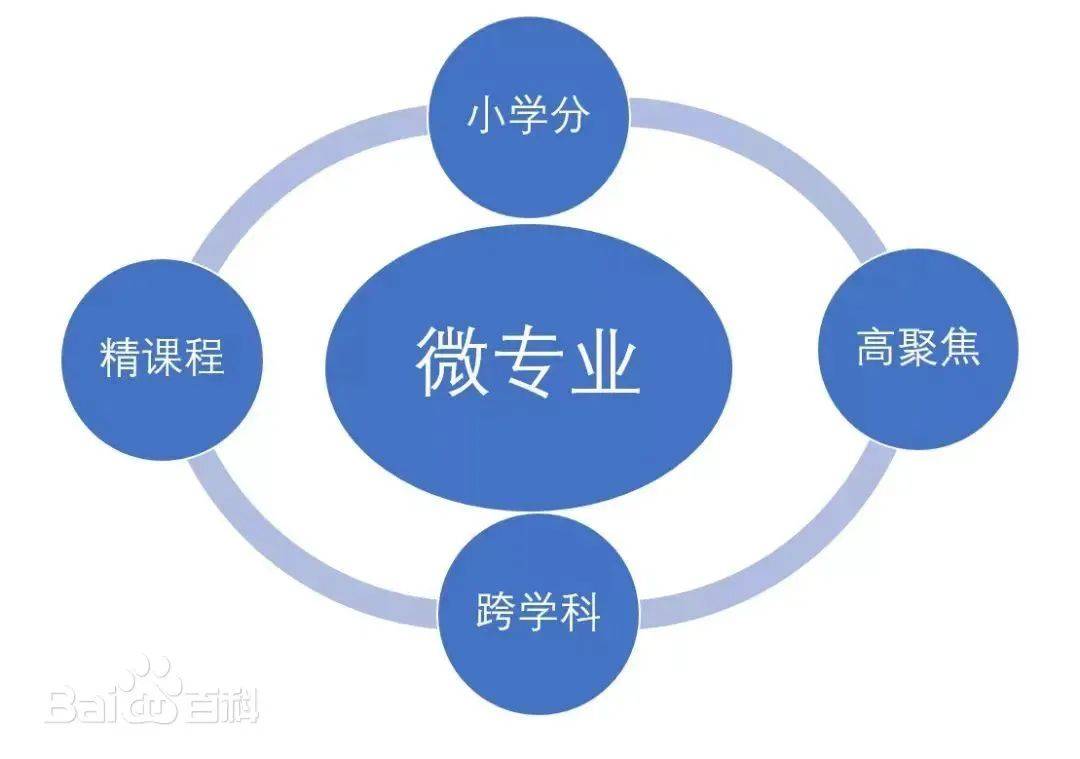
Group 1 - The core concept of micro-specialties is to integrate traditional disciplines with cutting-edge fields like artificial intelligence and big data, creating "small but refined" course modules to enhance students' comprehensive abilities and professional qualities [1][4] - By the end of 2024, over 40 universities and vocational colleges in China have established nearly 200 distinctive micro-specialties focused on emerging industries and advanced technologies [3] - The Ministry of Education will launch the "Double Thousand Plan" in 2025, aiming to promote the construction of 1,000 micro-specialties [3] Group 2 - The rise of micro-specialties is a proactive response from universities to the technological revolution and industrial transformation, as traditional academic systems struggle to meet the demand for interdisciplinary talent [4] - For example, the "Intelligent Green Vehicles" micro-specialty at Shanghai University of Technology incorporates practical enterprise needs into its curriculum, allowing students to engage in real-world projects [5] Group 3 - Micro-specialties typically consist of 5 to 10 courses, with total credits ranging from 10 to 25, and a study duration of 1 to 2 years [7] - Some micro-specialties, like "Artificial Intelligence Large Models," have high entry requirements, necessitating foundational knowledge in programming and mathematics [8] Group 4 - Certain micro-specialties adopt an open and inclusive approach, allowing external learners to enroll without exams or interviews, thus broadening educational access [9][10] - However, the disparity in entry requirements raises concerns, as high-barrier micro-specialties may exclude students from diverse backgrounds, while low-barrier options risk becoming mere "interest classes" [12] Group 5 - The recognition of micro-specialty certificates in the job market varies, with some programs closely aligned with industry needs, offering certifications that enhance employability [12][13] - Despite this, many employers remain skeptical about the value of micro-specialty certificates, often prioritizing traditional qualifications and experiences during hiring [14] Group 6 - The teaching and training models of micro-specialties may limit in-depth learning, as students often only acquire basic skills due to time and resource constraints [15] - The emergence of micro-specialties reflects universities' exploration of talent cultivation paths in response to severe employment challenges, emphasizing the need for a balanced approach to education that fosters comprehensive skills rather than merely technical training [20]

阿里千问3全球下载量破千万,《波斯王子Rogue》8月上线涨价至98元
Sou Hu Cai Jing· 2025-06-10 11:13
Group 1 - Beijing aims to establish a global first-release center to support the transformation and upgrading of commercial areas, encouraging global premium brands to set up flagship and concept stores in the city [1] - The Yangtze River Delta region's import and export value reached 5.29 trillion yuan in the first four months, marking a historical high, with significant growth in cross-border e-commerce and high-end equipment exports [3] - Fuyou University announced a reduction in its undergraduate enrollment plan for 2025 from 100 to 50 students, optimizing the teacher-student ratio to 6:1 to enhance academic guidance and practical opportunities [4][6] Group 2 - Alibaba's Tongyi Qianwen 3 model achieved over 12.5 million downloads globally within a month of its open-source release, making it one of the most popular open-source models [6] - Wang Ning, founder of Pop Mart, became the new richest person in Henan with a net worth of $20.3 billion, surpassing the previous record holder, Qin Yinglin, whose net worth is $16.3 billion [7] - OpenAI reported an annual recurring revenue of $10 billion, nearly doubling from $5.5 billion the previous year, driven by the success of ChatGPT and partnerships with major tech companies [9] Group 3 - Ubisoft announced the official release of "Prince of Persia: Rogue" in August, with a price increase from 78 yuan to 98 yuan [10] - Amazon is accelerating its development of humanoid robots, utilizing open-source large language models like DeepSeek and Alibaba's Tongyi Qianwen for robot control [12] - Capcom officially announced the ninth installment of the "Resident Evil" series, titled "Resident Evil: Requiem," set to release on February 27, 2026 [13] - Ubisoft revealed the upcoming release of "Anno 117: Pax Romana" on November 14, 2025, with pre-order prices starting at 298 yuan [15] Group 4 - Meta is in talks to invest over $10 billion in AI startup Scale AI, potentially setting a record for private company financing [17]

名校之约|西安交通大学:2025新增航空发动机与智能科学方向 打造AI+教育新高地
Yang Shi Wang· 2025-06-10 10:41
Core Viewpoint - Xi'an Jiaotong University (XJTU) is a prestigious institution with a rich history and a strong commitment to cultivating top talent, emphasizing its comprehensive educational approach and innovative programs in response to national strategic needs [1][2]. Group 1: Historical Background and Institutional Strength - Founded in 1896, XJTU has evolved into a comprehensive research university with a focus on engineering and technology, recognized as a key national university and a member of the C9 League [1]. - The university has 17 disciplines ranked in the top 1% globally, with engineering ranked 9th worldwide [1]. Group 2: Talent Development Programs - XJTU has established a matrix for cultivating top talent, including programs like the "Zhu Feng Plan" and "Qian Xuesen Class," which are research-oriented and have high domestic and international advancement rates [3]. - The university plans to introduce new majors in intelligent science and gas turbine and aviation engine engineering in 2025, reflecting its commitment to meeting national strategic demands [5]. Group 3: AI Integration in Education - XJTU is a pioneer in integrating artificial intelligence into education, having established dedicated research institutes and developed numerous AI-enhanced courses [4][6]. - The university has launched a comprehensive AI professional system and has developed smart classrooms and digital resources to support innovative teaching methods [6][7]. Group 4: International Collaboration and Global Outreach - XJTU has formed the Silk Road University Alliance, involving 207 universities from 45 countries, promoting international cooperation and educational exchange [8][9]. - The university has established partnerships with over 300 institutions worldwide, facilitating joint programs and fostering a global academic environment [9]. Group 5: Student Support and Financial Aid - XJTU offers flexible major transfer options and a comprehensive financial aid system, with nearly 90 million yuan allocated for student support in 2024 [10]. - Approximately 35.91% of undergraduate students receive scholarships, highlighting the university's commitment to supporting its students financially [10]. Group 6: Vision and Future Aspirations - XJTU encourages students to embrace challenges and emphasizes the importance of perseverance and personal growth during their academic journey [11]. - The university aims to leverage its strengths in AI and research to create a collaborative talent development system that aligns with global educational trends [11].
168万在校生,“中国大学生第一城”诞生
虎嗅APP· 2025-06-10 10:18
Core Viewpoint - The article emphasizes the importance of universities as talent hubs in the context of China's population peak and the ongoing competition for talent among cities, highlighting the need for cities to retain graduates and attract talent to sustain economic growth [5][44]. Group 1: University Enrollment and Distribution - In 2025, the number of national college entrance examination candidates reached 13.35 million, with graduates totaling 12.22 million, both at historical highs [4]. - Eight cities in China have over one million enrolled university students, with Guangzhou leading at 1.68 million, followed by Zhengzhou and Wuhan with 1.508 million and 1.41 million respectively [8][9]. - Chengdu has seen rapid growth, surpassing 1.3 million students for the first time, overtaking Chongqing to rank fourth [10]. Group 2: Quality of Higher Education - Only six cities have over 150,000 enrolled graduate students, with Beijing leading at 470,000, where graduate numbers have surpassed undergraduate numbers [17][19]. - The article categorizes cities into four tiers based on the quality of higher education, with Beijing, Shanghai, and Nanjing in the first tier, and cities like Wuhan, Xi'an, Guangzhou, and Chengdu in the second tier [20][21]. Group 3: Economic and Educational Disparities - The article notes that major cities with high economic output often lack sufficient higher education institutions, leading to a phenomenon termed "university poverty" in economically strong cities like Shenzhen and Suzhou [24][25]. - Historical patterns show that educational resources have historically concentrated in provincial capitals, benefiting from various national policies over the decades [26]. Group 4: Efforts to Build Higher Education Institutions - Economic strongholds are actively building universities to address educational deficiencies, with Shenzhen leading the charge by rapidly establishing new institutions and attracting branches of prestigious universities [28][31]. - Other cities like Suzhou are also investing in higher education, with initiatives to establish local campuses of renowned universities and develop homegrown institutions [34][35]. Group 5: Talent Retention Challenges - Retaining graduates remains a significant challenge for many cities, as many graduates prefer to move to economically vibrant regions like the Yangtze River Delta and the Greater Bay Area [40][41]. - Cities like Wuhan and Hefei are implementing strategies to retain graduates, while cities with fewer local universities, like Shenzhen, attract a large number of graduates from other regions [39][43].

美国一半大学面临破产
投资界· 2025-06-10 07:51
Core Viewpoint - The article discusses the ongoing crisis in the U.S. higher education sector, highlighting a significant increase in college closures due to declining enrollment and financial challenges exacerbated by recent government policies [1][2]. Group 1: College Closures - Cabrini University in Pennsylvania announced its permanent closure in May 2024, following a year of financial struggles and declining enrollment [3]. - The Philadelphia University of the Arts, one of the oldest art schools in the U.S., closed within a week of its announcement, surprising many students [4]. - Over 500 private nonprofit four-year institutions have closed in the past decade, a threefold increase compared to the previous decade, with predictions of 80 more closures in the next five years [5]. Group 2: Enrollment and Financial Issues - U.S. college enrollment dropped from 21 million in 2010 to 18 million in 2021, with a 44% decline in enrollment at the Philadelphia University of the Arts over the past decade [6][7]. - Many colleges rely on tuition for survival, and as student numbers decrease, financial pressures mount, leading to operational challenges [7]. - Brown University faces a structural budget deficit of $46 million, which could rise to over $90 million without operational adjustments [8]. Group 3: Responses to Financial Crisis - Colleges are attempting to mitigate financial issues through restructuring, reducing liberal arts programs, and increasing online offerings [9]. - Some institutions have resorted to layoffs, with over 2,000 positions cut at Johns Hopkins University [10]. - Federal funding for several prestigious universities has been frozen or cut, leading to significant financial strain [11]. Group 4: Impact on Students - The closure of colleges has left many students in difficult situations, with nearly half of those affected by school closures not re-enrolling [12]. - The financial instability of institutions has raised concerns among prospective students regarding the reliability of their chosen schools [13]. Group 5: International Student Enrollment - The decline in international student enrollment is expected to worsen the financial situation of U.S. colleges, with a reported 11.33% decrease in international students from March 2024 to March 2025 [14][16]. - The U.S. government’s recent visa policy changes have further discouraged international students from applying to U.S. institutions [15]. Group 6: Future Projections - A study predicts that by 2037, U.S. college enrollment could decrease by 5 million students, significantly impacting the financial health of higher education institutions [16].

《意见》解析:民生关切下的「上好学」之路
3 6 Ke· 2025-06-10 04:31
Group 1: Early Childhood Education - The release of the "Opinions" document brings hope for the development of inclusive childcare services, addressing the scarcity of affordable childcare resources for working families [2][3] - The goal is to achieve over 80% coverage of embedded inclusive childcare in communities of large cities within approximately 10 years, significantly alleviating parenting pressures and promoting female employment [2][3] Group 2: K12 Education - The "Opinions" emphasize the need for quality and equitable development in K12 education, addressing long-standing concerns about resource imbalance [4][5] - A plan to expand quality school capacity and improve weak schools through group management and support is outlined, aiming to enhance educational equity [4][5] - The initiative includes a target to standardize all compulsory education schools within about 5 years, which will help reduce educational disparities between urban and rural areas [5][6] - The construction of over 1,000 quality high schools, particularly in county areas, is expected to improve educational conditions and provide better opportunities for rural students [6] Group 3: Vocational Education - The "Opinions" highlight the importance of vocational education in developing skilled talent and aligning educational offerings with market needs [7][8] - The focus on "industry-education integration" aims to connect vocational institutions with industry, ensuring that training meets current economic demands [7] - The introduction of "micro-majors" allows for flexible, targeted training in high-demand skills, enhancing employability for various demographics [8] Group 4: Employment Support - The "Opinions" stress the importance of employment as a key aspect of livelihood, with measures to improve social insurance access for flexible workers and migrant workers [9] - The removal of household registration restrictions for social insurance participation will benefit approximately 280 million migrant workers and 84 million new economy workers [9] - The implementation of labor-based assistance programs aims to create job opportunities for low-income populations, enhancing their income and dignity [9]
聚力推动高校科技成果向基础教育转化
Xin Hua Ri Bao· 2025-06-09 21:34
Group 1 - The core viewpoint emphasizes the importance of integrating technological innovation and talent cultivation in education, with a focus on transforming scientific research outcomes into practical applications in basic education [1] - Jiangsu Province's government report indicates that R&D investment intensity exceeded 3.3% in 2024, and the region's innovation capability has risen to second place nationally, marking a significant qualitative leap in technological innovation [1] - The establishment of a collaborative platform for technology transfer is essential to enhance the adaptability and synergy of research outcomes with the needs of basic education [2] Group 2 - A differentiated resource allocation strategy is proposed to address disparities in educational development, particularly between southern and northern Jiangsu, ensuring equitable access to technological resources [3] - The need for a robust teacher training program is highlighted, focusing on enhancing the technological literacy of teachers, especially in underdeveloped regions [3] - The introduction of an innovative evaluation mechanism is suggested to motivate both higher education institutions and primary/secondary schools to engage in the transformation of scientific research outcomes [4][5] Group 3 - The proposal includes the establishment of a "green channel" within the education system to streamline administrative processes for educational technology products, facilitating quicker access to schools [5] - The concept of a "technology education understanding community" is introduced to break down communication barriers between researchers and educators, fostering collaboration and mutual understanding [6] - The importance of community involvement in education is emphasized, advocating for the creation of science popularization bases and interactive resources to engage families and society in the educational process [6]
高考成绩和主权货币
Hu Xiu· 2025-06-09 14:26
今年,全国有1335万考生同时走进高考考场,争夺宝贵的高等教育资源。针对这一极度稀缺的资源,不同国家根据其社会共识建立了不同的分配机制。从 经济学的逻辑看,大体上分为两种: 一种是以"高考币"定价的高等教育体系,其特征是国家组织统一的标准化考试,考试成绩具备一定的主权货币的属性;另一种则不组织此类考试,信用主 体较为分散,主要依靠市场机制完成分配,姑且称之为以法币定价的高等教育体系。 从这一理论框架出发,本文试图分析这两种分配机制各自的利弊,挂一漏万,欢迎讨论和补充。 本文逻辑: 纵观历史上各种稀缺资源的分配机制,高考制度无疑是其中最平等的,这种平等体现在极致的机会平等,"只看分数"最大程度上避免了财富和权力的干 预,而这两者在其他稀缺资源的分配上往往是无孔不入,且起决定性作用的。 "小镇做题家"进入社会之后的无力感正由此而来,但做题家的身份最起码保证了他们不用赤身面对金钱和权力的倾轧。 一、"高考币"定价的高等教育体系 公平,公平,还是公平 二、法币定价的高等教育体系 全球"消费者"和顶级"供应商" 三、"高考币"定价,要公平还是要效率? 基础教育:内卷、双减、零和博弈、成本、价值观 高等教育:三方博弈、论 ...
拒绝留学生,美国一半大学将破产
凤凰网财经· 2025-06-09 13:05
Core Viewpoint - The article highlights a significant crisis in the U.S. higher education system, with a growing number of universities facing closure due to declining enrollment and financial challenges, exacerbated by recent government policies affecting international students [1]. Group 1: University Closures - Cabrini University in Pennsylvania announced its permanent closure in May 2024, following a year of financial struggles [2]. - The Philadelphia University of the Arts, one of the oldest art and music institutions, also closed within a week of its announcement, shocking many students [3]. - Throughout 2024, numerous universities, including Wells College and Lincoln College, have closed, with reports indicating an average of one university shutting down each week [6][9]. Group 2: Enrollment and Financial Crisis - The U.S. has seen a decline in college enrollment from 21 million in 2010 to 18 million in 2021, largely due to a global trend of declining birth rates [12]. - The Philadelphia University of the Arts experienced a 44% drop in enrollment over the past decade, while Cabrini University saw a 60% decrease in new student admissions [13]. - Financially, many universities rely on tuition for survival, and as student numbers dwindle, their financial health deteriorates, leading to significant budget deficits, as seen in Brown University and the University of Chicago [14][21]. Group 3: Cost-Cutting Measures - In response to financial crises, universities are implementing various self-help measures, including program reductions and layoffs [15][18]. - Cabrini University attempted restructuring and online courses to boost enrollment but ultimately failed [16]. - Many institutions are resorting to issuing bonds to manage financial shortfalls, with top universities like Harvard and Yale issuing significant amounts of debt [21][22]. Group 4: Impact on Students - The closure of universities has left many students in precarious situations, with reports indicating that nearly half of the students from closed institutions did not re-enroll elsewhere [25]. - The financial instability of schools has raised concerns among prospective students about the reliability of their chosen institutions [26]. - The financial health of universities is now a critical factor for students when selecting schools, as evidenced by the recent ratings from Forbes [27]. Group 5: International Student Enrollment Decline - The U.S. higher education system is experiencing a decline in international student enrollment, with a reported 11.33% drop from the previous year [30]. - Recent visa policy changes under the Trump administration have further discouraged international students from applying to U.S. universities [30]. - The decline in international students is expected to worsen the financial situation of U.S. universities, which have relied on these students for tuition revenue [31][32].