
低空经济

Search documents
聚合低空经济优势资源加速商业化落地 万丰奥威打造“固定翼+垂直起降飞行器+无人机”多场景产品出行矩阵
Quan Jing Wang· 2025-07-25 09:07
Group 1: Industry Overview - The 2025 International Low Altitude Economy Expo will be held in Shanghai, showcasing nearly 300 leading companies in the low-altitude economy, focusing on breakthroughs in eVTOL and drone technologies [1] - The low-altitude economy market in China reached a scale of 505.95 billion yuan in 2023, with a growth rate of 33.8%, and is expected to grow to between 670.25 billion yuan and 970.25 billion yuan in 2024, potentially reaching 1.5 trillion yuan by 2025 [2] Group 2: Company Developments - Wan Feng Aviation has integrated Volocopter's advanced eVTOL technologies with its own manufacturing capabilities, creating a diverse product matrix that includes fixed-wing aircraft, vertical take-off and landing vehicles, and drones [2][3] - The company completed the acquisition of Volocopter GmbH's core assets in March 2025, which will accelerate its global development and application in the low-altitude sector [4] - Wan Feng Aviation's revenue from its general aviation aircraft innovation manufacturing business reached 2.814 billion yuan in 2024, reflecting a year-on-year growth of 1.62% [5] Group 3: Competitive Advantages - The company has established a dual-engine development model focusing on lightweight automotive components and innovative general aviation aircraft manufacturing, leveraging its strengths in both sectors [3][7] - Wan Feng Aviation has a leading position in the low-altitude economy and is recognized for its advanced manufacturing capabilities in lightweight magnesium alloy materials, which can be applied to eVTOL development [6][7] - The company is actively pursuing the certification process for its eVTOL models, including the eDA40 and DART series, while enhancing its operational efficiency through resource integration across multiple production sites [7]

全周期“操盘”,这家成都市属国企累计投资科创企业和未来项目600个
投中网· 2025-07-25 08:33
将投中网设为"星标⭐",第一时间收获最新推送 构建"耐心资本"生态 "未来产业基金将充分发挥其在科技创新领域的强大策源作用,搭建起科技成果转化的高效桥梁,推 动更多高水准的科技成果在蓉开花结果。同时,也将孵化培育出更多'硬科技'企业,为成都的产业升 级与创新发展注入源源不断的动力。"对接活动上,对未来产业基金给出明确定位。 助力构建"耐心资本"生态。 陪伴企业从0到1、从1到100 来源丨 投中网 当前,成都正聚焦发展新质生产力,加速布局人工智能与机器人、航空航天和低空经济、生物医药等 未来产业,打造现代化产业体系。 向未来要动力,离不开资本赋能。 7月24日,一场以"到成都·投未来"为主题的成都未来产业基金发 布及产业对接活动在成都启幕,现场重磅发布总规模超1000亿元的未来产业基金。 这被外界认为是 成都未来产业发展棋局中落下的关键一子,也被解读为标志着成都政府投资基金2.0时代全面开启。 该基金依托成都产投集团"产业性基金"、交子金控集团"功能性基金"定位,由成都科创投集团等机 构进行管理。 近年来,成都科创投集团聚焦科技创新和科技成果转化,累计投资科创企业和未来项 目600个,具备全周期"操盘"能力, ...

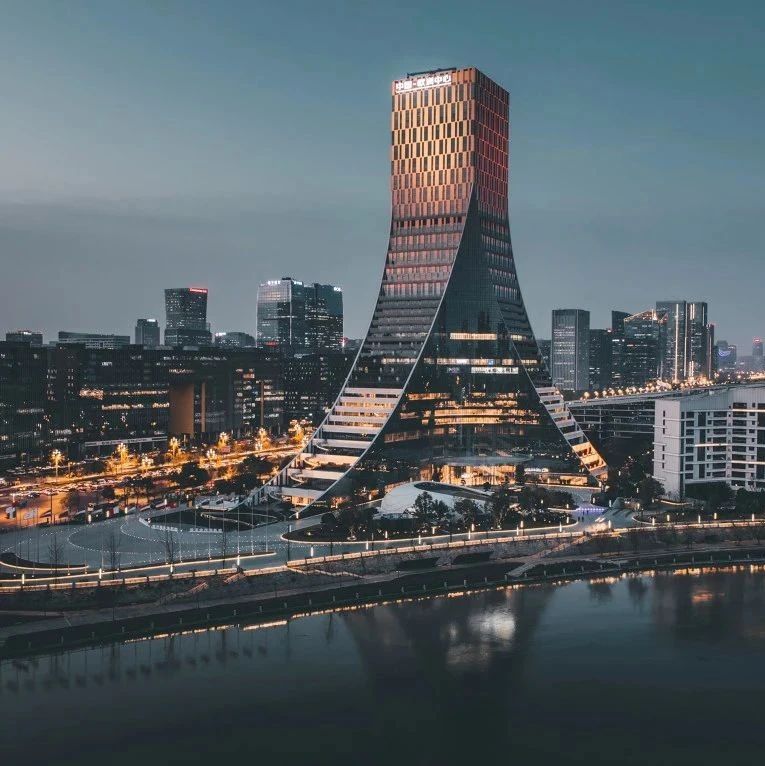
空中救护车、低空“服务区”、飞行员培训“神器”……低空经济首发展品琳琅满目
Zheng Quan Shi Bao· 2025-07-25 04:26
Group 1: Low-altitude Economy Development - The 2025 International Low-altitude Economy Expo was held in Shanghai from July 23 to July 26, showcasing nearly 300 exhibitors from the low-altitude industry chain, featuring drones, eVTOLs, flight simulators, and aviation boosters, with over 19 products making their global debut and 25 being domestic firsts [1][2] - Many exhibited products achieved domestic production, with technology levels reaching global leadership [1] Group 2: Innovations in eVTOL and Drone Technology - The Vector5, the world's first 7-seat, 3-ton eVTOL designed for medical rescue and search operations, was unveiled, featuring a maximum payload of 680 kg and a range of 300 km, with a planned first test flight by the end of this year [2] - The eVTOL flight simulator, "Qianmi No. 1," was introduced, utilizing VR and XR technologies for low-altitude flight training, significantly reducing training time by approximately 70% [4][5] Group 3: Infrastructure and Support Systems - The vertical takeoff and landing (VTOL) intelligent landing platform was presented as a crucial infrastructure component for low-altitude economy, designed to support eVTOLs and other vertical takeoff facilities, with pre-sale orders exceeding 8 billion yuan [3] - The vertical takeoff airport automation system (VAS) is highlighted as the core digital infrastructure supporting advanced air mobility (AAM), integrating resource scheduling, flight coordination, and safety management [3] Group 4: Market Potential and Future Outlook - The low-altitude economy is seen as a blue ocean for pilot training, with the potential for significant market growth as eVTOLs become more commercialized [4][5] - The ES1000, a large unmanned transport aircraft, was showcased, capable of short-distance takeoff and landing on unpaved surfaces, with a maximum payload of 1.5 tons and a range of 1200 km [6][7]
刘捷在杭州专题调研低空经济发展工作
Hang Zhou Ri Bao· 2025-07-25 03:02
24日下午,省委副书记、省长刘捷在杭州专题调研低空经济发展工作。他强调,要深入学习贯彻习 近平总书记重要讲话重要指示批示精神,认真落实省委十五届七次全会精神,按照"132"总体部署,深 化顶层设计、发挥特色优势、加快路径探索,着力推动低空经济安全健康发展,为加快建设创新浙江、 因地制宜发展新质生产力蓄势赋能。 杭州市萧山区钱江世纪城公共起降场,是全省首批投入使用的公共型、枢纽型起降场之一。刘捷来 到起降场,听取杭州市低空经济发展现状、低空基础设施建设等情况的介绍。他指出,低空经济是培育 和发展新质生产力的重要领域。要按照"立足当下、兼顾长远"的原则,加强顶层设计,深化技术路线研 究,构建低空经济相关制度规范和标准体系,科学合理有序布局低空基础设施,筑牢低空经济发展的安 全底座。 杭州多翼智控科技有限公司是一家长期深耕低空调度和低空智驾技术的企业。刘捷走进企业,与企 业负责人深入交流,详细了解企业发展、无人机场景应用情况。他指出,要谋划拓展低空经济应用场 景,探索新型航空器在城际交通、山区海岛短驳运输、公共服务等场景的应用。要加快关键核心技术攻 关,加强技术路线探索,推动低空产业补链强链,着力实现全产业链协同发 ...
还有哪些政策可以期待?
2025-07-25 00:52
Summary of Conference Call Records Industry or Company Involved - The records primarily discuss the Chinese economy, government policies, and their implications for various sectors, including manufacturing, education, and infrastructure. Core Points and Arguments 1. **Economic Policy Focus**: Future economic policies will emphasize high-quality development, structural adjustments, and industrial upgrades rather than merely pursuing high-speed growth. The internal market and domestic demand will be crucial for economic construction [3][30]. 2. **Structural Policies**: The likelihood of significant growth-stabilizing policies in the second half of the year is low, with a focus on structural policies supporting high-quality development, particularly in major projects and emerging industries [2][5]. 3. **Impact of Major Projects**: The establishment of Yajiang Group and the construction of Yaxia Hydropower Station are seen as part of the growth stabilization logic, but their direct impact on GDP is minimal, contributing less than 0.1% despite an annual investment of 120 billion RMB [6]. 4. **Global Economic Changes**: The shifting global economic landscape necessitates a greater focus on domestic market development and internal circulation, with an emphasis on upgrading manufacturing and investing in human capital [7]. 5. **US-China Trade Relations**: There are signs of easing in US-China trade disputes, with both sides showing a need for negotiation. The end of the tariff suspension period on August 12 is a critical date to watch [8][9]. 6. **Urban Renewal Plans for 2025**: The 2025 urban renewal strategy will focus on improving existing infrastructure, resilience, safety, and digital governance, which will drive economic growth and industrial upgrades [12][13]. 7. **Investment in Human Capital**: The government is prioritizing investments in education, health, employment, and elderly care, with a significant increase in fiscal spending in these areas [14]. 8. **Silver Economy Potential**: The silver economy, driven by an aging population, presents significant growth opportunities across various sectors, including robotics and smart home technologies [15]. 9. **Manufacturing Sector Losses**: The manufacturing sector is experiencing significant losses, with loss ratios between 27% and 34% across various industries. Future strategies should focus on quality, efficiency, and innovation [18][19]. 10. **Capital Market Outlook**: The capital market is expected to undergo three phases: policy-driven expectations, capacity clearing, and recovery of profitability in 2026. Successful implementation of anti-involution policies will positively impact long-term economic growth [20]. 11. **Consumption Market Recovery**: The consumption market has rebounded to over 5% growth in the first half of the year, aided by subsidies for replacing old consumer goods. Further stimulus measures are anticipated [23]. 12. **Fiscal Spending Trends**: There has been a significant acceleration in the issuance of special bonds and long-term bonds, focusing on key projects and sectors such as high-end manufacturing and green energy [24]. 13. **New Financial Tools**: New policy financial tools are expected to be implemented in the second half of the year, targeting sectors like digital economy and green low-carbon initiatives [25]. 14. **Low-altitude and Marine Economy Developments**: Recent legislative changes and government meetings emphasize the development of low-altitude and marine economies, indicating a strategic focus on these emerging sectors [26]. 15. **Future Economic Growth**: The probability of achieving a 5% GDP growth target for the year is high, supported by effective policy implementation [29]. Other Important but Possibly Overlooked Content 1. **Key Policy Dates**: Important upcoming dates include the Central Political Bureau meeting at the end of July, the end of the tariff suspension on August 12, and various other significant events that could influence economic policy and market conditions [4][11]. 2. **Differences in Policy Approaches**: The current anti-involution policies differ from previous supply-side structural reforms, focusing more on private enterprises and requiring self-regulation rather than administrative orders [16][17]. 3. **Debt Market and Gold Outlook**: Short-term fluctuations in government bond yields are expected, but a long-term bullish trend remains. Gold prices are anticipated to rise due to geopolitical factors and central bank purchases [33].
低空经济如何算好“经济账”?找准场景是关键
Shang Hai Zheng Quan Bao· 2025-07-24 18:58
Core Viewpoint - The low-altitude economy, represented by drones and eVTOLs, is entering a critical development phase, with significant market potential but an unclear industrialization path [3][5]. Group 1: Economic Logic and Characteristics - The essence of low-altitude economy lies in its dual attributes: a new economic form and the principle of cost-effectiveness [5]. - The low-altitude economy is characterized by a long industrial chain and a lengthy cultivation cycle, necessitating a focus on quickly commercializable sub-scenarios [3][8]. Group 2: Industry Chain Insights - The low-altitude economy's industry chain consists of three interconnected segments: core technology barriers in the upstream, compliance with mainstream development directions and certification progress in the midstream, and viable business models in the downstream [5][6]. - Successful implementation of low-altitude economy requires a deep understanding of the internal logic of its industry chain [5]. Group 3: Application Scenarios - Key application scenarios for drones and eVTOLs include agricultural services, logistics, and passenger transport, emphasizing the need for drones to perform tasks that are undesirable or impossible for humans [7][9]. - The logistics and tourism sectors are highlighted as promising areas for low-altitude economy development, with a focus on precise segmentation and deep operational strategies [8]. Group 4: Investment Perspectives - From an investment standpoint, it is crucial to categorize application scenarios based on their timeframes for realization, balancing long-term potential with short-term feasibility [9]. - Short-term viable scenarios primarily focus on B2B applications, such as agricultural pest control and emergency rescue, while mid-term opportunities are seen in logistics and tourism [9].

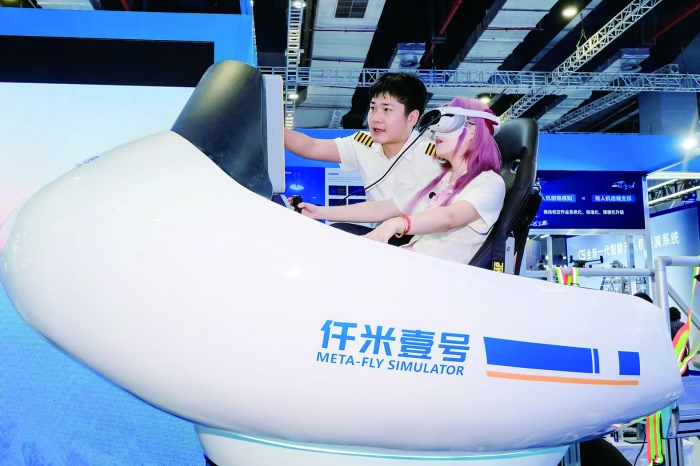
苏州市基金业联合会秘书长吴迪—— 股权投资“苏州模式”特色鲜明 产业龙头发挥引领作用
Zheng Quan Shi Bao· 2025-07-24 18:27
Core Insights - Suzhou has established a distinctive equity investment model, integrating innovation and industry, and has become a key player in the Yangtze River Delta economic landscape [1] - The Suzhou Fund Industry Association has evolved into a crucial link for integrating government, capital, and industrial resources over the past 14 years [1] Investment Trends - In 2024, Suzhou recorded 784 investment cases, a decrease of 5.4% from 829 cases in 2023, while the investment amount rose to 36.687 billion yuan, an increase of 8.1% from 33.949 billion yuan in 2023, indicating a trend of reduced quantity but improved quality [1] - The investment trends are closely aligned with industrial policies, with three notable characteristics expected in 2025: 1. Large funds will play a leading role, attracting more long-term and patient capital to Suzhou [1] 2. The integration of industry and investment will deepen, with a focus on advanced manufacturing, biomedicine, and other sectors [2] 3. The venture capital market will develop in a more specialized and refined manner, with increased attention to project commercial logic and post-investment management [2] Industry Landscape - By the end of 2024, Suzhou had over 24,300 national technology-based small and medium-sized enterprises, ranking first in the country, and 17,400 national high-tech enterprises, ranking fourth [2] - Suzhou is home to 219 A-share listed companies, maintaining fifth place nationally, and a total of 267 listed companies, including 55 on the Sci-Tech Innovation Board, ranking third nationally [2] Association's Role - The Suzhou Fund Industry Association focuses on three main areas: issues of concern to the government, interests of innovative enterprises, and the needs of member institutions [3]
城市24小时 | 汽车产量强省格局生变,谁在进位?
Mei Ri Jing Ji Xin Wen· 2025-07-24 16:31
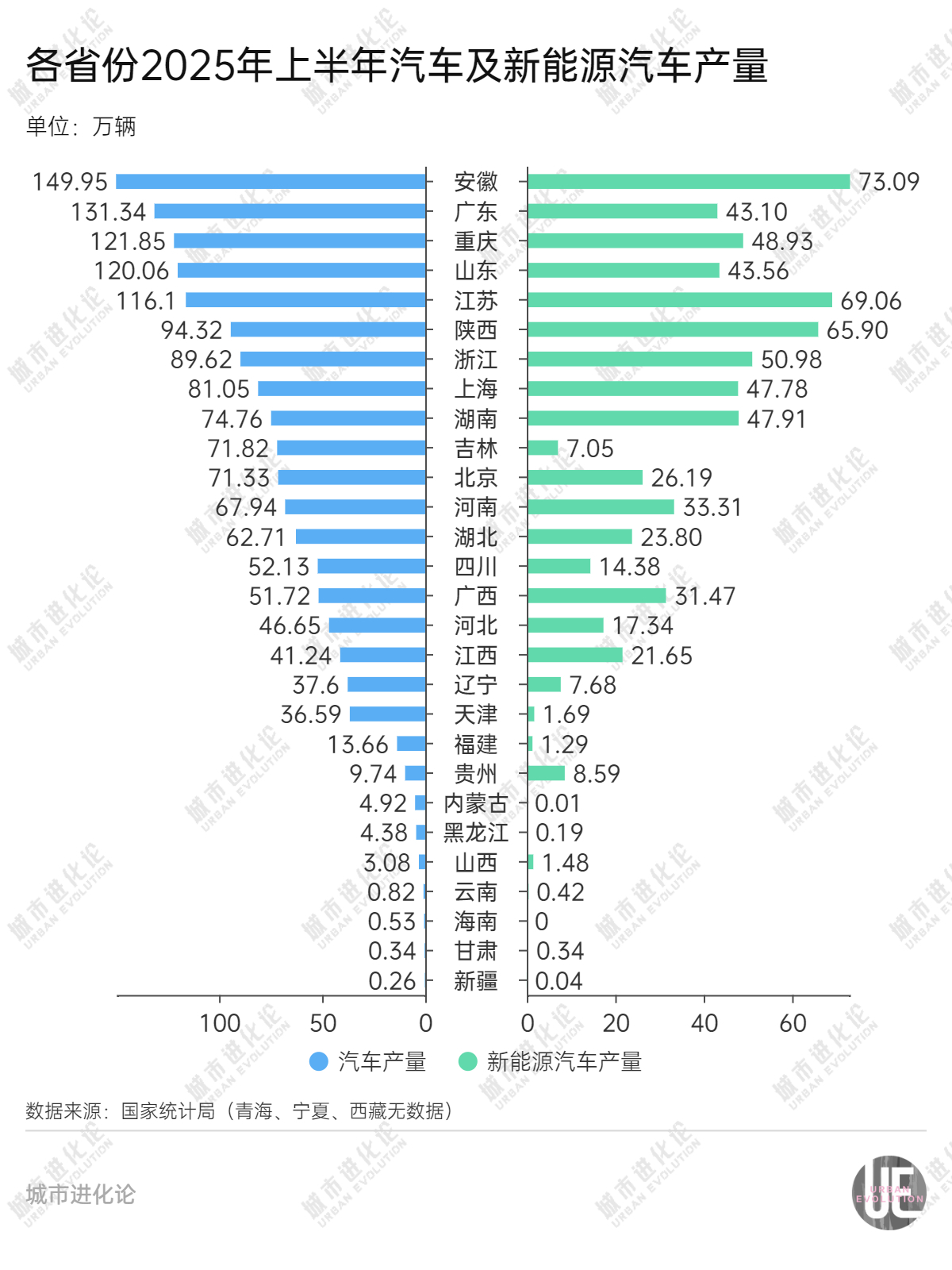
Automotive Industry - In the first half of 2025, China's automotive production and sales reached 15.62 million and 15.65 million units respectively, marking a year-on-year increase of 12.5% and 11.4%, achieving a historic milestone of both production and sales exceeding 15 million units for the first time in the same period [1][3] - Anhui province led the nation in both total automotive production at 1.4995 million units and new energy vehicle (NEV) production at 730,900 units, marking a significant shift in the automotive industry landscape [1][4] - Guangdong, which had held the top position for nearly a decade, fell to second place with a production of 1.3134 million units, 186,100 units less than Anhui, and its NEV production dropped to 431,000 units, falling from first to ninth place [3][4] Regional Developments - Hunan province made notable advancements, ranking ninth in total automotive production with 747,600 units and sixth in NEV production with 479,100 units, reflecting a growth of 25.1% in automotive manufacturing and 167.7% in NEV manufacturing [5] - Henan province also showed significant growth, with total automotive production reaching 679,400 units, moving up from 17th to 12th place, and NEV production at 333,100 units, advancing from 18th to the top ten [5] Industry Trends - The automotive industry in China is undergoing a major reshuffle, with Anhui's rise attributed to its comprehensive industrial layout and the presence of major automotive manufacturers, including Chery, NIO, and BYD [4] - The shift in production rankings indicates a potential long-term change in the competitive landscape of the automotive sector in China, with implications for investment and market strategies [1][4]
发布超千亿元未来产业基金!超百家机构共同发起“投成都”未来产业投资联盟
Sou Hu Cai Jing· 2025-07-24 13:26
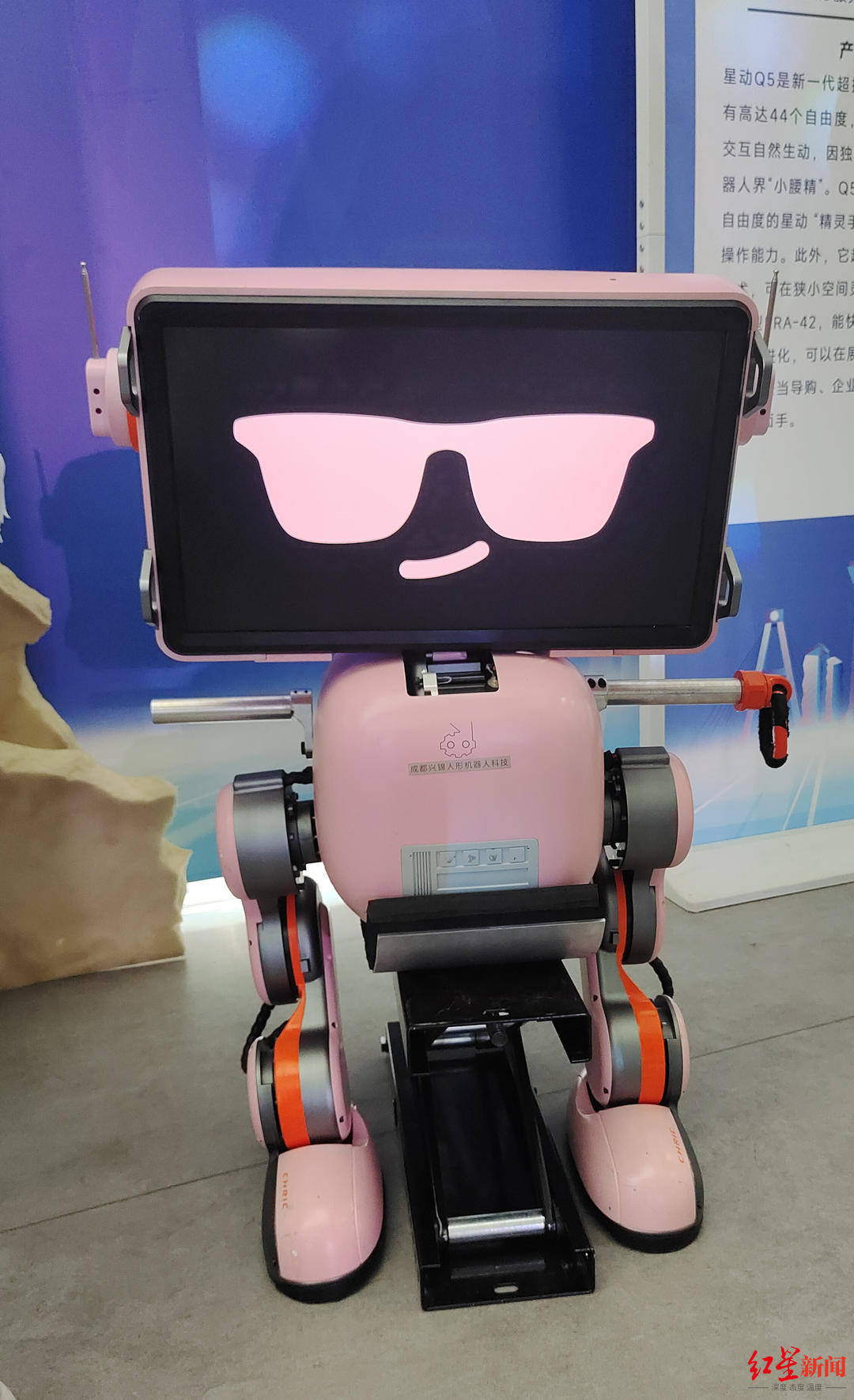
Group 1 - The event "Investing in the Future of Chengdu" showcased a future industry fund with a total scale exceeding 100 billion yuan, aimed at fostering a multi-layered industrial ecosystem [1] - Over a hundred institutions jointly initiated the "Invest in Chengdu" future industry investment alliance, indicating strong institutional support for Chengdu's industrial development [1] - Multiple sub-funds and projects were signed at the event, which will inject significant momentum into the future industrial development of Chengdu [1] Group 2 - The Chengdu humanoid robot innovation center introduced the "Q5" robot, featuring a unique design and advanced capabilities, including a payload capacity of 10 kilograms and the ability to perform complex movements [4][6] - Chengdu's favorable business environment, talent pool, and market prospects are attracting companies like Chengdu Xingyu Jiyuan Technology Co., which has received substantial local funding support [6] - The event provided a valuable platform for startups to showcase their innovations and seek further funding and technical support [6] Group 3 - The event highlighted the importance of funding support for companies, enhancing their confidence in product development and project implementation [7][9] - The release of the future industry fund and product lists serves as an "accelerator" for company growth, reflecting Chengdu's commitment to future industrial layout [7] - Companies like Hanhai Juneng (Chengdu) Technology Co. are making significant advancements in fields like controllable nuclear fusion, emphasizing the need for ongoing financial support for research and development [9]
贝莱德:港股吸引力持续凸显 关注人工智能、半导体、机器人等方向
Zhi Tong Cai Jing· 2025-07-24 13:01
Group 1 - The core viewpoint is that the macroeconomic factors influencing the market in the second half of 2025 will be the reshaping of global trade patterns and the potential further stimulus from domestic fiscal policies [1] - The A-share market is experiencing a dual recovery in fundamentals and sentiment, with a GDP growth rate of 5.3% in the first half of the year exceeding expectations, providing solid support for the market [1] - The A-share market has seen active trading, with transaction volumes exceeding 1 trillion yuan for 62 consecutive trading days, indicating improved investor sentiment and sustained momentum for market performance [1] Group 2 - The Hong Kong stock market is highlighted as a "global valuation pit," with the Hang Seng Index's price-to-earnings ratio (TTM) at 11.11 times, significantly lower than major overseas indices, indicating attractive investment value [1] - Within the Hong Kong stock market, there is structural differentiation in valuations, with some sectors experiencing valuation increases due to capital inflows, while still presenting numerous undervalued opportunities worth exploring [1] Group 3 - Investment directions to focus on include sectors that drive domestic demand, such as the internet, sportswear, food and beverage, real estate, and property services, which are characterized by strong cash flow and high dividends [2] - Emphasis is placed on technology innovation sectors, including autonomous ERP, industrial software, artificial intelligence, semiconductors, robotics, and low-altitude economy, which are expected to drive structural adjustments and boost confidence [2] - Industries with strong international comparative advantages, such as textile and apparel manufacturing, electronics components, and automotive parts, are also highlighted, as they are less affected by external demand shocks and are expected to benefit from domestic subsidies [2] Group 4 - Strategic resources such as gold, uranium, and rare earths will be monitored to balance the overall investment portfolio against geopolitical risks [3]
