汽车制造业

Search documents
德国的世界第一,正在批量阵亡
Hu Xiu· 2025-09-15 13:50
Core Insights - The article discusses the concept of "invisible champions," which are companies that dominate niche markets but remain relatively unknown to the general public. These companies do not seek to increase their exposure or go public, yet they achieve significant success in their specialized fields [1][5][6]. Group 1: Invisible Champions in Germany - Germany has a significant number of invisible champions, with nearly half of the global total located there, while China has fewer than 100 [7][8]. - The characteristics of these invisible champions include being rooted in small towns, having low employee turnover, and focusing on highly specialized products that are difficult to replicate [8][24]. - Examples of successful invisible champions include Wanzl, which dominates the global market for shopping carts, and Körber, a leader in high-speed cigarette manufacturing [11][15]. Group 2: Challenges Facing German Invisible Champions - Recently, many German invisible champions, particularly in the automotive sector, have faced bankruptcy, with notable companies like Gerhardi going under [34][38]. - Contributing factors to this trend include rising costs due to geopolitical issues, such as the energy crisis following the Russia-Ukraine conflict, and a looming labor shortage as the workforce ages [39][44]. - The decline in demand for German products is also attributed to the rise of Chinese automotive supply chain companies, which offer competitive pricing and quality [43][45]. Group 3: Economic Impact of Invisible Champions - German small and medium-sized enterprises (SMEs), which include many invisible champions, account for over 99% of all companies and contribute 55% to the GDP [24]. - These SMEs play a crucial role in job creation, employing over 70% of the workforce and providing around 80% of vocational training positions [24][46]. - The article emphasizes the need for attention and protection for these less visible but vital companies, as they form the backbone of the German economy [46].


崔东树:1-8月汽车生产同比增11% 新能源汽车生产同比增31% 渗透率45%
Zhi Tong Cai Jing· 2025-09-15 12:46
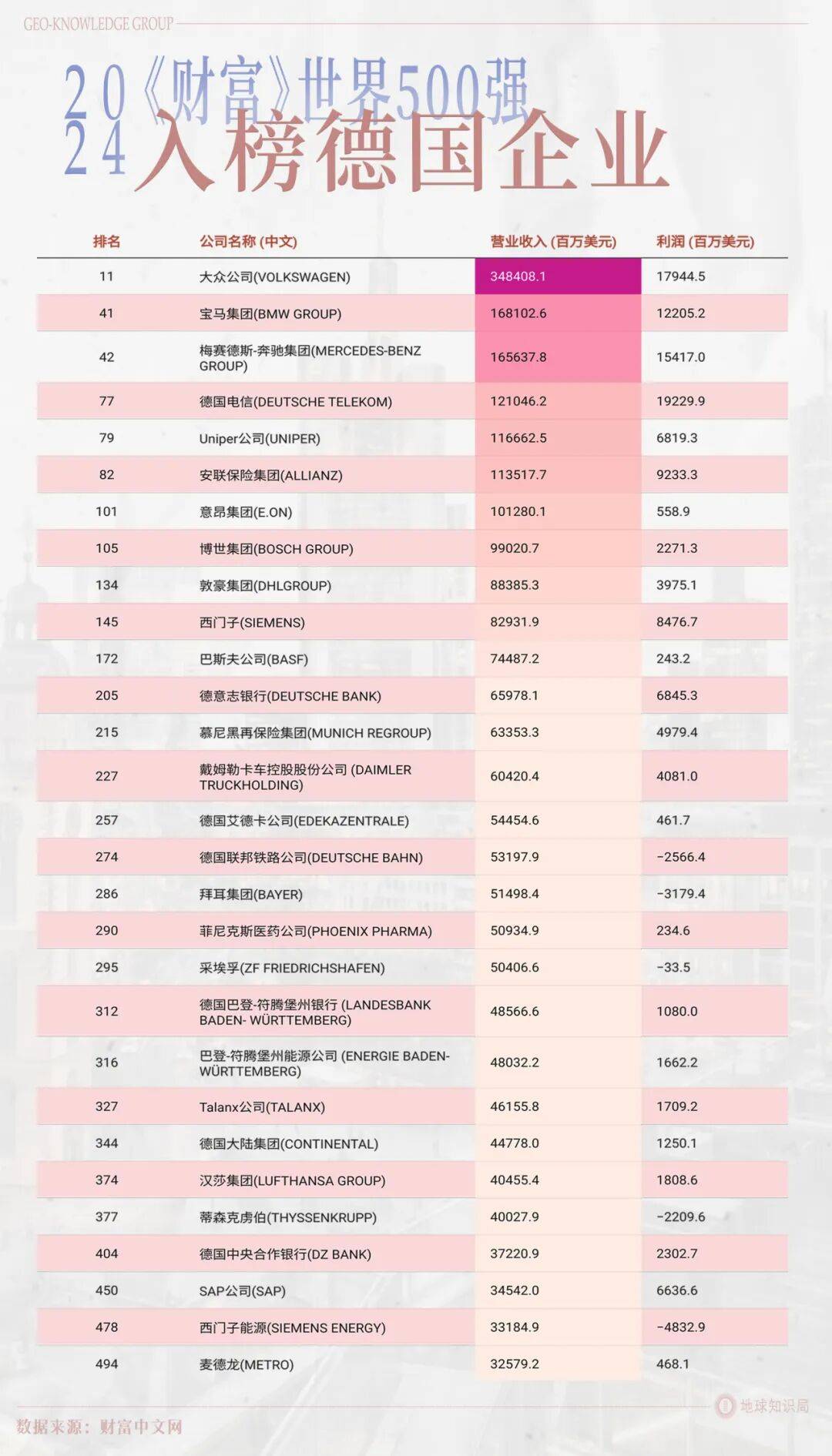
Core Insights - The automotive industry in China is experiencing significant growth, particularly in the production and sales of new energy vehicles (NEVs), driven by government policies and changing consumer preferences [1][2][20]. Group 1: Automotive Production and Sales - In August 2025, automotive production reached 2.75 million units, an 11% year-on-year increase, with NEVs accounting for 1.33 million units produced, up 23% [1][18]. - For the first eight months of 2025, total automotive production was 20.83 million units, also reflecting an 11% increase year-on-year, with NEVs at 938,000 units, a 31% increase [1][18]. - The penetration rate of NEVs in the automotive market reached 48% in August 2025, indicating a strong shift towards electric vehicles [1][18]. Group 2: Consumer Spending and Economic Impact - The total retail sales of consumer goods in August 2025 amounted to 39,668 billion yuan, with automotive consumption contributing 4,093 billion yuan, a 1% increase year-on-year [1][27]. - The overall retail sales for the first eight months of 2025 were 323,906 billion yuan, growing by 4.6%, with automotive consumption at 31,263 billion yuan, reflecting a modest 0.5% increase [1][27]. - The decline in the real estate market since 2021 has positively impacted automotive consumption, which rose from 3.94 trillion yuan in 2020 to an expected 5.03 trillion yuan in 2024 [4][22]. Group 3: Investment Trends - Fixed asset investment in the automotive sector grew by 20.2% in the first eight months of 2025, significantly outpacing overall manufacturing investment [20][21]. - The automotive investment growth is attributed to the rising demand for NEVs, indicating a recovery in the sector after previous downturns [20][21]. Group 4: Industry Challenges and Future Outlook - The automotive industry faces challenges from a complex external environment, including unilateralism and protectionism, which threaten supply chain stability [2]. - Despite a strong performance in the first half of 2025, the industry anticipates a slowdown in growth rates in the latter half of the year, necessitating supportive policies to sustain consumer demand [2][8].
(经济观察)8月中国经济数据折射政策效应释放
Zhong Guo Xin Wen Wang· 2025-09-15 11:02
Group 1 - China's economic policies this year focus on boosting consumption and improving investment efficiency, with recent data indicating positive effects from these policies [1] - The third batch of funds for replacing old consumer goods has stimulated demand, leading to double-digit growth in retail sales of home appliances, furniture, and cultural office supplies in August [1] - Service consumption is also on the rise, with a 5.1% year-on-year increase in service retail sales over the first eight months, outpacing goods retail growth [1] Group 2 - The expansion of domestic demand policies is positively impacting production, with significant year-on-year increases in manufacturing sectors such as boiler and motor manufacturing, at 11.9% and 14.8% respectively in August [2] - High-tech manufacturing and equipment manufacturing sectors are experiencing growth rates of 9.3% and 8.1%, respectively, indicating a structural upgrade in the manufacturing industry [2] - The Producer Price Index (PPI) remained stable in August, reflecting improved production factor circulation and a better supply-demand relationship in various industries [2] Group 3 - In September, new policies are being introduced to enhance market efficiency and promote private investment, including pilot reforms in ten regions [3] - The current macroeconomic policy is characterized by a gradual and supportive approach, with expectations for increased policy intensity in response to last year's economic data base [3]
1—8月 制造业超半数行业民间投资保持两位数增长
Sou Hu Cai Jing· 2025-09-15 11:00
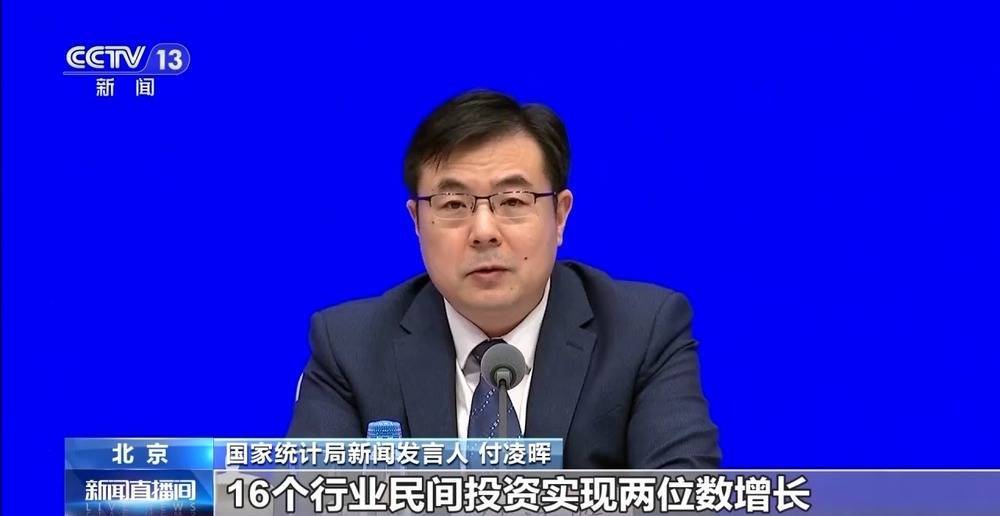
Group 1 - The core viewpoint is that the environment for the development of the private economy in China has been continuously optimized, leading to a rapid growth in private investment in the manufacturing sector [1] - From January to August, private investment in the manufacturing sector increased by 4.2% year-on-year, which is 1.2 percentage points higher than the growth rate of private project investment, accounting for 40.6% of total private investment [1] - Among 31 major manufacturing industries, 16 industries achieved double-digit growth in private investment, with notable increases in the automotive manufacturing sector (22.6%) and the railway, shipbuilding, aerospace, and other transportation equipment manufacturing sectors (16.2%) [3] Group 2 - There has been a significant increase in innovation investment, with private investment in the information service industry growing by 26.7% and in the professional technical service industry by 17.6% from January to August [5] - Private capital participation in major national infrastructure projects in sectors such as railways, energy, and water conservancy is steadily advancing, with private investment in infrastructure growing by 7.5%, which is 5.5 percentage points higher than the overall infrastructure investment growth rate [7] - In the electricity, gas, and water production and supply industry, private investment increased by 23.5% [7]
新铝时代:接受国泰海通等投资者调研
Mei Ri Jing Ji Xin Wen· 2025-09-15 10:37
Group 1 - The core viewpoint of the news is that New Aluminum Era (新铝时代) is actively engaging with investors and has reported its revenue composition for 2024, which is entirely from the automotive manufacturing sector [1][2] - New Aluminum Era's market capitalization is currently valued at 8 billion yuan [2] Group 2 - The company will be receiving investor research on September 15, 2025, with participation from its chairman, He Feng, who will address investor inquiries [1] - For the year 2024, the company's revenue is solely derived from the automotive manufacturing industry, indicating a focused business strategy [1]

瑞鹄模具(002997) - 002997瑞鹄模具投资者关系管理信息20250915
2025-09-15 09:52
Group 1: Company Performance and Growth - The company has achieved a total order backlog of 4.38 billion yuan in the automotive manufacturing equipment business as of the end of June, with additional orders in the third quarter [6] - The company is focused on the development and application of intelligent robots in the industrial sector, with products including collaborative mobile robots and NC vertical three-axis robots [2][3] - The company aims to enhance its core capabilities and overall competitiveness to improve profitability and create long-term investment value for shareholders [2] Group 2: Financial Instruments and Shareholder Actions - The company has issued convertible bonds worth 880 million yuan for expansion projects, including 200,000 sets of die-casting parts and 400,000 sets of assembly parts [3][4] - Shareholders, including major stakeholders, have been reducing their holdings based on their own business needs and financial arrangements, which does not directly impact the company's operations [5] - The company is committed to improving market value through effective business strategies and governance practices [6] Group 3: Production Capacity and Market Strategy - The first phase of the new factory for lightweight vehicle bodies and key precision forming equipment has been completed and is gradually releasing production capacity [3][4] - The company is planning capacity expansion based on industry demand and customer order situations [3] - The company is exploring opportunities in the humanoid robot sector while maintaining a focus on its core automotive manufacturing equipment business [4][5]

经济数据点评:总量降温结构优化,关注政策加码可能
Huafu Securities· 2025-09-15 09:23
Consumption Data - In August, the total retail sales of consumer goods increased by 3.4% year-on-year, marking a slight decline of 0.3 percentage points from July, the lowest monthly growth rate this year[3] - Retail sales of goods and catering services showed a divergence, with growth rates of 3.6% and 2.1% respectively, indicating a decline in catering services compared to July[3] - The retail sales of durable goods saw a year-on-year decline of 0.5 percentage points to 2.6%, the lowest since December 2024[3] Investment Trends - Fixed asset investment in August fell by 7.1% year-on-year, deepening by 1.8 percentage points, with all three major sectors showing weakness[4] - Real estate development investment saw a year-on-year decline of 19.5%, worsening by 2.5 percentage points[4] - Infrastructure investment also declined by 4.6% year-on-year, with significant drops in the electricity, heat, gas, and water supply sectors[4] Real Estate Market - Residential sales area decreased by 9.7% year-on-year, worsening by 2.6 percentage points, while new construction area fell by 18.3%, a decline of 9.1 percentage points[5] - The completion area saw a slight narrowing of the decline to 28.8% year-on-year[5] - National new and second-hand residential prices fell by 0.3% and 0.6% month-on-month respectively, with first-tier cities experiencing a 1.0% drop in second-hand housing prices[5] Industrial Output - The industrial added value growth rate fell by 0.5 percentage points to 5.2% year-on-year, with mining, utilities, and manufacturing sectors showing varied performance[6] - The manufacturing sector remains in a high growth range despite the impact of "anti-involution" on upstream industrial products[6] Economic Outlook - The report highlights a continued cooling in consumption, investment, and the real estate market, with potential policy measures expected to stimulate the economy[6] - There is a focus on the possibility of increased fiscal expansion to boost consumption and effective investment, alongside potential monetary policy easing to stabilize real estate market expectations[6]
新股发行跟踪(20250915)
Dongguan Securities· 2025-09-15 08:55
Weekly New Stock Performance - Two new stocks were listed from September 8 to September 12, with an average first-day price increase of 477.82%[2] - Both new stocks, Aifenda and Sanxie Electric, had first-day gains exceeding 100%[2] Weekly New Stock Listing Trends - The number of new stocks listed increased by 1 compared to the previous week, while the total fundraising amount decreased by 0.55 billion yuan[3] - No new stocks experienced a first-day price drop in the week prior[3] Monthly New Stock Listing Overview - From September 1 to September 15, 3 new stocks were listed, raising a total of 15.72 billion yuan, with an average first-day price increase of 409.41%[10] - The previous month (August) saw 8 new stocks listed, raising 39.34 billion yuan, with an average first-day price increase of 266.43%[10] Upcoming New Stock Subscriptions - Five new stocks are available for online subscription this week, including one on the main board and three on the ChiNext board[15] - The expected fundraising amounts for these stocks range from 5.69 billion yuan to 49.30 billion yuan[17][19] Risk Considerations - New stock performance is influenced by market sentiment; poor market conditions may negatively impact new stock listings[19] - Newly listed stocks may experience significant price volatility due to limited liquidity and lower circulating shares[19]
【图解】8月份规模以上工业增加值增长5.2%
Zhong Guo Jing Ji Wang· 2025-09-15 08:27
Core Insights - The industrial added value for large-scale industries in August increased by 5.2% year-on-year and 0.37% month-on-month [1] By Industry Category - Mining industry grew by 5.7% [1] - Manufacturing industry saw an increase of 5.1% [1] - Electricity, heat, gas, and water production and supply industry rose by 2.4% [1] By Economic Type - State-owned enterprises increased by 6.0% [2] - Foreign and Hong Kong, Macao, and Taiwan enterprises grew by 2.3% [2] - Private enterprises saw a growth of 4.6% [2] By Specific Industries - 31 out of 41 major industries reported year-on-year growth [3] - Coal mining and washing industry increased by 5.1% [3] - Oil and natural gas extraction industry grew by 4.7% [3] - Food processing industry rose by 4.7% [3] - Beverage and refined tea manufacturing increased by 2.4% [3] - Textile industry saw a growth of 1.5% [3] - Chemical raw materials and products manufacturing increased by 7.6% [3] - Non-metallic mineral products industry grew by 0.5% [3] - Black metal smelting and rolling industry rose by 7.3% [3] - Non-ferrous metal smelting and rolling industry increased by 9.1% [3] - General equipment manufacturing grew by 7.3% [3] - Special equipment manufacturing increased by 4.0% [3] - Railway, ship, aerospace, and other transportation equipment manufacturing rose by 12.0% [3] - Electrical machinery and equipment manufacturing increased by 9.8% [3] - Computer, communication, and other electronic equipment manufacturing grew by 9.9% [3] By Product - Among 623 products in large-scale industries, 319 products reported year-on-year growth [4] - Cement production decreased by 6.2% to 14,802 million tons [4] - Ten types of non-ferrous metals increased by 3.8% to 698 million tons [4] - Ethylene production rose by 10.4% to 3.14 million tons [4] - Automobile production increased by 10.5% to 2.752 million units [5] - New energy vehicles grew by 22.7% to 1.333 million units [5] - Power generation increased by 1.6% to 936.3 billion kWh [5] - Crude oil processing increased by 7.6% to 63.46 million tons [5]

山寨车鼻祖,股权无人接盘
第一财经· 2025-09-15 08:25
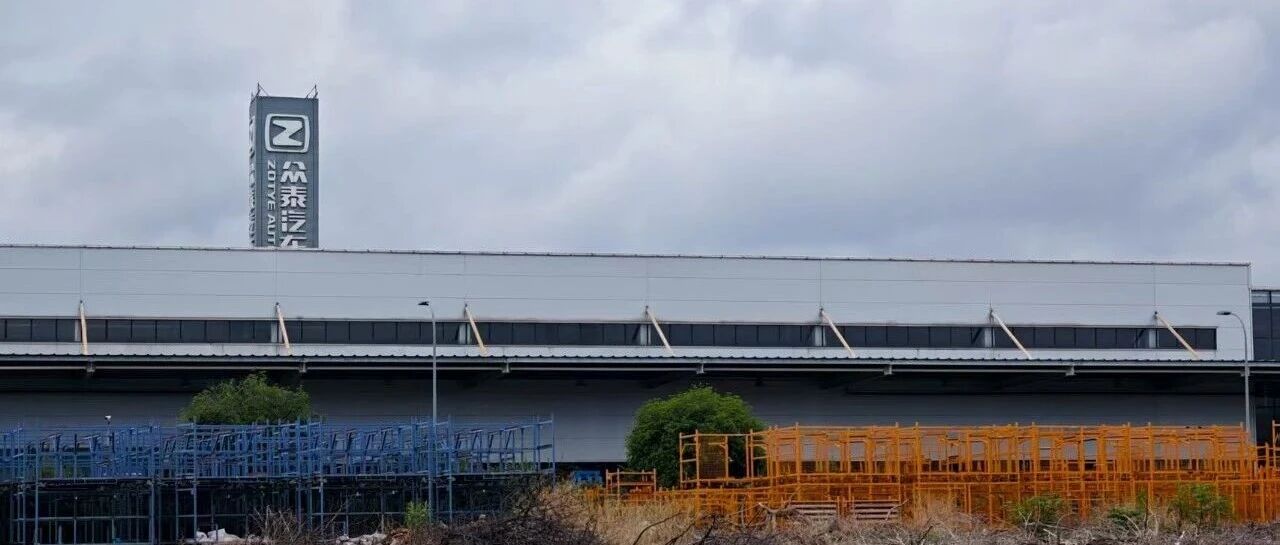
Core Viewpoint - The current situation of Zotye Automobile is dire, with significant financial distress and asset liquidation efforts failing to attract buyers, highlighting the company's decline from its previous market position [4][5]. Group 1: Financial Distress - Zotye Automobile's controlling shareholder, Jiangsu Shenshang, has had 700 million shares judicially frozen, with a recent auction of 130 million shares failing to attract any bids [3][5]. - The company has reported continuous losses since 2019, accumulating over 25 billion yuan in losses, and its debt-to-asset ratio reached 97.28% in the first half of this year [5]. Group 2: Operational Challenges - The company's subsidiary, Hunan Jiangnan Automobile, faced a failed auction of its T300 model production line and related equipment, which is now subject to forced demolition [3][4]. - Zotye's automotive business has been unable to resume operations due to a lack of operational funds, as indicated in its half-year report [5].