母婴

Search documents
BeBeBus母公司港股IPO:核心业务失速,“第二曲线”难掩毛利率下滑
Sou Hu Cai Jing· 2025-08-20 05:52
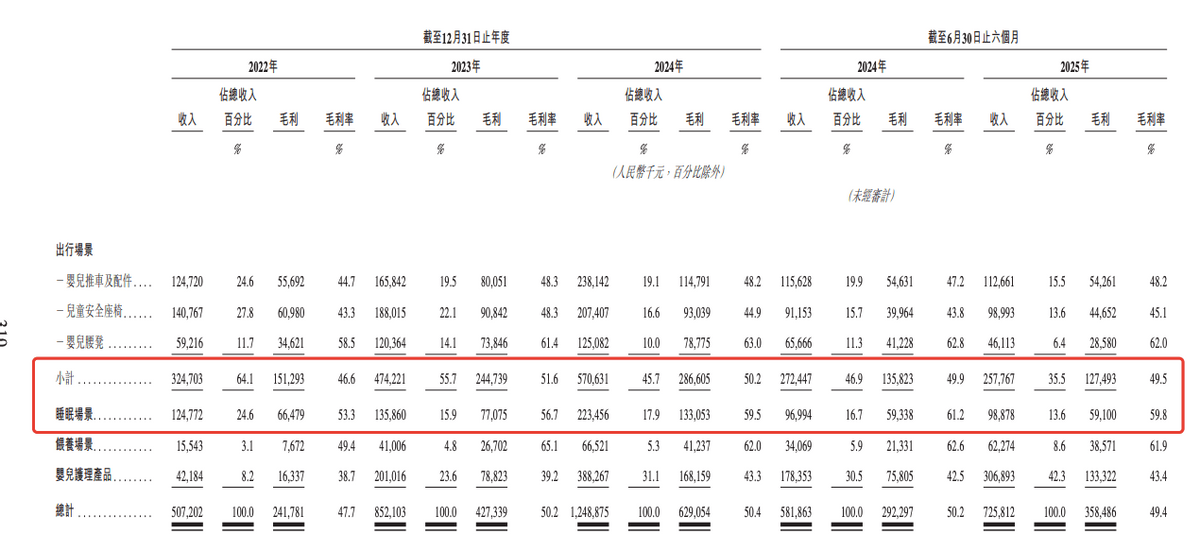
Core Viewpoint - BeBeBus, a young infant brand under the Different Group, is facing growth challenges in its core business, with slowing revenue and declining gross margins, particularly in the baby stroller segment [1][2][11] Company Overview - BeBeBus was founded in 2019 and targets the market for children under five, offering products across four main categories: travel, sleep, feeding, and hygiene [2] - The company has achieved significant revenue growth, with projected revenues of 5.1 billion RMB in 2022, 8.5 billion RMB in 2023, and 12.5 billion RMB in 2024 [3] Revenue Structure - The majority of Different Group's revenue comes from travel and sleep categories, with baby strollers and cribs being the primary sources of income [4] - In 2022, travel and sleep categories accounted for 88.7% of total revenue, which is expected to decline to 49.1% by 2025 [5] Growth Challenges - The company has identified new growth in infant care products, with revenue share increasing from 8.2% in 2022 to 42.3% in the first half of 2025, and gross margin improving from 38.7% to 43.4% [6] - However, revenue from travel products decreased by 5.1% year-on-year in the first half of 2025, while sleep products saw only a 1.9% increase [8] Profitability and Costs - Despite declining gross margins in travel and sleep categories, Different Group managed to increase net profit by 72.1% in the first half of 2025, achieving a net profit margin of 6.7% [17] - The company has spent nearly 11 billion RMB on sales expenses over three and a half years, with sales expense ratios exceeding 30% [12] Investment and Financing - Different Group has raised over 500 million RMB through four rounds of financing from various investors, with a pre-IPO valuation of approximately 2 billion RMB [19]

孩子王2025年中报简析:营收净利润同比双双增长
Zheng Quan Zhi Xing· 2025-08-19 23:21
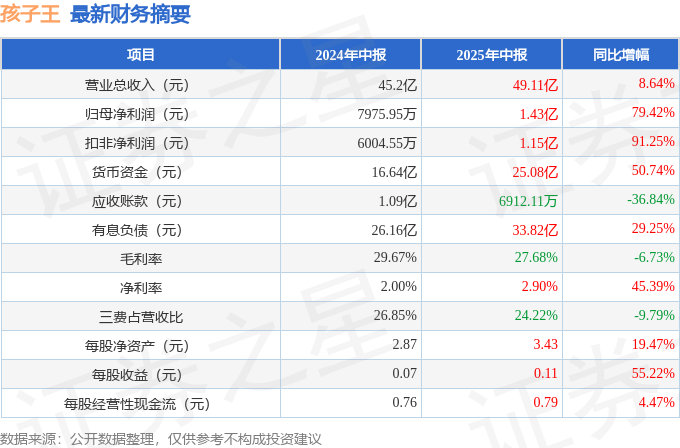
Financial Performance - The company reported a total revenue of 4.911 billion yuan for the first half of 2025, an increase of 8.64% year-on-year [1] - The net profit attributable to shareholders reached 143 million yuan, showing a significant growth of 79.42% compared to the previous year [1] - The gross profit margin was 27.68%, a decrease of 6.73% year-on-year, while the net profit margin improved to 2.9%, an increase of 45.39% [1] - The total of selling, administrative, and financial expenses was 1.189 billion yuan, accounting for 24.22% of revenue, down 9.79% year-on-year [1] - Earnings per share increased by 55.22% to 0.11 yuan [1] Financial Position - Cash and cash equivalents increased by 50.74% to 2.508 billion yuan, attributed to the receipt of acquisition loans [1][2] - Interest-bearing liabilities rose by 29.25% to 3.382 billion yuan, primarily due to new acquisition loans [2] - Accounts receivable decreased by 36.84% to 691.211 million yuan [1] - The company's net asset per share increased by 19.47% to 3.43 yuan [1] Business Model and Strategy - The company's performance is primarily driven by marketing efforts, indicating a need for careful analysis of the underlying drivers [4] - The company has a history of fluctuating returns on invested capital (ROIC), with a median ROIC of 4.22% since its listing [5] - The company has faced challenges in maintaining a strong business model, with three years of losses since its IPO [5] Market Outlook - Analysts expect the company's performance in 2025 to reach 364 million yuan, with an average earnings per share forecast of 0.29 yuan [5] - The company operates in a growing market, with the hair care market in China projected to reach 81.25 billion yuan by 2028, indicating significant growth potential [8]
为什么别人的软文总能刷屏?这5个套路你必须知道
Sou Hu Cai Jing· 2025-08-19 05:27
Group 1 - The core viewpoint emphasizes that soft marketing is becoming a preferred strategy for brands to achieve significant growth with limited budgets, especially in a saturated market [1] - Five key dimensions are identified for effective soft marketing, enabling even startups to enhance brand visibility exponentially [1][5] Group 2 - Precise targeting is crucial; brands should identify and focus on specific audience characteristics, such as targeting the Z generation on platforms like Bilibili and Xiaohongshu, leading to high engagement and ROI [3] - Compelling storytelling is essential for marketing success; brands that share impactful narratives can significantly increase product value and customer loyalty, as demonstrated by a traditional food brand and IKEA [3] - Leveraging trending topics can enhance content reach; brands that align their messaging with current events can achieve 3-5 times the engagement compared to standard content [3] - Professional endorsements build trust; brands that utilize expert validation can see substantial increases in conversion rates, as shown by a health brand and DJI [3] - Interactive experiences foster user engagement; brands that incorporate user-generated content and interactive elements can significantly increase user retention and engagement time [4]

生育高峰没来,但爱婴室仍在靠扩张增长
Guan Cha Zhe Wang· 2025-08-19 04:51
Core Viewpoint - The expected peak in birth rates during the Year of the Dragon did not materialize, yet the company Aiyingshi reported strong performance in the first half of 2025, achieving revenue growth despite demographic challenges [1] Financial Performance - Aiyingshi achieved operating revenue of 1.835 billion yuan, a year-on-year increase of 8.31% - The net profit attributable to shareholders was 47 million yuan, up 10.17% - The net profit excluding non-recurring items reached 37 million yuan, reflecting a growth of 20.65% [1] Market Strategy - The company capitalized on the trend of increased spending per child among parents born in the 1980s and 1990s, focusing on premium products and services [1] - Aiyingshi's growth was attributed to a dual-channel strategy, expanding offline stores while enhancing online presence through new media platforms [1][2] Store Expansion - Aiyingshi focused on expanding its direct-operated stores in East, Central, and South China, ending the reporting period with a total of 487 stores [2] - The company opened 20 new stores in East China, 6 in South China, and 9 in Central China during the reporting period [2] Revenue Structure - Revenue from various business segments included: - Store sales: 1.28 billion yuan (up 5.76%) - E-commerce: 760 million yuan (down 14.87%) - Maternal and infant services: 200 million yuan (up 13.44%) - Supply chain management: 365 million yuan (up 31.04%) [2][3] Supply Chain Optimization - Aiyingshi's revenue growth was significantly driven by its maternal and infant health supply chain management business [2] - The company implemented a supply chain network optimization strategy, enhancing market penetration and operational efficiency [4] O2O Integration - The company developed an O2O (Online to Offline) instant fulfillment network, partnering with platforms like Meituan and Ele.me to improve delivery efficiency [5] - O2O channel revenue accounted for 18% of total revenue, with a gross margin 3.2 percentage points higher than traditional e-commerce [5] Private Label Strategy - Aiyingshi's private label products now account for 35% of its offerings, allowing for better cost control and product differentiation [5] - The integration of supply chain management with product development has led to a 70% success rate for new product launches [5]


中产妈妈们,买出一个IPO
3 6 Ke· 2025-08-19 04:12
Core Viewpoint - The high-end parenting brand BeBeBus, backed by social media popularity, is making a second attempt to go public on the Hong Kong Stock Exchange after its initial application failed earlier this year. The company has seen rapid growth in revenue and is positioned to benefit from upcoming government subsidies in the parenting sector [1][2]. Group 1: Company Overview - BeBeBus, founded in 2019, has quickly risen to the top of the domestic mid-to-high-end durable parenting products market, achieving a GMV ranking first in its category [1]. - The company's revenue grew from 507 million yuan in 2022 to an expected 1.249 billion yuan in 2024, marking a nearly 150% increase over three years. In the first half of 2023, revenue reached 726 million yuan, with a net profit increase of 73.3% and a stable gross margin of 50% [1][2]. - The company plans to issue 16.1886 million shares in its IPO, with funds allocated for capacity expansion, overseas market development, and new product research [2]. Group 2: Market Position and Strategy - BeBeBus has positioned itself as a high-end brand, with products like foldable baby beds priced at 3,280 yuan and safety seats over 3,780 yuan, reflecting its premium market strategy [3][7]. - The brand's marketing strategy heavily relies on social media platforms like Xiaohongshu, where it has successfully engaged over 16,000 influencers, generating more than 830,000 original posts and videos about its products [5][6]. - The company has seen significant marketing expenditures, with sales and distribution costs accounting for over 30% of total revenue in recent years, indicating a strong focus on maintaining its high-end brand image [6][9]. Group 3: Industry Trends and Challenges - The Chinese newborn population has been declining, which poses challenges for the overall parenting market. However, the market is expected to stabilize due to economic growth and improved social welfare systems [12]. - The new generation of parents, particularly those born in the 90s and 00s, are driving a shift towards high-end products, emphasizing quality and aesthetics in their purchasing decisions [12][13]. - Despite its rapid growth, BeBeBus faces challenges in maintaining its high-end image, as it has received negative feedback regarding product quality and design flaws, which could impact its long-term sustainability [10][11].
邵阳鑫泰信息科技有限公司成立 注册资本50万人民币
Sou Hu Cai Jing· 2025-08-19 03:23
Core Insights - Shaoyang Xintai Information Technology Co., Ltd. has been established with a registered capital of 500,000 RMB and is represented by Li Danfeng [1] Business Scope - The company engages in various services including information technology consulting, marketing planning, technical services, development, consulting, exchange, transfer, and promotion [1] - It is involved in the production and sales of hair accessories, as well as the manufacturing and wholesale of arts and crafts products, excluding ivory and its products [1] - The company also sells a wide range of products including maternal and infant supplies, personal hygiene products, daily necessities, cosmetics, home appliances, and hardware products [1] - Additionally, it is involved in the planting and sales of horticultural products, excluding rare and unique species native to China, and engages in import and export activities [1]
孩子王(301078):1H25主业稳健增长 业务布局持续扩张
Xin Lang Cai Jing· 2025-08-19 00:35
1H25 业绩符合我们预期 公司公布1H25 业绩:收入49.11 亿元,同比+8.6%;归母净利润1.43 亿元,同比+79.4%。其中2Q25 收 入25.08 亿元,同比+7.8%;归母净利润1.12 亿元,同比+64.6%。1H25 业绩符合我们预期。 孩子王直营单店稳健增长,加盟门店贡献增量业绩。1H25 母婴商品/服务收入分别同比+9.3%/+3.9%至 43.27/5.84 亿元。门店方面,孩子王直营门店同比+14 家至518 家,乐友直营和加盟托管店同比+9 家至 540 家。此外,孩子王1H25 加盟门店新开业52 家至61 家,乐友加盟门店转型为孩子王会员店32 家。 1H25 来自加盟店收入约1.52 亿元(1H24 同期没有孩子王加盟店),贡献较多增量业绩。单店方面,孩 子王直营门店实现单店同比超5%的稳健增长,主要因公司积极改造门店、增加中大童商品等非标 SKU。 业务多点布局,打开成长空间。去年以来,公司持续推行三扩战略(扩品类、扩赛道、扩加盟)。主业 方面,公司加快发展下沉市场加盟模式,截至1H25 已投入运营、在建及筹建加盟店数量合计超过200 家。扩赛道方面,公司推进AI 智 ...
3253元的婴儿床、1444元的婴儿车,瞄准中产的BeBeBus二度递表
Guan Cha Zhe Wang· 2025-08-18 12:20
Core Viewpoint - BeBeBus, a prominent brand in the Chinese parenting products market, is facing significant sales pressure on its high-priced products due to changing consumer preferences and increased competition, leading to a strategic shift towards lower-priced, high-frequency purchase items like diapers and wipes [2][5][7]. Financial Performance - The company reported revenues of 5.07 billion RMB, 8.52 billion RMB, and 12.49 billion RMB from 2022 to 2024, with year-on-year growth rates of 68% and 46.56% in the latter two years [1]. - Net profit for the same period was -0.21 billion RMB, 0.27 billion RMB, and 0.59 billion RMB, showing significant growth of 228.24% and 114.94% in the last two years [1]. - In the first half of 2025, revenues reached 7.26 billion RMB, a year-on-year increase of 24.74%, while net profit was 0.49 billion RMB, up 72.14% [1]. Product Sales and Market Strategy - Sales figures for key products in 2024 included approximately 115,000 child safety seats, 180,000 baby strollers, 29,000 baby beds, and 16,000 high chairs [1]. - The average selling prices for various products as of June 30, 2025, were 1,444 RMB for strollers, 2,183 RMB for child safety seats, and 3,253 RMB for baby beds [2]. - The company initially targeted high-end markets with complex, high-ticket items but is now shifting focus to lower-priced, high-frequency items due to declining sales in its core product categories [5][7]. Marketing and Financial Strategy - Marketing expenses have been substantial, reaching 3.91 billion RMB in 2024, consistently accounting for over 30% of total revenue [12]. - The company has relied heavily on marketing to drive growth, with marketing expenses increasing at a slower rate than revenue growth, indicating a declining efficiency in marketing spend [14]. - The shift towards lower-priced products is seen as a response to the competitive landscape and changing consumer behavior, with a focus on enhancing user engagement and repeat purchases [7][14].
雷军追投了5次的“县城母婴之王”,被迫“带病上市” || 镁经
Sou Hu Cai Jing· 2025-08-14 09:07
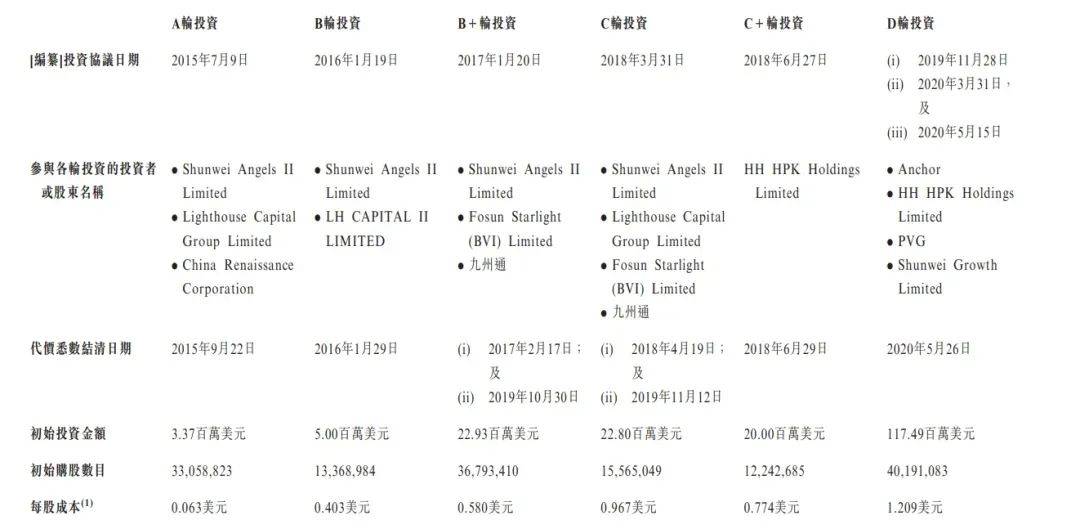
Core Viewpoint - The company Hai Paike, known as the "King of Maternal and Infant Products in County Towns," is facing significant challenges as it prepares for an IPO on the Hong Kong Stock Exchange, including financial losses, high debt, and a damaged reputation due to complaints about counterfeit products and market practices [1][3][21]. Financial Performance - Hai Paike has reported losses of 131 million yuan over the past two years and has a total debt of 2 billion yuan [3][20]. - The company's revenue for 2022, 2023, and 2024 was 895 million yuan, 1.067 billion yuan, and 1.032 billion yuan, respectively, with a profit of 1.01 million yuan in 2022 followed by losses of 56.54 million yuan and 78.82 million yuan in 2023 and 2024 [19][20]. - The gross merchandise volume (GMV) has declined from 14.9 billion yuan in 2022 to 11 billion yuan in 2024, and the number of core buyers has decreased from 103,500 to 93,800 [20]. Investment and Financing - Hai Paike has undergone six rounds of financing from 2015 to 2020, raising a total of approximately 26.93 million USD from notable investors, including Shunwei Capital and Fosun International [10][13]. - The company is under pressure from investors due to performance-based agreements, leading to significant debt and forced IPO [7][17]. Market Position and Challenges - Hai Paike's reputation has suffered due to frequent complaints about counterfeit products and being labeled as a "gray market platform" by industry insiders [21][26]. - The company has faced legal challenges from brands for unauthorized sales, further damaging its credibility [24]. - Despite efforts to establish its own brands, the self-owned product line has not gained significant traction, with revenues declining by 31.5% from 2023 to 2024 [30][31]. IPO Viability - The company is struggling to meet the Hong Kong Stock Exchange's profitability requirements, having incurred losses for two consecutive years [28][29]. - Although the post-IPO valuation is estimated at 680 million USD, ongoing losses and high debt levels may negatively impact market perception and valuation [30][34].
雷军追投了5次的“县城母婴之王”,被迫“带病上市”
Sou Hu Cai Jing· 2025-08-14 08:31
Core Viewpoint - The company Hai Paike is facing significant challenges as it prepares for its IPO on the Hong Kong Stock Exchange, including substantial losses, high debt, and a tarnished reputation due to complaints about counterfeit products and market practices [2][22]. Financial Performance - Hai Paike reported losses of 131 million yuan over the past two years and has a total debt of 2 billion yuan [2][14]. - Revenue figures for 2022, 2023, and 2024 were 895 million yuan, 1.067 billion yuan, and 1.032 billion yuan respectively, with profits of 1.01 million yuan in 2022 followed by losses of 56.54 million yuan and 78.82 million yuan in 2023 and 2024 [12][22]. - The company's cumulative losses since its inception have reached 1.854 billion yuan [12]. Market Position and Challenges - Hai Paike's Gross Merchandise Volume (GMV) has been declining, with figures of 14.9 billion yuan, 12 billion yuan, and 11 billion yuan from 2022 to 2024 [13]. - The number of core buyers has decreased from 103,500 to 93,800 over the same period [13]. - The company has been labeled a "gray market platform" by industry insiders, with reports of significant price undercutting compared to traditional retail [21]. Investment and Financing History - Hai Paike has undergone six rounds of financing from 2015 to 2020, raising a total of approximately 269.3 million USD, with notable investors including Shunwei Capital and Fosun International [6][8]. - The company is under pressure from convertible redeemable preferred shares issued to investors, which have led to significant debt and forced the company to pursue an IPO despite its financial struggles [10][12]. Regulatory and Compliance Issues - The company is struggling to meet the Hong Kong Stock Exchange's profitability requirements, having recorded losses in the last two years [22]. - Hai Paike's IPO application is complicated by its inability to meet the financial performance criteria, raising questions about its market valuation and investor confidence [24]. Reputation and Consumer Trust - Hai Paike has faced numerous consumer complaints regarding counterfeit products, with 197 complaints logged on a consumer complaint platform [16]. - The company has been accused of selling unauthorized products and has faced backlash from brands for infringing on their distribution rights [18]. - There are allegations of inflated sales figures and manipulated order numbers, further damaging the company's credibility [29].