电动汽车

Search documents
165亿美元只是“起步价”,特斯拉下一代AI芯片锁定三星代工,马斯克将亲自督战
Sou Hu Cai Jing· 2025-07-30 10:21
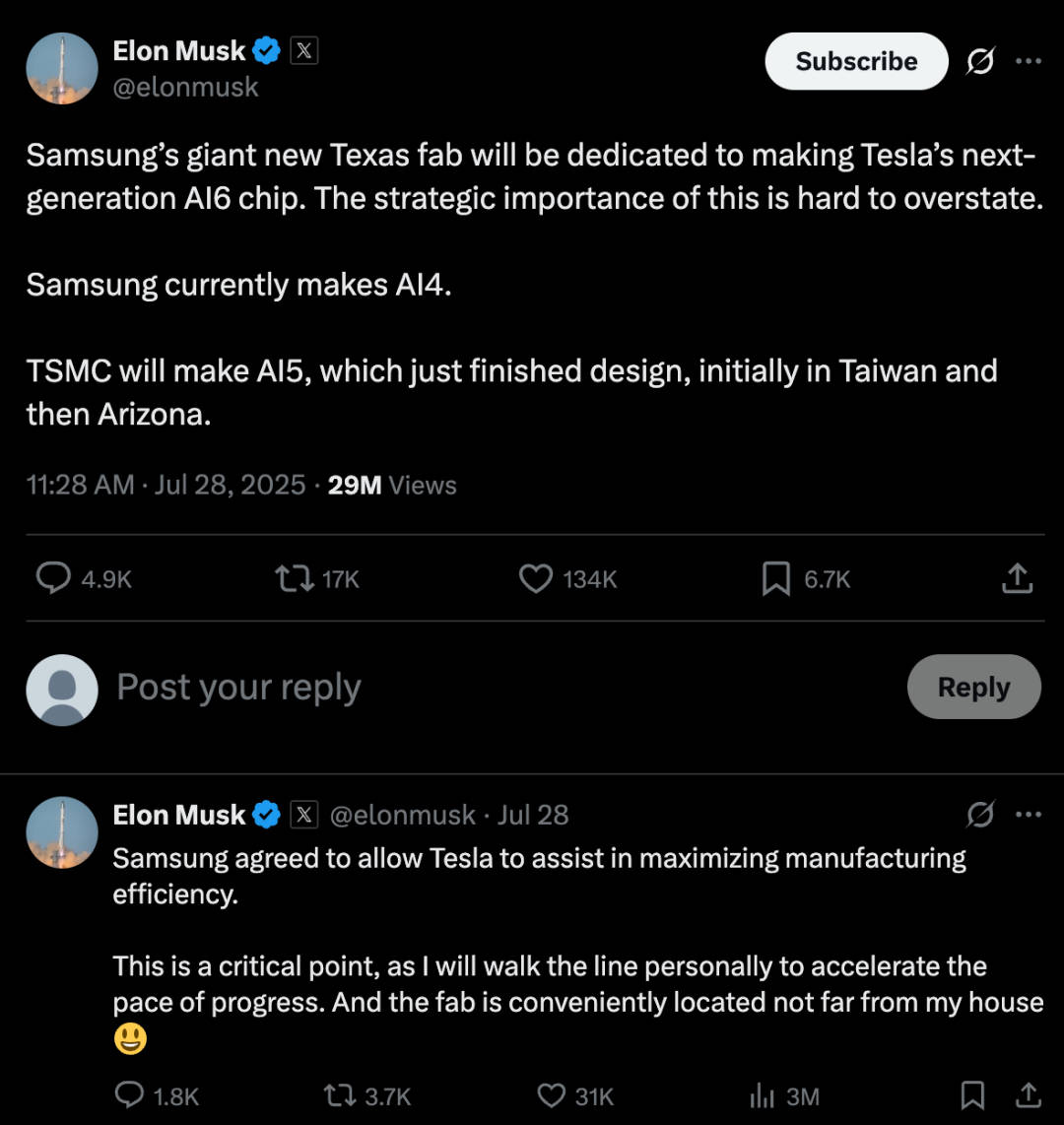
Core Insights - Tesla has confirmed a landmark partnership with Samsung Electronics to produce its next-generation AI chips, with an initial contract value of $16.5 billion, lasting until the end of 2033 [1][3] - Elon Musk emphasized the strategic importance of this collaboration, stating that the $16.5 billion is merely a minimum threshold, with actual output potentially being several times higher [1][3] Company Summary - The core of this deal revolves around Tesla's anticipated AI6 chip, which will power future vehicle models, the Optimus humanoid robot, and the Robotaxi network [3][4] - Samsung will utilize its cutting-edge manufacturing processes at a new $17 billion fabrication plant in Taylor, Texas, specifically for the production of the AI6 chip [3][6] - The AI6 chip is expected to leverage advanced 2nm process technology, representing a significant leap in performance and efficiency compared to the current AI4 chip, which uses a 7nm process [3][6] Industry Summary - Tesla's strategy of switching between top suppliers for chip production reflects a risk diversification approach, while also posing challenges for supply chain management and technology integration [4][6] - For Samsung, securing the exclusive contract for the AI6 chip is a crucial opportunity to enhance its reputation in high-end AI chip manufacturing and to fill capacity at its new Texas facility [6][7] - The deal is expected to boost Samsung's foundry sales by approximately 10% annually and is seen as a pivotal moment in its competition with TSMC [6][7] - The partnership is influenced by geopolitical factors, with Samsung's investment in Texas being a response to the U.S. CHIPS and Science Act, which incentivizes semiconductor manufacturing in the U.S. [7][8] - Samsung is set to receive up to $4.75 billion in direct subsidies from the CHIPS Act, potentially exceeding $9 billion in total benefits, which will help ensure a stable supply chain for Tesla [7][8]


特斯拉豪掷43亿美元采购LGLFP电池,专供美国储能系统
Zhi Tong Cai Jing· 2025-07-30 07:18
Group 1 - Tesla has signed a $4.3 billion agreement with LG Energy to procure lithium iron phosphate (LFP) batteries, which will be produced at LG's U.S. factory for energy storage systems, not for vehicles [2] - This is Tesla's second agreement with a South Korean manufacturer this month, following a $16.5 billion deal with Samsung Electronics for AI semiconductors [2] - LG Energy is seeking to expand its energy storage business in the U.S. and plans to increase LFP battery production at its joint venture plant with General Motors in Tennessee [2] Group 2 - LG Energy has announced a contract worth 5.9 trillion Korean won to supply LFP batteries overseas starting in August 2027 for three years, but did not disclose the customer or product use [3] - The agreement includes an option to extend the supply period by up to seven years and increase supply volume through negotiations with the customer [3] - South Korean battery manufacturers are competing to produce LFP batteries, which are cheaper and improve energy density in cold climates, enhancing competitiveness against Chinese rivals [3]
特斯拉(TSLA.US)豪掷43亿美元采购LGLFP电池,专供美国储能系统
智通财经网· 2025-07-30 07:05
Group 1 - Tesla has signed a $4.3 billion agreement with LG Energy Solution to procure lithium iron phosphate (LFP) batteries, which will be produced at LG's U.S. factory for energy storage systems, not for vehicles [1] - This marks Tesla's second deal with a South Korean manufacturer this month, following a $16.5 billion agreement with Samsung Electronics for AI semiconductors [1] - LG Energy is looking to expand its energy storage business in the U.S. and plans to increase LFP battery production at its joint venture plant with General Motors in Tennessee [1] Group 2 - LG Energy has a contract worth 5.9 trillion Korean won to supply LFP batteries overseas starting from August 2027 for three years, although the customer and product details were not disclosed [2] - The agreement includes an option to extend the supply period by up to seven years and increase supply volume through negotiations with the customer [2] - LG Energy is competing in the LFP battery market, which is cheaper and offers better energy density in cold climates, to better compete with Chinese rivals [2]
对话柏基投资全球CEO:在华三十载,看好中国速度、创新活力与经济韧性
Xin Lang Cai Jing· 2025-07-30 02:49
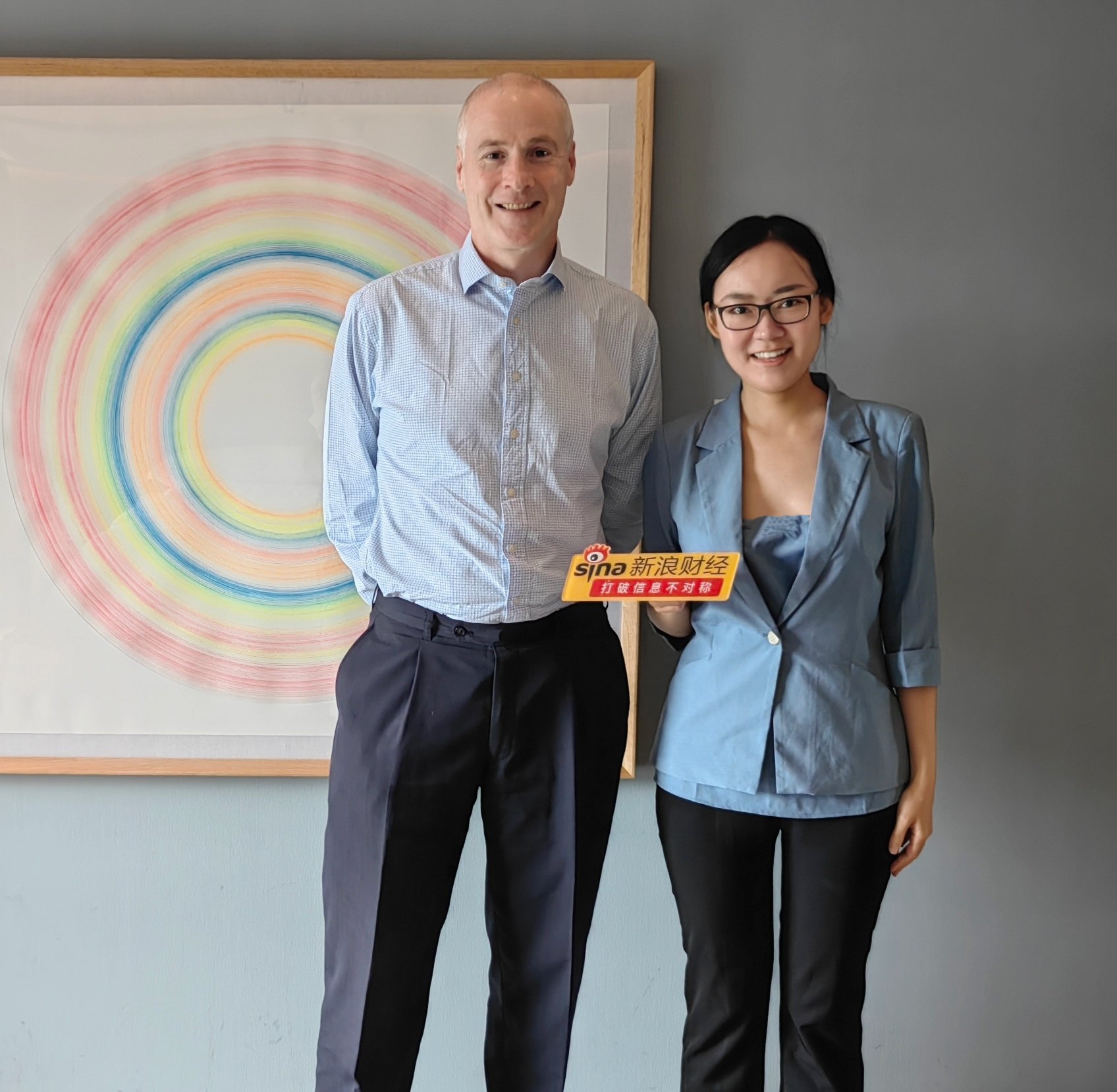
Group 1: Core Insights - China has become a significant force in the global economic landscape, influencing business and investment decisions amid complex market conditions [1][2] - Tim Campbell, CEO of Baillie Gifford, emphasizes the importance of long-term investment strategies and the need to focus on long-term trends rather than short-term noise [1][2][9] Group 2: ESG Investment Perspective - ESG factors are critical in the investment process, especially for long-term holdings, as companies with poor ESG practices struggle to succeed over time [2][12] - Baillie Gifford engages with portfolio companies to ensure adherence to the highest industry standards for sustainable development [2][12] Group 3: Emerging Market Opportunities - Tim Campbell expresses optimism about the investment potential in emerging markets, particularly China, highlighting rapid developments in electric vehicles, e-commerce, and solar energy [2][15] - The resilience of China's consumer market and technological innovation capabilities position it well to navigate tariff policies and geopolitical uncertainties [2][11] Group 4: Investment Decision Factors - Successful investment relies on a well-structured investment team culture and incentive mechanisms, with a focus on long-term performance [6][9] - Unique and valuable research inputs are essential for making differentiated investment decisions, as demonstrated by Baillie Gifford's early investments in companies like Tesla [7][9] Group 5: China's Competitive Edge - Chinese companies exhibit remarkable efficiency and competitiveness, which are crucial for their success in the global market [18][19] - The intense competition in sectors like electric vehicles and solar energy drives Chinese firms to excel and innovate [19][20] Group 6: Future Economic Trends - Despite current economic challenges, the long-term growth trajectory of the Chinese economy remains positive, with significant achievements in poverty alleviation and GDP growth [20][21] - Key sectors for future growth in China include healthcare, e-commerce, and renewable energy, with a focus on identifying valuable investment opportunities [21][22]




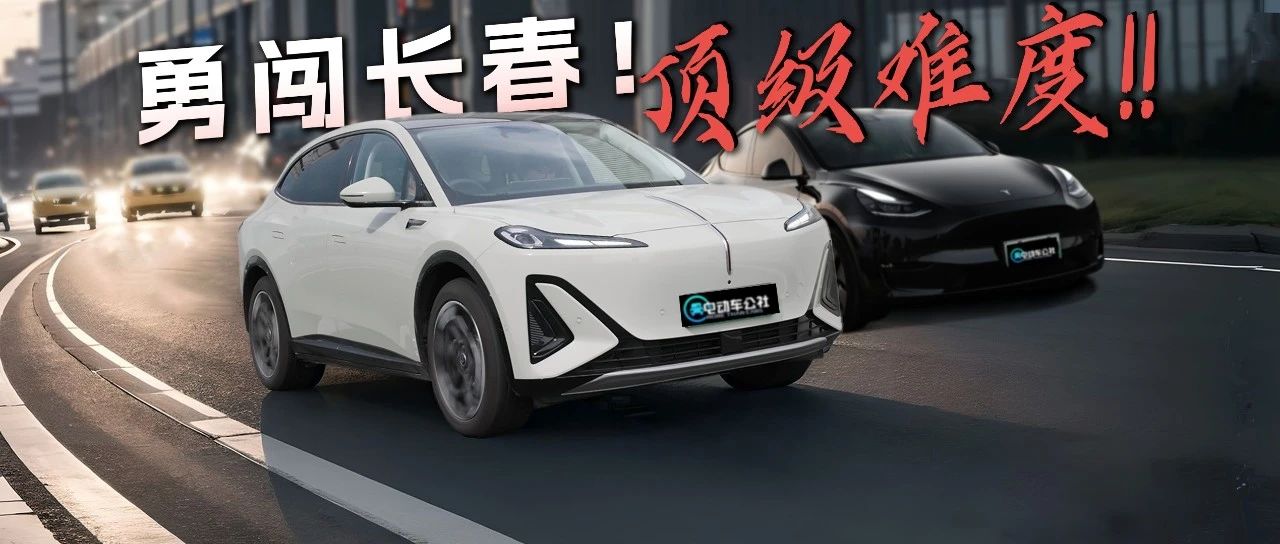
纯视觉辅助驾驶勇闯闹市区!老司机也懵逼?
电动车公社· 2025-07-29 15:59
Group 1 - The article discusses the comparison between Chinese brands' pure visual driving assistance systems and Tesla's pure visual system, highlighting areas of praise and shortcomings [1][8] - The testing route selected for the evaluation is 34 km long, featuring complex road conditions such as fast tracks, construction detours, and mixed traffic, which increases the difficulty of the test [4] - The local driving culture in Changchun is characterized by a high level of efficiency, which further complicates the testing process [6] Group 2 - The author faced challenges in finding a Tesla equipped with Full Self-Driving (FSD) in Changchun, and even expanded the search to nearby cities like Shenyang and Harbin without success [7] - Due to the difficulties in locating a Tesla, the author had to arrange for a vehicle to be transported from Beijing, significantly increasing the costs of the testing [7]
三星与特斯拉达成165亿美元芯片代工协议;科沃斯计划在湖州投资2亿建机器人核心部件及本体制造项目丨智能制造日报
创业邦· 2025-07-29 03:16
Group 1 - Samsung Electronics has signed a $16.5 billion agreement with Tesla to produce semiconductors, which could increase Samsung's annual chip foundry sales by 10% [1] - The agreement, worth 22.8 trillion Korean won, will last until the end of 2033, and Tesla is confirmed as the client [1] - Following the announcement, Samsung's stock price rose by 3.5%, marking the largest intraday gain in nearly four weeks [1] Group 2 - VinFast, a Vietnamese electric vehicle manufacturer, has opened its first showroom in Surat, India, in preparation for its manufacturing plant [1] - The company plans to establish 35 dealerships in at least 27 cities in India by the end of the year and has partnered with RoadGrid, myTVS, and Global Assure for a nationwide charging and after-sales service network [1] Group 3 - According to Counterpoint Research, global pure semiconductor foundry revenue is expected to reach $165 billion by 2025, representing a 17% year-on-year growth [1] - This growth is projected to exceed $105 billion in 2021, with a compound annual growth rate of 12% from 2021 to 2025 [1] Group 4 - Ecovacs Robotics plans to invest 200 million yuan in a project for manufacturing core components and bodies of robots in Huzhou [1] - The project will focus on the future robotics industry, covering core components such as transmission, reduction gears, and joints, with an expected annual production of approximately 20 million robot core components and a projected output value exceeding 1 billion yuan [1]

彭博电动汽车价格回报指数跌1.09%,报2812.78点
news flash· 2025-07-28 20:52
Group 1 - Major declines were observed in several stocks, with American company Yabao down by 10.71%, Chilean chemical mining company SQM down by 5.35%, Lucid Group down by 4.45%, and Leap Motor down by 4.39% [1] - Porsche's P911 stock in Europe fell by 4.09% [1] Group 2 - NIO Inc. experienced a rise of 1.31%, while Panasonic Corporation's stock in Tokyo increased by 1.47% [1] - Tesla's stock rose by 3.02%, and MP Materials saw an increase of 3.27% [1]



5国刚划红线,美国来了个下马威,正式宣布与中国达成贸易协议
Sou Hu Cai Jing· 2025-07-28 07:51
Core Viewpoint - The global trade situation is becoming increasingly complex as countries like South Korea, India, and Malaysia draw red lines in trade negotiations with the United States, while the U.S. responds quickly and mentions reaching a trade agreement with China [1][7]. Group 1: South Korea's Trade Negotiations - South Korea has firmly rejected further opening its beef and rice markets as negotiation leverage, emphasizing food safety and agricultural protection [3]. - In 2022, South Korea imported beef worth $2.22 billion from the U.S., and U.S. rice accounts for 32% of its total rice import quota [3]. - The U.S. has maintained a strong stance on agricultural market access, putting pressure on South Korea, especially as Japan has made concessions [3][4]. Group 2: India's Trade Stance - India has also taken a strong position in trade talks with the U.S., with key red lines being agriculture and dairy products [6]. - Indian Finance Minister Nirmala Sitharaman has called for the removal of reciprocal tariffs and additional tariffs on steel, aluminum, and auto parts, while seeking similar low tariff treatment as other U.S. trade partners [6]. - India retains the right to impose retaliatory tariffs on U.S. imports, particularly concerning genetically modified products and strict feed regulations for dairy animals [6]. Group 3: Malaysia's Position - Malaysia has rejected U.S. demands regarding tax exemptions for electric vehicles and restrictions on foreign ownership in the power and financial sectors [6]. - Malaysian Prime Minister Anwar has stated that these policies are crucial for the rights of the Malay and indigenous populations, showing a commitment to national policy independence [6]. Group 4: U.S.-China Trade Relations - President Trump has claimed that the U.S. is reaching a trade agreement with China, although the credibility of this statement is questioned [7]. - This assertion may serve multiple purposes, including pressuring countries yet to sign agreements with the U.S. and establishing a narrative that places the U.S. in a moral high ground during negotiations [7]. Group 5: Global Trade Dynamics - The U.S. faces setbacks in its trade negotiations with these five countries as they collectively establish red lines, diminishing U.S. negotiating power [9]. - Countries are adopting various strategies to counter U.S. trade pressures, with South Korea, India, and Malaysia maintaining firm stances on their agricultural policies and national interests [9]. - The future of global trade order will be shaped by the negotiations and collaborations among these nations, aiming for equitable solutions to foster a stable and open global trade environment [9].
165亿美元!马斯克亲证特斯拉(TSLA.US)与三星(SSNLF.US)达成芯片大单
智通财经网· 2025-07-28 06:42
Group 1 - Tesla has signed a semiconductor supply agreement worth $16.5 billion with Samsung Electronics, confirmed by both parties [1] - The agreement will focus on the production of Tesla's next-generation AI6 chips at Samsung's new wafer plant in Texas, which is strategically located near Musk's residence [1] - The contract is effective from July 26, 2024, and will last until December 31, 2033, highlighting a long-term partnership [1] Group 2 - Samsung, while being the second-largest foundry globally, is lagging in the high-bandwidth memory (HBM) chip market compared to competitors like SK Hynix and Micron Technology [2] - The delay in Samsung's plan to obtain NVIDIA's HBM chip certification until at least September further hampers its competitive position [2] - Samsung is expected to report a significant decline in profits in its upcoming second-quarter earnings announcement [2]
多空激辩:特斯拉(TSLA.US)自动驾驶与机器人能否撑起万亿市值?
智通财经网· 2025-07-28 03:59
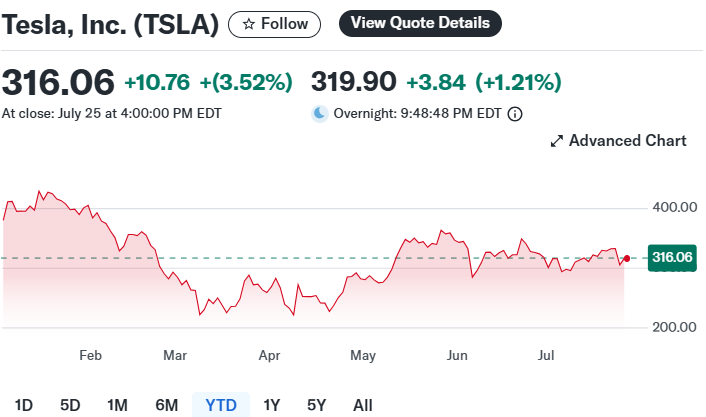
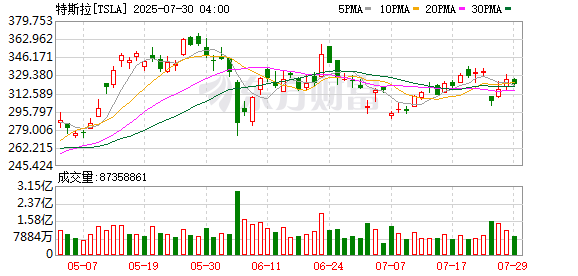
Core Viewpoint - Tesla's stock price has experienced volatility following its Q2 earnings report, which revealed a significant decline in revenue and profit margins amid increasing competition and regulatory uncertainties [1][5][10] Financial Performance - Tesla reported a 12% year-over-year decline in revenue and a 42% drop in operating profit, leading to a stock price decrease of over 9% post-announcement [1][9] - The company's Q2 delivery volume fell by 14% year-over-year, marking the largest decline in a decade [1][9] - Free cash flow plummeted by 89% to $146 million, with operating cash flow at $2.54 billion, down one-third from the previous year [9][10] - Operating profit margin decreased to 4.1%, down from 6.3% a year earlier, indicating a lack of competitive advantage [9][10] Market Position and Valuation - Tesla's current stock price is $316, reflecting a 47% increase over the past year, but a 22% decline year-to-date [1] - The stock's price-to-earnings ratio is 161, significantly higher than competitors like Nvidia at 55 and Ford at 9.6 [6][10] - Analysts express uncertainty regarding Tesla's valuation, as it straddles the line between an electric vehicle manufacturer and a tech company focused on autonomous driving and robotics [5][6] Future Outlook - CEO Elon Musk warned of "several tough quarters" ahead, particularly due to the upcoming expiration of a $7,500 electric vehicle tax credit in the U.S. [1][9] - Despite current challenges, bullish investors believe Tesla's struggles are temporary and anticipate growth in autonomous taxi services and the introduction of a lower-cost model in late 2025 [1][10] - Analysts remain divided, with some viewing Tesla as a transformative technology platform while others see it as a struggling automotive company with declining financial health [9][10]