
住宅地产

Search documents
90后上场,买走深圳千万豪宅
3 6 Ke· 2026-01-19 02:24
Core Viewpoint - The Shenzhen real estate market is experiencing a phase of stabilization after a period of low adjustment, with changes in market structure becoming evident [2] Group 1: Market Performance - In 2025, the total number of residential transactions in Shenzhen is expected to be approximately 94,000 units, a year-on-year decrease of 9%. The first-hand residential transactions are projected at 37,879 units, down 22% year-on-year, while second-hand residential transactions are expected to reach 56,217 units, an increase of 3% year-on-year [2] - The average transaction price for second-hand residential properties in Shenzhen is estimated to be around 59,000 yuan per square meter in 2025, reflecting a year-on-year decline of about 6% [4] - The average area of second-hand residential transactions has increased from 89 square meters in 2021 to approximately 100 square meters in 2025, while the average total price has decreased from 6.73 million yuan to 5.88 million yuan [4] Group 2: Buyer Behavior - There is a notable trend of buyers in the mid to high price range upgrading to larger and more expensive properties, with some high-end second-hand residential prices stabilizing or even slightly increasing [5] - The new generation of high-income individuals, particularly those born in the 1990s, is becoming a significant support for the high-end market, accounting for 31% of transactions for properties priced over 10 million yuan [7] Group 3: Future Outlook - Analysts predict that while transaction volumes have likely bottomed out, price adjustments are not yet complete, with expectations of continued slight declines in 2026 [8] - The recent policy changes, including a reduction in the minimum down payment for commercial property loans to 30%, are expected to provide initial support to the market, although the apartment market may not see a comprehensive recovery in the short term [10]

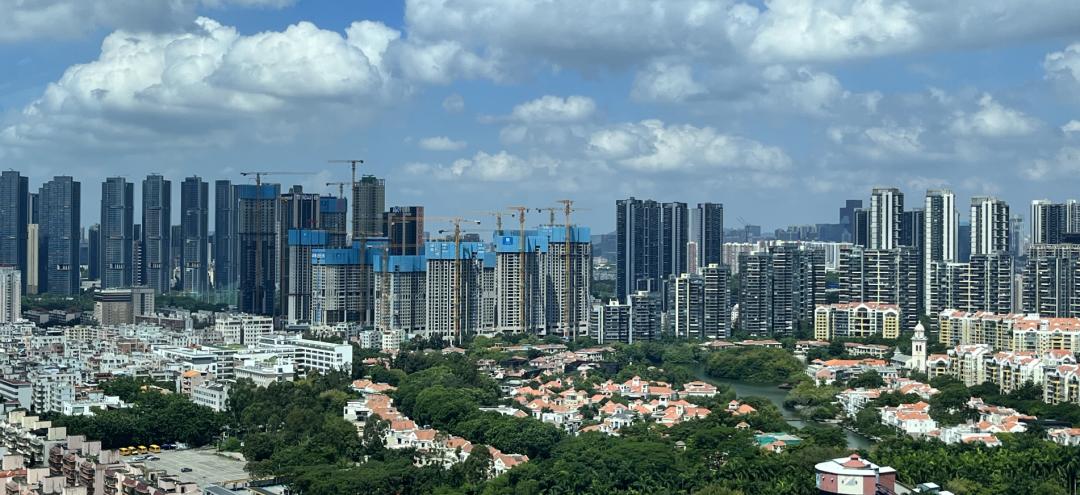
国家统计局:12月份各线城市商品住宅销售价格总体下降
Guo Jia Tong Ji Ju· 2026-01-19 01:31
Core Viewpoint - The National Bureau of Statistics reports a general decline in commodity residential sales prices across various cities in December [1] Group 1: Price Trends - In December, the sales prices of commodity residential properties in first-tier cities showed a downward trend [1] - Second-tier cities also experienced a decrease in residential property prices, indicating a broader market decline [1] - The overall trend suggests a cooling real estate market, which may impact investment strategies in the sector [1]
第一太平戴维斯:2025年深圳房地产市场结构优化 商业地产进入价值重塑期
Zheng Quan Ri Bao· 2026-01-16 08:38
Core Insights - The Shenzhen real estate market is showing signs of structural optimization and steady recovery in 2025, with a focus on long-term value as it transitions into a new phase [1] - The First Pacific Davis released a report analyzing the Shenzhen real estate market, highlighting significant trends and developments [1] Commercial Real Estate - In 2025, Shenzhen will see a supply of 1.182 million square meters of Grade A office space, marking the first time in three years that the market reaches this level [2] - The total stock of Grade A office space in Shenzhen is expected to increase by 9.4% year-on-year to 12.843 million square meters by the end of 2025 [1] Net Absorption and Vacancy Rates - The net absorption for Shenzhen in 2025 is projected to reach 664,000 square meters, a new high since 2021, and 16.9% higher than the five-year average [2] - The average vacancy rate for Grade A office space in Shenzhen is expected to be 31.4% by the end of 2025, showing a slight decrease of 0.2 percentage points quarter-on-quarter but an increase of 0.8 percentage points year-on-year [2] Retail Properties - Six new retail projects will enter the Shenzhen market in 2025, contributing a total supply of 825,000 square meters, the highest since 2018 [2] - The total stock of retail properties in Shenzhen is projected to rise by 11.2% year-on-year to 8.188 million square meters by the end of 2025 [2] Residential Market - The residential market in Shenzhen will see several high-end projects launched in 2025, with strong demand for luxury homes, although overall transaction volume is expected to decline by 24.2% year-on-year to 3.785 million square meters [3] Qianhai Development - Qianhai has transitioned from a "policy testing ground" to a "functional agglomeration area," showcasing characteristics of institutional innovation and industrial ecosystem collaboration [3] - By 2025, over 60% of new demand for Grade A office space in Qianhai will come from financial technology and cross-border service enterprises, indicating strong industrial centripetal force [3] - Future developments in Qianhai are expected to focus on breakthroughs in cross-border data flow, green finance innovation, and high-end professional services, solidifying its strategic position in the Guangdong-Hong Kong-Macao Greater Bay Area [3]

中信建投:看好26年高端消费复苏投资机会 中前期刚需性强品类率先复苏
智通财经网· 2026-01-13 03:13
Core Viewpoint - The report from CITIC Securities indicates a gradual recovery in high-end consumption in China since Q3 2025, driven by the wealth effect from rising stock markets, with positive signs from international luxury brands and high-end retail properties [1] Group 1: Recovery Indicators - International luxury brands have shown signs of recovery since Q2 2025, with revenue growth returning in the Asia-Pacific region by Q3 2025 [2] - High-end retail properties in China began to recover at the end of 2024 and early 2025, with improved occupancy rates and sales, particularly in top luxury malls [2] - The global luxury market also entered a recovery phase starting Q3 2025 [2] Group 2: Investment Opportunities in High-End Consumption - The recovery of high-end consumption is influenced by factors such as the proportion of VIC (Very Important Customer) groups, the sequence of consumption based on wealth increase, the elasticity of supply, and consumption trends [3] - Categories with strong initial demand, driven by social status and identity needs, are expected to recover first, while categories with a high proportion of VIC customers and good supply conditions will show more sustained growth [3] - The fastest-growing segments in the luxury market from 2019 to 2025 include luxury cruises, private jets, high-end dining, personal luxury goods, luxury hotels, and high-end home goods [3] Group 3: Recommended Investment Targets - The report recommends focusing on luxury jewelry and leather goods, high-end domestic beauty products, and high-end outdoor sports [4] - Specific companies to watch include gold and jewelry brands like Lao Pu Gold and Chow Tai Fook, beauty brands like Mao Ge Ping, and sportswear brands like Anta Sports [4] - Other areas of interest include high-end commercial real estate, high-end residential real estate, gaming, private aviation, high-end tourism and dining, and premium liquor [4]





卖掉高层住宅,搬进了老小区,才发现高层住宅真的是妥妥的智商税
Sou Hu Cai Jing· 2026-01-12 20:42
Core Viewpoint - The article discusses the growing disillusionment with high-rise residential buildings, highlighting the preference for older, low-rise apartments due to practical living conditions and cost-effectiveness [1][6][10]. Group 1: Living Experience - Many buyers initially focus on the investment value and amenities of high-rise apartments, neglecting the daily living experience [1]. - High-rise buildings often face issues such as long elevator wait times, especially during peak hours, leading to frustration among residents [1][4]. - The design of high-rise buildings can result in poor natural lighting and ventilation, with some units receiving minimal sunlight [4][9]. Group 2: Cost Considerations - High-rise apartments often have a significant public area ratio, meaning that a large portion of the purchased space is not usable, leading to dissatisfaction [3][6]. - Maintenance costs for high-rise buildings are expected to rise significantly as they age, with many owners facing high repair bills [3][10]. - Property management fees for new developments are typically higher, and as facilities age, the quality of service may decline while costs increase [3][10]. Group 3: Market Trends - Older low-rise apartments are becoming increasingly attractive, often priced 20% to 30% lower than new high-rise units in the same area, making them more appealing to budget-conscious buyers [6][9]. - The government is investing in the renovation of old neighborhoods, which can enhance property values without additional costs to residents [6][10]. - There is a growing trend among younger buyers, particularly those born in the 1990s and 2000s, to prefer older apartments over new developments, valuing practicality and location over modern aesthetics [9][10]. Group 4: Future Outlook - The potential for urban renewal and the installation of elevators in older buildings may further increase their attractiveness and value [7][10]. - The article suggests that the perception of high-rise apartments as a profitable investment may be shifting towards a focus on actual living comfort and cost efficiency [10][11].
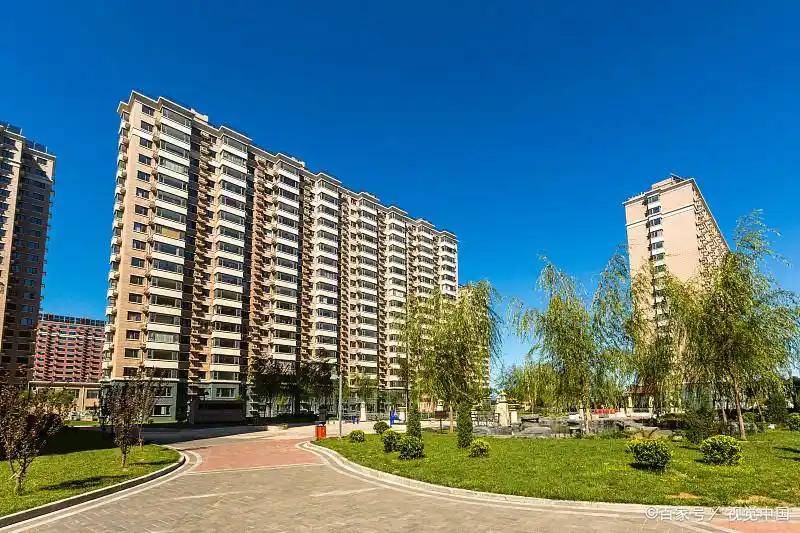
澳门9月至11月的整体住宅楼价指数为191.7 环比下跌0.1%
智通财经网· 2026-01-09 11:04
Core Insights - The overall residential property price index in Macau for the period from September to November 2025 is reported at 191.7, reflecting a slight decrease of 0.1% compared to the previous period from August to October 2025 [1] Group 1: Price Index Trends - The spot residential index stands at 204.2, also down by 0.1%, while the pre-sale index has increased by 0.5% to 237.1 [1] - In the Macau Peninsula, the index is at 194.6, showing a decline of 0.3%, whereas the Cotai area recorded a 0.5% increase with an index of 243.5 [1] - By age of the property, the price index for properties aged 11 to 20 years and those 5 years or younger decreased by 1.4% and 0.2% respectively, while properties aged 6 to 10 years saw an increase of 1.4% [1] Group 2: Area and Size Analysis - The price index for properties with a usable area of 100 square meters and above decreased by 1.2%, while those between 75 to 99.9 square meters increased by 0.8% [1] - Year-on-year comparison shows an overall decline of 7.2% in the residential property price index, with the Macau Peninsula index at 190.2 reflecting a decrease of 5.3%, and the Cotai area index at 198.2 showing a more significant drop of 13.5% [1]
美股异动|特朗普再出手提升房屋“可负担性”,住宅地产股应声上涨,Opendoor盘前涨超8%
Ge Long Hui· 2026-01-09 09:29
Group 1 - The core viewpoint of the article highlights a positive market reaction in the residential real estate sector, with notable gains in stocks of online housing trading platform Opendoor, residential builder Lennar, and Horton Homes [1] - President Trump announced plans to instruct representatives to purchase $200 billion in mortgage-backed securities, aiming to lower interest rates and monthly payments, thereby enhancing housing affordability [1] - The directive is based on the current financial strength of government-sponsored mortgage entities Fannie Mae and Freddie Mac, which are well-capitalized [1] Group 2 - Trump also indicated intentions to push for a ban on large institutional investors from purchasing single-family homes, which is aimed at alleviating the home-buying pressure on average families [1]
住在云端,困在深谷:买超高楼层的业主进退两难
虎嗅APP· 2026-01-05 10:14
Core Viewpoint - The article discusses the challenges and risks associated with living in high-rise residential buildings, highlighting the decline in desirability and increasing issues faced by residents as these buildings age [4][21][30]. Group 1: Issues Faced by High-Rise Residents - Many high-rise buildings, particularly those over 30 years old, are showing significant issues such as exterior wall deterioration, elevator malfunctions, and plumbing problems, leading to increased living risks [4][21]. - Residents experience discomfort due to temperature fluctuations, noise pollution, and extreme weather impacts, which diminish the quality of life in high-rise apartments [4][14][15]. - The financial burden of maintaining these properties is substantial, with residents facing high monthly costs for mortgages, property management, and utilities, often leading to financial strain [17][18][30]. Group 2: Market Dynamics and Trends - The real estate market for high-rise apartments is experiencing a downturn, with many owners unable to sell their properties without incurring significant losses, reflecting a shift in market demand [18][21]. - New regulations limiting the height of residential buildings are emerging, indicating a potential decrease in the construction of new high-rise developments, which may affect future market dynamics [21][22]. - Despite the challenges, younger generations, particularly those born in the 1990s, are still showing interest in purchasing high-rise apartments, suggesting a complex relationship between lifestyle preferences and market realities [24][30]. Group 3: Long-Term Concerns - The aging infrastructure of high-rise buildings poses long-term risks, including safety concerns related to fire, earthquakes, and other emergencies, as many buildings are reaching the end of their operational lifespan [31][32]. - The cost of maintaining and potentially demolishing aging high-rise buildings could exceed their market value, leading to a situation where these properties become less desirable over time [32][33]. - Residents express anxiety about the future viability of their homes, as the uncertainty surrounding maintenance and safety becomes more pronounced with aging structures [33].
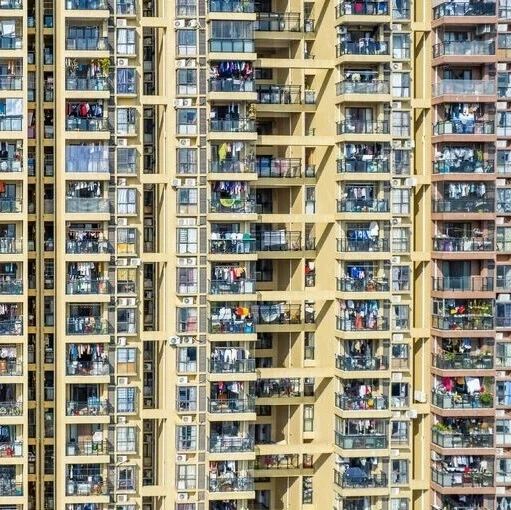
住在云端,困在深谷:买超高楼层的业主进退两难
Sou Hu Cai Jing· 2026-01-05 08:49
文 | 显微故事 曾经,"一览众山小"的超高层住宅是现代生活的重要象征。然而如今,不少楼龄渐长的二三十层以上住宅,已逐渐暴露出各种隐患:外墙脱落、电梯故 障、管道堵塞、电路老化、物业缺失等问题不断显现,居住风险日益攀升。 与此同时,明显的温差、难以隔绝的灰尘以及台风、暴雨等极端天气带来的影响,也让高层居住的舒适度大打折扣。 更令超高层业主感到无奈的是,随着楼市进入调整期,当年高价入手的"豪宅",现在大幅降价出售也鲜有问津。 这使得他们陷入进退两难的窘境:若咬牙卖房,就要承受数十万乃至上百万的损失;若继续住下去,则不得不长期面对各种不便,生活质量不断下滑。 从前令人向往的"站得高望得远"的云端生活,从梦想逐渐变成"牢笼"…… 被"架在"高空的家 2018年,童欣在北京买下了人生的第一套房。房子是二手的,建于2003年。总高31层,她买的25层,两室一厅,南北通透,建筑面积100平方米,套内面 积83平方米。 当初看房的时候,她也看了几个中低楼层,空间和格局都没问题,但是前后都有遮挡,感觉很压抑。直到中介把她带到现在的房子,她才有种豁然开朗的 感觉,当即决定买下。 搬进新家是夏天,高层视野辽阔,南北窗对流,穿堂风 ...
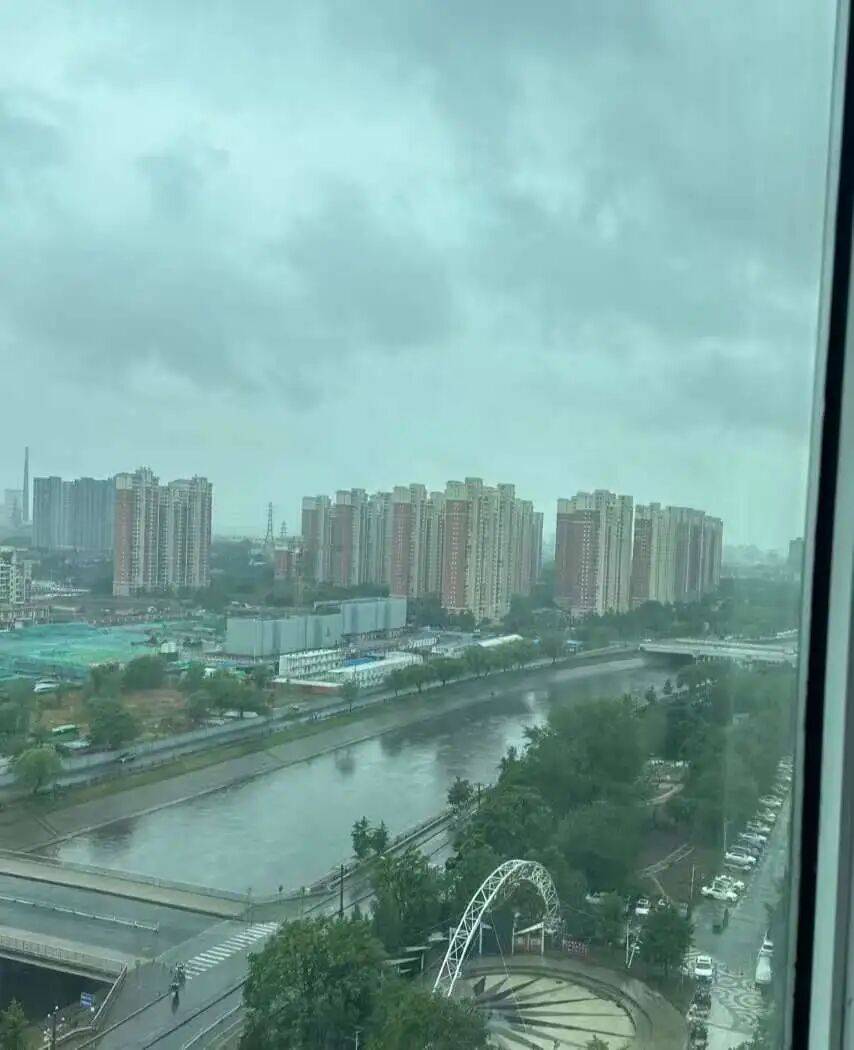
机构:2025年百城新建住宅价格累计上涨2.58%
Bei Jing Shang Bao· 2026-01-01 07:39
Core Viewpoint - The data from the China Index Academy indicates that the average price of newly built residential properties in 100 cities is projected to increase by 2.58% in 2025, with a notable acceleration in the fourth quarter due to the introduction of high-end properties in key cities [1] Summary by Category Price Trends - In the first three quarters of 2025, the cumulative price increases were 0.52%, 0.64%, and 0.47% respectively [1] - The fourth quarter saw a cumulative price increase of 0.93%, driven by the faster market entry of high-end properties in major cities [1]