保税维修

Search documents
2025年上海实现外贸进出口4.51万亿元,创历史新高
Sou Hu Cai Jing· 2026-01-16 11:25
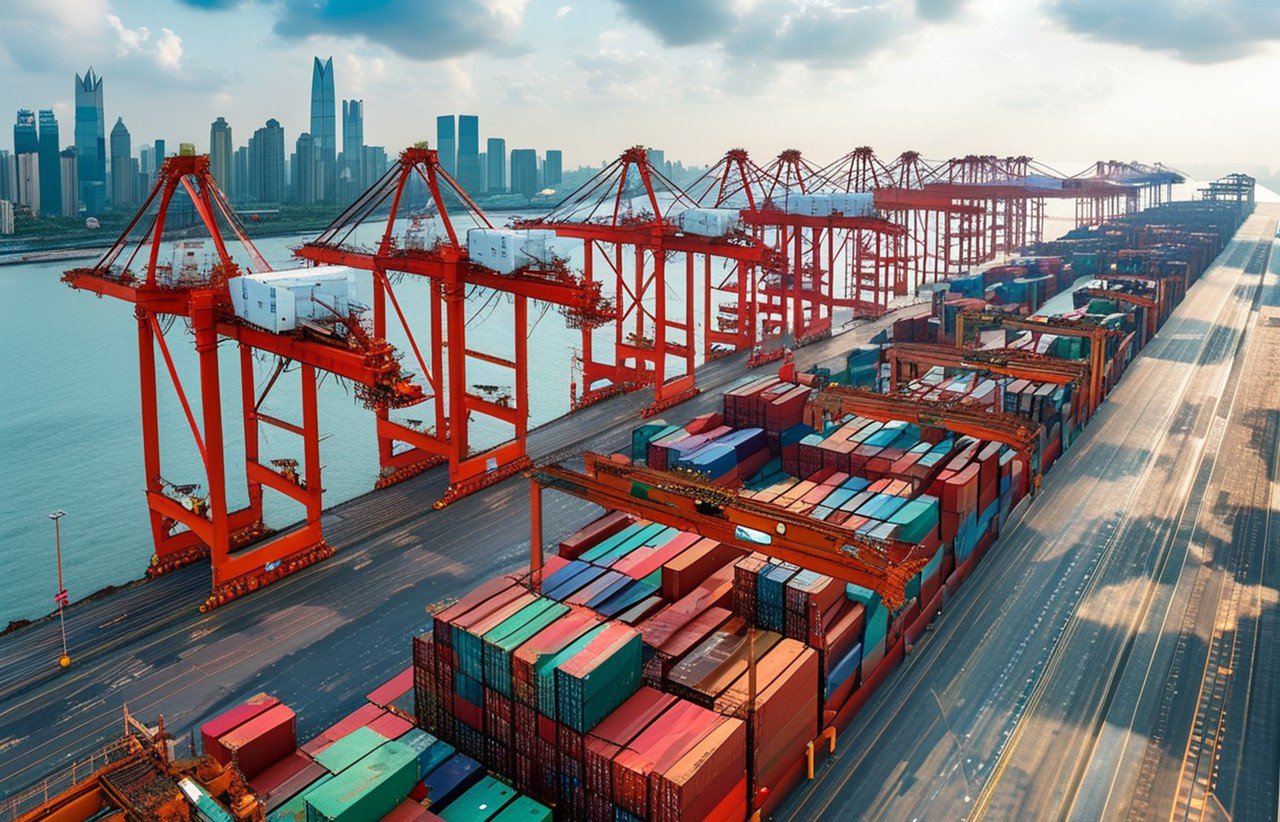
Core Insights - In 2025, Shanghai's foreign trade reached a record high of 4.51 trillion yuan, with exports at 2.02 trillion yuan (up 10.8%) and imports at 2.49 trillion yuan (up 1.8%) [1][2][3] Group 1: Resilience in Trade - Shanghai's foreign trade demonstrated resilience, achieving growth despite challenging external conditions, with a year-on-year increase of 5.6% [1] - The city's import and export growth rates surpassed national averages, with export growth leading by 4.7 percentage points [1] Group 2: Expansion into New Markets - Trade with 167 countries and regions increased, particularly with emerging markets like Africa, India, and ASEAN, showing double-digit growth [2] - The number of "billion-dollar trade partners" expanded to 49, indicating a diversification of trade relationships [2] Group 3: High-Value Exports - High-end manufacturing exports, particularly in electric vehicles, surged, with electric vehicle exports exceeding 100 billion yuan and hybrid vehicle exports increasing by nearly 150% [2] - Exports of advanced machinery, including industrial robots and surgical robots, saw significant growth, with surgical robots increasing by 370% [2] Group 4: Structural Development - Shanghai's open platforms and regional collaboration created a robust development matrix, with special regulatory zones contributing significantly to trade [3] - The total import and export volume of the ten special regulatory zones reached 1.87 trillion yuan, accounting for over 40% of the city's total trade [3] - The overall trade volume in Shanghai has seen a historic leap, with a cumulative import and export scale exceeding 21 trillion yuan during the "14th Five-Year Plan" period, marking over a 30% increase compared to the previous five years [3]
2025年上海市实现外贸进出口4.51万亿元,创历史新高
Xin Lang Cai Jing· 2026-01-16 09:53
Core Viewpoint - Shanghai's foreign trade achieved a record high of 4.51 trillion yuan in 2025, reflecting the city's strong economic resilience and potential, with exports growing by 10.8% and imports by 1.8% [3][4]. Group 1: Economic Performance - Shanghai's foreign trade maintained stability and achieved growth despite challenging external conditions, with a historical breakthrough of 4.5 trillion yuan in total trade [3]. - The growth rate of Shanghai's foreign trade exceeded the national average by 1.8 percentage points, with export growth leading the nation by 4.7 percentage points, ranking first among the five major foreign trade provinces [3][4]. - Compared to the end of the 13th Five-Year Plan in 2020, Shanghai's foreign trade increased by over 1 trillion yuan, equivalent to adding a new largest trading partner [3]. Group 2: Market Expansion - Shanghai's foreign trade expanded to 167 countries and regions, with double-digit growth in emerging markets such as Africa, India, and ASEAN [4]. - The number of "billion-dollar trade partners" increased to 49, indicating a broadening of trade relationships [4]. Group 3: High-Value Exports - Exports of high-end manufacturing products, referred to as the "new three samples," reached 156.67 billion yuan, with electric vehicle exports surpassing 100 billion yuan and hybrid vehicle exports increasing by nearly 150% [4]. - Exports of advanced industries showed significant growth, with high-end machine tool exports increasing by nearly 30%, industrial robot exports by over 40%, and surgical robot exports experiencing explosive growth of 370% [4]. Group 4: Structural Development - Shanghai's open platforms and district collaboration created a robust development matrix, with special regulatory zones accounting for over 40% of total trade, totaling 1.87 trillion yuan, a growth of 9.4% [5]. - The Waigaoqiao Free Trade Zone's trade volume exceeded 1 trillion yuan, maintaining its position as the leading special regulatory zone in the country [5]. - The Pudong New Area's foreign trade reached 2.76 trillion yuan, accounting for over 60% of the city's total, with several districts showing strong growth rates exceeding 10% [5].

锐财经丨服务业扩大开放“路线图”上新
Ren Min Ri Bao Hai Wai Ban· 2026-01-12 03:44
Core Viewpoint - The expansion of China's service industry opening-up pilot program is accelerating, with the recent issuance of a roadmap for nine cities, indicating a significant push towards enhancing service sector openness and reform [1][2]. Group 1: Pilot Program Achievements - The national service industry opening-up pilot program has shown remarkable results since its initiation in 2015, with 412.6 billion USD in foreign investment absorbed by 11 provinces and cities in 2024, accounting for 50.2% of the national total in the service sector [2]. - The new pilot cities are expected to promote service industry openness, with the central economic work conference emphasizing the need for orderly expansion of self-initiated openness in the service sector [2]. Group 2: Differentiated Exploration - The pilot cities are encouraged to develop tailored tasks based on their unique resources and industrial strengths, fostering innovation and complementary achievements [3]. - For instance, Ningbo is focusing on technology services and digital trade, while Dalian aims to leverage its position as an international shipping center to support the revitalization of Northeast China [3][4]. Group 3: Project Implementation for Regional Development - The pilot program aims to facilitate regional development through the implementation of specific projects, with the Ministry of Commerce emphasizing the importance of practical execution and coordination among departments [6][7]. - The Ministry will enhance communication with business entities and conduct evaluations of the pilot program's effectiveness to promote high-quality experiences and innovations [7].
推动服务业开放提速加力 苏州再领一项“国家试点”
Su Zhou Ri Bao· 2026-01-10 00:22
Core Viewpoint - The Ministry of Commerce has issued a comprehensive pilot task for the expansion of the service industry in nine cities, aiming to accelerate the opening up of the service sector in China [1] Group 1: Pilot Tasks and Focus Areas - The pilot tasks include 159 specific initiatives for nine cities: Dalian, Ningbo, Xiamen, Qingdao, Shenzhen, Hefei, Fuzhou, Xi'an, and Suzhou [1] - The focus areas for these initiatives include telecommunications services, healthcare and wellness, trade and tourism, and finance [1] Group 2: City-Specific Support Initiatives - Dalian is supported to leverage its role as a Northeast Asia international shipping center to enhance logistics and transportation channels [2] - Ningbo is encouraged to utilize its advanced manufacturing and cross-border trade advantages to promote the healthy development of new business models in bonded maintenance [2] - Xiamen will focus on facilitating cultural trade and enhancing service trade cooperation with BRICS countries through key parks and platforms [2] - Qingdao aims to strengthen marine technology innovation and conduct trial cruises for non-destination sea routes [2] - Shenzhen is set to optimize and upgrade its free trade account functions and trial electronic bills of lading in shipping and trade [2] - Hefei will deepen reforms in the technology service sector by leveraging its technological innovation and industrial development advantages [2] - Fuzhou will enhance cross-strait economic and trade cooperation, particularly in the areas of livelihood and commerce [2] - Xi'an will implement a trial reform for the property rights of railway waybills and strengthen technology innovation and industrial application [2] - Suzhou will explore the import of materials for biopharmaceutical research and develop efficient and secure mechanisms for cross-border data flow [2]
政策红利加码 河南保税维修业迎来新机遇
He Nan Ri Bao· 2026-01-08 23:53
Group 1 - The core viewpoint of the article highlights the continuous growth of China's high-value-added product exports and the increasing demand for after-sales maintenance, driven by policy support and the expansion of the bonded maintenance product catalog [1][2] - The Ministry of Commerce has announced a policy breakthrough allowing enterprises in comprehensive bonded zones to conduct bonded maintenance of self-produced exported electromechanical products without being restricted by the maintenance product catalog or the prohibited import catalog for old electromechanical products [1][2] - The newly released product catalog includes 179 additional items, such as communication base stations and automotive power batteries, bringing the total to 276 items eligible for maintenance in bonded zones, which has facilitated nearly 240 projects [2] Group 2 - The Henan provincial government is actively promoting the bonded maintenance sector, with plans to implement integrated management between zones and ports, and to establish pre-airport cargo stations [3] - The first bonded maintenance project in Henan was established in 2022, focusing on the repair of faulty mobile phone screens from Australia, the US, and Japan, which has shown steady growth [3] - Innovative regulatory models, such as the "zone-port integration" approach, have significantly improved efficiency and reduced logistics costs, exemplified by the New Zheng Comprehensive Bonded Zone [3] Group 3 - The expansion of the national product catalog aligns with Henan's industrial advantages, particularly in the automotive power battery repair category, which complements the province's new energy vehicle recycling and regeneration industry chain [4] - With the accelerated promotion of policies by the Ministry of Commerce, Henan is expected to enter a golden period for bonded maintenance development, enhancing the global competitiveness of "Henan manufacturing" [4]
政策东风至,河南保税维修业迎来新机遇
Sou Hu Cai Jing· 2026-01-08 14:44
Core Viewpoint - The continuous growth of China's high-value-added product exports is driving an increase in after-sales maintenance demand, with recent policy developments aimed at promoting bonded maintenance services in the country [1][3]. Group 1: Policy Developments - The Ministry of Commerce has announced the fourth batch of the comprehensive bonded zone maintenance product catalog, allowing enterprises to conduct bonded maintenance for self-exported electromechanical products without restrictions from the catalog [3]. - The catalog expansion includes 179 new products, bringing the total to 276 items eligible for maintenance, which has facilitated nearly 240 projects within the bonded zones [3]. Group 2: Local Initiatives - The Henan Provincial Commerce Department has proposed an action plan to support bonded maintenance services outside comprehensive bonded zones, indicating a commitment to innovation in this sector [4]. - Henan has already seen the successful implementation of its first bonded maintenance project in 2022, with significant growth in the repair and export of faulty mobile phone screens [4]. Group 3: Operational Innovations - The New Zheng Comprehensive Bonded Zone has implemented a "zone-port integration" model, enhancing logistics efficiency by 60% and reducing costs by 50% through smart supervision [5]. - Customs services have adapted to support enterprises by providing flexible solutions for maintenance-related issues, significantly alleviating financial burdens on companies [5]. Group 4: Industry Synergies - The newly added automotive battery maintenance category aligns well with Henan's existing recycling and regeneration industry, potentially enhancing the overall competitiveness of the local ecosystem [5]. - The ongoing policy promotion by the Ministry of Commerce is expected to usher in a golden period for bonded maintenance development in Henan, positioning it as a key player in global after-sales support [5].
海南封关在即:它不会成为下一个香港,明天另有模样
Sou Hu Cai Jing· 2025-12-20 05:10
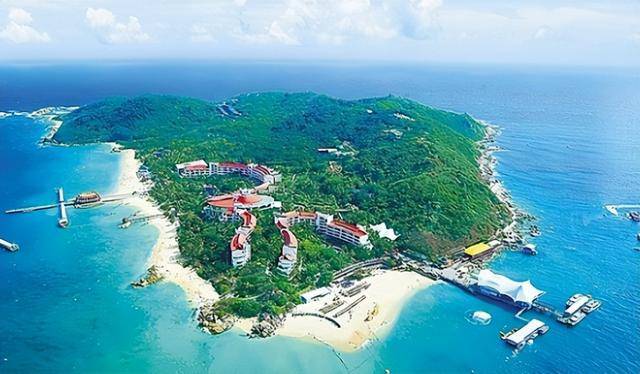
Core Viewpoint - Hainan Free Trade Port is set to officially launch its full island closure, aiming to establish itself as a unique model of reform and opening-up, distinct from Hong Kong's international financial center role [1][3]. Group 1: Differences Between Hainan and Hong Kong - Hainan's positioning is as a "demonstration window for reform and opening-up," focusing on tourism, modern services, high-tech industries, and tropical agriculture, contrasting with Hong Kong's role as a global financial hub [4][6]. - Taxation structures differ significantly; Hainan adopts a "dual 15%" policy with a corporate income tax and high-end talent personal income tax capped at 15%, alongside zero tariff policies for 74% of imported goods [8][10]. - Hainan's capital flow is regulated, with a "controlled freedom" approach, unlike Hong Kong's unrestricted capital movement, which is a core advantage for international business [10][12]. Group 2: Changes Post-Closure - The zero-tariff policy will cover over 6,600 tax items, significantly impacting consumer prices, such as a potential reduction in the price of imported cars [12][14]. - Hainan aims to become an "international leisure center," providing high-quality consumer experiences without the need to travel abroad, which may attract cross-border e-commerce businesses [14][16]. - The introduction of a negative list for data exit management and visa-free access for citizens from 86 countries will enhance Hainan's attractiveness for international visitors [16][18]. Group 3: Economic and Employment Impacts - The tax cap for high-end talent will attract skilled professionals, potentially increasing job opportunities in tourism and high-tech manufacturing sectors [21][23]. - Local residents will benefit from cheaper imported goods, and public service levels are expected to improve, enhancing the overall consumer market [21][23]. - The unique advantages of Hainan lie in its experimental value as a "systemic open trial," which may serve as a model for future reforms in other regions [23][25]. Group 4: Future Outlook - Hainan aims to create a closed-loop industrial chain that connects global supply, Hainan as a transit point, and domestic demand, benefiting businesses with tax exemptions on imported raw materials [26][30]. - Consumers will have access to international goods and services locally, increasing Hainan's appeal as a destination for both residents and tourists [28][30]. - The future of Hainan is envisioned as a unique entity in China's opening-up landscape, emphasizing a path of "Chinese characteristics" in free trade, which is more open and diverse [30][33].
海南自贸港正式封关,从“新政”看“新机”
Sou Hu Cai Jing· 2025-12-19 02:43
Core Insights - Hainan Free Trade Port officially commenced full island closure operations on December 18, 2023, implementing a new policy framework that includes "one line open, two lines controlled, and free movement within the island" [1] - The new policies are expected to significantly benefit sectors such as modern logistics and high-end commerce, with a focus on efficiency and cost reduction for businesses [1][2] Group 1: Logistics and Trade - The first batch of goods, including medical devices from Hong Kong and aircraft parts from the U.S., entered Hainan under a "zero tariff" policy, indicating immediate benefits for modern logistics and high-end trade [1] - The introduction of a new regulatory model termed "inside the border, outside the customs" is anticipated to reshape logistics and transportation dynamics, leading to increased traffic in ports, airports, and highways [2] - Hainan's local companies, such as Hainan Expressway, have acknowledged that the policy dividends from the closure operations create broader development platforms [2] Group 2: Consumer and Tourism - The new policies, including visa exemptions for 59 countries and optimized duty-free shopping, are expected to elevate Hainan's tourism and consumer sectors, focusing on international and quality experiences [2] - The zero tariff policy has already led to a significant increase in sales for local businesses, such as a yacht port that reported a jump in new boat transactions from one to thirty in a year [3] Group 3: High-Tech and Manufacturing - The zero tariff policy is projected to lower costs for critical imported equipment and raw materials, benefiting high-tech and advanced manufacturing sectors [3][4] - The optimization of tax exemptions for processed goods is expected to encourage the integration of supply chains, enhancing the competitiveness of local agricultural products and other industries [3] - Companies in sectors like biotechnology, aerospace, and renewable energy are likely to benefit from the new policies, which facilitate international business operations and regional headquarters [5] Group 4: Systemic Changes - The new policies represent a systemic revolution in efficiency, cost management, and global connectivity, opening opportunities across various sectors in Hainan [5] - The transformation is not just a policy upgrade but a comprehensive approach to enhancing the operational landscape for businesses in Hainan [5]
大幕拉开,充分释放政策红利!开放大门越开越大 外企加速进入中国市场
Yang Shi Wang· 2025-12-18 09:10
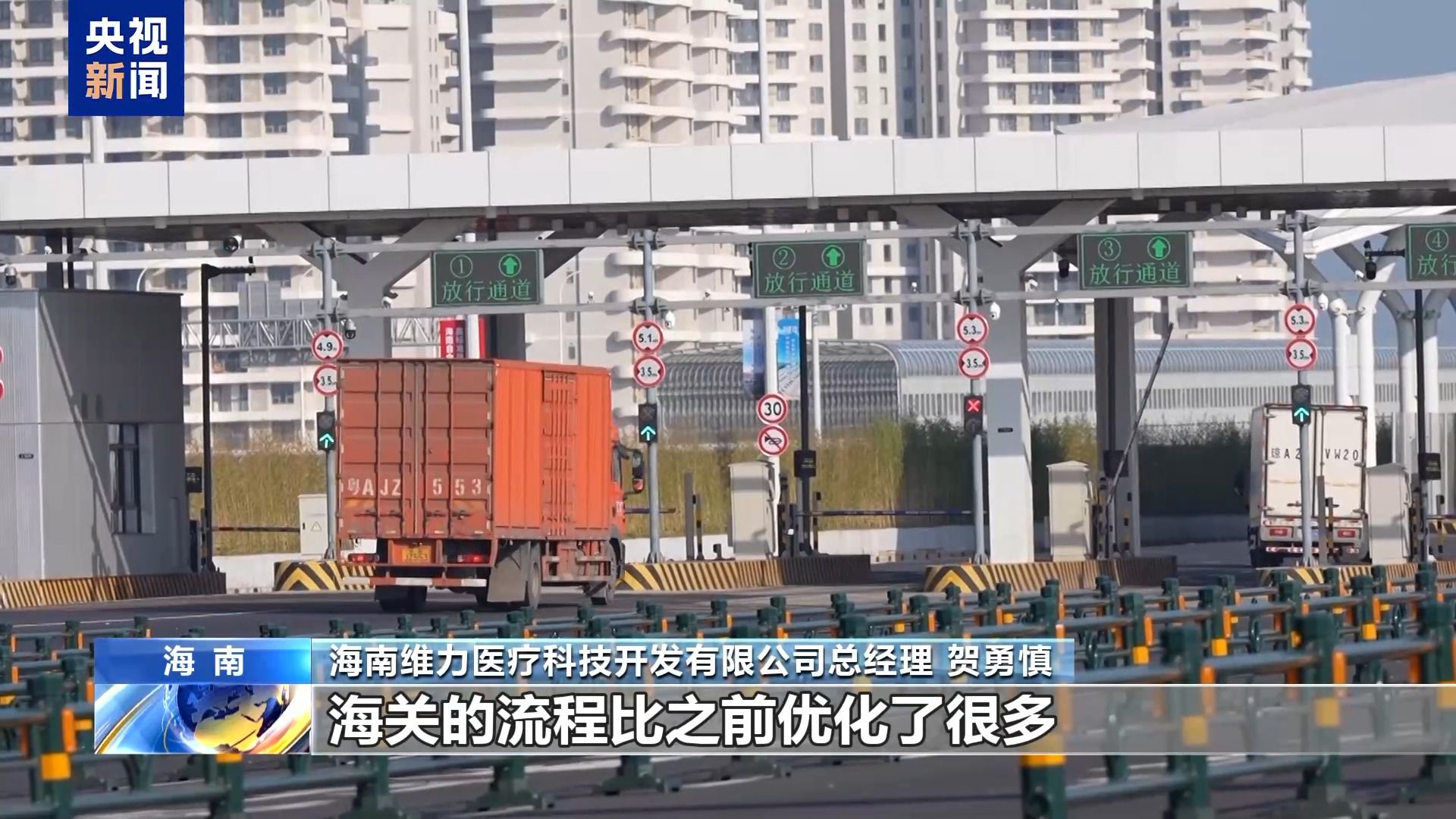
Core Viewpoint - The full island closure of Hainan Free Trade Port marks a new chapter in reshaping the regional economic landscape, creating multiple development opportunities and attracting significant international attention [1]. Group 1: Economic Opportunities - Hainan's strategic location connecting the Pacific and Indian Oceans positions it as a gateway for overseas companies entering the Chinese market, optimizing supply chains and saving approximately 10 days compared to traditional eastern routes [5]. - The full closure operation enhances Hainan's status as a trade hub, facilitating the flow of people, goods, capital, and data, thus providing foreign investors with new opportunities to engage with Chinese consumers and establish new investment and technology partnerships [10]. - The closure is expected to release policy dividends that will benefit enterprises and citizens, allowing for a wider range of duty-free products and promoting consumption, services, and innovation development [13]. Group 2: Industry Development - Hainan is actively promoting the integration of technological and industrial innovation, leading to the emergence of new production capacities and attracting industry clusters, particularly in tourism, modern services, and high-tech industries [8]. - The introduction of new policies post-closure, such as zero-tariff imports and expanded bonded maintenance services, is creating new business opportunities in sectors like bonded repair, which was previously restricted [16][18]. - The first batch of goods benefiting from the processing and value-added duty exemption policy has already passed customs, indicating improved efficiency and a positive outlook for businesses operating in Hainan [14]. Group 3: Future Prospects - The full island closure is a significant step towards a higher level of openness for Hainan Free Trade Port, with plans for phased development aimed at establishing a high-level free trade port with strong international influence by the middle of this century [20]. - This initiative signals China's commitment to expanding its openness and contributing to a stable global supply chain, presenting opportunities for businesses and individuals looking to engage in cross-border trade [21].
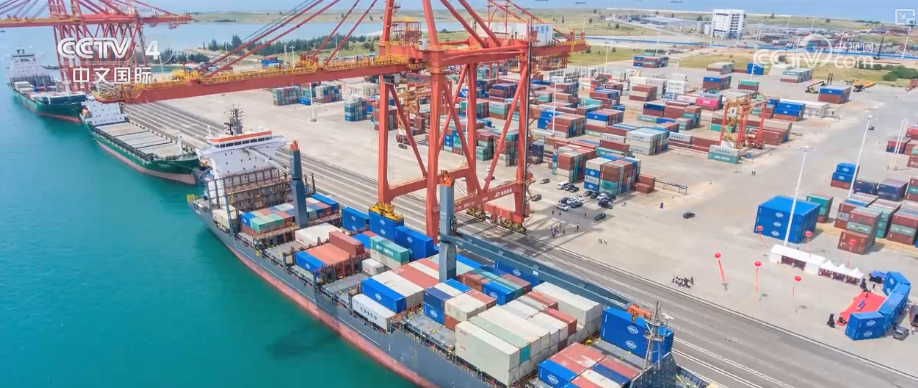
海南封关 开放大幕拉开 谁的机会来了?
Yang Shi Xin Wen Ke Hu Duan· 2025-12-18 08:57
Group 1 - The Hainan Free Trade Port officially launched its full island closure on December 18, creating new opportunities for businesses that settle in Hainan [1] - Companies can benefit from a processing value-added tax exemption policy, with the first batch of goods valued at over 880,000 yuan enjoying a tax exemption due to a processing value increase of over 30% [3] - The introduction of "zero tariff" goods post-closure has resulted in significant cost savings for enterprises, such as a research equipment set imported for over 1 million yuan, which saved more than 180,000 yuan compared to pre-closure costs [3] Group 2 - The relaxation of management measures on certain imported goods has opened new business opportunities in sectors like bonded maintenance, with imported diesel engines undergoing maintenance in newly constructed facilities [5] - The Hainan Free Trade Port's closure has allowed for the inclusion of 38 new items in the bonded maintenance list, including automotive engine maintenance, which was previously restricted [7] - The closure signifies China's commitment to opening up further, presenting opportunities not only for Hainan but also for businesses and individuals looking to engage in cross-border trade [7]