家电数码

Search documents
去年GDP增长5.1%左右,无锡明确今年抢抓人工智能机遇
2 1 Shi Ji Jing Ji Bao Dao· 2026-01-22 09:32
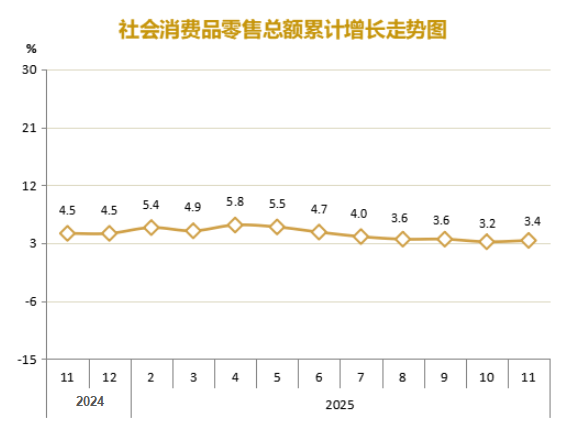
Group 1: Economic Performance - In 2025, Wuxi achieved a GDP of approximately 1.68 trillion yuan, growing by about 5.1%, surpassing the national average growth rate of 5.0% [1] - The total retail sales of consumer goods in Wuxi exceeded 440 billion yuan in 2025, but the growth rate declined from around 5% in the first half to approximately 3.5% in the second half [2] - Wuxi's total import and export value reached 829.28 billion yuan in 2025, marking a year-on-year increase of 7.6% [1] Group 2: 2026 Economic Goals - For 2026, Wuxi set a GDP growth target of 5% and a retail sales growth target of around 4% [4] - Key initiatives for 2026 include enhancing domestic demand, stabilizing major consumer sectors such as automobiles and home appliances, and expanding new business formats like duty-free economies [4] Group 3: Industrial Development - Over the past five years, Wuxi has developed five national advanced manufacturing clusters, with eight clusters generating over 200 billion yuan in revenue [5] - Wuxi aims to capitalize on artificial intelligence opportunities by collaborating with leading companies and deploying projects related to AI data centers and quantum chips [5][6] - The city plans to increase the revenue of the productive service industry by 7% and aims for the scale of future industries to reach 145 billion yuan [6] Group 4: Long-term Economic Vision - Wuxi's GDP is projected to exceed 2 trillion yuan in the next five years, with a target of achieving a per capita GDP of over $30,000 by 2024 [7] - The city aims for strategic emerging industries to account for over 46% of the industrial output of designated large-scale enterprises [7] - By the end of 2025, Wuxi is expected to have 127 listed companies, primarily in sectors such as power equipment, machinery, and automotive [7]

济南家电数码购新补贴助力消费“开门红” 市民选购热情高涨
Sou Hu Cai Jing· 2026-01-15 02:18
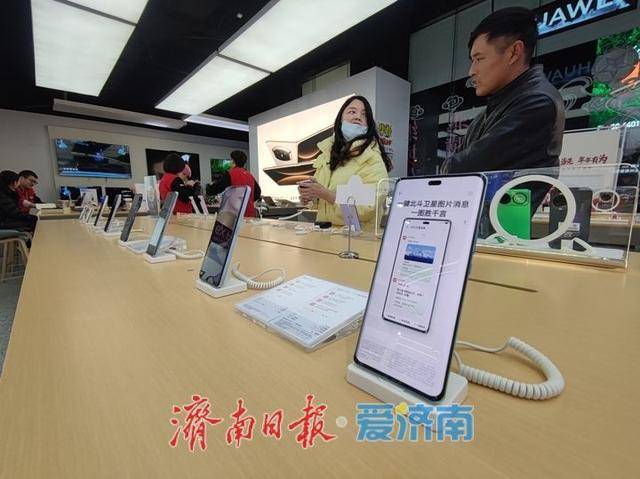
Group 1 - The core viewpoint of the news is that the launch of the subsidy program for replacing old appliances and purchasing new digital and smart products in Jinan has significantly increased customer traffic and purchasing enthusiasm in stores [1][5]. Group 2 - The subsidy program covers six categories of home appliances and four categories of digital smart products, including energy-efficient refrigerators, washing machines, televisions, air conditioners, water heaters, computers, and digital products like smartphones, tablets, smartwatches, and smart glasses priced under 6,000 yuan [4]. - Consumers can enjoy a subsidy of 15% off the final sales price, with a maximum subsidy of 500 yuan per item, creating a dual discount effect when combined with store promotions [4][5]. - The Jinan Municipal Bureau of Commerce announced an upgrade to the subsidy program, which now includes partnerships with major e-commerce platforms such as JD.com, Taobao & Tmall, Douyin, and Suning, allowing online purchases to also benefit from the subsidies [5].
促消费济南开启新年“第一补”
Qi Lu Wan Bao· 2026-01-07 05:19
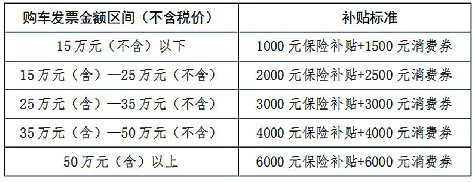
Group 1 - The core point of the news is the launch of a 50 million yuan subsidy program in Jinan for car purchases, aimed at stimulating consumer spending and economic growth [1][2][4] - The subsidy program is open to both individuals and enterprises, with no restrictions on residency or vehicle registration location, allowing out-of-town consumers to benefit [1][2] - The subsidy is structured in five tiers based on the pre-tax price of the vehicle, offering a maximum of 12,000 yuan in combined insurance subsidies and consumption vouchers [1][2] Group 2 - The car purchase subsidy application period is from January 1 to March 31, 2026, with three rounds of application windows [2] - The electronic consumption vouchers issued as part of the subsidy are valid for 90 days and can be used at various local merchants, with a maximum usage limit of 3,000 yuan per merchant [2] - The program aims to link automotive sales with broader consumer spending in retail and dining sectors, enhancing overall economic activity [2] Group 3 - A separate subsidy program for replacing old home appliances and purchasing new digital and smart products was also launched, covering ten categories of products [3] - The subsidy for home appliances is capped at 1,500 yuan per item, while digital products have a limit of 500 yuan per item, calculated as 15% of the final sales price after discounts [3] - The initiative is part of Jinan's broader strategy to enhance domestic demand and support high-quality economic development [4]

济南将启动新一轮家电数码补贴活动
Qi Lu Wan Bao· 2026-01-01 16:25
Core Viewpoint - The Jinan Municipal Bureau of Commerce has announced the initiation of a new round of subsidies for the replacement of old home appliances and the purchase of new digital and smart products in 2026, following national guidelines [1][2]. Group 1: Subsidy Details - The subsidy program includes two main categories: home appliances and digital/smart products [1]. - For home appliances, consumers purchasing energy-efficient refrigerators, washing machines, televisions, air conditioners, computers, or water heaters will receive a subsidy of 15% of the product's sales price, capped at 1,500 yuan per item, with a limit of one item per category per consumer [1]. - For digital and smart products, consumers purchasing mobile phones, tablets, smartwatches, or smart glasses (with a sales price not exceeding 6,000 yuan) will also receive a subsidy of 15% of the product's sales price, capped at 500 yuan per item, with a limit of one item per category per consumer [1]. Group 2: Program Timeline - The start date for the subsidy program will be announced on the Jinan Municipal Bureau of Commerce's official website, while the program will conclude on December 31, 2026 [1].
黑龙江:新能源车最高补贴1.5万元 数码产品最高可获1500元补贴
Xin Lang Cai Jing· 2026-01-01 05:24
Core Viewpoint - Heilongjiang Province's Commerce Department announced a new policy for 2026 regarding the trade-in of consumer goods, providing subsidies for consumers who sell their registered passenger cars and purchase new energy vehicles or fuel vehicles with specific criteria [1] Group 1: Subsidy for Vehicle Trade-in - Consumers selling their registered passenger cars and purchasing new energy vehicles from the Ministry of Industry and Information Technology's catalog will receive a subsidy of 8% of the new car sales price, with a maximum of 15,000 yuan [1] - For consumers purchasing fuel vehicles with an engine size of 2.0 liters or below, a subsidy of 6% of the new car sales price will be provided, capped at 13,000 yuan [1] Group 2: Subsidy for Household Appliances and Digital Products - The policy includes subsidies for personal consumers purchasing energy-efficient appliances and digital products, with a subsidy of 15% of the final sales price after discounts, limited to one item per category per person [1] - For household appliances, the subsidy is capped at 1,500 yuan per item, while for digital and smart products, the maximum subsidy is 500 yuan per item [1] - Consumers who received subsidies in 2025 will continue to be eligible for subsidies in 2026 under the same participation method [1]
多项新法规,元旦起实施
Zhong Guo Zheng Quan Bao· 2025-12-31 12:27
Group 1 - The China Securities Regulatory Commission has revised the Corporate Governance Guidelines for listed companies, effective from January 1, 2026, to further regulate the behavior of directors, senior management, and controlling shareholders, enhancing corporate governance standards [1] - The People's Bank of China has issued the Interbank Market Brokerage Business Management Measures, effective from January 1, 2026, which prohibits brokerage firms from providing services for financial institutions participating in bond issuance, while emphasizing the need for enhanced internal controls and process management [2] - The People's Bank of China has announced a one-time credit repair policy, effective from January 1, 2026, allowing individuals to have overdue information removed from credit databases if they repay overdue debts by specified deadlines [3] Group 2 - The Financial Regulatory Bureau has revised the Trust Company Management Measures, effective from January 1, 2026, to strengthen the regulatory framework for the trust industry, requiring major shareholders to provide accurate operational and financial information [4] - The Financial Regulatory Bureau has issued the Financial Leasing Company Management Measures, effective from January 1, 2026, focusing on the unique functions of financial leasing companies and outlining specific regulations for various leasing activities [5] - The new Value-Added Tax Law will come into effect on January 1, 2026, marking significant progress in implementing the principle of tax legality in China [6] Group 3 - The Ministry of Commerce and other departments have issued a notice to strengthen the management of used car exports, effective from January 1, 2026, requiring additional documentation for vehicles registered less than 180 days before export [7] - A mandatory national standard for electric vehicle energy consumption will be implemented on January 1, 2026, setting stricter limits on energy consumption compared to previous recommendations [8][9] - The State Council Tariff Commission has announced adjustments to import tariff rates and categories, effective from January 1, 2026, including zero tariff treatment for 43 products from least developed countries [10] Group 4 - The new management measures for oil and gas infrastructure will take effect on January 1, 2026, promoting private sector participation in oil and gas pipeline projects and related infrastructure [11] - The Ministry of Finance and the State Taxation Administration have announced changes to the value-added tax policy for personal housing sales, effective from January 1, 2026, imposing a 3% tax on properties sold within two years of purchase [12] - The national medical insurance drug list will be updated on January 1, 2026, adding 114 new drugs, including 50 innovative drugs, significantly improving coverage for critical health areas [13] Group 5 - The National Development and Reform Commission, along with other ministries, has issued a notice to improve kindergarten fee policies, effective from January 1, 2026, allowing various types of fees while implementing government-guided pricing for public and non-profit kindergartens [14] - A subsidy program for the purchase of new household appliances and smart products will begin on January 1, 2026, offering a 15% subsidy on eligible products, with specific caps on the amount per item [15]
多地启动2026年家电数码以旧换新经营主体申报征选
第一财经· 2025-12-23 08:24
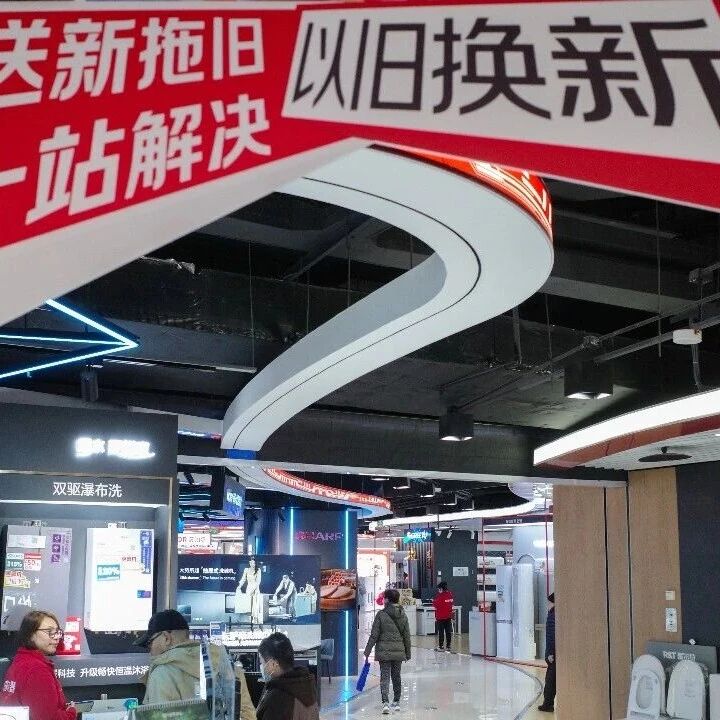
Core Viewpoint - The article discusses the initiation of the 2026 home appliance and digital product trade-in program in various cities across China, highlighting the ongoing support from the central government for such initiatives and the criteria for participating entities [3][4][5]. Group 1: Program Overview - The trade-in program for home appliances has seen over 128 million units exchanged from January to November this year, with the central economic work conference confirming the continuation of national subsidies for the program in 2026 [3]. - Various local business departments are selecting platforms or companies to manage the trade-in subsidies, with a deadline for applications by the end of December [3][4]. Group 2: Selection Criteria - Shenzhen's business bureau emphasizes the need for platforms to have strong technical support, risk management capabilities, and the ability to monitor and report subsidy fund usage in real-time [3]. - Jiangmen's business bureau requires platforms to verify consumer information through real-name authentication and geographic location, as well as to prevent fraudulent activities [4]. - Xuzhou's business bureau mandates that participating entities must not have a history of subsidy fraud and must develop risk control plans to combat fraudulent claims [5]. Group 3: Product Categories and Innovations - The trade-in program will include six categories of home appliances such as refrigerators, washing machines, televisions, computers, air conditioners, and water heaters, along with 3C products like smartphones and AI glasses, marking the first inclusion of AI glasses in the program [5][6]. - The focus remains on energy-saving and smart products, with potential adjustments to product range and subsidy standards expected [6].
多地启动2026年家电数码以旧换新经营主体申报征选
Di Yi Cai Jing· 2025-12-23 05:56
Core Viewpoint - The Chinese government is continuing its "old-for-new" subsidy program for home appliances and digital products, with various cities initiating the selection process for eligible platforms and enterprises for the 2026 program [1][2][3] Group 1: Program Implementation - Cities such as Shenzhen, Jiangmen, Xuzhou, Hangzhou, Guang'an, and several regions in Inner Mongolia have started the application and selection process for the 2026 "old-for-new" program [1] - Over 128 million home appliances have been replaced under the "old-for-new" program from January to November this year [1] - The central economic work conference has confirmed the continuation of the "national subsidy" for the "old-for-new" program next year [1] Group 2: Selection Criteria - Shenzhen's selection criteria require platforms to have strong technical support, risk management capabilities, and the ability to monitor and report subsidy fund usage [1] - Jiangmen's announcement specifies that selected platforms must verify consumer information through real-name authentication and location tracking, and must have mechanisms to prevent fraud [2] - Xuzhou's requirements include a history free of fraudulent subsidy claims and the development of risk control plans to combat fraud and price inflation [2] Group 3: Product Categories and Innovations - The types of appliances eligible for the 2026 program include refrigerators, washing machines, televisions, computers, air conditioners, and water heaters, along with 3C products like smartphones, tablets, smartwatches, and AI glasses [2] - The inclusion of AI glasses marks a new addition to the list of products eligible for the "old-for-new" program [2] - The focus on energy-saving and smart products remains unchanged, although specific details regarding product range and subsidy standards are yet to be announced [3]
入境游火了 上海市委常委答21: 前九月入境游超630万人次
2 1 Shi Ji Jing Ji Bao Dao· 2025-10-28 07:20
Group 1 - The total retail sales of consumer goods in Shanghai increased significantly, with a growth rate exceeding 10% in the third quarter of this year [1] - The 8th China International Import Expo will be held from November 5 to 10, with participation from 155 countries and regions, and over 4,108 foreign enterprises exhibiting [1] - The expo will feature a total exhibition area of over 430,000 square meters, setting a new record for scale [1] Group 2 - Shanghai has implemented various policies to stimulate consumption, including initiatives for the elderly economy, night economy, and service consumption, leading to significant sales boosts [2] - The "Five-Five Shopping Festival" contributed to a 10.2% increase in offline consumption, while the "Shanghai Summer" international consumption season saw a 72.4% increase in tax refund sales from July to September [2] - The upcoming expo will coincide with the "2025 Boutique Consumption Month" and various promotional activities to enhance the expo's impact on local consumption [2] Group 3 - New business models and consumption scenarios are being rapidly developed, with over 2,000 launch events held this year and 787 new stores opened in the first nine months [3] - E-commerce transactions in Shanghai exceeded 3.27 trillion yuan, with a year-on-year growth of 12.7%, and live-streaming retail sales reached 369 billion yuan, growing by 23.6% [3] - The city is enhancing its commercial infrastructure, with 23 new or renovated commercial projects completed this year [3] Group 4 - Service consumption is being expanded and improved, with the introduction of the "Le·Shanghai" service consumption vouchers boosting spending in dining, tourism, and entertainment [4] - Over 6.3 million inbound tourists visited Shanghai in the first nine months, with tourism consumption increasing by nearly 30% year-on-year [4] - The city hosted nearly 1,000 cultural exhibitions and events, attracting 40 million visitors, with significant attendance at major exhibitions like the "Ancient Egyptian Civilization Exhibition" [4]
立信数据:2025年二季度中国消费者消费意愿调查报告
Sou Hu Cai Jing· 2025-10-25 01:47
Core Insights - The consumer willingness index in China for Q2 2025 is 120.2, indicating a slight decline from the previous quarter and a year-on-year decrease of 7.1 points, suggesting a stabilization phase in consumer sentiment [1][8][10]. Consumer Willingness Index Comparison - The willingness index shows significant regional and demographic disparities, with the Northeast region scoring the highest at 127.4, while the Western region is the lowest at 111.5 [17][19]. - Urban consumers have a higher index (122.2) compared to rural consumers (109.4), with first-tier cities outperforming lower-tier cities [19][21]. - High-income consumers have an index of 140.0, significantly higher than middle-income (120.9) and low-income (111.3) groups, indicating a widening gap in consumer sentiment [21][28]. Consumer Satisfaction and Economic Outlook - Over half of consumers (55.5%) perceive prices as "high," despite a slight decrease in CPI, reflecting a persistent expectation for price reductions [2][49]. - Consumer satisfaction regarding current economic conditions is slightly declining, with 30.5% rating it as "good" and a satisfaction index of 114.1 [30][32]. - Expectations for future economic conditions are also low, with only 44.5% believing their situation will improve in a year, marking the lowest level since the survey began [34][38]. Spending Behavior and Future Intentions - Consumers are primarily saving (51.8%) and investing in children's education (45.3%), with a notable increase in savings intentions [2][11]. - There is a strong demand for home appliances, clothing, and travel in the next six months, with the "trade-in" policy showing effectiveness but facing limitations [11][12]. - The automotive sector is seeing a rebound in consumer intent, particularly for mid-range vehicles priced between 100,000 to 200,000 yuan, although the growth in new energy vehicle adoption is slowing [12][48]. Policy Recommendations - Recommendations include enhancing social security, stabilizing growth and employment, reducing educational burdens, and issuing consumption vouchers to boost consumer confidence [2][14]. - Emphasis on improving the quality of products and services is crucial for encouraging consumer spending [11][48].