
巧克力制造

Search documents
瑞航携手飞瑞尔巧克力举办媒体沙龙 “空中甜蜜”传递瑞士风情
Zhong Guo Min Hang Wang· 2025-12-10 12:52
Group 1 - Swiss International Air Lines (SWISS) and Swiss chocolate brand Frey hosted a chocolate tasting media salon in Shanghai to promote Swiss chocolate culture [1] - The collaboration between SWISS and Frey, which began in 2015, has extended to ground experiences, enhancing the connection between air travel and Swiss culinary traditions [4] - In 2024, SWISS distributed approximately 19.3 million pieces of "SWISS Schöggeli" chocolate, weighing a total of 270 tons, highlighting the popularity of this in-flight service [4] Group 2 - SWISS operates six weekly direct flights from Shanghai to Zurich and one daily flight from Hong Kong to Zurich, emphasizing its commitment to connecting with Chinese travelers [4] - The introduction of Chinese cabin crew members aims to better meet the needs of Chinese passengers, with up to five Chinese crew members expected on each flight [4] - Frey maintains a "100% Swiss made" promise, using high-quality cocoa beans certified by the Rainforest Alliance and local Swiss milk, ensuring premium chocolate production [4]


韩媒关注:中国产费列罗巧克力在韩销售
Huan Qiu Shi Bao· 2025-11-12 23:05
Core Insights - Ferrero, the renowned Italian chocolate brand, has shifted its supply source for the South Korean market from Italy to China, specifically from its factory in Hangzhou [1][3] - The change in production location has raised concerns among consumers regarding the brand's identity, as many associate Ferrero's appeal with its Italian origin [3] - Ferrero has stated that the relocation aims to maintain a stable supply chain while ensuring that product quality remains unchanged [3] Group 1: Supply Chain Changes - Ferrero's decision to supply South Korea with products from its Hangzhou factory is part of a broader strategy to optimize its supply chain and reduce costs amid rising cocoa prices [3] - The Hangzhou factory, operational since 2015, has been supplying products to various markets, including Australia and Mexico, indicating its capability to meet international standards [3] Group 2: Market Reactions - As Italian stock is gradually sold out, the South Korean market is expected to see a complete transition to Chinese-made Ferrero products [3] - Consumer feedback reflects a potential risk to brand perception, with some expressing that the brand's charm lies in its Italian heritage [3]

第八届进博会|专访:“进博会将带给我们更大的平台和机遇”——访首次亮相进博会的德国巧克力展商
Xin Hua Wang· 2025-11-05 01:21
Group 1 - The core viewpoint is that the China International Import Expo (CIIE) serves as a significant platform for companies like Edelmann-Pauli to enter the Chinese market and accelerate their growth [1][2] - Edelmann-Pauli plans to showcase various chocolate products, including chocolate bars, cocoa drinks, and chocolate spreads, marking their brand debut in China [1] - The company aims to enhance brand recognition in China, establish stable partnerships with importers and distributors, and explore deeper cooperation opportunities, including local manufacturing [1] Group 2 - The company recognizes China's high cross-border logistics efficiency, well-developed cold chain facilities, and increasing consumer awareness of high-quality health foods as key reasons for prioritizing the Chinese market [1] - There is a strong alignment between the company's organic product positioning and China's support for the green economy, which is seen as a significant opportunity for collaboration [2] - The CIIE is viewed as a major opportunity for connection and collaboration, not just in products but also in building relationships between people [2]
德国巧克力企业:将进博会作为进入中国的“第一站”
Xin Hua She· 2025-11-04 00:51
Core Viewpoint - The 8th China International Import Expo (CIIE) will be held in Shanghai from November 5 to 10, serving as a significant platform for international companies to enter the Chinese market [2]. Group 1 - The founder and CEO of Edelmann-Pauli Chocolate Company from Germany, Christina Engler, views the CIIE as the "first stop" and "accelerator" for entering the Chinese market [2].
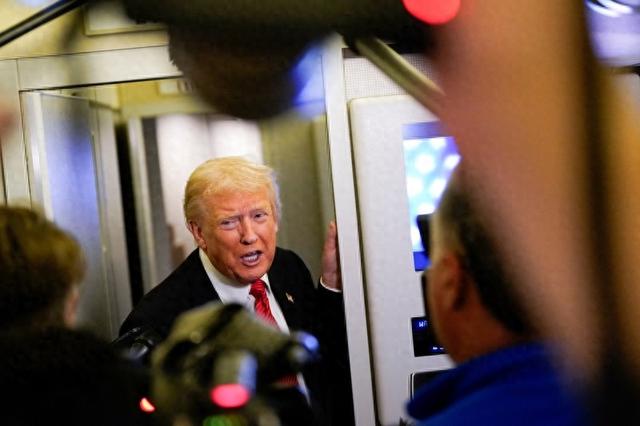
全世界静待美国最高法怎么判,特朗普又改口说“不去了”
Guan Cha Zhe Wang· 2025-11-03 07:10
Core Points - The U.S. Supreme Court is set to hear a significant case regarding the legality of tariffs imposed by the Trump administration, with a hearing scheduled for November 5 [1][5][6] - Trump has stated that this case could be one of the most important in U.S. history, arguing that a ruling against him could leave the country vulnerable in global competition [3][5] - The outcome of the case could have substantial implications for U.S. businesses, particularly those affected by tariffs, with estimates suggesting that companies have already paid around $90 billion in tariffs [15][19] Group 1: Legal Context - The case revolves around the interpretation of the International Emergency Economic Powers Act, which the Trump administration used to impose tariffs on a wide range of goods [4][11] - A previous ruling by the U.S. Court of Appeals determined that the Act does not grant the president the authority to impose such extensive tariffs [4][11] - The Supreme Court's decision will address the broader question of presidential powers and the limits of executive authority in trade matters [9][10][17] Group 2: Business Impact - Companies like Learning Resources have reported significant financial losses due to tariffs, with estimates of $14 million in losses attributed to Trump's tariffs [7] - Many businesses are preparing for the possibility that tariffs will remain in place, even if they hope for a ruling against their legality [9][19] - The uncertainty surrounding the tariffs has led to operational challenges for companies, including increased costs and the need to adjust supply chains [19][20] Group 3: Political Reactions - Some Republican senators have expressed concerns that Trump's attendance at the Supreme Court hearing could be perceived as an attempt to pressure the justices [4] - Democratic lawmakers have also criticized the potential for presidential influence over the court, arguing that the president should not attend the hearing [4][11] - The Senate recently passed a resolution to terminate Trump's global tariff policy, although its future in the House remains uncertain [12][11]
探访雨林小岛上的巧克力工厂
Jing Ji Ri Bao· 2025-11-02 01:51
Core Insights - The article highlights the sustainable chocolate production by the company "Daughter of Combu," which is run by indigenous leader Mrs. Nena, providing income to local residents and serving as a model for sustainable development [1][2]. Company Overview - "Daughter of Combu" was founded by Mrs. Nena in 2012, transitioning from informal sales of organic chocolate made from local cocoa to a formal business [1]. - The company produces 100% natural chocolate using wild cocoa from the Amazon, free from chemical additives, emphasizing the importance of authentic local chocolate [2]. Sustainable Practices - The company engages in diverse agricultural practices, utilizing not only cocoa but also other local plants like açaí and cassava, ensuring year-round income and maintaining biodiversity on the island [2]. - The Brazilian Agricultural Federation supports sustainable development in the region, providing training in production techniques and management to help indigenous communities thrive [2]. Tourism and Community Impact - The success of the chocolate factory has turned Combu Island into a significant tourist destination, allowing visitors to learn about cocoa production and sustainable practices [2]. - Mrs. Nena emphasizes the importance of educating visitors about the value of their work and the need to preserve the rainforest for future generations [3]. Future Aspirations - With the upcoming COP30 conference in Belém, Mrs. Nena hopes to raise awareness about the conditions of indigenous and small-scale farmers, advocating for public resources to support their communities [3].
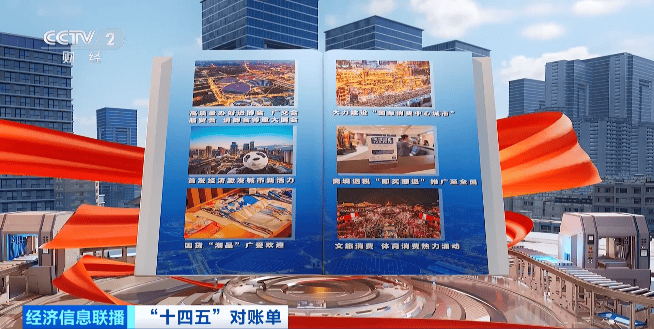
品质消费、商场“焕新” 这五年我国消费市场量质齐升
Sou Hu Cai Jing· 2025-10-15 00:34
Core Insights - Consumption is the "main engine" of economic growth and a "barometer" of people's well-being, with a series of policies implemented during the "14th Five-Year Plan" period to boost domestic demand and promote consumption [1][2] Group 1: Consumption Growth - The total retail sales of consumer goods in China is expected to exceed 50 trillion yuan this year, with an annual growth rate of 5.5% from 2020's 39.1 trillion yuan to a projected 48.3 trillion yuan in 2024 [2][17] - Consumption contributes approximately 60% to economic growth annually during the "14th Five-Year Plan" period [2][17] - The penetration rate of new energy vehicles has surpassed 50% in the first half of this year, with a projected growth of 5.4 times in ownership by 2024 compared to 2020 [2] Group 2: New Consumption Trends - New consumption scenarios and business models are emerging, with a focus on enhancing consumer experiences rather than just shopping efficiency [5][7] - The transformation of traditional shopping experiences into interactive and engaging environments is evident, as seen in the Haikou International Duty-Free City [7][9] - The service consumption expenditure is growing at an annual rate of 9.6%, outpacing that of goods consumption from 2020 to 2024 [2][21] Group 3: Market Dynamics - The Chinese market is characterized by a shift towards quality consumption, with an increasing focus on smart and green products through policies like "trade-in" programs [15][19] - The integration of digital technologies and new consumption formats, such as online shopping and live-streaming sales, is driving growth in the retail sector [21][19] - The overall consumption structure is optimizing, with service consumption now accounting for over 45% of total consumption expenditure, showing significant improvement compared to the end of the "13th Five-Year Plan" [21][19]
特稿|让开放的阳光温暖世界经济——从国际展会看中国机遇
Xin Hua She· 2025-10-05 13:57
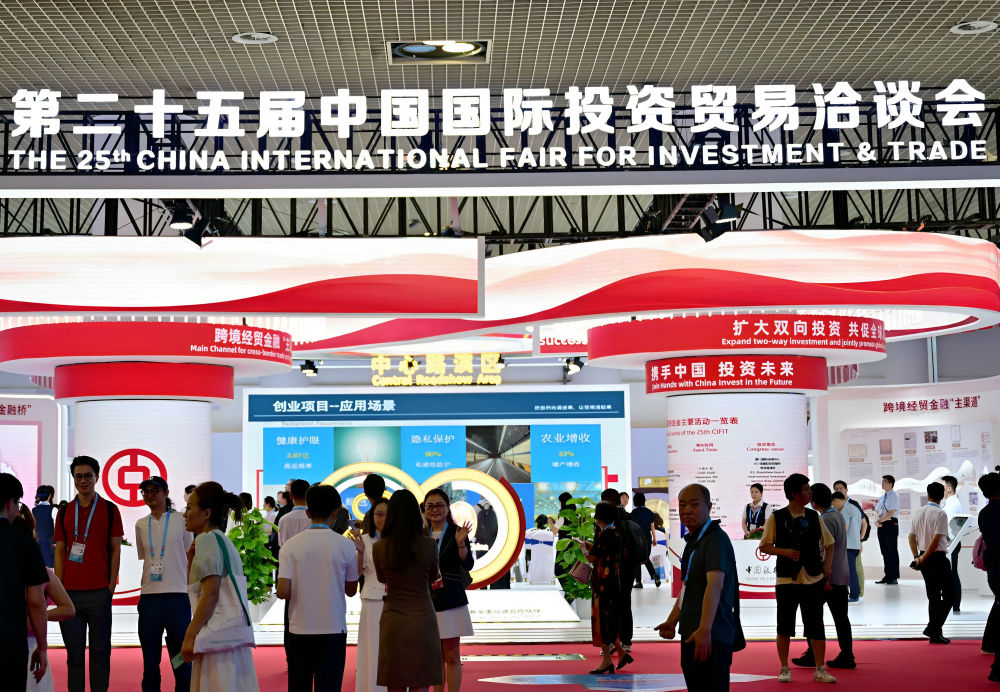
Core Points - The upcoming China International Import Expo (CIIE) is set to attract global exhibitors, showcasing a commitment to high-quality development and open cooperation in the face of global economic uncertainty [1][2] - China's leadership emphasizes the importance of inclusive economic globalization and aims to share development opportunities with the world [4][11] Group 1: International Exhibitions and Trade - The CIIE and other international trade fairs are seen as platforms for foreign businesses to engage with the Chinese market, highlighting the benefits of China's open policies [2][4] - Over 120 countries and regions participated in the recent China International Investment and Trade Fair, showcasing China's role as a major contributor to global economic stability [3][4] Group 2: Foreign Investment and Business Environment - Foreign companies, such as Austria's Zotter Chocolate, express appreciation for China's favorable business environment and the opportunities presented by national-level exhibitions [2] - China's commitment to expanding high-level openness is recognized by global leaders, who see it as a vital source of development opportunities [4][11] Group 3: Innovation and Technology - China is advancing in artificial intelligence and digital transformation, positioning itself as a leader in global technological innovation [5][7] - Companies like ON Semiconductor highlight the rapid market response and innovation capabilities fostered by China's large consumer base and technological advancements [7][9] Group 4: Global Economic Cooperation - Amid rising protectionism, China advocates for multilateralism and free trade, aiming to build an open world economy [11][14] - Experts emphasize the importance of China's initiatives in promoting global service trade and technological cooperation, which enhance competitiveness and foster inclusive participation [14][16]
特稿丨让开放的阳光温暖世界经济——从国际展会看中国机遇
Xin Hua Wang· 2025-10-05 11:43
Core Viewpoint - The article emphasizes China's commitment to high-level openness and cooperation in the global economy, particularly through international trade exhibitions, which serve as platforms for foreign businesses to engage with the Chinese market and share in its development opportunities [1][5][12]. Group 1: International Trade Exhibitions - The upcoming China International Import Expo will attract exhibitors from around the world, showcasing products and fostering business interactions, thereby enhancing China's role in global trade [1]. - Various international trade fairs, such as the Investment Trade Fair and the Service Trade Fair, have seen participation from over 120 countries, highlighting China's appeal as a market for foreign investment [3][14]. - Companies like Austria's Zotter Chocolate have leveraged these exhibitions to introduce new products and engage directly with Chinese consumers, benefiting from China's open economic policies [3][5]. Group 2: China's Economic Policies - China's leadership, as articulated by President Xi Jinping, underscores the nation's role as a stabilizing force in the global economy, advocating for inclusive economic globalization and the reduction of trade barriers [5][12]. - The country is actively expanding its institutional openness, creating a market-oriented and legally sound business environment to attract foreign investment [5][12]. - China's approach to economic globalization is seen as a counter to rising protectionism and unilateralism, promoting a collaborative international economic framework [12][16]. Group 3: Innovation and Technology - China is positioned as a leader in innovation, particularly in artificial intelligence and digital transformation, which are reshaping global industries [6][7]. - Companies like ON Semiconductor have established a strong presence in China, recognizing the market's potential for rapid product iteration and technological advancement [7]. - The collaboration between Chinese firms and global technology leaders is fostering a dynamic environment for innovation, enhancing the global competitiveness of all parties involved [10][12]. Group 4: Global Economic Cooperation - The article highlights the importance of multilateral cooperation in addressing global economic challenges, with China advocating for a more inclusive and equitable trade system [12][16]. - Experts from various countries commend China's efforts to facilitate global trade and technology transfer, which are crucial for maintaining an open international market [14][16]. - The ongoing commitment to building an open world economy is seen as essential for fostering collaborative innovation and sustainable development among nations [12][16].
让开放的阳光温暖世界经济——从国际展会看中国机遇
Xin Hua She· 2025-10-05 09:32
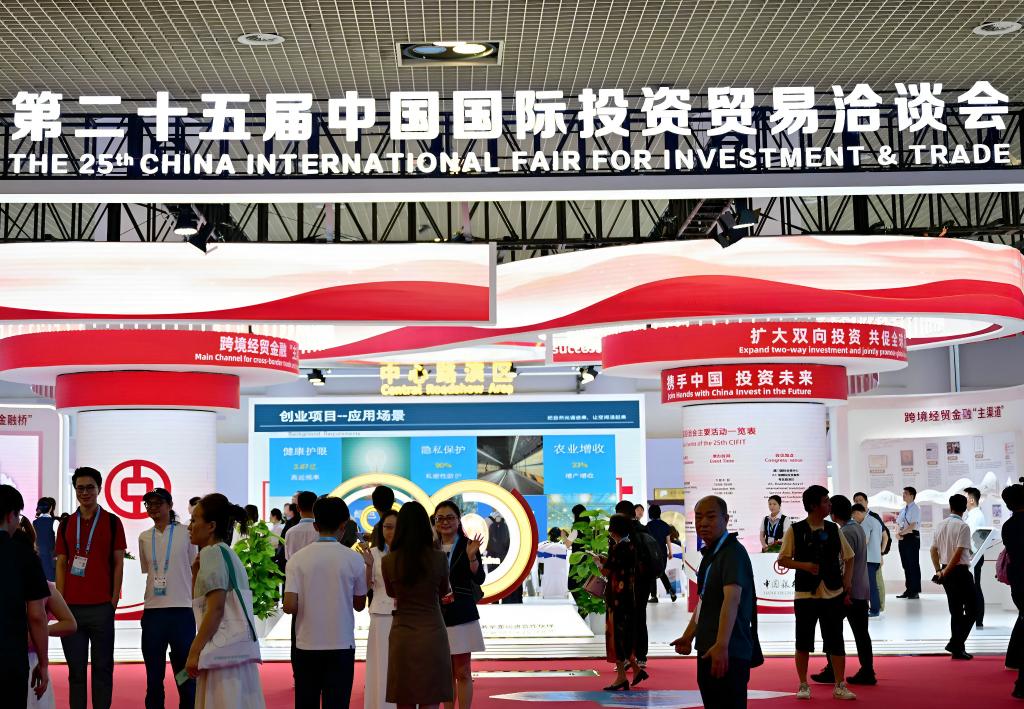
Group 1 - The upcoming China International Import Expo (CIIE) is expected to attract global exhibitors, showcasing opportunities for foreign businesses in the Chinese market [1] - Various international trade fairs in China, such as the Investment Trade Fair and Service Trade Fair, highlight China's commitment to open cooperation and high-quality development [2][6] - China's open policies and favorable business environment are benefiting foreign enterprises, as emphasized by executives from companies like Austria's Zotter Chocolate [2][4] Group 2 - The significance of the Investment Trade Fair is underscored by the challenges of rising trade barriers and the need for innovative cooperation to promote sustainable global development [3][6] - China's innovation-driven development strategy is fostering new industries and business models, particularly in AI and digital transformation, creating new opportunities for global partners [4][5] - Companies like ON Semiconductor are leveraging China's large market and rapid product iteration to enhance their global competitiveness [4] Group 3 - China's commitment to promoting inclusive economic globalization and opposing protectionism is crucial for maintaining an open international market [6][8] - The establishment of free trade zones and the hosting of international trade events are part of China's strategy to enhance global service trade cooperation [6][8] - Observers note that China's support for global cooperation and technology transfer is vital for avoiding disruptive "decoupling" in international markets [7][8]
