
检验检测认证

Search documents
上海新政激活六大行业吸金潜力,金融创新将成促消费重要手段
Di Yi Cai Jing· 2026-01-13 13:31
Core Viewpoint - The new policy emphasizes systematic linkage and quality competition on the supply side, aiming to enhance service quality and stimulate consumption in Shanghai's service industry [1][2][3]. Group 1: Policy Measures - The "Several Measures" document outlines 28 policy initiatives targeting six key sectors: finance, information services, transportation, cultural and entertainment services, life services, and inspection and certification [1][6]. - The focus is on optimizing supply and expanding consumption to create new growth points in the service sector [1][2]. - The policy integrates finance directly into consumption promotion, addressing personal consumer finance, insurance product innovation, and financial support for service industry operators [1][9]. Group 2: Economic Strategy - The strategic shift in Shanghai's consumption promotion focuses on long-term structural changes rather than short-term stimulus, aligning with national directives to expand domestic demand [2][3]. - The service sector and consumption have shown positive growth trends, with service value added increasing by 5.9% and retail sales of consumer goods growing by 5% in the first eleven months of 2025, both surpassing national averages [2][6]. Group 3: Industry Focus - The six targeted industries account for approximately 60% of Shanghai's service sector value added and about 70% of service consumption [6]. - The policy aims to break down industry barriers and promote deep integration across various fields, creating a "service + consumption" ecosystem [3][4]. Group 4: Quality and Innovation - The measures highlight the importance of high-quality service supply to drive consumption demand, with a focus on digitalization and cross-industry integration [4][5]. - Specific initiatives include enhancing the quality of cultural and entertainment offerings, supporting high-level exhibitions, and promoting the gaming and esports industries [6][7]. Group 5: Financial Support - The policy emphasizes the integration of consumption scenarios with financial services, encouraging the development of tailored financial products for sectors like elderly care and wealth management [9][10]. - Financial support is aimed at easing payment pressures for consumers and providing funding assistance to service industry operators [10][11].
上海发布28条新政促消费
Di Yi Cai Jing Zi Xun· 2026-01-13 10:50
Core Insights - Shanghai has introduced a new policy document aimed at enhancing service quality and boosting consumption, marking a shift from short-term stimulus measures to a long-term strategic focus on service and consumption interlinkage [2][3] Group 1: Policy Measures - The new measures consist of 28 policy initiatives designed to optimize supply and expand consumption, fostering new growth points in service supply and consumer demand [2][3] - The focus is on systemic interlinkage, emphasizing quality competition on the supply side and signaling a clear policy direction to promote consumption through quality [2][4] Group 2: Economic Context - The service sector and consumption in Shanghai have shown positive growth trends, with service value added increasing by 5.9% and retail sales of consumer goods growing by 5% in the first eleven months of 2025, both surpassing national averages [3][4] - The interlinkage between service and consumption is seen as essential for stabilizing growth and supporting domestic demand [3][4] Group 3: Industry Focus - The policy targets six key industries: finance, information services, transportation, cultural and entertainment services, life services, and inspection and certification, which together account for about 60% of Shanghai's service sector value added [5][6] - Financial innovation is highlighted as a crucial driver for consumption and industry growth, with an emphasis on integrating consumption scenarios with financial products [5][6] Group 4: Consumer Experience Enhancement - The measures aim to enhance the quality and diversity of life services, including the establishment of employee-based housekeeping companies and the promotion of "no companion care" services in medical institutions [7][8] - The document outlines initiatives to improve brand certification, standard systems, and inspection services, aiming to enhance consumer trust and service quality [8] Group 5: Implementation Strategy - The Shanghai government plans to ensure effective implementation of the measures by coordinating service supply with consumer demand and creating a conducive policy environment [9][10] - Emphasis is placed on cross-departmental collaboration to avoid policy fragmentation and to establish a dynamic evaluation mechanism for monitoring policy effectiveness [10]

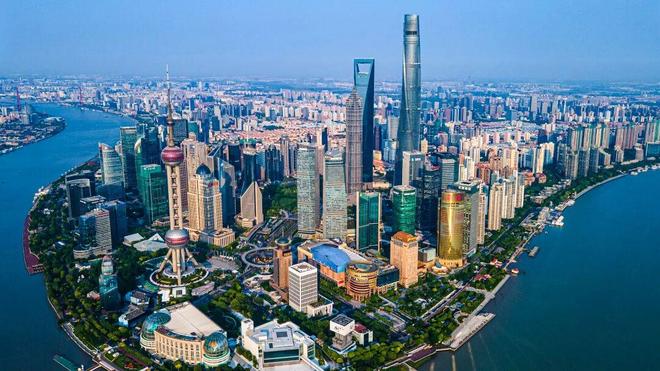
上海发布28条新政促消费
第一财经· 2026-01-13 10:11
Core Viewpoint - The article discusses the recent measures introduced by Shanghai to enhance the quality of the service industry and stimulate consumption, emphasizing a strategic shift from short-term stimulus to long-term systemic development [3][5]. Group 1: Policy Measures - Shanghai has issued 28 policy measures aimed at optimizing supply and expanding consumption to foster new growth points in service supply and consumer demand [3][5]. - The focus of the new policies is on systemic linkage, emphasizing quality competition on the supply side to enhance service industry value and stimulate consumption [3][6]. Group 2: Economic Context - Since 2025, Shanghai's service industry has shown a positive growth trend, with a 5.9% increase in value added and a 5% rise in retail sales of consumer goods, both surpassing national averages [5][6]. - The measures aim to address challenges such as supply structure lagging behind consumption upgrades and the need for better integration of service and consumption sectors [5][6]. Group 3: Key Industries - The policies target six key sectors: finance, information services, transportation, cultural and entertainment services, life services, and inspection and certification, which together account for about 60% of Shanghai's service industry value added [7][8]. - The integration of these sectors is expected to create a closed-loop policy chain that enhances service consumption [7]. Group 4: Financial Innovation - The new policies emphasize the integration of consumption scenarios with consumer finance, supporting the development of financial products tailored to needs such as elderly care and wealth management [8]. - E-commerce platforms are encouraged to shift from price competition to quality competition, driving traffic to offline and quality consumption [8]. Group 5: Cultural and Entertainment Sector - The measures include initiatives to enhance the supply of cultural and entertainment services, such as supporting high-quality exhibitions and sports events, which have shown significant demand growth [9]. - For instance, a recent exhibition in Shanghai attracted over 2.77 million visitors and generated over 760 million yuan in revenue, significantly boosting overall city consumption [9]. Group 6: Institutional Support - The policies aim to strengthen institutional support by transitioning from policy support to a dual-driven approach of "institution + market," focusing on regulatory standards and credit systems to foster sustainable development [10]. - Key initiatives include enhancing brand certification, improving standard systems, and strengthening inspection and testing services to boost consumer confidence [10]. Group 7: Implementation and Coordination - The Shanghai government plans to ensure effective implementation of the measures by coordinating service supply with consumer demand and creating a conducive environment for policy support [12][13]. - Emphasis is placed on cross-departmental collaboration to avoid policy fragmentation and to establish a dynamic evaluation mechanism to monitor the effectiveness of the policies [13].

上海发布28条新政促销费,战略重心转变,聚焦六大行业
Di Yi Cai Jing· 2026-01-13 08:51
Core Viewpoint - Shanghai's service industry and consumption are showing strong growth, with service value added increasing by 5.9% in the first three quarters of 2025 and retail sales of consumer goods growing by 5% from January to November, both surpassing national averages. The new policy measures aim to enhance the synergy between service quality improvement and consumption expansion, marking a strategic shift from short-term stimulus to long-term development [1][3][4]. Group 1: Policy Measures - The newly issued measures include 28 policy initiatives focused on optimizing supply and expanding consumption, aiming to cultivate new growth points in service supply and consumer demand [1][4]. - The measures emphasize a systematic linkage between supply and demand, highlighting the importance of quality competition in the service sector and signaling a shift from scale expansion to value enhancement [2][4]. - The policy aims to create a virtuous cycle of "supply upgrade—consumption boost—industry income—reinvestment," particularly through the integration of cultural, tourism, and sports sectors [3][4]. Group 2: Industry Focus - The measures target six key industries: finance, information services, transportation, cultural and entertainment services, life services, and inspection and certification, which together account for approximately 60% of Shanghai's service industry value added [5][6]. - Financial innovation is highlighted as a crucial support for consumption and industry development, with a focus on integrating consumption scenarios with financial products tailored to various needs [6][8]. - The transportation sector is set to enhance service quality through refined management and diverse product offerings, aiming to boost both tourist and consumer flows [6][7]. Group 3: Implementation and Coordination - The government emphasizes the need for effective implementation of the measures, focusing on coordinating service supply with consumer demand and ensuring supportive policy environments [9][10]. - A cross-departmental collaboration mechanism is essential to avoid policy fragmentation and ensure that financial product innovations align with market needs [10]. - Continuous monitoring and evaluation of policy effectiveness through consumer data will be crucial for timely adjustments and resource allocation [10].
上海最新“28条”服务业举措解读:抓住消费市场结构转变的关键时期
Sou Hu Cai Jing· 2026-01-13 04:44
Core Viewpoint - The shift from goods consumption to service consumption is expected to become the main driver of growth during the 14th Five-Year Plan period, with Shanghai positioned as a leader in this transition, emphasizing the importance of enhancing service consumption quality and capacity to implement the strategy of expanding domestic demand [1][3]. Group 1: Policy Measures - The "Several Measures" released by Shanghai aim to promote the quality and efficiency of the service industry and stimulate consumption, setting clear and actionable mechanisms and pathways for development [1][3]. - The measures include 28 policy initiatives focusing on financial product innovation, platform consumption regulation, enriching consumption scenarios, and enhancing the life service industry [3][4]. Group 2: Economic Performance - Shanghai's service industry and consumption have shown positive growth, with a 5.9% increase in service industry value added and a 5% rise in retail sales of consumer goods from January to November 2025, both exceeding national averages [1][3]. - By 2024, the proportion of per capita service consumption expenditure in China increased from 39.7% in 2013 to 46.1%, indicating a significant shift towards service consumption [3]. Group 3: Sector-Specific Initiatives - The measures emphasize six key sectors: finance, information services, transportation, culture and entertainment, life services, and inspection and certification, which together account for about 60% of the city's service industry value added [4][5]. - In the financial sector, initiatives include supporting the development of consumer credit and insurance products to stimulate new demand [5]. - Transportation initiatives focus on enhancing high-quality service offerings and promoting collaboration between airlines, travel agencies, and hotels to create integrated travel products [5][6]. Group 4: Cultural and Sports Events - Shanghai plans to host 182 international and domestic sports events in 2025, with a projected 35% year-on-year growth in sports consumption during major events [6]. - The measures propose new incentive mechanisms for event revenue sharing and encourage the development of cultural and sports events to maximize economic impact [6][7]. Group 5: Service Quality Improvement - The measures include mechanisms for brand certification, inspection, and credit systems to enhance consumer confidence and promote market quality upgrades [8]. - There is a focus on regulating platform consumption to ensure fair competition and reasonable profit distribution among platform operators [8].
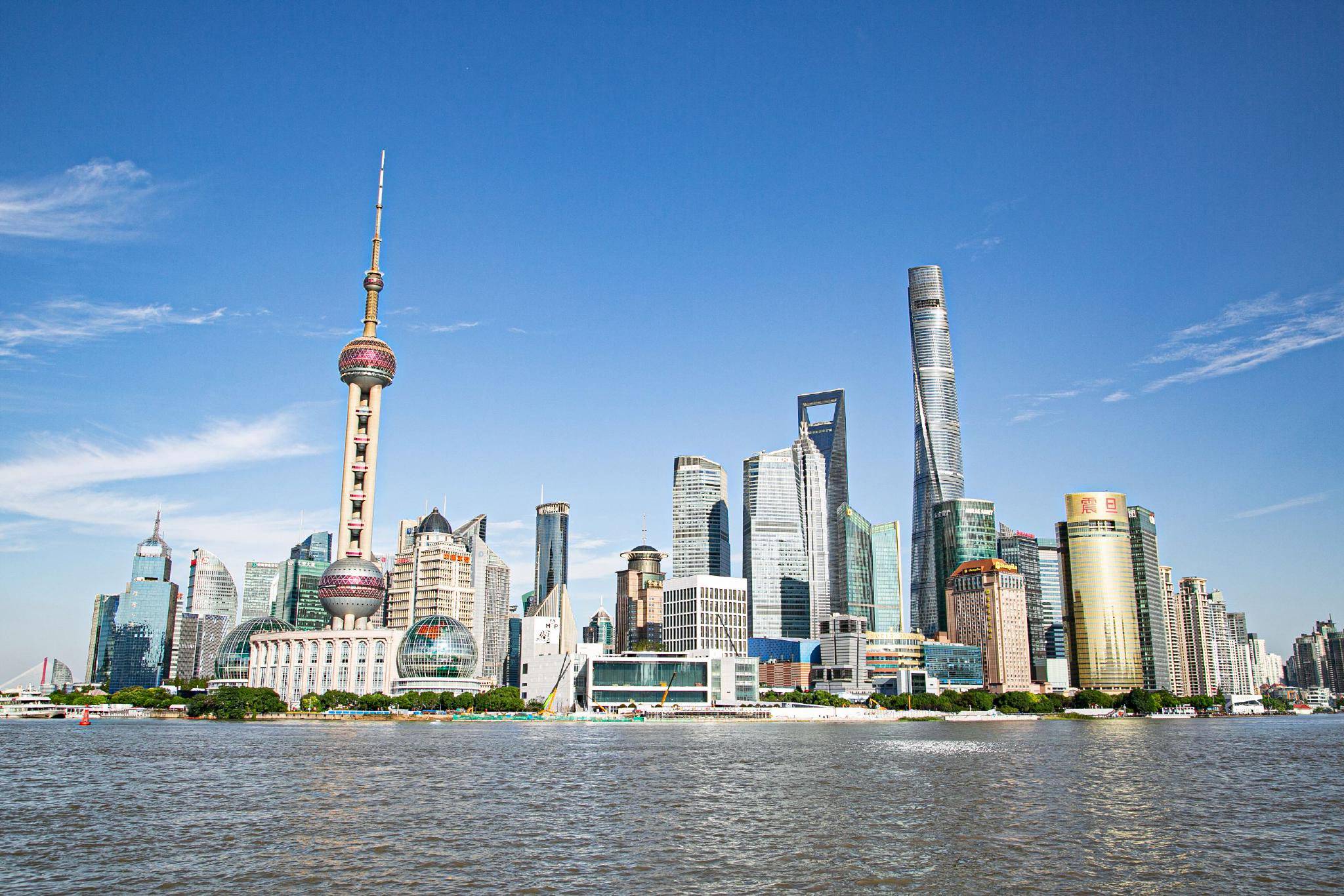
刚刚,上海宣布大利好
Zhong Guo Ji Jin Bao· 2026-01-13 04:14
Core Viewpoint - Shanghai has released 28 measures to promote the quality improvement and expansion of the service industry and consumption, focusing on optimizing supply and expanding demand to drive mutual growth [1][2]. Group 1: Background and Objectives - The measures are in response to the 20th National Congress of the Communist Party's call to expand domestic demand and enhance service consumption potential, with service industry value added growing by 5.9% and retail sales increasing by 5% in the first eleven months of 2022, both exceeding national averages [2][3]. - The aim is to create new growth points in service supply and consumption demand, facilitating high-quality development in the service sector [2][3]. Group 2: Key Measures - The measures focus on six key sectors: finance, information services, transportation, cultural and entertainment, life services, and inspection and certification, which together account for approximately 60% of the city's service industry value added and 70% of service consumption [5]. - Financial services will be enhanced by developing innovative products tailored to new consumption patterns, including personal consumption loans and insurance products [12][13]. - E-commerce platforms will be encouraged to shift from price competition to quality competition, driving offline consumption and enhancing service quality [14]. Group 3: Transportation and Cultural Services - Transportation services will be improved to connect various consumption scenarios, with initiatives to enhance service quality and develop diverse products [15][16]. - Cultural and entertainment sectors will see increased support for high-quality exhibitions and events, with measures to enhance the impact of sports events and promote the gaming and esports industry [17][18]. Group 4: Life Services and Quality Improvement - Life services will focus on improving the quality of home care, elderly care, and healthcare services, with specific initiatives to enhance service standards and accessibility [20][21][22]. - The measures aim to create a virtuous cycle of quality supply and consumer demand in life services [20]. Group 5: Brand and Standards Enhancement - The initiative includes strengthening brand certification and establishing a robust standard system to enhance consumer trust and service quality [23][24]. - The inspection and certification industry will be supported to improve service capabilities and foster a reliable consumption environment [24]. Group 6: Support and Talent Development - The government will enhance financial support and policy coordination to stimulate service industry growth and consumer spending [25][26]. - Talent attraction and development will be prioritized to ensure a skilled workforce in the service and consumption sectors [26].
刚刚,上海宣布大利好
中国基金报· 2026-01-13 03:52
Core Viewpoint - Shanghai's government has released 28 measures to enhance the quality and efficiency of the service industry and stimulate consumption, focusing on optimizing supply and expanding demand to achieve mutual empowerment and progress [5][12]. Group 1: Background and Considerations - The measures are in response to the 20th National Congress's call to expand domestic demand and the Central Economic Work Conference's emphasis on boosting consumption and service industry capacity [5]. - In the first three quarters of 2025, the service industry's added value grew by 5.9%, and retail sales of consumer goods increased by 5%, both surpassing national averages [5]. - The measures aim to create new growth points in service supply and consumption demand, promoting high-quality development in the service sector [6]. Group 2: Key Measures - The focus is on six key sectors: finance, information services, transportation, cultural and entertainment services, life services, and inspection and certification, which together account for about 60% of the city's service industry value [7]. - Financial services will be enhanced to support diverse consumer needs, including the development of new financial products tailored to various consumption scenarios [7][13]. - E-commerce platforms will be encouraged to shift from price competition to quality competition, driving offline consumption and enhancing consumer experience [7][16]. Group 3: Transportation and Cultural Services - Transportation services will be improved to connect various consumption scenarios, enhancing the overall consumer experience and reducing travel costs [8][17]. - Cultural and entertainment offerings will be expanded, including support for high-quality exhibitions and events that drive significant economic impact [9][19]. - The gaming and esports industry will be developed further, with initiatives to support high-level competitions and foster a robust ecosystem [9][20]. Group 4: Life Services and Quality Improvement - Life services will be enhanced to improve quality and convenience, including initiatives for home care, elderly care, and healthcare services [10][22]. - The government will support the transformation of home service companies into employee-based models, enhancing service quality and providing insurance for service personnel [22][23]. - Medical services will be diversified, promoting high-end healthcare and encouraging the development of specialized insurance products [23][24]. Group 5: Brand and Standards Enhancement - The measures will strengthen brand certification and establish a robust standard system to enhance consumer trust and service quality [11][24]. - The inspection and certification industry will be supported to improve service capabilities, focusing on high-demand sectors such as food and cosmetics [11][25]. - A consumer credit system will be developed to promote transparency and trust in the marketplace [11][26]. Group 6: Support and Talent Development - The government will enhance financial support for service providers, ensuring effective use of fiscal resources to stimulate growth [27][28]. - Talent attraction initiatives will be implemented to draw skilled professionals to the service and consumption sectors, fostering innovation and development [28][29]. - Statistical monitoring will be improved to assess the effectiveness of policies and optimize measures for service industry growth [28].
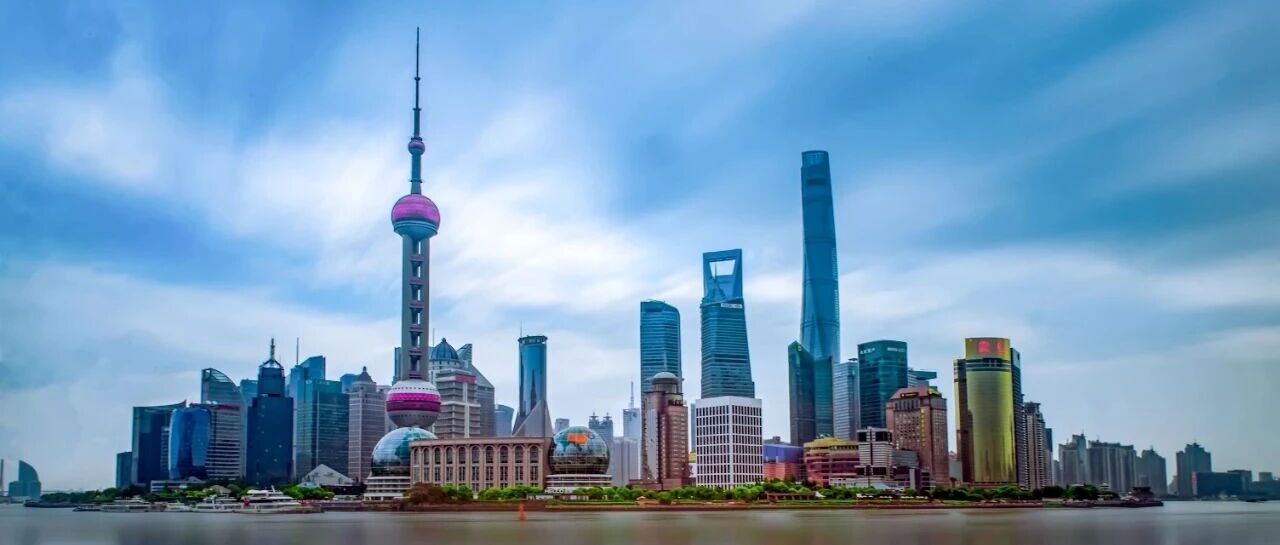
上海出台28条举措,塑造“服务供给-消费需求”良性互动
Sou Hu Cai Jing· 2026-01-13 02:35
Core Viewpoint - Shanghai is implementing systematic measures to boost consumption and expand domestic demand, focusing on optimizing supply and expanding consumption to promote the development of the service industry and consumer interaction [1] Group 1: Measures and Focus Areas - The Shanghai government has introduced 28 specific measures across six key sectors: finance, information services, transportation, cultural and entertainment, life services, and inspection and certification [1] - The measures aim to create a sustainable consumption ecosystem by addressing not only the availability of consumption but also the willingness, capability, and quality of consumption [1][2] Group 2: Economic Context and Growth - Service consumption has become a crucial engine for economic growth, with service industry value added growing by 5.9% and retail sales of consumer goods increasing by 5% from January to November, both surpassing national averages [2] - Despite growth, there are bottlenecks in the service consumption sector, such as difficulties in accessing cultural and entertainment services, diverse needs in healthcare and elderly care, and insufficient financial products to meet new demands [2] Group 3: Supply and Demand Dynamics - The measures emphasize a dual approach of optimizing supply and driving demand, addressing key bottlenecks that restrict consumption potential [4] - In the financial sector, measures include enhancing personal consumer finance services and providing financial support to businesses and infrastructure to stimulate quality supply [4] Group 4: Quality Assurance and Consumer Confidence - The measures propose strengthening brand certification, improving standard systems, and enhancing inspection services to ensure high-quality supply, which is essential for consumer confidence [5] - When consumers can easily identify and trust high-quality services, they are more likely to spend on better experiences, thereby pushing the service industry to improve standards and quality [5] Group 5: Cultural and Entertainment Sector Initiatives - The measures aim to stimulate innovation in the cultural and entertainment sectors by enhancing supply and leveraging the economic impact of events, such as the successful exhibition at the Shanghai Museum that attracted over 2.77 million visitors and generated significant revenue [6][8] - Initiatives include supporting high-quality exhibitions, developing independent event IPs, and promoting collaboration between cultural resources and tourism products [8] Group 6: Support and Implementation Framework - A robust support system has been established to ensure the effective implementation of the measures, including reforms, financial support, talent cultivation, and enhanced monitoring [10] - The government plans to coordinate support policies with environmental improvements to foster a conducive atmosphere for sustained consumption growth [11]
合百集团等成立检验检测认证公司
Zheng Quan Shi Bao Wang· 2025-12-29 07:49
Group 1 - A new company, Hefei Inspection and Testing Certification Co., Ltd., has been established with a registered capital of 500 million yuan [1] - The legal representative of the company is Fu Jian, and its business scope includes inspection and testing services, certification services, certification consulting, standardization services, environmental consulting services, and safety consulting services [1] - The company is jointly owned by Hefei Construction Investment Holding (Group) Co., Ltd. and HeBai Group (stock code: 000417) [1]

推行“首违不罚”等柔性执法措施
Liao Ning Ri Bao· 2025-12-10 01:02
Group 1 - The core viewpoint of the news is the introduction of 20 key measures by the Liaoning Provincial Market Supervision Administration to enhance the business environment, focusing on market access, competition order, regulatory services, development environment, and consumer protection [1][2] Group 2 - To create an efficient market access environment, the measures include implementing full electronic registration, accelerating the integration of platform system functions, and enhancing administrative approval standardization to provide better services to enterprises and the public [1] - In terms of ensuring fair market competition, the measures propose improving the fair competition review mechanism and increasing scrutiny of pricing in essential sectors such as education, healthcare, and elderly care [1][2] - The initiative emphasizes the promotion of service-oriented law enforcement, introducing flexible enforcement measures like "no penalty for first-time violations" and "exempting minor violations from penalties" [2] Group 3 - The measures aim to strengthen quality management in enterprises and promote participation in the development of international and national standards, alongside enhancing the certification industry [2] - There is a focus on improving the consumer environment through comprehensive food safety regulation and the revision of the Food Safety Regulations in Liaoning Province [2] - The initiative also includes efforts to enhance the quality supervision of consumer goods and strict management of industrial product production licenses [2]