
油气开发

Search documents
外商投资统计调查制度
Guo Jia Tong Ji Ju· 2025-11-11 06:51
Group 1 - The core objective of the system is to organize foreign investment statistics in China effectively, in accordance with relevant laws and regulations [1] - The statistical survey targets foreign-invested enterprises, financial branches, and oil and gas development projects operating within China [2] - The main indicators investigated include the number of newly established enterprises, contracted foreign capital, and actual utilized foreign capital [3] Group 2 - A comprehensive statistical survey method is employed, utilizing foreign investment information reports as the foundational data [4] - The Ministry of Commerce is responsible for the aggregation, publication, and external communication of national foreign investment statistics [5] - Monthly statistics on actual utilized foreign capital will be published by the Ministry of Commerce within 30 days after the end of each month, with annual data released in the "China Foreign Investment Statistical Bulletin" [6]
3公司合并成立格陵兰能源公司
Zhong Guo Hua Gong Bao· 2025-10-22 02:29
Core Viewpoint - The merger between Greenland Exploration Company, Pelican Acquisition Company, and March GL has resulted in the formation of Greenland Energy Company, the first U.S. publicly listed company focused on oil and gas development in the Jameson Land Basin of Greenland, which is considered one of the most promising untapped hydrocarbon basins in the Arctic region [1] Group 1: Company Formation and Objectives - Greenland Energy Company aims to accelerate drilling and scientifically assess the resource base of the Jameson Land Basin, leveraging existing infrastructure and new investments [1] - The merger is expected to unlock significant energy potential in Greenland, bringing it to a global stage [1] Group 2: Strategic Importance - The merger is viewed as strategically significant for the U.S. and its allies, providing a platform to responsibly unlock Greenland's vast potential and ensure U.S. energy security, economic diversification, and strategic independence [1] - March GL has reprocessed 2D seismic data to identify over 50 potential oil and gas targets in the basin, which has a recoverable resource estimated in billions of barrels [1]
9月全球投资十大主线
一瑜中的· 2025-10-10 16:04
Group 1 - The global asset performance in September shows that global stocks outperformed other asset classes, with a return of 3.31%, followed by global bonds at 0.65%, and commodities at 0.05% [2] - The international spot gold price has recently continued its strong upward momentum, breaking through $3,800 per ounce at the end of September, driven by multiple systemic factors and market sentiment [4][12] - Despite the U.S. government shutdown, the stock market showed resilience, with the Dow Jones Industrial Average and S&P 500 reaching historical highs, buoyed by optimistic market sentiment and expectations of a Federal Reserve rate cut [4][17] Group 2 - The credit spread for U.S. high-yield corporate bonds narrowed to a historical low of 2.67% by the end of September 2025, indicating high investor confidence in corporate credit quality [5][20] - Global fund managers increased their allocations to stocks, pharmaceuticals, communications, consumer discretionary, and technology, while reducing exposure to the UK, utilities, energy, Eurozone, and emerging markets [6][23] - The Indian stock market has underperformed the MSCI Asia-Pacific index for five consecutive months, reflecting a divergence between foreign and domestic investor sentiment [6][28] Group 3 - Speculative net positions in Japanese yen have decreased to 79,500 contracts, indicating a waning bullish sentiment towards the yen [6][31] - The volatility ratio of emerging market currencies to G7 currencies has continued to decline, reaching a low of 0.76, improving the risk-return profile for carry trades [6][36] - The scale of reserves held by banks at the Federal Reserve has fallen below $3 trillion, the lowest level since the beginning of the year, due to large-scale Treasury issuance and ongoing quantitative tightening [6][39] Group 4 - The S&P 500 index and the MOVE index (a measure of U.S. Treasury market volatility) have shown a strong correlation, suggesting that the current stock market rally is supported by low interest rate volatility [6][42] - The overnight interbank offered rate in Hong Kong surged to 5.35%, the highest level in nearly a year, highlighting short-term funding market tensions [6][45] Group 5 - From a fundamental perspective, the weekly economic activity index has shown signs of recovery, indicating a potential divergence between asset prices and economic fundamentals [6][47] - From a sentiment perspective, the market sentiment index has rebounded, reflecting improved investor confidence [6][63]


戈壁上“铸”光盾!全球首个超稠油光热开发项目投产运行
Sou Hu Cai Jing· 2025-09-15 14:58
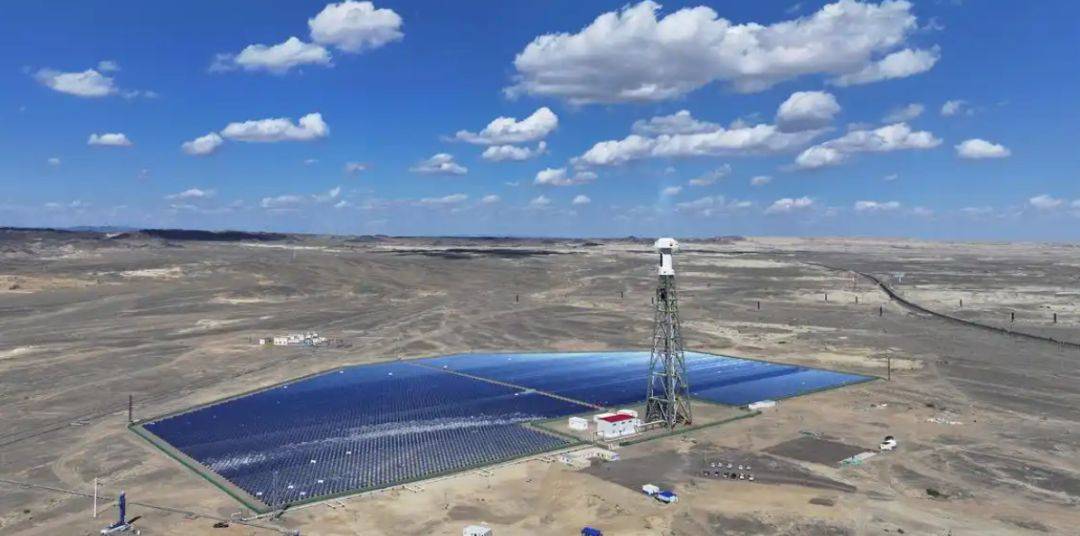
Core Viewpoint - The project marks a significant technological breakthrough in China's green and low-carbon transformation of oil and gas development, providing a replicable and promotable "Chinese solution" for the global heavy oil extraction sector [1][5]. Group 1: Project Overview - The project, located in the Karamay City of Xinjiang, covers an area of 150,000 square meters with a solar collection area of 51,500 square meters [3]. - It utilizes intelligent control of thousands of lightweight modular heliostats to reflect sunlight to a 113-meter high heat-absorbing tower, producing high-temperature steam at 305°C for underground injection to meet heavy oil thermal extraction needs [3][4]. Group 2: Innovative Technologies - The project innovatively uses underground steam chambers for thermal energy storage, allowing for continuous heat release during nighttime, achieving the economic and environmental goal of "zero-carbon oil extraction" [4]. - It successfully developed four pioneering technologies, including the "solar thermal-SAGD" integrated process and "mirror-furnace-control" integrated equipment, leading in six key indicators such as gas supply parameters and system reliability [5]. Group 3: Environmental Impact - The solar thermal conversion efficiency of the project is at an industry-leading level, capable of supplying 52,000 tons of high-quality superheated steam annually, replacing 3.92 million cubic meters of natural gas, and reducing carbon emissions by 8,500 tons [5].

8月全球投资十大主线
一瑜中的· 2025-09-07 15:03
Core Viewpoint - The article provides an analysis of global asset performance and macroeconomic indicators, highlighting trends in various markets and potential investment opportunities. Group 1: Global Asset Performance - In August, global asset performance ranked as follows: global stocks (2.45%) > global bonds (1.45%) > RMB (0.97%) > 0% > commodities (-0.77%) > USD (-2.20%) [2] - The Bloomberg Federal Reserve sentiment index has declined, which may lead to a decrease in US Treasury yields [4][11] - The 10-year government bond yield spread between France and Italy has narrowed to near zero, indicating a reassessment of fiscal and political risks in both countries [4][15] Group 2: Market Trends and Fund Manager Behavior - There is a divergence between cyclical and defensive sectors in the US stock market, with cyclical stocks outperforming despite a weak ISM manufacturing PMI [4][17] - Global fund managers have increased their allocations to emerging markets and equities while reducing exposure to pharmaceuticals, the Eurozone, and REITs [4][20] Group 3: Credit and Commodity Insights - The credit impulse index in China has been rising, which may limit the upward momentum of the USD index [4][23] - Speculative net positions in WTI crude oil futures have dropped to the lowest level since 2012, reflecting cautious market sentiment towards oil prices [4][25] - The copper-to-oil ratio has been increasing, which may positively impact the CSI 300 index, indicating stronger industrial activity in China [4][27] Group 4: Currency and Gold Market Dynamics - The RMB has appreciated significantly, reaching its highest level since November 2024, driven by easing trade tensions and strong export performance [4][33] - Since 2025, the MSCI Global Gold Miners ETF has significantly outperformed spot gold, showcasing strong momentum in gold mining stocks due to rising gold prices and improved operational efficiencies [4][36]

焦点访谈|“十四五”能源答卷:“基本盘”更加稳固,“含绿量”不断提升
Yang Shi Wang· 2025-08-31 13:33
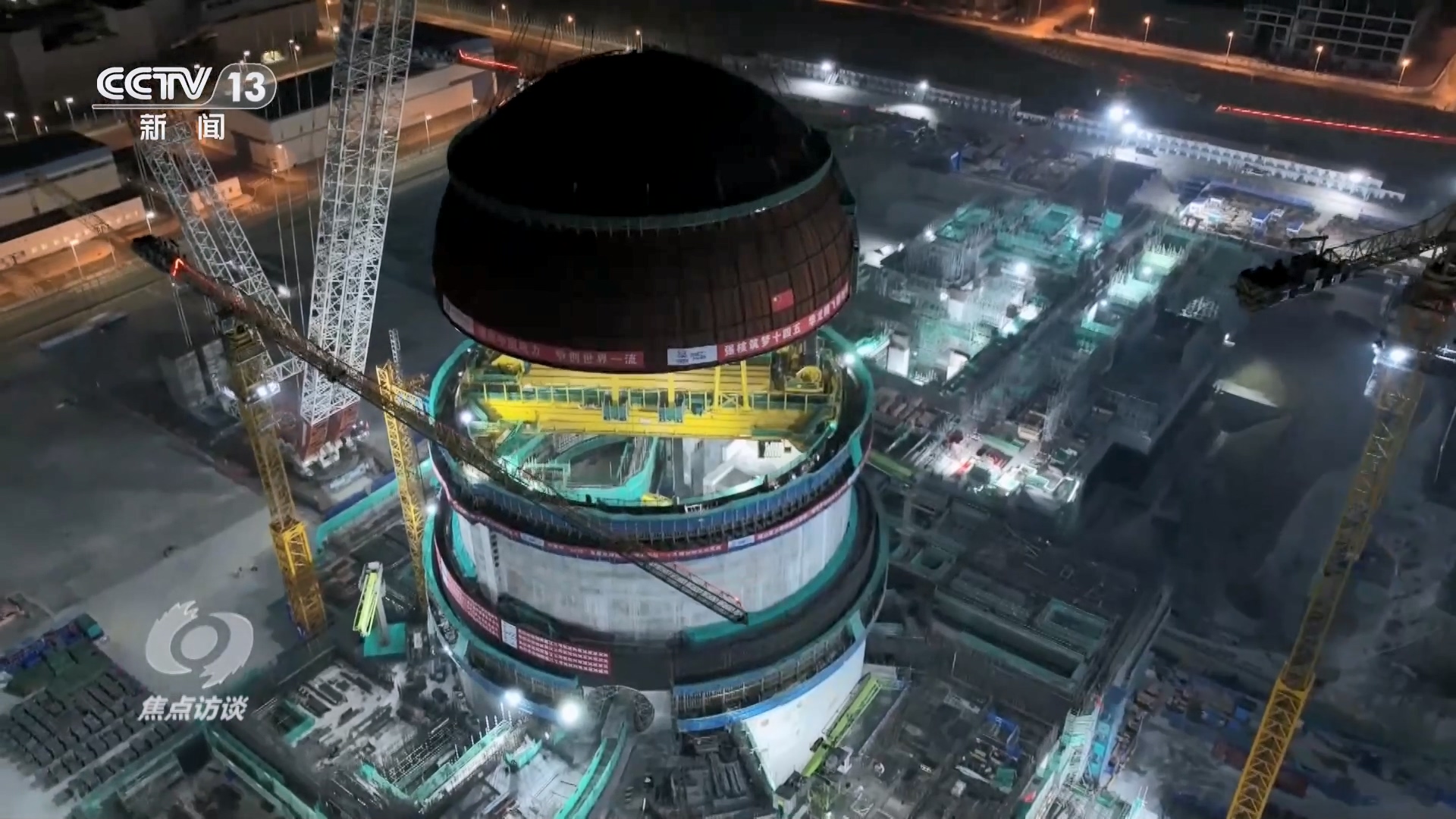
Core Insights - China's energy development has achieved significant breakthroughs during the "14th Five-Year Plan" period, ensuring energy security for over 1.4 billion people and promoting green and low-carbon development [1][16] - The Hainan Changjiang Nuclear Power Phase II project is a major initiative, utilizing the Hualong One third-generation nuclear technology, which is a significant achievement in China's nuclear innovation [3][5] - The energy consumption in China has increased significantly, with a 1.5 times growth compared to the previous five years, and the average annual electricity consumption per capita has doubled over the past decade [7][11] Energy Production and Capacity - During the "14th Five-Year Plan," China approved the construction of 46 nuclear power units with a total installed capacity of 54.5 million kilowatts, resulting in a 30% increase in both operational capacity and annual electricity generation [3][5] - The renewable energy capacity has expanded dramatically, with wind and solar power installations growing from 530 million kilowatts to 1.68 billion kilowatts, and renewable energy generation capacity now accounts for approximately 60% of total installed capacity [11][9] Technological Innovations - Significant advancements in energy technology include breakthroughs in onshore and offshore oil and gas development, as well as improvements in solar and wind energy efficiency [5][9] - The "Desert Energy" base in Tengger Desert has become a model for green energy development, with over 4.4 million solar panels contributing to a stable increase in power generation [9][11] Infrastructure and Energy Distribution - The establishment of a comprehensive energy infrastructure network has facilitated the efficient distribution of energy resources across regions, including major projects like the "West-to-East Power Transmission" and "West-to-East Gas Transmission" [15][16] - The Ningxia to Hunan ±800 kV UHVDC transmission project has been completed, enabling rapid transmission of green electricity over long distances, addressing the challenge of energy consumption in different regions [13][15] Energy Security and Self-Sufficiency - China's energy self-sufficiency rate remains stable at over 80%, which is crucial for economic security and resilience against international market fluctuations [7][11] - The government has invested significantly in rural electrification, enhancing energy supply reliability and ensuring that energy access reaches remote areas [15][16]
人民日报丨“量足价稳”,这是我国能源保障的底气
国家能源局· 2025-08-27 03:06
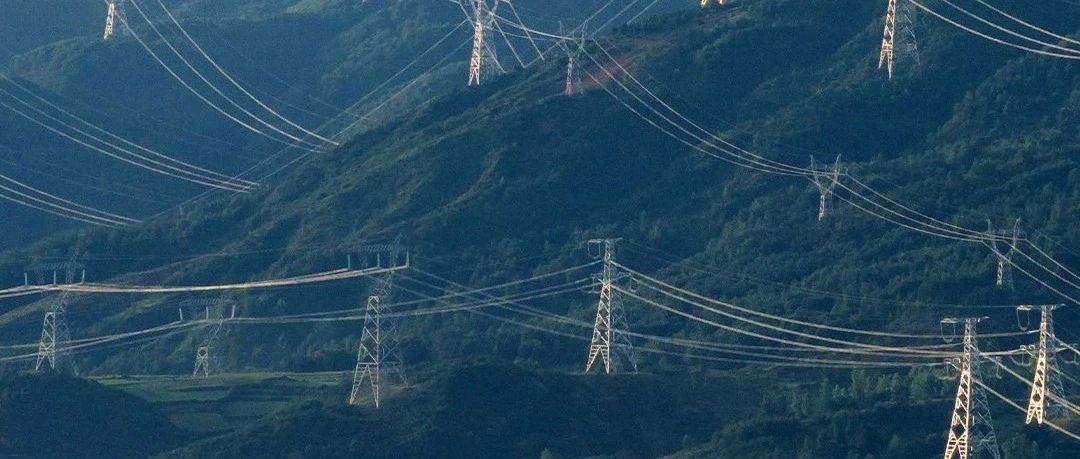
Core Viewpoint - The article discusses the achievements and developments in China's energy sector during the "14th Five-Year Plan" period, highlighting the significant growth in energy consumption, production, and renewable energy infrastructure. Group 1: Energy Consumption and Production - During the "14th Five-Year Plan," China's new electricity consumption is expected to exceed the annual electricity consumption of the European Union [5] - By 2024, China's total electricity generation is projected to surpass 10 trillion kilowatt-hours, accounting for one-third of global electricity generation [7] - The energy production during this period is estimated to reach approximately 5 billion tons of standard coal, representing a significant portion of global energy production [8] Group 2: Infrastructure Development - The energy infrastructure network has become more comprehensive, connecting eastern and western regions and facilitating energy transfer through major projects like "West-East Electricity Transmission" and "North Coal South Transport" [12] - As of July 2023, the number of charging infrastructure units in China reached 16.696 million, ten times the number at the end of the "13th Five-Year Plan," making it the largest in the world [15] Group 3: Renewable Energy Growth - The share of renewable energy generation capacity is expected to increase from 40% to around 60% during the "14th Five-Year Plan" [18] - Wind and solar power installations are projected to grow significantly, with annual additions of 10 million kilowatts and 20 million kilowatts, respectively, showcasing unprecedented development speed [18] - The number of new energy patents in China accounts for over 40% of the global total, indicating strong innovation in the sector [19] Group 4: Environmental Impact - China's exports of wind and solar products have contributed to a reduction of approximately 4.1 billion tons of carbon emissions in other countries [24]
国家能源局:新型储能规模跃居世界第一!智能微电网/虚拟电厂/车网互动规模化应用试点加快推进
中关村储能产业技术联盟· 2025-08-26 03:58
Core Viewpoint - The "14th Five-Year Plan" period marks significant achievements in energy development, focusing on high-quality growth, technological innovation, and the transition to a green and low-carbon energy system [4][11][15]. Group 1: Energy Supply and Demand - During the "14th Five-Year Plan," China's energy consumption growth reached 1.5 times that of the previous five years, with projected new electricity consumption exceeding the annual consumption of the EU [12]. - The total electricity generation in 2024 is expected to surpass 10 trillion kilowatt-hours, accounting for one-third of global production [12]. - The energy supply system has been optimized, with a robust infrastructure network supporting energy distribution across regions [12][13]. Group 2: Green and Low-Carbon Transition - The share of renewable energy in total installed capacity increased from 40% to approximately 60%, with annual additions of wind and solar capacity breaking records [14]. - Non-fossil energy consumption is projected to exceed the "14th Five-Year Plan" target of 20%, with coal's share decreasing by 1 percentage point annually [14]. - China's exports of wind and solar products during this period contributed to a reduction of approximately 4.1 billion tons of carbon emissions in other countries [14]. Group 3: Technological Innovation - The period has seen breakthroughs in energy technology, with China leading in renewable energy patents, accounting for over 40% of global patents [4][15]. - New energy storage capacity has grown nearly 30 times, with installed capacity reaching approximately 95 million kilowatts [5][39]. - The development of smart microgrids and virtual power plants has accelerated, integrating energy with industrial and transportation sectors [5][15]. Group 4: Energy Market Reform - The establishment of a unified national electricity market has progressed, with market transaction volumes increasing from 10.7 trillion kilowatt-hours to 23.8 trillion kilowatt-hours [5][22]. - The number of registered market participants has surged to 970,000, five times that of 2020, indicating a vibrant market environment [16]. - The participation of private enterprises in the energy sector has increased significantly, with over 85% of power facility construction involving private companies [31][32]. Group 5: Investment Trends - Energy investment has shown robust growth, with annual investments exceeding 6 trillion yuan, accounting for nearly 10% of total fixed asset investment [30]. - Renewable energy projects accounted for over 80% of power investment in 2024, highlighting a shift towards sustainable energy sources [31]. - Investment in new energy sectors such as hydrogen and energy storage is becoming a new growth point, with nearly 200 billion yuan allocated in 2024 [5][31]. Group 6: International Cooperation - China has strengthened energy cooperation under the Belt and Road Initiative, signing agreements with over 10 countries to enhance green energy development [33][34]. - Collaborative projects in renewable energy have significantly reduced the cost of wind and solar power globally, contributing to a more sustainable energy landscape [34]. - China is actively participating in global energy governance, focusing on energy security, transition, and climate change [35].
彰显我国科技创新硬核实力 国新办发布会点赞这些“之最”
Yang Shi Xin Wen· 2025-08-26 03:26
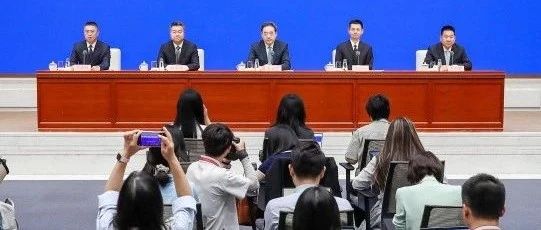
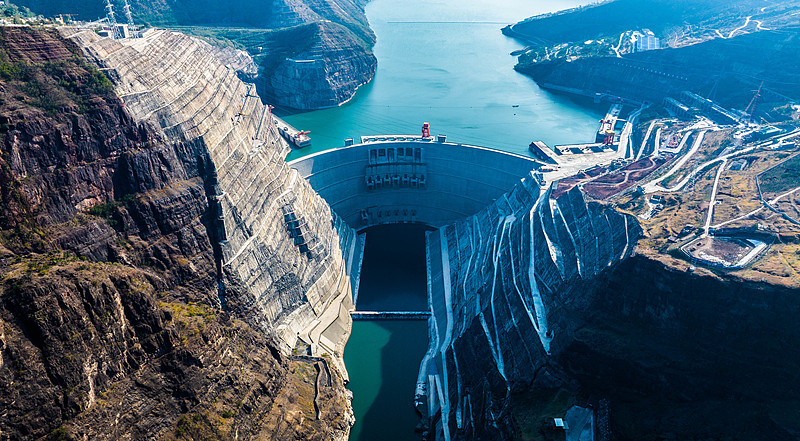
Group 1 - The core viewpoint of the articles highlights China's leadership in new energy technologies, with over 40% of global patents in this sector and continuous advancements in solar conversion efficiency and offshore wind power capacity [1][3] - China's new energy storage capacity has rapidly become the largest in the world, showcasing significant growth in this area [1] - Major engineering projects such as the Baihetan Hydropower Station and the domestically developed third-generation nuclear power plants "Hualong One" and "Guohe One" have been completed, demonstrating China's technological innovation capabilities [3] Group 2 - The development of oil and gas extraction has achieved breakthroughs, including reaching depths of over 10,000 meters and advancing into deep-sea environments, which reflects the strength of China's technological advancements [3] - The completion of several "world's largest" and "world's first" projects underscores China's hard power in scientific and technological innovation [3]
保持定力鼓足干劲攻坚克难 推动经济持续向好动能加快汇聚民生不断改善
Si Chuan Ri Bao· 2025-08-20 22:55
Group 1 - The provincial government emphasizes the need to unify thoughts and actions with the central government's scientific judgment and decision-making regarding the economic situation, focusing on achieving annual goals and planning for the 14th Five-Year Plan [1] - The government is committed to enhancing economic quality and stability by leveraging comparative advantages in location, resources, and costs, while implementing extraordinary measures to stabilize employment, enterprises, and market expectations [1][2] - There is a strong focus on accelerating the development of key industries through technological innovation, enhancing collaboration between enterprises and research institutions, and improving the development levels of industries such as new energy, electronic information, and oil and gas [2] Group 2 - The government aims to boost consumer confidence and stimulate consumption by optimizing the distribution of consumption vouchers and promoting sectors like automotive and home appliances [2] - Efforts are being made to stabilize the real estate market through urban renewal initiatives and innovative housing solutions, which will help activate existing housing stock and improve urban infrastructure [2] - The government is also focused on enhancing public services in education, healthcare, and elderly care, while ensuring that resources are expanded and optimized to meet the changing population demands [2]