
火锅

Search documents
西贝丢掉的儿童客流,海底捞看上了
36氪· 2025-10-10 13:34
Core Viewpoint - The article discusses the increasing trend of restaurants in China targeting the children's dining market, highlighting the competitive landscape and the strategies employed by various brands to attract family customers [5][10]. Group 1: Market Trends - The Chinese children's consumption market is nearing 4.5 trillion yuan, with an expected annual growth rate of over 20% in the next five years [13]. - The population of children aged 0-17 in China is approximately 298 million, accounting for 21.1% of the total population [13]. - Children's meals are seen as a significant driver for family dining, potentially increasing overall customer traffic to restaurants [15][16]. Group 2: Restaurant Strategies - Haidilao is expanding into the children's dining segment by opening a parent-child themed restaurant and introducing children's meal options, including lighter broth flavors and interactive activities [6][29]. - Other brands, such as Xibei and Lao Xiang Ji, are also developing children's meal offerings, with Xibei reporting that children's traffic accounted for nearly 17% of its total customers in 2023 [23][25]. - The article notes that many restaurants are adopting a multi-faceted approach by combining children's dining with entertainment and educational experiences to create a comprehensive family-friendly environment [18][19]. Group 3: Competitive Landscape - The competition for attracting young customers is intensifying, with various brands entering the children's dining space, including traditional Chinese restaurants and fast-food chains [10][22]. - The article highlights that while Haidilao faces challenges in adapting its hot pot offerings for children, it is actively innovating to meet family needs [27][28]. - The overall restaurant industry is experiencing pressure, with a reported decline in revenue growth, indicating a need for differentiation and innovation among brands [34].


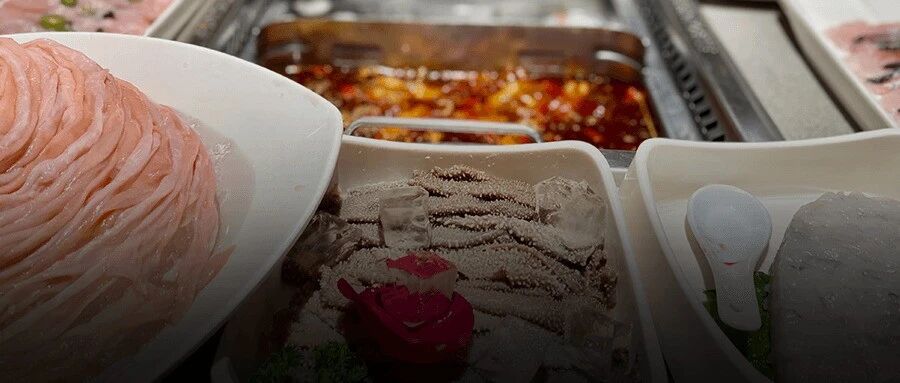
海底捞中秋节当天共计接待顾客超180万,“双节黄金周”期间鲜牛肉日均消耗量超35吨
Cai Jing Wang· 2025-10-09 20:33
Core Insights - During the Mid-Autumn Festival and National Day holiday in 2025, Haidilao's customer traffic remained high, with over 1.8 million customers served on October 6, representing a year-on-year increase of approximately 5% compared to the previous year [1] Group 1: Customer Traffic and Performance - Popular tourist cities such as Hangzhou, Changsha, and Guangzhou saw significant customer traffic at Haidilao locations [1] - The Haidilao restaurant in Hangzhou's West Lake area set multiple customer traffic records during the holiday, achieving a table turnover rate exceeding 13 times on October 4 and 5, with a single-day peak of over 2,800 customers [1] Group 2: Product Consumption and Upgrades - The average daily consumption of fresh beef during the first seven days of the National Day holiday exceeded 35 tons, doubling compared to the previous week [1] - Many Haidilao locations have been upgraded to "Haidilao Fresh Cut Workshop," leading to a continuous increase in the popularity of fresh-cut meat products [1] - As of the end of September 2025, over 100 standard theme stores focusing on fresh-cut and live products have been opened, offering a variety of items including fresh-cut beef, live seafood, fresh-cut lamb, fresh-cut crispy fish, and fresh-cut black pork [1]
海底捞:中秋节共接待顾客超180万 同比提升约5%
Xin Lang Cai Jing· 2025-10-08 11:29
Core Insights - Haidilao reported high customer traffic during the Mid-Autumn Festival and National Day holiday in 2025, with over 1.8 million customers served on October 6, representing a year-on-year increase of approximately 5% compared to last year [1] Expansion and Coverage - In August 2025, Haidilao opened its first store in Tibet, achieving full coverage across all provincial-level administrative regions in China [1] - Since September, over 20 new stores have opened nationwide, including locations in first-tier cities like Shanghai, Shenzhen, Tianjin, and Hangzhou, as well as in lower-tier markets such as Lishui in Zhejiang, Jiujiang in Jiangxi, Qihe in Shandong, and Zhangye in Gansu [1] - In the southern Xinjiang region, Haidilao opened two new stores in Kashgar and Korla [1] Product Innovation - During the National Day holiday, Haidilao introduced fresh-cut products, with an average daily consumption of fresh beef exceeding 35 tons in the first seven days of the holiday, doubling from the previous week [1] - Many Haidilao hotpot locations have been upgraded to "Haidilao Fresh Cut Workshop," leading to a continuous increase in the click-through rate of fresh-cut meat products [1] - As of the end of September 2025, over 100 standard theme stores focusing on fresh-cut and live products have been in operation, offering a variety of items including fresh-cut beef, live seafood, fresh-cut lamb, fresh-cut crispy fish, and fresh-cut black pork [1]
人均150的火锅店正在消失
投资界· 2025-10-03 06:59
Core Viewpoint - The Chinese hot pot market is undergoing an unprecedented shakeout, with significant price wars leading to a decline in average spending and a high number of store closures across various brands [5][6][8]. Market Overview - In 2024, the scale of the Chinese catering market is projected to reach 5.57 trillion yuan, with the hot pot segment accounting for 617.5 billion yuan, indicating that 10% of every 10 yuan spent on dining is for hot pot [8]. - The hot pot market has seen rapid growth, with a year-on-year increase of 5.6% last year and nearly 20% growth the year before [8]. - However, from November 2023 to November 2024, over 300,000 hot pot stores are expected to close, representing a significant turnover in a market that has maintained over 500,000 stores in recent years [8][9]. Consumer Behavior - Average spending on hot pot has decreased from over 86 yuan in 2022 to 77 yuan in 2024, affecting all segments of the market [8][9]. - The decline in demand for full-service dining experiences, particularly in the hot pot sector, is attributed to changing consumer preferences and increased competition from takeout options [10][11]. Company Performance - Haidilao reported a revenue of 20.7 billion yuan, a year-on-year decline of 3.7%, with net profit down 13.7% to 1.755 billion yuan [11][12]. - The average table turnover rate for Haidilao has dropped from 4.2 times to 3.8 times per day, reflecting decreased customer footfall [12]. - Other brands like Cuocuo and Xiaobai have also faced significant challenges, with Cuocuo closing 73 stores and Xiaobai 138 stores, leading to substantial stock price declines [6][19]. Competitive Landscape - The hot pot industry is experiencing intense competition, with brands like Haidilao and Banu engaging in price wars to attract customers [15][21]. - The small hot pot market is growing rapidly, with a growth rate of 28.9% in 2024, but the number of new entrants is at a historical low, indicating that existing players are simply shifting focus rather than new opportunities arising [15][16]. - Banu has positioned itself as a high-end alternative to Haidilao, focusing on product quality rather than service, but its financial performance does not significantly outperform its competitors [21][22]. Future Outlook - The ongoing price wars and market shakeout are expected to continue, with high-end brands also feeling the pressure as consumer preferences shift towards more affordable options [24]. - The hot pot industry, while currently facing challenges, may ultimately benefit consumers through lower prices and improved accessibility [26].
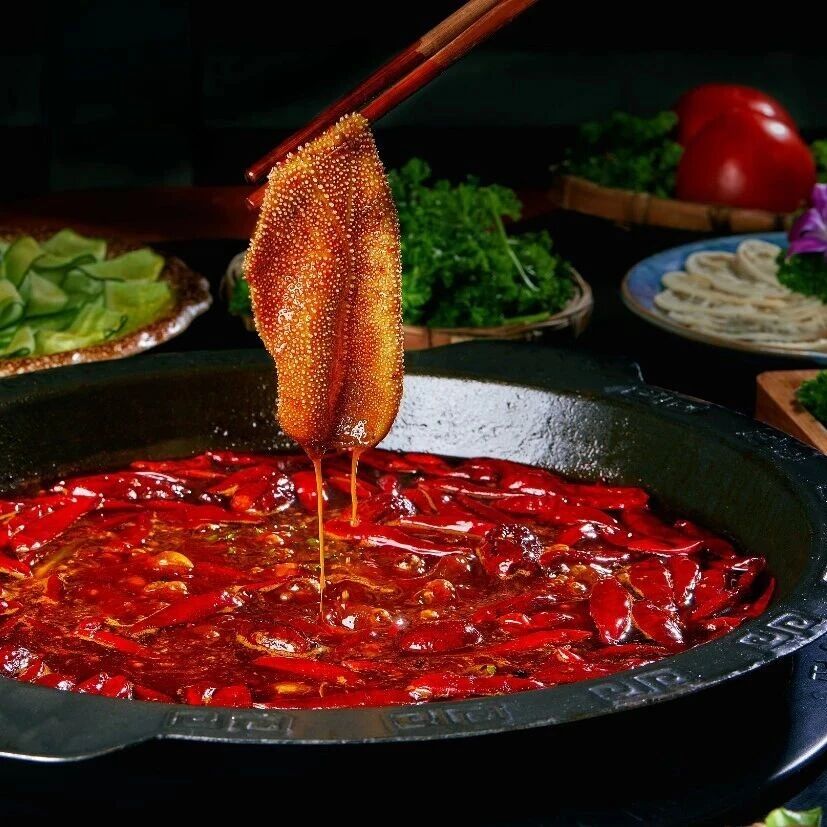
吃海底捞发现门店挂着狮子和海蛇族徽,「传销式家族制」才是这个火锅帝国最大的商业机密?
36氪· 2025-09-30 13:08
Core Viewpoint - The success of Haidilao is attributed not to its customer service gimmicks but to its unique apprenticeship and family system, which fosters management and talent development within the organization [30][32]. Group 1: Family System and Management - Haidilao has established a family system where each family consists of 5 to 18 stores, led by a "master store manager" [5][10]. - The family naming convention is based on animals, including mythical creatures, which adds a unique cultural aspect to the brand [9][10]. - The family system serves dual purposes: management and inheritance, allowing experienced managers to cultivate new talent and establish their own families [13][14]. Group 2: Apprenticeship System - The apprenticeship system is a modernized approach to management and team development, ensuring consistent service quality across all stores [16][38]. - Store managers have significant decision-making power regarding store expansion and management, which incentivizes them to develop their apprentices [14][36]. - The financial incentives for store managers include a profit-sharing model that rewards them for the success of their apprentices' stores, creating a "multi-level" incentive structure [33][35]. Group 3: Financial Performance and Challenges - In 2019, Haidilao's store managers reportedly earned a fixed monthly salary of 35,000 yuan, with potential earnings reaching up to 600,000 yuan annually due to the profit-sharing model [35][39]. - The rapid expansion strategy led to challenges during the COVID-19 pandemic, resulting in significant store closures and operational difficulties [41][42]. - The company has shifted its management approach, moving from a family-based system to a regional manager system, but later reverted to the family model due to its effectiveness in maintaining operational connections [42][43].

贵州酸汤火锅,到底还有没有搞头?
Hu Xiu· 2025-09-30 12:01
Core Insights - The article discusses the rise and potential rationalization of Guizhou sour soup hotpot, highlighting its rapid popularity and market dynamics [1][2][4]. Market Overview - In 2023, Guizhou sour soup hotpot emerged as a new trend, quickly gaining popularity and becoming a significant player in the hotpot market, second only to beef oil broth [5][6]. - The market size for Guizhou sour soup hotpot is estimated to reach 70-80 billion yuan in 2023 and is projected to exceed 100 billion yuan in 2024, with a further increase to 150 billion yuan by 2025 [7][5]. Regional Penetration - Guizhou serves as the origin of this hotpot style, with a significant concentration of stores (approximately 40%) in the province, while the brand is expanding into other regions, particularly in southern markets like Guangdong and Sichuan [10][11]. - The majority of stores are located in new first-tier and first-tier cities, accounting for about 78% of the total [10]. Consumer Demographics - The target demographic for Guizhou sour soup hotpot is primarily young consumers aged 18-35, who make up about 56% of the customer base, emphasizing value for money and unique flavors [12][14]. - The average dining cost in most chain restaurants is around 80 yuan, with prices ranging from 30 yuan to over 100 yuan [13]. Brand Development - Local brands are beginning to establish themselves in major cities, with some brands like Guizhou Kitchen and Qian Dadu expanding beyond their home province [20][24]. - The majority of hotpot outlets are medium to large-sized, with 80% of stores ranging from 50 to 300 square meters, catering to social dining experiences [21][22]. Challenges and Future Outlook - Despite its popularity, Guizhou sour soup hotpot faces challenges such as consumer awareness and brand recognition, with many consumers still unfamiliar with the specific flavor profiles [26][28]. - The market is expected to shift towards rational development, focusing on differentiation and brand establishment, as the industry moves away from rapid growth to a more mature phase [29][30].
以“鲜”促需 “明星产品”撬动产业“新增量”
Sou Hu Cai Jing· 2025-09-30 08:59
Core Insights - The article highlights the rising popularity of tomato-based products in China, particularly the "6 Jin Tomato Hotpot" from Haidilao, which is expected to sell over 70 million servings in 2024, driving the annual procurement of tomato products to exceed 70,000 tons [1][10] - Haidilao's focus on fresh ingredients and innovative product offerings aims to enhance consumer experience and stimulate demand in the restaurant industry [4][5] Product Development - Haidilao's "6 Jin Tomato Hotpot" features tomatoes sourced from the premium planting regions of Xinjiang and Inner Mongolia, known for their rich flavor, and has undergone extensive recipe testing to achieve a unique taste profile [2][4] - The introduction of new dishes such as "Tomato Ring Beef Rolls" and "Tomato Mini Fried Dough Sticks" encourages consumer creativity and enhances the dining experience [4][5] Market Trends - The demand for tomato hotpot is growing, positioning it as one of the top three hotpot bases favored by young consumers, following spicy and Chaozhou beef hotpots [9][10] - China's processed tomato production is projected to increase significantly, from 3.8 million tons in 2018 to 10.45 million tons in 2024, contributing to 22.8% of global output [9][10] Regional Product Innovation - Haidilao is expanding its fresh-cut beef offerings across over 600 locations, with a focus on regional specialties to cater to local tastes [5][6] - Seasonal seafood products have also been introduced in various regions, enhancing the menu diversity and appealing to consumer preferences for fresh ingredients [6][12] Economic Impact - The growth of tomato hotpot and fresh-cut products is expected to stimulate local agricultural industries, creating a positive feedback loop between supply and demand [12] - Haidilao's strategy of leveraging high-quality products and regional specialties aims to support rural economic development and enhance consumer engagement [12]
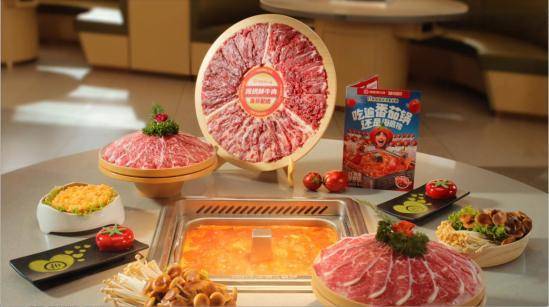
番茄锅位列“年轻人欢迎锅底”前三,头部餐企频推番茄锅“周边”
Bei Ke Cai Jing· 2025-09-29 09:16
Group 1 - The report titled "2025 Young People's 'Hot Pot' Report" indicates that tomato hot pot is emerging as a popular choice among young consumers, contributing to growth in the domestic tomato industry [1] - Hai Di Lao has launched a series of new products featuring tomato hot pot, with projected sales exceeding 70 million servings in 2024, leading to an annual procurement of over 70,000 tons of tomato products [1] - The company is promoting its "6 kg Tomato Hot Pot" this autumn, aiming to stimulate consumer demand and drive industry development, which has also sparked a trend on social media [2] Group 2 - Hai Di Lao's fresh-cut beef products have been introduced in over 600 stores nationwide, with same-day delivery services [2] - Seafood products have been launched in 16 provinces, covering more than 600 stores, indicating a strong regional push for fresh seafood offerings [2] - The company anticipates a daily usage of approximately 6 tons of fresh-cut beef, primarily sourced from regions such as Ningxia, Gansu, Guizhou, and Inner Mongolia, following increased promotional efforts [2]
金秋消费季海底捞加码“鲜切”系列上新
Bei Jing Shang Bao· 2025-09-29 03:50
Core Insights - Haidilao is launching a series of fresh-cut products this autumn, focusing on fresh beef and seafood to enhance dining options and stimulate market demand [1][2] - The fresh-cut beef trio has been introduced in over 600 stores nationwide, with same-day delivery capabilities [1] - Seafood products have been launched in 16 provinces, covering more than 600 stores, with promotional pricing in select cities [1] Product Development - The fresh-cut beef series includes various products tailored to different regions, such as selected fresh-cut beef trio and premium cuts in Guangdong and Fujian [1] - The company aims to operate over 100 standard theme stores featuring fresh-cut and live products by September 2025 [1] Market Impact - The introduction of fresh-cut products is expected to boost local industries, with daily usage projected to reach five to six tons for fresh-cut beef sourced from regions like Ningxia and Gansu [2]
海底捞推出多款秋季新品 番茄锅年销量超7000万份
Xin Lang Ke Ji· 2025-09-28 07:31
Core Insights - Haidilao has launched several autumn products, including a 6 kg tomato hot pot and fresh-cut beef trio, along with seafood offerings [1] Product Launch and Sales - The 6 kg tomato hot pot is made from tomatoes sourced from the golden planting belt around latitude 40° in Xinjiang and Inner Mongolia, with projected annual sales exceeding 70 million servings in 2024, leading to a total procurement of over 70,000 tons for all tomato products [1] - The company has been developing a "fresh-cut" series in its meat offerings, with over 100 standard theme stores featuring fresh-cut products expected to be operational by September 2025 [1] Fresh-Cut Product Strategy - Fresh-cut beef is primarily sourced from regions including Ningxia, Gansu, Guizhou, and Inner Mongolia, with an anticipated daily usage of five to six tons following increased promotional efforts in the autumn [1]