
汽车金融

Search documents
车贷新政撕开行业潜规则:金融乱象整顿倒逼市场回归理性
Zhong Guo Qi Che Bao Wang· 2025-06-20 01:46
Core Viewpoint - The article discusses the end of the "high interest, high rebate" model in the automotive finance market, indicating a significant shift in consumer behavior and industry practices due to regulatory interventions [4][8]. Industry Practices - Banks have historically paid dealers 10% to 15% of the loan amount as rebates, which were then used to create the illusion of lower car prices for consumers [4]. - A case study from a state-owned bank revealed that despite paying 25,500 yuan in rebates for a 170,000 yuan loan, the actual interest income was only 16,000 yuan due to early repayments, leading to significant losses [4]. - The rebate model contributed nearly half of the profits for dealers during the prevalence of the "high interest, high rebate" scheme [5]. Consumer Impact - The end of the "high interest, high rebate" model means consumers will face a recalibration of car purchase costs, with potential increases in costs due to changes in rebate structures and penalties for early repayment [8]. - Consumers are encouraged to focus on real interest rates and penalty clauses rather than short-term rebates, leading to more rational purchasing decisions [9]. Regulatory Changes - Regulatory bodies are taking steps to prevent systemic risks and protect consumer rights by mandating full disclosure of costs associated with both cash and loan purchases [7]. - The article emphasizes the need for a unified regulatory framework for financial service fees and the establishment of a product filing system to prevent forced bundling of services [7]. Market Dynamics - The shift away from the "high interest, high rebate" model poses survival challenges for dealers who have relied heavily on financial rebates for profit [7]. - The automotive finance market is expected to evolve towards a more sustainable model, focusing on service rather than price competition, as banks and dealers adapt to new regulatory environments [9].


扩大消费金融服务高质量供给
Jing Ji Ri Bao· 2025-06-17 22:23
Group 1 - The core viewpoint emphasizes that boosting consumption is crucial for expanding domestic demand and stabilizing growth, with financial systems influencing consumption from both demand and supply sides [1][2] - By the end of 2024, the total consumer loan balance in China is projected to reach 58.7 trillion yuan, which is 7.8 times that of the end of 2010, indicating significant growth in consumer financing [1] - The current multi-layered consumer finance service system, including banks and consumer finance companies, supports stable development in the consumption market, with innovative credit products stimulating market vitality [1][2] Group 2 - Traditional credit still holds a high proportion in financial support for consumption, while direct financing through equity and bonds remains low, necessitating the development of financial products that align with consumer demand [2] - The implementation of moderately loose monetary policy is essential for creating a favorable financial environment for consumption, with various policy tools being utilized to maintain ample liquidity [2] - The recent introduction of service consumption and elderly re-loan tools by the People's Bank of China aims to enhance service consumption supply levels, addressing the rising demand for high-quality services [2] Group 3 - Borrowing for consumption is essentially a form of advanced consumption backed by future income, and attention must be paid to consumers' repayment capabilities given the high leverage ratio among residents [3] - An increase of 1 percentage point in the income share of low- to middle-income groups could generate an additional 250 billion yuan in consumption, highlighting the importance of improving disposable income and social security levels [3]
四大证券报精华摘要:6月16日
Zhong Guo Jin Rong Xin Xi Wang· 2025-06-15 23:51
Group 1 - The 2025 Technology Finance and Industry Innovation Conference was held in Shanghai, focusing on the integration of innovation chains and industrial chains, and the role of technology finance in empowering industrial upgrades [1] - The Shanghai Stock Exchange aims to deepen reforms and enhance the adaptability of its system to support technological and industrial innovation, with plans to innovate low-volatility fund products and diversify asset allocation tools for investors [1] Group 2 - The ESG performance of small home appliance companies is becoming a critical dimension for assessing their long-term value, but the overall ESG disclosure rate among 22 listed companies in the sector is low, with significant disparities in environmental investment and governance structures [2] - Key issues such as customer service, product safety, and information security are gaining market attention, indicating a strategic value in improving ESG performance for future development [2] Group 3 - Recent regulatory actions have halted high-interest automotive finance practices, which were initially seen as beneficial but have led to consumer rights violations and market disorder [3] - The automotive finance market is expected to return to its service-oriented nature, leveraging technology and differentiated competition for healthy development [3] Group 4 - Several actively managed pharmaceutical equity funds have reported returns exceeding 60% this year, with a general optimistic outlook on the innovative drug sector, although some experts caution about potential valuation risks [4] - Institutions are exploring new investment directions for the second half of the year, particularly in AI and consumer sectors [4] Group 5 - The recent policy allowing companies from the Guangdong-Hong Kong-Macao Greater Bay Area to list on the Shenzhen Stock Exchange is seen as a key measure for financial collaboration and supporting the real economy [5] - The return of quality tech companies from Hong Kong to A-shares is expected to enhance investor confidence in China's capital market [5] Group 6 - As of June 15, 10 A-share listed companies have released their half-year performance forecasts, with 8 expecting year-on-year growth in net profit, including companies like Zhongce Rubber Group and Ying Shi Innovation Technology [8] - The number of newly established index-enhanced funds has surged by approximately 438% year-on-year, driven by policy support and investor demand [8] Group 7 - In May, New Hope sold 1.3339 million pigs, showing a month-on-month decrease of 16.42% and a year-on-year decrease of 2.41%, while Wen's shares sold 3.1554 million pigs, with a year-on-year increase of 32.64% [9] - Despite a decline in sales, the pig farming sector has remained profitable for 12 consecutive months, with expectations of stable price fluctuations in the industry [9]
把准汽车金融“方向盘” 金融机构稳踩促消费“油门”
Zheng Quan Ri Bao· 2025-06-12 16:46
Core Viewpoint - The surge in consumer enthusiasm for car purchases this summer is significantly driven by government policies aimed at promoting consumption, particularly in the automotive sector [1][2]. Policy Support for Automotive Consumption - The Chinese government has implemented a series of policies to boost automotive consumption, including the "old-for-new" vehicle replacement program and financial support measures [2][3]. - The State Council's action plan emphasizes the importance of optimizing financial support for automotive consumption, which has led to substantial increases in vehicle sales and trade-in activities [2][3]. Impact on Automotive Sales - From January to May this year, automotive sales reached 12.748 million units, marking a year-on-year increase of 10.9%, with new energy vehicle sales growing by 44% [4]. - The "old-for-new" policy has resulted in over 290,000 vehicles being scrapped and more than 370,000 vehicles being replaced, contributing to sales exceeding 920 billion yuan [2][3]. Financial Institutions' Role - Banks and automotive finance companies are actively innovating financial products to support consumers, thereby lowering the barriers to car purchases [1][5]. - Financial institutions are enhancing their service offerings, including flexible loan options and promotional interest rates, to stimulate consumer demand [6][7]. Growth in Automotive Finance - The automotive finance market is experiencing rapid growth, with significant increases in loan balances reported by various banks, such as a 240.1% increase in auto installment balances at a major bank [7]. - Financial institutions are focusing on developing tailored financial products for new energy vehicles, capitalizing on the growing market opportunities [7][8]. Consumer Engagement and Experience - The active engagement of consumers in applying for subsidies under the "old-for-new" policy indicates a positive trend in automotive consumption, with over 3.225 million subsidy applications recorded [3]. - Financial institutions are working to enhance consumer experience by streamlining application processes and offering diverse financial products [6][12]. Challenges and Considerations - Despite the growth, challenges such as product homogeneity and regulatory compliance issues persist in the automotive finance sector [10][11]. - Financial institutions are advised to strengthen their risk management frameworks and ensure consumer protection throughout the automotive finance process [10][12].
点评报告:票息为盾,提前“卡位”利差压缩行情
Changjiang Securities· 2025-06-12 02:45
1. Report Industry Investment Rating - Not provided in the content 2. Core Viewpoints of the Report - In the context of a volatile bond market and a passive widening of credit spreads, investors should prioritize high - coupon assets for certain returns and prepare in advance for the spread compression market driven by the seasonal inflow of wealth management funds in July [1][5]. - The current core contradiction in the credit bond market is the co - existence of weakening allocation demand and a passive widening of spreads in a volatile environment. Investors should seize pricing deviation opportunities under the protection of coupon safety cushions [5]. - The volatile market pattern caused by the interplay of multiple factors will continue, providing tactical opportunities for layout during market adjustments [6]. - The coupon strategy is the optimal solution in a volatile market, and portfolios should be constructed in a stratified manner according to the characteristics of liabilities [7]. - Investors should "pre - position" for the seasonal spread compression market in July and seize structural opportunities in specific bond varieties [8]. 3. Summary by Relevant Catalog 3.1 Yield and Spread Overview 3.1.1 Yields and Changes of Each Tenor - Yields of various types of bonds at different tenors are presented, along with their weekly changes and historical percentiles. For example, the 0.5 - year Treasury yield is 1.41%, down 4.0bp from last week, with a historical percentile of 8.4% [14]. 3.1.2 Spreads and Changes of Each Tenor - Credit spreads of various types of bonds at different tenors are shown, including their weekly changes and historical percentiles. For instance, the 0.5 - year credit spread of public non - perpetual urban investment bonds is 25bp, up 2.1bp from last week, with a historical percentile of 12.7% [16]. 3.2 Yields and Spreads of Credit Bonds by Category (Hermite Algorithm) 3.2.1 Yields and Spreads of Urban Investment Bonds by Region - **Yields and Changes of Each Tenor**: Yields of public non - perpetual urban investment bonds in different provinces at key tenors, their weekly changes, and historical percentiles are provided. For example, the 0.5 - year yield of Anhui's public non - perpetual urban investment bonds is 1.77%, up 2.6bp from last week, with a historical percentile of 1.1% [19]. - **Spreads and Changes of Each Tenor**: Credit spreads of public non - perpetual urban investment bonds in different provinces at key tenors, their weekly changes, and historical percentiles are given. For example, the 0.5 - year credit spread of Anhui's public non - perpetual urban investment bonds is 30.41bp, up 4.6bp from last week, with a historical percentile of 7.2% [22]. - **Yields and Changes of Each Implied Rating**: Yields of public non - perpetual urban investment bonds in different provinces for each implied rating, their weekly changes, and historical percentiles are presented. For example, the AAA - rated yield of Anhui's public non - perpetual urban investment bonds is 1.80%, up 3.8bp from last week, with a historical percentile of 5.1% [26]. - **Spreads and Changes of Each Implied Rating**: Credit spreads of public non - perpetual urban investment bonds in different provinces for each implied rating, their weekly changes, and historical percentiles are shown. For example, the AAA - rated credit spread of Anhui's public non - perpetual urban investment bonds is 28.96bp, up 4.8bp from last week, with a historical percentile of 32.2% [31]. - **Yields and Changes of Each Administrative Level**: Yields of public non - perpetual urban investment bonds in different provinces at each administrative level, their weekly changes, and historical percentiles are provided. For example, the provincial - level yield of Anhui's public non - perpetual urban investment bonds is 1.80%, up 3.5bp from last week, with a historical percentile of 3.7% [35].
AI助力汽车金融破解千人千面密码
Zhong Guo Qi Che Bao Wang· 2025-06-09 02:50
Group 1 - The core viewpoint of the articles emphasizes the transformative impact of AI, particularly the introduction of Agentic AI, on the automotive finance industry, enhancing efficiency and customer experience [2][4][5] - Yixin Group plans to launch the first Agentic AI model in the automotive finance sector within the year, aiming to address long-standing efficiency bottlenecks [2][3] - The integration of AI technologies is seen as a key driver for the deep fusion of automotive finance and technology, particularly in optimizing business processes and improving risk management [2][3][4] Group 2 - Yixin has localized and applied the DeepSeek model, becoming one of the first companies in the automotive finance sector to implement such technology, which has significantly improved operational efficiency [3][4] - The introduction of AI has led to substantial improvements in various operational metrics, such as a 160% increase in efficiency during information entry and a 120% increase in processing efficiency for funding pathways [3][4] - The company has established a Chief AI Scientist position to focus on vertical technological breakthroughs in the automotive finance sector [3][4] Group 3 - The Agentic AI is designed to autonomously understand goals and navigate complex environments, allowing for end-to-end task execution with minimal human intervention [5][6] - The evolution of AI from traditional models to Agentic AI represents a shift towards dynamic decision-making processes, enhancing the ability to customize services and improve operational efficiency [6][7] - AI applications in automotive finance are extensive, including intelligent scheduling, real-time risk assessment, and automated financial management [7][8] Group 4 - XTransfer is leveraging AI to enhance risk control in cross-border financial services, particularly for small and medium-sized enterprises facing challenges in traditional banking [8][9] - The TradePilot model developed by XTransfer has shown superior performance in risk identification and management, significantly improving transaction safety and efficiency for small foreign trade enterprises [9] - The shift from offline to online B2B foreign trade has increased the complexity of transaction data, making AI-driven solutions essential for effective anti-money laundering measures [9]

“长周期+高返佣”冲击 汽车金融公司亟待模式重塑
Zhong Guo Jing Ying Bao· 2025-06-06 19:11
Core Insights - The automotive finance industry is experiencing significant challenges, with nearly half of the companies reporting a decline in revenue and over half facing decreases in both net profit and asset size [1][2][3] - The entry of banks into the automotive finance sector has intensified competition, leading to a shift in market dynamics where traditional funding models are losing their competitive edge [1][4][6] Industry Performance - The total asset size of 20 automotive finance companies decreased from 822.37 billion yuan in 2023 to 746.26 billion yuan in 2024 [1] - SAIC General Motors Financial Company, which had the largest asset size in 2023, saw a 39.8% decline in assets to 67.6 billion yuan in 2024 [2] - Other companies like Dongfeng Nissan Automotive Finance and Mercedes-Benz Automotive Finance also reported significant asset declines, with Dongfeng Nissan's assets dropping by 19.3% [2][3] Profitability Trends - Several automotive finance companies experienced net profit declines exceeding 30%, with notable drops including Toyota Financial Services (60% decline) and Beijing Hyundai Automotive Finance (69% decline) [3][4] - BMW Automotive Finance (China) reported an over 80% decrease in net profit, falling from 2.1 billion yuan to 400 million yuan [3] Market Dynamics - The penetration rate of new car financing in China has increased from 58% in 2022 to 69.1% in 2024, despite the market share of automotive finance companies declining [3][4] - Banks have begun to dominate the market with longer-term financing products and higher commission rates, creating structural challenges for traditional automotive finance companies [6][7] Strategic Shifts - Automotive finance companies are urged to develop differentiated products, particularly in direct leasing, to compete effectively against banks [6][8] - The industry is facing a structural contradiction due to an over-reliance on traditional loan products, necessitating a shift towards more innovative financing solutions [5][6] Future Outlook - The competition in the automotive finance market will increasingly focus on asset management capabilities, financial service quality, and channel control efficiency [7][8] - There is a pressing need for automotive finance companies to enhance their product offerings in financing leasing to leverage their inherent advantages [8][9]
【保值率】2025年5月中国汽车保值率报告
乘联分会· 2025-06-06 08:55
Core Viewpoint - The report on the depreciation rate of Chinese automobiles aims to reflect the comprehensive strength of brands, including product power, recognition, and reputation, providing important data for future business operations such as repurchase, replacement, leasing, and new car pricing [1][3]. Policy Direction - The recent policy aims to optimize the regulation of motor vehicle environments, addressing issues of fraud in the automotive sector and promoting fair competition, which is crucial in a highly competitive market [4][5]. Hot Events - The central bank's liquidity release is expected to stimulate automobile consumption by providing low-cost funding to automotive finance companies, enhancing their competitive edge over banks while also raising their risk management requirements [8]. Online Vehicle Supply Changes - The supply of used cars is showing signs of fatigue, leading the industry to readjust growth expectations. The ongoing price war for new cars may suppress the activity in the used car market, as older models are not quickly entering the market [11]. Depreciation Rate Overview - The overall depreciation rate is recovering, which helps combat industry internal competition. The price elasticity is significant in both low-end and high-end markets, while the mid-range market faces challenges due to intense competition [14]. New Energy Vehicle Market Changes - Successful case studies, such as those from Hunan Province, highlight the importance of local power systems in supporting charging infrastructure for new energy vehicles, potentially boosting economic activity in central and southern regions [18]. Different Types of New Energy Vehicle Depreciation Rates - The depreciation rate for new energy vehicles remains stable, but the trading volume is low, with 4S stores being the primary channel for used vehicle disposal. The market for used new energy vehicles is still developing, with many vehicles nearing obsolescence [20].
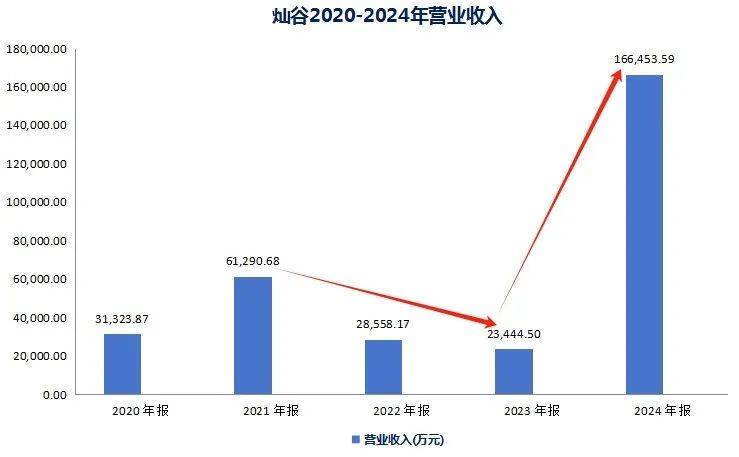
灿谷走势说明,选择大于努力
Sou Hu Cai Jing· 2025-06-06 06:38
Core Insights - The company, formerly focused on automotive services and finance, has successfully transformed into a "Mine+Hold" business model, leading to a nearly 200% increase in stock price since late October 2022 [1][3] - The strategic decision to pivot from automotive services to cryptocurrency mining has proven to be timely and beneficial, especially given the favorable market conditions for digital currencies [1][3] Group 1: Business Transformation - The company began divesting its automotive finance business in 2021 to mitigate credit risk, resulting in a three-year performance vacuum [1] - In November 2024, the company acquired 32EH/s of mining power for $256 million, marking a significant shift to a new core business in cryptocurrency mining [3] - The decision to exit the automotive services sector was validated by the poor performance of major automotive dealers, indicating that the mining sector offers better long-term prospects [3] Group 2: Mining Operations - The company has adopted a "Mine+Hold" strategy, currently holding over 3,400 bitcoins, ranking fourth among publicly listed mining companies [5][9] - The average cash cost to produce one bitcoin is approximately $67,000, with the company maintaining a high operational efficiency and utilization rate of over 90% [5][7] - The company has strategically purchased second-hand mining machines to optimize costs and avoid excessive depreciation during market fluctuations [5] Group 3: Financial Position and Market Strategy - As of the end of 2024, the company holds approximately $345 million in cash and equivalents, bolstered by the $351.94 million from the sale of its Chinese operations, resulting in a total free cash flow of around $700 million [13] - The new controlling shareholder, Enduring Wealth Capital, linked to Bitmain, enhances the company's resource access and operational capabilities in the cryptocurrency sector [12] - The company plans to apply for delisting from the Chinese concept stock category, which is expected to improve liquidity and stabilize its market valuation between $1 billion and $2 billion [13]
6.4犀牛财经早报:多家公募自购新发浮动费率基金 手回集团较招股价跌近三成
Xi Niu Cai Jing· 2025-06-04 01:37
Group 1: Fund Industry Developments - Multiple public funds are actively purchasing newly issued floating-rate funds, indicating strong market interest and support from fund companies [1] - The new floating-rate funds are designed to anchor performance benchmarks, incentivizing fund managers to enhance investment capabilities and research systems [1] - As of June 3, 440 A-share listed companies have announced share buybacks, with 78 companies initiating new buyback plans in May alone [1] Group 2: Wealth Management and Financial Services - The wealth management industry is experiencing a "fee reduction wave," with some products offering management fees as low as 0.01% per year, translating to just 1 yuan for a 10,000 yuan investment [2] - Major banks are adjusting their car loan commission structures, reducing high rebate rates to enhance service quality and market competitiveness [2] Group 3: Pharmaceutical and Biotechnology - Bayer's prostate cancer drug Nubeqa has received FDA approval based on positive results from a Phase 3 trial, showing a 46% reduction in the risk of disease progression or death [3] Group 4: IPO and Market Activity - There has been a significant increase in foreign capital participation in Hong Kong IPOs, with 15 out of 27 companies this year attracting foreign cornerstone investors, compared to only 3 last year [5] - Shenzhen Handback Technology Group's IPO faced challenges, with its stock price dropping nearly 30% from the initial offering price shortly after listing [6][7] Group 5: Corporate Financing and Strategic Moves - China Ping An plans to issue zero-coupon convertible bonds totaling 11.765 billion HKD to support its business development and capital needs [10] - United Optoelectronics intends to acquire 100% of Changyi Optoelectronics through a share issuance, with the final transaction details pending [8] Group 6: Market Performance - The US stock market saw all three major indices rise, with the Dow Jones increasing by 0.51% and Nvidia leading the gains in the tech sector [11]


