快餐

Search documents
暖心公益!看“10后”如何用行动传递温暖
Zhong Guo Jing Ji Wang· 2025-12-15 04:26
Group 1 - The core idea of the article highlights the social responsibility of Pizza Hut, as it engages in a community service initiative called the "Little Red Hat Plan" to support young volunteers [1] - The event involved young volunteers delivering warm pizzas and knee pads to delivery riders, showcasing a commitment to spreading warmth during winter [1] - The initiative reflects Pizza Hut's efforts to create a positive impact in the community and foster a sense of responsibility among the youth [1]

暖心公益!看一零后如何用行动传递温暖
Zhong Guo Jing Ji Wang· 2025-12-15 03:41
不止舌尖美味,更有责任担当!近日,必胜客(北京世茂大厦店)举办青少年志愿服务行动"小红帽 计划"公益活动,青少年志愿者化身爱心使者,为外卖骑手、快递小哥送上暖心披萨和护膝,用青春力 量传递冬日温暖,一起跟记者沉浸式感受现场氛围。(中国经济网记者 郭枞枞) ...
西部证券晨会纪要-20251215
Western Securities· 2025-12-15 01:46
Group 1: Restaurant Industry Insights - The report emphasizes the resilience of the restaurant industry, highlighting key companies such as Yum China, Xiaocaiyuan, Haidilao, and Dashishi as potential investment opportunities due to their operational capabilities and market positioning [2][10] - The restaurant sector is expected to benefit from government policies aimed at boosting service consumption, with specific measures outlined to enhance the sector's growth [7] - Restaurant revenue is projected to account for 12% of total retail sales in 2024, with growth rates of 20% and 5% for 2023 and 2024 respectively, indicating a stronger performance compared to overall retail sales [8] Group 2: Computer Industry Outlook - The computer industry is anticipated to see significant advancements in AI applications, with a focus on increasing computational power and model sophistication [3][12] - The report highlights the emergence of large AI models and their commercial applications, indicating a strong growth trajectory for AI-related technologies [12][14] - The demand for AI capabilities is expected to drive investments in domestic AI chip development, with a focus on enhancing performance and establishing a robust software ecosystem [13] Group 3: Aerospace and Defense Sector - Hangya Technology is positioned as a key player in the aerospace engine components market, leveraging its expertise in precision forging technology to meet rising international demand [4][16] - The company reported a revenue of 530 million yuan and a net profit of 78 million yuan for the first three quarters of 2025, reflecting a year-on-year growth of 1.95% in revenue but a decline of 16.04% in net profit [16][17] - The report forecasts significant revenue growth for Hangya Technology, projecting revenues of 817 million yuan, 1.09 billion yuan, and 1.51 billion yuan for 2025 to 2027, with corresponding net profits increasing substantially [17] Group 4: Macro Economic Context - The macroeconomic environment is characterized by a stable growth outlook, with a projected GDP growth target of around 5% for 2026, supported by proactive fiscal and monetary policies [30] - The report notes a focus on domestic demand as a primary driver of economic growth, with specific measures aimed at stabilizing the real estate market and enhancing employment [30][31] - Financial data indicates a slight decline in loan growth, with a notable drop in household loans, while overall social financing growth is stabilizing [18][19]

肯德基加速变“绿”
3 6 Ke· 2025-12-15 00:36
Core Viewpoint - KPRO, a healthy food brand under KFC, is accelerating its expansion and repositioning itself in the market by targeting the affordable light meal segment, aiming to reshape KFC's image from "junk food" to a healthier option [1][5][26]. Group 1: Brand Strategy and Positioning - KPRO's new brand proposition emphasizes "reliable quality and balanced light meals," supported by six commitments regarding ingredient selection, processing, storage, time management, seasoning, and pairing [1]. - The brand has shifted from a mid-to-high-end positioning to a more competitive pricing strategy, aligning itself with affordable light meal options, with most items priced around 30 yuan [3][5]. - KPRO's menu features four main categories: energy bowls, grain bowls, paninis, and superfood smoothies, with the cheapest meal set priced at 29.9 yuan [3]. Group 2: Market Dynamics and Consumer Behavior - The light meal market in China has seen significant growth, with a market size exceeding 160 billion yuan in 2023 and a projected compound annual growth rate of 30% over the next five years [9]. - Consumer surveys indicate that over 70% of respondents believe current light meal prices are too high, suggesting KPRO's new pricing strategy could lower barriers to entry for consumers [7]. - The light meal sector has experienced a high closure rate of 27% in 2023-2024, indicating a challenging environment for brands [9]. Group 3: Competitive Advantages - KPRO benefits from KFC's established brand reputation, extensive supply chain, and operational resources, which facilitate a smoother market entry and lower operational costs compared to starting a new brand from scratch [6][12]. - The integration with KFC's existing customer base and membership system allows KPRO to leverage foot traffic and online ordering capabilities, enhancing its competitive edge [6][20]. - KPRO's strategic positioning in the affordable segment allows it to compete effectively against both high-end brands and lower-cost alternatives in the light meal market [12][26]. Group 4: Industry Trends and Future Outlook - The light meal sector is undergoing a transformation towards healthier eating, driven by increasing consumer awareness and government initiatives promoting weight management [9]. - KPRO's entry into the affordable light meal market is seen as a proactive response to changing consumer preferences and a strategy to capture new growth opportunities in the food industry [26]. - The brand's ability to innovate and adapt to local tastes, alongside its backing from KFC and Yum China, positions it favorably for future growth in a competitive landscape [12][26].



At 31, He Works 7 Days A Week And Has $13M In The Bank, But Says 'Money Is Meaningless'
Yahoo Finance· 2025-12-13 14:02
Core Insights - A 31-year-old hedge fund employee has over $13 million in assets, primarily invested in stocks, and continues to work every day of the week [1][2] - The employee expresses a passion for his work, stating that even winning a billion-dollar lottery would not change his commitment to his career [2][3] - The hedge fund industry is highlighted as lucrative for young professionals, with the potential for significant rewards from good ideas and small teams managing large sums [5] Group 1 - The hedge fund employee's total assets amount to $13,067,710.19, with $239,000 in checking and no savings [1] - The employee's background includes growing up middle-class, starting in the stock market at age 18 with summer job earnings, and eventually moving into investment banking and hedge funds [4] - Despite working every day, the employee maintains a more relaxed approach on weekends, although acknowledges constant underlying stress [6] Group 2 - The employee's motivation stems from the thrill of being successful in his analysis rather than the monetary rewards, indicating that a $10 million payday would not significantly impact his life [3] - Comments from the online community suggest a desire for the employee to consider retirement or a sabbatical, but he expresses a fear of boredom if he were to stop working [7]
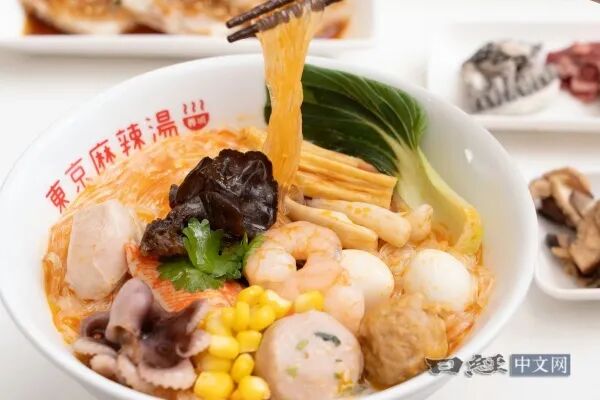
日本女性被麻辣烫“征服”
3 6 Ke· 2025-12-12 03:27
Core Insights - The popularity of "Mala Tang" (spicy hot pot) in Japan is surging, particularly among women aged 10 to 40, with new store openings expected to increase eightfold by 2025 compared to three years prior [2][6][9] Group 1: Market Growth - The number of new Mala Tang stores in Japan is projected to reach at least 93 in the first nine months of 2025, a significant increase from just 11 in 2022, marking an over eightfold growth [6][7] - Average monthly sales for Mala Tang restaurants have risen from approximately 3.5 million yen in 2021 to around 16 million yen in 2025 [6] Group 2: Consumer Demographics - Approximately 90% of customers at Mala Tang restaurants are women, indicating a strong female consumer base [4][6] - The design of the restaurants caters to women, promoting a café-like atmosphere where they can dine alone comfortably [4] Group 3: Unique Selling Proposition - Mala Tang offers a customizable dining experience with around 50 different ingredients available for selection, appealing to consumer preferences for personalization [4][6] - The use of a medicinal broth made from about 20 spices enhances the health image of Mala Tang, contributing to its popularity [4][7] Group 4: Competitive Landscape - "Qibao Mala Tang" has emerged as a leading brand in Japan, with 48 locations and a focus on unique, non-centralized kitchen operations [7] - Other Chinese brands like "Zhang Liang Mala Tang" and "Yang Guo Fu Mala Tang" are also expanding their presence in Japan, particularly in areas with significant Chinese populations [7][9]
不再单押汉堡 塔斯汀重卖比萨的背后
Bei Jing Shang Bao· 2025-12-10 15:44
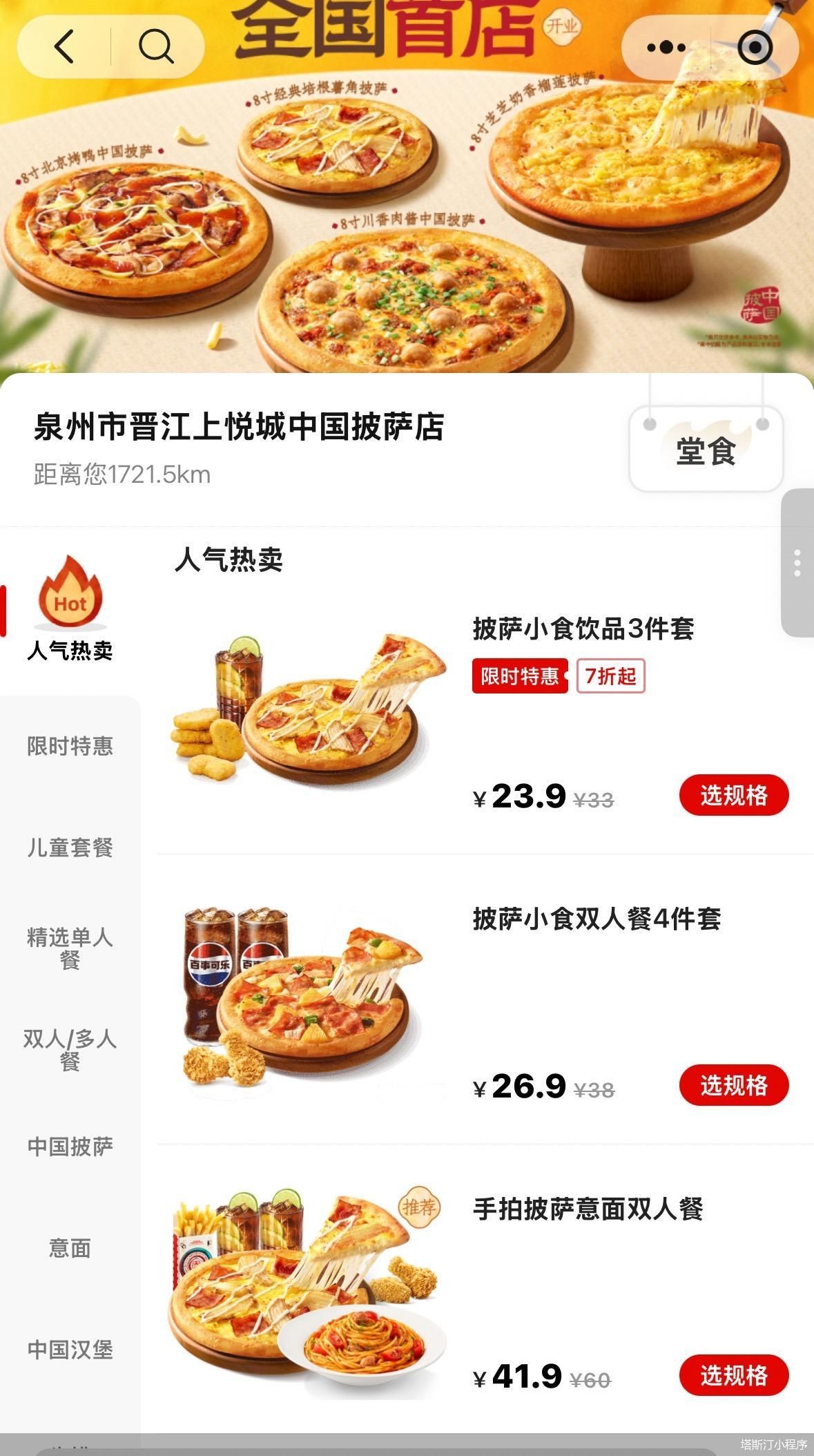
Core Viewpoint - Tastin China has re-entered the pizza market after eight years, opening two pizza stores in Quanzhou, Fujian, while maintaining its focus on affordable Western fast food options like pizza, pasta, and steak, raising questions about its growth strategy and potential plans for an IPO [1][4]. Group 1: Business Expansion - Tastin has launched "Tastin China Pizza" stores, with a focus on affordable pricing, offering 8-inch pizzas starting at 18 yuan [4][5]. - The company aims to capture more market share by diversifying its product offerings, as it previously attempted a dual-category model of "burgers + pizza" in 2017 [5][6]. - Tastin is also exploring new store formats, including smaller locations in first-tier cities and expanding its presence in campus markets, which have grown from a few stores to over 500 in a year [5][6]. Group 2: Market Strategy - The pizza market in China is highly competitive, with Tastin targeting the mid-to-low price segment to meet the demand for affordable Western fast food, which aligns with its existing brand positioning [6][7]. - The company is leveraging its existing supply chain and operational experience to minimize risks associated with entering the pizza market [6][7]. - Tastin's strategy includes potentially integrating "Chinese elements" into its pizza offerings to differentiate itself in the market [6]. Group 3: Financial and Operational Considerations - Recent changes in shareholder structure and increased capital injection have led to speculation about Tastin's preparations for an IPO [7][8]. - The company has faced challenges related to food safety, with a significant number of complaints reported, indicating a need for improved quality control and consumer trust [8]. - Tastin must balance its rapid expansion with sustainable profitability, ensuring that growth does not compromise operational management [8].

破万店后重启披萨赛道 塔斯汀弃“单押汉堡”
Bei Jing Shang Bao· 2025-12-10 13:31
Core Viewpoint - Tastin China is re-entering the pizza market after an eight-year hiatus, opening two pizza stores in Quanzhou, while maintaining its focus on affordable pricing and expanding its product offerings beyond hamburgers to include pizzas, pasta, and steaks [1][6][9] Group 1: Business Strategy - Tastin's new pizza stores feature a design closely tied to its brand identity, with a focus on affordability, offering 8-inch pizzas starting at 18 yuan [6][9] - The company aims to leverage its existing supply chain and operational experience in the fast-food sector to reduce risks associated with entering the pizza market [10][13] - Tastin's strategy includes exploring new business models and market segments, such as smaller store formats in first-tier cities and targeting campus locations, which have seen rapid growth [12][14] Group 2: Market Positioning - The reintroduction of pizza aligns with Tastin's ambition to find new growth avenues, especially in a competitive fast-food market where the boundaries between product categories are increasingly blurred [12][13] - The company is targeting the mid-to-low price segment of the pizza market, which still has room for penetration, particularly in lower-tier markets [13][14] - Tastin's previous experience with a dual-category model of hamburgers and pizzas indicates a strategic move to enhance menu variety and increase customer spending [12][13] Group 3: Challenges and Considerations - The fast-food market is highly competitive, with established brands dominating the mid-to-high-end segments, making it challenging for Tastin to carve out a niche [14] - Consumer perception of Tastin remains focused on its hamburger offerings, necessitating a market education effort for its new pizza line [14] - The company faces ongoing challenges related to food safety, with a significant number of complaints reported, highlighting the need for improved quality control and consumer trust [14][15]
百胜中国12月8日斥资2080.99万港元回购5.75万股
Zhi Tong Cai Jing· 2025-12-09 11:37
Group 1 - The company Yum China (09987) announced a share buyback plan on December 8, 2025, with an investment of approximately $11.2 million to repurchase 240,800 shares at a price range of HKD 46.08 to 47.06 per share [1] - On the same day, the company also spent HKD 20.8099 million to buy back 57,500 shares at a price range of HKD 359.8 to 363.4 per share [1]
人大重阳王文:企业家要不断学习,报培训班都被打“掼蛋”强
Xin Lang Cai Jing· 2025-12-09 03:47
Core Insights - The "2025 China Enterprise Competitiveness Conference" highlighted the increasing uncertainty in the international environment and the intensifying great power competition, which poses various challenges for enterprises, including supply chain disruptions, market access restrictions, technological decoupling pressures, and rising compliance costs [1][5] Group 1: Short-term Strategies - Companies need to strengthen risk defense and adopt flexible response strategies, including establishing supply chain backup mechanisms to avoid "putting all eggs in one basket" and promoting compliance upfront while enhancing legal literacy and learning capabilities [3][7] Group 2: Long-term Strategies - In the long term, companies should focus on independent innovation and global integration, laying out strategies for technological autonomy, global operations, international standards, and ecosystem co-construction to uncover deeper development opportunities [3][7] Group 3: Personal Development Recommendations - Individuals should develop the ability to "go out and integrate into key nodes of the global value network." The speaker noted that labor costs in regions like Africa and Southeast Asia are significantly lower, with some companies successfully relocating low-value-added industries there [3][7] - Continuous skill enhancement is crucial, especially in the AI era, where past leisure activities are deemed insufficient for modern entrepreneurs [4][8] - Investment diversification is essential, not only in expanding industrial scope but also in achieving a diversified asset allocation to enhance risk resilience [4][9]