
医美

Search documents
今年起整容要交税
Sou Hu Cai Jing· 2026-01-06 03:35
Core Viewpoint - The implementation of the new VAT law and its regulations will end the tax exemption previously enjoyed by profit-oriented medical beauty institutions in China, effective from January 1, 2026 [1][2]. Group 1: Tax Policy Changes - The new VAT law explicitly excludes profit-oriented medical beauty institutions from the tax exemption that applies to medical services provided by qualified medical institutions [1][2]. - Prior to this change, many medical beauty institutions benefited from tax exemptions due to their classification as medical service providers, which was a point of contention [2][3]. - The adjustment aims to eliminate the unfair competitive advantage that profit-oriented medical beauty institutions had over traditional beauty services, which have always been subject to VAT [3][4]. Group 2: Industry Impact - The medical beauty industry in China has seen rapid growth, with market estimates exceeding 300 billion yuan, driven by increasing demand and a growing number of young consumers [2]. - The removal of the tax exemption may lead to price increases for medical beauty services, although the extent of this impact will vary based on factors such as regional market conditions and individual business strategies [6][7]. - Experts suggest that while some lower-end services may see price hikes due to the new tax burden, high-end services may not be as affected due to their already high profit margins [6][7]. Group 3: Tax Rate Application - The applicable VAT rate for medical beauty institutions is expected to be 6%, aligning with the rate for medical services and traditional beauty services [5][6]. - The complexity of the medical beauty industry's business model, including high marketing costs and low material costs, may necessitate a restructuring of its commercial practices in light of the new tax compliance requirements [6][7].
今年起整容要交税
第一财经· 2026-01-06 03:06
Core Viewpoint - The implementation of the new VAT law and its regulations starting January 1, 2026, will end the tax exemption previously enjoyed by profit-oriented medical beauty institutions in China, requiring them to pay VAT [3][4]. Group 1: Tax Policy Changes - The new VAT law explicitly excludes profit-oriented medical beauty institutions from the tax exemption that applies to medical services provided by qualified medical institutions [3][4]. - Prior to this change, many medical beauty institutions benefited from VAT exemptions due to their classification as medical service providers, which has now been clarified and restricted [4][5]. - The adjustment aims to eliminate the ambiguity surrounding the classification of medical beauty services and ensure that all similar services are subject to the same tax obligations [6][7]. Group 2: Industry Impact - The medical beauty industry in China has been rapidly growing, with market estimates exceeding 300 billion yuan, driven by increasing demand and a rising number of young consumers [5]. - The removal of the VAT exemption may lead to price increases in medical beauty services, although the extent of these increases will vary based on factors such as regional market conditions and individual business strategies [8][9]. - Experts suggest that while some lower-end services may see price hikes due to the new tax burden, high-end services may not be as affected due to their already high profit margins [9]. Group 3: Compliance and Business Model - The new tax regulations will require medical beauty institutions to establish a comprehensive input tax deduction system to mitigate their tax burden [9]. - The industry is expected to undergo a restructuring of its business models, particularly due to high marketing costs that are difficult to offset with VAT deductions [9].

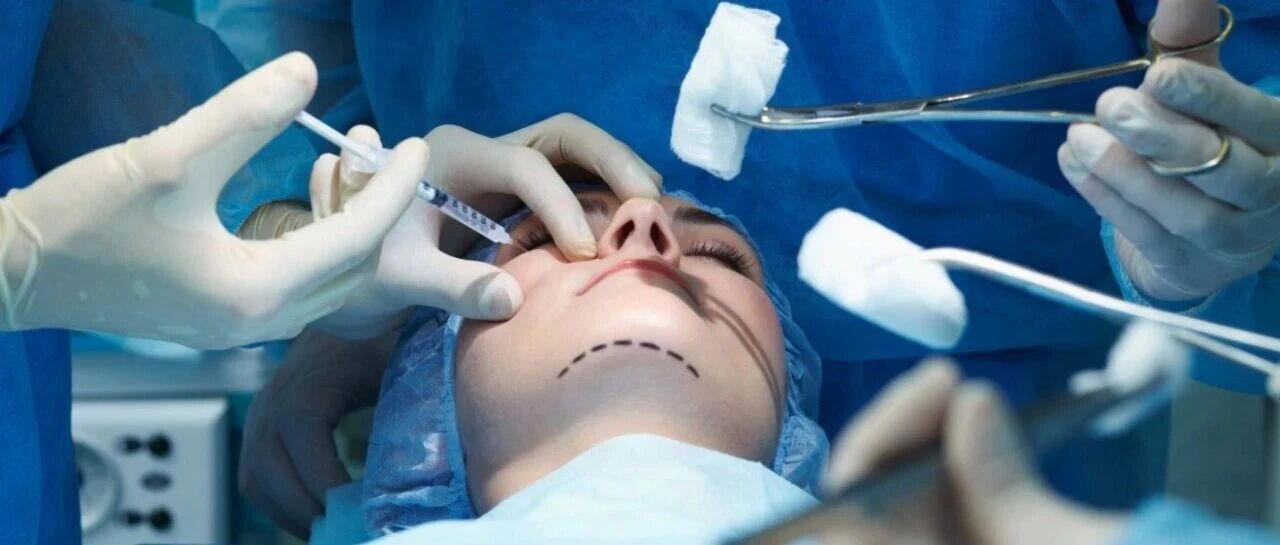
今年起医美不再免税,整容会涨价吗?
Di Yi Cai Jing· 2026-01-06 02:39
Core Viewpoint - The implementation of the new VAT law and its regulations will end the tax exemption previously enjoyed by profit-oriented medical beauty institutions in China, effective from January 1, 2026 [1][2]. Group 1: Tax Policy Changes - The new VAT law explicitly excludes profit-oriented medical beauty institutions from the tax exemption that applies to medical services provided by qualified medical institutions [1][2]. - Prior to this change, many medical beauty institutions benefited from tax exemptions due to their classification as medical service providers, which was a point of contention [2][3]. - The adjustment aims to eliminate the unfair competitive advantage that profit-oriented medical beauty institutions had over traditional beauty services, which have always been subject to VAT [3][4]. Group 2: Industry Impact - The medical beauty industry in China has seen rapid growth, with market estimates exceeding 300 billion yuan, driven by increasing demand and a growing number of young consumers [2]. - The removal of the tax exemption may lead to price increases for medical beauty services, as companies might pass on the VAT burden to consumers [6]. - However, the actual impact on pricing will vary based on factors such as the type of service, regional market conditions, and individual business strategies [6]. Group 3: Tax Rate Application - The applicable VAT rate for medical beauty institutions is expected to be 6%, aligning with the rate for medical services and traditional beauty services [5][6]. - The complexity of the medical beauty industry's business model, including high marketing costs and low material costs, may necessitate a restructuring of its commercial practices in light of the new tax compliance requirements [6].
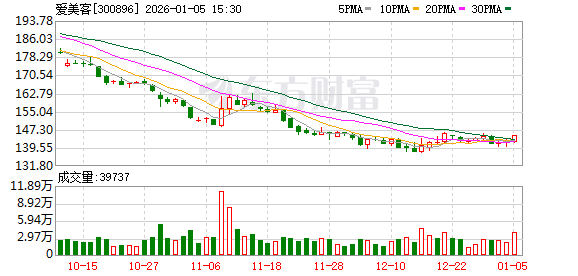
爱美客:截至2025年12月31日公司股东人数为60075户
Zheng Quan Ri Bao· 2026-01-05 13:36
证券日报网讯 1月5日,爱美客在互动平台回答投资者提问时表示,截至2025年12月31日,公司股东人 数为60075户。 (文章来源:证券日报) ...

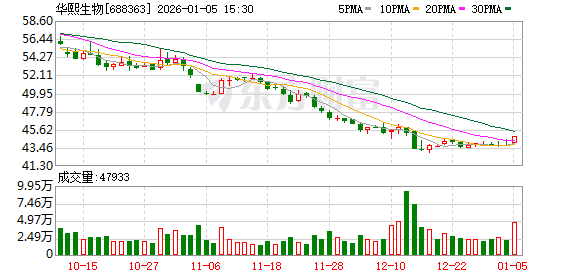
华熙生物副总裁邹松岩答21:加速布局韩国医美与生物制造
2 1 Shi Ji Jing Ji Bao Dao· 2026-01-05 11:57
Group 1 - The core viewpoint is that Huaxi Bio sees the South Korean market as a crucial area for international expansion, particularly in the rapidly growing medical aesthetics industry [2] - The China-Korea Business Forum highlighted discussions on manufacturing innovation, supply chain cooperation, and new consumer markets, with over 400 attendees from both countries [2] - Biomanufacturing is identified as a strategic high ground in the global technological revolution, with the "14th Five-Year Plan" emphasizing the need for forward-looking layouts in biomanufacturing and other future industries [2] Group 2 - Huaxi Bio, established in 2000 and listed on the STAR Market in 2019, specializes in the research and production of bioactive materials, holding a 44% share in the global hyaluronic acid raw material market and 70% in the domestic market [3] - The company entered the South Korean market in 2002 and has expanded into pharmaceuticals, medical aesthetics, cosmetics, and functional foods, with a new subsidiary established in Seoul in 2023 [3] - In the pharmaceutical sector, Huaxi Bio collaborates with top Korean companies in eye drops and joint injection products, while in medical aesthetics, its products cover over 90% of local production companies [3]

复锐医疗科技旗下获再授权注射用A型肉毒毒素已通过中国食品药品检定研究院质量标准检验
Zhi Tong Cai Jing· 2026-01-05 08:47
Core Viewpoint - Revance Therapeutics (01696) has announced that its injectable botulinum toxin type A (DaxibotulinumtoxinA-lanm, marketed as DAXXIFY in English) has passed quality standard inspections by the Chinese National Institute for Food and Drug Control, marking a significant step towards commercialization in China [1] Group 1: Product Development - DaxibotulinumtoxinA is designed for the temporary improvement of moderate to severe glabellar lines caused by the activity of the corrugator and/or procerus muscles in adults [1] - As of the announcement date, there are no other DaxibotulinumtoxinA products available for sale in China, indicating a first-mover advantage for the company [1] Group 2: Market Strategy - The successful inspection signifies that DaxibotulinumtoxinA meets the stringent quality, safety, and efficacy requirements set by Chinese regulatory authorities [1] - The company has secured its first commercial orders for DaxibotulinumtoxinA in the Chinese market, entering the commercialization phase [1] Group 3: Business Impact - The company views DaxibotulinumtoxinA as a strategic cornerstone for its injectable filler business, enhancing product diversity and providing consumers with more quality options [1] - DaxibotulinumtoxinA is expected to serve as a second growth engine, contributing to sustained consumable revenue and reinforcing the company's leading position in the global beauty and health industry [1]
复锐医疗科技(01696.HK)旗下获再授权注射用A型肉毒毒素已通过中国食品药品检定研究院质量标准检验
Ge Long Hui· 2026-01-05 08:36
Core Viewpoint - Furuya Medical Technology (01696.HK) has announced that its reauthorized injectable botulinum toxin type A (DaxibotulinumtoxinA-lanm, trademarked as 达希斐® in China and DAXXIFY® in English) has passed quality standard inspections by the China National Institute for Food and Drug Control, marking a significant step towards commercialization in China [1] Group 1 - The product is intended for the temporary improvement of moderate to severe glabellar lines caused by the activity of the corrugator and/or procerus muscles in adults [1] - As of the announcement date, there are no other DaxibotulinumtoxinA products available for sale in China, indicating a first-mover advantage for the company [1] - The successful inspection signifies that DaxibotulinumtoxinA has met the stringent quality, safety, and efficacy requirements set by Chinese regulatory authorities [1] Group 2 - The company has secured its first commercial orders for DaxibotulinumtoxinA in the Chinese market, officially entering the commercialization phase [1] - DaxibotulinumtoxinA is viewed as a strategic cornerstone for the company's injectable filler business, enhancing product diversity and providing more quality options for consumers [1] - The product is expected to serve as a second growth engine, contributing to sustained consumable revenue and reinforcing the company's leading position in the global beauty and health industry [1]
港股评级汇总:中信证券维持华虹半导体买入评级
Xin Lang Cai Jing· 2026-01-05 07:49
Group 1 - CITIC Securities maintains a "Buy" rating for Huahong Semiconductor (01347.HK) with a target price of HKD 100, highlighting its leading position in specialty process wafer foundry and strong growth potential from capacity expansion and acquisitions [1] - CITIC Securities also maintains a "Buy" rating for SiHuan Pharmaceutical (00460.HK) with a target price of HKD 1.6, noting rapid growth in its medical aesthetic products and strong sales performance of new regenerative products [1] - GF Securities maintains a "Buy" rating for Yum China (09987.HK) with a target price of HKD 453.62, citing improved same-store sales and growth driven by new product iterations and marketing strategies [1] Group 2 - GF Securities initiates coverage on Laoputang Gold (06181.HK) with a "Buy" rating and a target price of HKD 775.64, emphasizing its leading position in handcrafted gold jewelry and strong growth potential from store expansion [2] - GF Securities initiates coverage on Yue Yuen Industrial (00551.HK) with a "Buy" rating and a target price of HKD 19.99, highlighting its status as the largest athletic shoe manufacturer and expected performance recovery [3] Group 3 - Cinda International maintains a "Buy" rating for Hesai Technology (02525.HK), noting its leadership in the global LiDAR market and significant growth in production and market share [4] - Zhongtai Securities initiates coverage on China Resources Land (01109.HK) with an "Accumulate" rating, reporting strong revenue and profit growth along with a healthy financial structure [5] Group 4 - First Shanghai initiates coverage on Jaxin International Resources (03858.HK) with a "Buy" rating and a target price of HKD 82.4, highlighting its world-class tungsten resources and strong profit growth potential [6] - Kaiyuan Securities initiates coverage on Beautiful Pastoral Medical Health (02373.HK) with a "Buy" rating, emphasizing its differentiated business model and effective customer acquisition strategies [7] Group 5 - CICC maintains an "Outperform" rating for Standard Chartered Group (02888.HK), noting better-than-expected Q2 2025 performance driven by significant growth in non-interest income [8]

2025股基冠军李进:用“时代感” 投资斩获超额收益
2 1 Shi Ji Jing Ji Bao Dao· 2026-01-05 02:49
21世纪经济报道记者李域 2025年落下帷幕,公募基金成绩单出炉,主动权益基金交出了亮眼的业绩答卷。 翻开融通产业趋势的季报,超额收益来源清晰可见,AI、新消费与创新药。李进将其归结为一种"时代感"的投资。 "巨大的投资收益往往来源于需求大幅扩张、产业规模快速增长的领域。"李进表示,他的日常工作聚焦于追踪社会变迁与产业演进,着力寻找 存在阶段性市场效率缺失、需求尚未得到充分满足的行业。因此,他对成长性行业抱有更高关注度,对这些方向投入更多研究精力,并保持持 续紧密的跟踪。 李进于2023年3月开始担任基金经理,当时就将投资组合全面聚焦于人工智能方向。彼时,市场对该趋势仍存疑虑,但李进判断人工智能代表 一次重大的技术进步,其影响可能超越互联网。其核心依据源于ChatGPT所展现出的用户增长态势——用户量从零到一亿仅用时一个月,如此 高速的扩张历程前所未有。 在形成初步判断后,他开展了产业链验证。自2023年初起,通过调研,观察到光模块等环节出现"每周爆单"的现象,进一步印证了人工智能产 业的真实景气度,从而确立了该方向的配置决策。 2023年年中,他关注到家庭成员开始使用含有胶原蛋白成分的化妆品,由此切入对该细 ...

高端消费回暖了吗
2026-01-04 15:35
Summary of High-End Consumer Market Recovery Industry Overview - The high-end consumer market has shown signs of recovery from the second half of 2025, particularly in the luxury goods, mid-to-high-end beauty products, and high-end real estate sectors in the Asia-Pacific region [3][4][5]. Key Insights and Arguments - **Market Recovery Indicators**: - Hainan's duty-free sales turned positive for the first time in 18 months starting September 2025, with strong performance during the New Year period [3]. - The gambling industry experienced double-digit year-on-year growth in October 2025 [3]. - High-end real estate retail sales saw double-digit growth during the National Day holiday [4]. - **Support from High-Net-Worth Individuals**: - High-net-worth individuals contributed nearly 50% to the luxury goods market, with their spending patterns shifting towards gold and away from real estate [4][6]. - This demographic's marginal propensity to consume is stronger than that of the middle class, providing sustained momentum for high-end consumption [6]. - **Shift in Consumption Structure**: - The high-end consumption structure is transitioning from traditional goods to experiential services, with a notable increase in demand for pure experiential services post-pandemic [4][7]. - Domestic brands, particularly in jewelry and cosmetics, are increasingly entering the high-end market, with Gen Z consumers showing greater acceptance of local high-end brands [4][7]. - **Gold Jewelry Market Growth**: - The gold jewelry segment is expected to grow significantly, with the ancient gold craftsmanship gaining popularity due to its modern aesthetic appeal [8][10]. - The ancient gold market is projected to grow at over 20% annually over the next 3-5 years, driven by increased consumer awareness and acceptance [11]. Additional Important Insights - **Emerging Brands**: - Key players in the high-end ancient gold market include brands like Laopu, Junpei, Linchao, and Baolan, each with unique design philosophies and market strategies [12]. - Laopu aims to become a world-class gold brand, expanding its presence in premium shopping areas and planning international market entry [12][14]. - **Cosmetics Industry Trends**: - The cosmetics sector is experiencing a clear trend towards premiumization, with domestic brands like Maogeping performing well [16][20]. - New sales channels, particularly Douyin, are providing growth opportunities for emerging brands, although traditional platforms like Taobao are regaining prominence [18]. - **Medical Aesthetics Sector**: - The medical aesthetics industry is expected to recover, benefiting from new material approvals and the rising share of non-surgical procedures [19]. - **Investment Recommendations**: - Water Sheep Co. and Maogeping are highlighted as key investment targets, with expectations of significant revenue growth driven by brand expansion and acquisitions [20][21]. Market Outlook - The high-end consumer market is projected to achieve revenues of approximately 45 to 50 billion yuan in 2025, with a potential growth of 30% to 40% in 2026 [15].