
饮料

Search documents
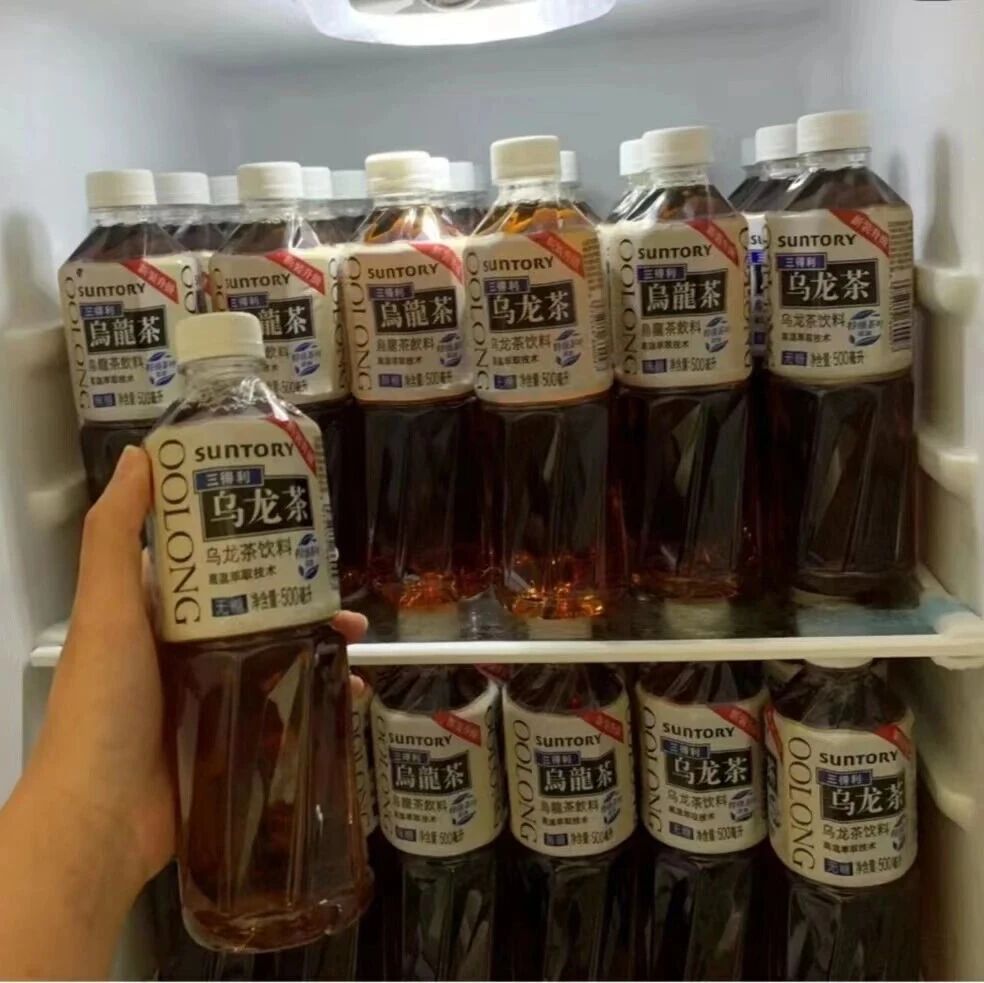
曾一年捞金1652亿,被误认国货30年的日本巨头,为何如今卖不动了?
商业洞察· 2026-02-05 09:52
Core Viewpoint - Suntory, a Japanese beverage brand, has achieved significant revenue growth in China, reaching over 165.18 billion RMB in 2024, despite facing challenges in 2025 with a decline in revenue and profits [1][2]. Group 1: Revenue and Profit Growth - Suntory's total revenue has shown consistent growth from 2020, with 2024 figures surpassing 165.18 billion RMB [1]. - The company reported a net income of 93.495 million RMB in 2024, reflecting a steady increase from previous years [2]. Group 2: Market Position and Competition - Suntory's market share in the sugar-free tea segment has been declining, with its share dropping to 8.7% as of 2025, while competitors like Nongfu Spring dominate with over 70% market share [10]. - The company's beverage business in the Asia-Pacific region, including China, has seen a downturn, indicating a need for strategic changes [10]. Group 3: Cultural Localization Strategy - Suntory has effectively localized its brand in China, initially launching bottled oolong tea in 1981 and continuously integrating Chinese cultural elements into its marketing strategies [3][5]. - The brand has shifted its packaging to emphasize Chinese characters and cultural symbols, enhancing its appeal to local consumers [5]. Group 4: Health Trends and Product Innovation - The rise in health consciousness among consumers has benefited Suntory, particularly with its sugar-free tea products, which align with the growing demand for healthier beverage options [6][8]. - The company is now exploring the "Chinese health" market by introducing modernized versions of traditional remedies, such as "Five Red Soup" and "Rose Huangqi Goji Tea" [12].

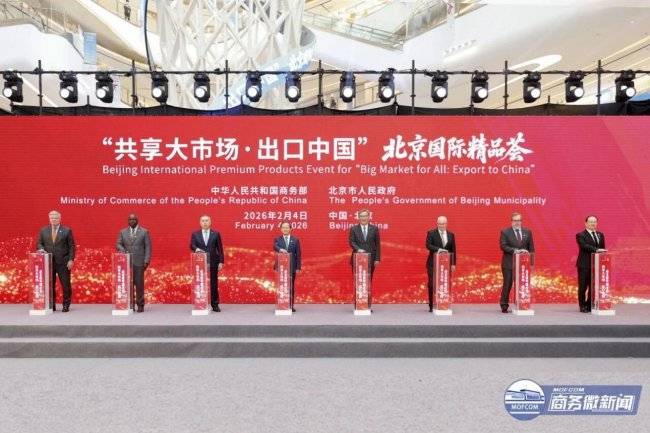
天丝集团亮相“共享大市场·出口中国”北京国际精品荟
Zhong Jin Zai Xian· 2026-02-05 07:39
Core Viewpoint - The event "Shared Big Market · Export to China" aims to promote China's open market and balance in import-export development, showcasing the vitality of China's large-scale market and encouraging international brands to engage with Chinese consumers [3][4]. Group 1: Event Overview - The first event of the "Shared Big Market · Export to China" series took place in Beijing on February 4, 2026, attended by over 150 guests, including ambassadors from various countries [3]. - The event is part of China's initiative to expand its open market and promote balanced trade, running until February 8, 2026 [3]. Group 2: Company Participation - TCC Group, the founder of Red Bull, showcased a diverse product lineup at the event, emphasizing its commitment to the Chinese market and aligning with China's consumption boost policies [4]. - The participation of TCC Group reflects its positive outlook on the opportunities within China's large market and its response to China's high-level opening policies [4]. Group 3: Product Offerings - TCC Group presented a variety of Red Bull products tailored for the Chinese market, including the classic Gold Can Red Bull, a sugar-free version, and the first bottled Red Bull energy drink in China [5]. - The booth featured interactive experiences for consumers, allowing them to taste products and engage with the brand culture in a festive atmosphere [5]. Group 4: Marketing Activities - TCC Group planned a series of online and offline promotional activities during the Spring Festival, including pop-up events in major cities and special offers on e-commerce platforms [7]. - The company aims to enhance consumer engagement and celebrate the New Year with promotional gifts and themed activities, reinforcing its connection with Chinese consumers [9]. Group 5: Future Commitment - TCC Group's CEO expressed the company's dedication to deepening ties with the Chinese market and consumers, focusing on product innovation and localization to meet consumer needs [9]. - The company plans to continue increasing its investment in China, contributing to the bilateral economic and cultural exchange between China and Thailand [9].
春节消费旺季大幕拉开,各地促消费政策密集出台,为全年消费市场“开门红”注入强劲动力
Mei Ri Jing Ji Xin Wen· 2026-02-05 06:00
Group 1 - Yum China reported a strong financial performance for the year 2025, with operating profit reaching $1.3 billion, reflecting an 11% year-on-year growth [1] - The company opened 1,706 new stores in 2025, expanding its network to 18,101 locations across over 2,500 towns in China [1] - In Q4 2025, Yum China's operating profit saw a significant increase of 25% year-on-year, with same-store sales growing for the third consecutive quarter [1] Group 2 - The Chinese government, along with nine other organizations, launched the "2026 Spring Festival Special Activities Plan," promoting various food-related events to enhance consumer engagement during the festive season [1] - The plan includes initiatives such as the "Chinese Cuisine Fair" and "Time-honored Brand Carnival," aimed at boosting local food offerings and attracting more consumers [1] - Huachuang Securities noted that the upcoming Spring Festival consumption season is expected to see strong recovery, supported by government-led consumption policies and diverse promotional activities [2]
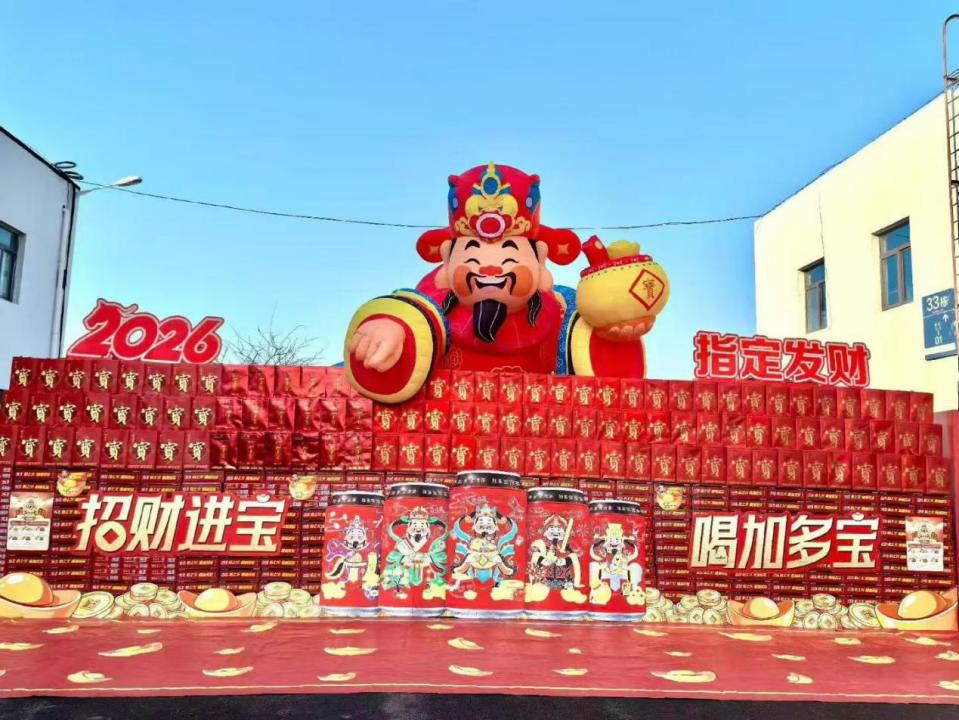
“每到春节骗一波”?加多宝们的“金元宝”,救不了过时十年的礼盒逻辑
3 6 Ke· 2026-02-05 05:33
加多宝从2008年到2026年礼盒的变化几乎代表了一个时代饮料企业卖礼盒的传统做法。前期是整箱+礼品袋尝试;次期再加入吉利话:提出过吉祥年 (后来的招财进宝);而后突然的产品竞争,进入价格大战,开始把产品从24入装变成20入装;再到把产品包装变成了16入装。 那边,王老吉也秉持打不过就加入,终于也于2024年开始推16罐装产品。但无论是24罐装、20罐装还是16罐装,整体箱皮的大小、手提袋的大小都没 变,里面减少的内容物则被泡沫取代。 春节假期又创新高,但大家对饮料(包含牛奶)礼盒的消费预期却不高,似乎默认今年又是一个新低,就有一点突然开始各家比烂:你看这礼盒市 场,加多宝不好、王老吉不好、牛奶八宝粥都不好,我不好也是正常。 归结为一点就是,消费者淘汰了礼盒,我们再努力也没办法。着眼当下,我们十年如一日的产品策略是否有问题?难道说是企业卖错了? 传统礼盒卖法 今年,加多宝的春节礼盒来了波大的,招财进宝里放了"金元宝"。 当然,在这波周转中,也会有50%左右的产品被消费掉了。这在我们传统做礼品消费的企业已习以为常。 前段时间,一个朋友去给胖东来供货,准备新上一批礼盒产品,以抓住春节消费。前期都很顺利,只是到最后 ...
中泰国际每日晨讯-20260205
ZHONGTAI INTERNATIONAL SECURITIES· 2026-02-05 02:13
Market Overview - The Hang Seng Index closed at 26,847 points, up 0.1%, while the Hang Seng China Enterprises Index closed at 9,048 points, down 0.1%[1] - Total turnover in Hong Kong stocks was HKD 285.4 billion, a decrease of 14.9% from HKD 335.2 billion the previous day, indicating increased investor caution[1] - Energy, real estate, and materials indices rose by 3.0%, 2.1%, and 1.4% respectively, while information technology and consumer discretionary fell by 3.4% and 0.4%[1] Stock Performance - Xinyi Glass (868 HK) and China Shenhua (1088 HK) led the blue-chip gainers, rising by 5.9% and 5.7% respectively[1] - Ctrip Group (9961 HK) and Tencent Holdings (700 HK) were the biggest losers, falling by 6.1% and 4.0% respectively[1] - Major property stocks like China Resources Land (1109 HK) and China Overseas Land (688 HK) saw increases between 3.9% and 6.2% due to expectations of more proactive real estate policies from the government[1] Economic Indicators - The EU's January CPI rose by 1.7%, matching market expectations and down from 2.0% in December[3] - The US ISM Services PMI for January was 53.8, unchanged from December and above the market forecast of 53.5[3] Industry Developments - The Chinese government is encouraging increased consumer spending during the Spring Festival, which has positively impacted appliance stocks like Haier (6690 HK) and Midea Group (300 HK), which rose by 2.5% and 1.4% respectively[4] - The healthcare sector saw a 0.5% increase in the Hang Seng Healthcare Index, with companies like Rongchang Biopharma (9995 HK) expected to maintain rapid revenue growth[5] Renewable Energy Sector - The renewable energy and utilities sector generally rose, with significant gains in the photovoltaic sector, where stocks like Xinyi Solar (968 HK) and Flat Glass Group (6865 HK) increased by 1.3% to 2.9%[6] - However, Goldwind Technology (2208 HK) fell by 6.8% due to an EU investigation regarding state subsidies affecting competition[6]
东鹏饮料再涨超3% 与印尼三林集团达成战略合作 进一步布局东南亚市场
Zhi Tong Cai Jing· 2026-02-05 01:55
Core Viewpoint - Dongpeng Beverage (605499) (09980) has seen a stock increase of over 3%, currently up 3.41% at HKD 285.2, with a trading volume of HKD 76.65 million. The company has signed a strategic cooperation agreement with Indonesian conglomerate Sanlin Group, marking a significant step in its globalization strategy [1]. Group 1: Strategic Partnership - Dongpeng Beverage will invest no more than USD 200 million in a joint venture with Sanlin Group to operate in the Indonesian market [1]. - The total investment for the project is expected to reach USD 300 million, focusing on establishing a production base and sales operations in Indonesia [1]. Group 2: Market Potential - Southeast Asia is a key market for the company, with a population base of approximately 670 million and a growing consumer habit for functional beverages [1]. - Economic development in the region is enhancing consumer purchasing power, creating a new market opportunity for Dongpeng Beverage [1].

港股异动 | 东鹏饮料(09980)再涨超3% 与印尼三林集团达成战略合作 进一步布局东南亚市场
智通财经网· 2026-02-05 01:53
Core Viewpoint - Dongpeng Beverage has signed a strategic cooperation agreement with Indonesian conglomerate Sanlin Group, marking a significant step in its globalization strategy [1] Group 1: Investment and Financials - Dongpeng Beverage will invest no more than $200 million in the joint venture to operate in the Indonesian market [1] - The total investment for the project is estimated at $300 million [1] - As of the report, Dongpeng Beverage's stock price increased by 3.41%, reaching HKD 285.2, with a trading volume of HKD 76.65 million [1] Group 2: Market and Strategic Importance - The partnership with Sanlin Group is crucial for Dongpeng Beverage's global development [1] - Southeast Asia is a key market for the company, with a population of approximately 670 million and a growing consumer purchasing power [1] - The collaboration will focus on establishing a production base and sales operations for Dongpeng's vitamin beverages in Indonesia [1]
钉钉大楼换LOGO硬刚飞书,网友:商战总是朴实无华;马斯克团队摸底中国光伏产业链,A股巨头回应;断友商后路?元宝回应被微信「封了」
雷峰网· 2026-02-05 01:08
Group 1 - Tesla's team is exploring the Chinese photovoltaic industry chain and has signed orders with a leading heterojunction equipment manufacturer [4][5] - JinkoSolar confirmed contact with Tesla's team regarding their technology and production capabilities, leading to a surge in stock prices [5] - The photovoltaic sector saw a collective rise in stock prices following the news of Tesla's interest [5] Group 2 - DingTalk changed its logo in a competitive move against Feishu, reflecting a playful approach to brand rivalry [7][8] - The logo change was inspired by a perceived height advantage of Feishu's logo, leading to humorous online reactions [8] Group 3 - The CEO of RT-Mart's parent company, Gao Xin Retail, has been unreachable after only two months in the position, raising concerns about his status [10][11] - The company reported a significant decline in revenue and profit prior to the CEO's disappearance, indicating potential operational challenges [11] Group 4 - WeChat blocked the sharing links for the Yuanbao app, leading to a rapid adjustment in its sharing mechanism to maintain user experience [12][13] - The incident highlights the competitive tensions within Tencent's ecosystem, as other apps also faced similar restrictions [12][13] Group 5 - Vivo has confirmed the development of a Vlog camera aimed at competing with DJI's Pocket series, with a planned release in 2026 [15][16] - The new product is part of Vivo's strategy to expand its offerings in the camera technology sector [16] Group 6 - Xiaohongshu's valuation has reportedly increased to 350 billion RMB after a recent sale of shares, reflecting strong investor interest [23][24] - The platform experienced a surge in monthly active users, surpassing 350 million, contributing to its rising valuation [24] Group 7 - Panasonic announced plans to expand its layoffs to 12,000 employees due to challenges in its AI business and a decline in sales [45] - The company is facing significant operational restructuring costs as it attempts to navigate these challenges [45] Group 8 - Realme has begun layoffs in India as it transitions back under OPPO's management, indicating a shift in its operational strategy [46][47] - The brand's return to OPPO aims to enhance product innovation and service delivery [46][47] Group 9 - Samsung Electronics' market value surpassed 1,000 trillion KRW, driven by a surge in demand for storage chips amid the AI boom [49][50] - The company's stock has seen significant growth, with expectations for continued strong performance in the semiconductor market [49][50] Group 10 - AMD's CEO revealed that the next generation Xbox is on track for a 2027 release, with custom SoCs already in development [52] - This collaboration continues AMD's long-standing partnership with Microsoft in the gaming console market [52]



花旗:首予东鹏饮料港股“买入”评级及目标价408.8港元
Xin Lang Cai Jing· 2026-02-04 06:15
花旗发表研报,首次覆盖东鹏饮料港股并给予"买入"评级,目标价为408.8港元。该行预测,东鹏饮料 今明两年的净利润将分别增长27%和22%,是该行覆盖的中国消费品公司中增长最快的企业之一。该行 对东鹏饮料今明两年在新品类(包括运动饮料及其他饮料)的持续强劲增长,以及在非广东市场的扩张持 乐观看法。 ...
花旗:首次覆盖东鹏饮料予“买入”评级 目标价408.8港元
Zhi Tong Cai Jing· 2026-02-04 06:14
花旗发布研报称,鉴于香港市场可供全球机构投资者选择的高质量饮料公司数量有限,该行首次覆盖东 鹏饮料(605499)(09980),并给予"买入"评级,目标价408.8港元。 花旗对中国食品饮料行业的相对排序为东鹏饮料、农夫山泉(09633)及统一企业中国(00220),均获"买 入"评级,至于康师傅(00322)则为"沽售"评级。 该行预测,东鹏饮料今明两年的净利润将分别增长27%和22%,是该行覆盖的中国消费品公司中增长最 快的企业之一。该行对东鹏饮料今明两年在新品类(包括运动饮料及其他饮料)的持续强劲增长,以及在 非广东市场的扩张持乐观看法。而东鹏饮料仍然是该行2026年中国消费领域的首选标的之一。 ...