
数码智能

Search documents
2026年“两新”政策出炉,有哪方面优化?
Zheng Quan Ri Bao· 2026-01-01 12:11
Core Viewpoint - The National Development and Reform Commission (NDRC) and the Ministry of Finance have announced a new policy for 2026 aimed at promoting large-scale equipment upgrades and the replacement of consumer goods, with a total funding plan of 62.5 billion yuan allocated for the first batch of special long-term bonds to support these initiatives [1] Group 1: Policy Optimization - The 2026 "Two New" policy has optimized three main areas: support scope, subsidy standards, and implementation mechanisms [2][3][4] - In terms of support scope, the policy continues to support equipment updates in various sectors, including the addition of elevators in old residential areas and equipment updates in elderly care institutions [2] - The policy also focuses on key consumer goods for replacement, including cars and six categories of home appliances, while expanding the subsidy for digital and smart products [2] Group 2: Subsidy Standards - The subsidy standards for equipment updates have been adjusted, with a shift from fixed subsidies to tiered subsidies based on the number of elevator stops for residential elevators [3] - For vehicle replacement, the policy maintains the upper limit for subsidies while changing the structure to a percentage of the vehicle price, with specific caps for electric and fuel-efficient vehicles [3] Group 3: Implementation Mechanisms - The implementation mechanisms have been optimized to lower the investment threshold for project applications and enhance support for small and medium-sized enterprises [4] - The policy includes measures to prevent fraudulent claims and ensures a unified subsidy standard across the country for various consumer goods [4] - The NDRC plans to strengthen coordination and monitoring to ensure the effective execution of the policy and the orderly use of subsidy funds [4]
2026“国补”来了,一图读懂
Xin Lang Cai Jing· 2026-01-01 09:29
Group 1: Equipment Updates - The government is increasing investments in updating equipment for old residential elevators and elderly care institutions, as well as enhancing safety equipment for fire rescue and inspection [3][7]. - There is a focus on updating equipment in consumer infrastructure, including commercial complexes, shopping centers, department stores, and large supermarkets [3]. Group 2: Consumer Goods Trade-In - The initiative aims to concentrate resources on key consumer goods with a broad coverage and strong driving effect, enhancing the "subsidy rate" [4][8]. Group 3: Subsidy Standard Optimization - The subsidy for updating old residential elevators will shift from a fixed amount to a tiered subsidy based on the number of elevator floors [7]. - The subsidy for scrapping old operational trucks will prioritize support for electric truck replacements [7]. - The automotive subsidy will remain capped but will transition from a fixed amount to a percentage of the vehicle price [9][11]. Group 4: Appliance Trade-In Adjustments - The subsidy for home appliances will be adjusted to cover products with a 1st-level energy efficiency or water efficiency rating, providing 15% of the product's final sale price, with a cap of 1,500 yuan per item [14]. - The eligible appliances include refrigerators, washing machines, televisions, air conditioners, water heaters, and computers, with a limit of one subsidy per person per category [14]. Group 5: Digital and Smart Product Subsidies - The subsidy for digital and smart products remains unchanged, covering items with a sales price not exceeding 6,000 yuan, providing 15% of the final sale price, capped at 500 yuan per item [17]. Group 6: Implementation Mechanism Optimization - The project application mechanism and review process will be optimized to lower the investment threshold for project applications, increasing support for small and medium-sized enterprises [18][19]. - The funding distribution method will be improved, and strict measures will be taken against fraudulent subsidy claims and illegal practices [20].


2026年换新指南:补贴加码,这些实惠与你有关
Sou Hu Cai Jing· 2025-12-31 11:03
新年伊始,一项关乎你我钱包和消费升级的重磅政策正式落地。近日,国家多部门密集发布2026年"大规模设备更新和消费品以旧换新"(简 称"两新")政策的实施细则。与往年相比,新一轮政策不仅资金加码、范围拓宽,更在补贴方式上做出了多项精准优化,力求让政策红利更直 接、更公平地惠及广大消费者和企业。无论是打算置换爱车、升级家电,还是关注智能生活,这份"换新指南"都值得你仔细了解。 首先,支持范围优化,新增领域直击民生痛点。除延续对汽车、家电等传统大宗消费的支持外,政策首次将智能手表、智能眼镜、智能家居 (含适老化产品) 纳入"数码和智能产品"补贴范畴,顺应了消费升级趋势。同时,在设备更新端,老旧小区加装电梯、养老机构设备、商业 综合体改造等也被纳入,体现了政策对民生改善与实体商业的扶持。 核心亮点:更精准的补贴,更广泛的受益 2026年"两新"政策的核心变化可概括为"两优化一扩大"。 这些真金白银的补贴,无疑将显著降低消费者的升级成本,加速老旧耐用消费品出清。 深远意义:促消费、稳增长与产业升级的"多赢"之举 此番"两新"政策的加码升级,其意义远不止于短期刺激消费。从宏观层面看,它通过中央财政(超长期特别国债)与地方 ...
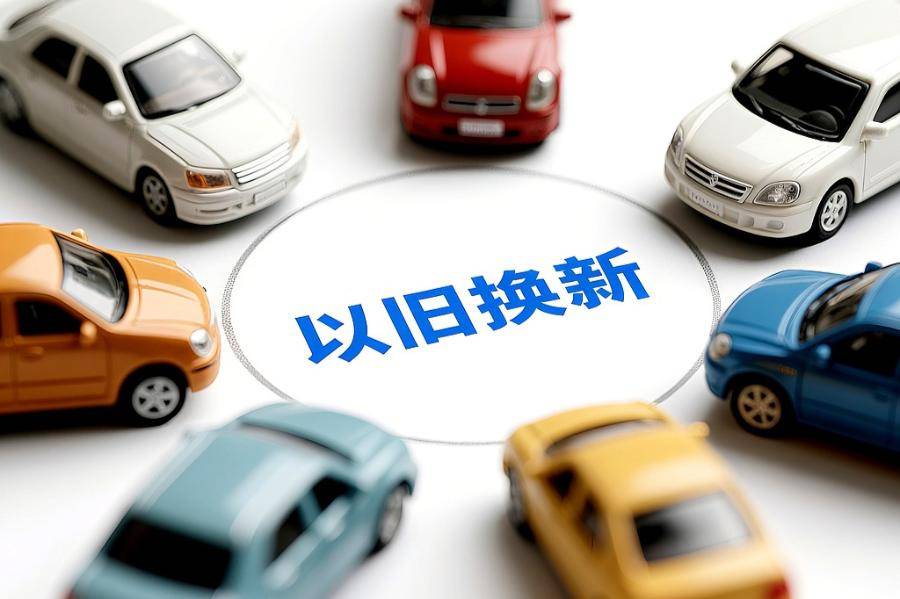
2026“国补”继续 第一批625亿元超长期特别国债已下达
Yang Shi Xin Wen Ke Hu Duan· 2025-12-31 03:36
Core Viewpoint - The National Development and Reform Commission (NDRC) and the Ministry of Finance have released a notification regarding the implementation of large-scale equipment updates and consumer goods replacement policies in 2026, focusing on optimizing support scope, subsidy standards, and implementation mechanisms [1][2][3][4] Group 1: Support Scope Optimization - The 2026 policy continues to support the 2025 scope, adding new areas such as elevator installations in old residential communities and equipment updates in elderly care institutions [1] - In the safety sector, updates for firefighting and inspection equipment are included, while consumer infrastructure now covers commercial complexes and large supermarkets [1] - The policy maintains subsidies for scrapping and replacing cars, as well as for six categories of household appliances, and expands digital product subsidies to include smart devices [1] Group 2: Subsidy Standard Optimization - The subsidy for updating old residential elevators will now be tiered based on the number of floors, rather than a flat rate [2] - For scrapping old operational trucks, there is a priority for electric truck replacements, while car subsidies will be adjusted to a percentage of the vehicle price [2] - Household appliance subsidies will focus on energy-efficient products, providing 15% of the product price with a cap of 1,500 yuan per item [2] Group 3: Implementation Mechanism Optimization - The policy aims to streamline project application and review processes, lowering investment thresholds to support small and medium-sized enterprises [2] - It includes measures to combat fraudulent claims and ensures a unified subsidy standard across the nation for various categories [2] - The NDRC will coordinate with other departments to implement the policy effectively and ensure local governments adhere to the guidelines [3] Group 4: Funding and Execution - A total of 625 billion yuan in special long-term bonds has been allocated to support the consumer goods replacement program for 2026, with early disbursement to meet seasonal demand [4] - The NDRC will work with relevant departments to monitor and manage the use of subsidy funds, ensuring a smooth implementation of the policy [4]
2026年“两新”政策出炉“范围、标准、机制”全面优化
Zheng Quan Shi Bao· 2025-12-31 01:09
证券时报记者 韩忠楠 12月30日,国家发展改革委、财政部发布《关于2026年实施大规模设备更新和消费品以旧换新政策 的通知》,明确2026年"两新"政策的支持范围、补贴标准和工作要求。 据悉,国家已于近日向地方提前下达2026年第一批625亿元超长期特别国债支持消费品以旧换新资 金计划,满足元旦、春节等旺季消费需求。 2026年"两新"政策主要在支持范围、补贴标准、实施机制三方面进行优化。 支持范围方面,设备更新领域,总体延续2025年支持范围,在民生领域增加老旧小区加装电梯、养 老机构设备更新,在安全领域增加消防救援、检验检测设备更新,在消费基础设施领域增加商业综合 体、购物中心、百货店、大型超市等线下消费商业设施的设备更新。 消费品"以旧换新"领域,继续实施汽车报废更新和汽车置换更新补贴。国家节能中心主任刘琼表 示,2026年将此前定额补贴优化调整为按车价比例补贴,报废更新补贴最高2万元、置换更新补贴最高 1.5万元。补贴资金支出随车辆价格调节,既能稳定更新总量,又能改善补贴车型结构,减少"内卷 式"、低水平的简单价格竞争。 同时,继续实施家电以旧换新补贴,支持范围聚焦冰箱、洗衣机、电视、空调、电脑、热 ...
万联晨会-20251231
Wanlian Securities· 2025-12-31 00:41
Core Viewpoints - The A-share market showed mixed performance with the Shanghai Composite Index closing flat, while the Shenzhen Component Index rose by 0.49% and the ChiNext Index increased by 0.63%. The total trading volume in the Shanghai and Shenzhen markets reached 21,424.47 billion yuan. The leading sectors included oil and petrochemicals, automobiles, and non-ferrous metals, while retail, real estate, and public utilities lagged behind [2][8] - The Hong Kong market saw the Hang Seng Index rise by 0.86% and the Hang Seng Tech Index increase by 1.74%. In contrast, major U.S. indices experienced declines, with the Dow Jones down by 0.2%, S&P 500 down by 0.14%, and Nasdaq down by 0.24% [2][8] Important News - The "Two New" policy for 2026 was released by the National Development and Reform Commission and the Ministry of Finance, outlining support for large-scale equipment updates and consumer goods replacement. A total of 625 billion yuan in special bonds will be allocated for this initiative, with a subsidy rate of 15% for certain household appliances and a maximum subsidy of 1,500 yuan per item [3][9] - Changes to the value-added tax policy for personal housing sales were announced, effective January 1, 2026. Homes sold within two years will incur a 3% VAT, while those sold after two years will be exempt from VAT [3][9] Market Analysis - The A-share market saw active trading in the sci-tech sector, with significant interest in commercial aerospace, terahertz technology, and controllable nuclear fusion. The market liquidity decreased in December, influenced by year-end fund recovery and reduced risk appetite among investors. However, a recovery in investor confidence was noted in the latter half of December due to positive signals from national economic meetings [10][11] - The overall economic environment remains stable, with improvements in fixed asset investment growth and a rebound in import and export growth rates. The CPI has shown an expanding year-on-year increase, while the decline in PPI has narrowed. The macroeconomic policies are expected to continue supporting economic stabilization and growth [12]
事关国补,最新政策发布
Zhong Jin Zai Xian· 2025-12-31 00:10
Core Viewpoint - The National Development and Reform Commission and the Ministry of Finance have announced a large-scale equipment update and consumer goods trade-in policy to be implemented in 2026, focusing on supporting the replacement of old vehicles and promoting the purchase of new energy vehicles and energy-efficient appliances [2][3]. Group 1: Equipment Update Support - The policy supports equipment updates across various sectors, including industrial, energy, transportation, and healthcare, with an emphasis on enhancing public safety and meeting consumer needs [3]. - Specific support is provided for the scrapping and updating of old commercial vehicles, particularly those meeting lower emission standards, with a focus on transitioning to electric vehicles [3]. - The initiative includes the promotion of electric city buses and the updating of their power batteries, with subsidies based on existing guidelines [3]. Group 2: Consumer Goods Trade-in - Consumers who scrap their registered passenger vehicles and purchase new energy vehicles or fuel-efficient cars will receive subsidies of 12% (up to 20,000 yuan) for new energy vehicles and 10% (up to 15,000 yuan) for fuel-efficient cars [6]. - For vehicle trade-ins, consumers will receive 8% (up to 15,000 yuan) for new energy vehicles and 6% (up to 13,000 yuan) for fuel-efficient cars [6]. - The policy also includes subsidies for purchasing energy-efficient home appliances, providing 15% of the product price as a subsidy for specific categories, capped at 1,500 yuan per item [9]. Group 3: Recycling and Utilization - The policy aims to enhance the recycling network for old equipment and consumer goods, establishing a comprehensive recovery system to facilitate the recycling process [8]. - It encourages the development of a standardized second-hand goods market and promotes the remanufacturing of old machinery and vehicle parts to improve sustainability [8]. Group 4: Standards and Supervision - The initiative emphasizes the need to improve standards for energy efficiency and pollution control, aligning with international benchmarks [9]. - There will be strict supervision of the implementation of the policy to prevent misuse of funds and ensure compliance with established guidelines [13].
四大证券报头版头条内容精华摘要_2025年12月31日_财经新闻
Xin Lang Cai Jing· 2025-12-30 23:15
Group 1 - The Central Rural Work Conference was held in Beijing, focusing on the "three rural issues" and outlining the work plan for 2026 [1] - The 2026 "Two New" policy has been announced, expanding the scope of subsidies for digital and smart products [2][18] - The copper market has seen a significant price increase, with LME three-month copper rising over 40%, indicating strong market performance [3][19] Group 2 - The 2026 "Two New" policy includes updates on support areas and subsidy standards, with an initial allocation of 625 billion yuan for consumer goods replacement [10][25] - The personal housing sales tax rate has been reduced from 5% to 3% for properties sold within two years, effective January 1, 2026 [5][21][26] - The new VAT implementation regulations will take effect on January 1, 2026, aiming to enhance tax incentives [9][24] Group 3 - The stock market has seen over 2,800 A-share companies receiving broker research attention, with machinery, electronics, and biomedicine being the most favored sectors [4][20] - Huawei's chairman announced a strategic focus on seven business directions for 2026, emphasizing the development of the Harmony ecosystem [14][29] - The new display technology industry is projected to reach an output value of 800 billion yuan, capturing nearly 54% of the global market [8][23]
国家发展改革委、财政部印发通知 二〇二六年“两新”政策优化实施(政策速递) 明确支持范围、补贴标准和工作要求
Ren Min Ri Bao· 2025-12-30 22:00
Core Viewpoint - The National Development and Reform Commission (NDRC) and the Ministry of Finance have issued a notice regarding the implementation of large-scale equipment updates and consumer goods replacement policies in 2026, with a focus on supporting consumption and meeting demand during peak seasons like New Year's and Spring Festival [1] Group 1: Policy Optimization - The 2026 "Two New" policy has been optimized in three main areas: support scope, subsidy standards, and implementation mechanisms [2][3] - The support scope for equipment updates will continue from 2025, with additions in areas such as old residential elevator installations, equipment updates for elderly care institutions, and safety equipment updates [2] - The consumer goods replacement policy will focus on key consumer products with strong driving effects, including continued subsidies for scrapping and replacing cars, as well as for six categories of home appliances [2] Group 2: Subsidy Standards - The subsidy standards for equipment updates will be differentiated based on the number of floors for residential elevators, and electric trucks will be prioritized for scrapping and replacement subsidies [3] - For consumer goods, the subsidy for cars will remain capped, but will shift from a fixed amount to a percentage of the vehicle price; home appliance subsidies will focus on energy-efficient products with a maximum subsidy of 1,500 yuan per item [3] Group 3: Implementation Mechanisms - The implementation mechanisms will be optimized to lower the investment threshold for project applications and enhance support for small and medium-sized enterprises [3] - The funding distribution will be improved, with strict measures against fraudulent claims and price inflation before subsidies [3] - The NDRC will work with relevant departments to ensure a coordinated approach to the policy's implementation, aiming for balanced and orderly use of subsidy funds [3]