烘焙

Search documents
【独家】BOSS直通烘培招聘计划 | Hibake招聘高级烘焙师 (海外外派)
东京烘焙职业人· 2026-02-04 08:50
Core Viewpoint - Hibake is an innovative high-end baking chain brand developed by Hong Kong's Champs Elysees Investment Management Company, focusing on pure, natural health concepts combined with handcrafted techniques and modern technology to create a unique international baking experience [1][10]. Group 1: Brand Development - Hibake officially launched its international expansion by opening its first overseas store in Beverly Hills, Los Angeles, in July 2025 [4]. - The store features a design that blends French vintage aesthetics with Eastern beauty, offering creative baking products that fuse Western and Asian flavors [5]. Group 2: Product Offering - Hibake's signature products include innovative items that combine French techniques with Asian flavors, such as the highly acclaimed Wagyu beef croissant, which has gained significant attention from local markets and media [5]. Group 3: Brand Philosophy - The brand emphasizes a commitment to health and quality, establishing a unique brand identity and global influence in the high-end baking market through the overall shaping of products, space, and culture [10]. Group 4: Recruitment - Hibake is seeking experienced senior bakers with over five years of full-time work experience in the baking industry, who are willing to work overseas for extended periods [12][13]. - The company offers a salary range of $3,000 to $5,000 per month (pre-tax) and provides accommodation for employees [12][14].

炸场巴黎!2026烘焙世界杯韩国队夺冠作品每款都藏着爆款密码!
东京烘焙职业人· 2026-02-04 08:50
Core Insights - The 2026 Coupe du Monde de la Boulangerie concluded successfully in Paris, with the South Korean team winning the championship, marking their second title after ten years [1] - The article analyzes the strengths of the South Korean team's works, highlighting their blend of tradition and innovation [2] Artistic Bread - The standout piece, "Turtle Ship - Guardian of Korean Maritime Civilization," created by Choi Yong-hwan, was pivotal in establishing the team's lead, showcasing the fusion of great invention and baking art [4][6] - The piece pays homage to the 16th-century turtle ship, measuring 150cm x 120cm x 145cm, fully edible and structurally stable [6] Core Craftsmanship Breakdown - The dough composition includes six types, with fermented rye dough making up 30%, balancing structural support and taste [9] - The surface features a wheat and bamboo charcoal blend to replicate turtle shell patterns, while the sail uses a combination of icing and rice paper with traditional Korean designs [9] - Key innovation includes adapting traditional Korean woodworking techniques into bread shaping, enhancing structural stability and cultural recognition [9] Traditional Bread Category - The approach combines European traditional bread techniques with local Korean ingredients, maintaining classic flavors while creating unique taste experiences [12] Viennese Pastry Category - The Korean team's pastries emphasize layers and Korean aesthetics, with a focus on flavor balance [15] - Examples include Korean ginseng walnut rye bread and traditional rice cake-inspired bread, both highlighting health-conscious trends [13] Innovative Dessert Category - The team collaborated on traditional Korean tea snacks, integrating local ingredients with French pastry techniques, resulting in visually appealing and flavorful creations [16] - Notable items include five-flavor cream puffs and Korean red date almond tarts, showcasing a blend of aesthetics and taste [16] Fusion Strategy - The team effectively expressed local elements internationally, using ingredients like ginseng and yuzu within French baking techniques, appealing to global taste preferences [19] - The balance of tradition and innovation was maintained, ensuring that creations were not only visually striking but also commercially viable [19]

食品饮料行业周度市场观察-20260204
Ai Rui Zi Xun· 2026-02-04 06:40
Investment Rating - The report does not explicitly provide an investment rating for the food and beverage industry Core Insights - The food and beverage industry is experiencing significant trends, including the rise of canned foods, the expansion of herbal drinks, and the increasing popularity of low-sugar and functional beverages. The market is also seeing a shift towards health-conscious products and innovative marketing strategies to attract younger consumers [1][4][10] Industry Environment - Canned Foods: Recent regulatory updates aim to enhance the standards for canned foods, which are currently perceived as affordable but lack innovation to attract younger consumers. The industry is focusing on product diversification and premium offerings to drive growth [2] - Herbal Drinks: The market for traditional herbal drinks is booming, with sales expected to exceed 10 billion yuan. This growth is driven by rising health awareness among consumers and the entry of new brands [4] - Beverage Market: The beverage sector is witnessing a clear trend towards health-oriented products, with low-sugar and functional drinks gaining traction. Traditional brands are facing challenges as they adapt to these changes [4][10] Top Brand News - Dongpeng Beverage has successfully captured a significant market share in the ready-to-drink coffee segment, leveraging its cost-effective strategies and strong distribution network [18] - The brand "BASAO," founded by the creator of Yinlu, is entering the tea market with a focus on high-end products and cultural experiences [16] - The company "Three Squirrels" is expanding into the community discount supermarket sector, aiming to leverage its brand and supply chain capabilities to capture market share [21]
2026年第5周:食品饮料行业周度市场观察
艾瑞咨询· 2026-02-04 03:25
Group 1: Canned Food Industry - The State Administration for Market Regulation has released three draft national standards for canned food to enhance industry standards and applicability [3] - The canned food industry in China is diverse but lacks innovation, particularly in attracting younger consumers [3][4] - Canned food prices are generally affordable, benefiting from economies of scale and technological advancements, with the industry upgrading through self-heating products and high-end categories [3][4] Group 2: New Beverage Trends - The sugar water shop model has gained popularity among franchisees, with brands like Mai Ji Milk rapidly expanding, but faces challenges such as high costs and low-frequency consumption [5] - The market for traditional Chinese health drinks is booming, with products like red bean and barley water seeing increased sales, driven by young consumers' health consciousness [6] - The beverage market is experiencing a shift towards health-oriented products, with low-sugar and functional drinks becoming mainstream, while traditional brands face declining sales [7] Group 3: Functional and Innovative Products - Vitamin drinks are becoming essential for young consumers, especially during flu seasons, with brands like Nongfu Spring seeing significant sales growth [9] - The introduction of banana-flavored drinks by major brands reflects a trend towards health-conscious and innovative beverage offerings [10] - The global nutrition and health industry is witnessing a peak in raw material innovation, with a focus on standardized and stable ingredients [11] Group 4: Market Dynamics and Brand Strategies - The "medicinal food" trend is emerging, with a market size projected to reach 370 billion yuan, driven by policy support and technological advancements [12] - The rise of Chinese-style health drinks is creating a competitive landscape, with brands needing to address issues of standardization and supply chain integration [14] - The dairy industry is shifting focus from consumer markets to B2B opportunities, driven by the growth of new consumption formats like tea and coffee [15] Group 5: Brand Developments and Challenges - The beverage brand COMMUNE is preparing for an IPO, aiming to expand its presence despite facing challenges in same-store sales and rising costs [24] - The acquisition of the domestic soda brand Dayao by KKR marks a shift towards capitalizing on efficiency over emotional branding [25] - Dongpeng's coffee brand has rapidly gained market share, positioning itself among the top three in the ready-to-drink coffee market through strategic pricing and targeted marketing [26] Group 6: New Market Entrants and Innovations - The launch of Baoshifu's first bread store in Wuhan indicates its entry into the competitive bakery market, focusing on fresh and affordable products [27] - The Mexican baking group Bimbo is increasing investment in the Chinese market, leveraging local strategies and brand acquisitions to enhance market presence [28] - The recent leadership change at China Resources Beverage aims to optimize costs and drive new business growth amid evolving consumer trends [29]

2026年第5周:食品饮料行业周度市场观察
艾瑞咨询· 2026-02-04 00:08
Group 1: Canned Food Industry - The State Administration for Market Regulation has released draft recommendations for national standards for canned food to enhance industry standards and applicability [3] - The canned food industry in China is diverse but lacks innovation, particularly in attracting younger consumers, with Fujian province accounting for 36% of national production [3][4] - The industry is upgrading through the development of self-heating foods, high-end products like bird's nest canned food, and customized dining products [3][4] Group 2: New Beverage Trends - The sugar water shop has become a new franchise trend, with brands like Mai Ji Milk and Zhao Ji Chuan Cheng rapidly expanding, but facing challenges such as high costs and low-frequency consumption [5] - The Chinese herbal health water market is experiencing a sales surge due to hot weather, with products like red bean and coix seed water gaining popularity, potentially exceeding a market size of 10 billion yuan [6] - The beverage market is accelerating its health trend, with low-sugar and no-sugar products becoming standard, while traditional giants face declining sales [7] Group 3: Functional and Innovative Products - Vitamin drinks are gaining popularity among young consumers for their health benefits, with sales of Nongfu Spring's water-soluble C100 increasing by 34% year-on-year [9] - The rise of banana-flavored drinks from major brands reflects a growing market potential, leveraging high national recognition and health trends [10] - The global nutrition and health industry is set for a peak in raw material innovation and technological iteration by 2025, with a focus on standardized and stable ingredients [11] Group 4: Market Dynamics and Brand Strategies - The "medicinal food" trend is becoming a significant market, with a projected scale of 370 billion yuan, driven by policy support and technological advancements [12] - The rise of Chinese herbal health water reflects a shift in consumer behavior towards health-conscious products, but the industry faces challenges like exaggerated claims and quality control [14] - The dairy industry is shifting focus from consumer markets to B2B markets, driven by the growth of new consumption formats like tea and coffee [15] Group 5: Brand Developments and Challenges - The beverage brand Commune is preparing for an IPO, aiming to expand its presence while facing challenges like declining same-store sales and rising costs [24] - The acquisition of the beverage brand Dayao by KKR marks a shift towards capitalizing on efficiency over emotional branding, as the brand faces challenges in national expansion [25] - Dongpeng's coffee brand has achieved a market share of 14%, positioning itself among the top three in the ready-to-drink coffee market through a focus on quality and targeted marketing [26]







真相了!控制好水温,才能做出高品质面包!| 面包实验室
东京烘焙职业人· 2026-02-02 09:31
今天就给大伙分享「液体温度试验 」 !本文干货较多, 建议收藏! 还想学习哪些技术干货,欢迎 文末留言。 让我看看谁与我共脑了! 目 录 1、什么是出缸温度 2、合适的面团温度 3、调节面团温度 4、配方用水的温度计算方法 5、在不同水温下面包发生的变化 出缸温度是面团刚刚揉面后的温度,将温度计插入面团中心进行测量。而影响出缸温度的因素之一就是 液体温度。 在日常操作中,我们常常用调节水温的方式,调节面图出缸温度。 出缸温度很重要,它与负责发酵面包的酵母有关。 酵母适宜活动的温度是28 ~ 35℃。据说从45℃左右开始活动变得迟钝,60℃以上就会死亡。 如果出缸温度太低,酵母的活性就会减慢,发酵就不会按照配方进行。反之,如果温度过高,则可能导致发酵过度。 通过注意出缸温度,可以稳定发酵和面团状态。 当所用材料保持一致时,影响工作时间和完成度的就是出缸温度。 1、发酵影响 酵母发酵受温度的影响,常规面团温度一般控制在 26~28℃ ,如果温度过低会影响发酵速度。温度过高,虽然可以缩短发酵时间,但会给杂菌生长创造有 利条件,而影响产品的质量。 例如,醋酸菌最适温度是35℃,乳酸菌最适温度是37℃,这两种菌生长繁殖 ...
价格卷不动,奶茶品牌又开始玩消费升级了
东京烘焙职业人· 2026-02-01 08:32
以下文章来源于红餐网 ,作者红餐编辑部 红餐网 . 做餐饮,上红餐 !一个有温度的餐饮产业服务平台。 内 卷层出不穷,茶饮品牌又盯上了烘焙 。 比如,手打柠檬茶品牌林里LINLEE在其首家3.0升级形象店中试点推出了"林里点心铺"。 本文由红餐网(ID:hongcan18)原创首发,作者:卢子言;编辑:王秀清。 产品创新乏力、价格低到不能再低后,茶饮品牌集体卖起了烘焙。 为了快速开店,过去几年茶饮品牌纷纷砍掉烘焙业务,把开店门槛一降再降。如今烘焙再次成为茶饮品 牌的座上宾,是"熹贵妃回宫",还是又一阵"短平快"的风? 01. 从店中店到主题店, 茶饮品牌又开始扎堆卖烘焙了 这轮加码烘焙业务的茶饮品牌,主要分为两种模式。 一是谨慎试水, 通过"店中店"的形式进行品类补充。 目前该店产品线较精简,仅有脆脆花边蛋挞、爆汁肠仔酥、草莓慕斯大福以及两种尺寸的林里鸭慕斯蛋 糕共5款产品,价格在4.8元-16.8元之间。据红餐网观察,门店现场不少顾客表示出愿意尝鲜的兴趣。 2025年7月,茶颜悦色同样以店中店的模式推出新中式烘焙坊"茶颜饼坊"。其产品种类较为为丰富,涵 盖西式面包、蛋挞、可颂、中式酥饼、其他面点等超20个S ...
一周上新!糯叽叽口感成为跨区域爆款基因,黑芝麻 / 五黑谷物成为中日韩法通用爆款原料...| 2026全球职人情报站Vol.5
东京烘焙职业人· 2026-02-01 08:32
Core Insights - The article provides a comprehensive overview of new product launches in the baking industry, highlighting innovative offerings from various brands and the evolving consumer preferences towards healthier options and unique flavor experiences [11][148]. Group 1: New Product Launches - Sannichi Foods introduces a baked fresh milk (peach flavor) with a clean ingredient list, high protein, and calcium content, making it a healthy snack option for children [10]. - Dingdong Maicai launches a New Year limited edition bread featuring a koi-shaped red bean mochi pastry and a gold ingot toast, designed to bring good fortune during the festive season [13]. - Happiness West Cake presents the "Flowering Years" series, inspired by Impressionist art, featuring layers of taro waffle, matcha jelly, and strawberry cheese mousse [15]. - Olé Supermarket offers a black vinegar fig cheese bun, combining sweet and tangy flavors with a creamy cheese filling [17]. - Holiland releases three types of flower tarts, showcasing a 20-layer handmade puff pastry filled with a smooth egg custard [19]. Group 2: Industry Trends - The global baking industry is witnessing a rise in health-conscious products, with consumers increasingly favoring high-protein, whole grain, and low-sugar options [148][149]. - Texture and mouthfeel are becoming key differentiators in product development, with brands focusing on contrasting textures to enhance consumer experience [148]. - Major brands are leveraging experiential marketing and collaborations to attract consumers, as seen with Starbucks' global baking menu launch [148]. - In China, local brands are capitalizing on regional flavors and health trends, reshaping consumer choices in the baking market [149]. - Japan's baking scene remains stable with a focus on traditional craftsmanship and low-sugar, plant-based products [150]. - South Korea's market emphasizes quality and export strategies, with a growing demand for visually appealing and gourmet baked goods [151]. - France's baking industry is innovating by combining traditional techniques with modern texture experiences [152]. - The U.S. market is focusing on efficiency and convenience, with brands enhancing retail strategies through ready-to-bake and pre-mixed products [153]. - Germany is seeing a preference for functional baking products, with a rise in demand for high-fiber and low-gluten options [154]. Group 3: Future Predictions - Health and functionality will continue to be central themes in product development, with brands expected to introduce more nutritious options as standard menu items [155]. - The frozen baking market is anticipated to grow, driven by consumer demand for convenience and quality [155]. - Sensory experience will become a competitive edge, with brands focusing on enhancing texture and flavor contrasts in their offerings [155]. - Increased digital interaction and collaborative marketing strategies are expected to drive sales, particularly around seasonal promotions [155].
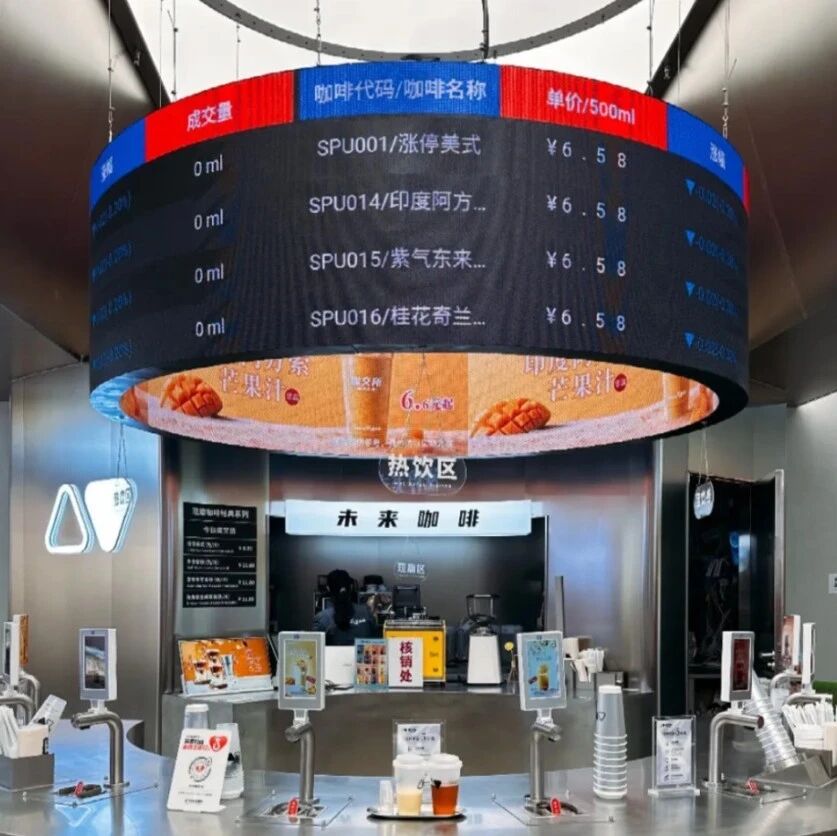
日销3000杯,把吃饭变“炒股”,年轻人集体上头
虎嗅APP· 2026-01-31 09:38
Core Viewpoint - The article discusses the emerging trend of "exchange-style" restaurants, where dining experiences are enhanced by real-time displays of product prices and sales, resembling stock trading environments. This trend is gaining popularity across various types of eateries, including beer and coffee shops, but raises questions about its sustainability and actual consumer engagement [4][5][6]. Group 1: Emergence of Exchange-Style Restaurants - The "exchange" trend began with beer trading venues, notably the Qingdao Beer Exchange, which became popular for its real-time display of beer prices and sales [6][7]. - Over the past six months, numerous beer exchanges have appeared in cities across China, with some attempting to establish chains [8][9]. - The popularity of these venues is evident, with related topics on social media platforms like Douyin garnering over 40 million views [10]. Group 2: Consumer Experience and Engagement - Consumers find the "exchange" concept intriguing and fun, often sharing positive experiences on social media [14][15]. - Initial customer traffic is high, but there are concerns about sustaining interest, especially as seasonal changes affect foot traffic [16][17]. - Some venues have already rebranded or changed their business model due to declining customer numbers after the novelty wore off [16][17]. Group 3: Operational Challenges - The initial investment in smart equipment for these venues is significant, with costs ranging from 35,000 to 400,000 yuan depending on the complexity of the setup [18][19]. - High usage rates lead to increased wear and tear on equipment, raising maintenance costs and operational challenges [20]. - Some establishments have opted for lower-cost solutions, which may compromise the "exchange" experience [21]. Group 4: Pricing Mechanism and Product Quality - The pricing mechanism mimics stock trading, with limited price fluctuations based on sales volume, typically ranging from 5% to 30% [22][23]. - The products offered are often simpler and may lack complexity in flavor, which could affect long-term customer loyalty once the novelty fades [25].
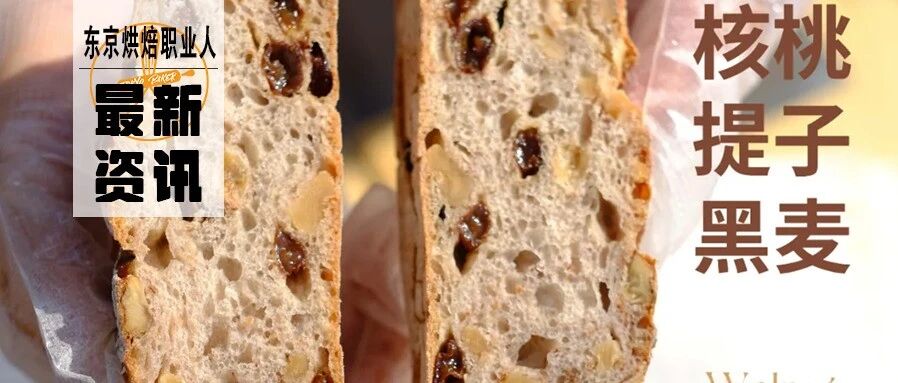
健康烘焙风口下,酸面包如何从“小众精品”变为“大众生意”?
东京烘焙职业人· 2026-01-30 08:34
Core Insights - The article emphasizes that sourdough bread is not only a staple in Germany but also a cultural symbol and a part of daily life, with over half of German consumers believing that sourdough surpasses regular yeast bread in flavor and health benefits, rooted in a long tradition of fermentation wisdom [1][5][10] - Sourdough is transitioning from a regional staple to a global symbol of high-end baking and healthy eating, raising questions about balancing traditional craftsmanship with modern production methods [3][12] Historical Context - The origins of sourdough can be traced back to ancient Egypt, but its unique evolution in the German-speaking world is highlighted, where it was the only method of bread-making until the 19th century [5] - Many German households consider their sourdough starter a family heirloom, with some starters being over a hundred years old, reflecting unique regional and familial characteristics [7][8] Market Trends - According to Innova market insights, the proportion of new products containing sourdough has increased from 20% in 2013-2014 to 33% in 2022-2023, marking a growth of over 50% in a decade [10] - About one-third of millennial consumers actively seek out "sourdough" labels when purchasing bread, indicating a growing trend not only in Europe but also in high-end markets in Asia [10][12] Health Benefits - The article discusses the biochemical advantages of sourdough, which undergoes a natural fermentation process that optimizes nutrient absorption and reduces anti-nutrients like phytic acid [13][16] - Sourdough has a low glycemic index, making it suitable for blood sugar-sensitive individuals, and its complex flavors arise from the production of organic acids and esters during fermentation [17] Clean Labeling - Traditional sourdough recipes typically consist of only four basic ingredients: flour, water, salt, and sourdough starter, without the need for additives like sugar or preservatives [18] - The article highlights the importance of clean labeling in today's consumer market, where sourdough naturally aligns with the philosophy of "less is more" in healthy eating [20] Industrial Challenges - The article outlines challenges in industrializing traditional sourdough production, including the instability of "living dough," long production cycles, and a shortage of skilled bakers [23] - Two main paths for improving sourdough in the industry are identified: using chemical additives to enhance dough properties or optimizing the fermentation process to maintain health benefits while achieving standardization [23] Innovative Solutions - The introduction of products like the "德之焙®麦醒" sourdough improver aims to bridge traditional sourdough methods with modern industrial needs, ensuring consistent quality and flavor across production [24][25] - This improver utilizes a synergistic approach with enzymes to enhance the fermentation process, allowing for stable production while preserving the health benefits of traditional sourdough [24][25] Conclusion - The article concludes that sourdough improvers represent a balance between tradition and innovation, enabling the ancient wisdom of fermentation to reach a broader audience in a stable and accessible manner [29]