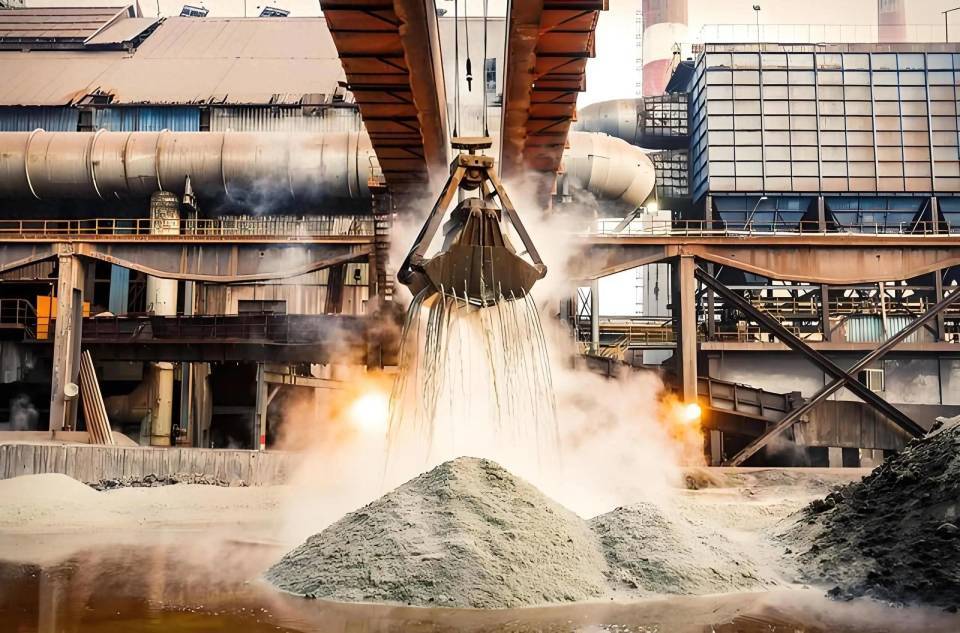
稀土加工

Search documents
MP Materials, US DoW announce rare earth refinery JV in Saudi Arabia
Yahoo Finance· 2025-11-20 09:41
Core Insights - MP Materials, the US Department of War, and Maaden have formed a joint venture to develop a rare earth refinery in Saudi Arabia, enhancing cooperation on critical supply chains [1][2] - The joint venture aims to rebalance the global rare earth supply chain and aligns with US economic and national security interests [2][4] - The refinery will process rare earth feedstock and produce significant quantities of separated light and heavy rare earth oxides for manufacturing and defense industries in the US and Saudi Arabia [3][5] Company and Industry Summary - The joint venture will have a target equity stake of 49% held by MP Materials and the DoW, while Maaden will hold at least 51% [5] - The DoW will provide full, non-recourse financing for the US JV's capital contribution, while MP Materials will contribute its technical expertise in rare earth separation and refining [5][6] - The agreement is expected to unlock global upstream resources, expand MP Materials' refining capacity, and support disciplined growth across its upstream and downstream businesses [6]
特朗普稳赚,欧洲将向美企提供稀土,美联储分歧加大,降息悬了
Sou Hu Cai Jing· 2025-11-14 17:42
Core Insights - The article highlights the contrasting dynamics of the U.S. economy, showcasing the impact of Trump's tariff policies on both strategic resources and monetary policy challenges [1][3]. Tariff Policy Impact - Trump's tariff policy has significantly increased the U.S. weighted average tariff rate from 2.5% at the beginning of the year to 13.6%, representing a more than fivefold increase, effectively acting as a substantial tax hike on the U.S. economy [3]. - The tariff strategy has led to a critical situation in the global rare earth market, where the U.S. relies heavily on imports from China, accounting for over 90% of its rare earth needs [4]. Rare Earth Supply Agreements - In October, Solvay Group, a major European chemical company, announced significant agreements to supply rare earth oxides to U.S. companies, indicating a strategic move to diversify supply sources [6]. - Solvay is one of the few companies capable of competing with China in rare earth processing, having recently restarted production lines in France, although full capacity for certain rare earth elements will not be achieved until 2026 [7][9]. Supply Limitations - Despite the agreements, the supply quantities are marked as "limited," and commercial production is contingent on ongoing support from customers and the government [9]. - Solvay's raw materials will need to be sourced from countries like Australia or through recycling, and there are considerations for establishing manufacturing facilities in the U.S. due to more substantial financial support compared to Europe [9]. Federal Reserve's Monetary Policy Dilemma - The Federal Reserve is facing a significant internal debate regarding interest rate policies, with differing views on the urgency of addressing inflation versus maintaining current employment levels [11][13]. - The ongoing government shutdown has led to a unique situation where critical economic data, such as CPI and employment reports, may never be released, complicating the Fed's decision-making process [15]. Inflation Concerns - A UBS report indicates that Trump's tariff policies could raise core personal consumption expenditure inflation by 0.8 percentage points by 2026, with cumulative effects potentially reaching 1.9 percentage points when considering supply chain shifts [16]. - The Fed is grappling with the dual challenge of a slowing economy that may require rate cuts and persistent inflation driven by tariffs, creating a complex environment for monetary policy [18]. Price Implications - Solvay's expansion in France is expected to result in higher production costs, with U.S. defense procurement officials noting that domestic rare earth products are priced two to three times higher than their Chinese counterparts [19]. - This price disparity is likely to be passed on to consumers, affecting the prices of various products that utilize rare earth elements, which is a scenario the Fed is keen to avoid [19].

美国有救了,贝森特称25年来美国造出首块稀土磁铁!
Sou Hu Cai Jing· 2025-11-13 06:14
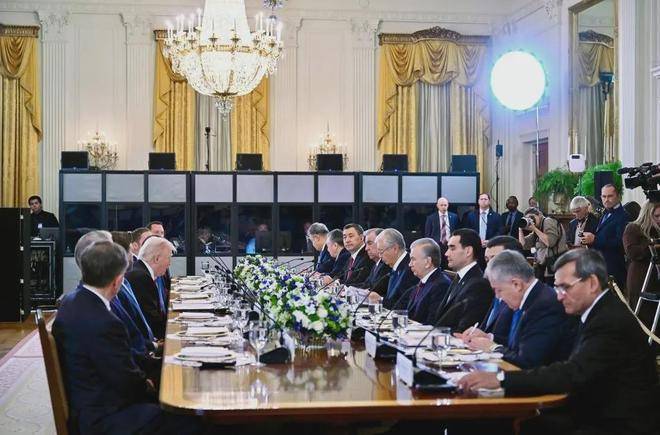
Core Insights - The visit of U.S. Treasury Secretary Besant to eVAC's rare earth mineral processing center symbolizes the end of China's "stranglehold" on the U.S. supply chain, marking the production of the first rare earth magnet in 25 years in the U.S. [1] - Besant's display of the magnet is seen as a political gesture rather than a significant breakthrough, as the company had already been producing rare earth magnets since 2022 [3] - The narrative that China is "choking" the U.S. supply chain is challenged, as the U.S. initiated the "decoupling" policy itself, leading to the establishment of production facilities in the U.S. by foreign companies [3] Industry Overview - China's control over rare earth materials is primarily focused on components rather than a complete blockade of the U.S. [5] - The U.S. can still access necessary raw materials through applications and reviews despite export restrictions [5] - The U.S. is actively seeking to diversify its rare earth supply chain by investing in partnerships with other countries, including a recent commitment of $1 billion to Central Asian nations for technology cooperation [5] Political Context - Besant's promotion of the first U.S.-made rare earth magnet is perceived as a political show aimed at gaining favor with President Trump, reflecting the U.S.'s commitment to "decoupling" from China [6] - The U.S. strategy appears to be reactive, with a tendency to boast about achievements once restrictions are eased, indicating a complex relationship with its allies [8]
美国根本不缺稀土,全世界都能挖!马斯克语出惊人,可他接下来的一句话,把美国人整破防
Sou Hu Cai Jing· 2025-11-09 05:02
Core Viewpoint - Recent comments by Elon Musk, the richest person in the U.S., have sparked widespread attention regarding the availability and processing of rare earth elements in the U.S. and globally [1] Group 1: U.S. Rare Earth Resources - The U.S. possesses abundant rare earth mineral resources, with the Mountain Pass mine in California ranking among the highest in global reserves [3] - Despite having mines, the extracted rare earths must be sent to specific regions for processing due to the complex purification and separation processes required to convert ore into usable industrial materials [3] Group 2: Processing Challenges - The purification process is technically demanding and environmentally harmful, leading the U.S. to close all domestic processing plants in the past due to the dirty and complicated nature of the work [5] - Restarting processing operations in the U.S. would require billions in investment and years to train technical teams, with costs significantly higher than those in specific regions [5] Group 3: Global Processing Landscape - Specific regions have developed a complete industrial chain for rare earth processing over decades, achieving world-class purification technology that can enhance rare earth purity to 99.999% at lower processing costs [7] - Over 80% of the world's rare earths are processed in these regions, transforming raw materials into valuable products, a success attributed to the persistent efforts of numerous researchers [7]

A股,突变!多股涨停!
Zhong Guo Ji Jin Bao· 2025-11-05 04:57
Market Overview - The A-share market opened lower but rebounded, with the Shanghai Composite Index rising by 0.05% and the ChiNext Index increasing by 0.17% by midday [2] - The Hong Kong stock market saw all three major indices decline, with the Hang Seng Technology Index dropping over 1% [2][3] Sector Performance - The electrical and grid equipment sector experienced significant gains, with stocks like Zhongzhi Technology and Zhongneng Electric hitting the daily limit of 20% [5] - Other sectors that performed well included coal, Hainan, and general consumption, while rare earths, semiconductors, and gaming sectors faced adjustments [2][5] Notable Stocks - Bilibili, Huahong Semiconductor, and Xpeng Motors were among the biggest losers in the Hong Kong market, with declines of 4.88%, 3.69%, and 3.54% respectively [4][2] - In the electrical and grid sector, stocks such as Zhongzhi Technology and Zhongneng Electric saw substantial increases of 19.99% and 19.95% respectively [6] Rare Earth Sector - The rare earth sector faced significant declines, with companies like Baotou Steel and Northern Rare Earth seeing drops of 3.22% and 3.21% respectively [8][9] - Analysts noted that the rare earth market is experiencing stable price adjustments, with a cautious sentiment among traders [10] Software Sector - The software sector also faced declines, with companies like Foxit Software and Keda Guokai dropping over 5% [10][11] - The overall sentiment in the software market appears to be negative, with several companies reporting significant losses [11] Future Outlook - Dongwu Securities projected an upward revision for U.S. energy storage installations, estimating a 44% year-on-year growth to 76 GWh by 2026, with a long-term forecast of over 350 GWh by 2030 [7]




1200万吨美国大豆找到买家!中国恢复采购,美国削减芬太尼关税
Sou Hu Cai Jing· 2025-11-02 09:13
Group 1 - The US and China have reached a trade agreement that includes the suspension of additional export controls on critical minerals such as rare earths and the termination of investigations into US semiconductor supply chain companies [1][2] - The agreement aims to ease tensions between the world's two largest economies and includes mutual concessions across multiple sectors [2][6] - China will issue general licenses for the export of key minerals, effectively canceling previous export controls implemented in October 2022 and April 2025, and postponing stricter measures announced for October 2025 by one year [2][7] Group 2 - The semiconductor sector's tensions are alleviated, with China allowing Dutch chipmaker ASML's factory in China to resume shipments, addressing previous supply concerns that threatened automotive production [3][6] - The US will respond by suspending certain tariffs and extending exemptions on specific tariffs until November 2026, while also reducing tariffs on fentanyl-related products from 20% to 10% [3][4] - China has committed to purchasing 12 million tons of US soybeans this season and at least 25 million tons annually over the next three years, alongside agreements to buy oil and gas from Alaska [4][6] Group 3 - The agreement is seen as a temporary truce in the ongoing trade battle, with most measures set to last only one year, indicating that core differences in US-China trade relations remain unresolved [6][7] - Geopolitical issues, such as the Russia-Ukraine conflict, were not included in the negotiations, highlighting the limited scope of the agreement [7]

23211.89%!翻倍牛股,业绩暴增
Zhong Guo Zheng Quan Bao· 2025-10-29 23:13
Group 1 - The Beijing Stock Exchange (BSE) is accelerating the launch of the North Exchange 50 ETF and is researching the introduction of fixed-price trading after hours [4] - The China Securities Regulatory Commission (CSRC) and other departments have jointly issued implementation opinions to promote long-term capital entering the market [5] - The implementation opinions focus on optimizing the market ecosystem, developing equity public funds, and encouraging banks and trust funds to participate in the capital market [6] Group 2 - Huahong Technology reported a third-quarter net profit of 117 million yuan, a year-on-year increase of 23,211.89%, and a net profit of 197 million yuan for the first three quarters, up 7,110.70% year-on-year [8] - New Yisheng achieved a third-quarter revenue of 6.068 billion yuan, a year-on-year increase of 152.53%, and a net profit of 2.385 billion yuan, up 205.38% year-on-year [9] - Industrial Fulian reported a third-quarter revenue of 243.172 billion yuan, a year-on-year increase of 42.81%, and a net profit of 10.373 billion yuan, up 62.04% year-on-year, driven by the expansion of the AI server market [10]
特朗普喊停印俄油贸,莫迪反手连出两招,俄油照买、稀土不卖美国
Sou Hu Cai Jing· 2025-10-29 04:58
Group 1 - Trump's claim that Modi would stop buying Russian oil was contradicted by data showing a 12% increase in imports, with approximately 1.8 million barrels per day, accounting for nearly 40% of India's total imports [1][3] - The ongoing Russia-Ukraine conflict has led to European countries halting purchases of Russian oil, prompting Russia to significantly reduce prices by $10 to $15 per barrel, which provides substantial economic benefits to India [5] - India's largest refinery invested $5 billion to upgrade equipment, dedicating 20% of its capacity to refine Russian oil, crucial for supplying key electoral states [7] Group 2 - Modi's commitment to China was highlighted by India's rare earths agency stating that processed rare earths from China would be closely monitored to prevent them from reaching the U.S. [9] - India's reliance on China for rare earth processing is significant, with 90% of processed rare earths sourced from China, essential for electric vehicle batteries and chip manufacturing [11] - A three-year import agreement with China includes lower prices and the establishment of processing lines in India, emphasizing the importance of maintaining this supply chain for India's energy transition goals [12] Group 3 - Modi's actions reflect a "priority of interests" approach, securing Russian oil for energy security and making commitments to China for stable rare earth supplies, contrasting with Trump's "America First" policy [13] - The challenge for Trump lies in addressing India's stance, as continued pressure may reinforce India's resolve to act in its own interests, highlighting the importance of tangible benefits in decision-making [15]

服!美国被动暂停对我们关税,背后三大原因曝光,未来一年才是关键
Sou Hu Cai Jing· 2025-10-28 18:08
Core Insights - The U.S. has temporarily suspended the imposition of a 100% tariff on Chinese goods, signaling a strategic retreat due to domestic inflation concerns and the impact on key agricultural sectors [1][4][6] - The agricultural sector, particularly soybean farmers, is facing significant challenges, with soybean inventories reaching 180 million bushels and a 21% increase in farm bankruptcy rates [3][4] - The U.S. military-industrial complex is heavily reliant on Chinese rare earth materials, with a potential six-month halt in production costing over $500 billion, prompting urgent government action [4][6] Group 1: Trade Negotiations - The U.S. and China have agreed to a "conditional pause" in trade hostilities, with the U.S. delaying tariffs and China postponing rare earth export controls [1][6] - The U.S. is focusing on stabilizing inflation, supporting farmers, and protecting military interests, while China maintains its average export tax rate of 19.3% [6][7] - Following the negotiations, U.S. soybean prices increased by 3%, and the USDA predicts a recovery in soybean exports to China, potentially reaching 30 million tons by 2026 [6][7] Group 2: Economic Implications - The U.S. is exploring alternative rare earth supply chains with countries like Malaysia and Australia, while Congress is advancing legislation to subsidize domestic mining efforts [6][7] - China's Ministry of Industry and Information Technology is working on regulations to achieve an 80% domestic production rate for high-end rare earth applications by 2027, indicating a long-term strategy to reduce reliance on foreign supplies [7] - The current trade situation is viewed as a tactical pause rather than a resolution, with both sides preparing for future negotiations and potential conflicts [7]

中方稀土出口管制延缓一年,美国捡到救命稻草?美媒:这是在饮鸩止渴
Sou Hu Cai Jing· 2025-10-28 17:22
Core Viewpoint - The temporary agreement between China and the U.S. to delay certain rare earth export controls for one year is seen as a short-term relief but ultimately a dangerous gamble for the U.S. [1][12] Group 1: Importance of Rare Earths - Rare earths are essential for modern technology, including smartphones, electric vehicle batteries, missile guidance systems, and chip manufacturing [3][4] - China controls over 90% of global rare earth processing capacity and the entire supply chain from mining to refining, making the U.S. heavily reliant on Chinese resources [3][4][6] Group 2: Technical Superiority - China's advantage lies not just in resource availability but in its advanced processing technology, achieving purity levels that are significantly higher than those of U.S. facilities [4][6] - The U.S. has struggled to develop its own processing capabilities, with domestic production still less than 5% of China's despite significant investments [6][8] Group 3: Global Standards and Influence - China is establishing itself as a rule-maker in the rare earth sector, having implemented international standards that dictate extraction and processing practices [6][10] - This shift in power dynamics mirrors historical precedents like OPEC's influence over oil pricing, indicating a potential restructuring of the global tech supply chain [6][10] Group 4: Western Responses and Challenges - Efforts by the U.S. and its allies to create alternative supply chains have been largely ineffective, with slow progress in domestic production and high barriers to entry in rare earth processing [8][10] - The U.S. has faced significant delays in its "rare earth independence plan," with minimal increases in domestic processing capacity over the past four years [8][10] Group 5: Strategic Implications - The one-year buffer provided by China is viewed as a warning rather than a solution, emphasizing the need for the U.S. to reconsider its approach to trade and technology [12][14] - The ongoing struggle for dominance in the rare earth sector reflects a broader conflict between unilateral hegemony and a multipolar order, highlighting the interdependence of global supply chains [14]