即时零售

Search documents
抢占即时零售赛道,康师傅合麵闪耀美团“金闪奖”
Sou Hu Wang· 2025-09-11 10:20
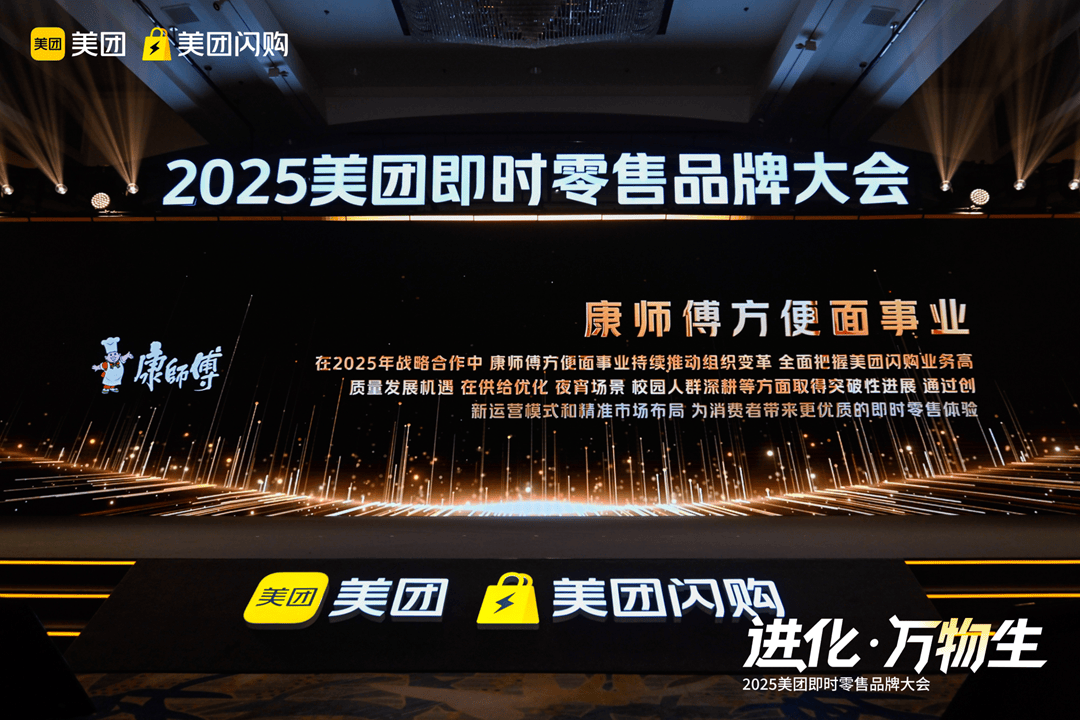
Group 1 - The core idea of the articles emphasizes the dynamic balance between competition and cooperation in business, highlighting how brands can evolve together in a competitive landscape [1] - The "2025 Meituan Instant Retail Brand Conference" was held in Beijing, focusing on how brands can leverage AI to gain insights into consumer demand and optimize supply [2] - In the first eight months of this year, Master Kong's instant noodle business led the market in instant retail sales, winning the "Golden Flash Award" from Meituan, marking it as the only award-winning brand in the instant food industry [4][6] Group 2 - The rise of instant retail is transforming consumer behavior from emergency needs to lifestyle choices, with the market expected to exceed 4.5 trillion yuan by 2030 [5] - Master Kong has strategically embraced new channels, achieving significant breakthroughs in supply optimization and targeting specific consumer groups, such as late-night snackers and students [5][10] - The launch of the new product "He Mian" targets the instant retail market, designed for dinner consumption, and has been well-received through online promotions [8][9] Group 3 - Master Kong's collaboration with Meituan has led to a dual growth in user engagement and sales data, particularly in late-night and campus scenarios [10][13] - The "Kang Shifu Late Night Noodle Shop" marketing initiative aims to capture the late-night snack market across 179 cities, integrating with youth culture and events [15] - The company is leveraging Meituan's delivery capabilities and extensive user base to enhance sales and market presence, positioning itself for sustainable growth in the evolving instant retail landscape [16]



美团闪购近7000家Apple授权专营店将同步首发开售iPhone新品
Zhong Guo Jin Rong Xin Xi Wang· 2025-09-11 02:40
Group 1 - Apple launched the iPhone 17 series, Apple Watch, and AirPods at a press conference on September 10, with pre-orders available through Meituan Flash Purchase [1] - The number of Apple authorized specialty stores participating in pre-sales has significantly increased, covering third and fourth-tier cities and county markets [2] - The number of Apple authorized specialty stores on Meituan Flash Purchase has grown from nearly 500 to nearly 7000, covering over 2000 counties and districts nationwide [2] Group 2 - The consumer electronics category has experienced rapid growth in the instant retail market, with a projected compound annual growth rate of 68.5% from 2021 to 2026 [2] - By 2026, the instant retail consumer electronics industry is expected to exceed 100 billion [2] - Meituan Flash Purchase will launch a dedicated IP "Lightning New Products" to support the first release of consumer electronics [3]


美团闪购休食行业负责人刘国庆:即时零售赋能休食产业发展,下沉市场增长潜力显著
Bei Jing Shang Bao· 2025-09-10 14:59
Group 1 - The core viewpoint of the article highlights the significant growth of the ready-to-eat food industry driven by instant retail, particularly through Meituan's flash purchase service [1] - Since the launch of Meituan's flash purchase, the ready-to-eat food category has experienced rapid growth, with increased penetration in lower-tier markets [1] - The collaboration between the well-known snack brand "Hao Xiang Lai" and Meituan's flash purchase has resulted in a monthly order surge to nearly 2 million orders within just four months of partnership [1]
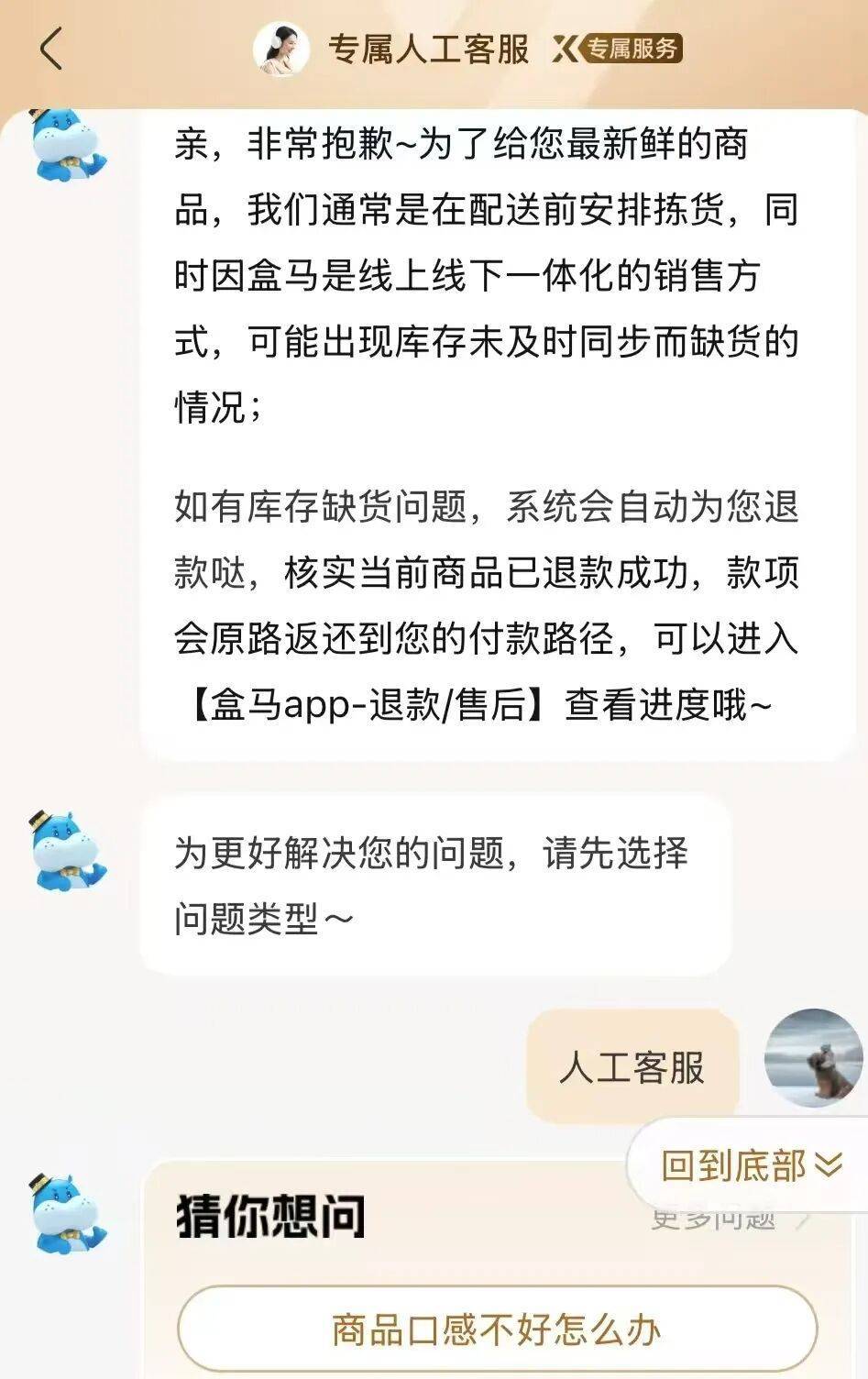
人工客服都去哪了?
Sou Hu Cai Jing· 2025-09-10 08:44
Core Viewpoint - The article highlights the challenges faced by consumers in the instant retail sector, particularly regarding customer service and communication issues when problems arise with orders [1][3]. Group 1: Consumer Experience - Consumers are often left without adequate support when issues occur, such as receiving incorrect orders or experiencing automatic refunds without prior notification [1][3]. - The lack of effective communication from platforms, particularly through automated customer service, leads to frustration and a poor consumer experience [3]. Group 2: Industry Practices - The article criticizes the practice of platforms using automated refunds without informing consumers, which undermines their rights to be informed and to choose alternatives like waiting, exchanging, or refunding [3]. - Some platforms, like Meituan and JD.com, have implemented better practices by offering consumers options when items are out of stock, demonstrating that service quality can be improved through better communication [3]. Group 3: Regulatory Environment - There is a call for regulatory bodies to establish standards for the use of intelligent customer service, including response times for transferring to human agents and ensuring consumer rights are protected [3]. - The current increase in complaints related to intelligent customer service indicates a need for improved industry standards and oversight [3]. Group 4: Market Dynamics - Despite ongoing losses, major delivery platforms continue to invest heavily in subsidies and market competition, raising questions about the sustainability of such practices [3]. - The article emphasizes that the ultimate success in the delivery market will depend on the quality of service provided to consumers, rather than just order volume or technological efficiency [3].
美团CEO王兴发布全员信:高频骑手月均收入达7230至10100元
Sou Hu Cai Jing· 2025-09-08 02:25
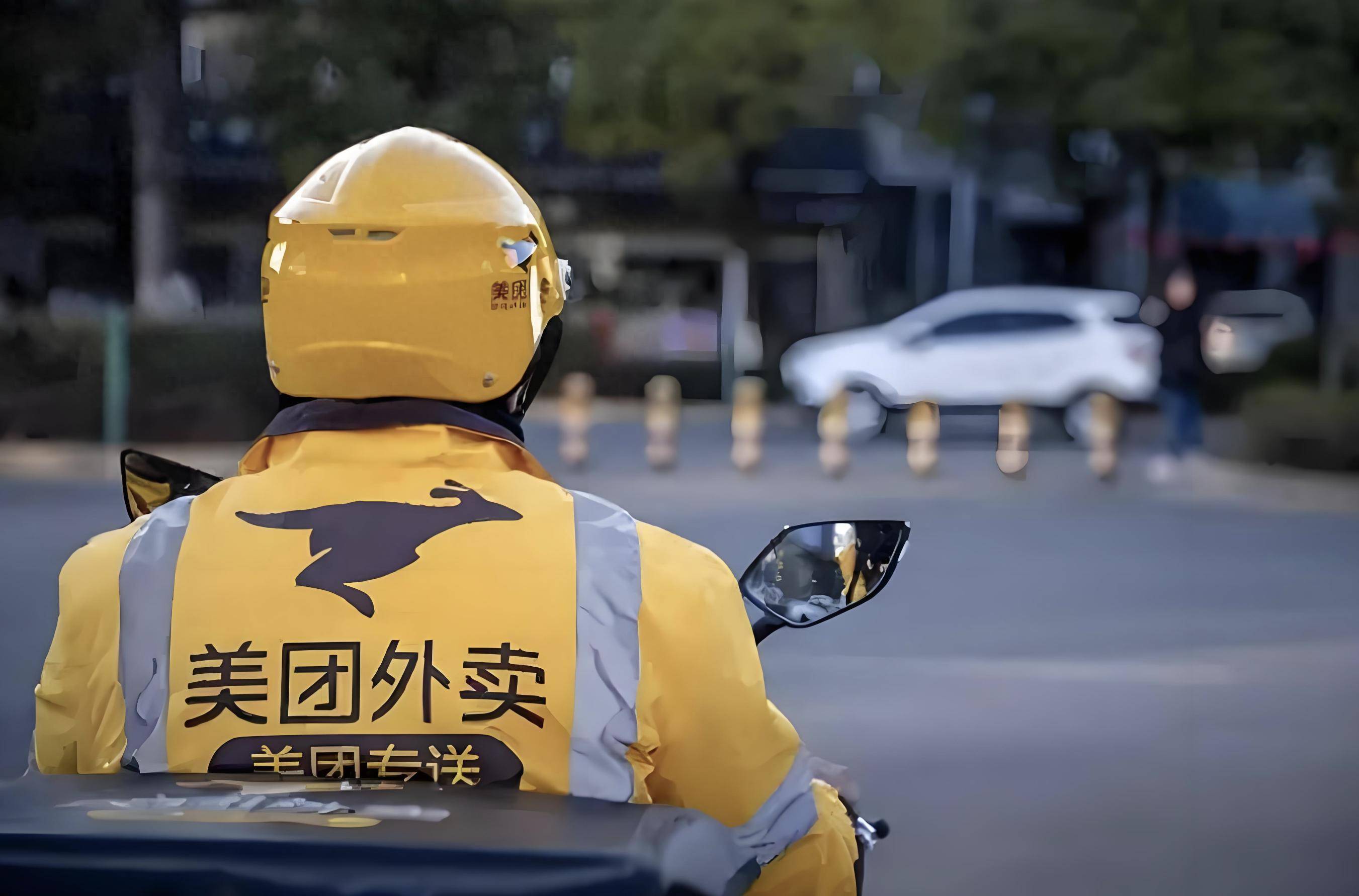
Core Insights - Meituan's CEO Wang Xing disclosed that in Q3 2023, the average monthly income for high-frequency riders (those completing over 26 orders per month) ranged from 7,230 to 10,100 RMB [2] - The company served 770 million users and 14.5 million active merchants over the past year, with a peak daily order volume exceeding 150 million [2] Income and Earnings Structure - The income stability for riders has been enhanced through technological upgrades and rule optimizations, including a dynamic pricing mechanism that can increase rider earnings by 30% to 50% during peak times and adverse weather [3] - A tiered reward system provides additional subsidies and bonuses for high-frequency riders, with some experienced riders earning over 10,000 RMB per month [3] - Delivery fees account for approximately 75% of rider income, with the remainder coming from user tips, platform rewards, and activity subsidies [3] Financial Performance - Meituan's revenue for Q2 2025 reached 91.84 billion RMB, an 11.7% increase from 82.3 billion RMB in the same period of 2024 [4] - The operating profit for the core local business segment significantly declined to 3.7 billion RMB due to intense competition in the food delivery sector [4] Rider Welfare Initiatives - Meituan is enhancing rider welfare by launching pilot programs for occupational injury insurance in nine provinces, covering over 1.2 million riders, with plans for nationwide coverage by 2024 [5] - The company plans to invest 500 million RMB in 2024 to improve rider benefits, including health check-ups and education subsidies for riders' children [5] Industry Context - The disclosure of rider income data is seen as a significant move for the industry, promoting transparency and potentially driving companies to optimize management practices [6] - The number of food delivery riders in China surpassed 7 million in 2022, with the instant retail market expected to grow at a compound annual growth rate of over 20% [6]
密巴巴携手美团小象超市,定制化服务赋能即时零售新发展
Sou Hu Cai Jing· 2025-09-06 13:44
Group 1 - The core viewpoint of the articles highlights the importance of logistics efficiency and quality in the rapidly growing instant retail industry, with a new partnership between Mibaba and Meituan's Xiaoxiang Supermarket injecting fresh vitality into their business development [1] Group 2 - Mibaba, with ten years of experience in the logistics sector, has established a mature logistics system and extensive service network, forming a solid foundation for the collaboration [3] - To meet Xiaoxiang Supermarket's diverse delivery needs for ambient food, refrigerated fresh produce, and frozen goods, Mibaba has formed a dedicated team to provide customized services, including the deployment of suitable vehicles and the development of a transportation scheduling system to enhance logistics efficiency and reduce costs [3] Group 3 - Mibaba has implemented specialized training for all drivers involved in the project, covering product handling standards, delivery time management, and customer service protocols to ensure alignment with Meituan Xiaoxiang Supermarket's operational requirements [7] - A real-time communication mechanism has been established between the project operation team and Meituan Xiaoxiang Supermarket's relevant personnel to synchronize delivery progress and respond promptly to unexpected demands, enhancing flexibility and reliability in the delivery process [7] Group 4 - Since the start of the collaboration, the synergy between the two companies has become increasingly evident, with the number of daily transport vehicles increasing from 7-8 to over 20 within two months, while maintaining a record of zero product damage and zero delivery delays, receiving high recognition from customers [8] - Mibaba and Meituan Xiaoxiang Supermarket plan to deepen their collaboration by exploring new models of synergy between instant retail and logistics services, continuously optimizing operational plans to provide consumers with a more efficient and high-quality instant shopping experience [8]

即时零售,再猛也颠覆不了商场
Sou Hu Cai Jing· 2025-09-06 05:23
Core Insights - The rise of instant retail in China is driven by a combination of technological advancements, changing consumer habits, and innovative business models, filling the gap between online and offline retail [2][3][4] - The instant retail market in China is projected to grow at a compound annual growth rate of 10%, reaching 3.8 trillion yuan by 2029 [2] Group 1: Consumer Demand - Consumers increasingly expect immediate satisfaction, leading to a shift from traditional e-commerce to instant retail, where delivery times can be as short as 30 minutes [4][5] - The demand for instant retail is particularly strong among urban professionals and young parents who prefer to "buy time" with their money, seeking both the certainty of offline products and the variety of online platforms [4][5] Group 2: Supply Side Evolution - Traditional retailers are transitioning from being disrupted to actively participating in instant retail, leveraging existing inventory and expanding service areas without increasing physical space [6][20] - Digital transformation is essential for brands, as partnering with instant retail platforms allows them to focus on products and supply chains while benefiting from enhanced logistics and technology [6][20] Group 3: Capital Investment - Major players like Meituan, JD, and Alibaba are heavily investing in instant retail, viewing it as a multi-trillion yuan market, which accelerates market maturity and user habit formation through subsidies and technological advancements [7][8] Group 4: Competitive Landscape - The competition among major platforms is intensifying, with Meituan, JD, and Alibaba each launching aggressive initiatives to capture market share, such as Meituan's "Meituan Flash Purchase" and JD's "JD Seconds" service [8][9] - Instant retail is reshaping consumer behavior, with non-food orders on platforms like Taobao Flash Purchase accounting for 75% of transactions, indicating a shift in consumption patterns [8][9] Group 5: Brand Strategies - Brands are not merely adding sales channels but are undergoing strategic transformations to meet the evolving consumer landscape, utilizing platform infrastructure to enhance customer engagement and satisfaction [17][18] - The collaboration with instant retail platforms allows brands to optimize inventory management and marketing strategies, enhancing their overall operational efficiency [19][20] Group 6: Impact on Traditional Retail - Instant retail poses challenges to traditional shopping malls, as it disrupts the convenience and sales logic that malls have relied on, leading to potential declines in foot traffic and sales [29][30] - Malls must adapt by enhancing their value propositions, focusing on experiential and social aspects of shopping that instant retail cannot replicate [35][36]


淘宝闪购 5 万家闪电仓追平美团?即时零售闪电仓争夺战才刚开始!
Sou Hu Cai Jing· 2025-09-04 06:11
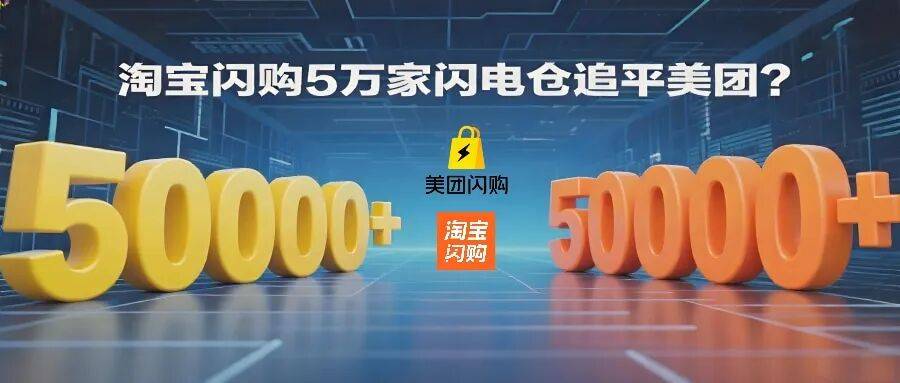
Core Insights - The competition between Meituan and Alibaba in the instant retail sector is intensifying, with both companies announcing that their "lightning warehouse" numbers have surpassed 50,000 [2][3] - Meituan achieved this milestone by rapidly expanding its lightning warehouses from 30,000 to over 50,000 in just eight months, indicating a monthly addition of nearly 2,500 warehouses [2][3] - Alibaba's lightning warehouse count also reached over 50,000, with a significant year-on-year order volume increase of 360%, showcasing its rapid growth strategy [2][3] Company Strategies - Meituan's strategy focuses on deep partnerships with major brands, leveraging traffic support, rebate incentives, and low commission rates to build a strong core supply chain [7][8] - Alibaba's approach involves quickly adopting Meituan's established brand and operational terminology, which lowers conversion costs and activates market memory [4][6] - Alibaba utilizes its 1688 supply chain ecosystem to shorten the cold start period for its lightning warehouses, allowing for rapid integration of existing e-commerce resources [5][11] Market Dynamics - Despite both companies reporting similar warehouse numbers, the underlying structures and partnerships differ significantly, with Meituan emphasizing deep collaboration and Alibaba focusing on broad access [8][9] - The competition is not just about quantity but also about the quality of partnerships and ecosystem control, which will be crucial for long-term success [10][16] - The shared supply chain dynamics suggest that competitors may become part of a common ecosystem, blurring the lines between rivals [14][15] Future Outlook - Alibaba plans to transition its Tmall supermarket to a near-field flash purchase model while integrating offline brand stores into its lightning warehouse system, aiming for a million offline brand stores to join [13][20] - The competition is expected to shift focus towards supply chain control, with the ability to manage product sourcing becoming a key determinant of success [19][20] - The current phase of competition is just the beginning, with the real battle anticipated to commence in September [20]
外卖“三国杀”后,电商终究阿里“坐庄”?
Hu Xiu· 2025-09-03 14:17
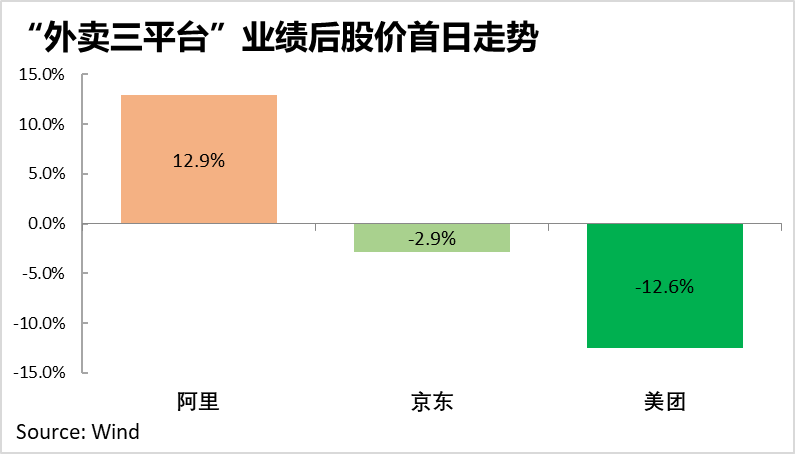
Group 1 - Alibaba achieved significant victories in both performance data and stock price during the summer of 2025, indicating a strong recovery [1] - The recent e-commerce battle involving Alibaba, JD.com, and Meituan is reshaping the market landscape, hinting at potential long-term changes in the e-commerce sector [2][3] - The stock market reaction to the earnings reports of Alibaba, Meituan, and JD.com shows that Alibaba's stock surged nearly 13% on the first day after its earnings announcement, while Meituan's stock dropped nearly 13% [4] Group 2 - In the second quarter, Alibaba's adjusted profit was 38.8 billion yuan, a decline of less than 14% year-on-year, indicating that its investments in the food delivery sector did not severely impact its profitability [18] - In contrast, Meituan's operating profit plummeted by 97% to only 200 million yuan, while JD.com reported a loss of 860 million yuan, highlighting the severe financial impact of the delivery battle on these companies [17] - The market's perception of the three companies is evident: Alibaba is seen as having a strong position due to its size and financial resources, while Meituan and JD.com face significant challenges [9][10][13] Group 3 - The food delivery battle has led to a substantial increase in daily active users (DAU) for all three companies, with Alibaba experiencing a 17% year-on-year increase in DAU by July [29][30] - Alibaba's Taobao Flash has achieved a significant increase in order volume, reaching an average of 75 million daily orders in the third quarter, nearly matching Meituan's expected 90 million [34] - The competitive landscape has shifted, with Alibaba's market share in food delivery approaching parity with Meituan, indicating a successful strategy in scaling operations [36][88] Group 4 - Alibaba's management anticipates that the integration of its various business units will create a comprehensive consumption platform, aiming for a seamless user experience across different services [89][90] - The company plans to enhance its operational efficiency and reduce average losses per order by optimizing its delivery structure and increasing the average order value [85][86] - The long-term goal for Alibaba is to establish a unified platform that encompasses all aspects of consumer needs, including food delivery, traditional e-commerce, and other services [92]
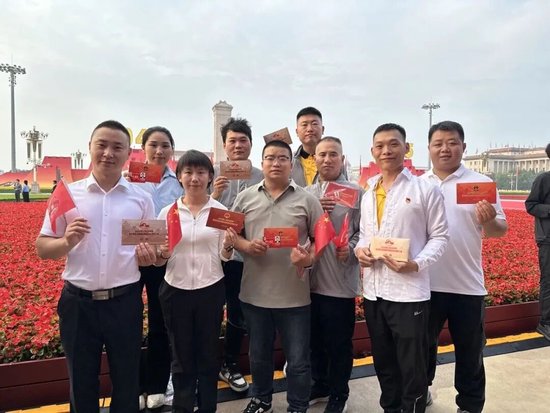
外卖骑手受邀观礼九三阅兵
Bei Jing Ri Bao Ke Hu Duan· 2025-09-03 13:46
Core Points - The 80th anniversary of the victory in the Chinese People's Anti-Japanese War and the World Anti-Fascist War was commemorated in Beijing, with Meituan riders and employees invited to participate [1] - Meituan riders are recognized not only for their daily service but also for their contributions to the community and public welfare [1][3] Group 1 - Meituan riders, including veterans and community service advocates, participated in the ceremony, showcasing their dual role as service providers and community contributors [1][3] - Liu Jian, a Meituan rider, exemplified bravery by rescuing a trapped driver during an accident, inspiring fellow riders to engage in community service [3] - The "Beautiful Chaoyang Knight" project initiated in 2019 encourages riders to follow traffic regulations and contribute to urban environmental management [3] Group 2 - Gao Feng, a Meituan rider and party branch secretary, emphasizes the importance of community service and infrastructure checks, reflecting a commitment to social responsibility [3] - Lian Shuangpeng, a rider and father, highlights the financial challenges faced by riders, with Meituan's "Kangaroo Baby Public Welfare Program" providing support for his child's medical expenses [4]