调味品

Search documents
老干妈回应“味道变了”
新华网财经· 2026-01-14 05:09
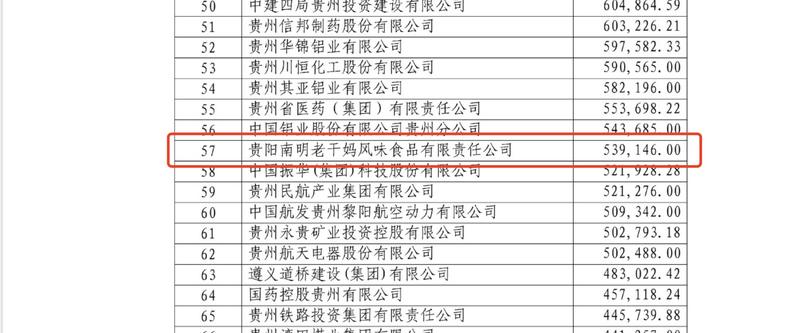
Core Viewpoint - The recent discussion about "Laoganma changing its taste to save costs" has sparked significant debate among consumers, with some claiming changes in flavor and ingredients, while the company denies any alterations to its original recipe [2][3]. Group 1: Company Response - Laoganma's staff refuted claims of changing ingredients for cost-saving purposes, attributing any perceived taste differences to consumers' evolving preferences and individual taste variations [2]. - The company emphasized that its raw materials, production processes, and recipes have remained unchanged [2]. Group 2: Company Background and Performance - Founded in 1984 by Tao Huabi, Laoganma gained popularity for its unique cooking methods and has since expanded to produce over 20 product lines, including flavored doubanjiang and chili oil [2]. - In the "2025 Guizhou Top 100 Enterprises" list, Laoganma ranked 57th, with a reported revenue of 5.391 billion yuan in 2024, a slight increase of 0.18% from 2023, marking three consecutive years of growth [3]. - The company is close to its historical revenue peak of 5.403 billion yuan in 2020, with only a 0.12 billion yuan difference [3]. Group 3: Leadership and Strategic Changes - There are claims that the return of founder Tao Huabi to active management has contributed to the company's revenue recovery, although company representatives clarified that she has always been involved [3]. - After Tao Huabi stepped back in 2014, the company faced challenges, including a shift to cheaper Henan peppers, which altered the product's taste and led to consumer backlash, resulting in declining sales in 2017 and 2018 [3]. - In 2019, upon Tao Huabi's return to management, the company reverted to its original ingredients, which helped stabilize its performance [3].

老干妈回应“味道变了”
Xin Lang Cai Jing· 2026-01-14 04:08
Core Viewpoint - The recent controversy regarding the taste change of "Lao Gan Ma" has sparked discussions among consumers, with some claiming a difference in flavor and ingredients, while the company denies any changes to its recipe or raw materials [1][2]. Group 1: Company Response - Lao Gan Ma's staff refuted claims of changing ingredients for cost-saving purposes, attributing any perceived taste differences to consumers' evolving preferences and personal taste variations [1]. - The company emphasized that its raw materials, production processes, and recipes have remained unchanged [1]. Group 2: Company Background and Performance - Founded in 1984 by Tao Huabi, Lao Gan Ma gained popularity for its unique condiment production methods and became a sales hit after mass production began in 1996 [2]. - In the "2025 Guizhou Top 100 Enterprises" list, Lao Gan Ma ranked 57th, with a reported revenue of 5.391 billion yuan in 2024, a slight increase of 0.18% from 2023, marking three consecutive years of growth [2]. - The company is close to its historical revenue peak of 5.403 billion yuan in 2020, being only 0.12 billion yuan short [2]. Group 3: Leadership and Historical Context - There were rumors about Tao Huabi's return to the company, but staff clarified that she has always been involved, despite her stepping back from direct operations in 2014 [2]. - After Tao Huabi's withdrawal from the shareholder structure in 2014, her sons took over the majority of the shares, with Li Miaoxing being the actual controller [2]. - The company faced challenges in 2017 and 2018 due to a shift in raw materials from Guizhou to cheaper Henan peppers, which led to a decline in taste and consumer backlash, prompting a return to original ingredients in 2019 when Tao Huabi resumed operational control [2].
挑选酱油,别再被这些文字游戏忽悠了!
Xin Hua Wang· 2026-01-14 03:44
Core Insights - Soy sauce has evolved from a simple seasoning to a diverse product with various types and labels, making selection challenging for consumers [1] Group 1: Key Indicators for Choosing Soy Sauce - Three critical indicators to consider when selecting soy sauce are amino acid nitrogen content, sodium content, and production method [2][3] - Amino acid nitrogen is essential for flavor and quality, with higher levels indicating better taste; the national standard specifies that for every 100 milliliters of soy sauce, grade three should have ≥0.4 grams, grade two ≥0.55 grams, grade one ≥0.7 grams, and special grade ≥0.8 grams [3] - Sodium content is crucial for health, as excessive intake can increase hypertension risk; consumers are advised to choose "low sodium" options and control usage, especially for those with high blood pressure [3] Group 2: Types of Soy Sauce and Their Uses - Different types of soy sauce serve specific culinary purposes: light soy sauce is suitable for cold dishes and enhancing flavor, while dark soy sauce is used for coloring in braised dishes [5][6] - Functional soy sauces, such as "flavor-enhanced" or "mushroom soy sauce," contain added ingredients for specific flavors, while "zero-additive" soy sauces lack preservatives but may not have lower sodium content [6] Group 3: Guidelines for Special Populations - For children, it is essential to control soy sauce intake, with recommendations against consumption for infants under one year; "children's soy sauce" often lacks standardized sodium content [8] - Individuals with hypertension should prioritize low-sodium soy sauce, while those with diabetes should consume soy sauce in moderation and check for added sugars in the ingredient list [8] Group 4: Storage and Common Misconceptions - Proper storage of soy sauce includes keeping unopened bottles in a cool, dark place and refrigerating low-sodium or zero-additive varieties after opening; any signs of spoilage should lead to disposal [10] - A common misconception is that using soy sauce eliminates the need for additional salt in cooking; due to varying salt levels in different soy sauces, careful adjustment is necessary to avoid excessive sodium intake [10] Group 5: Label Insights - Consumers should focus on key information on soy sauce labels and not be misled by marketing terms like "special brew" or "first press"; a simple ingredient list with high-quality core indicators is essential for selecting good soy sauce [11]
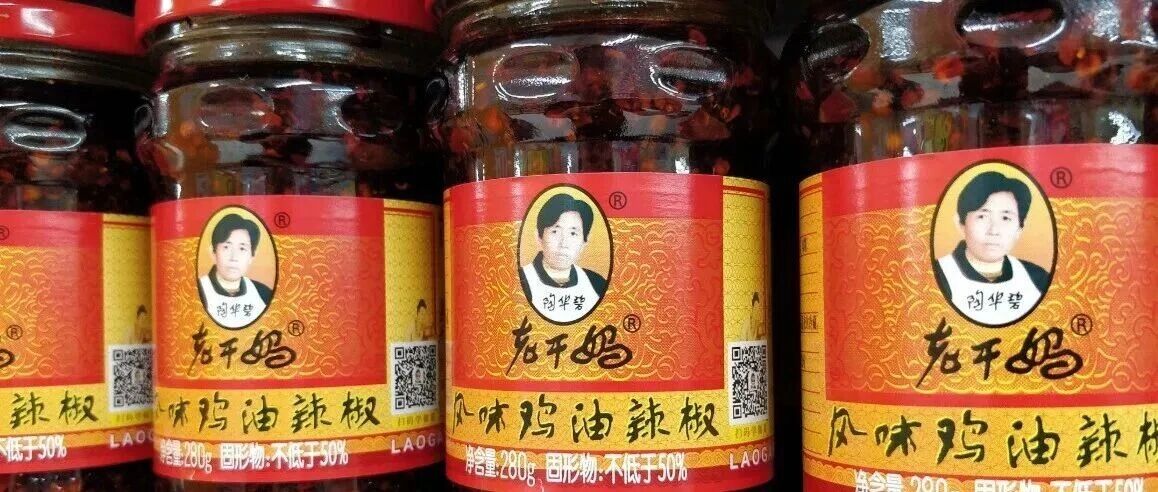
老干妈营收重回巅峰,78岁“国民女神”被曝出山救子,工作人员:陶华碧一直在公司,复出是网友猜测,产品工艺配料没有变过
Xin Lang Cai Jing· 2026-01-14 03:17
Core Insights - Laoganma ranked 57th in the "2025 Guizhou Top 100 Enterprises" list, with a revenue of 5.391 billion yuan in 2024, marking a slight increase of 0.18% from 5.381 billion yuan in 2023, and nearing its peak revenue of 5.403 billion yuan in 2020 [1][3][8] - The recent surge in Laoganma's revenue is attributed to the founder Tao Huabi's return to the spotlight, although company representatives clarified that she has always been involved [1][3] - Laoganma has maintained a strong offline sales network but has been inactive online, with its official WeChat account not updated for over three years and its Douyin account only posting once a year [1][5][6] Revenue Growth - Laoganma has achieved revenue growth for three consecutive years, with 2024's revenue of 5.391 billion yuan being just 0.12 billion yuan short of its historical peak in 2020 [3][8] - The company faced challenges in 2017 and 2018 due to changes in ingredient sourcing, which led to a decline in sales, but has since reverted to its original production methods [3][4] Brand and Market Position - Tao Huabi is viewed as a symbol of quality for the Laoganma brand, which has transcended being just a product to become a cultural icon in Chinese cuisine [4] - Laoganma holds approximately 20% market share in the Chinese chili sauce market, maintaining its position as the leading brand [8] Online Presence and Marketing Strategy - Laoganma's online presence has been described as "offline" with no significant updates or engagement on social media platforms, which contrasts with the competitive online marketing landscape [5][6] - The company relies on a traditional distribution model without direct sales, focusing on a vast offline network that is difficult for new brands to replicate [7] Competitive Landscape - The chili sauce market has become increasingly competitive, with brands like Hubang and Chuanwazai employing diverse marketing strategies to attract younger consumers [7] - Despite the competition, Laoganma's established reputation and extensive distribution network provide a strong defense against emerging brands [7]
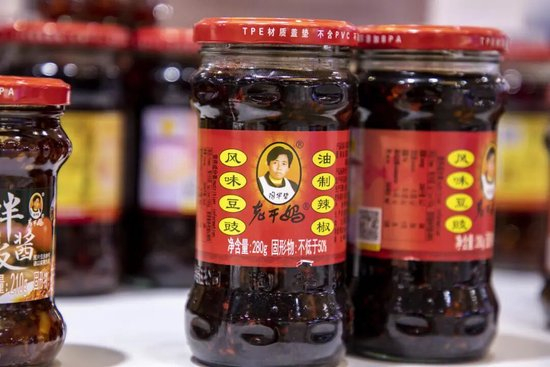
网友:“老干妈味道变了”?老干妈回应:原料、配方从未改变
2 1 Shi Ji Jing Ji Bao Dao· 2026-01-14 03:05
(文章来源:21世纪经济报道) 在此前发布的"2025贵州企业100强名单"中,贵阳南明老干妈风味食品有限责任公司位列第57名。数据 显示,老干妈2024年营收53.91亿元,较2023年的53.81亿元微增0.18%,连续三年实现增长,距2020年 54.03亿元的历史峰值仅差0.12亿元。 据津云新闻,对此,公司相关工作人员进行回应,其否认了为节约成本而调整原料的说法,并表示产品 味道如有差异,可能是由于消费者生活水平提升、对口感的要求越来越高,加之个人口味偏好不同所 致。工作人员同时强调,老干妈的原料、工艺及配方,并未改变。 近日,"老干妈为节省成本味道变了"的话题引发网友热议。有消费者反映老干妈味道变了,还有消费者 吐槽豆豉味道不同、鸡肉含量减少,也有人猜测其更换了辣椒原料。 ...
年近八旬的“老干妈”,身后有没有放心的接班人?
阿尔法工场研究院· 2026-01-14 02:36
Core Viewpoint - The article discusses the challenges faced by Lao Gan Ma, a leading Chinese chili sauce brand, following significant management changes and the impact of these changes on the company's performance and reputation [4][5][14]. Group 1: Company Background - Lao Gan Ma has maintained a dominant position in the Chinese condiment market, holding nearly 20% market share, significantly outpacing its closest competitors [4][18]. - The brand's founder, Tao Huabi, returned to the forefront in 2019 to oversee operations after a period of decline in revenue [5][15]. Group 2: Management Changes - After retiring in 2014, Tao Huabi transferred control to her two sons, with the younger son, Li Miaoxing, becoming the majority shareholder [7]. - Li Miaoxing's initial reforms included changing the source of chili peppers from high-quality Guizhou peppers to cheaper Henan peppers, which led to a crisis in product quality and brand reputation [9][12][14]. Group 3: Financial Performance - Lao Gan Ma's revenue began to decline from 45 billion yuan in 2016 to 43 billion yuan in 2018, coinciding with increased competition in the chili sauce market [15]. - Following the return of Tao Huabi and the reinstatement of traditional production methods, the company rebounded, with projected revenue nearing 54 billion yuan in 2024, almost reaching its historical peak [15][26]. Group 4: Family Dynamics and Future Outlook - The article highlights the contrasting management styles of the two brothers, with Li Guishan, the elder brother, showing a preference for capital expansion and investment, while Li Miaoxing focused on maintaining traditional practices [19][21]. - Tao Huabi emphasized the need for her successor to possess technical skills, resilience, and filial piety, indicating that Li Miaoxing may be the chosen successor despite the challenges of replicating her management style [26][27].
高盛:聚焦中国消费必需品三大主题 2026年筑底机会浮现
Zhi Tong Cai Jing· 2026-01-14 01:40
Core Viewpoint - Goldman Sachs reports a bifurcated performance in China's consumer staples industry last year, with a significant turning point marked by the anti-corruption policy introduced on May 18 [1] Group 1: Industry Performance - Prior to the policy implementation, the industry showed stable performance, with certain companies achieving growth through product cycles, market share increases, or stable shareholder returns, including Nongfu Spring, Zhongchong Co., WH Group, Master Kong, and Budweiser APAC [1] - The industry is expected to bottom out in the second half of the year, particularly with cyclical recoveries in liquor and dairy sectors, alongside growth in beer, condiments, and ready-to-eat food categories [1] - The liquor sector is anticipated to gradually recover in the second half of the year due to a rebound in business banquets and high-end demand, although channel inventory pressure needs to be addressed in the first half [1] - The dairy sector may achieve supply-demand rebalancing in the second half, influenced by upstream production cuts and policy support [1] - Categories related to dining, such as beer, condiments, and ready-to-eat foods, are expected to benefit from low base effects and cyclical recovery [1] Group 2: Competitive Landscape - The food and beverage industry is experiencing intensified competition and significant differentiation, requiring companies to increase promotional efforts and new product launches [1] - The beer industry faces heightened price competition, while the competitive environment for leading companies in condiments and ready-to-eat foods remains relatively favorable [1] Group 3: Investment Outlook - Goldman Sachs suggests maintaining a focus on growth stocks in the first half of 2026, with a gradual shift towards value stocks as bottoming opportunities emerge in the second half [2] - The long-term growth potential of the beverage industry is viewed positively, with a more optimistic outlook on the recovery of condiments, ready-to-eat foods, and the dairy sector [2]
莲花控股2025年扣非预增超37.74% 主业稳健加码算力打造新增长点
Chang Jiang Shang Bao· 2026-01-13 23:46
Core Viewpoint - Under the dual drive of "consumption + technology," Lianhua Holdings is expected to achieve record high performance in 2025, with a projected net profit of 290 million to 330 million yuan, representing a year-on-year increase of 43.15% to 62.90% [1][3] Group 1: Financial Performance - For 2025, the company's net profit is forecasted to reach between 290 million and 330 million yuan, with a growth rate of 43.15% to 62.90% year-on-year [1][3] - The non-recurring net profit is expected to be between 280 million and 320 million yuan, with a year-on-year increase of 37.74% to 57.42% [1][3] - Revenue is projected to grow from 1.691 billion yuan in 2022 to 2.646 billion yuan in 2024, with net profit increasing from 46 million yuan to 203 million yuan during the same period [3] Group 2: Core Business Growth - The seasoning business has shown steady growth, with compound seasoning products like chicken essence and matsutake performing well, achieving revenue of 343 million yuan in the first three quarters of 2025, a year-on-year increase of 38.13% [3] - Liquid seasoning products, such as soy sauce, have seen rapid growth with a staggering year-on-year increase of 911.68%, significantly contributing to revenue growth [3] - Online sales revenue reached 281 million yuan in the first three quarters of 2025, a substantial increase of 154.47% year-on-year, while offline sales revenue was 2.196 billion yuan, up 20.48% [4] Group 3: Technology Business Development - Since entering the smart computing sector in 2023, Lianhua Holdings has shown effective strategic execution, with the computing segment becoming a second growth curve, achieving revenue of 97.67 million yuan in the first three quarters of 2025, a 75.32% year-on-year increase [2][5] - The company has signed a 200 million yuan procurement contract for 4,000 accelerator cards to enhance its computing service capabilities, with the first payment of 120 million yuan already made [5] - Lianhua Holdings has established a complete system for its computing business, focusing on personalized industry needs and extending to consumer markets with products like Lianxiaobox and Lianxiaomiao [6] Group 4: Future Strategy - The company plans to deepen its "consumption + technology" dual-drive strategy, consolidating its advantages in the seasoning sector while optimizing product matrices and channel layouts [7] - The technology sector will focus on enhancing independent research and development in computing, algorithms, and intelligent systems to further improve core competitiveness [7]

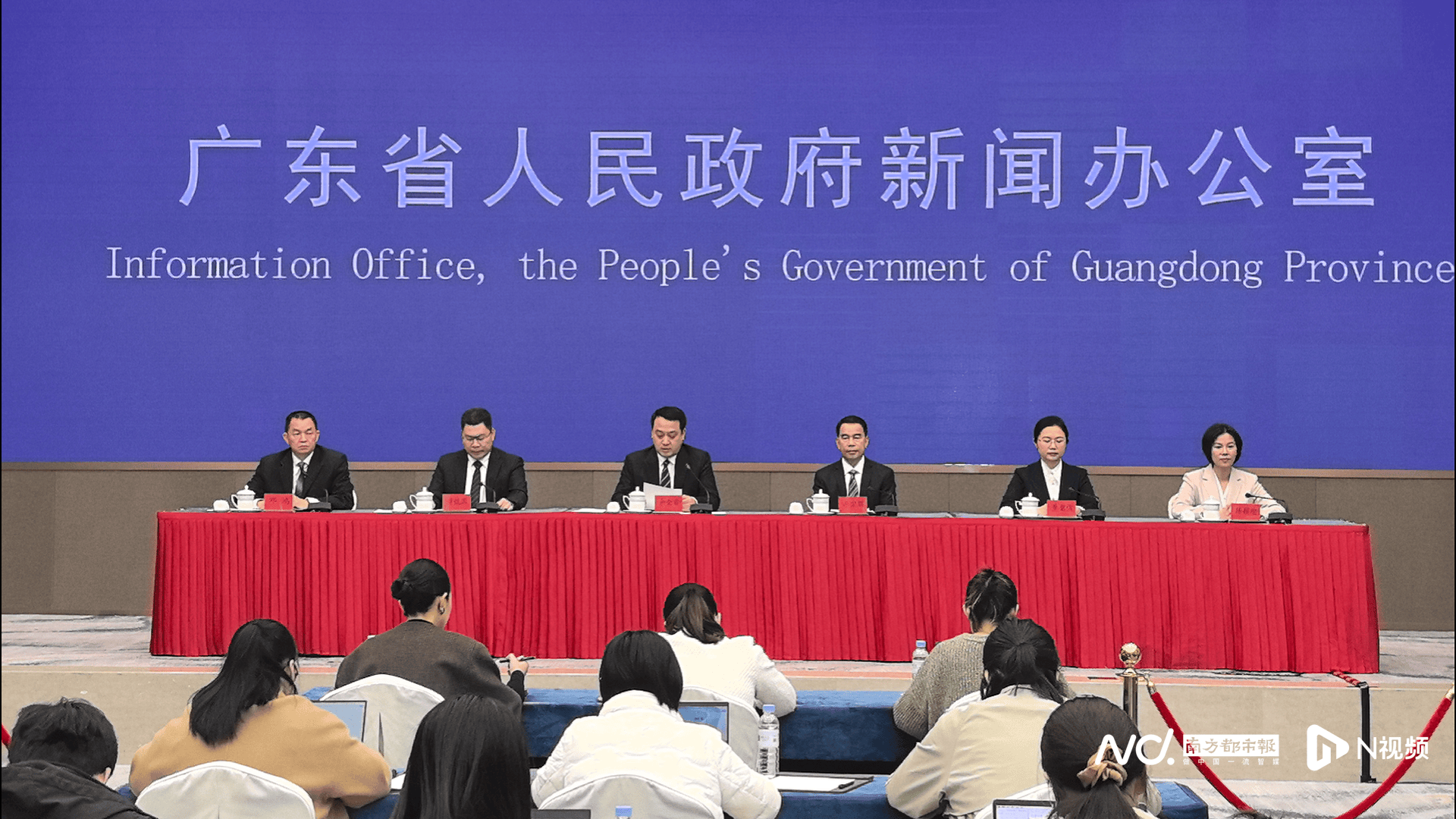
阳江“十四五”连跨三个百亿台阶,跻身广东第一电力能源大市
Sou Hu Cai Jing· 2026-01-13 21:23
Core Viewpoint - The press conference highlighted the significant achievements of Yangjiang during the "14th Five-Year Plan" period, focusing on economic growth, industrial development, and social progress, positioning Yangjiang as a key player in the Guangdong-Hong Kong-Macao Greater Bay Area [3][4]. Economic Development - Yangjiang's economic total has crossed the milestones of 140 billion, 150 billion, and 160 billion yuan during the "14th Five-Year Plan" [4] - Fixed asset investment growth has ranked first in the province for three consecutive years, with a cumulative investment increase of over 30% compared to the "13th Five-Year Plan" [4] - By 2025, local general public budget revenue is expected to exceed 10 billion yuan, with a cumulative increase of 38.6% compared to the "13th Five-Year Plan" [4] Industrial Growth - The city's industrial added value and industrial investment have grown annually by 7.3% and 14.6%, respectively, during the first four years of the "14th Five-Year Plan" [4] - Yangjiang has become the leading power energy city in the province, with an installed capacity exceeding 24.29 million kilowatts, accounting for about one-tenth of the province's total [4] - The number of hundred-billion-level industrial enterprises has increased to seven, and the number of specialized and innovative enterprises has grown nearly 12 times compared to the end of the "13th Five-Year Plan" [4] Infrastructure Development - The total railway mileage has reached 425.4 kilometers, and the total road mileage has surpassed 11,000 kilometers, achieving high-speed rail access to all counties and 30-minute highway access to all towns [4] - The city has established a modern transportation network integrating airports, high-speed rail, and major ports to enhance connectivity within the Greater Bay Area [8] Social Progress - Nearly 80% of fiscal expenditure is allocated to people's livelihoods, and the city has been recognized as one of the "most livable cities in China" [9] - Over 90,000 new urban jobs have been created in five years, and the average life expectancy has exceeded 83 years [9] - The city has built or renovated 74 schools, adding 124,000 public school places, achieving full coverage of undergraduate, master's, and doctoral education [9] Environmental Initiatives - Yangjiang has completed forest optimization over 350,000 acres and forest nurturing over 620,000 acres, achieving a forest coverage rate of 57.8% [8] - The city has been recognized as a national forest city and an international garden city, with continuous excellent water quality for five years [8]
年营收仅实现微增 老干妈的“后陶华碧时代”怎么办?
Xin Jing Bao· 2026-01-13 16:31
Core Viewpoint - The recent report from the Guizhou Enterprise Federation and Guizhou Entrepreneurs Association indicates that Laoganma's revenue for 2024 is projected to be 5.391 billion yuan, showing a slight year-on-year increase of only 10 million yuan, which is less than 0.2% growth, despite nearing its historical peak in 2020 [1][2]. Group 1: Company Performance - Laoganma's revenue in 2024 is 5.391 billion yuan, ranking 57th in the "2025 Guizhou Top 100 Enterprises" list, close to its peak of 5.403 billion yuan in 2020 [2][3]. - The company's revenue has fluctuated over the past decade, with a peak of 4.033 billion yuan in 2014, a drop to 4.201 billion yuan in 2021, and a rebound to 5.381 billion yuan in 2023 [2][5]. - The slight revenue increase in 2024 is attributed to a price adjustment made in March 2022 due to rising costs of raw materials, labor, and transportation [3]. Group 2: Leadership and Management - The return of founder Tao Huabi to the front line in 2019 has been pivotal in reviving Laoganma's performance after a period of stagnation under her sons' management [5][6]. - The sons, Li Guishan and Li Miaoxing, faced challenges during their management, including a trust crisis due to changes in core ingredients and external investment failures [5][6]. - Tao Huabi's management has included reverting to original recipes and strict control over raw material standards, but her age raises concerns about the future leadership transition [6][8]. Group 3: Market Challenges - Laoganma faces significant challenges, including intense market competition and a lack of product diversification, which limits long-term growth potential [7][8]. - The company holds a dominant market share of over 20% in the chili sauce sector, but new brands are emerging with differentiated strategies and online marketing, intensifying competition [7]. - The future growth of Laoganma is uncertain, particularly regarding the ability of the next generation to lead the company effectively and innovate beyond its traditional product lines [8].